Baby tomatoes, often called cherry or grape tomatoes, are small but mighty members of the tomato family. Their bite-sized shape, vibrant colors, and naturally sweet flavor make them a favorite in kitchens worldwide. Whether eaten raw, roasted, or incorporated into creative recipes, these little gems prove that good things truly come in small packages.
Their versatility means they can move seamlessly from a quick snack to the star of a gourmet dish, making them indispensable in modern cooking. They are also a symbol of convenience—easy to prepare, quick to eat, and endlessly adaptable.
What Are Baby Tomatoes?
Table of Contents
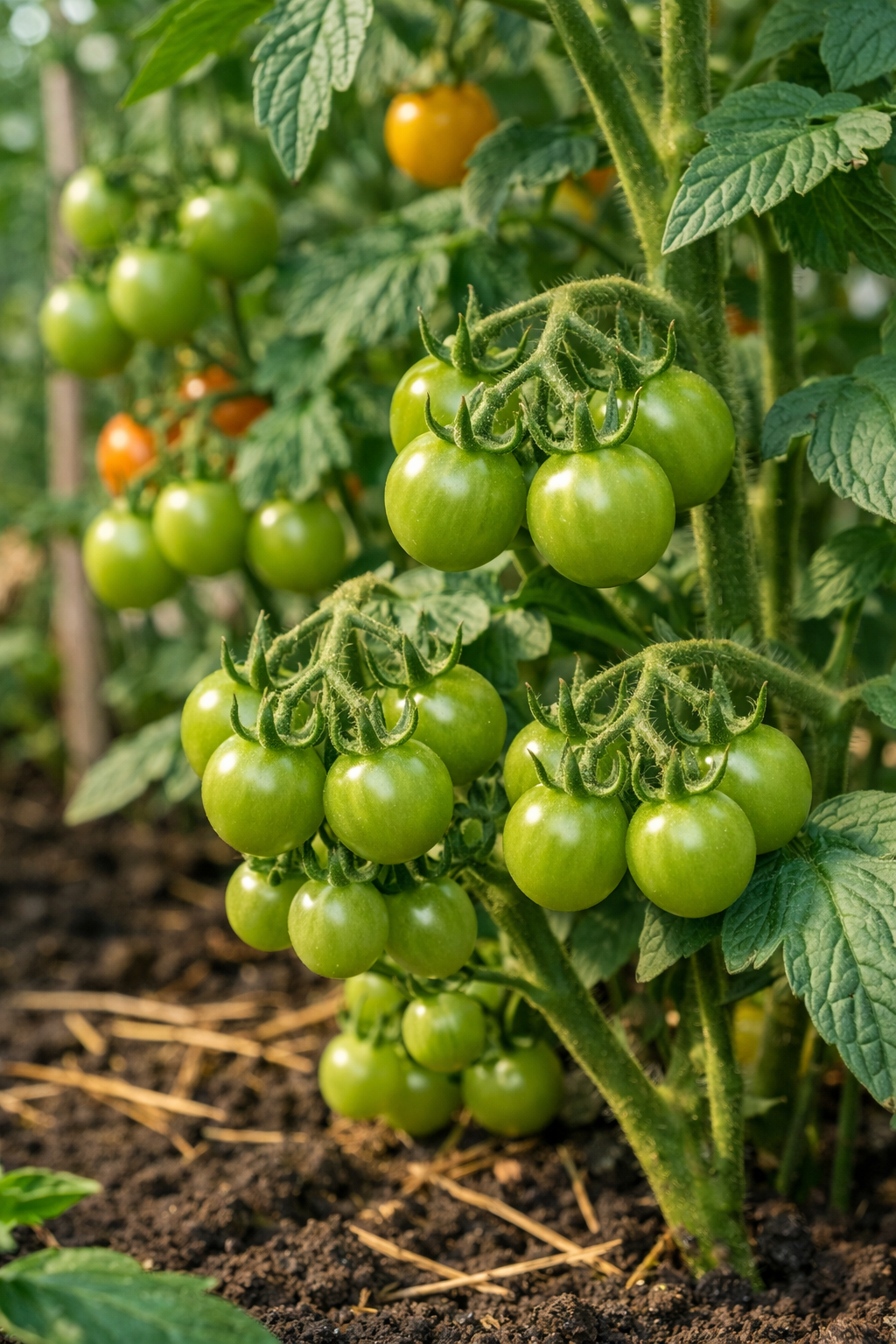
Baby tomatoes are miniature varieties of the common tomato plant, typically measuring just a couple of centimeters in diameter. They grow in clusters, often producing abundant harvests that delight both home gardeners and commercial farmers. Their thin skins and juicy flesh give them a burst of sweetness that sets them apart from larger tomatoes, making them especially appealing for fresh eating.
- Cherry tomatoes are round, juicy, and intensely flavorful, often described as nature’s candy because of their sweetness.
- Grape tomatoes are oval-shaped, firmer, and slightly less sweet, which makes them ideal for roasting, tossing into pasta, or adding to stir-fries.
- Cocktail tomatoes are a bit larger, perfect for stuffing or roasting whole, offering a balance between bite-sized convenience and culinary creativity.
These varieties come in shades of red, yellow, orange, and even purple, adding both taste and beauty to your plate. Their vibrant colors also signal a range of beneficial phytonutrients, each contributing to health in unique ways.
Easy to grow at home, baby tomato plants thrive in pots, gardens, or even balcony containers, making them a popular choice for gardeners who want quick harvests and reliable yields. With minimal care, they reward growers with clusters of fruits that can be enjoyed throughout the season.
How to Use Baby Tomatoes in Cooking
Fresh and Raw
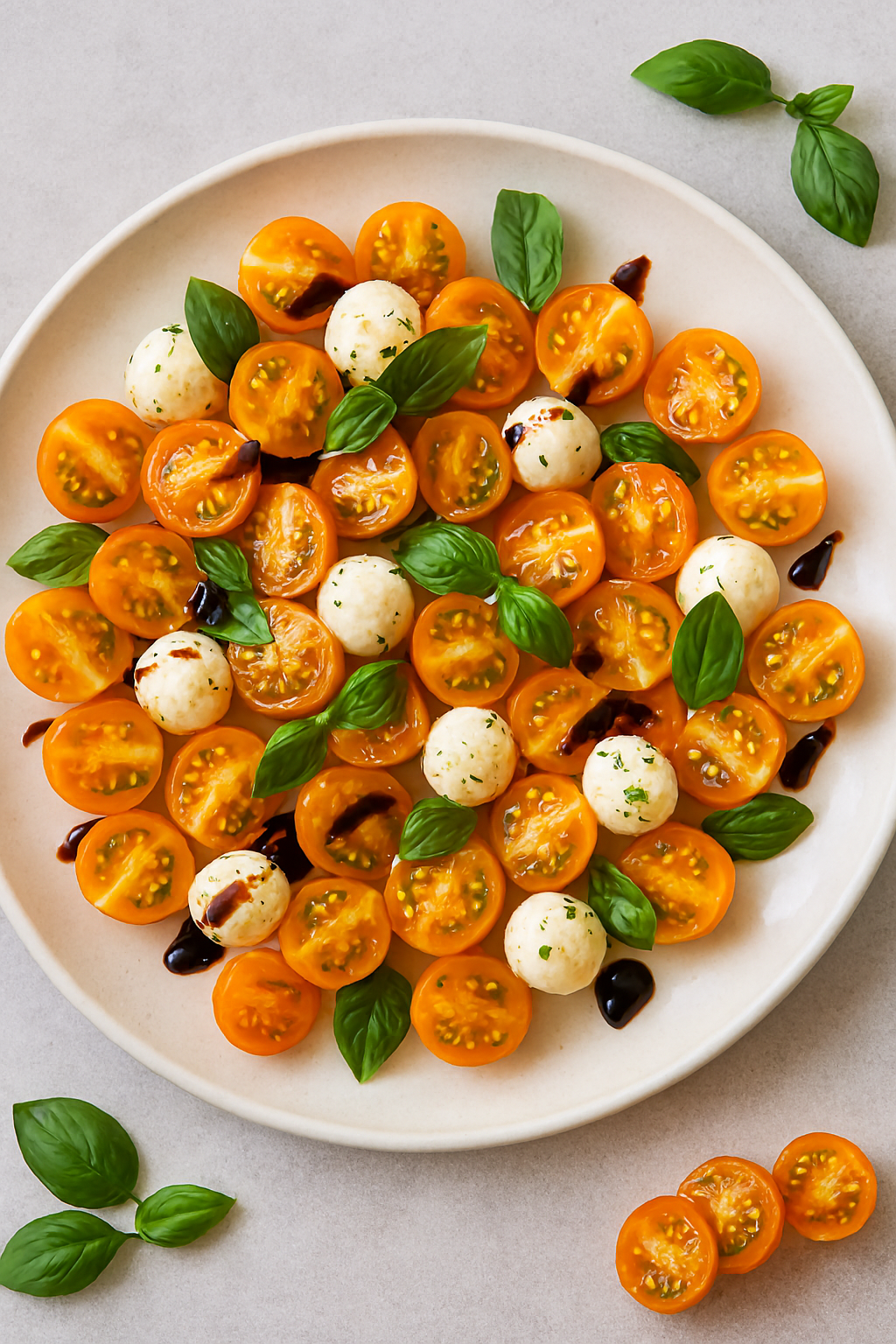
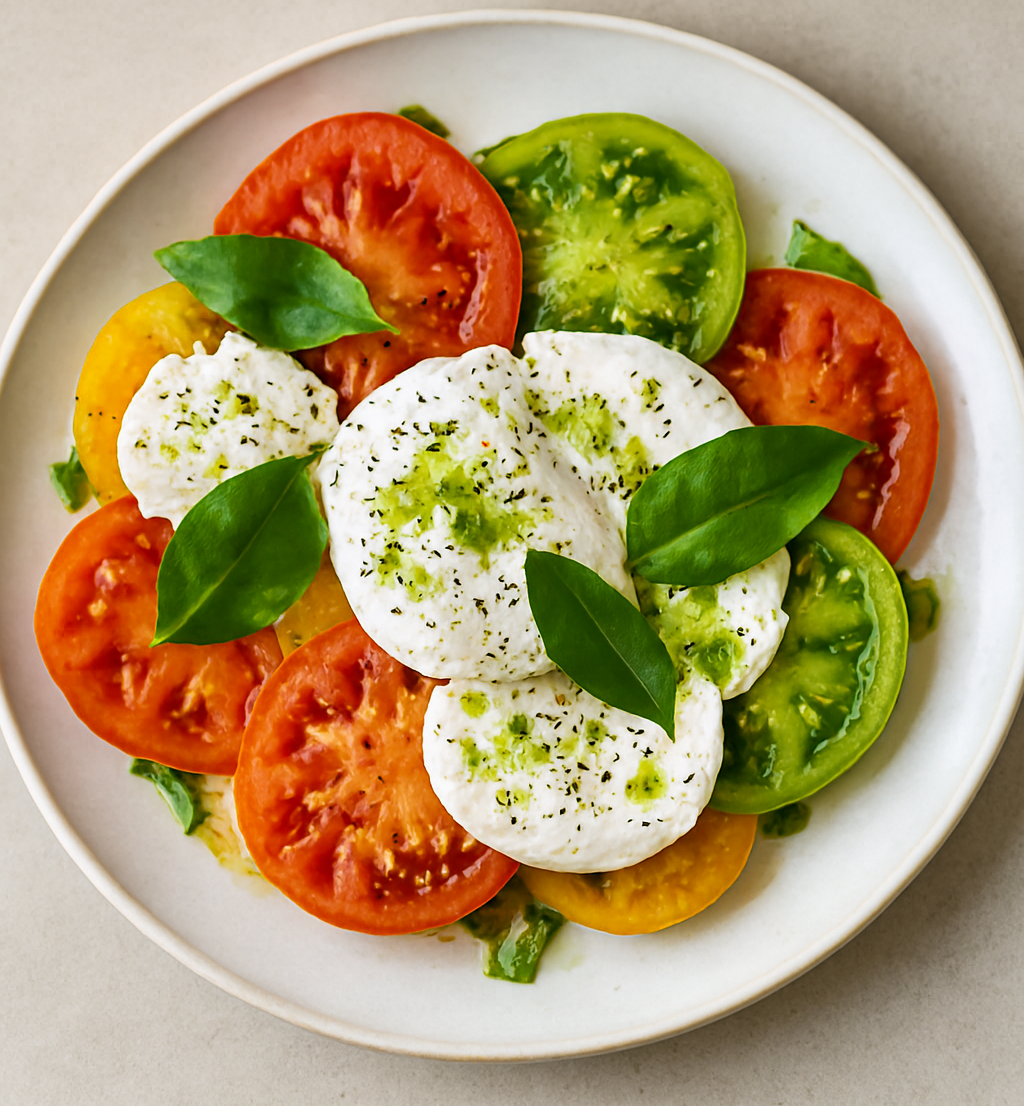
Baby tomatoes shine when eaten fresh. Toss them into salads for a pop of color and sweetness, pair them with mozzarella and basil for a classic Caprese, or simply snack on them straight from the vine. Their natural juiciness makes them a refreshing, healthy treat, perfect for lunchboxes, picnics, or quick bites during the day.
They also pair beautifully with dips like hummus or yogurt-based spreads, adding brightness and crunch. Because they are naturally bite-sized, they require no slicing or preparation, making them one of the easiest ingredients to incorporate into meals.
Cooked and Roasted
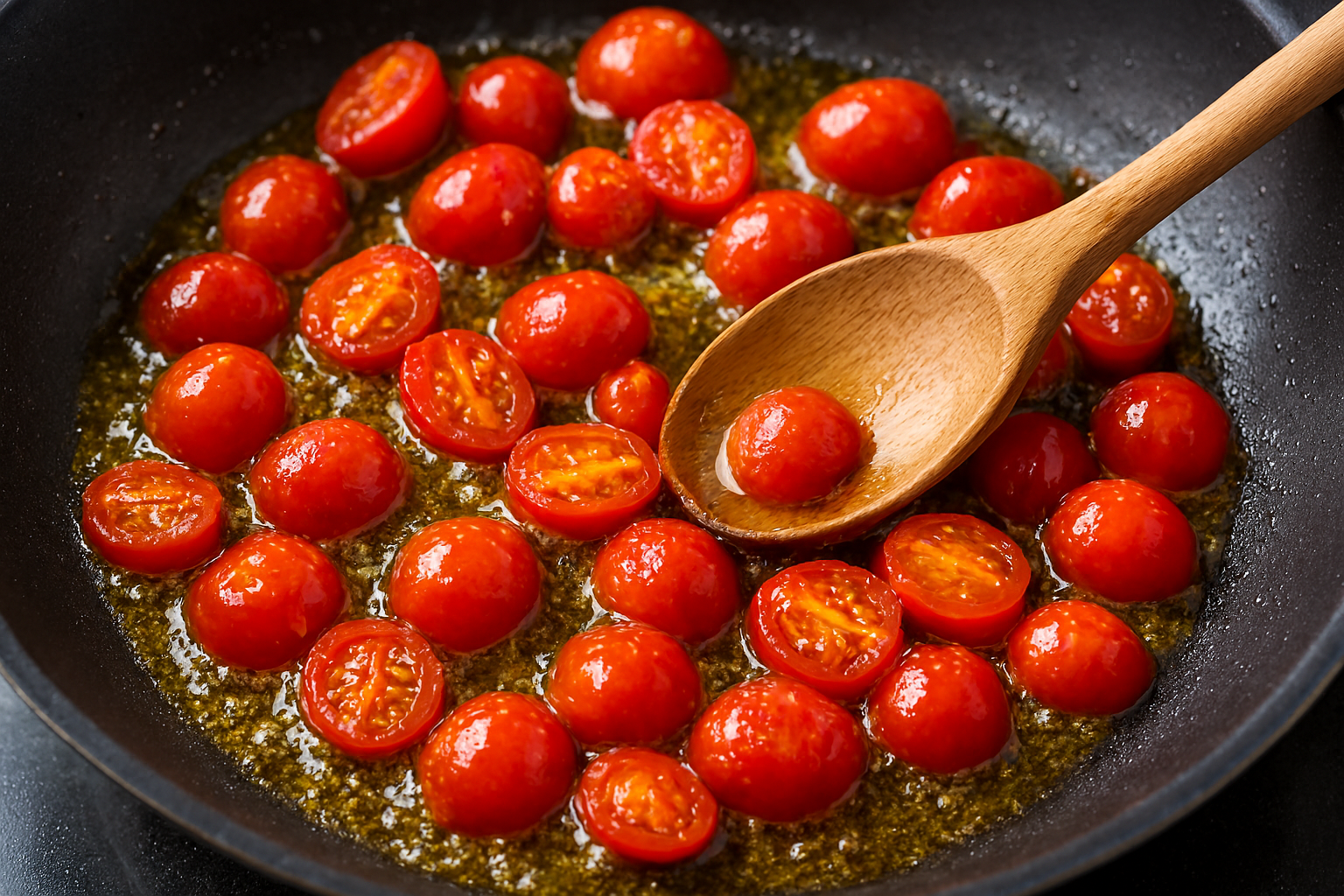
Cooking baby tomatoes brings out their depth of flavor. Roasting them with olive oil, garlic, and herbs intensifies their sweetness, while grilling adds a smoky, charred note that enhances savory dishes. They can be simmered into pasta sauces, creating a naturally sweet and tangy base, or added to stews and soups for bursts of flavor.
A tray of roasted baby tomatoes can transform into a topping for bruschetta, a side dish for grilled meats, or a flavorful addition to risottos and grain bowls. Their ability to caramelize under heat makes them a favorite for chefs who want to add complexity to simple dishes.
Creative Twists
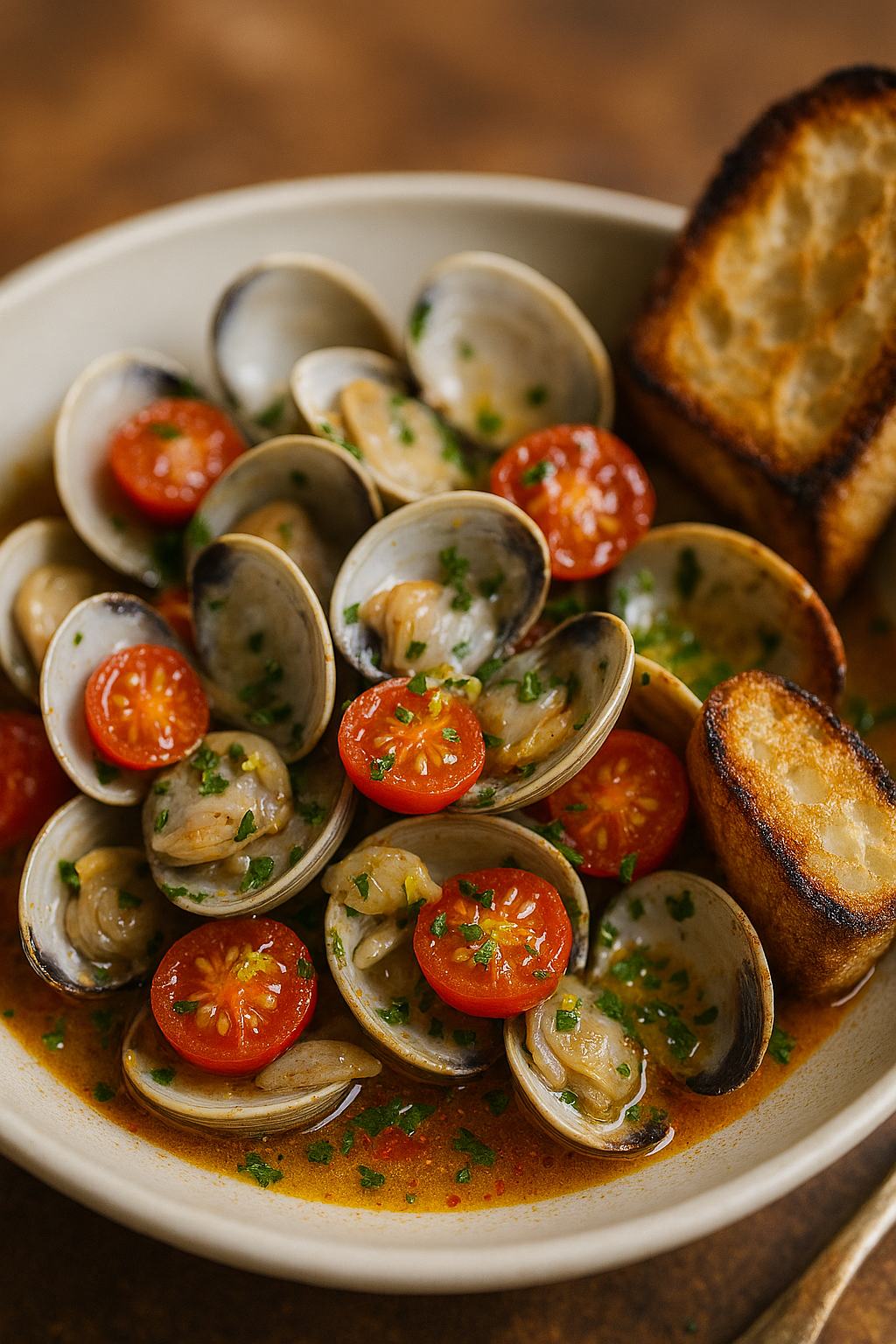
Beyond the basics, baby tomatoes can be pickled to create tangy condiments that brighten sandwiches and wraps. Larger varieties can be hollowed and stuffed with cheese, herbs, or couscous for elegant appetizers. They also make colorful garnishes on pizzas, sandwiches, and platters, instantly elevating presentation.
For adventurous cooks, baby tomatoes can even be dehydrated to create homemade sun-dried tomatoes, preserving their sweetness for long-term use. Their versatility makes them a chef’s dream ingredient, capable of elevating both simple home meals and sophisticated restaurant dishes. They can even be blended into smoothies or juices, offering a refreshing twist with added nutrients.
Nutritional Benefits
Baby tomatoes aren’t just delicious—they’re packed with nutrients that support overall health. They are rich in antioxidants like lycopene, which is linked to heart health and may help reduce the risk of certain cancers.
They provide vitamins A, C, and K, supporting immunity, skin health, and bone strength. With their low-calorie count and high water content, they make an excellent snack for hydration and weight management. Eating them regularly can contribute to a balanced diet, while their vibrant colors also signal a variety of phytonutrients that promote overall wellness.
In addition, their fiber content aids digestion, helping to maintain a healthy gut. The potassium found in baby tomatoes supports blood pressure regulation, while their vitamin C content boosts collagen production for healthier skin.
Because they are so easy to incorporate into meals, they provide a simple way to enhance nutrition without effort. In short, baby tomatoes are not only a culinary delight but also a nutritional powerhouse.
Wrapping Up
Baby tomatoes prove that size doesn’t determine impact. Their sweetness, versatility, and nutritional value make them a staple ingredient for everyday meals and gourmet creations alike.
Whether tossed into a salad, roasted for depth of flavor, or enjoyed as a quick snack, these tiny fruits bring vibrancy and nourishment to the table. They are proof that even the smallest foods can deliver the biggest benefits, both in taste and in health.
Leave a Reply