Tomatoes are one of the most versatile ingredients in the kitchen. From sauces and soups to stews and salsas, they form the backbone of countless recipes.
But when tomato season ends, many of us wish we could preserve that fresh flavor for later.
You don’t need a pressure canner or specialized equipment to safely can tomatoes. With their natural acidity—and a few added precautions—you can preserve them using simple kitchen tools.
This guide will explain multiple methods of canning tomatoes without a canner, explain why each works, and give you practical steps to follow.
Why Tomatoes Are Easier to Can Without a Canner
Table of Contents
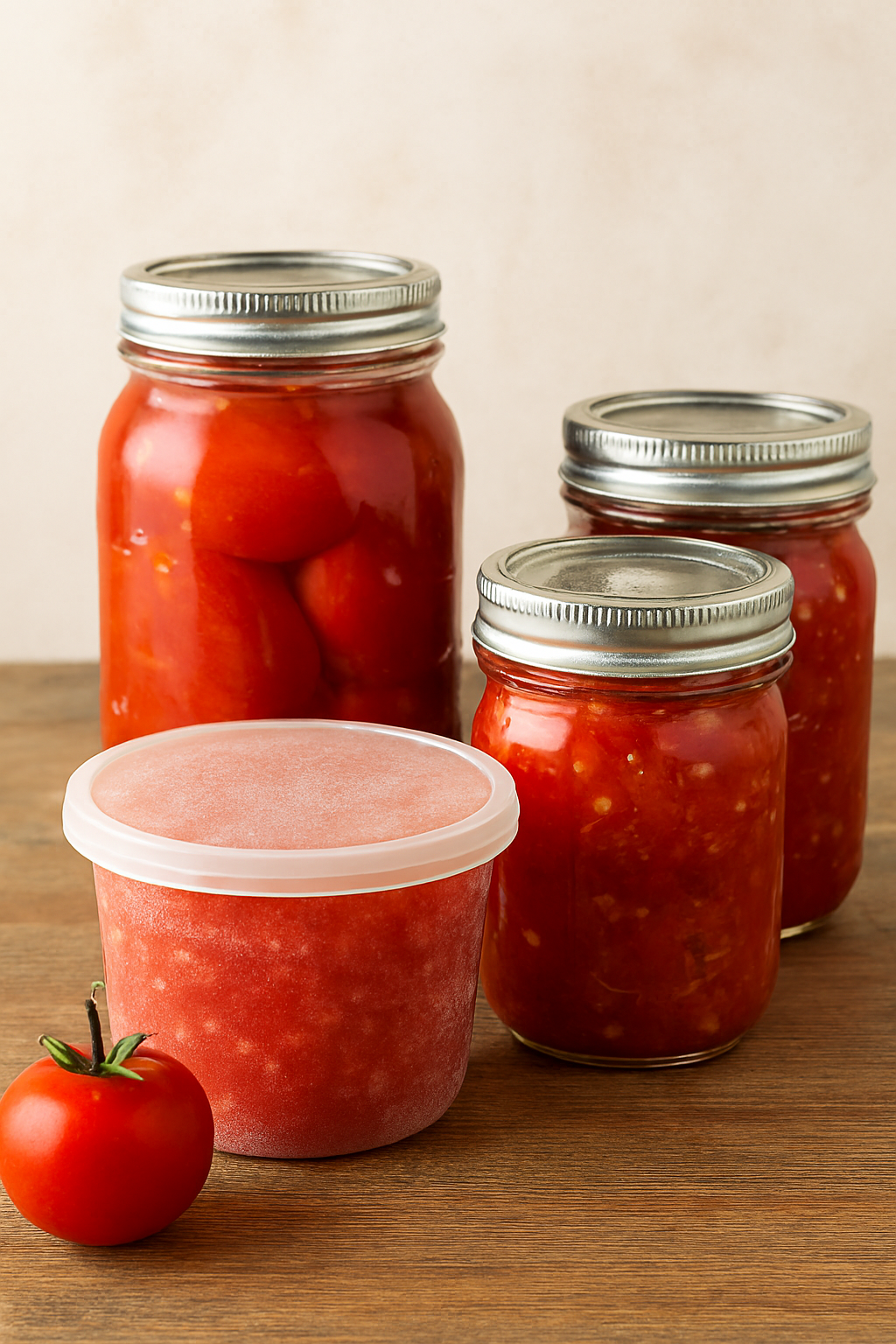
Before diving into methods, it’s important to understand why tomatoes are unique:
• Natural Acidity: Tomatoes are naturally acidic, which helps prevent bacterial growth.
• Versatility: They can be canned whole, crushed, or as juice.
• Safety Boost: Adding bottled lemon juice or citric acid ensures safe acidity levels.
• Accessibility: You don’t need expensive equipment—just jars, lids, and a large pot.
If you want to can stewed tomatoes then you can follow this guide.
Supplies You’ll Need for Any Method
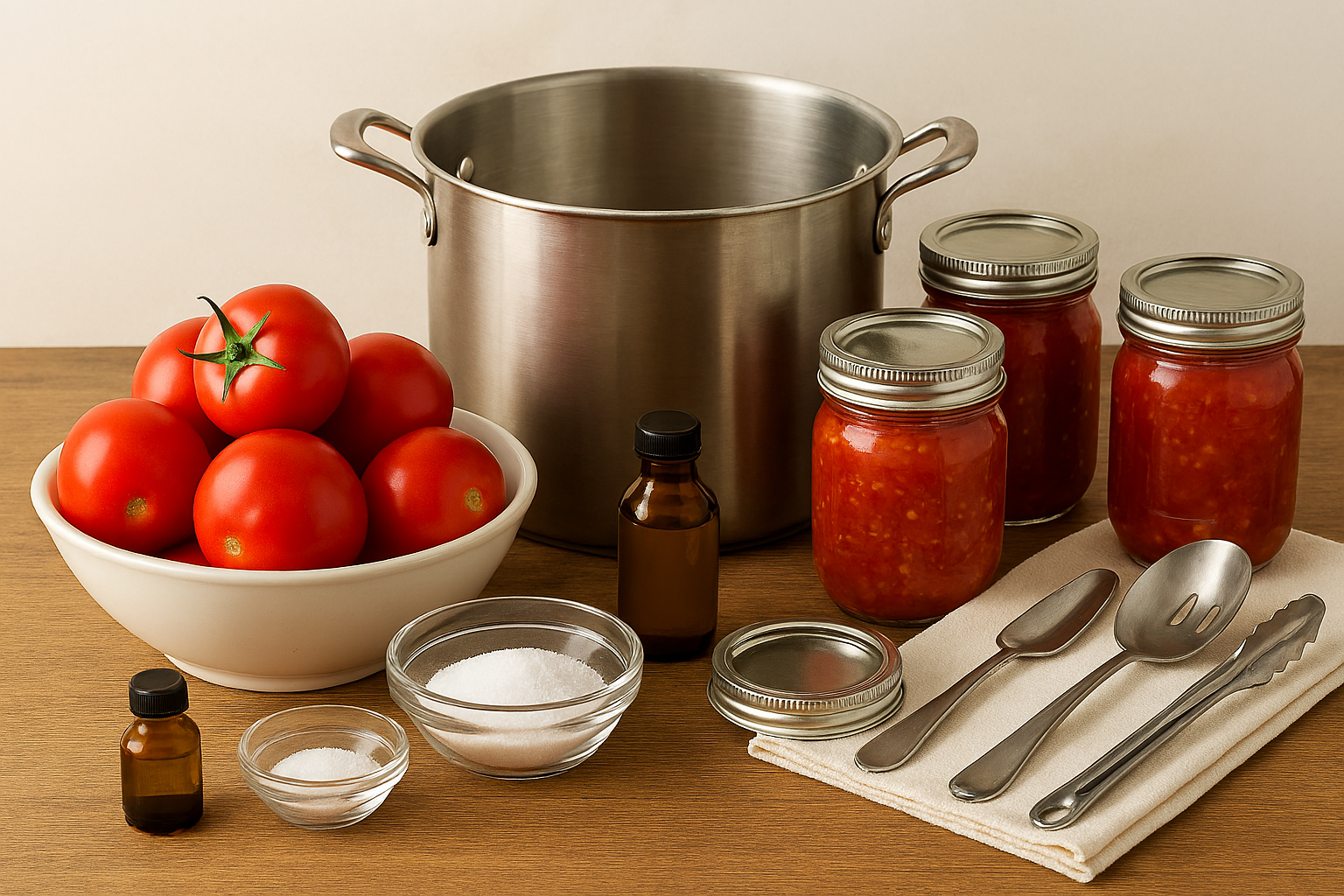
Now that your tomatoes are ready, let’s talk about the tools. The beauty of canning without a canner is that you don’t need specialized equipment—just a few basic kitchen items you probably already own.
These supplies will help you sterilize jars, pack tomatoes, and process them safely.
• Fresh, ripe tomatoes
• Bottled lemon juice or citric acid
• Salt (optional, for flavor)
• Mason jars with lids and rings
• Large stockpot or saucepan
• Slotted spoon, ladle, and tongs
• Clean towels
Preparing Tomatoes
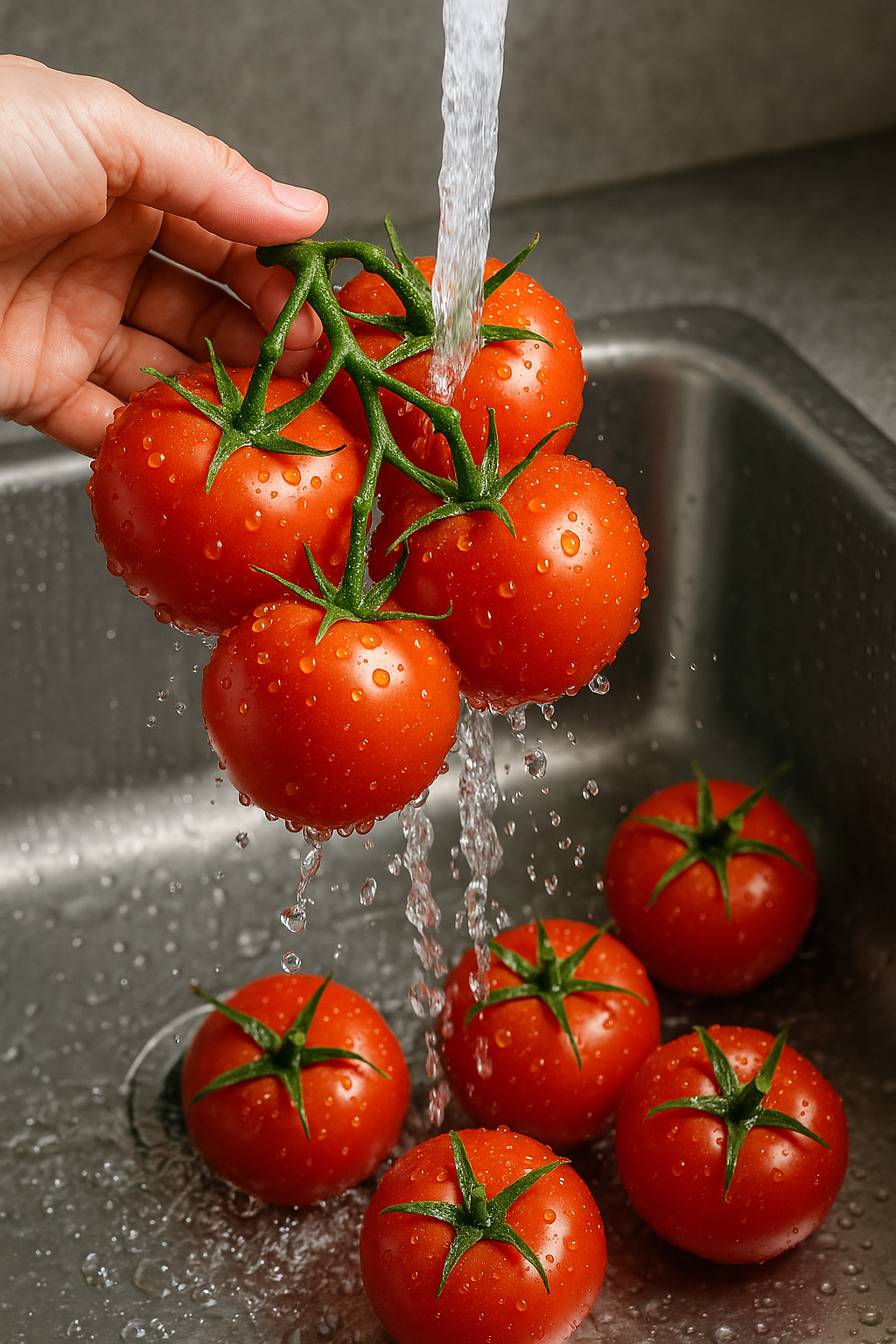
No matter which method you choose, preparation is key.
Wash: Wash thoroughly to remove dirt and bacteria.
Blanch: To blanch tomatoes, place tomatoes in boiling water for 30–60 seconds, then transfer to ice water.
Peel skins: Next peel the tomatoes. The blanching makes skins easy to slip off.
Core and chop: Remove stems and cut tomatoes into halves or quarters.
This prep ensures your tomatoes are clean, safe, and ready for canning.
Water Bath Using a Large Pot
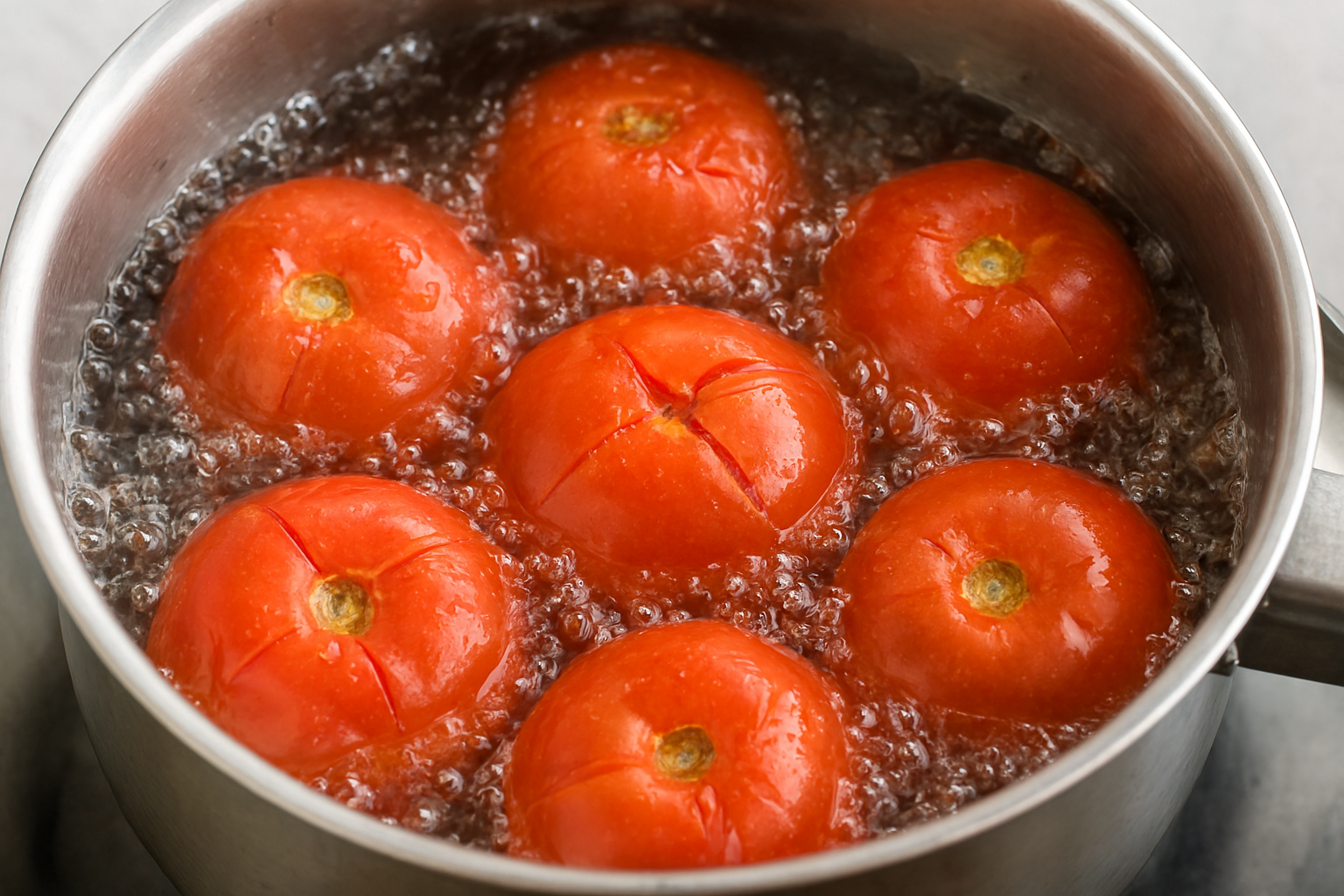
- The water bath method is the most common way to can tomatoes without a dedicated canner. It uses boiling water to sterilize and seal jars.Sterilize jars by boiling them for 10 minutes.
- Pack tomatoes tightly into jars, leaving ½ inch headspace.
- Add 1 tbsp bottled lemon juice (or ¼ tsp citric acid) per pint.
- Wipe rims, place lids, and tighten rings.
- Submerge jars in boiling water (covered by at least 1 inch).
- Process for 40 minutes (pints) or 45 minutes (quarts).
- Remove and cool for 12–24 hours.
- Check seals before storing.
Oven Canning
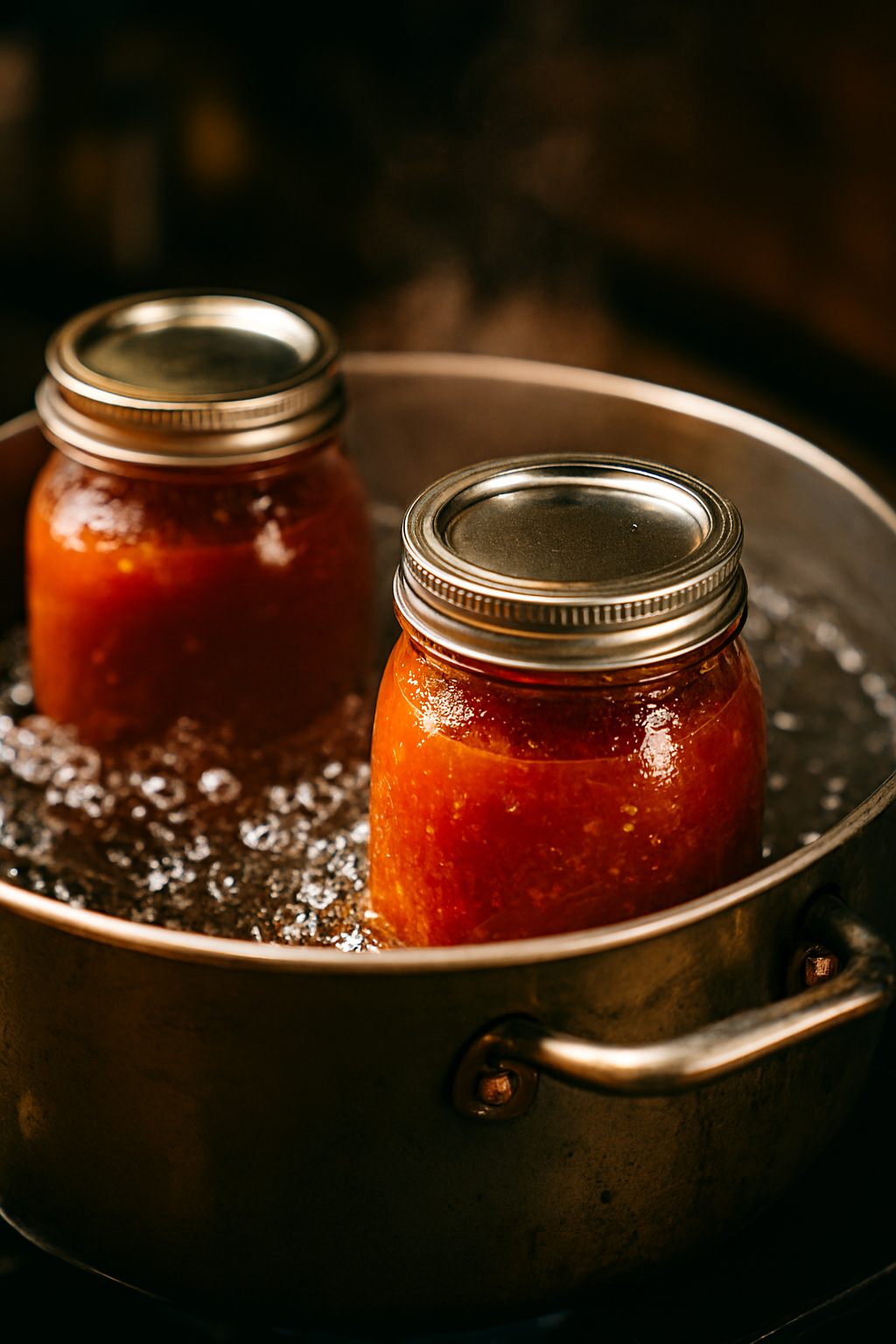
Some home cooks use the oven to heat jars instead of boiling water. Now, here is what to do:
- Preheat oven to 250°F (120°C).
- Fill sterilized jars with prepared tomatoes and lemon juice.
- Place jars on a baking sheet in the oven.
- Heat for 40–60 minutes.
- Remove carefully and let cool.
- Oven canning is less reliable because dry heat doesn’t penetrate jars as effectively as boiling water. Use this method only if you understand the risks.
Freezer Canning
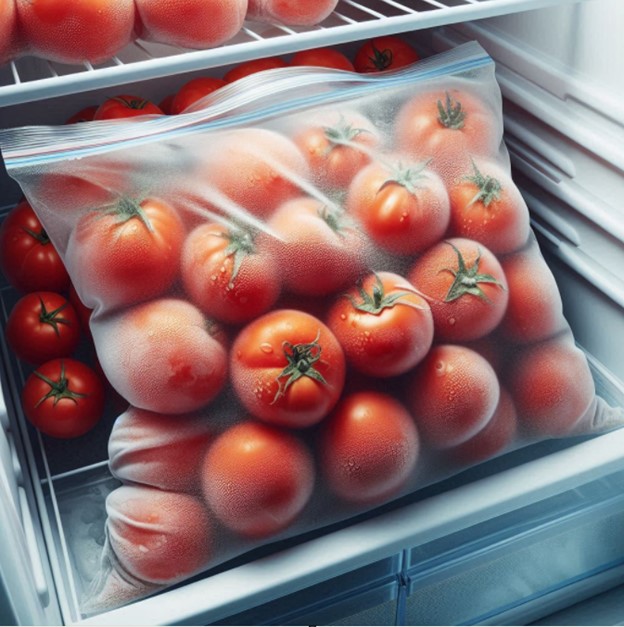
If you don’t want to risk oven canning, freezing is a safe alternative. It’s not technically “canning,” but it preserves tomatoes without special equipment.
- Prepare tomatoes as usual (blanch, peel, chop).
- Place in freezer‑safe containers or bags.
- Add lemon juice for acidity and flavor.
- Seal tightly, removing excess air.
- Freeze for up to 12 months.
This method keeps tomatoes fresh without worrying about sealing jars.
Dry Storage with Salt
In some regions, tomatoes are preserved by layering them with salt in jars. This draws out moisture and prevents spoilage.
- Slice tomatoes thinly.
- Layer in sterilized jars with coarse salt.
- Seal jars and store in a cool, dark place.
- Use within a few months.
- This method changes the flavor and texture, making tomatoes more suitable for cooking than fresh eating.
Safety Tips for All Methods
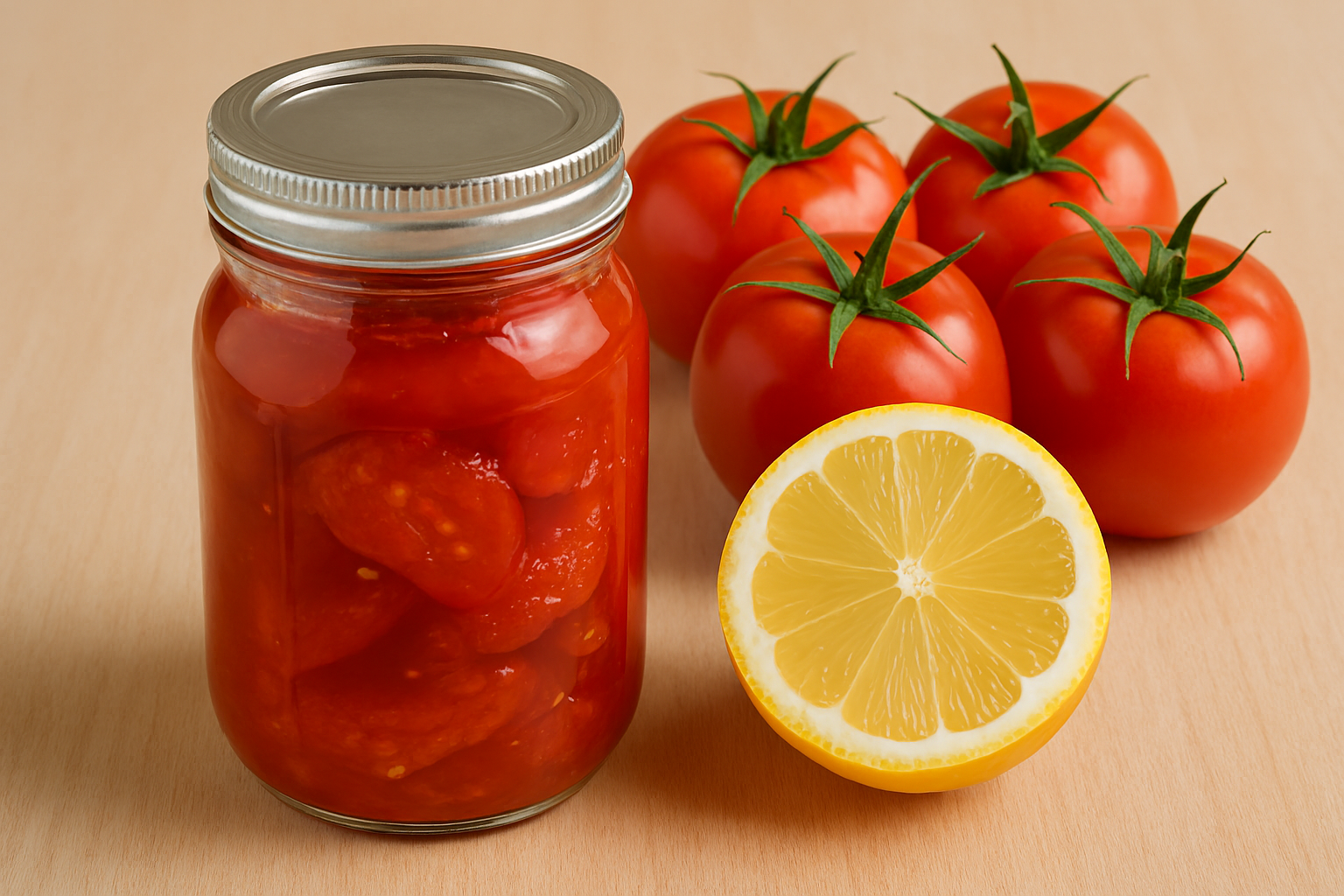
Canning tomatoes without a canner is safe when done correctly, but precision matters. Each step plays a role in preventing spoilage and ensuring your jars stay shelf‑stable. Here are the key safety tips explained in detail:
• Always use bottled lemon juice or citric acid—fresh lemon juice varies in acidity.
• Don’t skip sterilization; it prevents bacterial growth.
• Avoid reusing old lids; they may not seal properly.
• Store jars in a cool, dark place.
• If a jar doesn’t seal, refrigerate and use within a week.
Here’s an expanded version of the Common Mistakes to Avoid section, with more detail and context for each point so it feels like a full guide rather than just a list:
Common Mistakes to Avoid When Canning Tomatoes Without a Canner
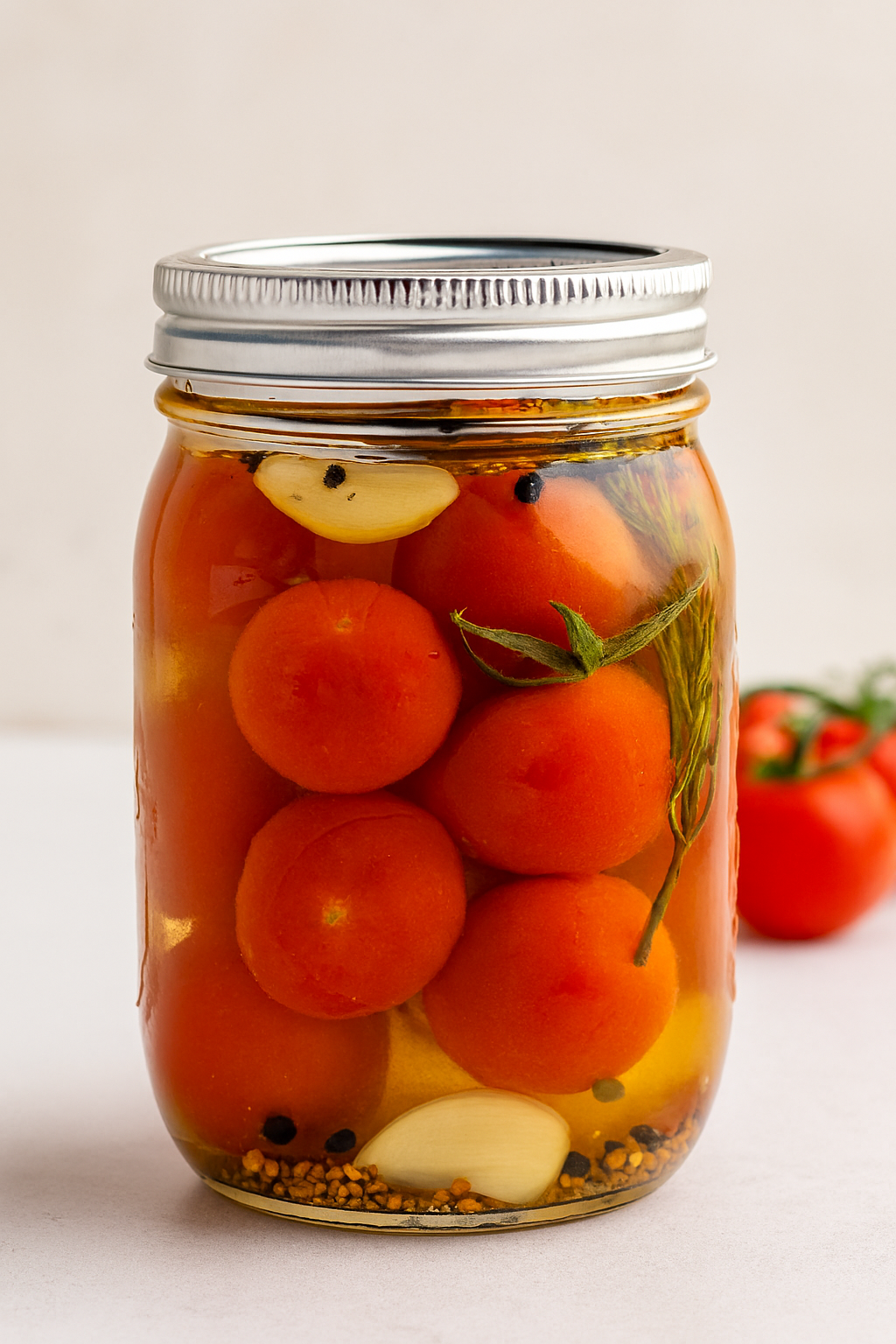
Even though canning tomatoes without a dedicated canner is safe when done correctly, small missteps can compromise the process. Here are the most frequent mistakes—and why they matter:
1. Skipping Acidity
Tomatoes are naturally acidic, but their pH can vary depending on the variety and ripeness. Without added acidity, harmful bacteria like Clostridium botulinum can survive.
Always add bottled lemon juice or citric acid to each jar. Bottled juice is preferred because its acidity is consistent, unlike fresh lemons which can vary.
For pint jars, add 1 tablespoon bottled lemon juice or ¼ teaspoon citric acid. For quart jars, double the amount.
2. Improper Headspace
Headspace is the gap between the top of the food and the jar lid. Too much headspace can prevent a proper vacuum seal, while too little can cause food to expand and leak during processing. Both scenarios risk spoilage.
Leave about ½ inch of headspace for tomatoes. Use a headspace measuring tool or a simple ruler to check before sealing.
3. Not Boiling Long Enough
Processing time is critical. If jars aren’t boiled for the recommended duration, bacteria and enzymes may survive, leading to spoilage. Under‑processing is one of the most common mistakes beginners make.
For pints, boil for at least 40 minutes; for quarts, 45 minutes. Always start timing once the water reaches a full rolling boil.
4. Using Cracked or Damaged Jars
Even tiny cracks or chips in jars can cause them to break during heating. Damaged jars also fail to seal properly, leaving food exposed to air and bacteria.
Inspect jars carefully before use. Run your finger along the rim to check for chips. Discard any jars with imperfections.
5. Forgetting to Sterilize Jars and Lids
Skipping sterilization allows bacteria to remain inside the jar, even after processing. This can lead to mold growth or spoilage.
Boil jars and lids in hot water for at least 10 minutes before filling. Keep them hot until you’re ready to use them.
6. Reusing Old Lids
While jars and rings can be reused, lids are designed for one‑time use. Old lids may not seal properly, which compromises food safety.
Always use new lids for each batch. Rings can be reused as long as they’re not rusty or bent.
7. Ignoring Cooling and Seal Checks
After processing, jars need time to cool undisturbed. Moving them too soon or failing to check seals can undo your hard work.
Let jars cool for 12–24 hours. Then press the center of each lid—if it doesn’t flex up and down, the seal is good.
8. Storing Jars Incorrectly
Even properly sealed jars can spoil if stored in warm, bright, or humid conditions.
Store jars in a cool, dark place such as a pantry or cellar. Avoid direct sunlight and fluctuating temperatures.
Wrapping Up
Canning tomatoes without a canner is not only possible but practical. Whether you choose the water bath method, oven canning, freezing, or traditional salt preservation, each approach has its own strengths.
By preparing tomatoes properly, adding acidity, and following safety guidelines, you can enjoy the taste of summer all year long.
Leave a Reply