Tomatoes are nutrient-hungry plants, and when grown in pots, they don’t have the luxury of drawing from deep, nutrient-rich garden soil.
Potting mix is limited, and frequent watering—necessary to keep container plants healthy—washes nutrients away quickly.
Without consistent feeding, they’ll grow weak, produce fewer blossoms, and yield disappointing fruit. Here’s a complete guide on how and when to fertilize potted tomato plants for proper growth.
Fertilization Timing Through Growth Stages
Table of Contents
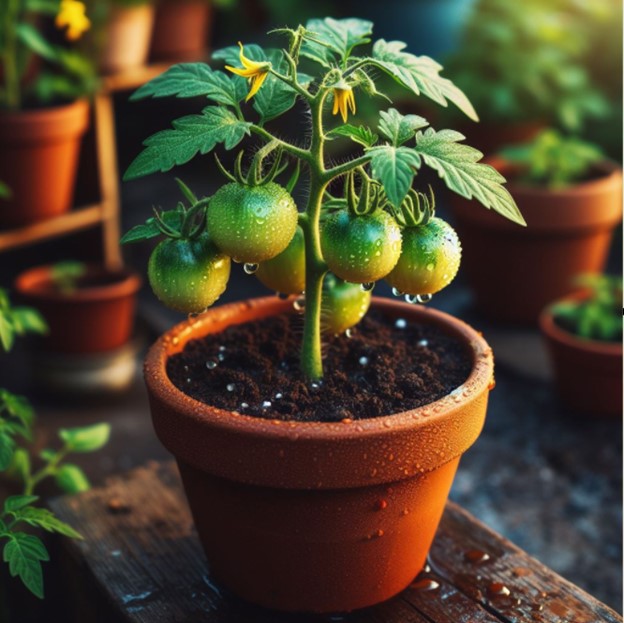
Follow this fertilization timing that should help in the growth of your tomato plants.
-
Feeding
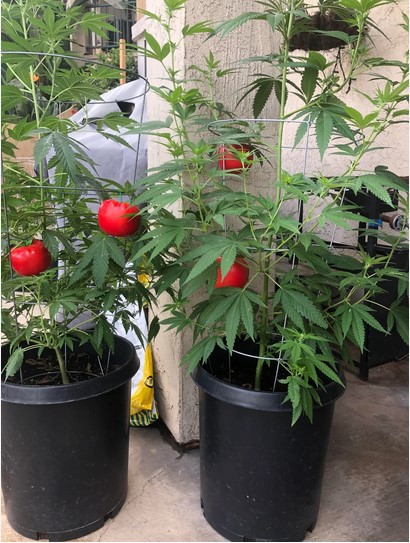
Tomatoes in pots need consistent feeding because nutrients wash out quickly with frequent watering.
For early stage, you can use diluted balanced fertilizer every two weeks to help seedlings establish.
While the plants are growing, switch to weekly balanced feed to support stems and leaves. During the flowering & fruiting time, move to potassium-rich fertilizer weekly to boost blossoms and fruit size. Remember this golden rule while feeding – Small, regular doses are better than heavy, infrequent ones. If you have planted tomato plants in the garden, here’s how to fertilize them.
-
Watering
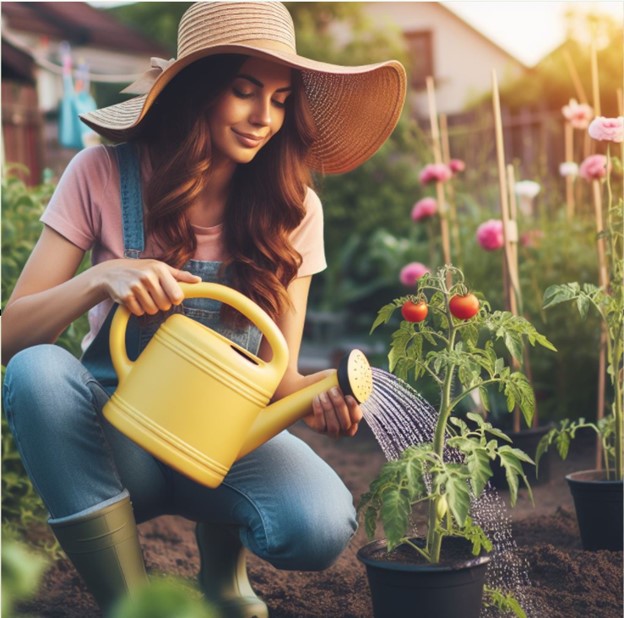
Watering is just as critical as fertilizing. Container soil dries faster than garden beds. While watering, you need to check daily, in hot weather, water once or even twice a day.
Water deeply until excess drains out the bottom. This encourages roots to grow downward.
To maintain consistency, avoid cycles of drought and flooding—uneven watering causes blossom-end rot and cracked fruit. You can mulch the surface with straw or compost to retain moisture. Watering needs to change with the growth of the plants.
-
Pruning
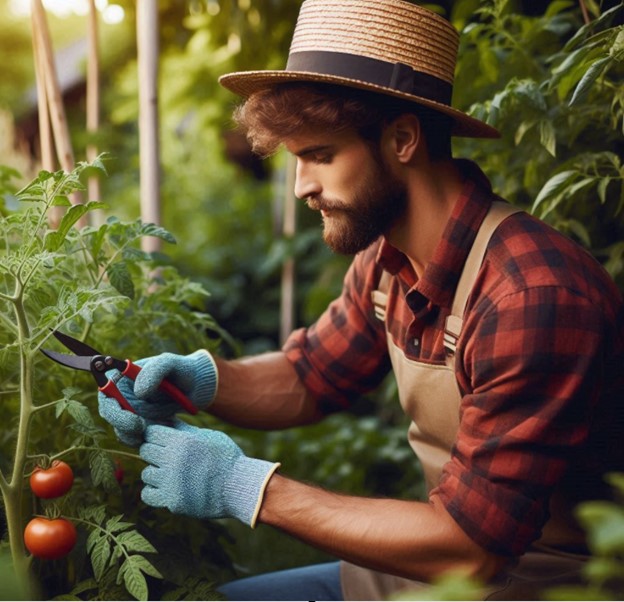
Pruning helps direct the plant’s energy toward fruit production rather than excessive foliage. To maintain the plant growth, remove suckers.
These small shoots grow between the main stem and branches. Pinch them off when small. For air circulation, trim lower leaves touching the soil to reduce disease risk. To keep the balance, don’t over-prune. Tomatoes need leaves to photosynthesize and ripen fruit.
-
Staking & Support
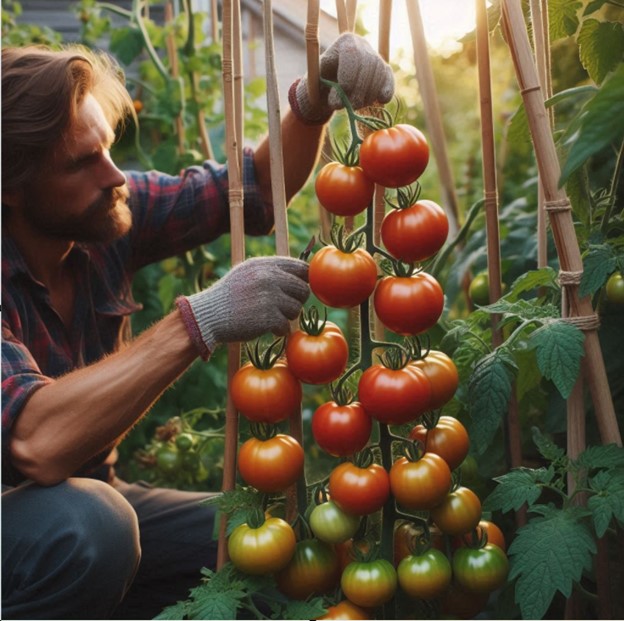
Tomatoes in pots quickly become heavy and sprawling. Proper support keeps them upright and productive.
You can use stakes, cages, or trellises depending on pot size. Use soft ties or cloth strips to avoid damaging stems. Install supports when plants are young to avoid disturbing roots later.
-
Pest & Disease Management
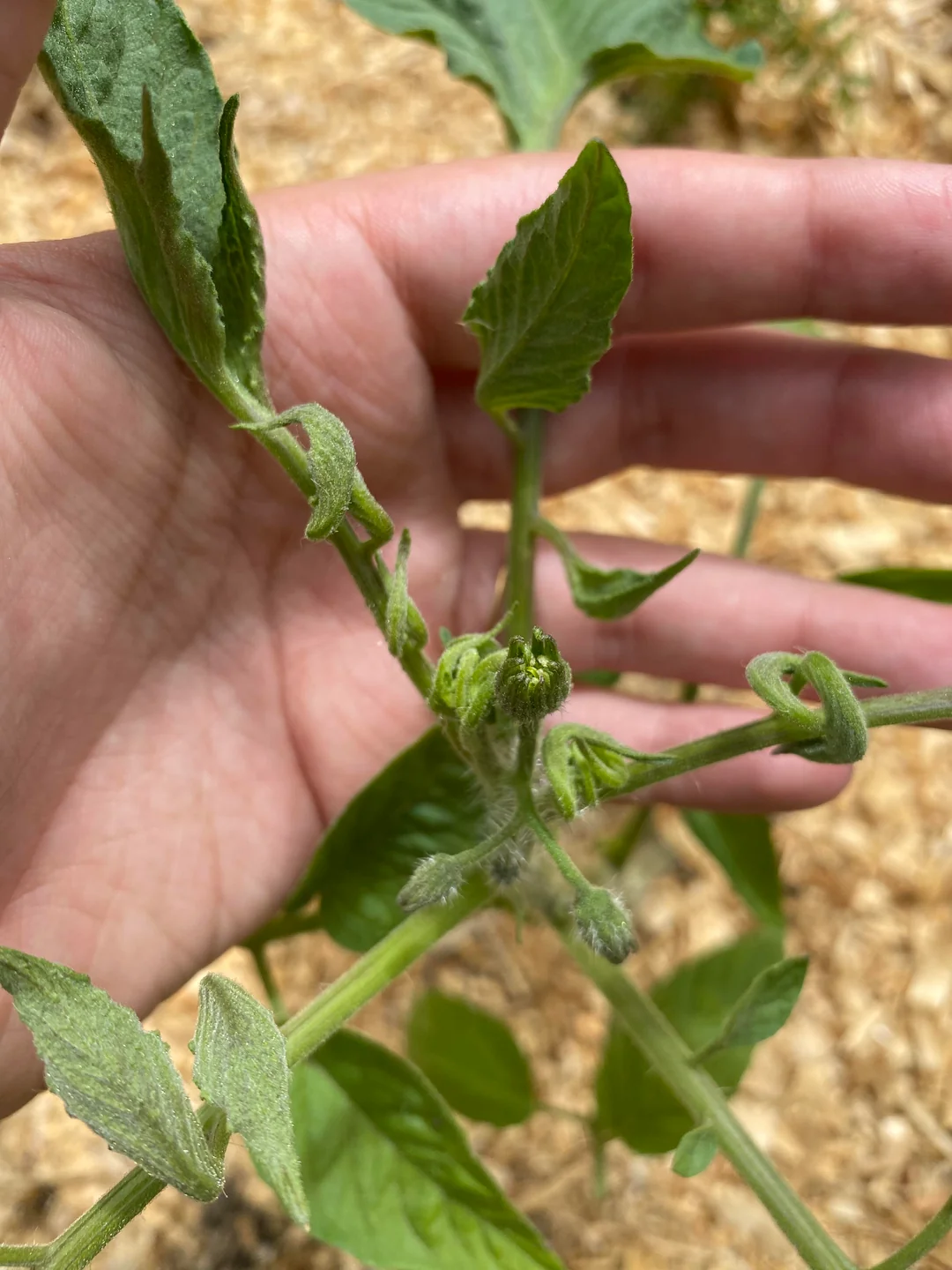
Container tomatoes are less exposed than garden plants, but pests and diseases still appear.
For common pests, Aphids, whiteflies, and spider mites. Spray with insecticidal soap or neem oil if needed.
Watch for blight, powdery mildew, or leaf spots. Remove affected leaves promptly. As a preventive care you need to check for good airflow, clean pots, and avoid over-watering to reduce risks.
As companion planting, try Basil or marigolds nearby as these can deter pests naturally.
-
Seedling Stage
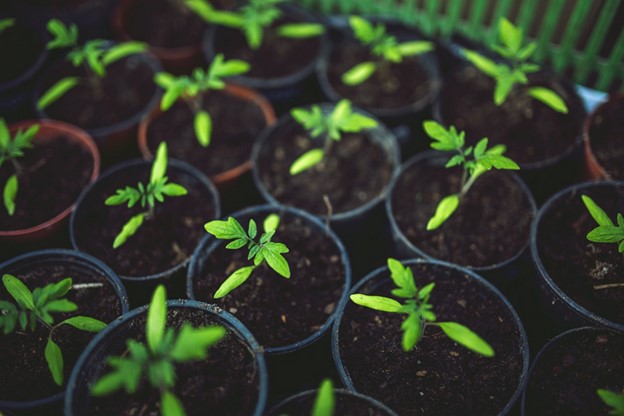
When seedlings are first transplanted into pots, their roots are tender and easily damaged. At this stage, avoid strong fertilizers.
Instead, use a diluted, balanced formula every two weeks. This gentle feeding encourages root establishment and steady early growth without overwhelming the plant.
-
Vegetative Growth Stage
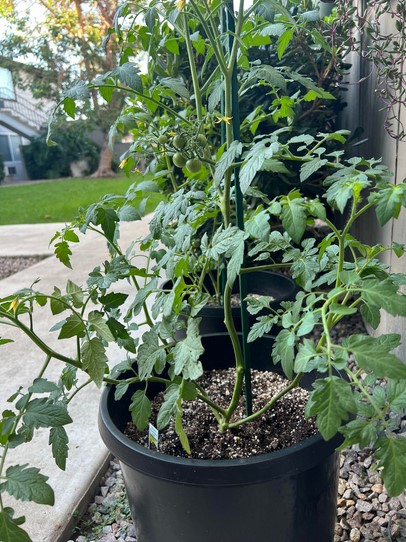
As the plant matures, it enters a vigorous growth phase, producing stems and leaves. Nitrogen is especially important here, as it fuels leafy growth and helps build a strong framework to support future fruit.
Feed once a week or every ten days with a balanced fertilizer. Think of this stage as building the plant’s “infrastructure”—healthy foliage now will support heavy fruit later.
-
Flowering Stage
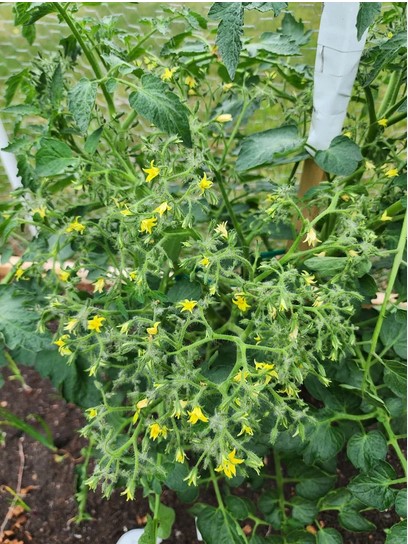
When blossoms appear, the plant’s nutritional needs shift. Potassium becomes the star nutrient, driving flower development and fruit set. Switch to a tomato-specific fertilizer or any high-potassium formula.
Weekly feeding during this stage ensures blossoms are plentiful and pollination leads to fruit.
-
Fruit Development Stage
Once fruits begin to form, continue with potassium-rich feeding. Potassium enhances fruit size, flavor, and ripening.
Weekly applications keep the plant productive and prevent issues like blossom-end rot. Consistency is crucial—steady feeding equals steady harvest.
How Much Fertilizer to Use
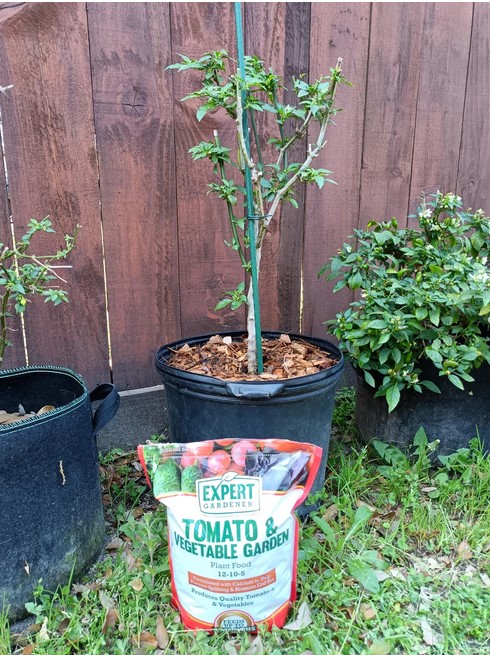
Liquid fertilizers are ideal for container tomatoes because they act quickly and are easy to control. Mix according to package directions, usually one to two tablespoons per gallon of water, and apply during regular watering.
Granular fertilizers can also be used, but sparingly—about a tablespoon per plant—followed by thorough watering to help nutrients reach the roots.
Overfeeding is a common mistake; too much nitrogen produces lush foliage but very few fruits. Always aim for balance.
Tips for Success
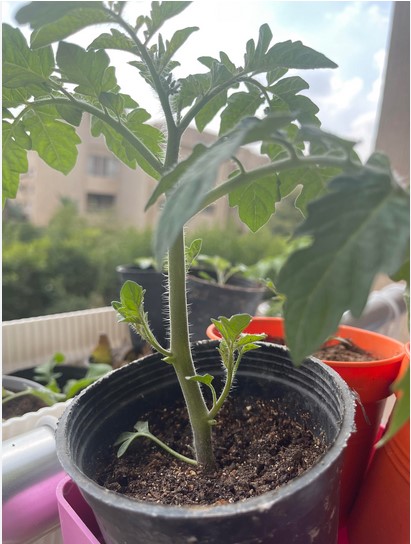
Follow these quick tips for a successful plant growth:
• Water before fertilizing – Moist soil helps nutrients distribute evenly and prevents root burn.
• Check soil pH – Tomatoes absorb nutrients best at pH 6.2–6.8. If the soil is too acidic or alkaline, even regular feeding won’t help.
• Observe your plants – Yellowing leaves often signal nutrient deficiency, while curled or burned edges may mean overfeeding.
• Stay consistent – Skipping feedings can set back growth and reduce yield. Make fertilizing part of your weekly routine.
• Alternate methods – Combine liquid feed for quick absorption with slow-release granules for long-term nutrition.
Risks of Over- or Underfeeding
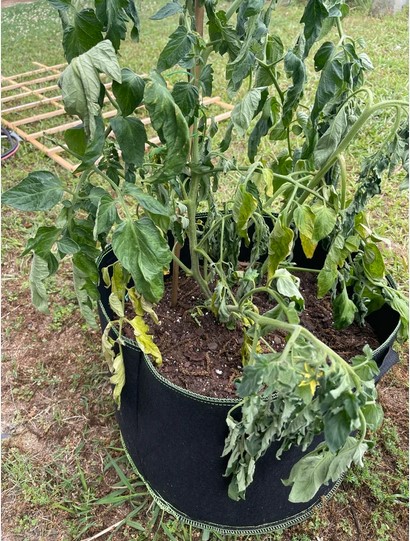
Underfeeding results in weak plants, pale leaves, and poor fruit set. Overfeeding, however, can be just as damaging. Excess fertilizer causes salt buildup in the soil, which harms roots and prevents water absorption.
Too much nitrogen leads to bushy plants with lots of leaves but little fruit. Another frequent mistake is failing to switch to potassium-rich fertilizer during flowering, which results in fewer blossoms and smaller tomatoes.
Wrapping Up
Tomatoes in pots thrive when fertilized every one to two weeks. Begin with a balanced formula during early growth, then switch to potassium-rich feed once flowering begins.
Keep doses moderate, stay consistent, and watch your plants for signs of stress.
Fertilization should be part of your regular care routine—alongside watering, pruning, and staking—and when done properly, it will reward you with a steady supply of delicious, homegrown tomatoes all-season long.
For any further queries, ask us in the comments section provided below and we shall revert soon with answers.
Leave a Reply