Tomatoes are one of the most versatile ingredients in the kitchen. From pasta sauces to soups, stews, and curries, diced tomatoes add flavor, texture, and nutrition to countless dishes.
But once you’ve opened a can or chopped fresh tomatoes, the question arises – how long do diced tomatoes last in the fridge?
This article explores the shelf life of diced tomatoes, factors that influence their freshness, best storage practices, signs of spoilage, and tips for extending their usability.
Shelf Life of Diced Tomatoes
Table of Contents
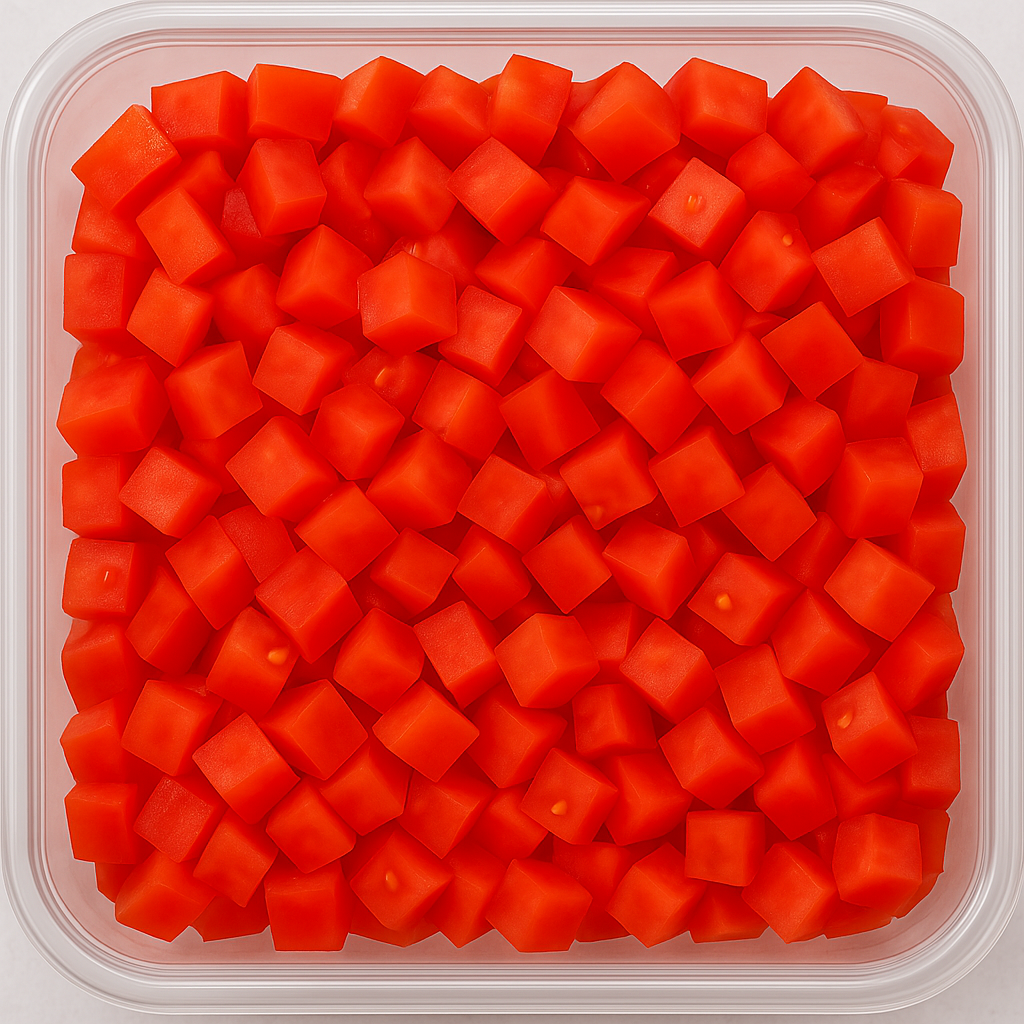
Once tomatoes are diced, their freshness window shortens significantly compared to whole or unopened canned tomatoes.
How long they last depends on whether they’re fresh, canned, packaged, or frozen. Proper storage is key to maintaining flavor, texture, and safety.
Here’s a breakdown of how long diced tomatoes typically last under different conditions:
• Freshly diced tomatoes (from whole tomatoes):
Typically last 3–5 days in the fridge when stored in an airtight container.
• Canned diced tomatoes (after opening):
Canned tomatoes last about 5–7 days in the fridge if transferred to a sealed container.
• Commercially packaged diced tomatoes (sealed can/jar):
Unopened, they can last 12–18 months in the pantry. Once opened, the same 5–7 day fridge rule applies.
• Frozen diced tomatoes:
Can last up to 3 months in the freezer, though they are best used in cooked dishes after thawing.
Why Storage Matters
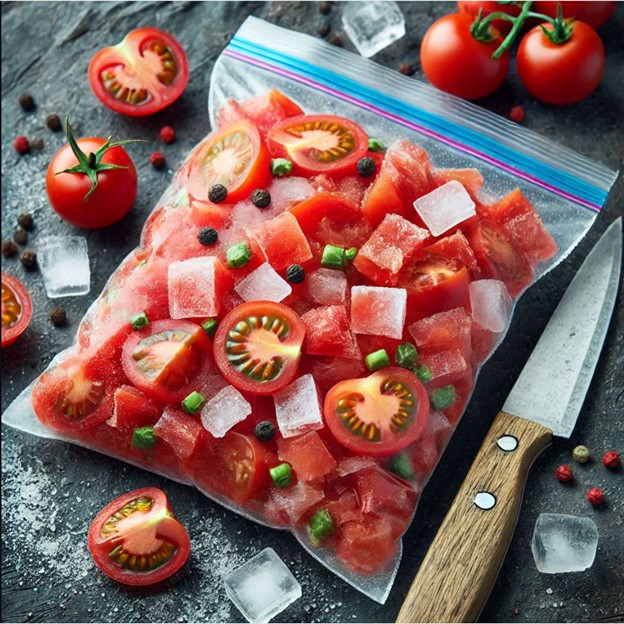
Tomatoes contain high water content and natural sugars, making them prone to bacterial growth once cut or exposed to air. Proper storage slows down spoilage and preserves flavor.
• Air exposure accelerates oxidation and mold growth.
• Temperature fluctuations in the fridge can shorten shelf life.
• Improper containers (like leaving them in an open can) can cause metallic taste and faster spoilage.
Best Practices for Storing Diced Tomatoes
1. Use Airtight Containers
• Transfer diced tomatoes from cans into glass or BPA-free plastic containers.
• Avoid storing them in the opened can, which can leach metallic flavors.
2. Refrigerate Promptly
• Place diced tomatoes in the fridge within 2 hours of opening or cutting.
3. Label with Date
• Mark the container with the date of storage to track freshness.
4. Keep at Consistent Temperature
• Store at 4°C (40°F) or lower to prevent bacterial growth.
5. Freeze for Longer Storage
• Portion diced tomatoes into freezer bags or ice cube trays for easy use later.
Signs Your Diced Tomatoes Have Gone Bad
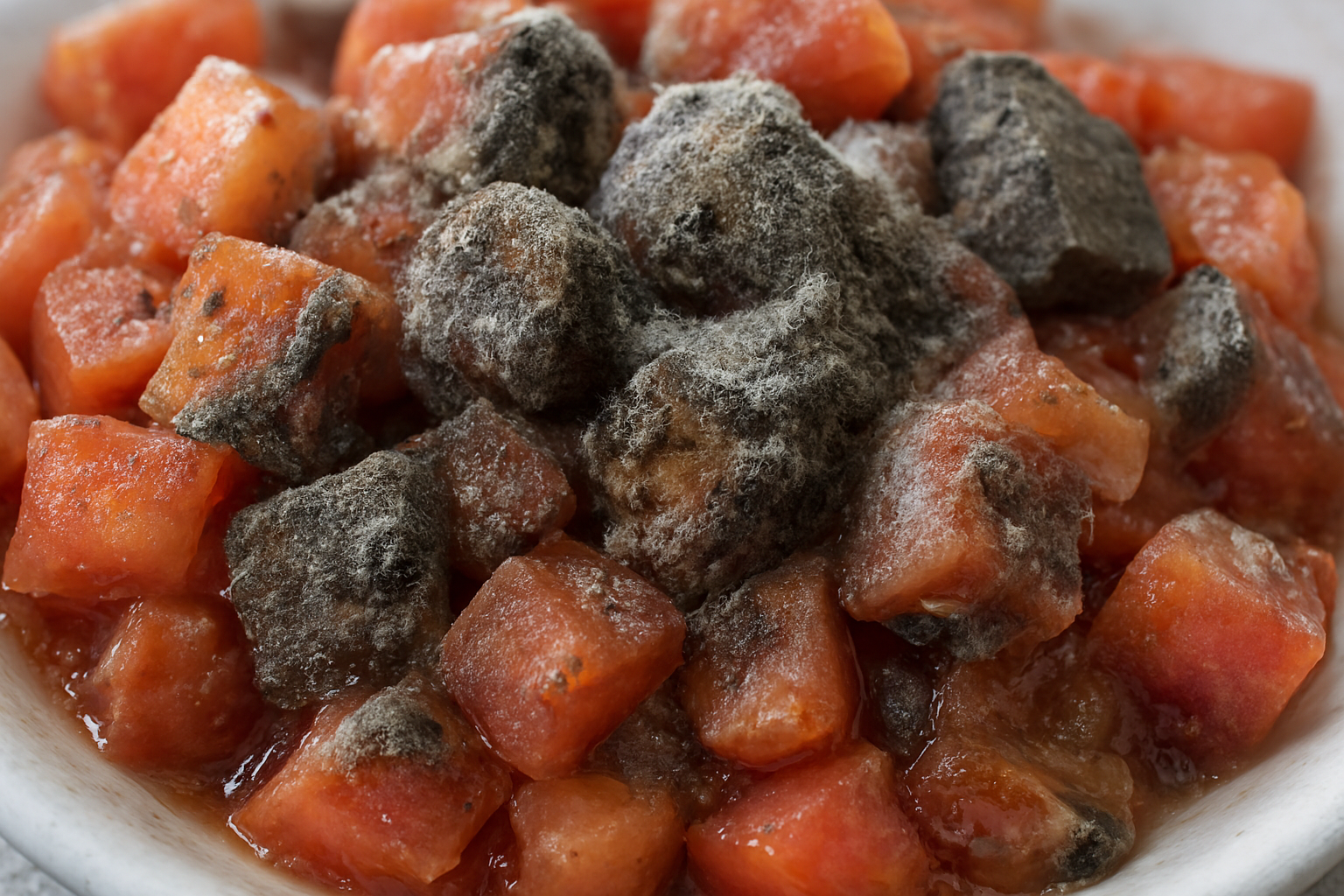
Even when stored properly, diced tomatoes don’t last forever. Knowing the warning signs of spoilage is essential to protect both flavor and health.
Tomatoes have high water content, making them especially vulnerable to bacterial growth and mold. Before adding them to your dish, check for these indicators:
• Slimy texture – indicates bacterial growth.
• Off smell – sour or fermented odor means spoilage.
• Mold growth – visible white, green, or black spots.
• Discoloration – turning brown or dull is a warning sign.
If any of these appear, discard immediately. Eating spoiled tomatoes can cause foodborne illness.
How to Use Stored Diced Tomatoes
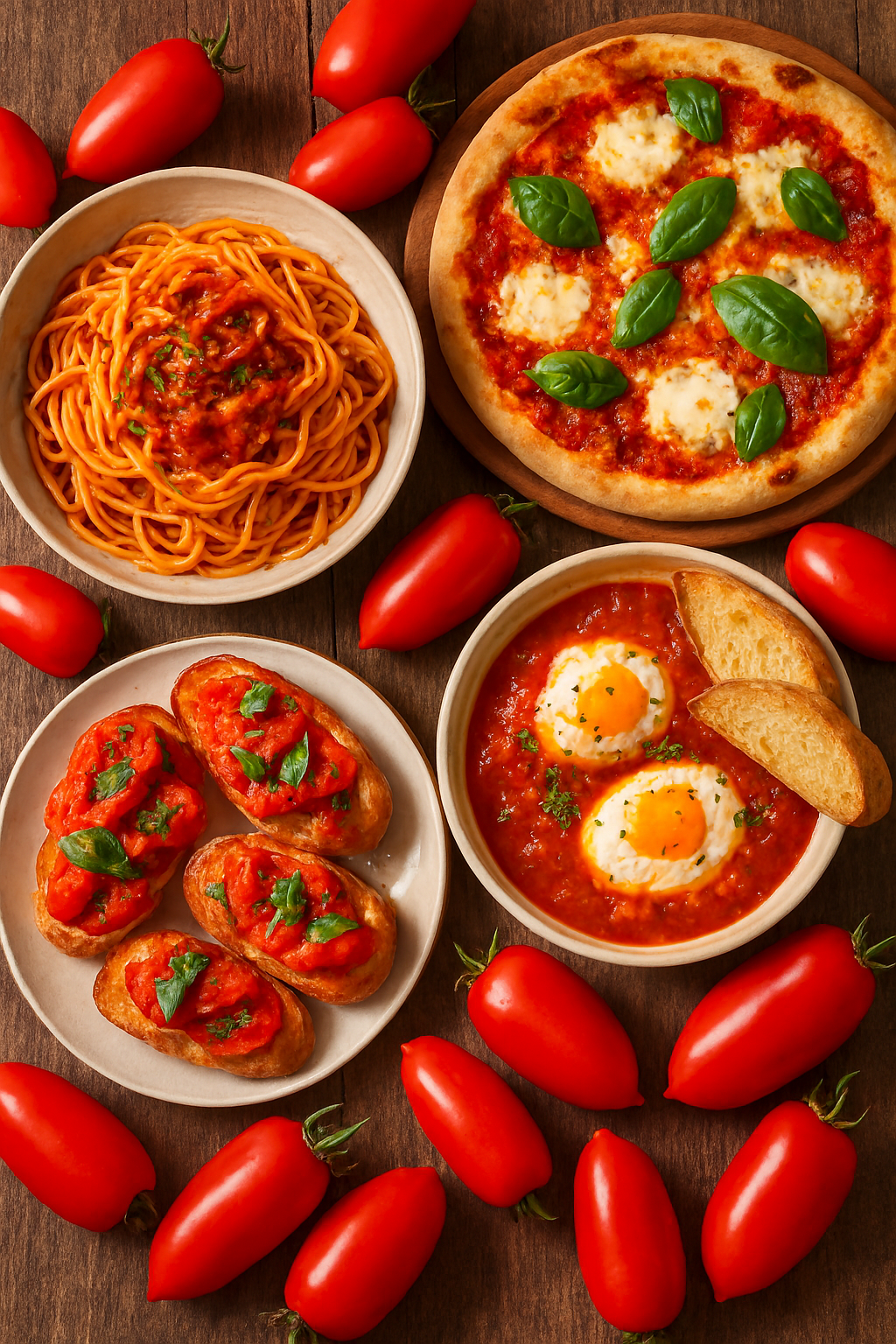
Even within their safe storage window, diced tomatoes are best used in cooked dishes after a few days, as texture may soften. Great uses include:
• Pasta sauces
• Soups and stews
• Curries
• Chili
• Casseroles
Freezing Tips
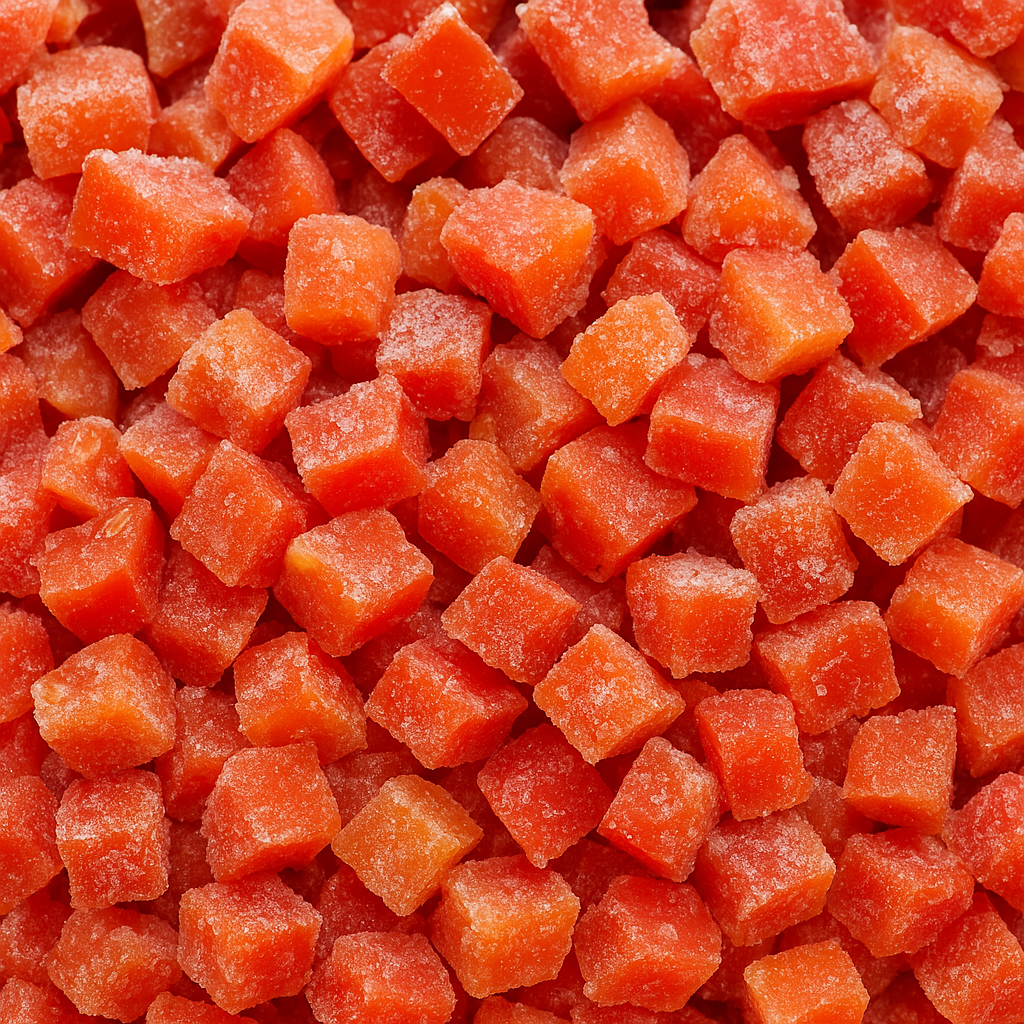
Freezing extends shelf life significantly:
• Spread diced tomatoes on a tray, freeze, then transfer to bags for easy portioning.
• Use frozen tomatoes in cooked dishes, as thawing alters texture.
• Label bags with date; use within 3 months for best flavor.
Factors That Influence Shelf Life
• Freshness of tomatoes before dicing – ripe tomatoes spoil faster.
• Storage method – airtight containers vs. loosely covered bowls.
• Fridge temperature – colder storage extends life.
• Acidity – tomatoes are naturally acidic, which slows bacteria but doesn’t stop spoilage.
Safety Considerations
Food safety experts recommend the “2-hour rule”: don’t leave diced tomatoes at room temperature longer than 2 hours. Bacteria like Salmonella and E. coli thrive in moist environments.
Wrapping Up
Diced tomatoes are a kitchen staple, but they don’t last forever. In the fridge, expect 5–7 days of safe storage if handled properly. For longer use, freezing is the best option.
Always check for signs of spoilage before cooking, and remember that proper storage not only preserves flavor but also protects your health.
By following these guidelines, you’ll maximize the shelf life of diced tomatoes and reduce food waste, ensuring that every dish you prepare is both delicious and safe.
Leave a Reply