Tomatoes are one of the most beloved ingredients in kitchens worldwide. Whether you’re slicing them for a salad, simmering them into a sauce, or enjoying them fresh with a sprinkle of salt, their flavor is best when they’re ripe and juicy. But how long do tomatoes really last on the counter, and what can you do to keep them fresh longer? Here is a complete guide on how long tomatoes last on the counter and how to increase the shelf life.
Shelf Life of Tomatoes at Room Temperature
Table of Contents
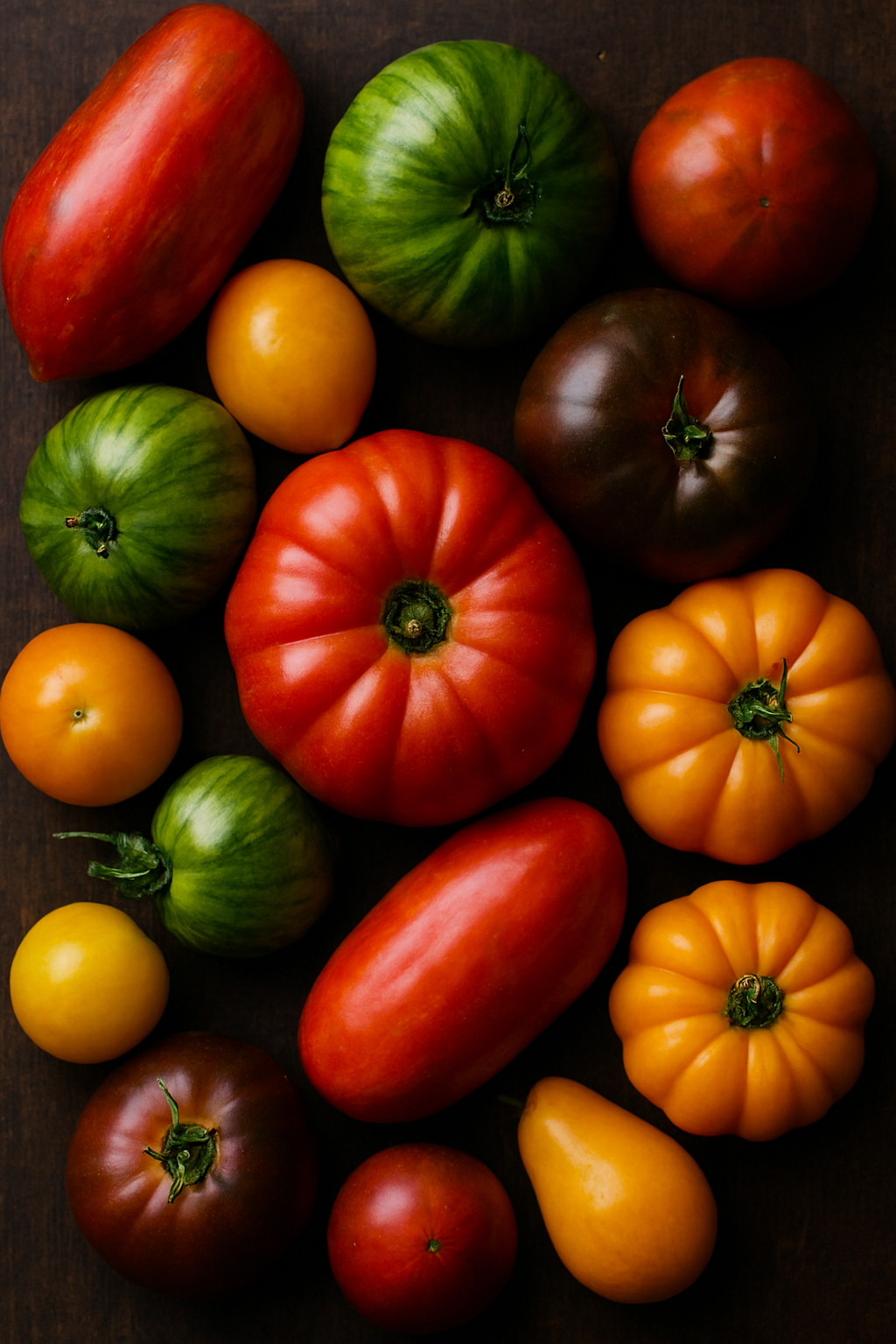
Unripe tomatoes, when kept on the counter, can last for about 7 to 14 days. During this period, they slowly ripen, changing color from green to red, yellow, or orange depending on the variety.
This makes them ideal for buying slightly firm if you don’t plan to use them immediately.
Once tomatoes are fully ripe, their shelf life shortens considerably.
At room temperature, ripe tomatoes generally stay fresh for 3 to 5 days before they begin to soften and lose their texture. If you want the best flavor, it’s best to consume them within this window.
Overripe tomatoes are much more delicate. They should be eaten within 1 to 2 days, as they quickly develop soft spots, leak juices, and may attract mold. These are best used right away in cooked dishes like soups, sauces, or chutneys.
If you move ripe tomatoes to the refrigerator, their shelf life extends to about 7 to 10 days. However, refrigeration can dull their flavor and alter texture.
To enjoy them at their best, allow refrigerated tomatoes to return to room temperature before eating.
Cut tomatoes have an even shorter lifespan. Once sliced, they should be stored in an airtight container in the fridge and consumed within 2 to 3 days.
If you buy tomatoes slightly under-ripe, you can stretch their shelf life by letting them ripen slowly on the counter.
Factors That Affect Freshness
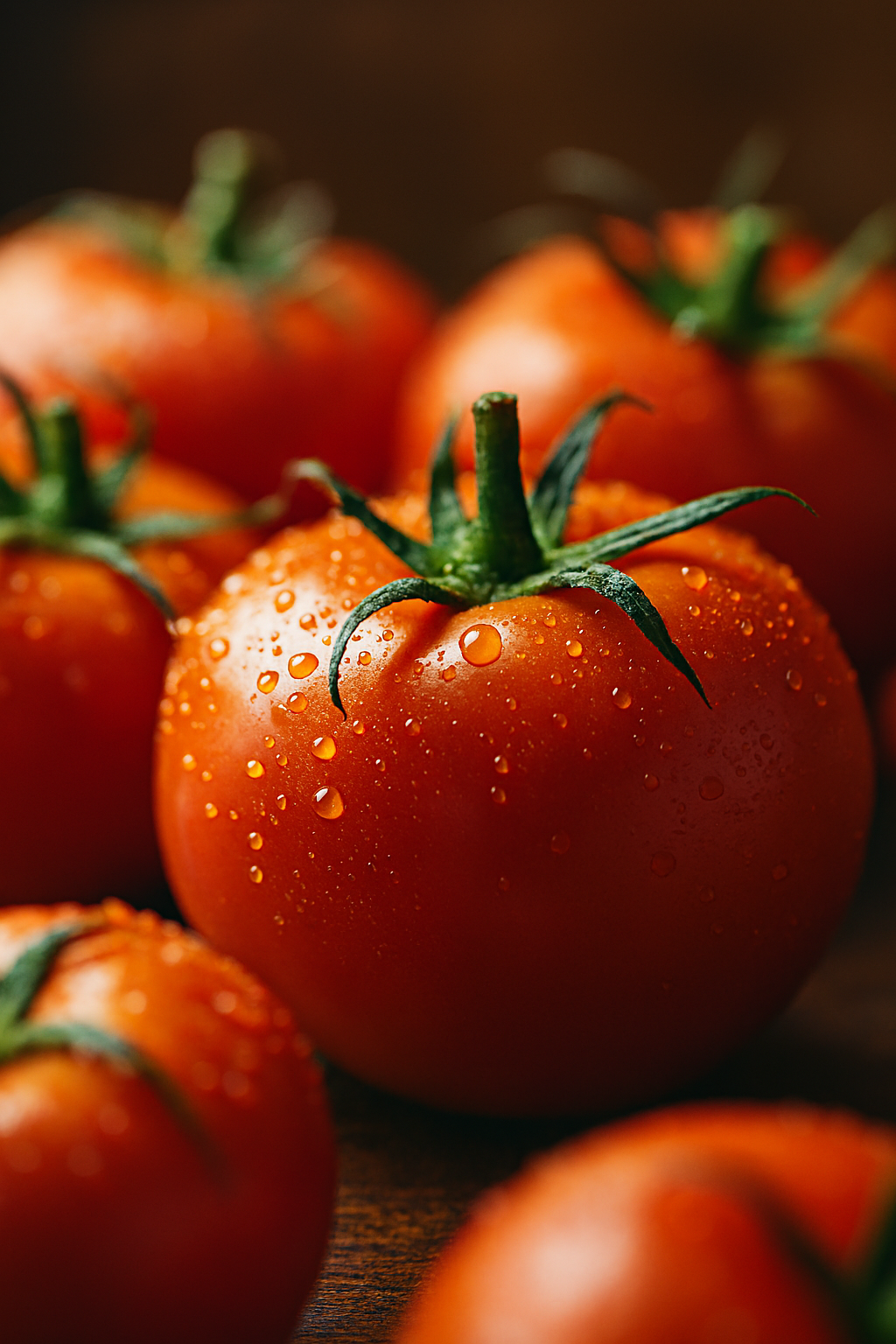
Several conditions determine how long tomatoes remain good on the counter:
• Ripeness at purchase: Firm, less ripe tomatoes last longer than soft, fully ripe ones.
• Temperature: A warm kitchen speeds up ripening, while cooler counters help extend shelf life.
• Air circulation: Tomatoes stored in open bowls or baskets last longer than those kept in sealed plastic bags.
• Handling: Bruised or cut tomatoes spoil faster, so gentle handling is essential.
• Humidity: High humidity can encourage mold growth, while very dry air may cause shriveling.
• Variety: Cherry tomatoes often last a bit longer than large beefsteak tomatoes because of their thicker skins.
Best Practices for Counter Storage
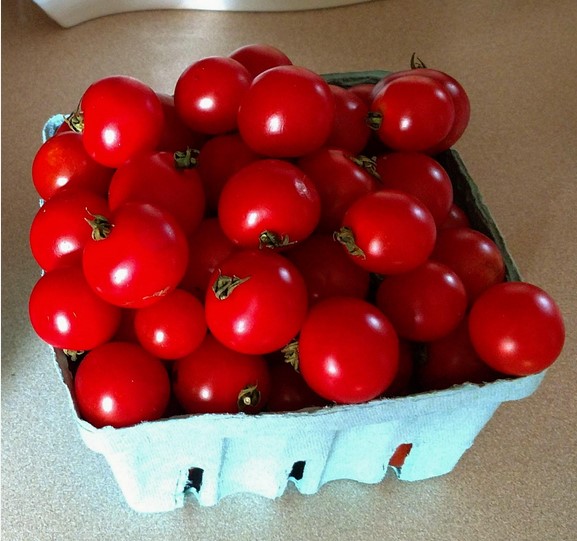
To keep tomatoes fresh for as long as possible, follow these tips:
• Place stem side down: This reduces moisture loss and helps prevent rot.
• Avoid direct sunlight: Sunlight accelerates ripening and causes shriveling.
• Use breathable containers: A basket or bowl allows airflow, reducing the risk of mold.
• Keep away from ethylene-producing fruits: Bananas and apples release ethylene gas, which speeds up tomato ripening.
• Don’t stack tomatoes: Stacking can cause bruising; spread them out in a single layer.
• Check daily: Remove any tomato that shows signs of spoilage to prevent it from affecting others.
When to Move Tomatoes to the Fridge
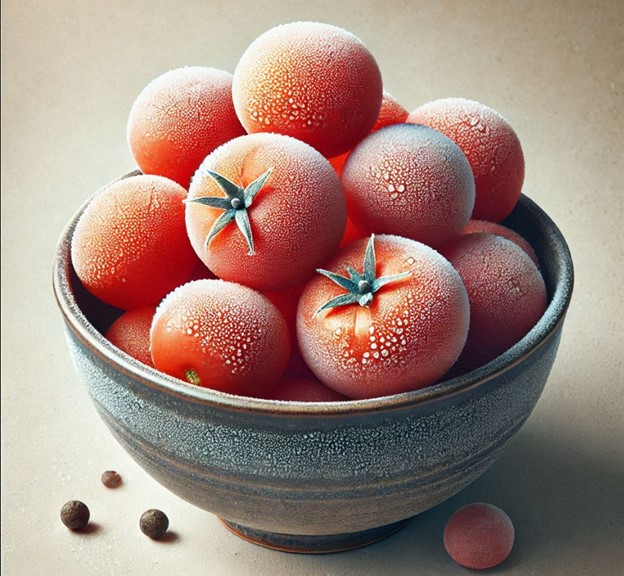
If you can’t eat ripe tomatoes within 2–3 days, move them to the refrigerator. Refrigeration slows spoilage and extends shelf life to 7–10 days, though it may dull flavor.
To restore taste, let refrigerated tomatoes sit at room temperature for an hour before eating.
Signs Tomatoes Have Gone Bad

It’s important to recognize when tomatoes have gone bad and are no longer safe to eat:
• Wrinkled or shriveled skin
• Soft, mushy texture
• Mold near the stem or cracks
• Sour or unpleasant smell
• Leaking juices or sticky residue
Extra Tips to Extend Shelf Life
• Ripen in paper bags: Place unripe tomatoes in a paper bag to control ripening speed.
• Store separately: Keep tomatoes away from onions and potatoes, which can accelerate spoilage.
• Freeze for later use: If you can’t finish them, freeze ripe tomatoes for sauces and soups.
• Use quickly in recipes: Overripe tomatoes are perfect for chutneys, soups, or pasta sauces.
Wrapping Up
Tomatoes can last anywhere from 3 to 14 days on the counter, depending on their ripeness and storage conditions. By following simple practices like keeping them stem-side down, avoiding sunlight, and ensuring good airflow, you can enjoy their flavor at its peak while minimizing waste.
Leave a Reply