Canning tomatoes is one of the most rewarding traditions in home kitchens. It’s not just about preserving food—it’s about bottling the essence of summer, ensuring you have rich, flavorful tomatoes ready for soups, sauces, and stews even in the depths of winter.
Done correctly, whether pressure canning or normal, canning locks in freshness, guarantees food safety, and gives you a pantry full of jars that feel like treasures. But one question often arises for beginners: how long should you cook tomatoes before canning?
The answer depends on the method you choose and the type of tomato product you’re making. Let’s walk through the process step by step, with clear introductions to each stage so you can feel confident and prepared.
Choosing and Preparing Tomatoes
Table of Contents
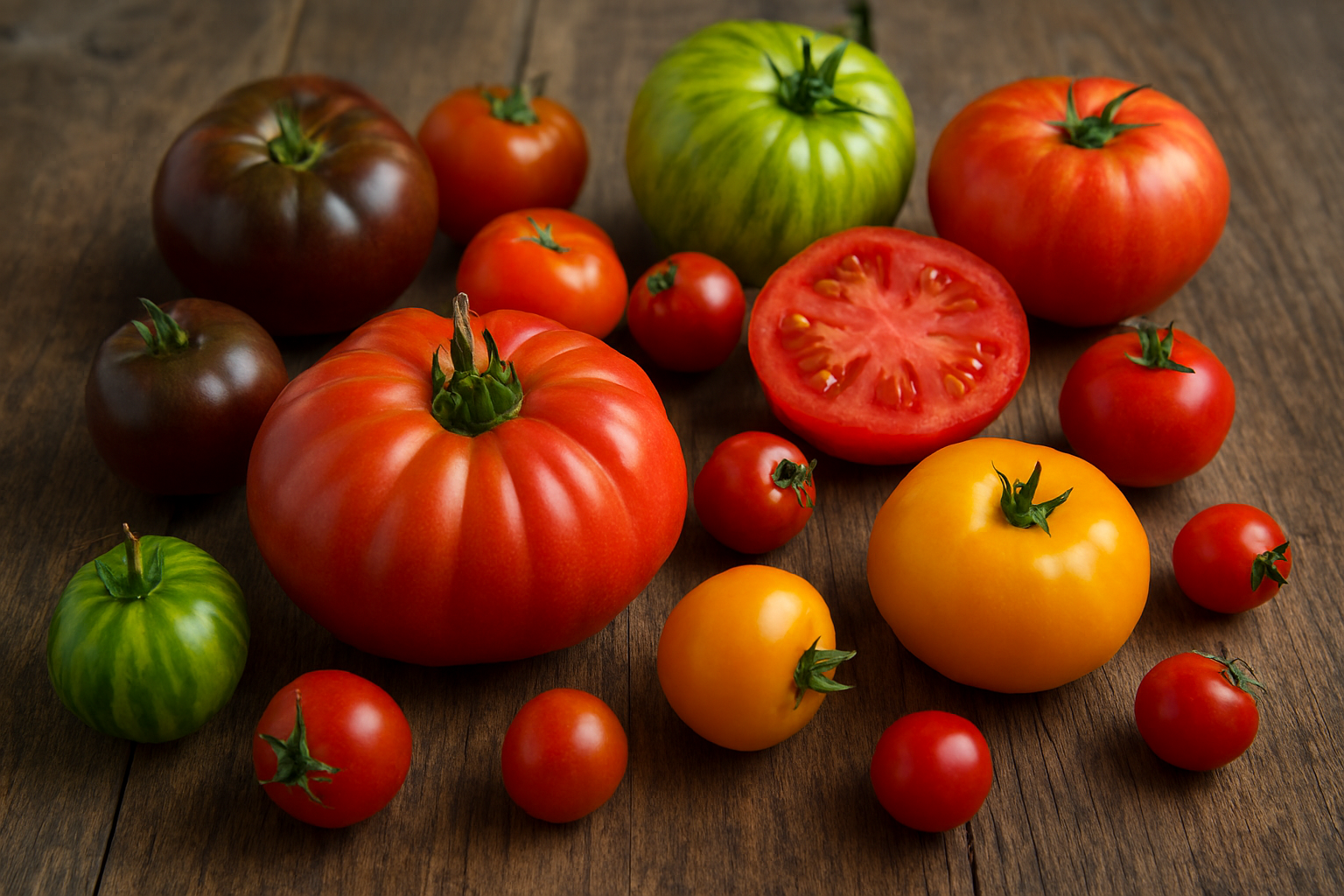
Before you even turn on the stove, preparation sets the foundation for successful canning. The tomatoes you select will determine the flavor, texture, and quality of your finished jars. Always start with ripe, firm tomatoes—Roma or paste varieties are especially prized because they have fewer seeds and thicker flesh, which makes them ideal for sauces and canning.
Once selected, wash the tomatoes thoroughly to remove dirt and bacteria. To peel them easily, use the classic blanching method: dip tomatoes in boiling water for 30–60 seconds, then plunge them into ice water. The skins will slip right off with minimal effort. Removing cores and cutting them into halves or quarters makes them easier to pack tightly into jars, ensuring fewer air pockets and more even cooking later.
Cooking Tomatoes Before Canning
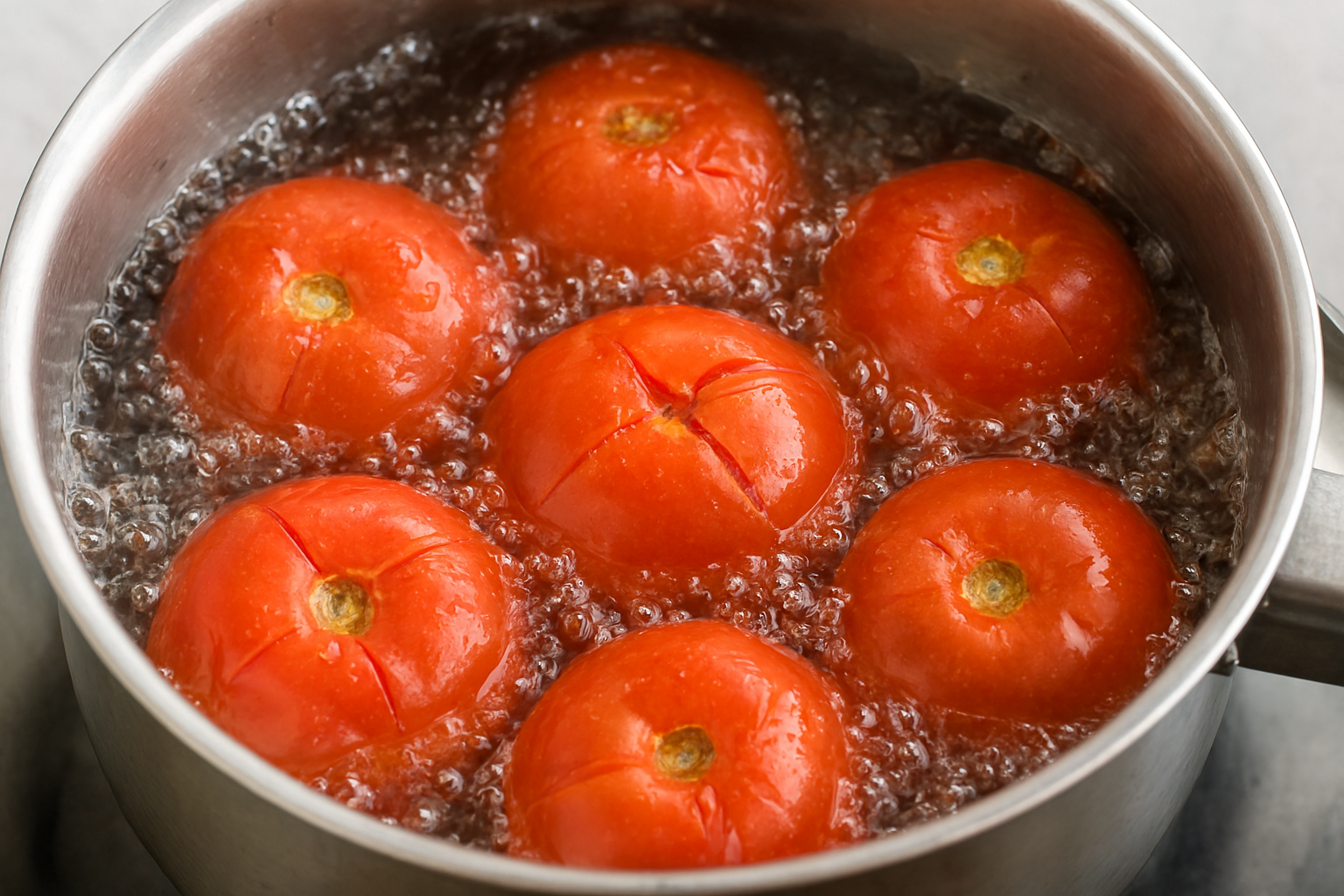
Cooking is the step that transforms raw tomatoes into a safe, ready-to-can product. Heating softens their flesh, releases juices, and reduces air pockets in jars.
For whole or halved tomatoes, a brief simmer of 5–10 minutes is usually enough. This makes them pliable and ensures they’ll pack neatly without floating or separating once processed.
If you’re making tomato sauce or puree, the cooking time is longer—20–30 minutes—to thicken the texture and concentrate the flavor. This simmering reduces excess water and creates a richer, more robust taste. Be mindful not to overcook, though; prolonged boiling can dull the bright, fresh flavor of tomatoes. The goal is balance: cook them just enough to achieve the consistency you want while preserving their natural vibrancy.
Processing Tomatoes in Jars
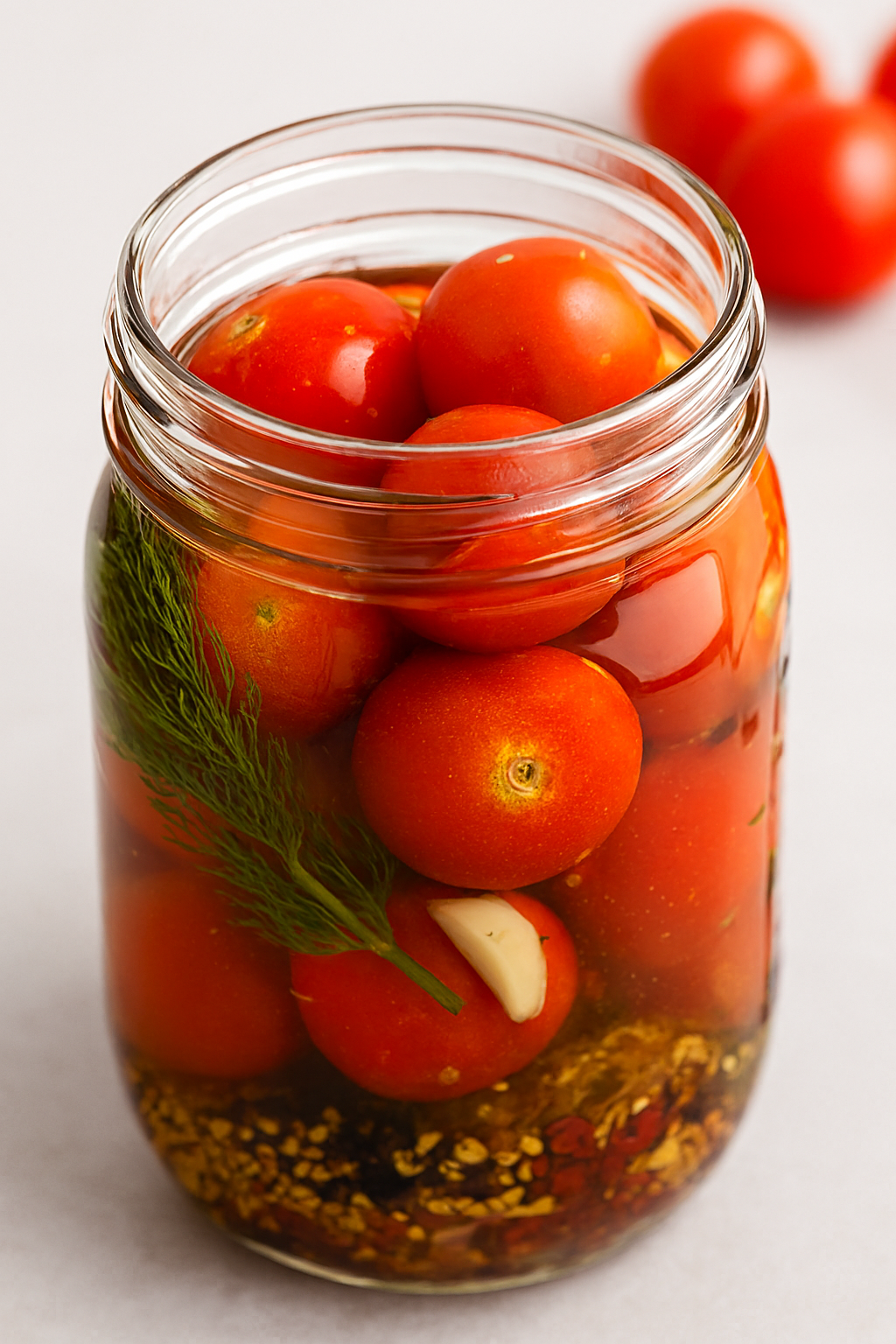
Cooking alone doesn’t guarantee safety. The real protection comes from processing the jars after they’re filled. Tomatoes are considered borderline low-acid, which means they must be processed either in a water bath canner or a pressure canner.
• Water bath canning: After packing hot tomatoes into jars, process pints for about 35 minutes and quarts for about 45 minutes. Always add bottled lemon juice or citric acid to each jar to ensure safe acidity.
• Pressure canning: This method is faster and safer for low-acid foods. Pints usually require 15 minutes at 10 pounds of pressure, while quarts need about 25 minutes. If you live at higher altitudes, adjust processing times accordingly to maintain safety.
This step is non-negotiable. Without proper processing, bacteria can survive and spoil your food. Think of it as the final seal of safety and flavor.
Why Acidity Matters
It’s worth pausing here to emphasize acidity, because it’s the cornerstone of safe tomato canning. Tomatoes alone don’t always have enough acid to prevent bacterial growth, especially Clostridium botulinum, which causes botulism—a rare but serious foodborne illness. That’s why every jar must include an acidifier: 2 tablespoons of bottled lemon juice per quart or ½ teaspoon of citric acid.
Fresh lemon juice isn’t reliable because its acidity varies, so bottled juice or citric acid is the standard. This simple addition ensures your canned tomatoes remain safe to eat months later, no matter how you plan to use them.
Flavor Tips for Better Results
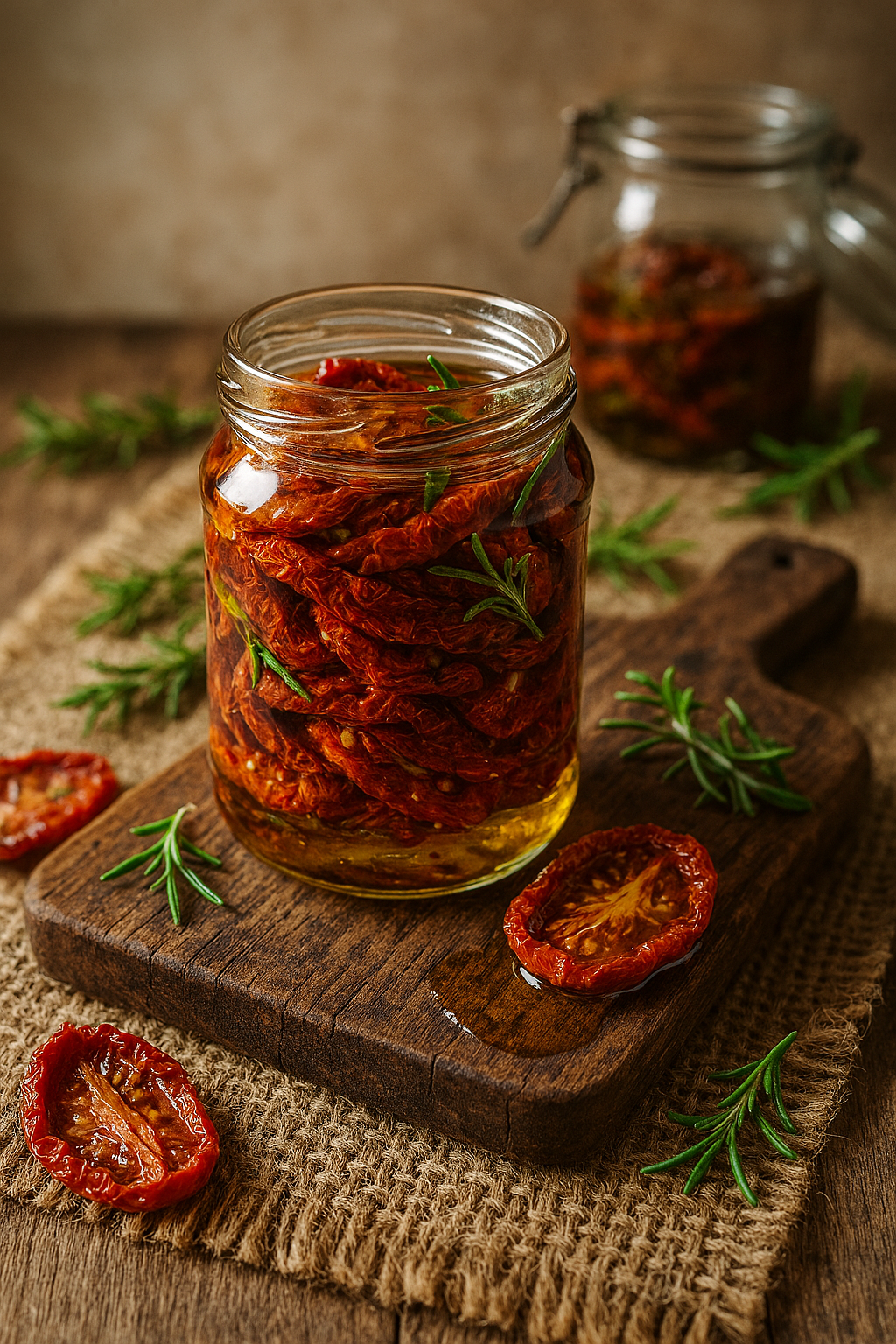
Safety is essential, but flavor matters too. To make your canned tomatoes taste as good as they look, start with peak-season fruit. Tomatoes harvested at their prime have the richest flavor and the best texture.
Resist the temptation to add herbs, garlic, or onions before canning. While they may seem like natural flavor boosters, they can alter acidity levels and compromise safety. Instead, keep your jars pure and simple, then add seasonings when you open them to cook.
Finally, be mindful of cooking times. Too little simmering leaves tomatoes watery, while too much can make them taste flat. Aim for moderation, and remember that the canning process itself will continue to cook the tomatoes inside the jars.
Wrapping Up
So, how long should you cook tomatoes for canning? The answer is: just long enough to soften them—about 5–10 minutes for whole tomatoes, 20–30 minutes for sauces—and then process jars for 35–45 minutes in a water bath or 15–25 minutes in a pressure canner. With careful preparation, proper acidification, and the right processing times, you’ll have safe, flavorful jars of tomatoes ready to brighten your meals all year long.
Canning is both an art and a science. By respecting the process and following these guidelines, you’re not just preserving food—you’re preserving tradition, flavor, and the joy of cooking from scratch.
Leave a Reply