Preserving tomatoes through cold packing (also called raw packing) is a traditional canning method that keeps their fresh flavor intact. Unlike hot packing, where tomatoes are precooked, cold packing places raw peeled tomatoes directly into jars.
This makes the process quicker and preserves their natural texture. Below, each stage of the process is explained with a short introduction to help you understand why it matters.
Essential Ingredients To Cold Pack Tomatoes
Table of Contents
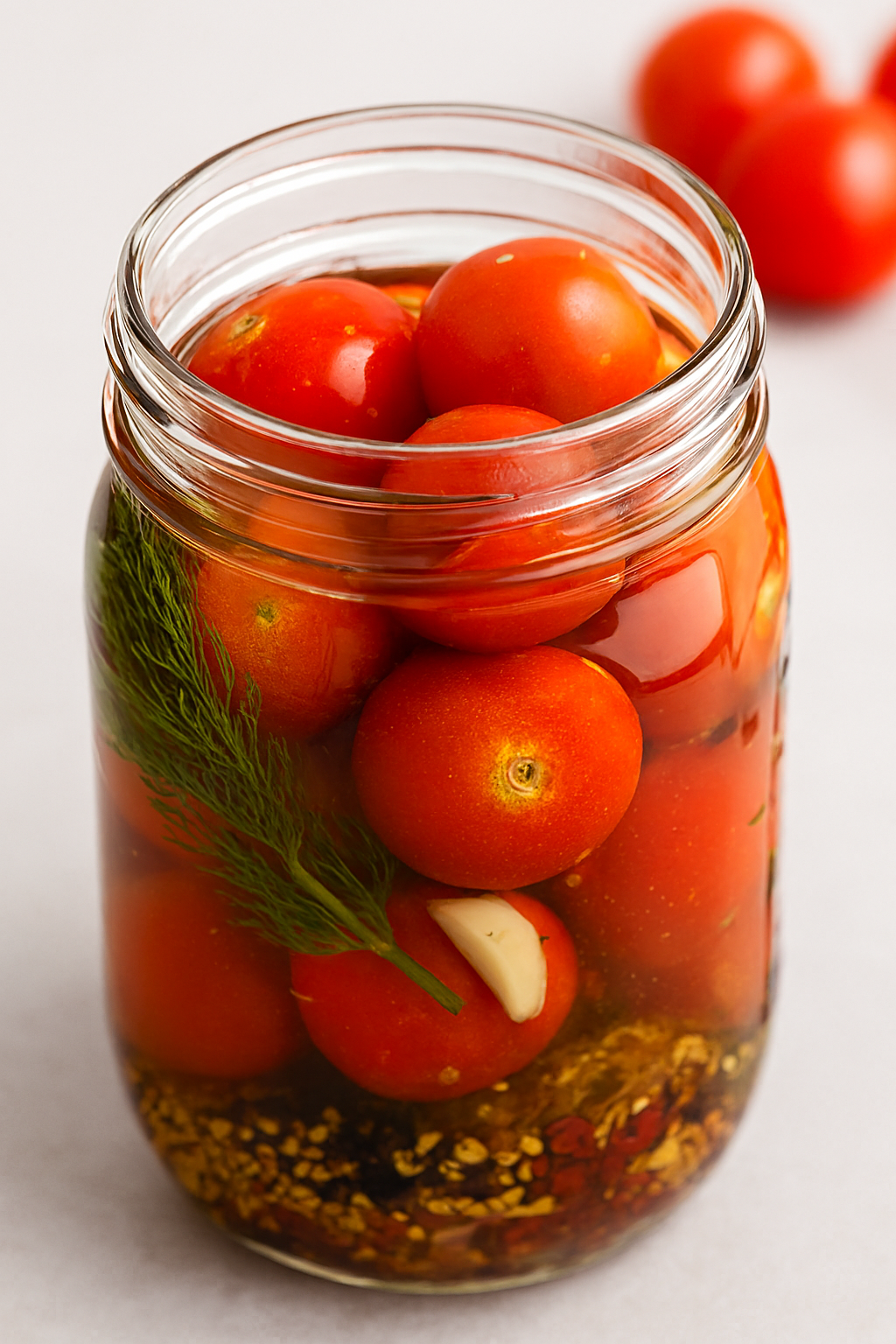
Before you begin, it’s important to gather all the necessary tools. Having everything ready ensures a smooth workflow and reduces the risk of contamination.
– Fresh, ripe tomatoes (Roma or paste varieties are best)
– Boiling-water canner
– Mason jars with lids and bands
– Jar lifter and funnel
– Large pot for blanching
– Lemon juice or citric acid (for acidity adjustment)
– Salt (optional)
Step-by-Step Cold Pack Process
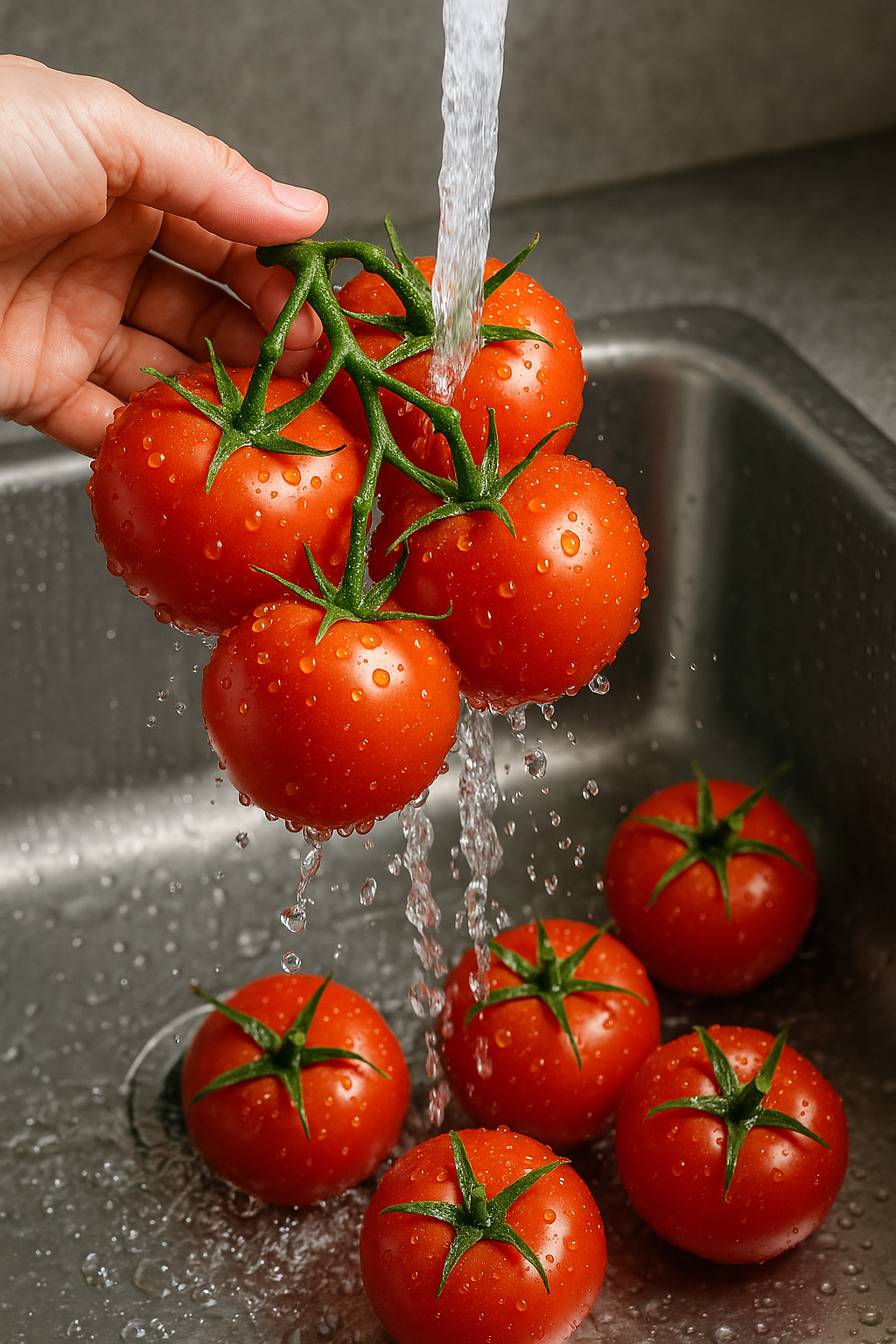
1. Preparing the Tomatoes
The foundation of safe and delicious canned tomatoes lies in proper preparation. Removing skins and cores ensures a smooth texture and prevents bitterness.
Method:
– Wash thoroughly.
– Blanch in boiling water for 30–60 seconds, then transfer to ice water.
– Peel skins and remove cores.
2. Sterilizing Jars
Sterilization is critical to prevent bacterial growth. Clean jars provide a safe environment for long-term storage.
Method:
– Wash jars, lids, and bands.
– Keep jars hot until ready to fill.
3. Adding Acid
Tomatoes vary in natural acidity, so adding lemon juice or citric acid ensures they are safe for water-bath canning.
Method:
– Place 2 tablespoons bottled lemon juice or ½ teaspoon citric acid per quart jar (1 tablespoon lemon juice for pint jars).
4. Packing Tomatoes
How you pack the tomatoes affects both flavor and storage. Gentle pressing helps fit more fruit without crushing.
Method:
– Place peeled tomatoes (whole or halved) into jars at room temperature.
– Press gently to fill spaces but avoid crushing.
– Leave ½-inch headspace at the top.
5. Adding Liquid
Covering tomatoes with hot liquid prevents air pockets and ensures even cooking during processing.
Method:
– Cover tomatoes with hot tomato juice or boiling water.
– Optional: add 1 teaspoon salt per quart for flavor.
6. Sealing Jars
A proper seal keeps out air and bacteria, ensuring your tomatoes remain safe and shelf-stable.
Method:
– Wipe rims clean.
– Place lids and screw bands until fingertip-tight.
7. Processing in the Canner
Processing is the most important safety step. It destroys harmful microorganisms and locks in freshness.
Method:
– Submerge jars in boiling-water canner.
– Process pints for 85 minutes and quarts for 85 minutes.
– Adjust time for altitude if necessary.
8. Cooling & Storing
Cooling allows jars to seal properly, while storage conditions determine how long your tomatoes will last.
Method:
– Remove jars and let cool for 12–24 hours.
– Check seals: lids should not flex up and down.
– Store in a cool, dark place for up to 12–18 months.
Benefits of Cold Packing
Here are the benifits of cold packing tomatoes:
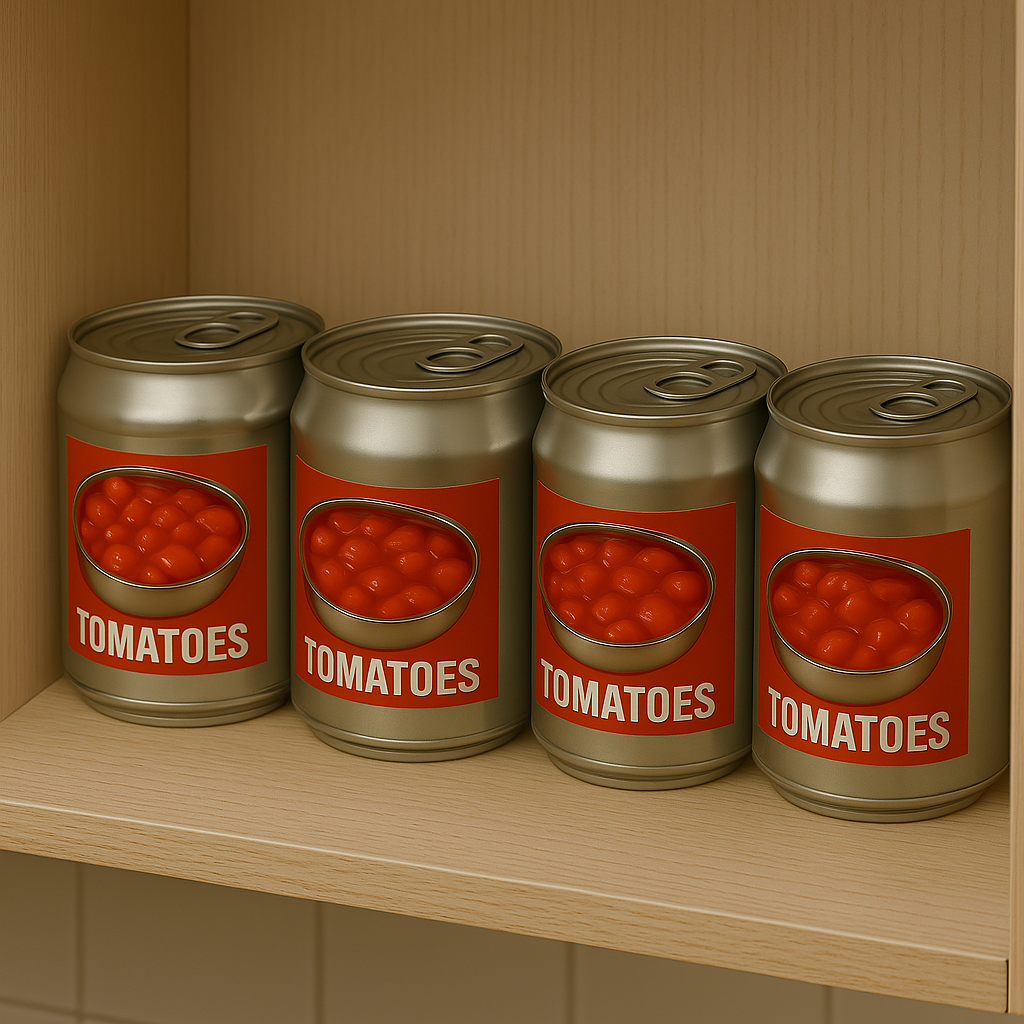
– Retains fresh flavor of tomatoes
– Quicker preparation compared to hot packing
– Versatile use in sauces, soups, and stews
– Shelf-stable when processed correctly
Safety Considerations
here are some safety considerations while going through the process:
– Always use bottled lemon juice or citric acid—fresh lemon juice may vary in acidity.
– Do not reduce processing time; under-processing risks spoilage or botulism.
– Avoid using overripe or damaged tomatoes.
Wrapping Up
Cold packing tomatoes is a rewarding way to capture the taste of summer and enjoy it throughout the year. With careful attention to acidity, headspace, and processing times, you’ll have jars of vibrant, flavorful tomatoes ready for any recipe.
Would you like me to also expand this into a bilingual (English–Bengali) guide, with each intro translated, so it fits your heritage archive style? That way, it’s practical for local readers and emotionally resonant for cultural preservation. For any further queries, turn up the comments section below.
Leave a Reply