Tomatoes are often treated as a supporting act in taco recipes — tossed in casually, diced without thought, or scooped from a jar of salsa. But here’s the truth – the way you dice your tomatoes can dramatically impact the texture, flavor balance, and visual appeal of your tacos.
Whether you’re crafting smoky carne asada tacos, zesty shrimp tacos, or a vibrant vegetarian medley, diced tomatoes bring brightness, acidity, and a juicy crunch that ties everything together.
This guide isn’t just about cutting tomatoes. It’s about understanding their role in taco architecture, mastering the knife work, and elevating your taco game with every tiny cube. We’ll walk through the best techniques, tools, and tips — plus creative twists to make your diced tomatoes pop.
Choosing the Right Tomato for Taco Dicing
Table of Contents
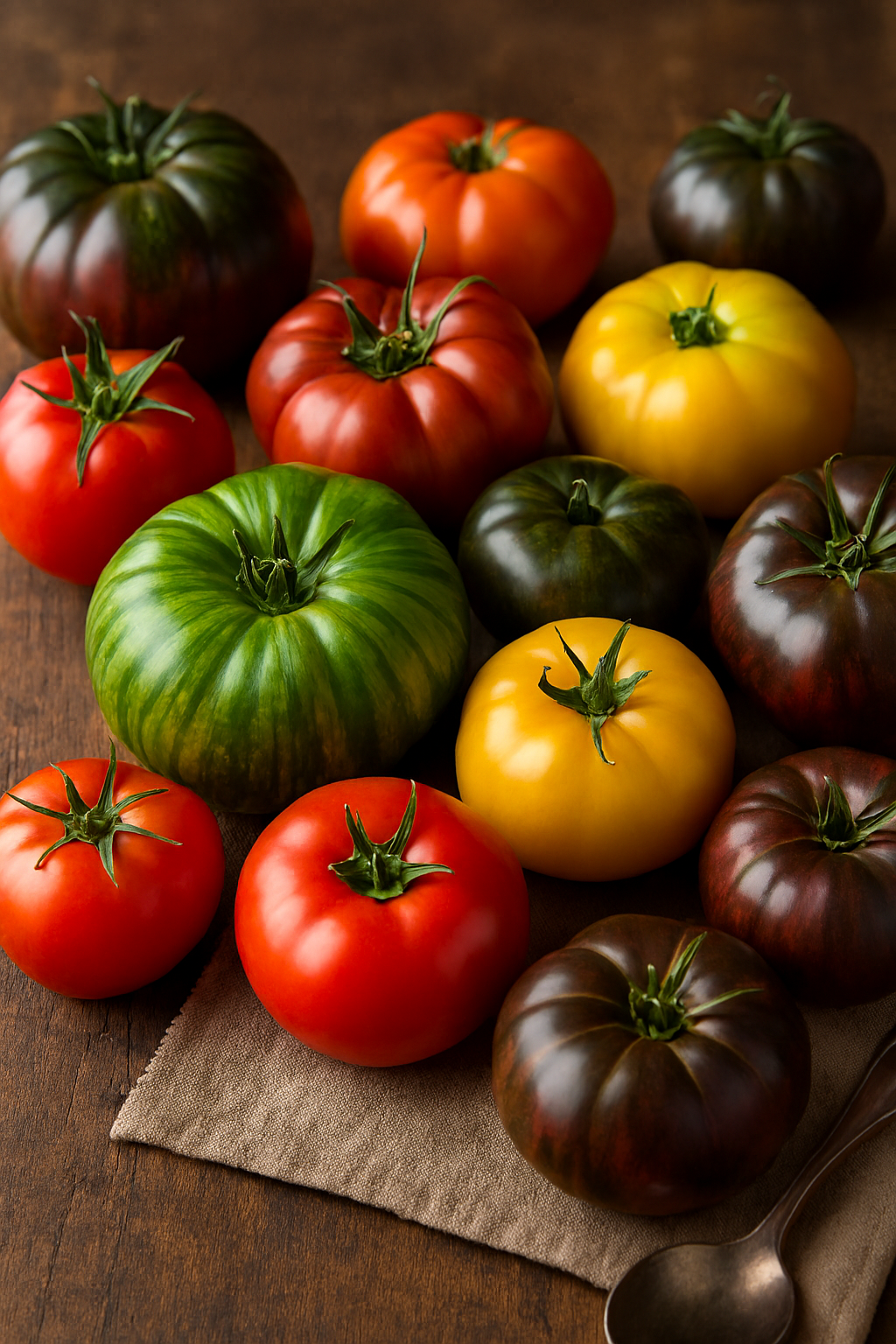
Not all tomatoes are created equal — especially when it comes to tacos. The ideal tomato should be:
Firm but ripe – Soft tomatoes turn mushy and leak juice, making tacos soggy.
Meaty, not watery – Less water means cleaner dicing and better texture.
Flavorful – A bland tomato won’t add much to your taco’s flavor profile.
Best Tomato Varieties for Dicing
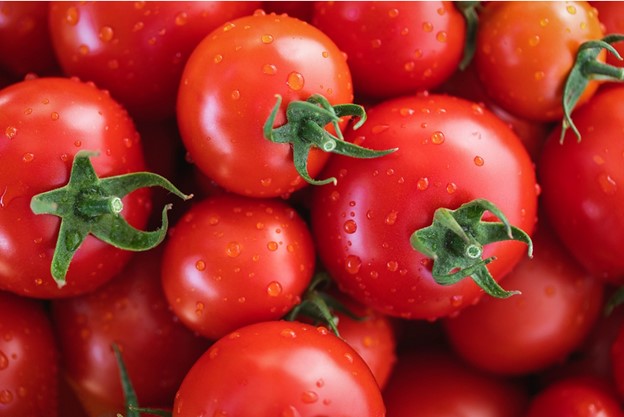
Here are the best varities of tomatoes for dicing to make perfect Tacos.
Roma (Plumbest varie) – Dense, low in moisture, and easy to dice. A taco favorite.
Campari – Slightly sweeter, great for fresh tacos with a fruity twist.
Heirloom (if firm) – Gorgeous colors and bold flavor — ideal for visual impact.
Cherry or Grape (optional) – Can be quartered or finely chopped for mini tacos or salsa-style toppings.
Avoid beefsteak tomatoes unless you’re making a chunky pico de gallo — they’re too watery and soft for precise dicing.
Preparing The Tomatoes Before Dicing

Before you start dicing the tomatoes, it’s important to wash them properly. Here are some suggestions you can follow:
Wash thoroughly – Rinse under cool water to remove dirt and pesticides.
Dry completely – Moisture on the skin makes tomatoes slippery and harder to handle.
Core the tomato – Use a paring knife to remove the stem and tough core. This improves texture and makes dicing cleaner.
If you want ultra-clean cubes, scoop out the seeds with a spoon. This reduces moisture and keeps tacos crisp — especially important for crunchy shells.
The Dicing Technique — Step-by-Step Breakdown
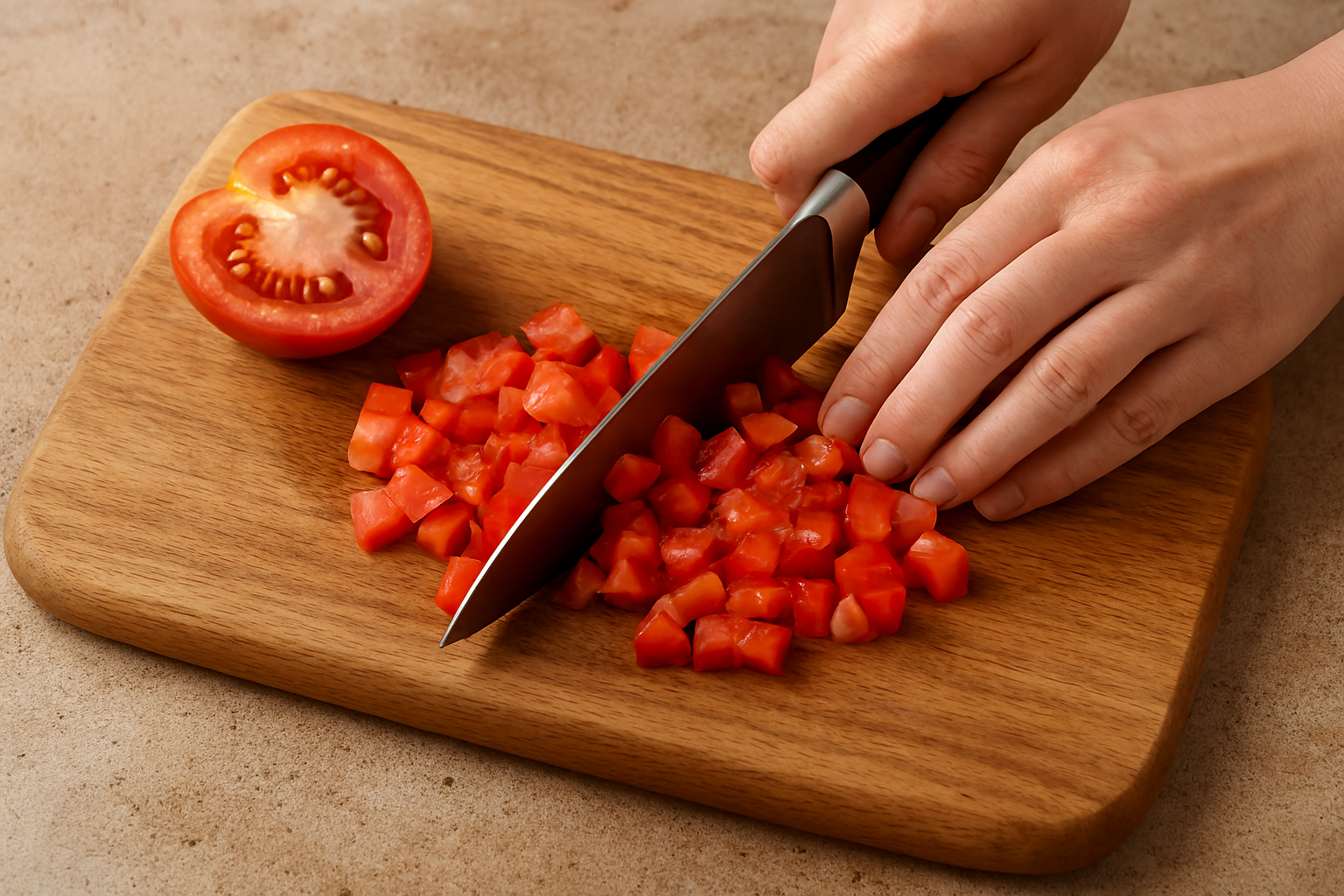
Here’s the method that professional chefs use for clean, uniform tomato dice:
Slice into Planks
Place the tomato on its side.
Using a sharp chef’s knife or serrated knife, slice vertically into ¼-inch thick slabs.
These “planks” form the foundation for even dicing.
Stack and Slice into Strips
Stack 2–3 planks on top of each other.
Slice lengthwise into ¼-inch wide strips.
Keep your fingers curled and use a gentle rocking motion for control.
Rotate and Dice
Rotate the strips 90°.
Slice crosswise to create small, even cubes — about ¼-inch square.
Adjust size based on taco type: smaller dice for street tacos, larger for burrito-style wraps.
Chill
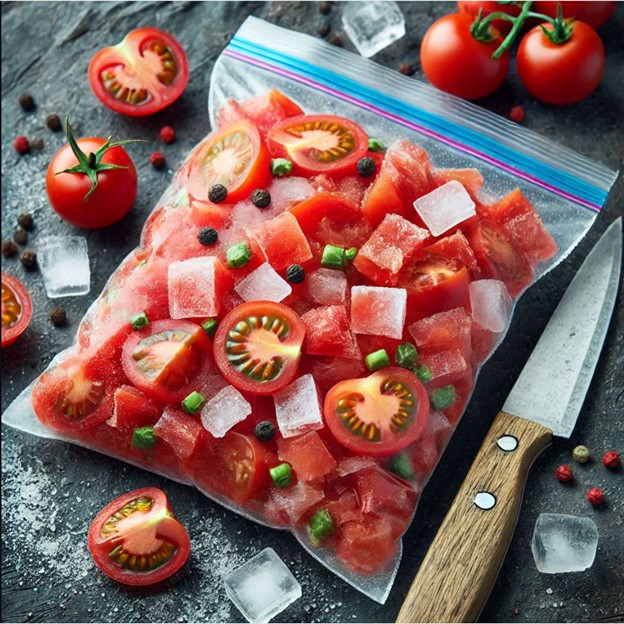
Refrigerate diced tomatoes for 10–15 minutes before serving.
This firms them up and enhances freshness — especially useful for warm taco fillings.
Tools That Make Tomato Dicing Easier
While a sharp knife is essential, the right tools can elevate your prep game:
Chef’s knife (8–10 inch): Ideal for control and precision.
Serrated knife: Great for soft or overripe tomatoes.
Cutting board with juice groove: Prevents mess and keeps your workspace clean.
Tomato corer or spoon: Helps remove seeds and core efficiently.
Bench scraper: Handy for transferring diced tomatoes without squishing them.
Always sharpen your knife before dicing. A dull blade crushes tomatoes instead of slicing cleanly.
Flavor Boosts and Creative Twists

Diced tomatoes are a blank canvas. Here’s how to make them sing:
Quick Tomato Toppers:
Lime + Salt: Brightens flavor and balances richness in meat tacos.
Cilantro + Onion: Classic pico de gallo vibe — fresh and punchy.
Chili flakes + Olive oil: Adds heat and silkiness for fusion tacos.
Smoked paprika + Garlic powder: A smoky twist for grilled fillings.
Visual Flair: Mix red, yellow, and orange tomatoes for a rainbow taco bar.
Add diced avocado or mango for color contrast and tropical flavor.
Use edible flowers or microgreens as garnish for upscale presentation.
Common Mistakes to Avoid
Even seasoned cooks slip up. Here’s what to watch out for:
Using overripe tomatoes: They collapse under the knife and leak juice.
Dicing unevenly: Leads to inconsistent texture and flavor distribution.
Skipping the seed removal: Makes crunchy tacos soggy and messy.
Using dull knives: Crushes tomatoes and ruins presentation.
Overhandling: Stirring or scooping too aggressively breaks down the cubes.
Dice gently, chill briefly, and add tomatoes just before serving.
Tomato Dicing Styles & Taco Pairings
1. Fine Dice
• Tiny, uniform cubes
• Adds moisture without overwhelming
• Best for: Street Tacos, Mini Tacos, Fish Tacos
2. Medium Dice
• Classic salsa size
• Balanced texture and flavor
• Best for: Chicken Tinga, Carnitas, Veggie Tacos
3. Large Dice
• Chunky, rustic pieces
• Bold tomato presence
• Best for: Carne Asada, Barbacoa, Grilled Veggie Tacos
4. Wedges or Chunks
• Irregular, juicy cuts
• Great for layering or roasting
• Best for: Breakfast Tacos, Taco Bowls
5. Seedless Dice
• Skinned and deseeded
• Clean, less watery texture
• Best for: Shrimp Tacos, Fusion Tacos
6. Roasted Dice
• Charred edges, smoky depth
• Adds umami and warmth
• Best for: Chorizo, Mushroom Tacos, Smoky Beef Tacos
7. Tomato Relish
• Finely chopped with herbs/vinegar
• Tangy and punchy
• Best for: Pulled Pork, Tofu Tacos, Korean BBQ Tacos
Wrapping Up
Dicing tomatoes for tacos isn’t just a prep step — it’s a flavor decision, a texture choice, and a visual statement. With the right technique, your tacos will burst with freshness, balance, and beauty.
Whether you’re hosting a taco night or crafting a quick lunch, those perfect little cubes bring harmony to every shell.
So next time you reach for a tomato, don’t just chop — dice with intention. Your tacos (and your taste buds) will thank you.
Leave a Reply