Cherry tomatoes are one of the most satisfying crops a gardener can grow. They are fast-growing, highly productive, and adaptable to different growing conditions, from open gardens to small balcony pots.
Their bright colors, sweet flavor, and versatility in the kitchen make them a favorite worldwide. With proper care and attention, cherry tomatoes can produce fruit for months, rewarding even beginner gardeners with abundant harvests.
This complete guide explains every step of growing cherry tomatoes — from selecting seeds to extending your harvest season.
Why Grow Cherry Tomatoes?
Table of Contents
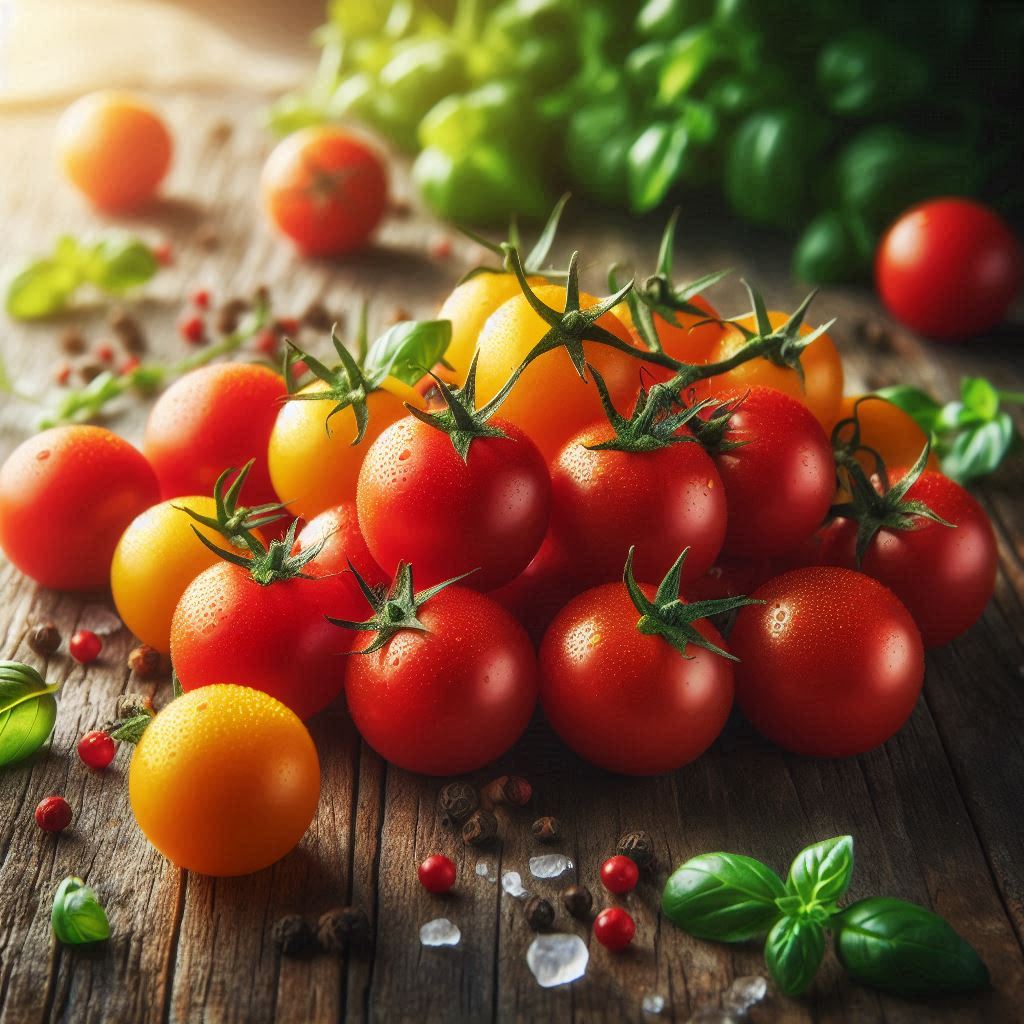
Before starting, it is helpful to understand why cherry tomatoes are such a popular choice among gardeners. Their natural resilience, fast growth, and high productivity make them ideal for both beginners and experienced growers.
Cherry tomatoes mature faster than large tomato varieties, allowing you to harvest sooner. They produce clusters of small fruits continuously over a long period, often yielding more overall fruit than larger tomatoes.
Their compact size makes them perfect for container gardening, balconies, and small spaces. Additionally, cherry tomatoes are versatile in cooking — great for salads, sauces, roasting, or fresh snacking.
Because they are relatively easy to grow and forgiving of small mistakes, cherry tomatoes are often recommended as one of the best starter crops for new gardeners.
Choosing the Right Variety of Tomatoes
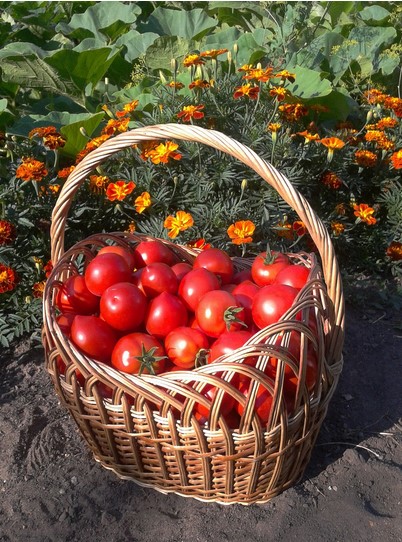
Selecting the correct variety is the foundation of successful cherry tomato growing. Different varieties vary in taste, color, plant size, and growth habit, so choosing one suited to your space and climate will improve results.
Some varieties grow tall and produce continuously (indeterminate), while others remain compact and fruit over a shorter period (determinate). Indeterminate varieties are ideal if you want a long harvest season, while compact varieties work best for containers and indoor growing.
Popular varieties include high-yield sweet types, tangy golden varieties, dark rich-flavored types, and compact dwarf plants for small spaces. When choosing seeds, consider your available space, climate, and whether you prefer continuous harvesting or a shorter, concentrated crop.
Understanding Growth Stages
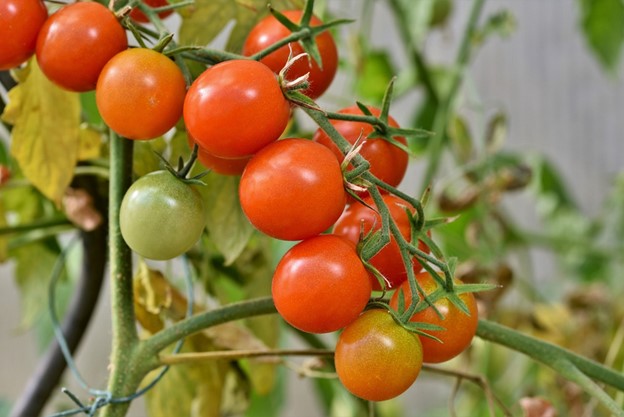
Cherry tomatoes pass through several growth stages, and each stage requires slightly different care. Understanding these phases helps you respond to the plant’s needs at the right time.
The process begins with germination, when seeds sprout in warm, moist soil. Next comes the seedling stage, where the plant develops true leaves and begins forming roots. During vegetative growth, the plant grows stems and foliage rapidly. This is followed by flowering, when yellow blossoms appear and pollination occurs. Finally, the fruiting stage begins, during which tomatoes develop, ripen, and are ready for harvest.
By recognizing each stage, you can adjust watering, feeding, and pruning to maximize plant health and productivity.
Climate and Growing Season
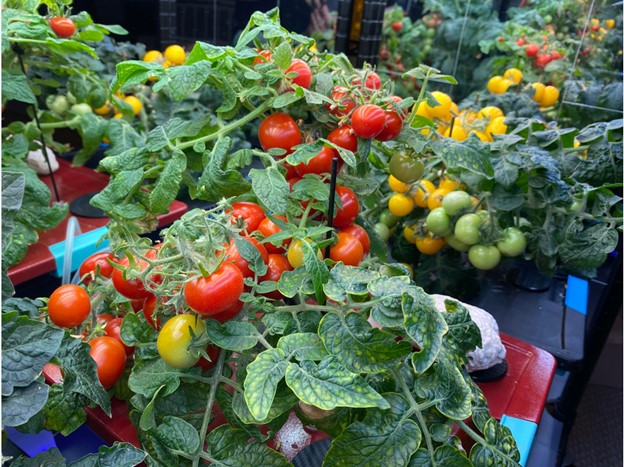
Cherry tomatoes are warm-season plants, meaning they grow best in moderate to warm temperatures. However, they are adaptable and can be grown in many climates with the right timing and care.
In warm regions, planting in late winter or early spring allows the plant to establish before extreme heat arrives. In very hot conditions, providing afternoon shade and mulching helps prevent stress. In mild climates, spring and summer offer ideal growing conditions, though occasional cold nights may require protection. In cooler regions, starting seeds indoors or using protective structures like tunnels or greenhouses helps extend the growing season.
Maintaining stable temperatures and protecting plants from extreme heat or cold ensures consistent growth and fruit production.
Preparing the Soil
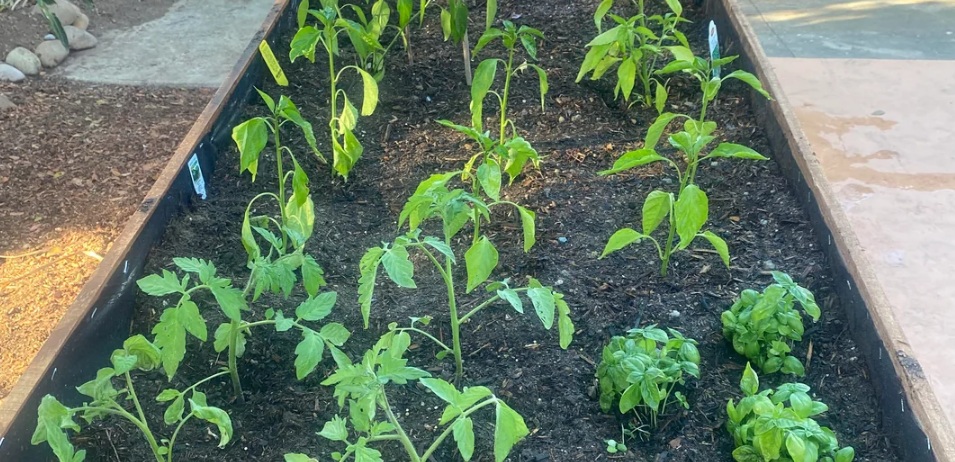
Healthy soil is the most important factor in growing productive cherry tomato plants. Rich, well-drained soil supports strong root development and steady plant growth.
Cherry tomatoes prefer slightly acidic soil with plenty of organic matter. Loose, aerated soil allows roots to expand and absorb nutrients efficiently. Adding compost improves soil fertility, while materials like coco peat and sand improve drainage and moisture balance.
Enhancing soil with natural amendments such as bone meal, vermicompost, or neem cake improves nutrient availability and soil health. Preparing the soil properly before planting significantly increases plant vigor and yield.
Starting Seeds
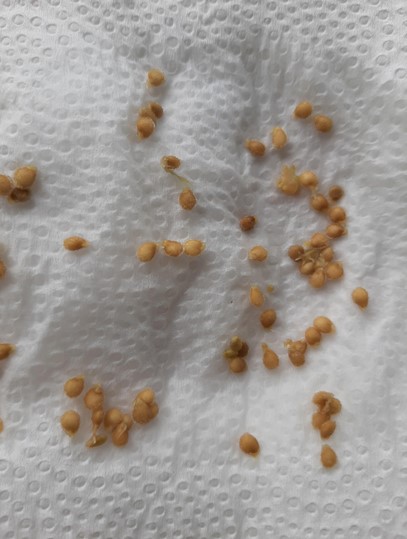
Growing cherry tomatoes from seed gives you access to more varieties and often produces stronger plants. Proper seed starting ensures healthy seedlings ready for transplanting.
Seeds should be planted shallowly in moist soil and kept warm until germination occurs. Once sprouted, seedlings need strong light to prevent weak, leggy growth. After a few weeks, gentle feeding encourages steady development. Before transplanting outdoors, seedlings should be gradually exposed to outdoor conditions in a process called hardening off.
Healthy seedlings form the foundation of productive tomato plants later in the season.
Planting Cherry Tomatoes
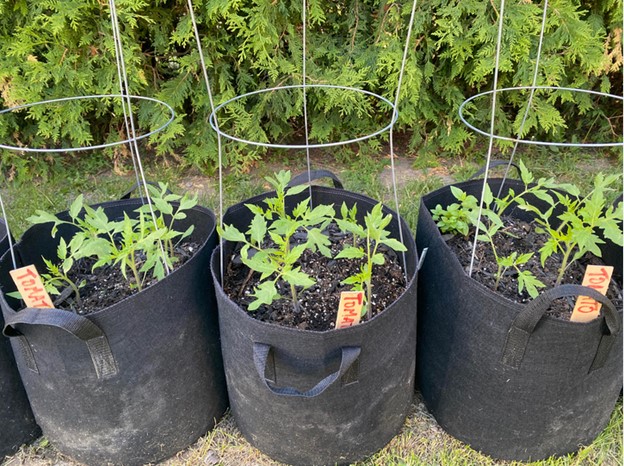
Transplanting seedlings at the right time ensures strong establishment and early growth. Cherry tomatoes should be planted outdoors once temperatures remain consistently warm.
Spacing plants properly allows airflow and prevents disease. Planting deeper than the root ball encourages additional root formation along the buried stem, strengthening the plant. After planting, watering thoroughly and adding mulch helps maintain soil moisture and temperature.
Proper planting techniques promote stronger plants and higher yields.
Sunlight Requirements
Sunlight is essential for cherry tomato growth and fruit production. Without enough light, plants become weak, produce fewer flowers, and yield less fruit.
Cherry tomatoes require at least six to eight hours of direct sunlight daily. In extremely hot climates, some afternoon shade may prevent stress, but generally, more sunlight leads to better fruit production and sweeter tomatoes.
Choosing a bright, sunny location is critical for success.
Watering Properly
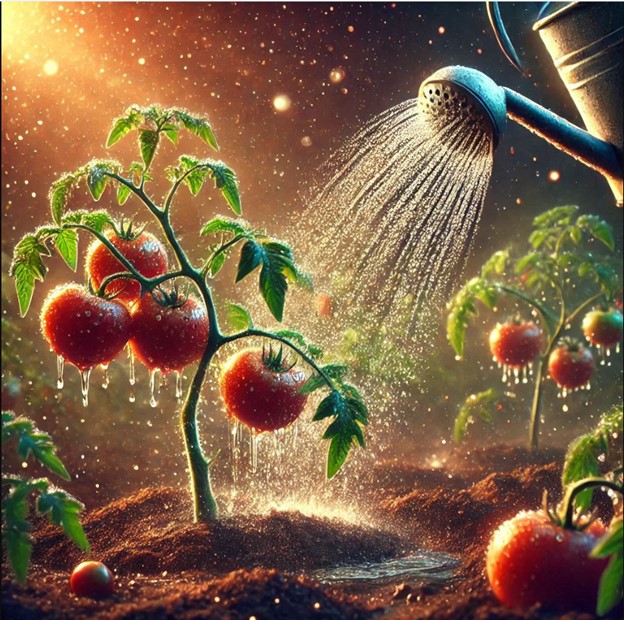
Consistent watering is vital for healthy cherry tomato plants. Both overwatering and underwatering can cause problems such as fruit cracking, poor growth, or nutrient deficiencies.
Water deeply so moisture reaches the root zone rather than just the surface. Keeping soil consistently moist but not waterlogged prevents stress and supports steady fruit development. Watering early in the morning reduces evaporation and allows leaves to dry, minimizing disease risk.
Mulching helps retain moisture, regulate soil temperature, and prevent weeds.
Supporting Tomato Plants
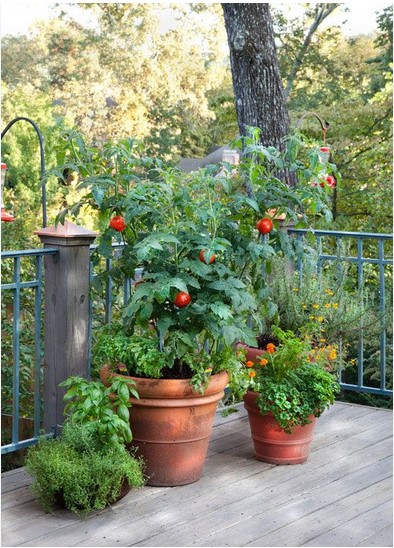
Cherry tomato plants grow vigorously and often require support to prevent stems from bending or breaking under fruit weight.
Using stakes, cages, or trellises keeps plants upright, improves airflow, and makes harvesting easier. Soft ties should be used to secure stems without damaging them. Supporting plants early prevents structural problems later.
Proper support also reduces disease risk and improves fruit quality.
Fertilizing for Healthy Growth
Cherry tomatoes are heavy feeders and benefit from regular nutrition throughout their growth cycle. Balanced fertilization supports strong plants and consistent fruiting.
During early growth, a balanced fertilizer promotes leafy development. Once flowering begins, switching to a fertilizer higher in phosphorus and potassium encourages fruit production. Excess nitrogen should be avoided, as it leads to leafy growth with fewer fruits.
Organic feeding options such as compost tea, banana peel solution, and eggshell powder provide gentle, natural nutrition.
Pollination Tips
Cherry tomatoes are self-pollinating, meaning each flower contains both male and female parts. However, environmental factors can affect successful pollination.
Gentle shaking of plants helps release pollen, especially in still environments. Good airflow improves pollination efficiency. Extremely high humidity or very high temperatures can reduce pollen viability, so maintaining stable conditions improves fruit set.
Simple pollination support can significantly increase yield.
Pruning for Better Yield
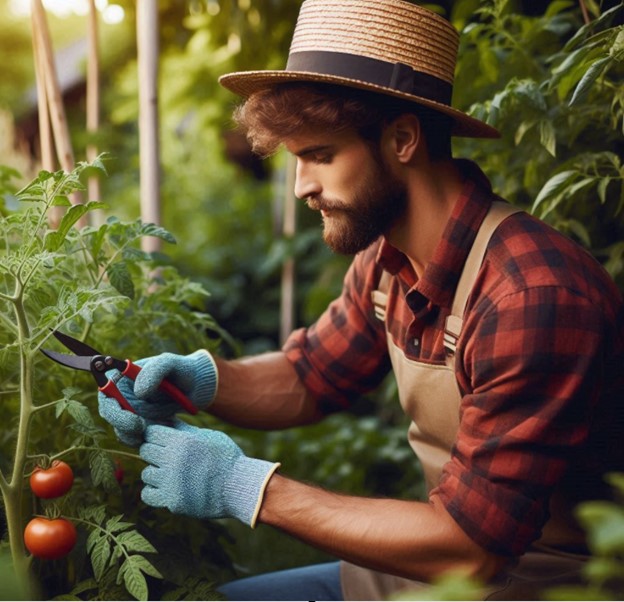
Pruning helps direct plant energy toward fruit production rather than excessive foliage. It also improves airflow and reduces disease risk.
Removing small shoots called suckers helps control plant size and focus growth. Yellowing or damaged leaves should be removed promptly. Clean tools should always be used to prevent spreading disease.
Well-pruned plants are healthier, easier to manage, and often produce better-quality fruit.
Container Growing Guide
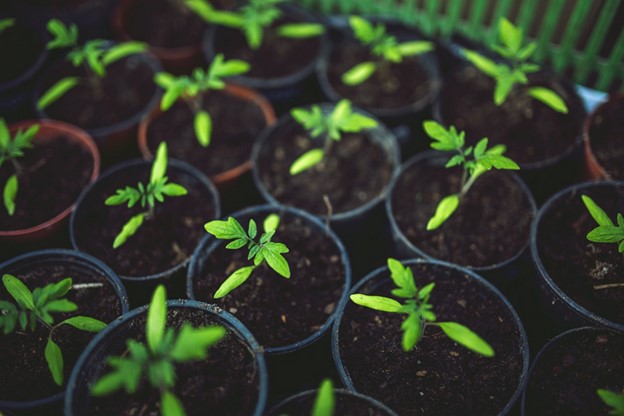
Cherry tomatoes are excellent for container gardening, making them perfect for balconies, patios, and small spaces.
Containers should be deep enough to support root growth and have proper drainage. Lightweight potting mix retains moisture while preventing compaction. Container plants dry out faster, so they require more frequent watering and feeding.
With proper care, container-grown cherry tomatoes can be just as productive as garden-grown plants.
Pest Management
Cherry tomato plants may attract insects, but early detection and natural control methods keep them manageable.
Common pests include aphids, whiteflies, spider mites, and caterpillars. Regular inspection helps detect problems early. Natural solutions such as neem oil, soap sprays, and hand removal are effective and environmentally friendly.
Maintaining plant health reduces vulnerability to pests.
Disease Prevention
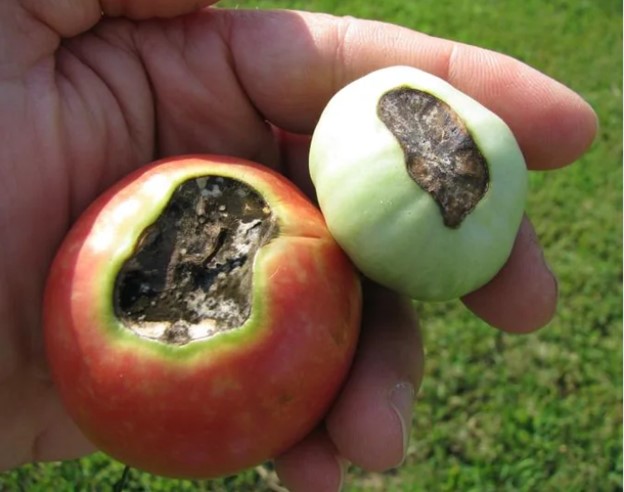
Preventing disease is easier than treating it. Good gardening practices minimize the risk of fungal and bacterial infections.
Watering at soil level, spacing plants properly, and removing infected leaves quickly are key steps. Rotating crops and improving airflow also help prevent disease buildup in soil and foliage.
Healthy plants are more resistant to disease.
Improving Fruit Quality
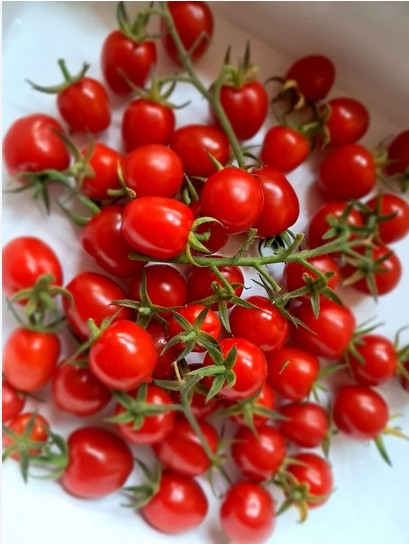
Several factors influence fruit taste, size, and sweetness. Proper care ensures the best possible harvest.
Full sunlight, steady watering, and balanced nutrition improve fruit flavor. Avoiding excessive nitrogen encourages better fruit production. Harvesting fully ripe tomatoes enhances sweetness and overall quality.
Attention to detail leads to better-tasting tomatoes.
Growing Indoors
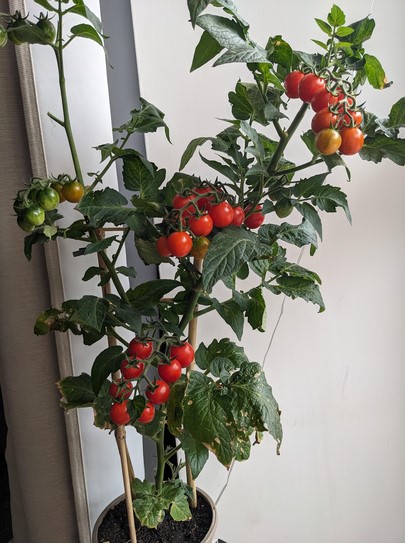
Cherry tomatoes can be grown indoors with proper lighting and care. Dwarf varieties are best suited for indoor environments.
Plants require strong artificial lighting for many hours daily. Good airflow and hand pollination support healthy growth and fruiting. Indoor growing allows year-round tomato production in controlled conditions.
Hydroponic Growing
Hydroponics is a soil-free growing method that produces fast growth and high yields. Cherry tomatoes adapt well to this system.
Plants receive nutrients directly through water, eliminating soil pests and improving efficiency. Proper nutrient balance and pH control are essential for success.
Hydroponics offers a modern, productive alternative to traditional gardening.
Harvesting Cherry Tomatoes
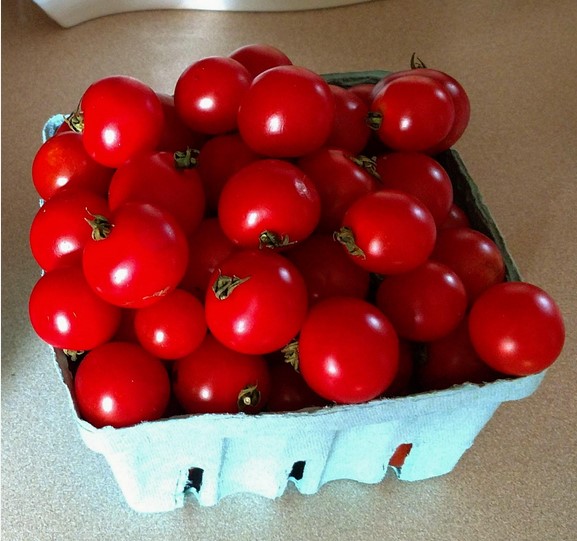
Harvesting at the right time ensures the best flavor and encourages continued production. Tomatoes are ready when brightly colored, firm, and easy to detach.
Regular harvesting stimulates new fruit development, extending the productive period of the plant.
Saving Seeds
Saving seeds allows you to grow the same variety in future seasons. Seeds should be taken from healthy, ripe fruit, cleaned, dried, and stored in a cool, dry place.
Properly stored seeds remain viable for several years.
Extending the Growing Season
With proper care, cherry tomato plants can produce fruit longer than expected. Protective covers, succession planting, and moving container plants indoors during cooler weather help extend the harvest period.
Maintaining plant health and removing old foliage also encourages continued fruit production.
Companion Planting
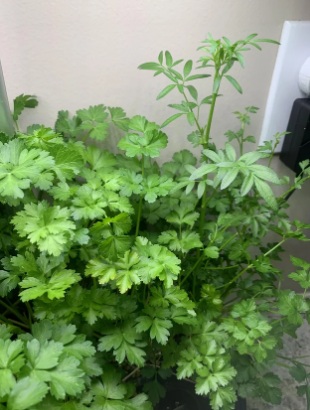
Certain plants benefit cherry tomatoes by improving growth or deterring pests. Basil, marigolds, garlic, and leafy greens are useful companions that enhance plant health and garden efficiency.
Expected Yield
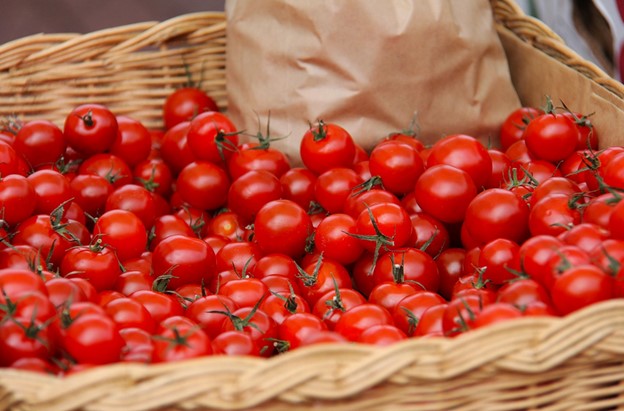
Under good conditions, a single cherry tomato plant can produce several kilograms of fruit over a season, especially long-growing varieties that continue producing for months.
Final Thoughts
Cherry tomatoes are one of the easiest and most rewarding crops to grow. With proper soil, sunlight, watering, feeding, and care, gardeners of all levels can enjoy abundant harvests. Whether grown in a garden, container, balcony, or indoors, cherry tomatoes provide continuous fresh fruit and gardening satisfaction.
Consistent observation, patience, and simple care techniques will transform your cherry tomato plants into highly productive, long-lasting growers.
Leave a Reply