San Marzano tomatoes are more than just a crop—they’re a culinary tradition. Famous for their elongated shape, meaty flesh, and rich flavor, these Italian heirlooms are the backbone of authentic pasta sauces and Neapolitan pizzas or pizza sauces.
Growing them at home isn’t just rewarding, it’s a chance to bring a piece of Italy into your garden. Here’s a detailed guide on how to grow these tomatoes and use them.
Choosing and Preparing the Site
Table of Contents
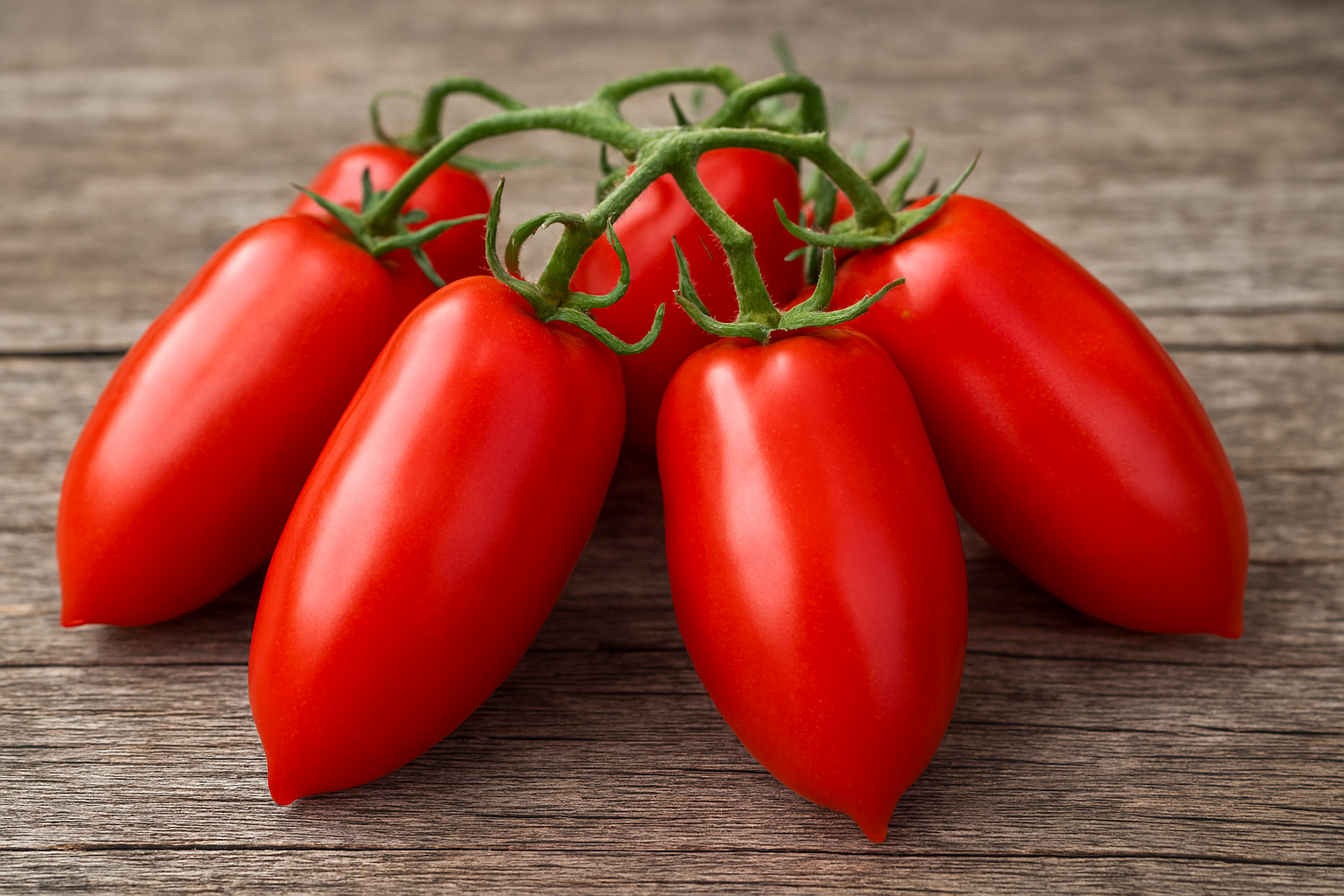
Every great harvest begins with the right foundation. San Marzano tomatoes are sun-loving plants that thrive in fertile, well-drained soil. Before you even think about planting, setting up the right environment ensures healthier plants and tastier fruit.
- Sunlight – Tomatoes are solar-powered. Aim for 6–8 hours of direct sunlight daily to maximize photosynthesis and fruit sweetness.
- Soil – Rich, loamy soil with a pH of 6.0–6.8 is ideal. Mix in compost or aged manure to boost fertility and improve structure.
- Spacing – Keep 24–36 inches between plants. This spacing prevents overcrowding, reduces humidity around leaves, and lowers the risk of fungal disease.
Think of this step as laying the foundation of a house—without it, everything else wobbles.
Planting San Marzano Tomatoes
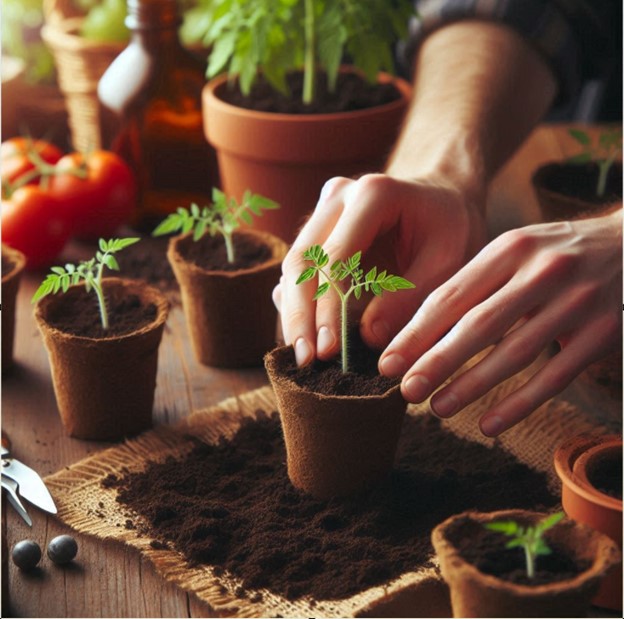
Planting is where the magic begins. Whether you’re starting from seed or transplanting seedlings, how you place them in the soil determines their strength and resilience throughout the season.
- Seed Starting – Begin indoors 6–8 weeks before the last frost date. Use seed trays with a light potting mix, keeping them warm and moist.
- Transplanting – Transplant or move the seedlings outdoors once they’re 6–8 inches tall and nights stay above 55°F (13°C). Bury stems up to the first leaves—this encourages roots to sprout along the stem, creating a stronger plant.
- Support – Install stakes or cages early. San Marzano plants can reach 6 feet tall, and early support prevents root disturbance later.
This stage is like setting a young tree in the ground—firm roots now mean resilience later.
Watering and Feeding

Tomatoes are thirsty, but they don’t like surprises. Consistent watering and balanced feeding are the keys to plump, flavorful fruits. Think of this step as nurturing your plants with steady care.
- Watering – Provide 1–2 inches per week, always at the base to avoid wet leaves. Irregular watering can cause blossom-end rot or cracked fruits.
- Mulching – Add mulch to lock in moisture, suppress weeds, and keep soil temperatures stable. Straw, shredded leaves, or grass clippings work well.
- Fertilization – Use a balanced tomato fertilizer or compost tea. Avoid too much nitrogen—it makes leaves lush but fruits scarce.
Consistency here is everything—your tomatoes crave routine, not surprises.
Pruning and Maintenance

Left unchecked, tomato plants can become wild and tangled. Pruning keeps them disciplined, channels energy into fruit production, and helps prevent disease.
- Pruning – Remove suckers (small shoots between stem and branch). This directs energy toward fruit rather than excess foliage.
- Disease Prevention – Rotate crops yearly; don’t plant tomatoes in the same spot for 3 years. This breaks disease cycles in the soil.
- Pests – Watch for aphids, hornworms, and whiteflies. Neem oil or insecticidal soap works well.
Think of pruning as editing a manuscript—cutting clutter so the main story (fruit) shines.
Harvesting San Marzano Tomatoes
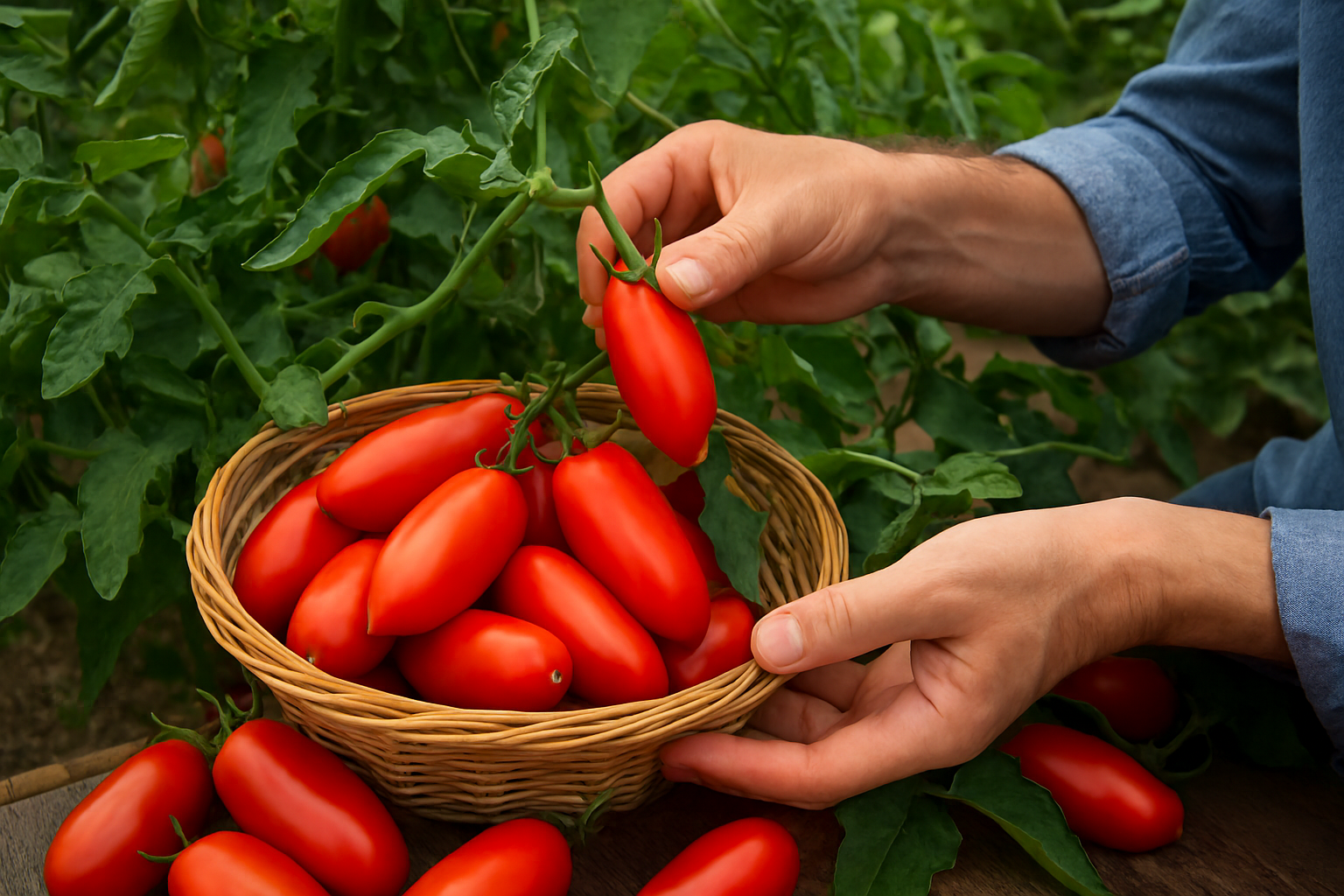
This is the moment you’ve been waiting for—the payoff of weeks of care. Harvesting at the right time ensures peak flavor and texture, perfect for sauces and canning.
- Timing – Fruits mature in 75–85 days after transplanting.
- Appearance – Pick when deep red, firm, and elongated.
- Yield – Expect heavy clusters, ideal for bulk cooking and preserving.
Harvesting is like collecting treasure—you’ve invested time, and now the reward is in your hands.
Tips for Success
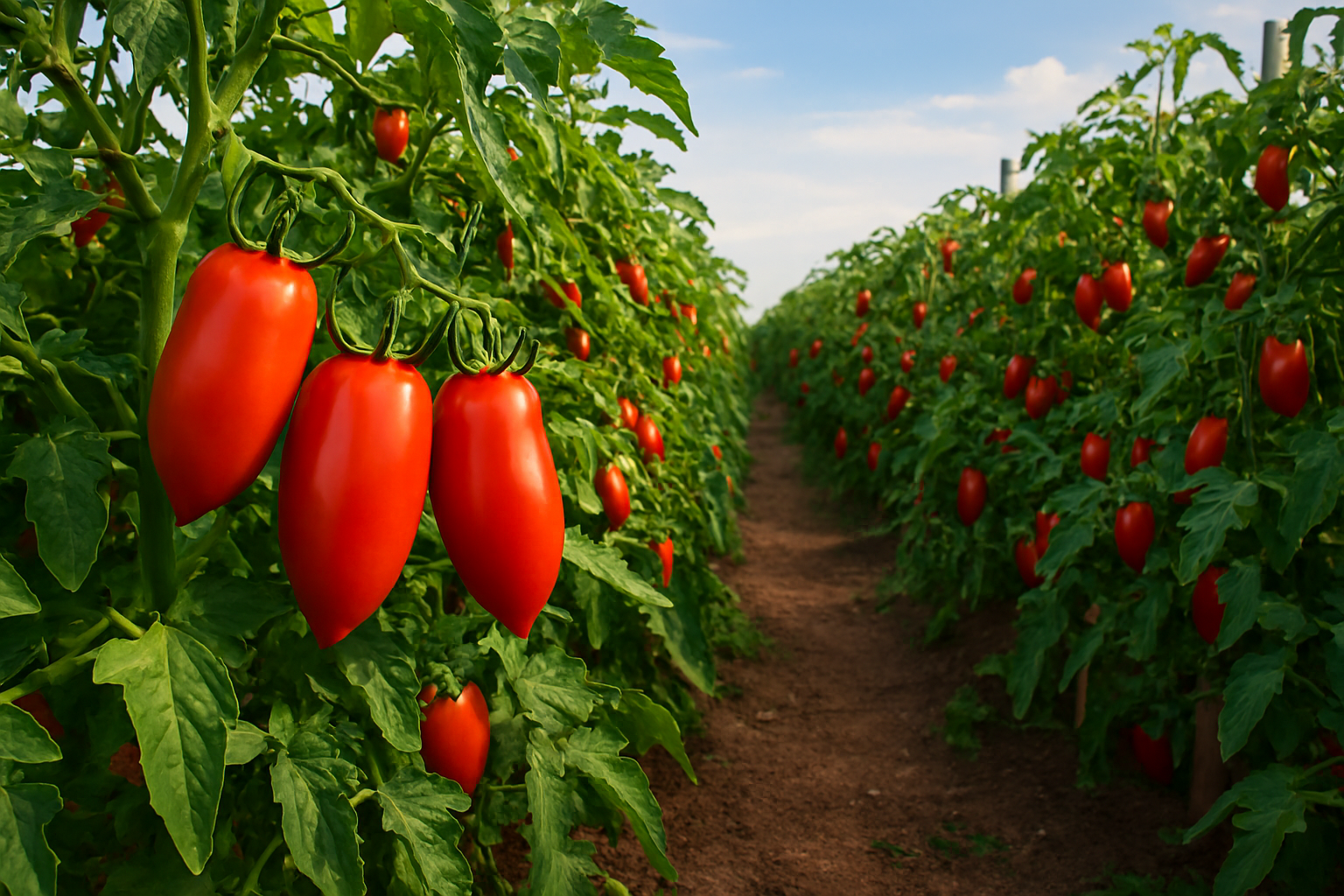
Beyond the basics, a few smart tricks can elevate your tomato-growing game. These companion planting and care hacks make your garden more resilient and productive. Think of them as the gardener’s “secret sauce”—small adjustments that yield big rewards.
- Companion Planting: Grow basil, marigolds, or garlic nearby. Basil enhances flavor and deters pests, marigolds repel nematodes, and garlic discourages aphids.
- Crop Rotation: Rotate tomatoes with legumes (like beans or peas) to replenish nitrogen in the soil.
- Soil Health: Add crushed eggshells around the base to provide calcium, reducing blossom-end rot.
- Pollination Boost: Gently shake plants or use an electric toothbrush near flowers to mimic bee vibrations and improve fruit set.
- Climate Protection: Use row covers or cloches early in the season to protect young plants from cool nights.
- Harvest Strategy: Pick regularly to encourage continuous fruiting. Leaving ripe fruit too long can slow down new production.
- Seed Saving: Select the healthiest, most flavorful fruits for seed saving. Ferment seeds in water for a few days before drying to ensure viability.
- Garden Hygiene: Remove fallen leaves and debris to reduce fungal spores and pest hiding spots.
These tips transform your tomato patch from ordinary to extraordinary, ensuring healthier plants and richer harvests.
Culinary Uses

San Marzano tomatoes aren’t just garden gems—they’re kitchen royalty. Their low acidity and rich flavor make them versatile for countless dishes, from rustic sauces to gourmet creations. Once harvested, the possibilities are endless.
- Classic Pasta Sauces: Slow-cooked marinara, arrabbiata, or Bolognese—San Marzanos bring depth and sweetness.
- Pizza Perfection: Crushed San Marzanos are the traditional base for Neapolitan pizza, balancing tang and richness.
- Soups & Stews: Their meaty texture holds up beautifully in minestrone, tomato bisque, or rustic Tuscan bean stews.
- Canning & Preserving: Bottle them whole or as puree to enjoy authentic Italian flavor year-round.
- Tomato Paste: Reduce them into a thick, concentrated paste—perfect for layering flavor in curries, sauces, and braises.
- Roasting & Grilling: Roast with olive oil, garlic, and herbs for a caramelized side dish or topping.
- Stuffed Tomatoes: Hollow out larger fruits and fill with rice, herbs, and cheese for a Mediterranean-inspired dish.
- Salsas & Chutneys: Their sweetness makes them ideal for fresh salsa or spiced chutneys.
- Homemade Ketchup: A healthier, richer alternative to store-bought versions.
- Freezing: To freeze tomatoes, blanch, peel, and freeze for quick use in winter recipes.
From rustic Italian kitchens to modern fusion dishes, San Marzano tomatoes are a canvas for culinary creativity.
Wrapping Up
Growing San Marzano tomatoes is a journey from soil to sauce. Each step—site prep, planting, watering, pruning, harvesting—builds toward the reward of rich, flavorful fruits that elevate your cooking.
With patience and care, you’ll not only grow tomatoes but cultivate a tradition that connects your garden to the heart of Italian cuisine.
Leave a Reply