Tomatoes are more than just an ingredient—they are a symbol of freshness, flavor, and versatility in kitchens worldwide. Whether you’re preparing a tangy Bengali tomato chutney, a Mediterranean salad, or a slow-simmered Italian sauce, tomatoes bring brightness and depth to food. Yet, they are also fragile.
Their thin skins bruise easily, their high water content makes them prone to mold, and their natural ripening process can quickly turn them from firm and juicy to soft and spoiled.
Learning how to store tomatoes properly is not just about convenience—it’s about preserving their flavor, reducing waste, and ensuring that every dish tastes as vibrant as it should.
This guide explores the science behind tomato storage, practical methods for different stages of ripeness, and cultural practices that have helped communities keep tomatoes fresh for generations.
Why Proper Storage Matters
Table of Contents
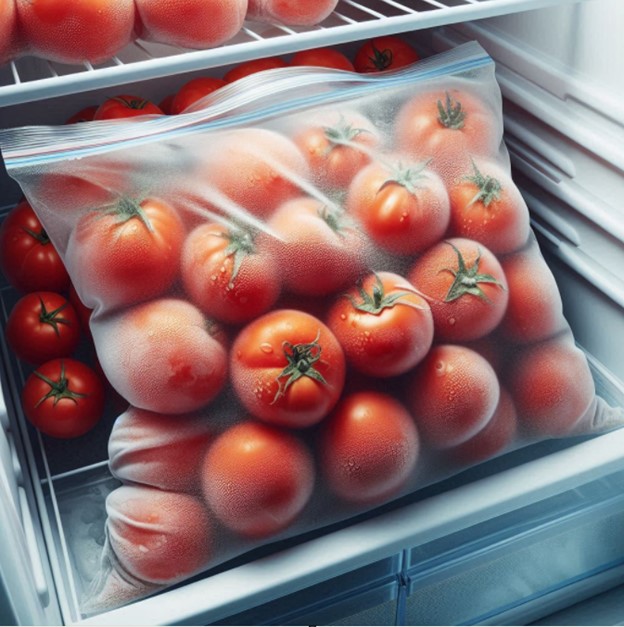
Tomatoes are climacteric fruits, meaning they continue to ripen after being harvested. This ripening is driven by ethylene gas, a natural plant hormone that tomatoes release. While this gas helps them develop sweetness and flavor, it also accelerates spoilage if not managed carefully.
Their thin skin makes them vulnerable to bruising, and once damaged, bacteria and fungi quickly invade. Excess moisture—common in humid climates like Kolkata—further speeds up decay. That’s why tomatoes left in sealed plastic bags often rot within days.
Proper storage is about balance: slowing down spoilage without sacrificing flavor. Cold temperatures preserve freshness but dull taste; room temperature keeps flavor intact but shortens shelf life. By tailoring storage methods to the tomato’s stage of ripeness, you can enjoy them longer without compromise.
Methods of Keeping Tomatoes Fresh
Room Temperature Storage
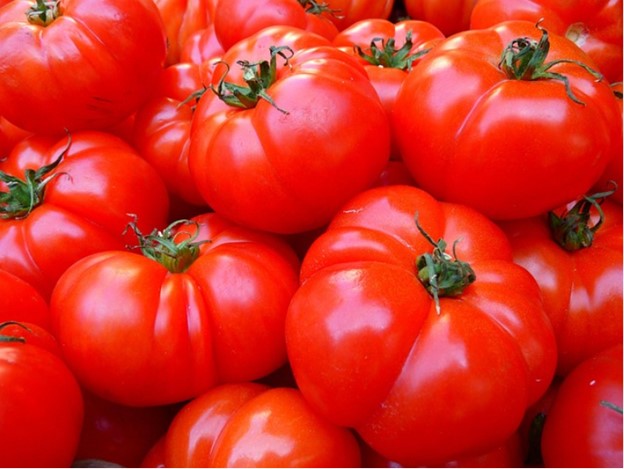
For unripe or just-ripe tomatoes, room temperature is ideal. Place them in a cool, shaded area away from direct sunlight. Heat accelerates ripening, while direct sun can cause uneven softening. Positioning tomatoes stem-side down reduces moisture loss and prevents air from entering through the scar, which is often the first site of spoilage.
At room temperature, tomatoes typically last five to seven days. To avoid bruising, store them in a single layer in a basket or tray with good airflow. Avoid stacking them, as pressure damages the delicate skin. In traditional Bengali households, tomatoes are often kept in clay pots or terracotta containers, which naturally regulate temperature and humidity, extending freshness without refrigeration.
Refrigeration
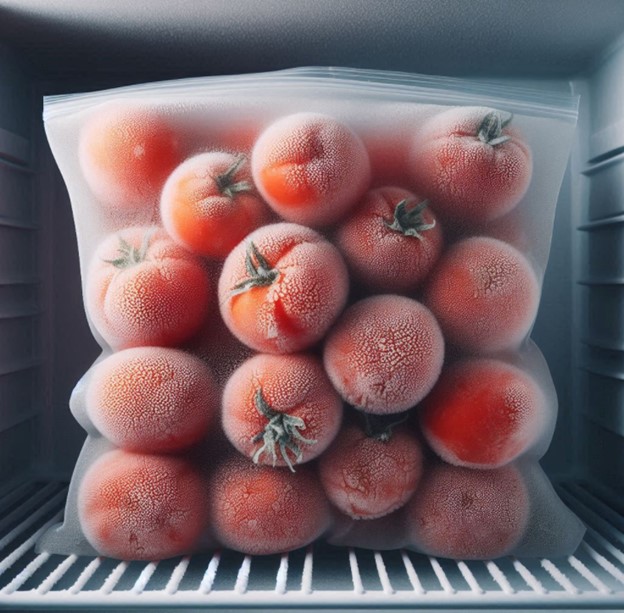
Once tomatoes are fully ripe, or if they have already been cut, refrigeration becomes necessary. The cold slows down microbial growth, allowing whole ripe tomatoes to last up to two weeks and cut ones for two to three days.
However, refrigeration alters texture and dulls flavor. Cold temperatures cause the membranes inside tomato cells to break down, leading to a mealy consistency. To counter this, allow refrigerated tomatoes to return to room temperature before eating. This simple step helps restore some of their natural taste.
In humid climates, refrigeration is often unavoidable. The trick is to refrigerate only when necessary—never for unripe tomatoes, as cold halts the ripening process and leaves them bland.
Freezing
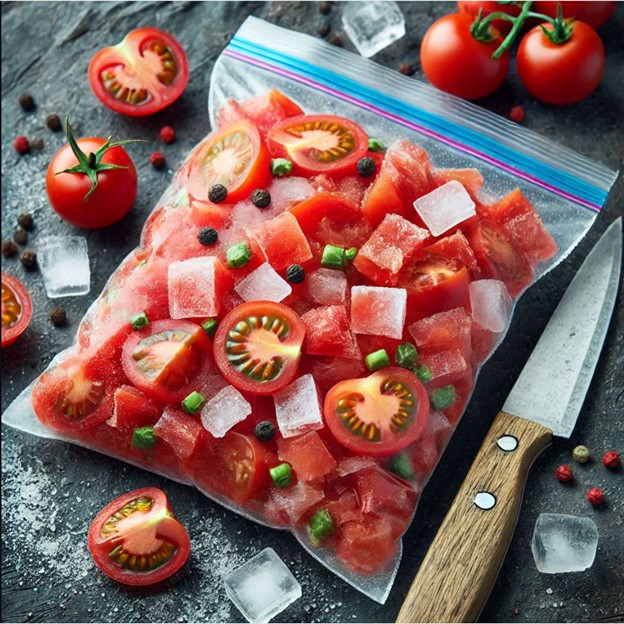
If you have an excess of ripe tomatoes that you cannot use immediately, freezing is an excellent option. Wash, core, and freeze them whole or chopped, or puree them before freezing. While frozen tomatoes lose their firmness, they remain perfect for cooking in soups, sauces, and curries.
Properly stored, frozen tomatoes can last for six to twelve months. In Bengali kitchens, frozen tomato puree is often used during off-season months when fresh tomatoes are expensive or unavailable. Freezing locks in flavor, ensuring that chutneys and gravies taste just as rich as they would with fresh produce.
Drying

Drying tomatoes is another way to preserve them while intensifying their flavor. Slice them thinly and dry them in the sun, oven, or a dehydrator. Once dried, they can be stored in airtight jars or preserved in olive oil.
Dried tomatoes last for several months and add a sweet, tangy punch to pasta, pizza, or even as a snack. In Mediterranean cultures, sun-dried tomatoes are a pantry staple, while in India, drying tomatoes in the sun is a traditional practice that aligns with seasonal rhythms.
Canning
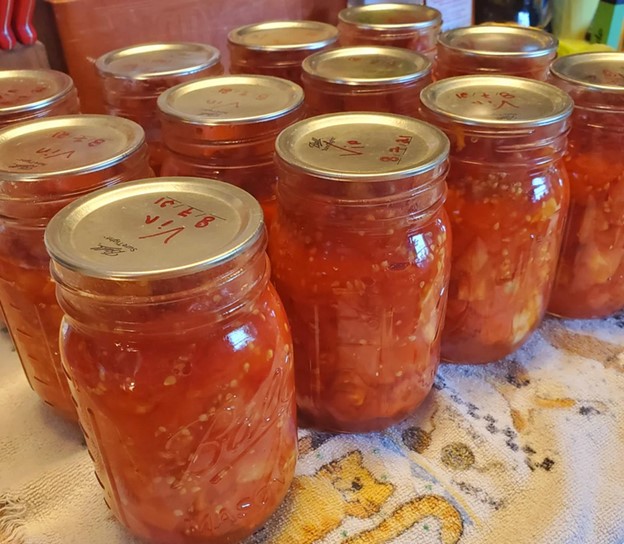
For those who want to preserve tomatoes for an entire year or more, canning is the most effective method. Using water-bath or pressure canning techniques, tomatoes can be sealed in jars and stored in the pantry.
This method is ideal for making chutneys, sauces, and stews when fresh tomatoes are not available. In rural Bengal, tomato chutney is often canned during winter months, ensuring that families can enjoy its tangy sweetness long after the tomato season has passed.
Cultural Practices and Local Wisdom
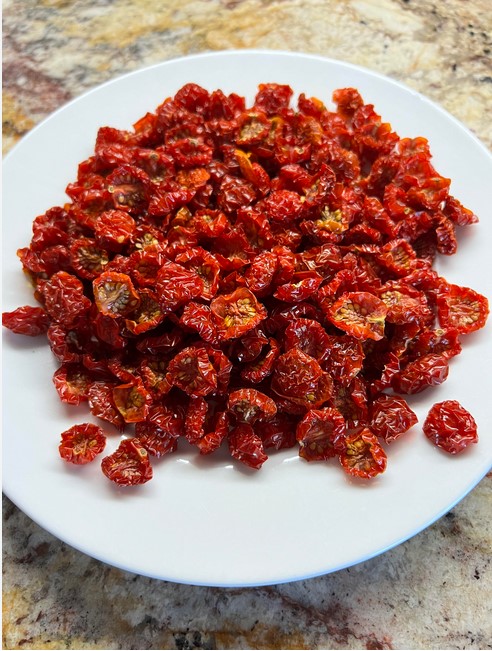
Different cultures have developed unique ways of keeping tomatoes fresh. In India, clay pots are used to store vegetables, including tomatoes, because they keep produce cool and reduce humidity. In Mediterranean countries, tomatoes are often dried in the sun and stored in olive oil, creating a flavorful preserve that lasts months.
In modern urban kitchens, airtight containers and refrigeration dominate, but traditional methods still hold value. Combining old wisdom with modern science offers the best results. For example, storing tomatoes in breathable baskets while refrigerating only the ripe ones balances freshness with flavor.
Common Mistakes to Avoid
Many people unknowingly shorten the life of their tomatoes by making simple mistakes:
• Refrigerating unripe tomatoes: Cold halts ripening and ruins texture.
• Storing near ethylene-producing fruits: Bananas and apples accelerate spoilage.
• Washing before storage: Moisture encourages mold; wash only before use.
• Sealing in plastic bags: Lack of airflow traps moisture and speeds decay.
Avoiding these pitfalls ensures that your tomatoes last longer and taste better.
Practical Tips for Humid Climates
In the warm and humid climate, tomatoes spoil faster. Here are some practical tips:
• Keep them in a cool, airy basket indoors rather than sealed plastic bags.
• Use clay pots or terracotta containers to naturally regulate temperature.
• Buy smaller batches and consume quickly.
• Preserve excess tomatoes through drying or chutneys.
These small adjustments make a big difference in extending freshness.
The Science Behind Tomato Storage
Understanding the science helps explain why certain methods work better. Ethylene gas accelerates ripening, so isolating tomatoes from other fruits slows the process. Cold temperatures slow microbial growth but damage cell membranes, leading to texture changes. Airflow prevents moisture buildup, reducing mold risk.
By applying these principles, you can make informed decisions about storage. For example, keeping tomatoes stem-side down reduces air exposure, while storing them in breathable containers prevents condensation.
Wrapping Up
Tomatoes may be fragile, but with the right care, they can remain fresh and flavorful far longer than most people realize. Unripe tomatoes thrive at room temperature, ripe ones benefit from refrigeration, and excess harvests can be preserved through freezing, drying, or canning. In humid climates, small adjustments—like storing them in clay pots or buying smaller batches—can make a big difference.
By tailoring your storage method to the tomato’s stage of ripeness, you’ll waste less, cook better, and enjoy the full spectrum of tomato flavor—from the bright acidity of a fresh salad to the deep richness of a slow-cooked curry.
Leave a Reply