Pasta sauce is the soul of any pasta dish. Whether you’re preparing a quick weekday dinner or a slow-simmered Sunday feast, the sauce transforms simple noodles into a comforting, flavorful meal.
While there are countless variations—from creamy Alfredo to spicy arrabbiata—this article focuses on the classic tomato-based sauce, offering both tradition and flexibility. Tomato sauce is not just a recipe – it’s a culinary tradition that connects kitchens across Italy and beyond, evolving into countless regional and personal adaptations.
Methods of Preparing Pasta Sauce
Table of Contents
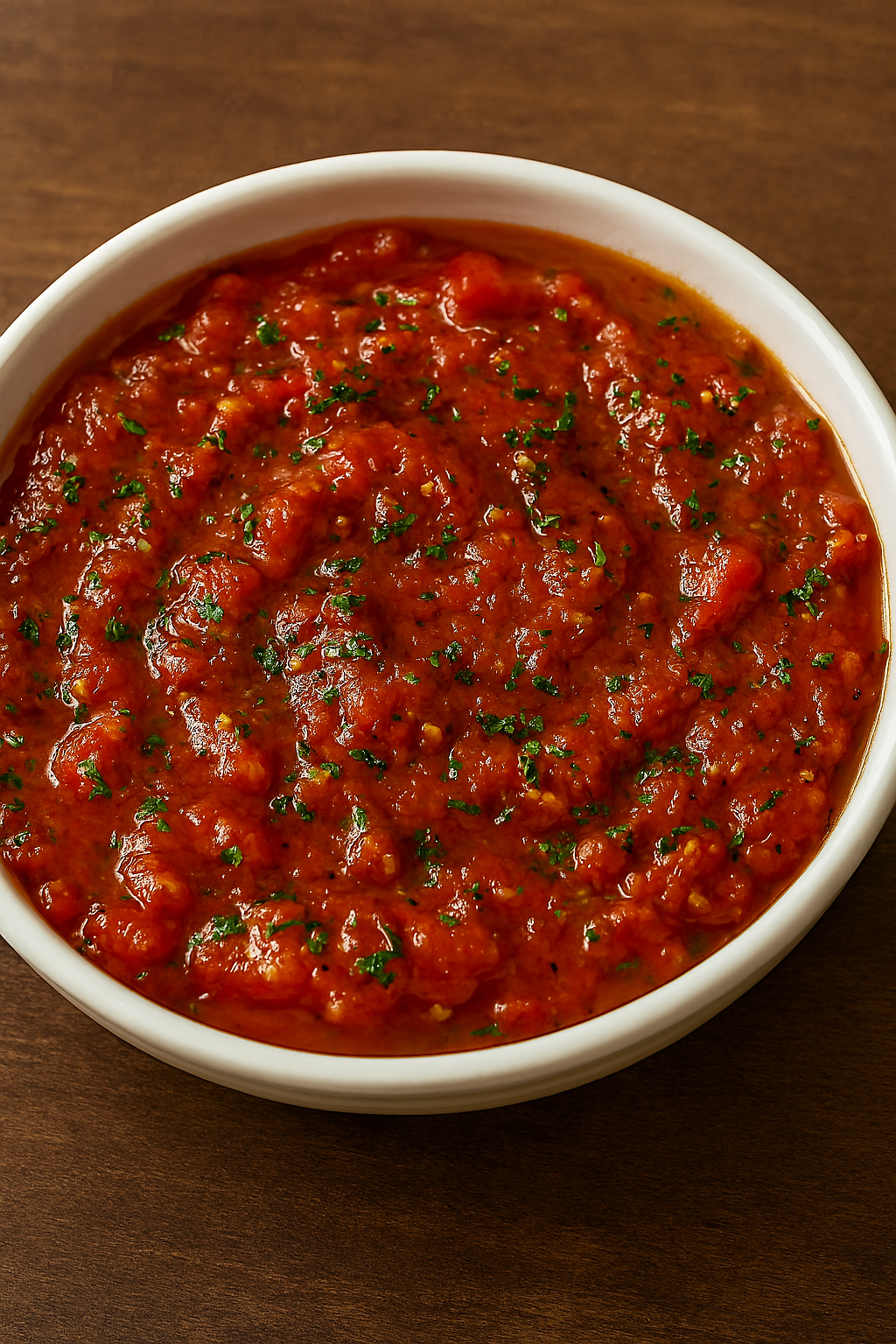
Every great pasta sauce begins with a solid foundation. The base ingredients—tomatoes, olive oil, garlic, and onions—set the stage for depth and richness. Choosing high-quality tomatoes, whether fresh or canned, makes a remarkable difference in taste. Olive oil adds smoothness, while garlic and onions provide aromatic warmth.
The foundation is more than just ingredients—it’s about technique. For example, gently sweating onions in olive oil rather than browning them ensures sweetness without bitterness. Garlic, when added at the right moment, infuses the oil with fragrance without turning acrid. These small details distinguish a mediocre sauce from a memorable one.
Once the foundation is set, it’s time to layer in complexity. Herbs like basil, oregano, and thyme infuse freshness and earthiness. A pinch of sugar balances acidity, while salt enhances natural flavors. For those who enjoy a bit of heat, red pepper flakes can add a subtle kick. This stage is where you personalize the sauce to suit your palate.
Complexity also comes from patience. Allowing the sauce to simmer slowly lets flavors meld and deepen. The tomatoes break down, the herbs release their oils, and the sauce transforms into something greater than the sum of its parts. This is why Italian grandmothers often insist that sauce should “rest” before serving—it tastes even better after sitting for a while.
Now, follow this step-by-step guide to prepare pasta sauce.
1. Prepare the Base
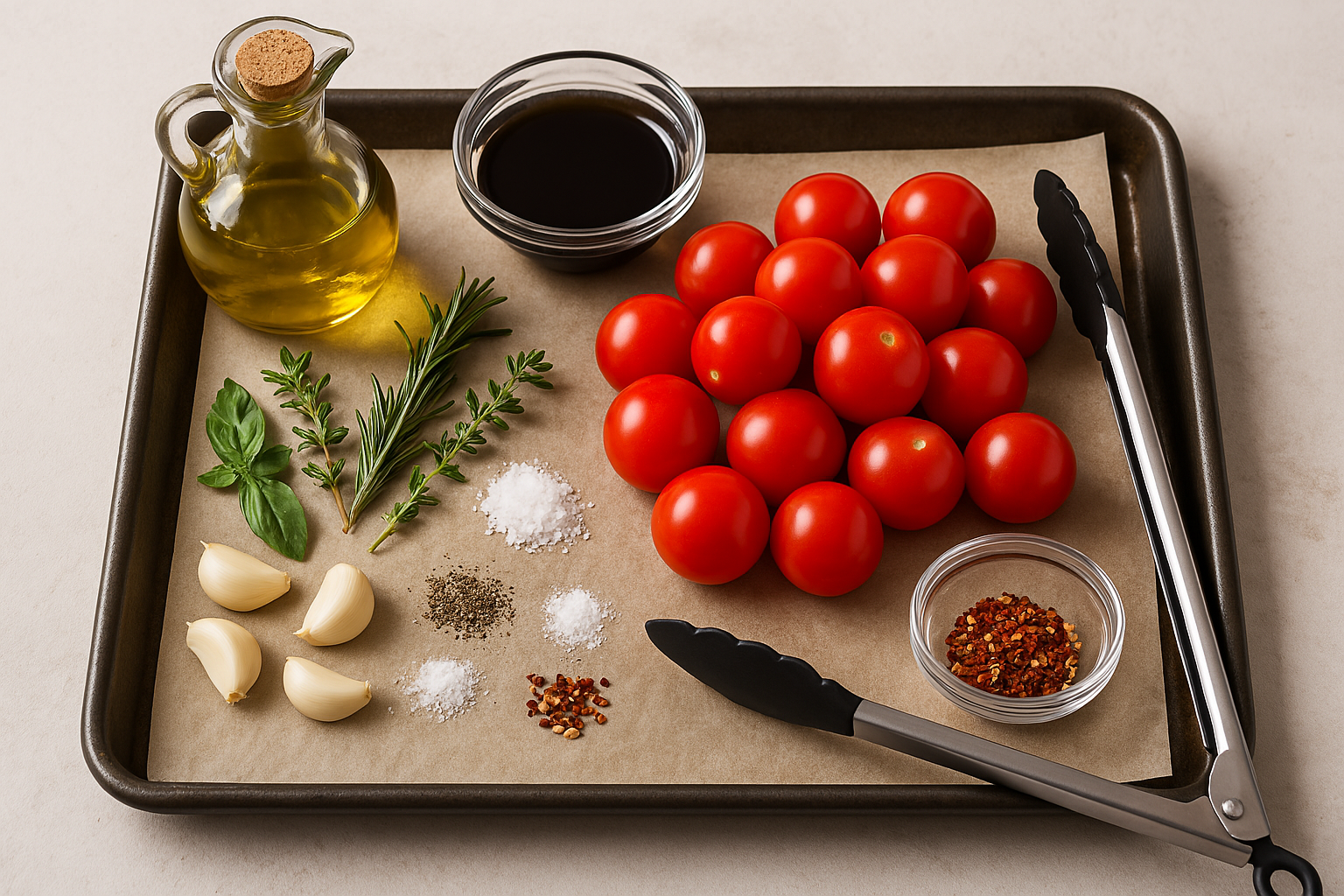
The base is the aromatic canvas of your sauce. Olive oil, onions, and garlic create a warm, savory foundation that sets the stage for everything else. This step is about coaxing sweetness and fragrance from simple ingredients.
- Heat 2–3 tablespoons of olive oil in a pan.
- Add finely chopped onions and sauté until translucent.
- Stir in minced garlic and cook briefly until fragrant.
Added Tips
- Use extra virgin olive oil for depth of flavor.
- Keep the heat low to avoid burning garlic.
- A pinch of salt here helps onions release their natural sweetness.
2. Add Tomatoes
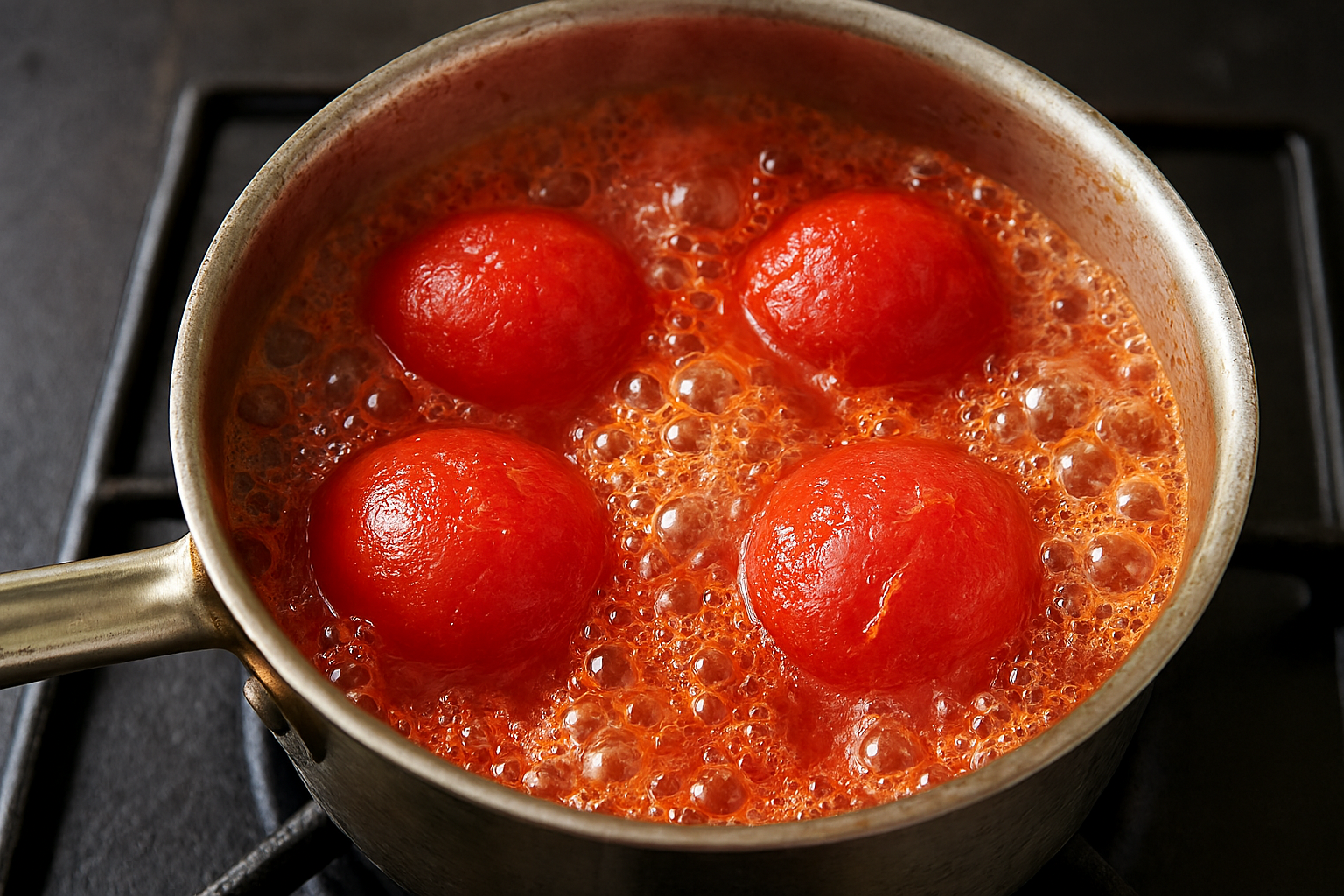
Tomatoes are the heart of pasta sauce. They bring acidity, sweetness, and body. Choosing the right type—fresh or canned—determines the richness and balance of flavor.
- Use either crushed canned tomatoes or fresh, peeled, and chopped tomatoes.
- Pour them into the pan and stir well.
Tips
- San Marzano tomatoes are ideal for authentic Italian flavor.
- Tomato paste can be added for concentrated richness.
- If using fresh tomatoes, blanch and peel them for smoothness.
3. Season the Sauce
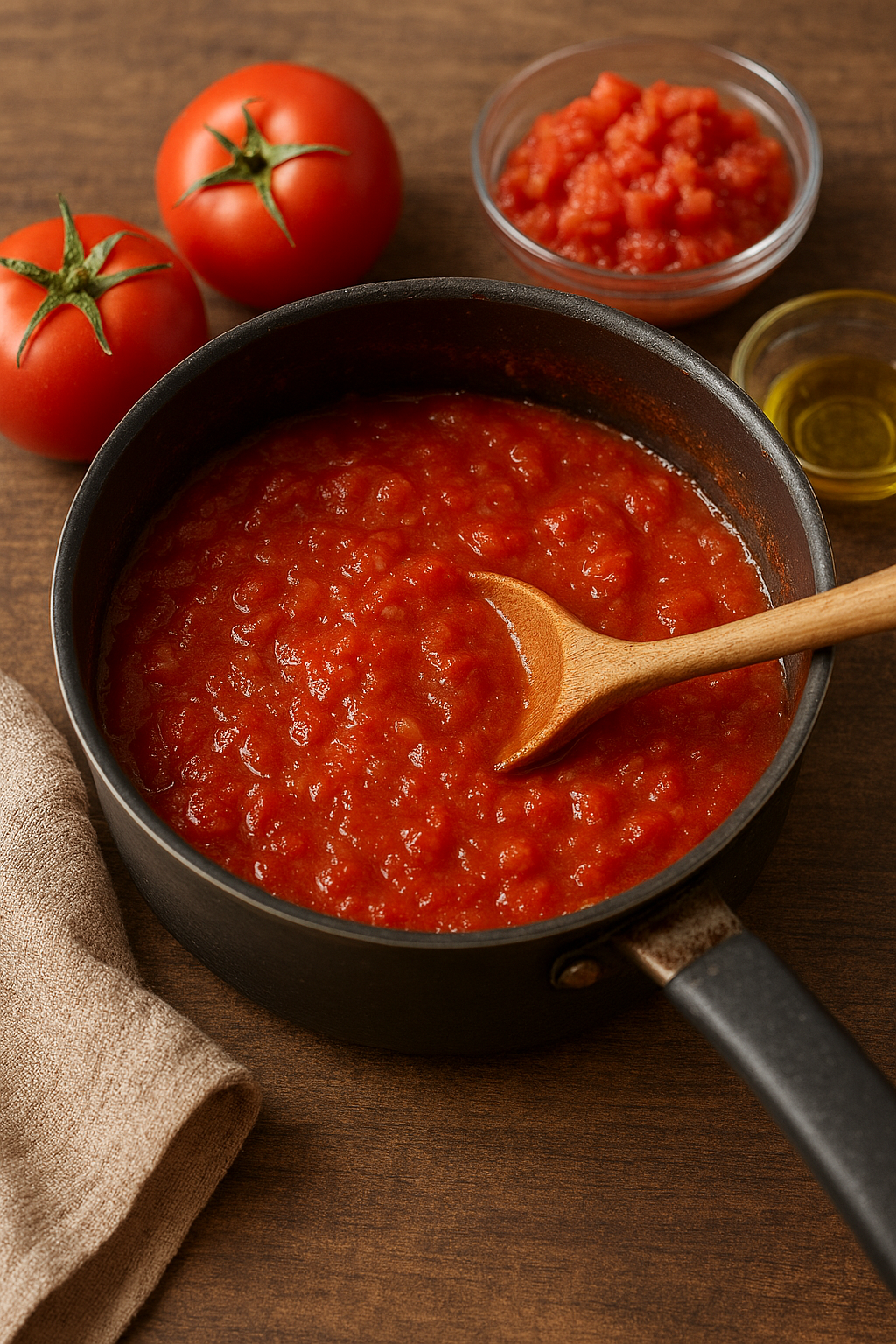
Seasoning transforms a simple tomato base into a flavorful sauce. Salt, pepper, sugar, and herbs shape the personality of the dish, allowing you to adjust it to your taste.
- Add salt, black pepper, and a pinch of sugar.
- Sprinkle in dried oregano and thyme.
- For freshness, add torn basil leaves toward the end of cooking.
Extra Tips
- Taste frequently and adjust seasoning gradually.
- Sugar balances acidity but should be used sparingly.
- Fresh herbs should be added last to preserve aroma.
4. Simmer for Depth
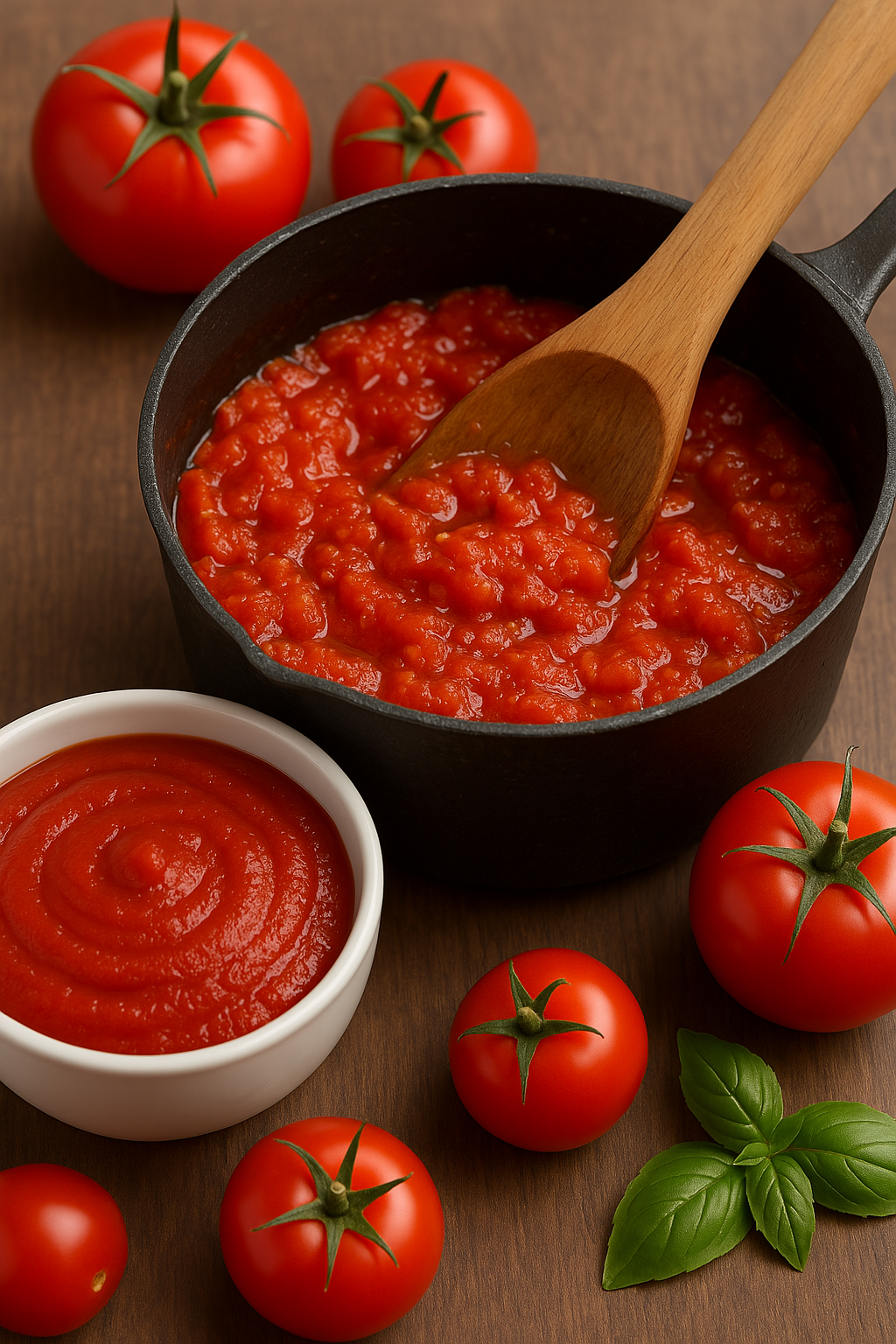
Simmering is where patience pays off. Slow cooking allows flavors to meld, tomatoes to break down, and herbs to release their oils. This step creates a sauce that feels rich and comforting.
Reduce the heat and let the sauce simmer for 20–30 minutes.
Stir occasionally to prevent sticking.
The longer it simmers, the richer the flavor becomes.
Tips
- Cover the pan partially to prevent splattering.
- Stir occasionally to avoid burning.
- For deeper flavor, simmer up to an hour, adding water or stock if needed.
6. Optional Enhancements
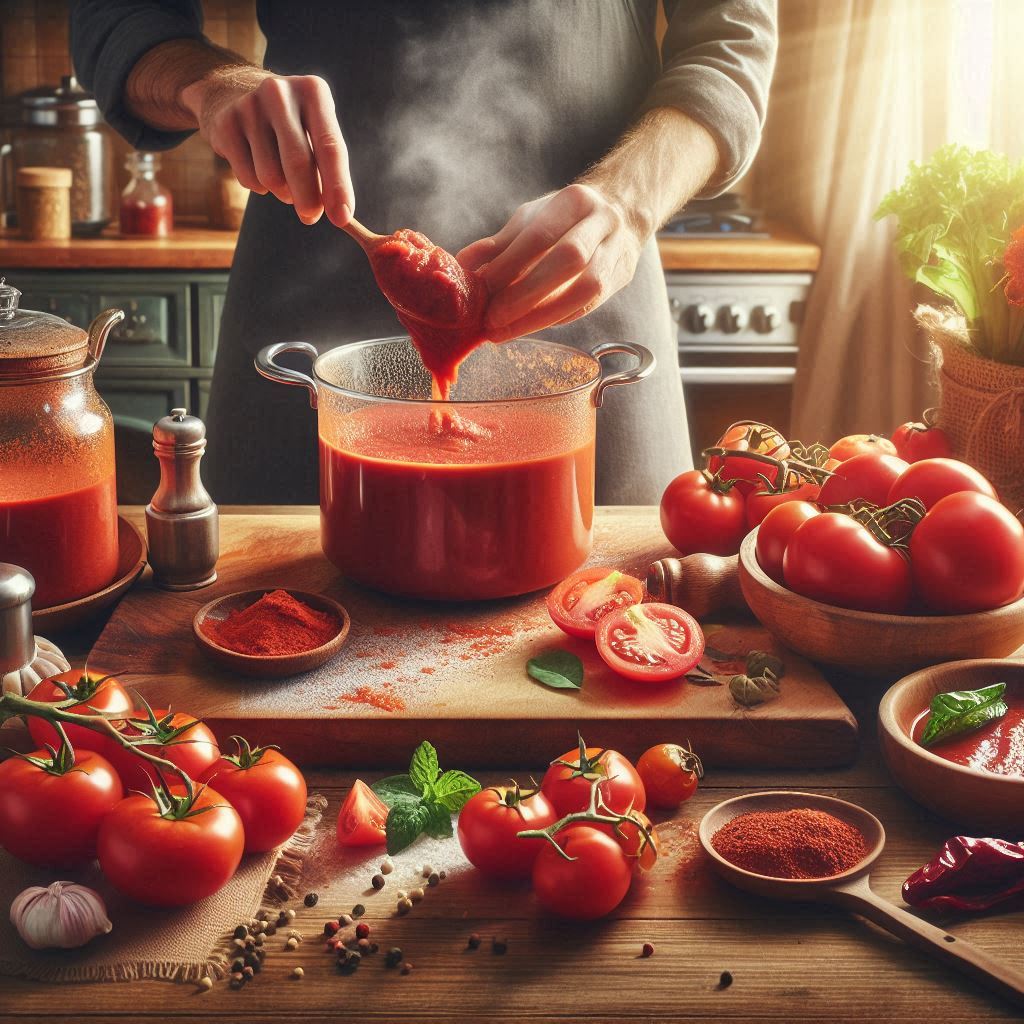
Enhancements allow you to personalize the sauce further. Wine, cheese, or butter can add richness, while blending changes texture. This step is about tailoring the sauce to your preferences.
- Add a splash of red wine for depth.
- Stir in grated Parmesan for creaminess.
- Blend the sauce if you prefer a smoother texture.
Added Tips
- A dash of balsamic vinegar adds subtle sweetness.
- Chili flakes or fresh chili bring heat.
- A knob of butter at the end creates a silky finish.
The Culinary Journey of Pasta Sauce
Pasta sauce is more than a recipe—it’s a reflection of Italy’s rich culinary heritage and regional diversity. From the sun-drenched coastlines of Naples to the hearty kitchens of Bologna, each sauce tells a story shaped by local ingredients, traditions, and family rituals.
These sauces aren’t just toppings; they’re expressions of culture, emotion, and time-honored technique. Whether fiery, creamy, or refreshingly simple, each variation invites us to explore a different facet of Italian cooking.
Let’s dive into four iconic styles that have shaped the global love affair with pasta:
Neapolitan Sauce
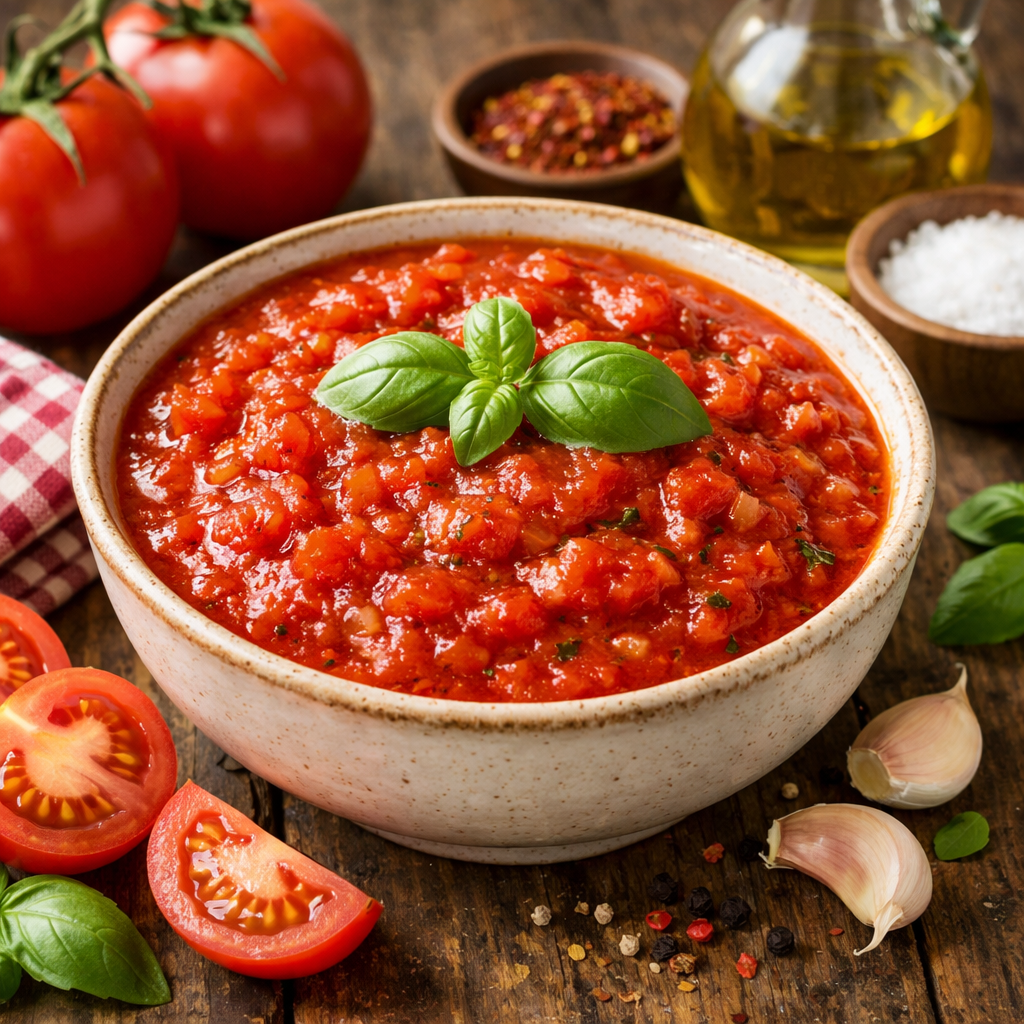
Neapolitan sauce is the essence of simplicity. Originating from Naples, it celebrates the natural sweetness and acidity of tomatoes, often San Marzano, grown in the volcanic soil near Mount Vesuvius.
The sauce is typically made with just tomatoes, olive oil, garlic, and fresh basil—no heavy seasonings, no meat, no cream. Its brightness and purity make it the perfect companion for spaghetti or penne, allowing the pasta itself to shine. Neapolitan sauce embodies the philosophy of Italian cooking: let the ingredients speak for themselves.
Bolognese
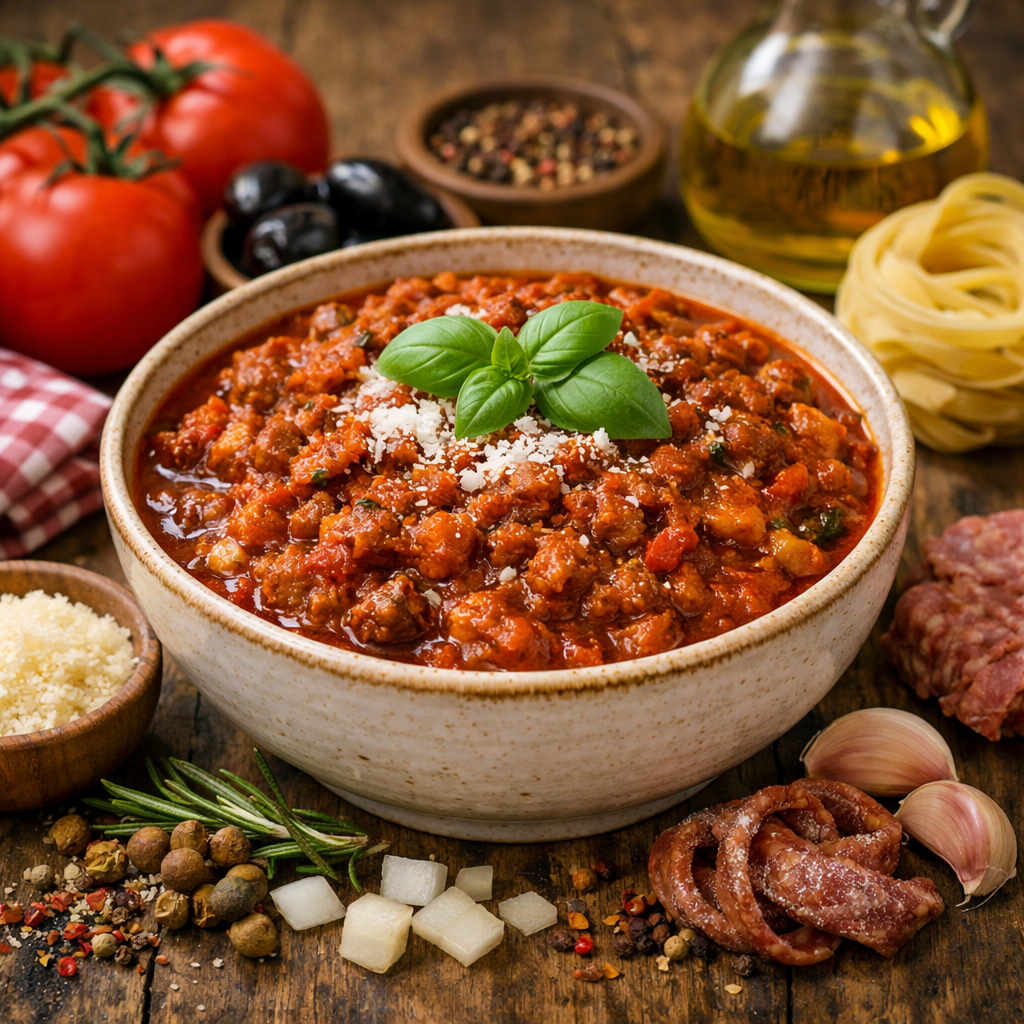
Bolognese, or ragù alla bolognese, hails from Bologna in northern Italy. Unlike tomato-forward sauces, this is a meat-based sauce enriched with milk or cream, simmered for hours to achieve a velvety texture. Traditionally, it includes finely chopped beef or pork, onions, carrots, celery, wine, and a touch of tomato paste.
The slow cooking process melds the flavors into a hearty, savory sauce that clings beautifully to wide pasta like tagliatelle. Bolognese is less about acidity and more about depth, richness, and comfort—a sauce that feels like a meal in itself.
Arrabbiata
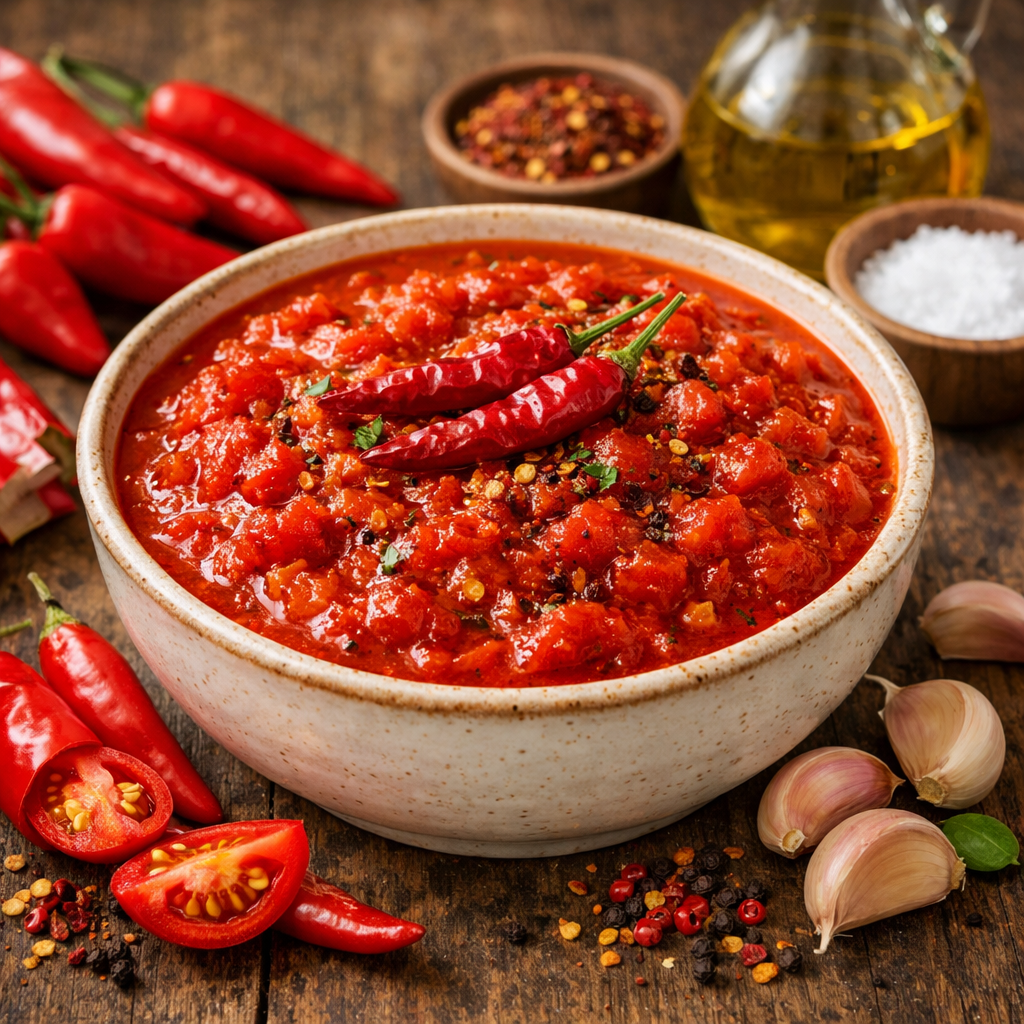
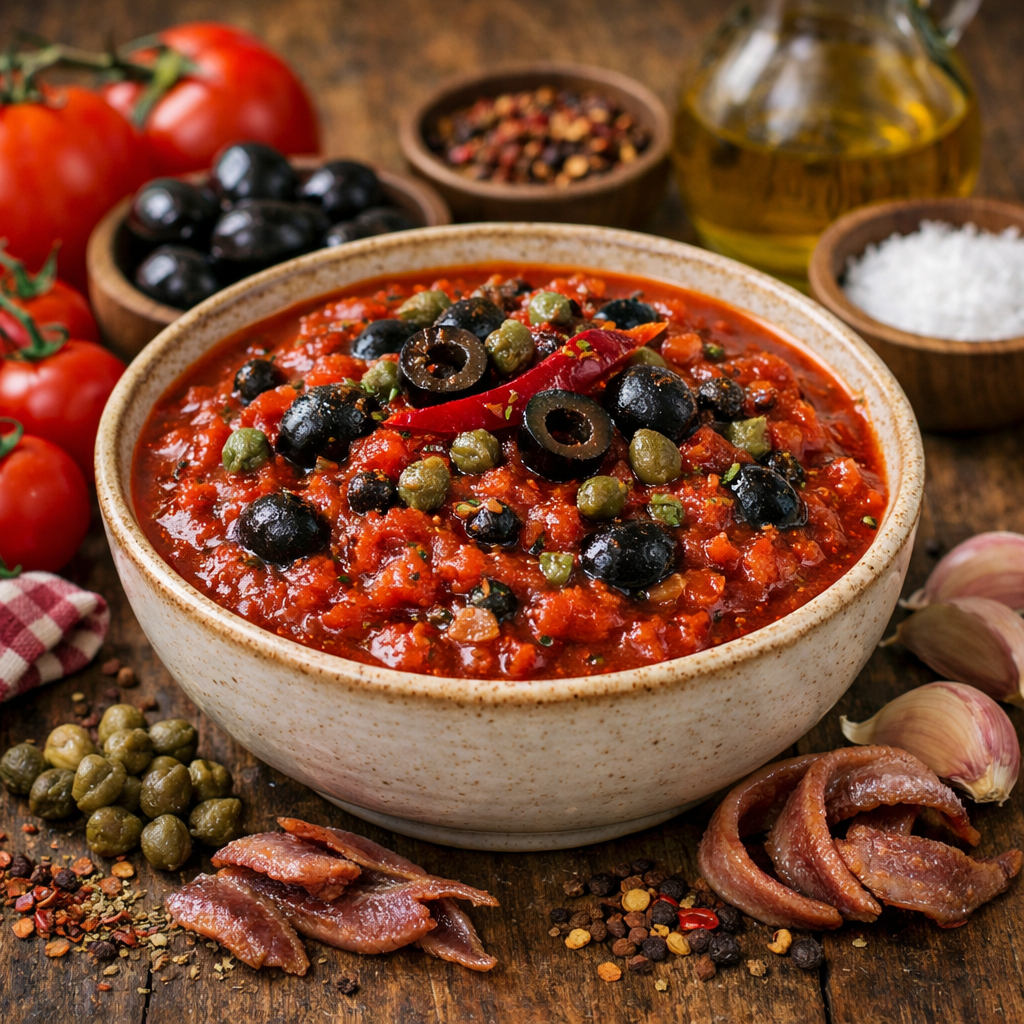
Arrabbiata, meaning “angry” in Italian, is a fiery sauce from Rome. Its defining characteristic is the generous use of chili flakes or fresh chili peppers, which give the sauce its bold heat. Made with tomatoes, garlic, olive oil, and chili, it’s simple yet powerful. The spiciness is balanced by the sweetness of the tomatoes, creating a sauce that wakes up the palate.
Arrabbiata is often paired with penne, as the ridges catch the spicy sauce perfectly. It’s a dish that reflects passion and intensity, embodying the Italian love for bold flavors.
Marinara
Marinara is the quick-cooked cousin of Neapolitan sauce. Light, fresh, and versatile, it’s often prepared in under 30 minutes, making it ideal for seafood pasta or as a dipping sauce for bread.
The name “marinara” comes from marinaro, meaning “sailor,” as it was traditionally cooked by seafarers using ingredients that traveled well—tomatoes, garlic, herbs, and olive oil. Unlike slow-simmered sauces, marinara retains a bright, fresh tomato flavor. It’s a reminder that pasta sauce doesn’t always need hours of cooking; sometimes, speed and simplicity are just as delicious.
Why These Variations Matter
- Each of these sauces tells a story of place and tradition:
- Neapolitan celebrates purity and simplicity.
- Bolognese showcases northern Italy’s love for hearty, creamy richness.
- Arrabbiata reflects Rome’s fiery spirit.
- Marinara embodies practicality and freshness, born from the sea.
Together, they show how pasta sauce is not one recipe but a tapestry of regional identities, each with its own philosophy and flavor profile.
Tips for Perfecting Your Sauce
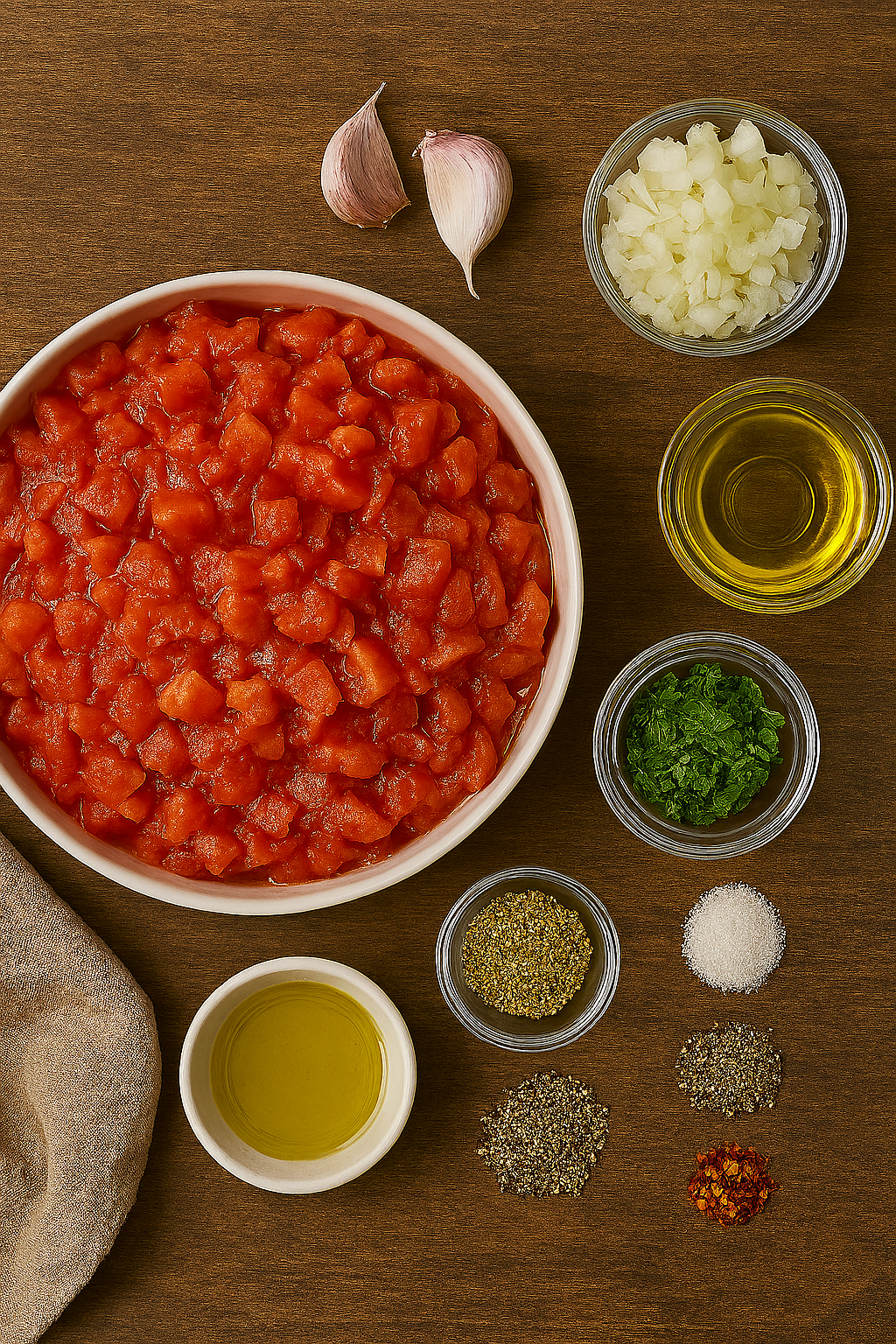
- Choose San Marzano or Roma tomatoes for sweetness.
- Use a heavy-bottomed pan to prevent scorching.
- Add fresh herbs at the end for brightness.
- Adjust texture with a masher or blender.
- Pairing with Pasta
- Long noodles (spaghetti, linguine) pair with smooth sauces.
- Short, ridged pasta (penne, rigatoni) holds chunky sauces.
- Filled pasta (ravioli, tortellini) benefits from lighter sauces.
- Pasta sauce is more than food—it’s tradition and memory. Families pass down recipes, each adding their own twist. The act of simmering sauce on a Sunday afternoon becomes a ritual, filling homes with aromas of comfort and togetherness.
- Cooking pasta sauce teaches patience and attentiveness. It reminds us that small adjustments—a pinch of salt, a splash of wine—can transform the outcome. Pasta sauce embodies both culinary skill and emotional nourishment.
Wrapping Up
Making pasta sauce is both an art and a science. By starting with a strong foundation, layering flavors thoughtfully, and allowing time for simmering, you create a sauce that elevates any pasta dish.
Its adaptability means you can keep it simple or experiment with bold additions, always ending with a comforting, homemade delight.
Leave a Reply