Roma tomatoes, also called plum tomatoes are a kitchen favorite thanks to their firm flesh, low moisture, and rich flavor. They’re perfect for sauces, pastes, and canning.
But to keep them fresh and tasty, you need to store them correctly. Improper storage can lead to bland flavor, mealy texture, or premature spoilage.
This guide covers short‑term storage, ripening tips, refrigeration, freezing, and preservation methods so you can enjoy Roma tomatoes year‑round.
Best Ways to Store Roma Tomatoes
Table of Contents
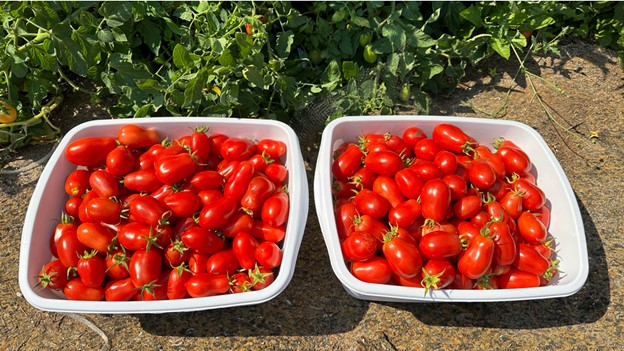
Roma tomatoes, also known as plum tomatoes, are prized for their firm flesh, low moisture content, and rich flavor. They’re the ideal choice for sauces, pastes, and canning, but their quality depends heavily on how they’re stored. Improper storage can lead to mealy texture, bland taste, or premature spoilage.
To keep Roma tomatoes fresh and flavorful, it’s important to use the right storage method depending on whether they’re unripe, ripe, cut, or intended for long‑term preservation. Below are the most effective methods to store Roma tomatoes, along with practical tips to maintain their taste and texture.
1. Store at Room Temperature
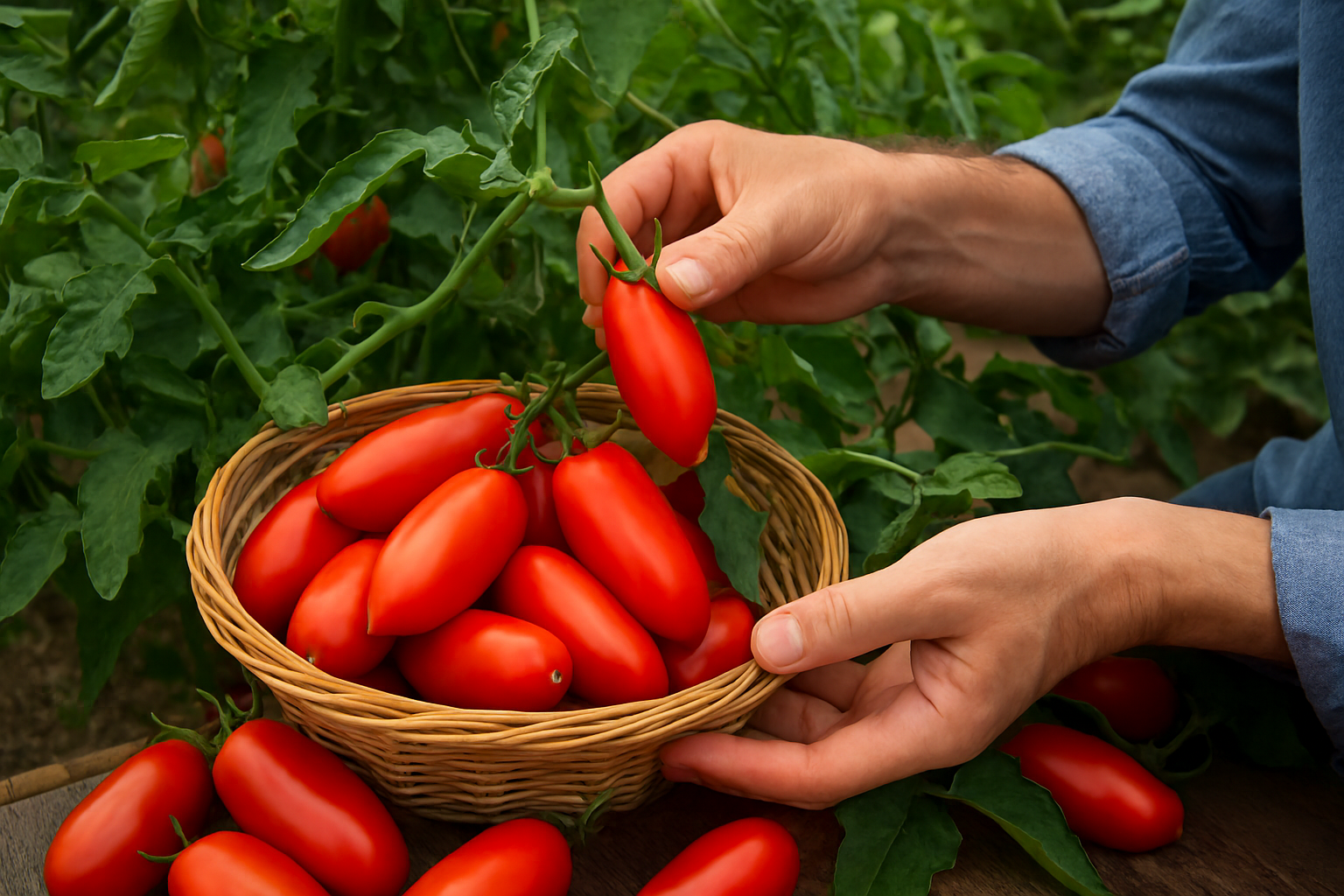
Roma tomatoes develop their best flavor when ripened naturally. Cold temperatures can damage their texture and stop the ripening process.
• Keep unripe or just‑ripe tomatoes at room temperature (60–70°F / 15–21°C).
• Place them stem‑side down on a flat surface to reduce moisture loss.
• Avoid direct sunlight, which can cause uneven ripening.
• Store in a single layer (not stacked) to prevent bruising.
If you bought underripe Roma tomatoes, leave them out until they turn deep red before refrigerating.
2. Refrigerate Ripe Tomatoes
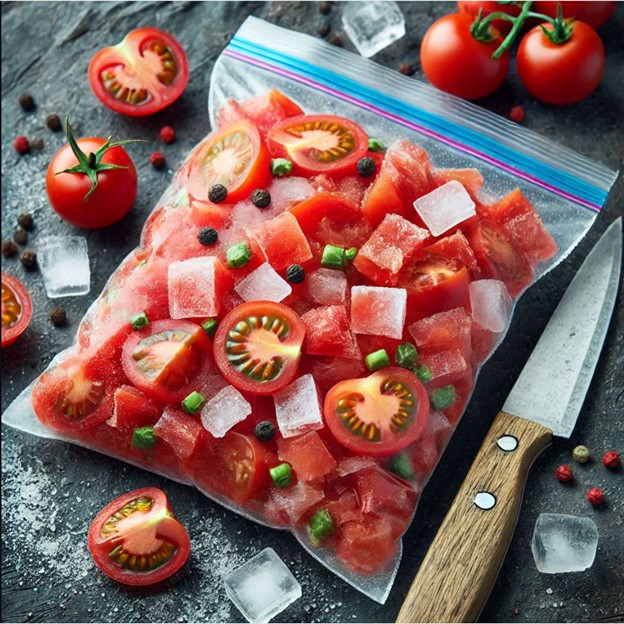
Once fully ripe, Roma tomatoes can spoil quickly. Refrigeration slows down decay but should only be used when necessary.
• Place ripe tomatoes in the crisper drawer to maintain humidity.
• Always let refrigerated tomatoes return to room temperature before eating to restore flavor.
• Store cut tomatoes in an airtight container and consume within 2–3 days.
3. Ripen Roma Tomatoes
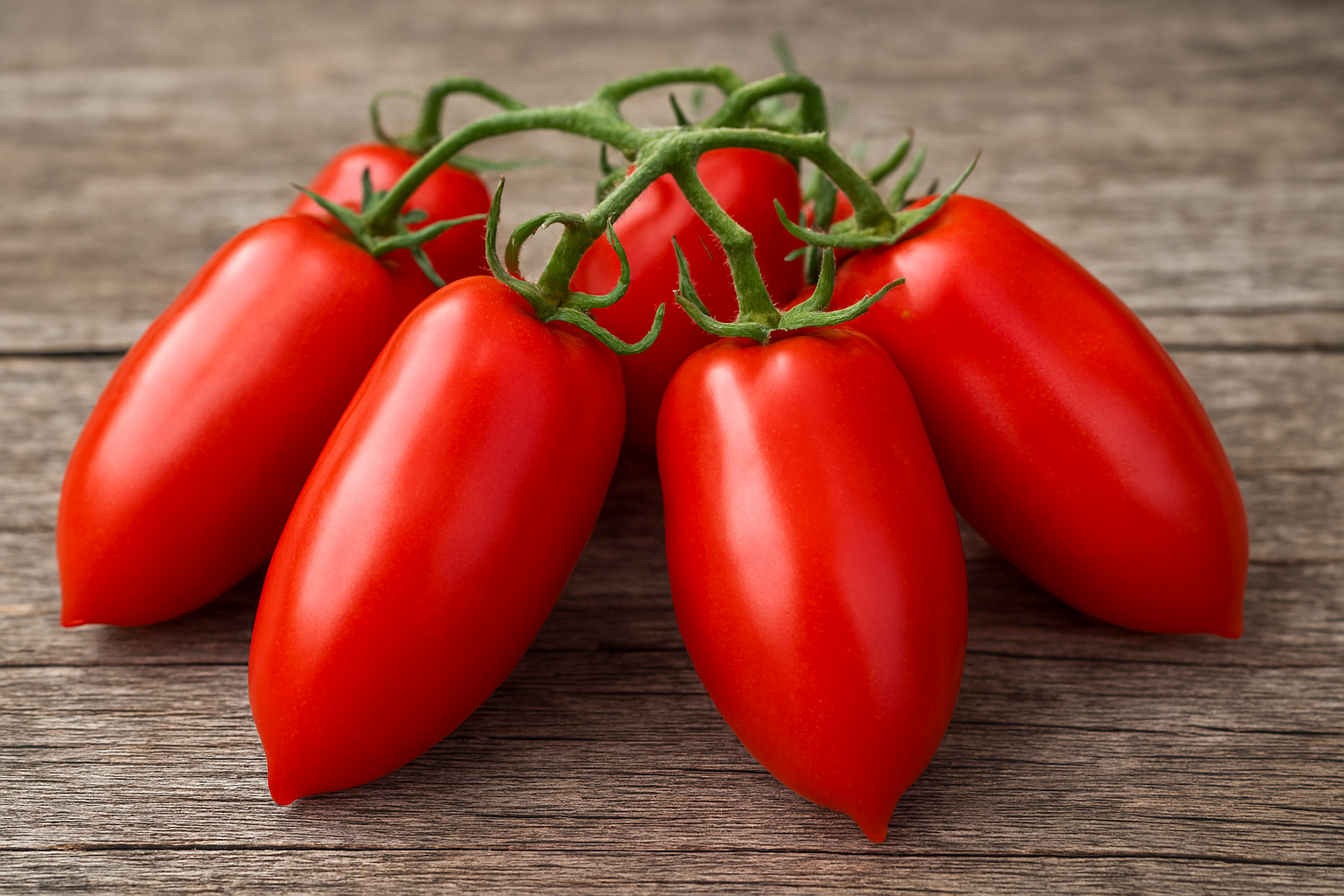
Sometimes Roma tomatoes are sold underripe. Controlled ripening ensures they develop full flavor.
• Place tomatoes in a paper bag to trap ethylene gas.
• Add a banana or apple to speed up ripening.
• Check daily to avoid overripening.
3. Freeze for Long‑Term Storage
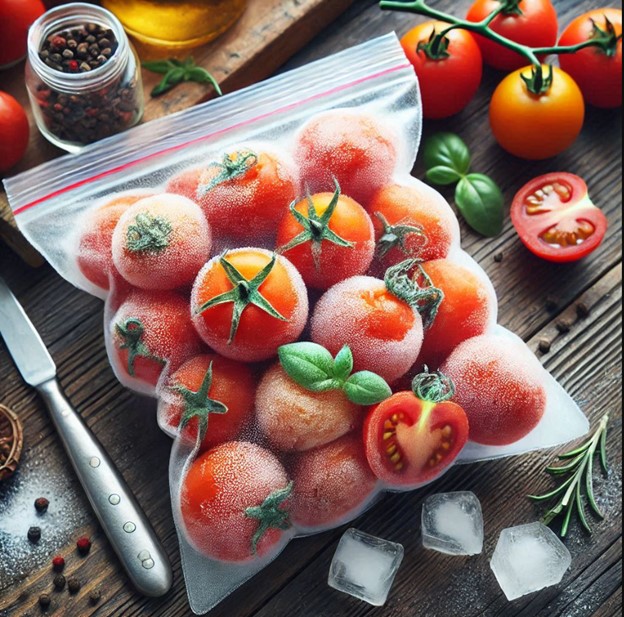
Freezing preserves Roma tomatoes for months, though texture changes make them best for cooking.
• Wash and dry thoroughly.
• Freeze whole, halved, or diced tomatoes in freezer‑safe bags.
• Label with date and use within 6–12 months.
• Best for soups, sauces, and stews after thawing.
Blanching (briefly boiling then cooling) before freezing helps preserve flavor and makes peeling easier.
5. Preserve by Canning or Drying
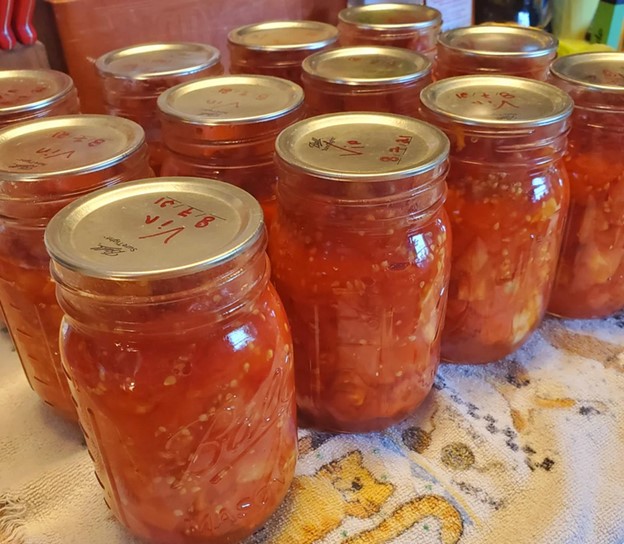
Roma tomatoes are ideal for preservation because of their low moisture and high flesh content.
• Canning: Make tomato sauce, paste, or puree. Store in sterilized jars for months.
• Drying: Slice and dry in a dehydrator or oven. Store in airtight jars.
• Paste/Puree: Cook down tomatoes into paste, freeze in small portions, or store in jars.
Common Mistakes to Avoid
Mistakes to Avoid When Storing Roma Tomatoes
1. Refrigerating Unripe Tomatoes
• Why it’s a mistake: Cold temperatures stop the natural ripening process and damage the tomato’s cell structure. This leads to a mealy, bland texture.
• Better approach: Keep unripe Roma tomatoes at room temperature until they turn fully red. Only refrigerate once they’re ripe and you need to extend shelf life.
2. Storing Near Ethylene-Sensitive Produce
• Tomatoes release ethylene gas, which speeds up ripening. While this is useful for ripening tomatoes themselves, it can cause nearby fruits and vegetables (like leafy greens, cucumbers, or apples) to spoil faster.
• Store Roma tomatoes separately from ethylene-sensitive produce. Use a dedicated basket or tray.
3. Using Bruised or Cracked Tomatoes in Storage
• Damaged tomatoes spoil quickly and can spread mold or bacteria to healthy ones.
• Use bruised or cracked tomatoes immediately in cooking (soups, sauces, stews) instead of storing them.
4. Forgetting to Label Frozen or Preserved Tomatoes
• Why it’s a mistake: Without labels, it’s easy to lose track of when you froze or canned them. This can lead to using tomatoes past their prime or wasting food.
• Always label containers with the date and type of preparation (e.g., “Roma puree – July 2025”).
5. Stacking Tomatoes in Storage
• Why it’s a mistake: Stacking puts pressure on the tomatoes at the bottom, causing bruising and faster spoilage.
• Better approach: Store Roma tomatoes in a single layer, stem-side down, on a flat surface.
6. Exposing Tomatoes to Direct Sunlight
• Sunlight can cause uneven ripening, overheating, and shriveling.
• Keep them in a cool, shaded area like a pantry or kitchen counter away from windows.
7. Using Plastic Bags for Storage
• Plastic traps moisture, encouraging mold and bacterial growth.
• Use breathable containers like baskets, paper bags, or ventilated trays.
8. Ignoring Power Fluctuations in Freezer Storage
• If your freezer loses power or fluctuates in temperature, tomatoes may thaw and refreeze, leading to poor texture and flavor.
• Check freezer settings regularly and avoid overloading it.
Tomatoes can be stored at room temperature when they are fresh, unripe, or ripe. In this state, they typically last for about three to seven days. To keep them in good condition, it’s best to place them stem-side down and ensure they are kept away from direct sunlight, which can cause them to spoil faster.
Once tomatoes are fully ripe or cut, the refrigerator becomes the best storage option. In the fridge, they can last for two to five days. However, refrigeration can dull their flavor, so it’s recommended to bring them back to room temperature before eating to enjoy their natural taste.
For long-term storage, tomatoes can be kept in the freezer. They will last for six to twelve months when frozen, but they are best used in cooked dishes rather than eaten raw, as freezing alters their texture.
Finally, canning or drying tomatoes is an excellent way to preserve them for months or even years. This method is especially useful during peak season and works well for making sauces, pastes, or dried tomato snacks. It’s a traditional preservation technique that ensures you can enjoy tomatoes long after their harvest.
Final Thoughts
Roma tomatoes are versatile and delicious, but their flavor depends heavily on proper storage. Keep them at room temperature until ripe, refrigerate only when necessary, and freeze or preserve for long‑term use. By following these methods, you’ll enjoy firm, flavorful Roma tomatoes in your recipes year‑round.
Leave a Reply