Fresh grape tomatoes are a kitchen favorite—sweet, bite-sized, and versatile enough for salads, pasta, roasting, or snacking straight from the bowl. But like all produce, they don’t last forever. Knowing how to spot the signs of spoilage can save you from unpleasant surprises, wasted food, or even stomach troubles.
In this expanded guide, we’ll explore how to tell if grape tomatoes are going bad, why they spoil, how to store them properly, and creative ways to use them before they cross the line into inedible. If your cherry tomatoes are going bad here is what to do.
Why Grape Tomatoes Spoil
Table of Contents
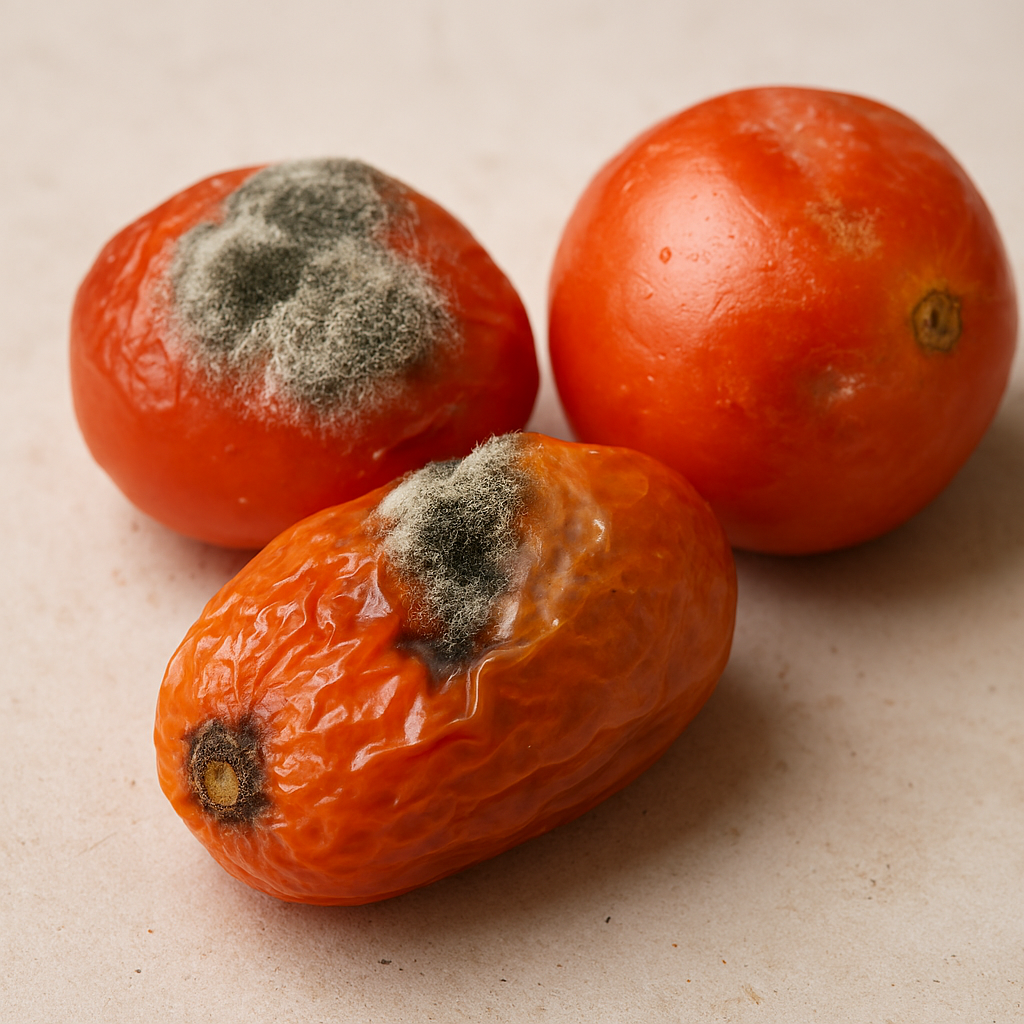
Before diving into the signs of spoilage, it helps to understand the shelf life of grape tomatoes and why grape tomatoes go bad. Like all fresh produce, they are living plant tissues that continue to respire after harvest. This natural process, combined with moisture, bacteria, and storage conditions, determines how long they stay fresh.
• Moisture loss: Tomatoes are full of water. Over time, they lose moisture, leading to shriveling and wrinkling.• Bacterial growth: Once the skin is damaged or moisture leaks out, bacteria multiply quickly.
• Temperature fluctuations: Storing tomatoes in overly warm or cold environments accelerates spoilage.
• Ethylene gas exposure: Tomatoes produce ethylene, a natural ripening gas. If stored with other ethylene-producing fruits (like bananas), they ripen—and spoil—faster.
Signs That Grape Tomatoes Are Going Bad
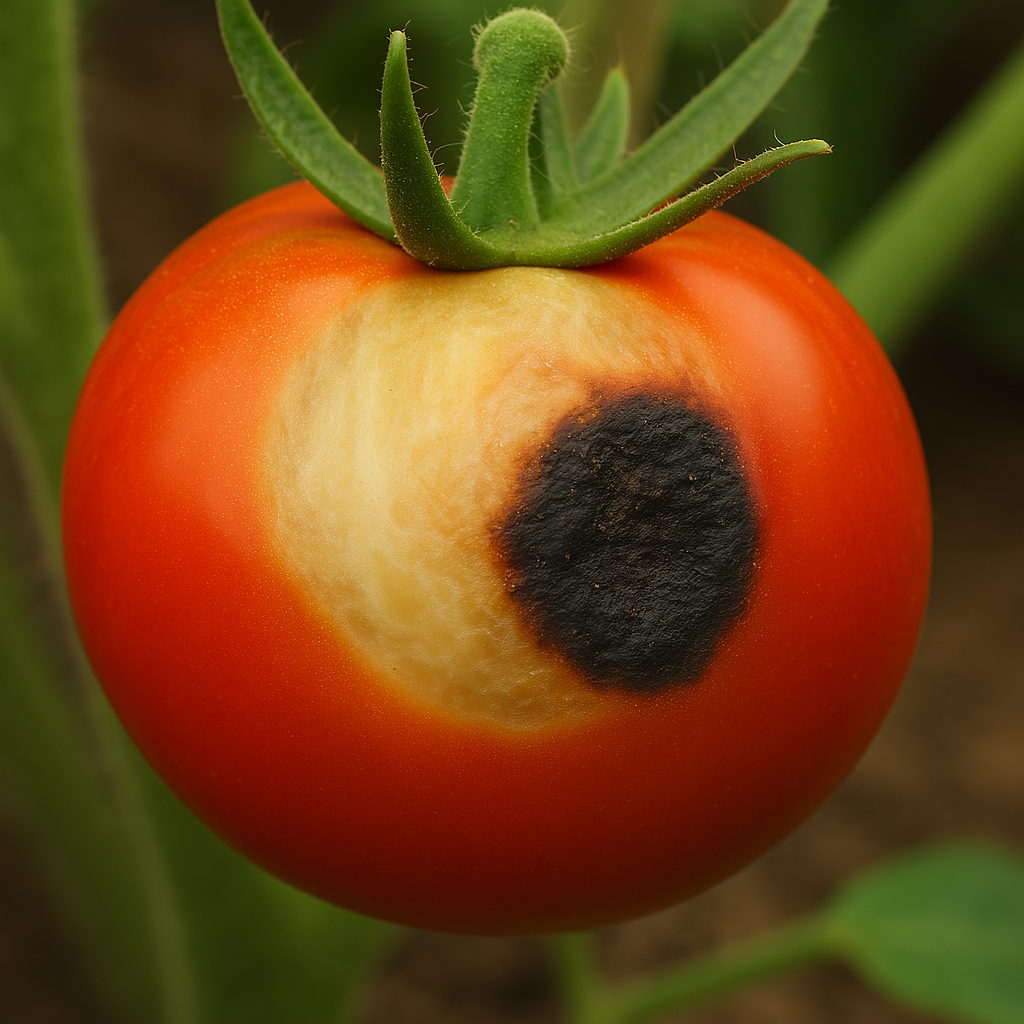
Here’s how to recognize when your grape tomatoes are past their prime:
1. Appearance – Visual Clues of Spoilage
The first signs of spoilage are usually visible. Here’s what to look for:
• Wrinkled skin: A few wrinkles mean the tomatoes are starting to lose moisture but may still be usable in cooked dishes. However, if they’re severely shriveled, they’ve likely passed their edible stage.
• Discoloration: Watch for dark spots, yellow patches, or uneven coloring. These are signs of aging and potential bacterial growth.
• Mold: Any fuzzy growth—white, green, or black—is a clear sign of spoilage. Mold can spread quickly, so discard affected tomatoes immediately.
2. Texture – How They Feel Matters
Touch is another reliable way to check freshness:
• Soft or mushy feel: Fresh grape tomatoes should be firm and springy. If they feel squishy or collapse under pressure, they’re breaking down.
• Leaking liquid: If tomatoes ooze juice or feel sticky, bacteria are likely at work. This is a strong indicator that they’re no longer safe to eat.
3. Smell
Your sense of smell can detect spoilage even before it’s visible:
• Sour or rotten odor: Fresh tomatoes have a mild, sweet scent. A strong sour or fermented smell means they’ve spoiled and should be discarded.
4. Taste
If you’re unsure after checking appearance and smell:
• Off-flavor: A bitter, sour, or fermented taste is a clear sign that the tomato is no longer good. Don’t consume it—spit it out and discard the rest.
Shelf Life of Grape Tomatoes
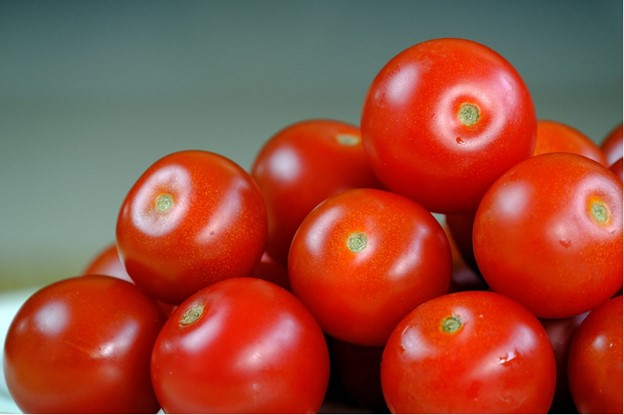
Understanding how long grape tomatoes last helps you plan better:
• Room temperature: 3–5 days. Best for short-term use when flavor matters most.
• Refrigerated: 1–2 weeks. Ideal for extending shelf life, especially in warmer climates.
• Cut or cooked: 2–3 days. Store in an airtight container in the fridge and consume quickly.
How to Store Grape Tomatoes Properly
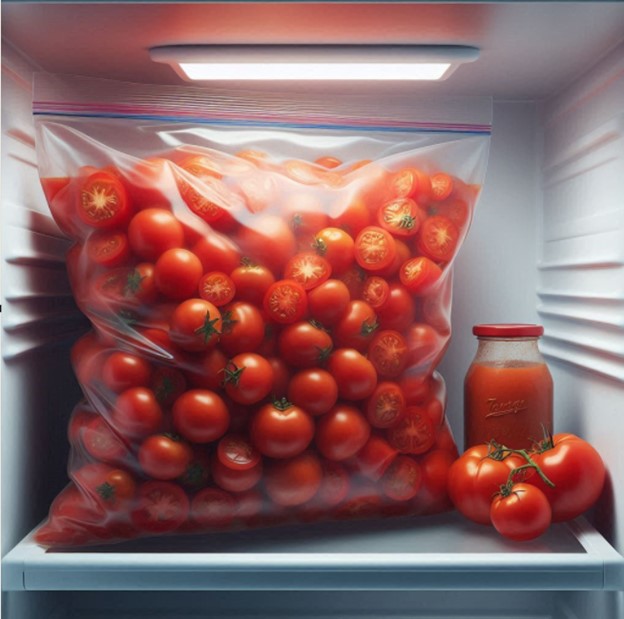
Proper storage is key to keeping grape tomatoes fresh and flavorful.
At Room Temperature
• Use a bowl or basket: Keep them in a breathable container on the counter.
• Avoid direct sunlight: Heat accelerates ripening and spoilage.
• Don’t wash before storing: Moisture encourages mold and bacteria. Wash only before eating.
In the Refrigerator
• Use the crisper drawer: This maintains humidity and temperature balance.
• Choose breathable containers: Paper bags or ventilated boxes work best.
• Avoid airtight plastic bags: These trap moisture and speed up decay.
Freezing
• Wash and dry thoroughly: Moisture leads to freezer burn. So, freeze tomatoes properly.
• Freeze individually: Spread them on a baking sheet to prevent clumping.
• Transfer to freezer bags: Once frozen, store in labeled bags.
• Use in cooked dishes: Frozen tomatoes lose their fresh texture but are perfect for soups, sauces, and stews.
Bonus Tips to Extend Freshness
• Buy firm, bright tomatoes: Avoid ones with blemishes or soft spots.
• Rotate stock: Use older tomatoes first to prevent waste.
• Keep away from ethylene producers: Bananas, apples, and avocados release ethylene gas that speeds up ripening.
• Repurpose aging tomatoes: Roast, pickle, or blend into sauces before they spoil.
What to Do With Grape Tomatoes Before They Spoil
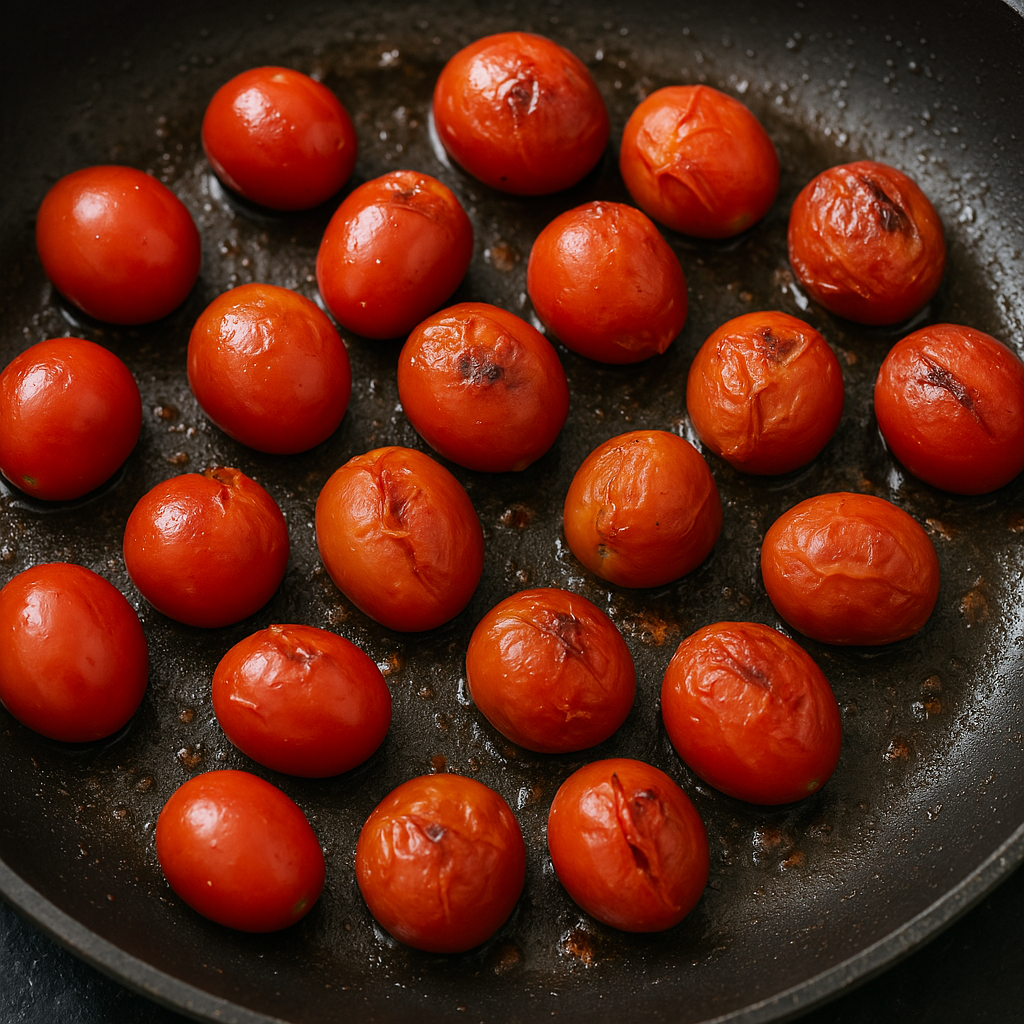
Sometimes grape tomatoes are just starting to lose freshness but aren’t fully spoiled. Instead of tossing them, you can use them creatively:
• Roast them: Toss with olive oil, garlic, and herbs. Roasting concentrates flavor and masks slight wrinkling.
• Make a quick pasta sauce: Cook down with onions, basil, and olive oil.
• Prepare salsa or bruschetta: Chop and mix with onions, cilantro, or basil.
• Soup base: Blend roasted tomatoes into a creamy tomato soup.
• Pickle them: Preserve slightly soft tomatoes in vinegar, salt, and spices.
Health Risks of Eating Spoiled Tomatoes
Eating spoiled grape tomatoes can cause:
• Stomach upset
• Food poisoning symptoms (nausea, vomiting, diarrhea)
• Exposure to mold toxins
When in doubt, throw them out.
Tips to Extend Freshness
• Buy firm, brightly colored tomatoes.
• Avoid washing until ready to eat.
• Store separately from bananas, apples, or avocados (ethylene producers).
• Use breathable storage containers.
• Rotate stock—eat older tomatoes first.
Tomatoes are climacteric fruits, meaning they continue to ripen after harvest. Their high water content (about 95%) makes them prone to microbial growth. Once the skin is compromised, bacteria like Salmonella or E. coli can thrive. This is why mushy or leaking tomatoes should never be consumed.
Many chefs argue tomatoes should never be refrigerated because cold temperatures dull flavor. However, grape tomatoes are small and spoil faster, so refrigeration is often necessary. The trick is balance: keep them at room temperature if you’ll eat them within 2–3 days, refrigerate for longer storage.
Signs of Early Decline of Grape Tomatoes
• Early decline: Slight wrinkling, minor softness. Still usable for cooking.
• Spoilage: Mold, sour smell, leaking liquid. Unsafe to eat.
Creative Uses for Overripe Tomatoes
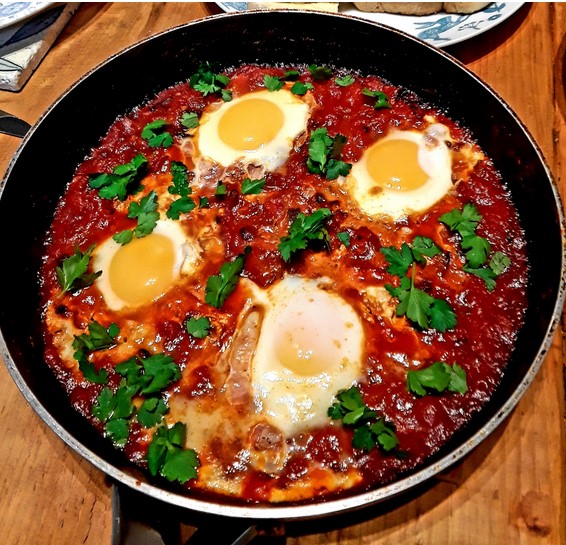
• Tomato jam: Cook down with sugar and spices.
• Sun-dried style: Slice and dry in a low oven.
• Infused oil: Roast and blend into olive oil for flavoring.
In Bengali households, slightly overripe tomatoes are often cooked into curries where their softness enhances the gravy. In Mediterranean cuisine, wrinkled tomatoes are roasted for spreads like tapenade.
Globally, millions of tons of tomatoes are wasted yearly due to spoilage. Learning to identify early decline and repurpose tomatoes reduces waste and supports sustainability.
WrappingUp
Grape tomatoes are delicious, versatile, and healthy—but they don’t last forever. By learning to spot the signs of spoilage (wrinkling, discoloration, mushiness, sour smell, mold), you can protect yourself from foodborne illness and reduce waste. Proper storage—room temperature for short-term, refrigeration for longer, and freezing for extended use—helps maximize their shelf life. And when they’re just starting to decline, creative cooking methods like roasting, sauces, or pickling can give them a second life.
The next time you buy grape tomatoes, remember: freshness is fleeting, but with the right care, you can enjoy every bite before they go bad.
Leave a Reply