Every culture has its comfort food, and in the American South, one of the simplest yet most beloved is macaroni and tomatoes.
It’s not glamorous, it’s not complicated, but it’s deeply satisfying. With just pasta, tomatoes, and a few seasonings, this dish has warmed kitchens for generations.
It’s the kind of recipe that grandparents pass down, not because it’s fancy, but because it’s dependable, affordable, and delicious. In this article, we’ll dive into the history, recipes, variations, nutrition, and cultural significance of macaroni and tomatoes, showing why this humble dish deserves a place in your kitchen today.
The Origins of Macaroni and Tomatoes
Table of Contents
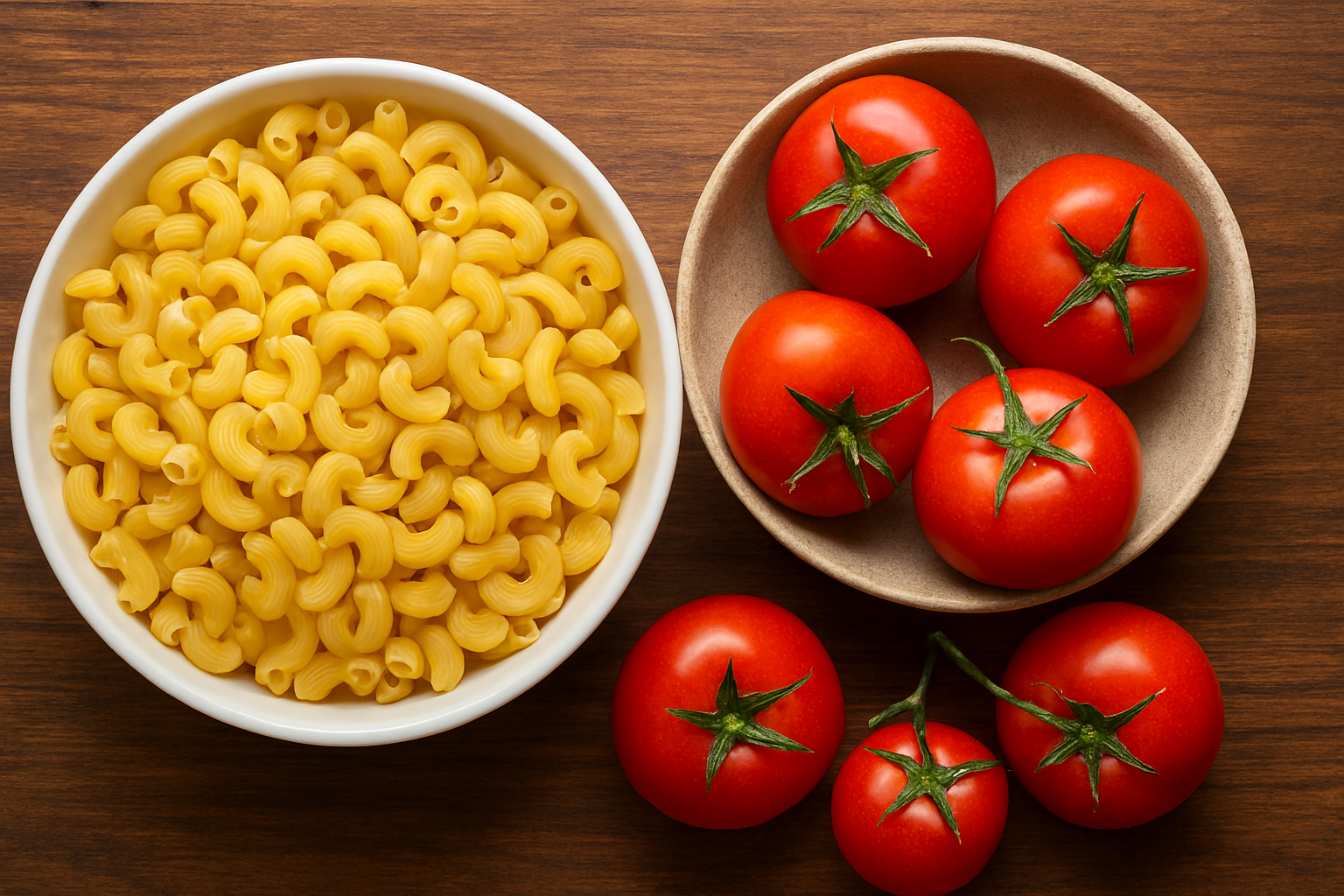
Macaroni and tomatoes emerged as a working-class staple in the early 20th century.
• Southern Influence: In the South, canned goods like tomatoes were cheap and widely available. Families often paired them with pasta, which was filling and inexpensive.
• Italian Roots: While macaroni itself is Italian, the American adaptation stripped it down to basics—no elaborate sauces, just tomatoes and pasta.
• Depression-Era Cooking: During lean times, macaroni and tomatoes became a survival dish. It was hearty enough to feed a family, yet simple enough to make with limited resources.
This history explains why the dish carries such nostalgia. For many, it’s not just food—it’s a memory of resilience and family togetherness.
Core Ingredients and Why They Work
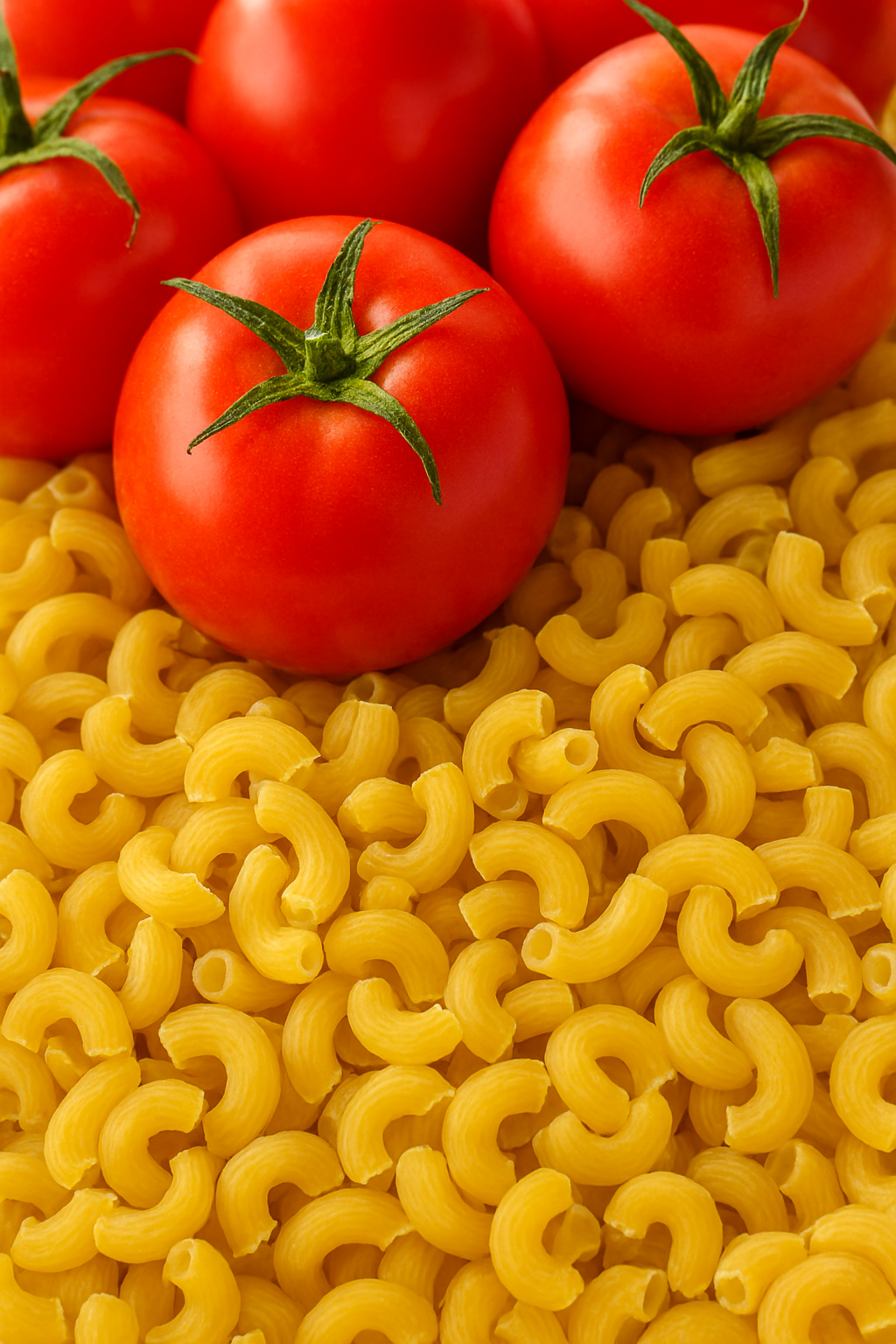
At its heart, macaroni and tomatoes is about balance:
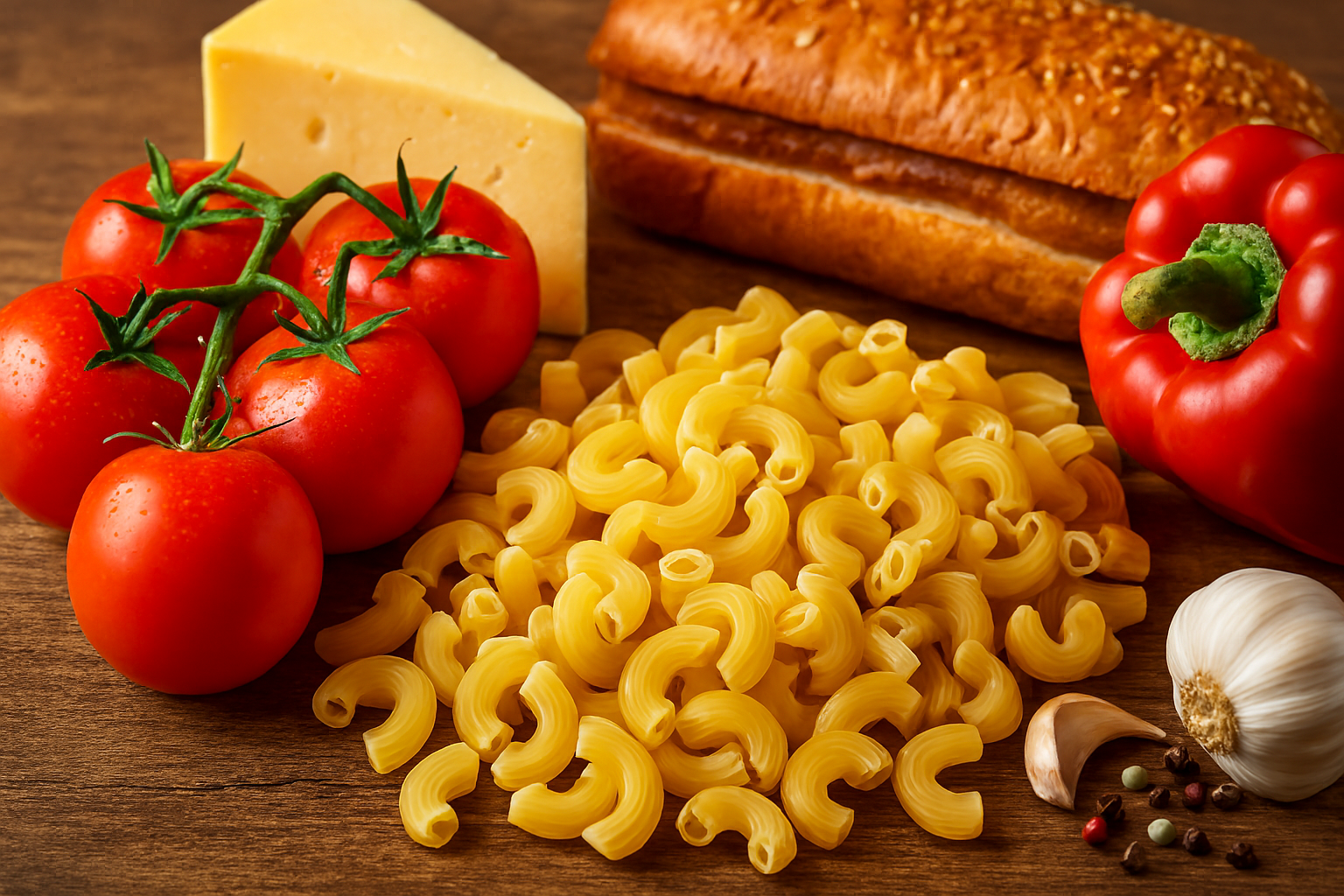
• Macaroni: Elbow macaroni is traditional, but shells, penne, or rotini work too. Pasta provides the chewy backbone.
• Tomatoes: Fresh, canned, stewed, or diced—tomatoes bring acidity and sweetness.
• Fat Base: Bacon grease adds smoky depth, while butter or olive oil provides richness.
• Seasonings: Salt and pepper are essential. A pinch of sugar balances acidity. Some cooks add garlic, onions, or seasoned salt.
• Optional Additions: Cheese, bacon bits, or herbs like basil can elevate the dish.
This simplicity makes it endlessly adaptable.
Classic Recipes
A. Pantry-Style Macaroni and Tomatoes
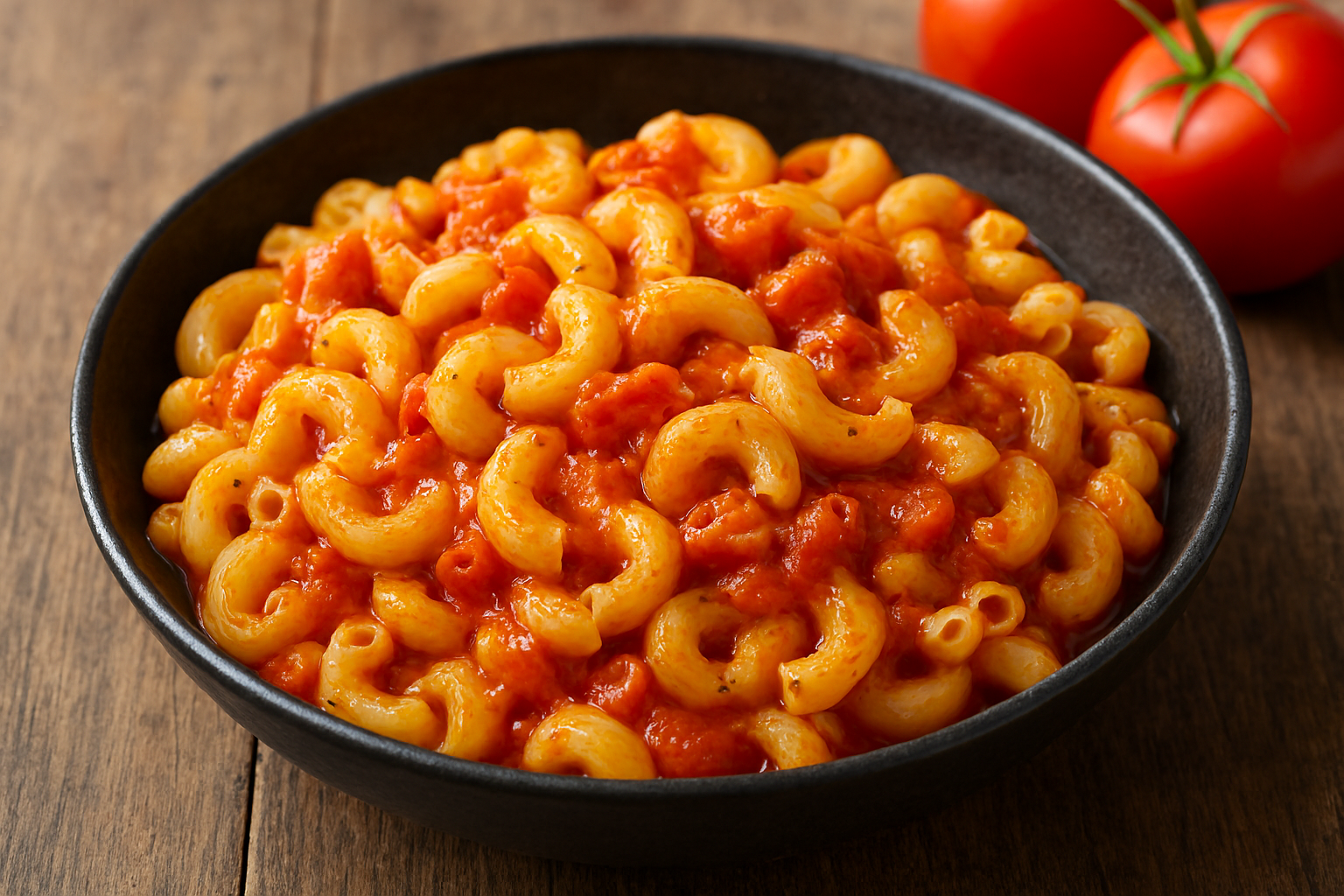
Cook macaroni until al dente.
Drain and set aside.
In a saucepan, melt butter.
Add canned tomatoes with juice.
Season with salt, pepper, and a pinch of sugar.
Stir in macaroni and simmer for 5 minutes.
B. Southern Bacon-Grease Version
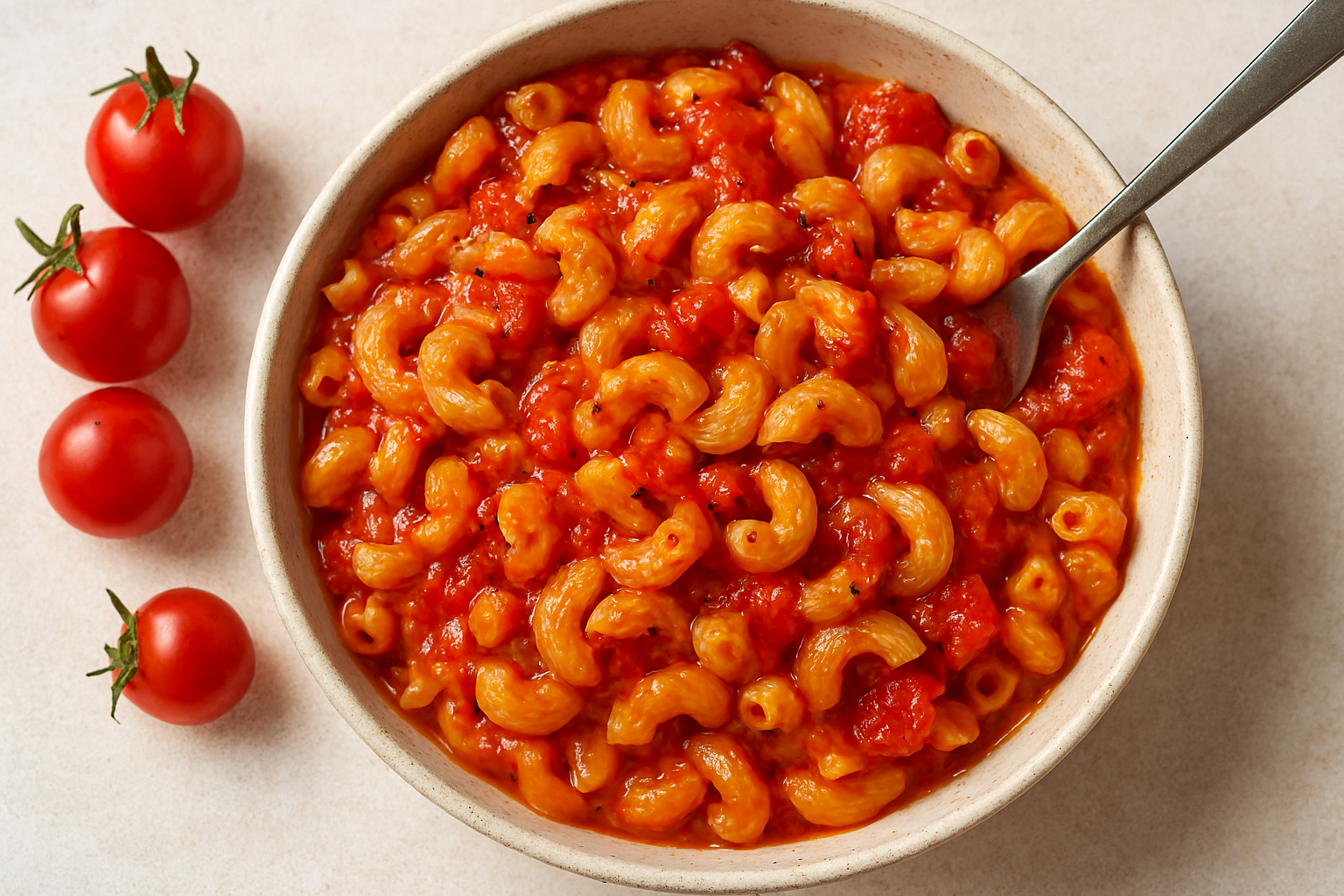
Fry bacon until crisp; reserve grease.
Sauté onions in grease until soft.
Add canned tomatoes and simmer.
Stir in macaroni and crumbled bacon.
Season generously and serve hot.
C. Fresh Tomato Variation
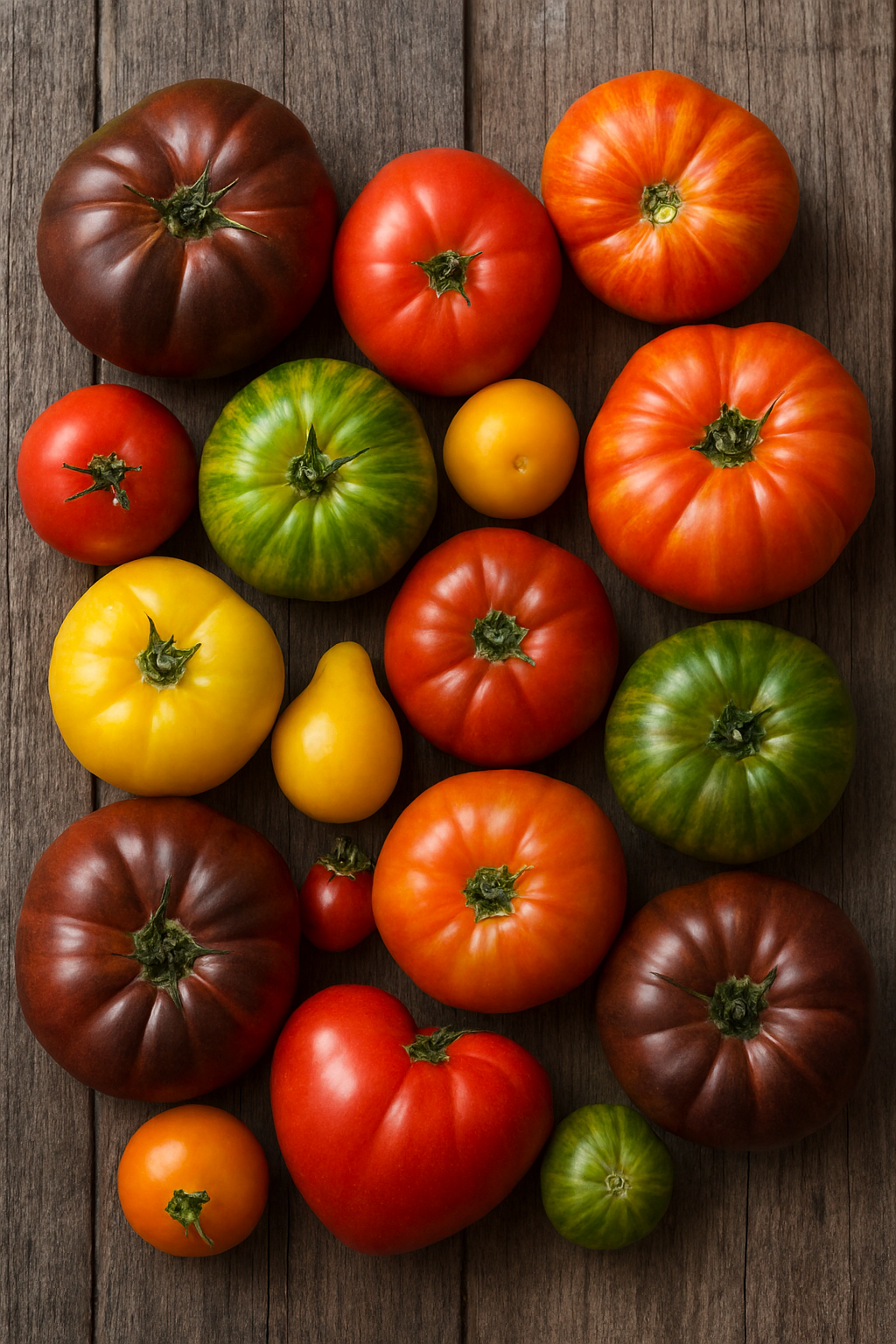
Dice ripe tomatoes.
Sauté garlic and onions in olive oil.
Add tomatoes, simmer until saucy.
Toss with macaroni and fresh basil.
Top with Parmesan.
Step-by-Step Cooking Process
Cooking macaroni and tomatoes is straightforward, but technique matters:
Cook Pasta Separately: Prevents sogginess.
Simmer Tomatoes: Allows flavors to meld.
Balance Acidity: Sugar or cream helps.
Ensures pasta absorbs flavor without overcooking.
Variations and Modern Twists
• Cheesy Comfort: Stir in cheddar or mozzarella for gooey richness.
• Spicy Kick: Add chili flakes, hot sauce, or jalapeños.
• Vegetarian/Vegan: Use olive oil and nutritional yeast instead of bacon and cheese.
• Fusion Flavors: Add cumin for a smoky Mexican twist, or oregano for Italian flair.
• Slow Cooker Method: Let pasta and tomatoes simmer together for deeper flavor.
Common Mistakes to Avoid
• Overcooking pasta → mushy texture.
• Skipping seasoning → bland dish.
• Using watery tomatoes → thin sauce.
• Adding pasta too early → soggy noodles.
Nutritional Profile
Macaroni and tomatoes is relatively light compared to creamy pasta dishes:
• Calories: 280–400 per serving.
• Carbs: Pasta provides energy.
• Protein: Minimal unless bacon or cheese is added.
• Vitamins: Tomatoes supply vitamin C, potassium, and lycopene.
It’s a dish that can be made healthier by using whole-grain pasta, olive oil, and fresh tomatoes.
Cultural Significance
This dish is more than food—it’s a symbol of resourcefulness. Families relied on it during hard times, and today it’s celebrated as a nostalgic comfort meal. It represents:
• Community: Shared meals in Southern households.
• Resilience: Making do with what’s available.
• Tradition: Passed down through generations.
Pairings and Serving Ideas
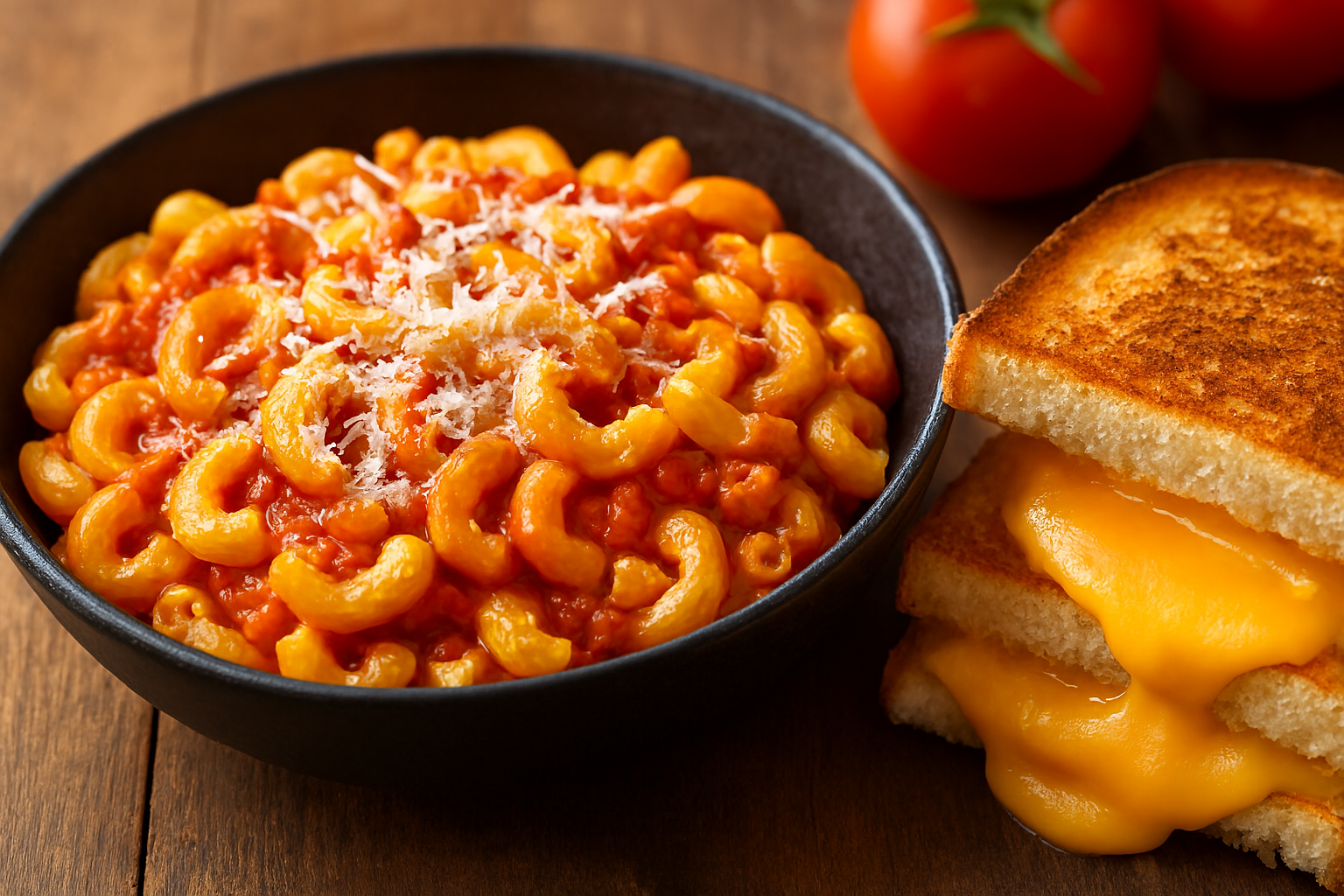
• Southern Table: Serve with cornbread, collard greens, or fried okra.
• Weeknight Dinner: Pair with baked chicken or pork chops.
• Light Meal: Add a fresh salad for balance.
• Lunchbox Friendly: Reheat easily for leftovers.
Wrapping Up
Macaroni and tomatoes endures because it’s affordable, adaptable, and comforting. It’s proof that great food doesn’t need complexity—it needs heart.
Whether you stick to the classic Southern recipe or experiment with modern twists, this dish connects past and present, reminding us that sometimes the simplest meals are the most meaningful.
Leave a Reply