Tomatoes are among the most beloved and rewarding plants to cultivate in home gardens. Growing tomatoes from seed offers gardeners the freedom to select from a vast array of varieties, ensuring a personalized and fresh harvest.
In this guide, we have discussed the process of tomato seed germination, providing detailed insights from seed selection to ideal growing conditions and ongoing care.
Choosing the Right Seeds
Table of Contents
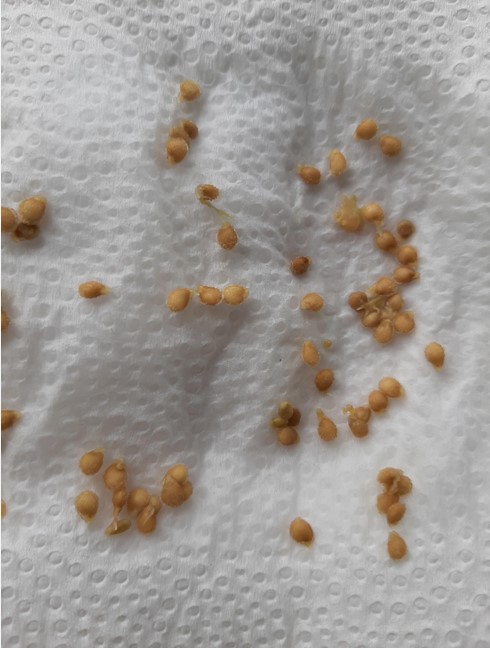
The first step in successful tomato growing is selecting the right seeds. Your choice determines flavor, resilience, and adaptability to your local climate. Choose the tomatoes, deseed them and then save the seeds.
• Heirloom seeds: Unique flavors, traditional traits, and diverse colors.
• Hybrid seeds: Stronger plants, disease resistance, and reliable yields.
• Regionally adapted varieties: Perform better in local conditions.
Preparing Seeds for Germination
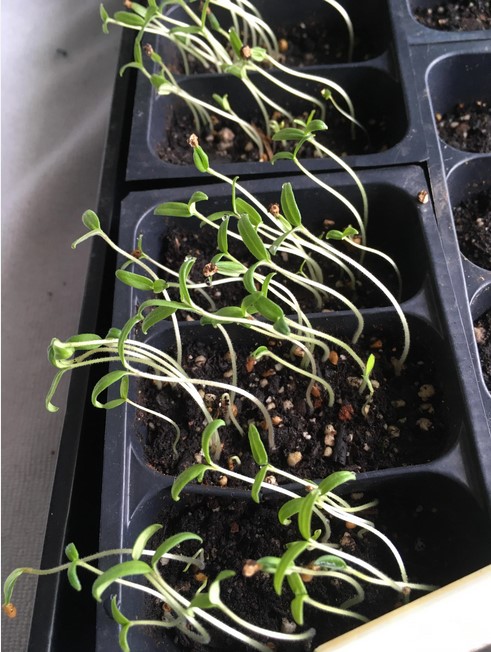
Seed preparation can improve germination rates, especially for older seeds. This step ensures seeds sprout quickly and evenly.
• Soak seeds in warm water for 6–12 hours to soften the seed coat.
• Use a sterile seed-starting mix instead of garden soil to reduce fungal risks.
Ideal Germination Conditions
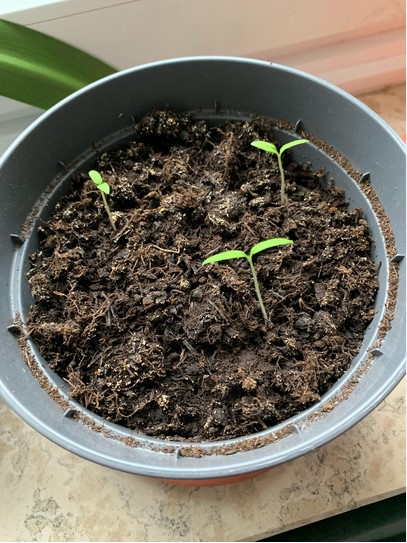
Tomato seeds thrive when provided with warmth, moisture, and humidity. Creating the right environment is crucial for sprouting.
• Maintain soil temperature between 70–80°F (21–27°C).
• Keep soil evenly moist but not soggy.
• Cover trays with a clear dome or plastic wrap to retain humidity.
• Use a well-draining, sterile seed-starting mix.
Planting Depth and Spacing
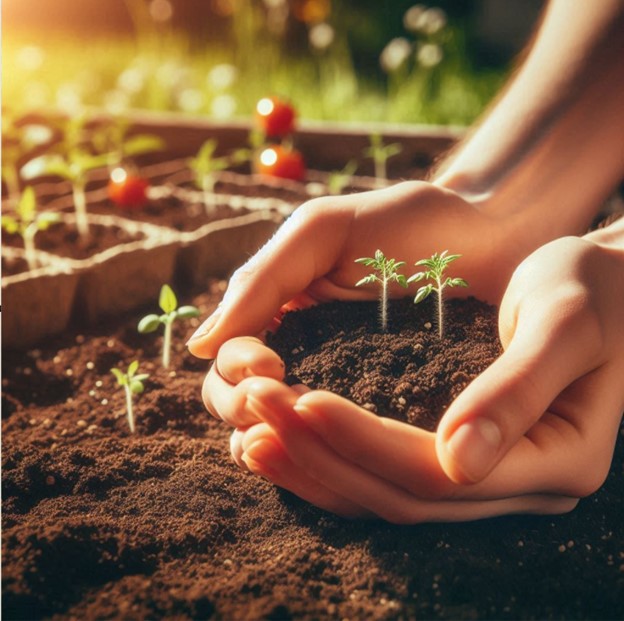
Proper planting depth and spacing ensure seeds have enough room to grow strong seedlings.
• Plant seeds 1/4 inch (6 mm) deep.
• Space seeds evenly to avoid overcrowding.
• Thin seedlings after sprouting, keeping only the strongest plants.
Light Requirements
Once seedlings emerge, light becomes essential for healthy growth. Without enough light, plants become weak and leggy.
• Place trays near a south-facing window or under grow lights.
• Provide 12–16 hours of bright light daily.
• Adjust light distance to prevent overheating or stretching.
Germination Timeline
Tomato seeds sprout quickly under the right conditions, but timing can vary.
• Seeds typically germinate within 5–10 days.
• Factors like seed age, temperature, and moisture affect timing.
Caring for Seedlings
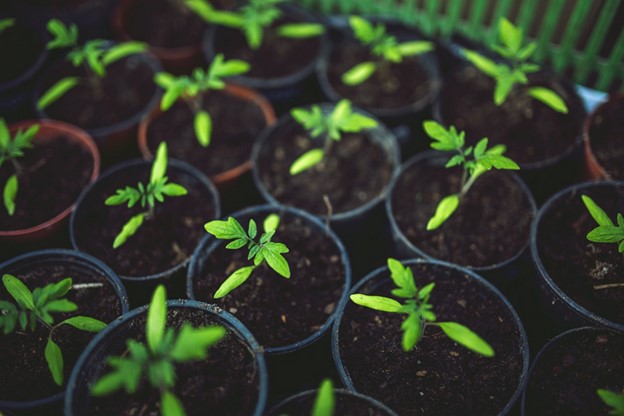
After germination, seedlings need consistent care to grow strong and healthy.
• Water regularly but avoid overwatering to prevent damping-off disease.
• Provide good airflow around seedlings.
• Begin feeding with diluted, balanced fertilizer once true leaves appear.
Transplanting Seedlings
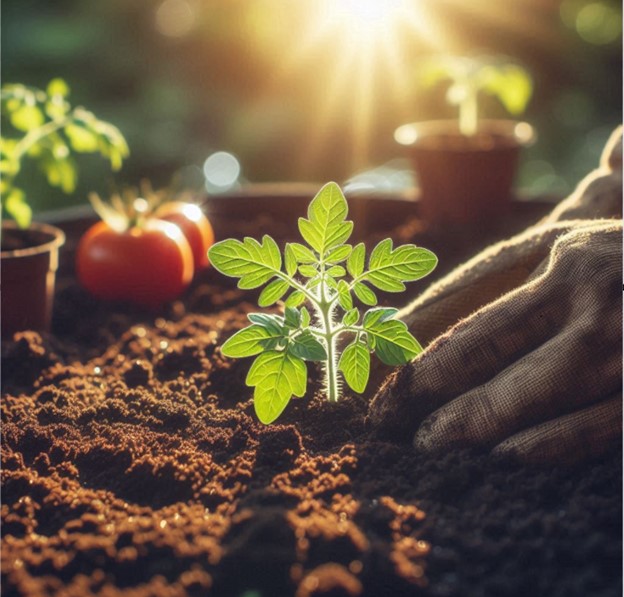
Seedlings must be hardened off before moving outdoors to avoid transplant shock.
• Transplant when seedlings are 3–4 inches tall with several sets of true leaves.
• Harden off by gradually exposing seedlings to outdoor conditions for 7–10 days.
• Move them into larger pots or directly into the garden once soil is warm.
Troubleshooting Common Issues
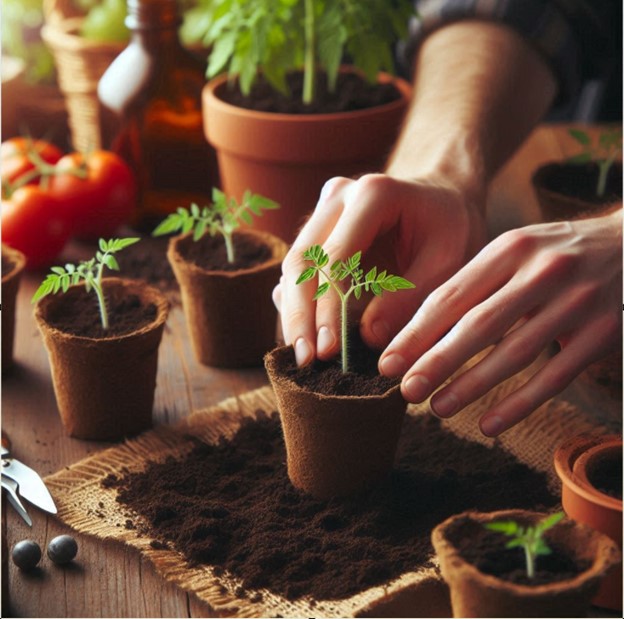
Even with care, problems can arise. Knowing how to respond ensures healthy plants.
• Poor germination: Check seed viability, soil moisture, and temperature.
• Damping-off disease: Improve air circulation and avoid excess water.
• Leggy seedlings: Increase light exposure and reduce excess warmth.
Extended Care Tips
Once transplanted, tomato plants need ongoing care to thrive throughout the season.
• Mulch to retain moisture and suppress weeds.
• Water deeply but less frequently to encourage strong roots.
• Stake or cage plants early to support heavy fruiting.
• Prune suckers to improve airflow and fruit production.
Tomatoes are vulnerable to pests, but preventive strategies and organic controls can protect them.
• Common pests – Aphids, tomato hornworms, and whiteflies.
• Prevention – Rotate crops, companion plant with basil or marigolds, and keep the garden clean.
• Organic controls – Use neem oil, insecticidal soap, or introduce beneficial insects like ladybugs.
Making the Most of Your Harvest
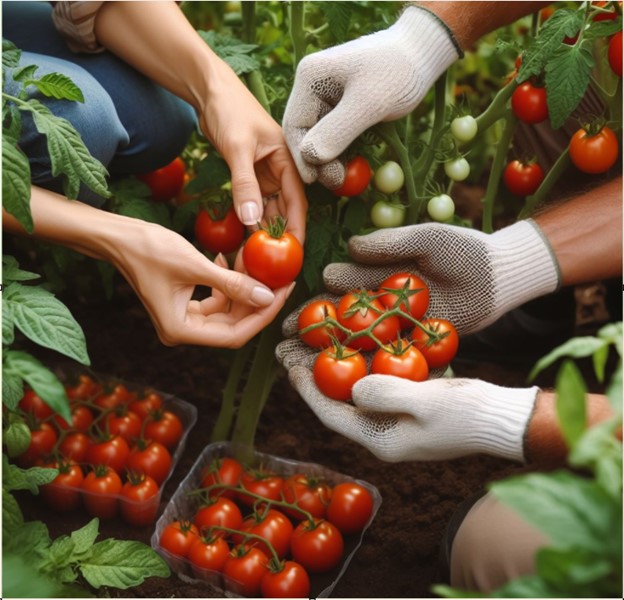
Tomatoes are versatile in the kitchen, and preserving them extends their use year-round.
• Fresh recipes – Caprese salad, bruschetta, salsa.
• Cooked dishes – Pasta sauce, stuffed tomatoes, soups.
Preservation:
- Canning tomato sauce or salsa.
- Drying tomatoes for concentrated flavor.
- Freezing chopped or pureed tomatoes.
Wrapping Up
Growing tomatoes from seed is a rewarding journey that requires patience and attentive care. By following each step—choosing seeds, preparing them, providing ideal conditions, and nurturing seedlings—you’ll enjoy a plentiful harvest of flavorful, homegrown tomatoes.
Leave a Reply