Tomatoes are a gardener’s pride, but they often attract pests that can damage crops and reduce yields. Instead of relying on chemical pesticides, many gardeners use companion planting—a natural method of growing certain plants alongside tomatoes to repel harmful insects, attract beneficial ones, and improve soil health.
This eco-friendly approach not only protects tomatoes but also enriches the entire garden ecosystem. Now, here is a complete guide on what you should plant with tomatoes to keep away the bugs.
Why Companion Planting Works With Tomatoes
Table of Contents
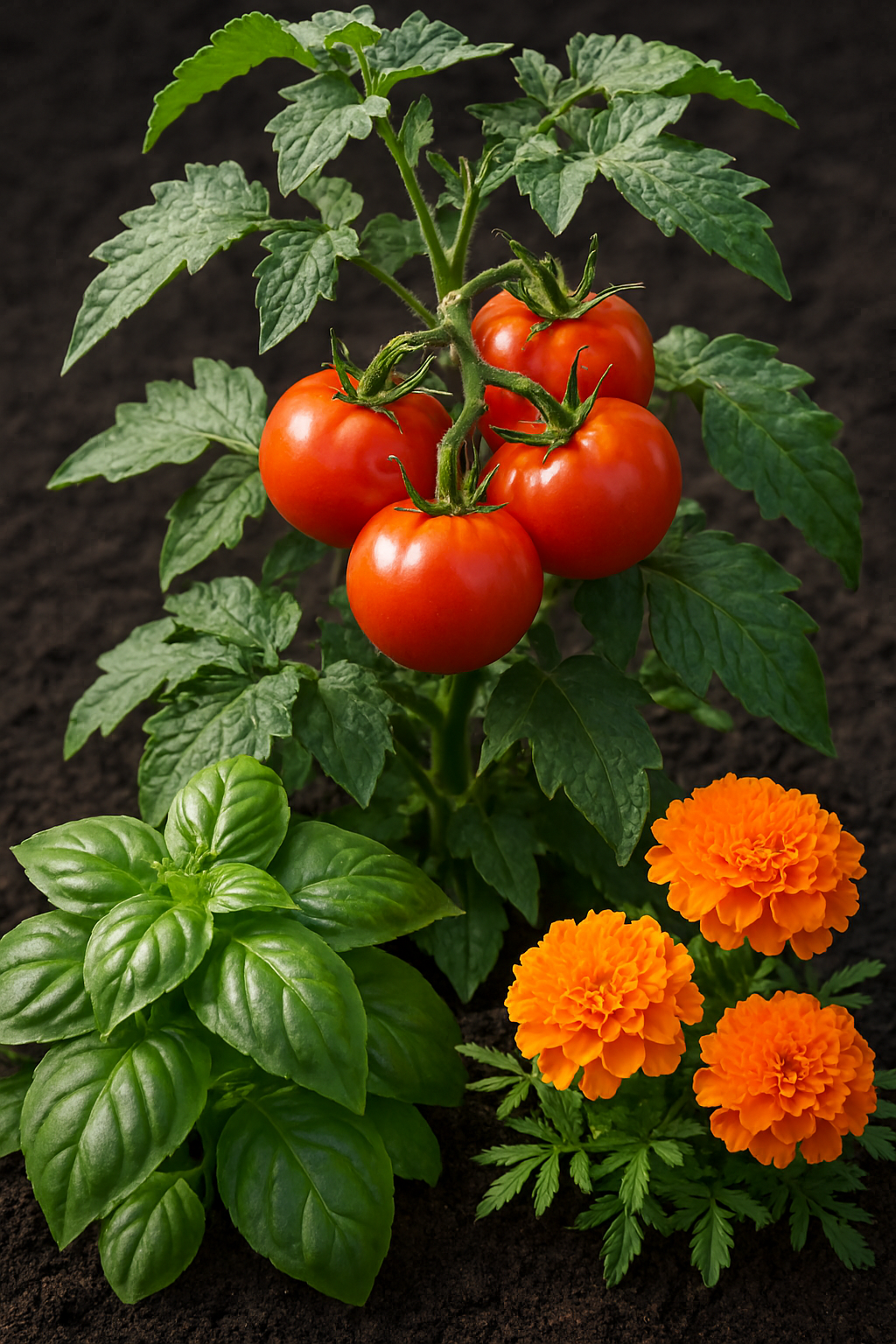
Companion planting works by harnessing the natural properties of plants. Some plants release strong aromas that confuse or repel pests, while others attract beneficial insects that prey on harmful bugs. Certain companions even improve soil quality or enhance tomato flavor. By carefully choosing what to plant near tomatoes, gardeners can create a balanced environment where pests are minimized and productivity is maximized.
Basil – The Flavorful Protector
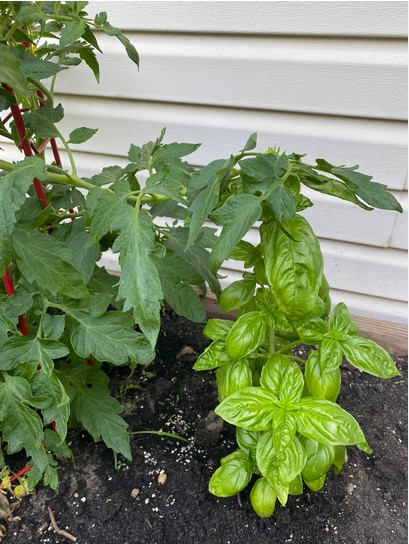
Basil is one of the most effective companions for tomatoes. Its strong fragrance repels flies and mosquitoes, while also improving the taste of tomatoes. Planting basil close to your tomato plants creates a natural shield against pests and adds a culinary bonus to your harvest. Basil also attracts pollinators, which can improve fruit set and yield. Many gardeners believe that basil helps tomatoes grow more vigorously, making it a must-have in any tomato patch.
Marigolds – The Golden Shield
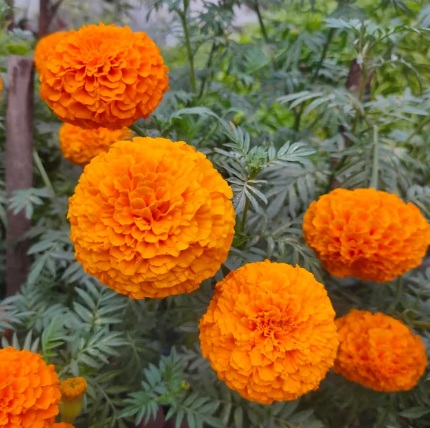
Marigolds are well-known for their pest-repelling abilities. Their pungent scent deters nematodes, aphids, and whiteflies. By planting marigolds around tomato beds, you create a protective barrier that keeps harmful insects away while adding cheerful color to your garden. Marigolds also attract beneficial insects like ladybugs and lacewings, which feed on aphids and other soft-bodied pests. This dual role of repelling harmful bugs and attracting helpful ones makes marigolds one of the most versatile companions for tomatoes.
Garlic – The Natural Insecticide
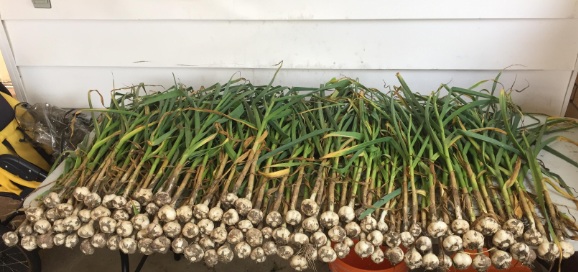
Garlic releases sulfur compounds that act as a mild insecticide. When grown near tomatoes, it helps reduce infestations of aphids and spider mites. Garlic is easy to plant between tomato rows and doesn’t compete heavily for nutrients, making it a practical choice. Additionally, garlic can improve soil health by deterring harmful fungi and bacteria. Its underground growth habit means it won’t shade tomato plants, allowing both crops to thrive together.
Onions and Chives – The Pungent Defenders
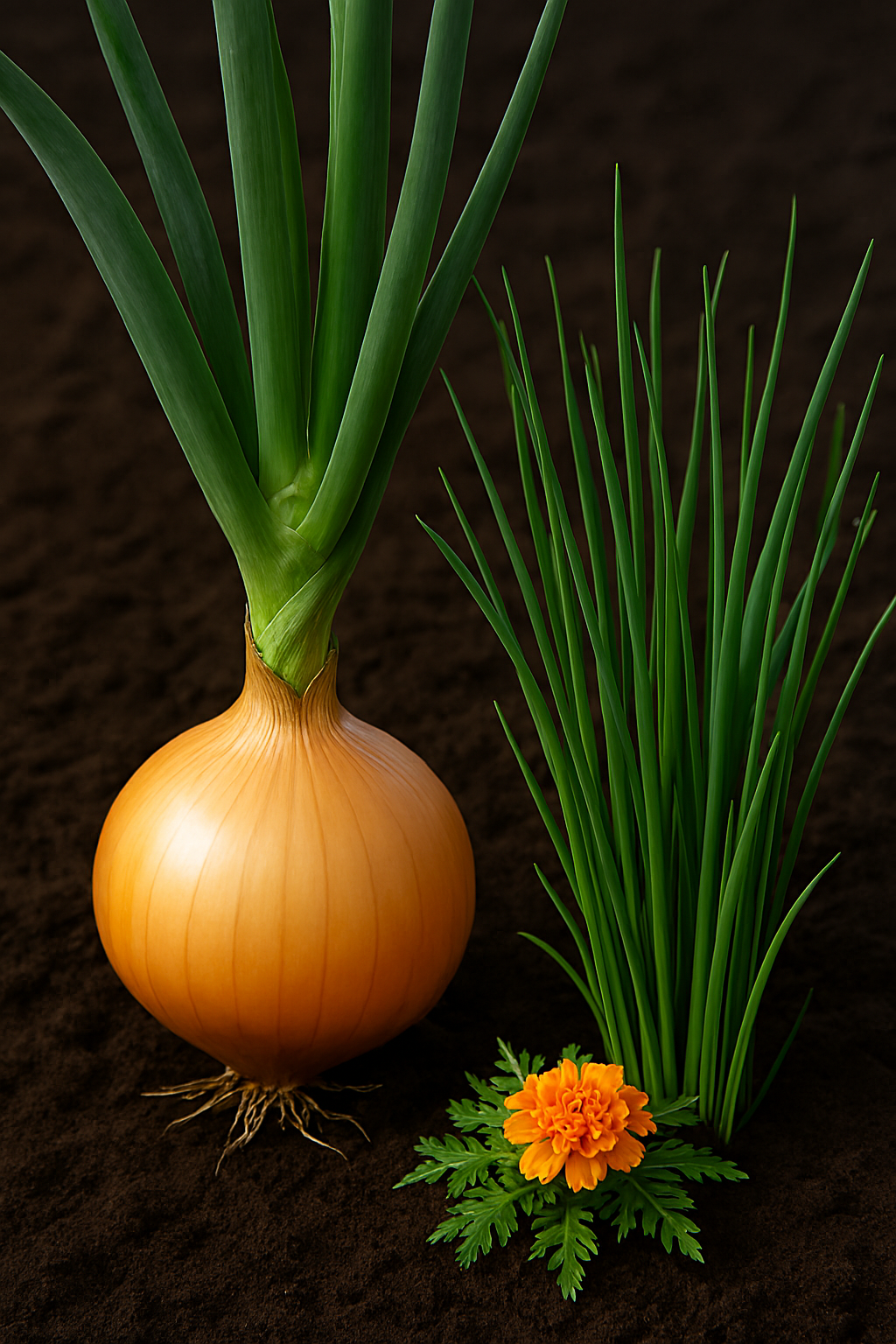
Onions and chives emit strong odors that confuse and repel pests such as aphids and Japanese beetles. Chives also attract beneficial insects like ladybugs, which feed on harmful pests. Together, they provide both direct and indirect protection for tomato plants. Chives are particularly useful because they are perennial, meaning they return year after year, offering long-term protection for your tomato beds. Onions, meanwhile, can be rotated seasonally, helping to maintain soil balance.
Mint – The Aromatic Repellent
Mint’s powerful fragrance deters ants and aphids. However, mint spreads quickly and can take over garden beds, so it’s best planted in containers near tomatoes. This way, you enjoy its protective qualities without worrying about it becoming invasive. Mint also attracts pollinators, which can improve tomato fruiting. Its cooling shade can help maintain soil moisture around tomato plants, though care must be taken to prevent it from crowding out other crops.
Parsley – The Beneficial Insect Magnet
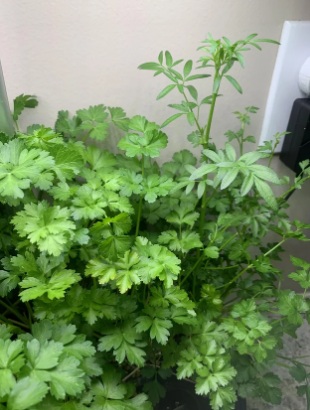
Parsley attracts hoverflies and other beneficial insects that prey on aphids and thrips. While parsley doesn’t repel pests directly, it strengthens the garden ecosystem by supporting natural predators that keep tomato plants safe. Parsley also improves soil structure with its deep roots, helping tomatoes access nutrients more efficiently. As a biennial plant, parsley can provide long-term benefits when managed properly.
Borage – The Hornworm Deterrent
Borage is a lesser-known companion but highly effective against tomato hornworms. Its presence discourages these destructive pests, while its flowers attract pollinators that boost tomato yield. Borage also improves soil health by adding trace minerals like potassium and calcium, which benefit tomato growth. Its star-shaped blue flowers add beauty to the garden, making it both functional and ornamental.
Nasturtiums – The Trap Crop

Nasturtiums act as a “trap crop,” luring aphids and whiteflies away from tomatoes. Their bright flowers also attract pollinators, making them both protective and decorative. Planting nasturtiums slightly away from tomatoes ensures pests target them instead of your main crop. Additionally, nasturtiums are edible, adding a peppery flavor to salads, which makes them a practical and tasty addition to the garden.
Plants to Avoid Near Tomatoes
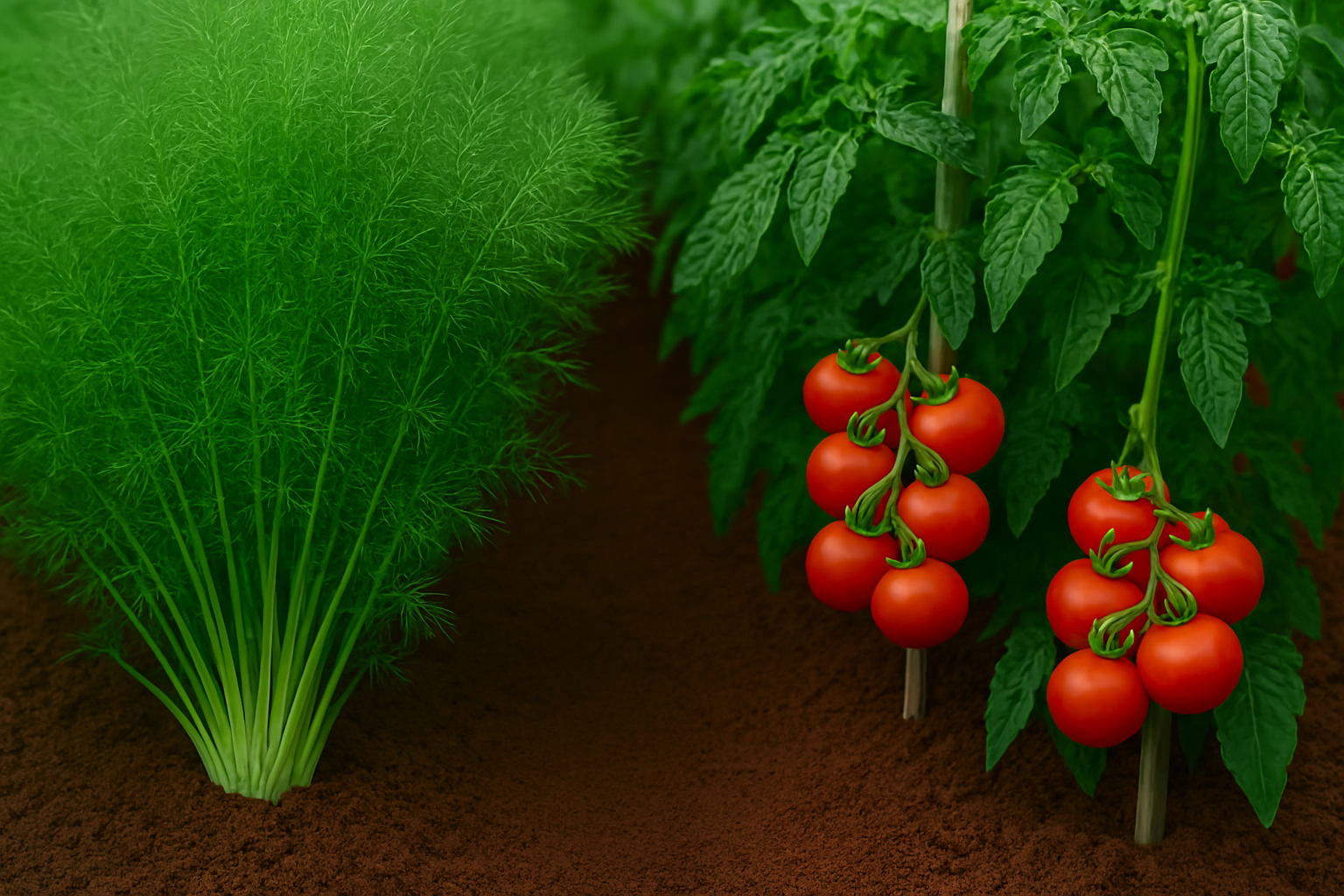
Some plants can harm tomatoes rather than help. Corn attracts tomato fruitworms, potatoes increase the risk of blight, and brassicas like cabbage compete for nutrients.
Fennel should be avoided entirely, as it inhibits tomato growth. These plants either share diseases with tomatoes or compete too aggressively for resources, making them poor companions.
Practical Companion Planting Tips
• Plant basil and marigolds directly alongside tomatoes for maximum protection.
• Use garlic, onions, or chives around the perimeter of tomato beds.
• Place nasturtiums a short distance away to lure pests away from tomatoes.
• Rotate crops yearly to prevent soil-borne diseases.
• Mix in pollinator-friendly plants like borage and parsley to boost yield.
• Use containers for invasive plants like mint to control their spread.
• Combine companions strategically to create layers of protection and support.
Expanding the Benefits of Companion Planting
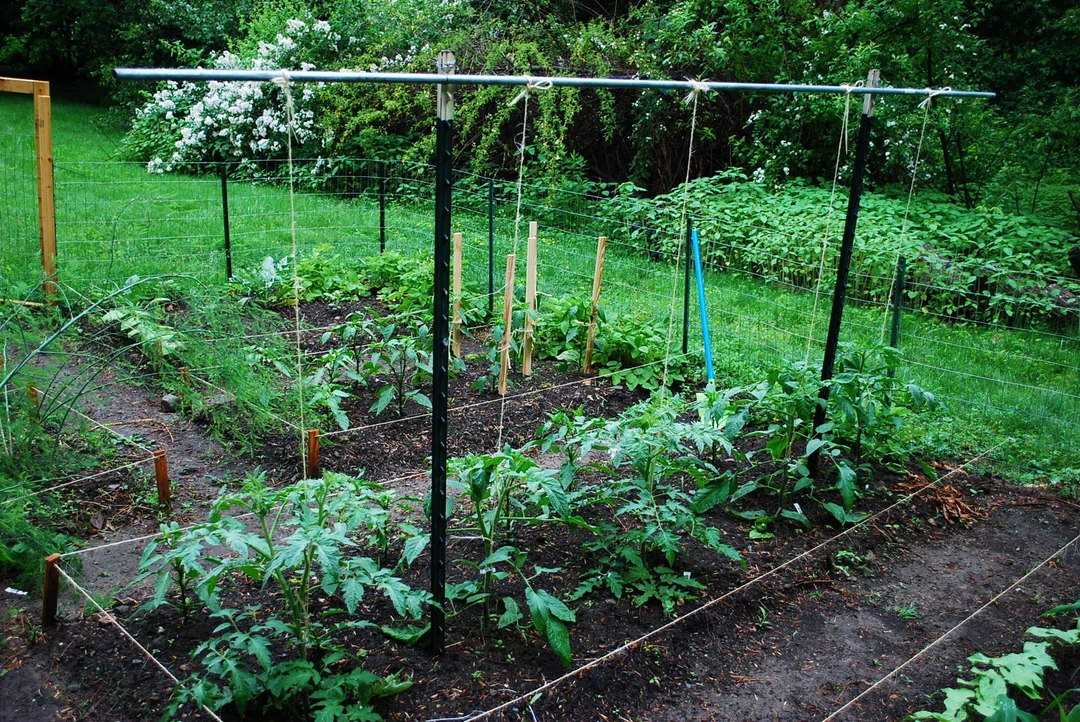
Beyond pest control, companion planting offers a wealth of ecological and practical advantages that transform your garden into a thriving, self-sustaining ecosystem.
1. Biodiversity and Ecosystem Resilience
By integrating a variety of plants, you increase biodiversity, which strengthens the garden’s natural defenses. A diverse plant community attracts a broader range of beneficial insects—like bees, butterflies, ladybugs, and hoverflies—that help pollinate crops and prey on pests. This diversity also discourages monoculture vulnerabilities, making your garden more resilient to disease outbreaks and pest infestations.
2. Soil Health and Fertility
Certain companion plants, such as legumes, fix nitrogen in the soil, enriching it for heavy feeders like tomatoes. Others, like borage and comfrey, draw up minerals from deep within the soil and deposit them near the surface through leaf litter. Deep-rooted companions like carrots and daikon radishes help break up compacted soil, improving aeration and water infiltration.
3. Moisture Conservation and Erosion Control
Low-growing companions like nasturtiums and oregano act as living mulch, shading the soil and reducing evaporation. Their dense foliage also helps prevent erosion by shielding the soil from heavy rain and wind. This natural ground cover keeps the root zones of tomatoes cooler and more hydrated, especially during hot summer months.
4. Weed Suppression
Companion plants with broad leaves or dense growth habits can suppress weeds by blocking sunlight and occupying space that weeds would otherwise exploit. This reduces the need for manual weeding or herbicides, making your garden more manageable and eco-friendly.
5. Flavor Enhancement and Growth Support
Some companions, like basil, are believed to enhance the flavor of tomatoes when grown nearby. Others, like marigolds, may stimulate growth through allelopathic effects or by improving pollination rates. The presence of supportive plants can lead to healthier, more productive tomato crops with richer taste and texture.
6. Visual Appeal and Garden Harmony
Companion planting isn’t just functional—it’s beautiful. The mix of colors, textures, and heights creates a visually pleasing garden that feels alive and balanced. Flowers like marigolds and nasturtiums add vibrant splashes of color, while herbs like basil and chives bring lush greenery and fragrance.
By thoughtfully combining plants that support one another, you create a garden that thrives naturally—less reliant on chemicals, more resilient to stress, and more rewarding to tend. Companion planting turns your tomato bed into a dynamic, interconnected system where every plant plays a role in nurturing the whole.
Wrapping Up
Companion planting is a natural, eco-friendly way to protect tomatoes from pests while enhancing their growth and flavor. By surrounding tomato plants with allies like basil, marigolds, garlic, and nasturtiums, you create a healthier garden ecosystem that reduces reliance on chemical sprays.
With the right companions, your tomato plants can thrive season after season, producing a bountiful harvest. This method not only keeps bugs away but also enriches the soil, attracts pollinators, and ensures your garden remains vibrant and sustainable.
Leave a Reply