Tomatoes are a staple in cuisines worldwide, but not all tomatoes are red. Among the rainbow of tomato varieties, orange tomatoes shine with their vibrant color, sweet flavor, and unique nutritional profile.
They are more than just a visual delight – they represent a fascinating blend of tradition, health benefits, and culinary versatility. This article explores what orange tomatoes are, their characteristics, varieties, health benefits, and practical ways to enjoy them.
What Are Orange Tomatoes
Table of Contents
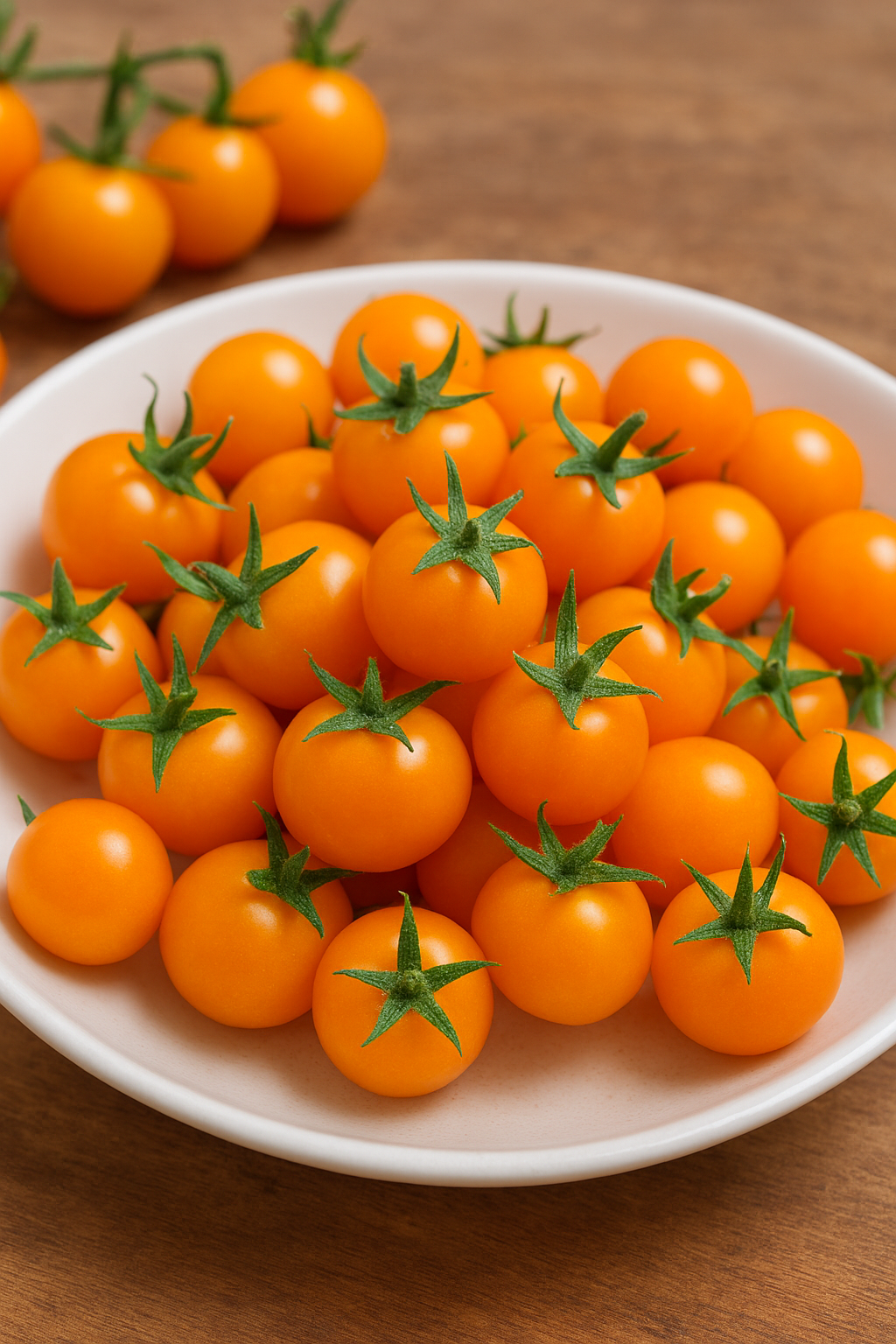
Before diving into their specifics, it’s important to understand what makes orange tomatoes distinct. Unlike red tomatoes, which owe their color to lycopene, orange tomatoes are rich in beta-carotene, the same pigment that gives carrots their orange hue. This difference not only changes their appearance but also alters their nutritional benefits and flavor profile – whether you roast, cook or, eat them raw.
Orange tomatoes are often described as sweeter and less acidic than their red counterparts, making them appealing to people who prefer milder flavors or have sensitive stomachs. They are available in heirloom, hybrid, and cherry forms, offering gardeners and cooks plenty of options.
Characteristics of Orange Tomatoes
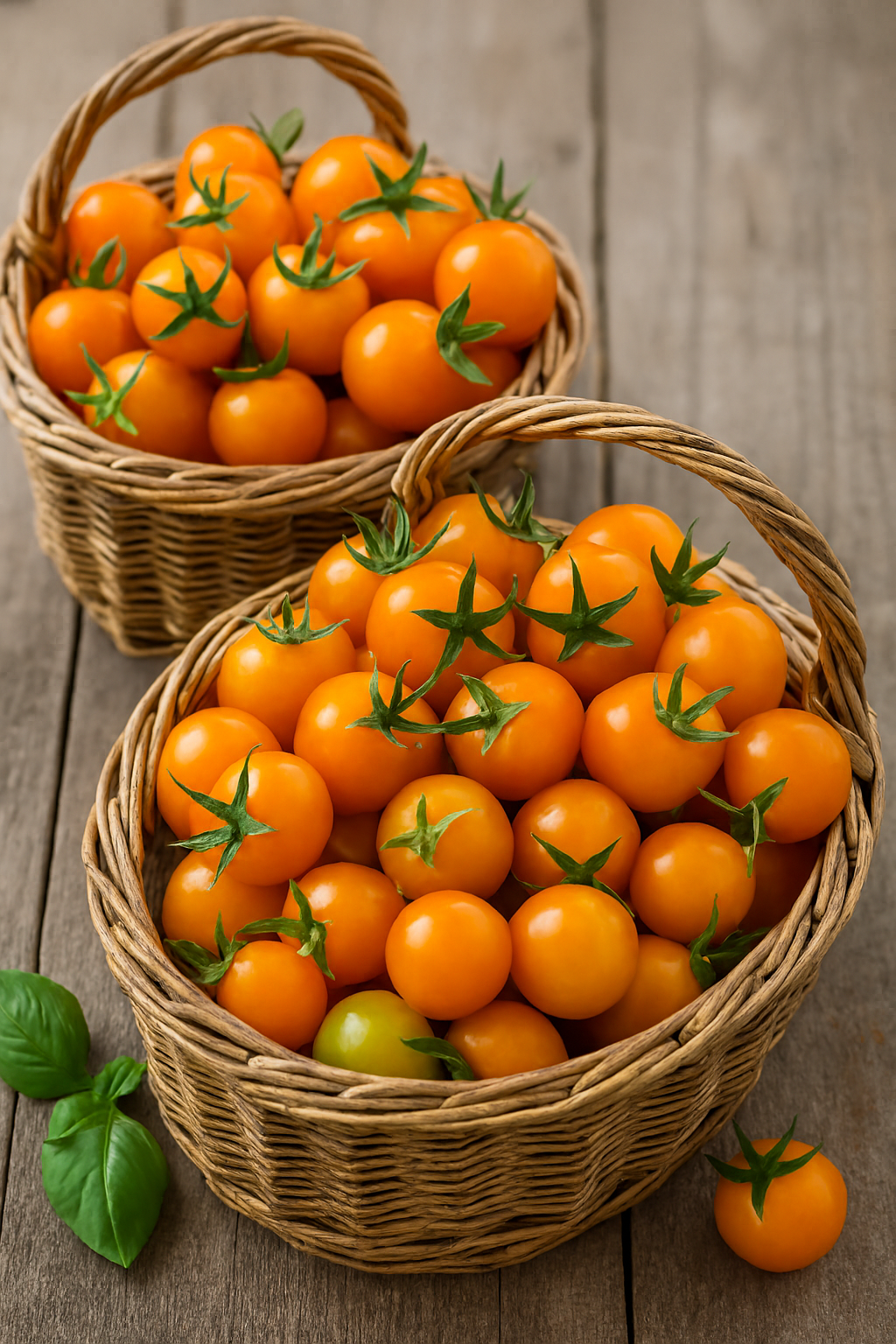
Understanding the physical and taste characteristics of orange tomatoes helps gardeners choose the right variety and cooks decide how best to use them.
Orange tomatoes typically have smooth, vibrant orange skin with matching flesh. Their flavor is sweet, fruity, and less tangy than red tomatoes, which makes them ideal for fresh eating. They are juicy yet firm, perfect for slicing or cooking.
Depending on the variety, they can grow as compact, bushy plants (determinate) or as vining plants that produce fruit throughout the season (indeterminate).
These tomatoes are:
• Bright orange color from beta-carotene.
• Sweet, mild flavor compared to red tomatoes.
• Juicy texture with firm flesh.
• Growth habits vary by variety.
Varieties of Orange Tomatoes
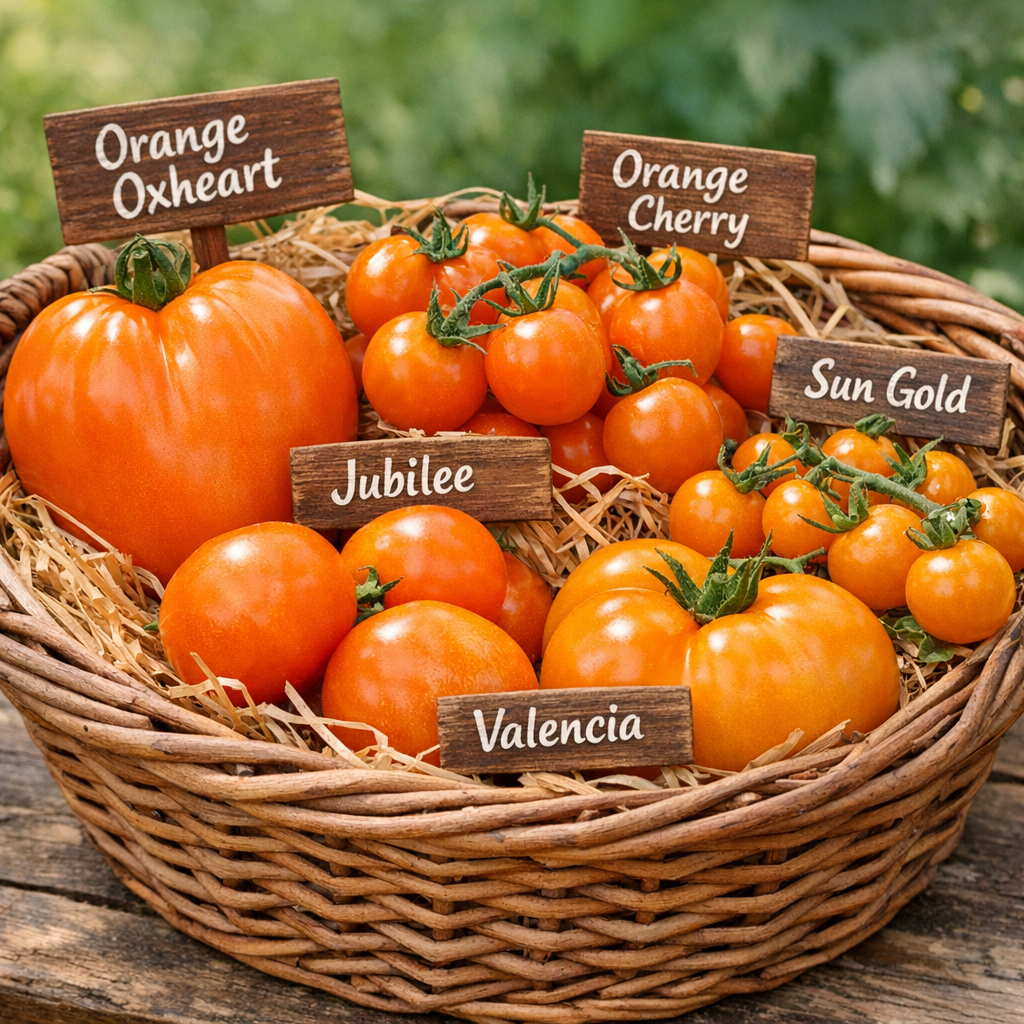
Orange tomatoes come in many forms, each with its own flavor and best use. Selecting the right variety depends on whether you want them for fresh eating, cooking, or preserving.
Some popular varieties include:
• Orange Oxheart – Large, heirloom tomato with a sweet, mild flavor, perfect for slicing.
• Orange Cherry – Small, juicy, and tangy, ideal for snacking or garnishing.
• Jubilee – A low-acid heirloom variety with a sweet taste, great for sauces and fresh eating.
• Valencia – Known for its rich, balanced flavor, excellent for juicing and cooking.
• Sun Gold – A hybrid cherry tomato famous for its candy-like sweetness, perfect for fresh eating or roasting.
Each variety offers something unique: Sun Gold is prized for its intense sweetness, while Valencia provides a balanced flavor that works beautifully in juices.
Health Benefits of Orange Tomatoes

The orange hue isn’t just cosmetic—it signals a different nutritional profile. Orange tomatoes are particularly rich in beta-carotene, which the body converts into vitamin A.
Health benefits include:
• Antioxidant Power – Beta-carotene and vitamin C help fight free radicals.
• Eye Health – Vitamin A supports vision and prevents night blindness.
• Immune Support – Strengthens the body’s defenses against infections.
• Digestive Friendliness – Lower acidity makes them easier to digest.
Interestingly, studies suggest that the beta-carotene in orange tomatoes may be more bioavailable than lycopene in red tomatoes, meaning the body absorbs it more efficiently.
Culinary Uses of Orange Tomatoes

Bringing Color to the Kitchen
Orange tomatoes are versatile in the kitchen, offering both aesthetic appeal and flavor. Their sweetness makes them suitable for dishes where red tomatoes might taste too sharp.
Ways to use them:
• Salads – Adds vibrant color and a mild sweetness.
• Sauces & Soups – Creates a golden-orange base with a mellow flavor.
• Juices & Smoothies – Naturally sweet and nutrient-packed.
• Roasting & Grilling – Enhances their sugars for a caramelized taste.
• Preserves – Can be made into orange tomato jam or chutney.
For example, a roasted orange tomato soup has a rich, golden color and a naturally sweet flavor that pairs beautifully with herbs like basil and thyme.
Growing Orange Tomatoes
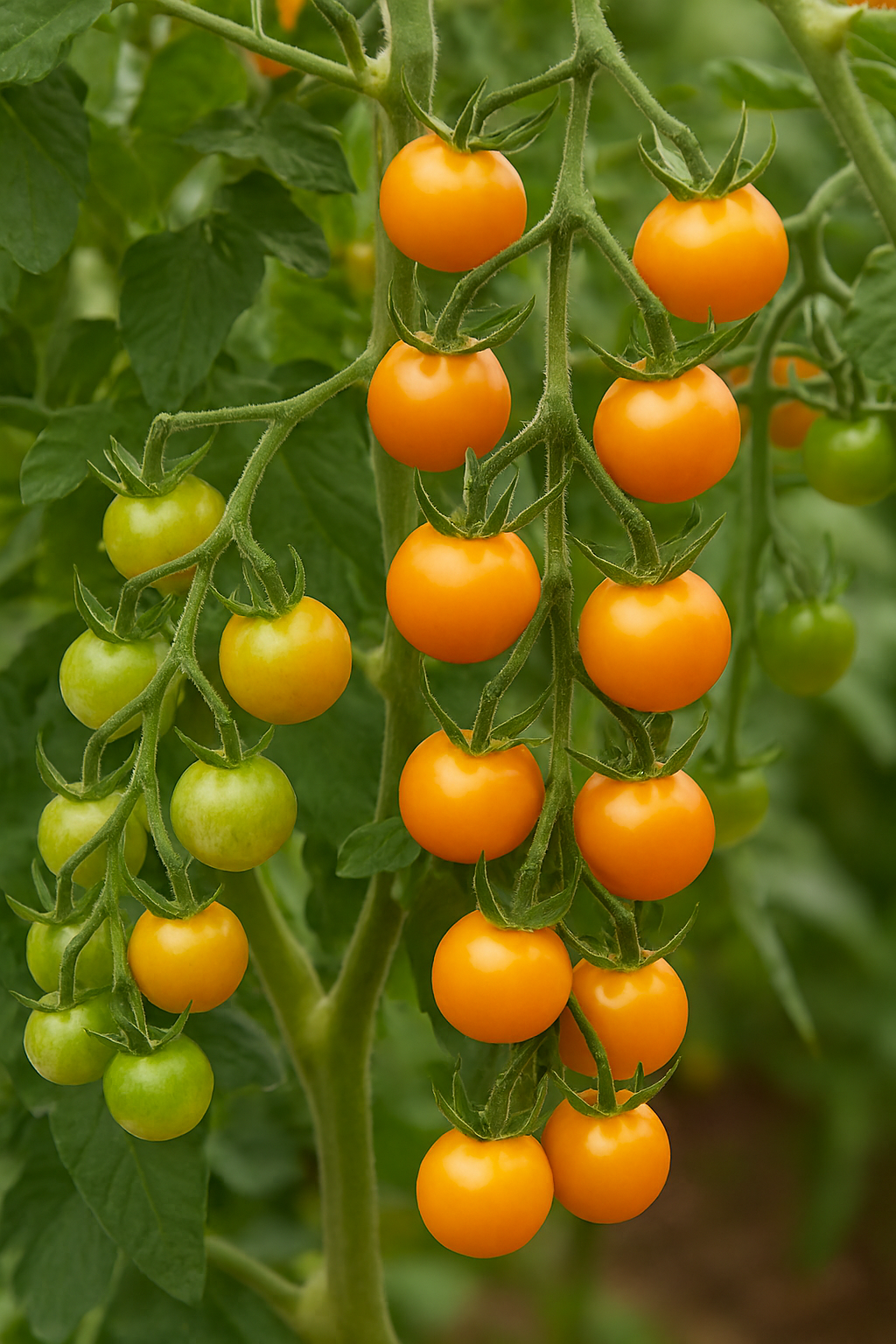
For gardeners, orange tomatoes are a rewarding crop. They thrive in similar conditions to red tomatoes but often produce fruit with a slightly different growth cycle.
Tips for growing:
• Soil Preparation – Use well-drained, nutrient-rich soil with compost.
• Sunlight – At least 6–8 hours of direct sunlight daily.
• Watering – Keep moisture consistent, avoiding waterlogging.
• Support – Indeterminate varieties need staking or cages.
• Pest Control -Watch for common tomato pests like aphids and hornworms.
In India, orange tomatoes grow well in warm climates, especially during the winter season when temperatures are moderate.
While orange tomatoes are delightful, there are a few considerations:
• Taste Difference – Sweeter but less tangy than red tomatoes—recipes may need adjustments.
• Availability – Not as widely available as red tomatoes, though specialty seed catalogs often carry them.
• Storage – Keep at room temperature until ripe; refrigeration can dull their flavor.
Wrapping Up
Orange tomatoes are more than just a colorful twist on a classic fruit. They combine beauty, flavor, and nutrition in a way that makes them stand out in both gardens and kitchens.
Their high beta-carotene content, sweet taste, and versatility make them a valuable addition to any diet. Whether you’re slicing them into a salad, roasting them for soup, or growing them in your backyard, orange tomatoes bring a burst of sunshine to your plate.
Leave a Reply