Roasting tomatoes on the stovetop is more than just a cooking technique—it’s a way to transform a humble ingredient into something rich, sweet, and deeply flavorful. Unlike oven roasting, which requires preheating and longer cooking times, stovetop roasting offers immediacy and control. Besides just roasting tomatoes on a stove-top you can roast them on an air fryer or directly roast them on fire.
This method is perfect for home cooks who want to elevate everyday meals without fuss. It’s also a versatile approach—you can roast a handful of cherry tomatoes for a quick pasta topping, or caramelize thick slices of Roma tomatoes to layer into sandwiches. By understanding not only what to do but why each step matters, you’ll gain confidence in the kitchen and unlock new ways to use this simple ingredient.
Choosing the Right Tomatoes
Table of Contents
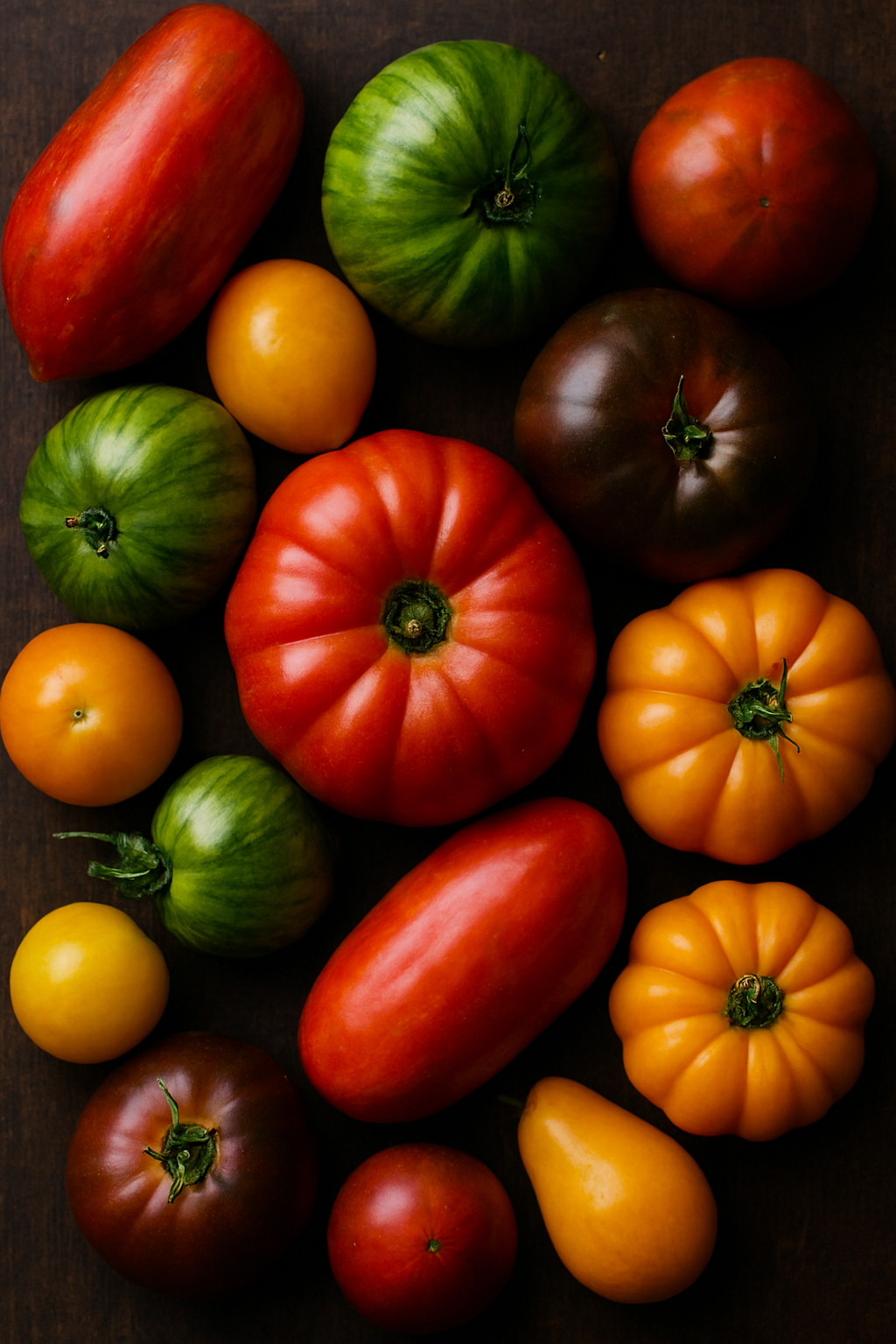
The journey begins with selection. Tomatoes vary widely in texture, sweetness, and water content, and these differences directly affect how they roast. Picking the right type ensures your dish turns out balanced and delicious.
Plum/Roma tomatoes – Dense flesh, minimal seeds, and low moisture make them ideal for sauces and roasting.
Cherry tomatoes – Naturally sweet and quick to roast, perfect for salads or bruschetta.
Heirloom tomatoes – Complex flavors but softer texture—best for rustic dishes where presentation isn’t the priority.
Why Stovetop Roasting Matters
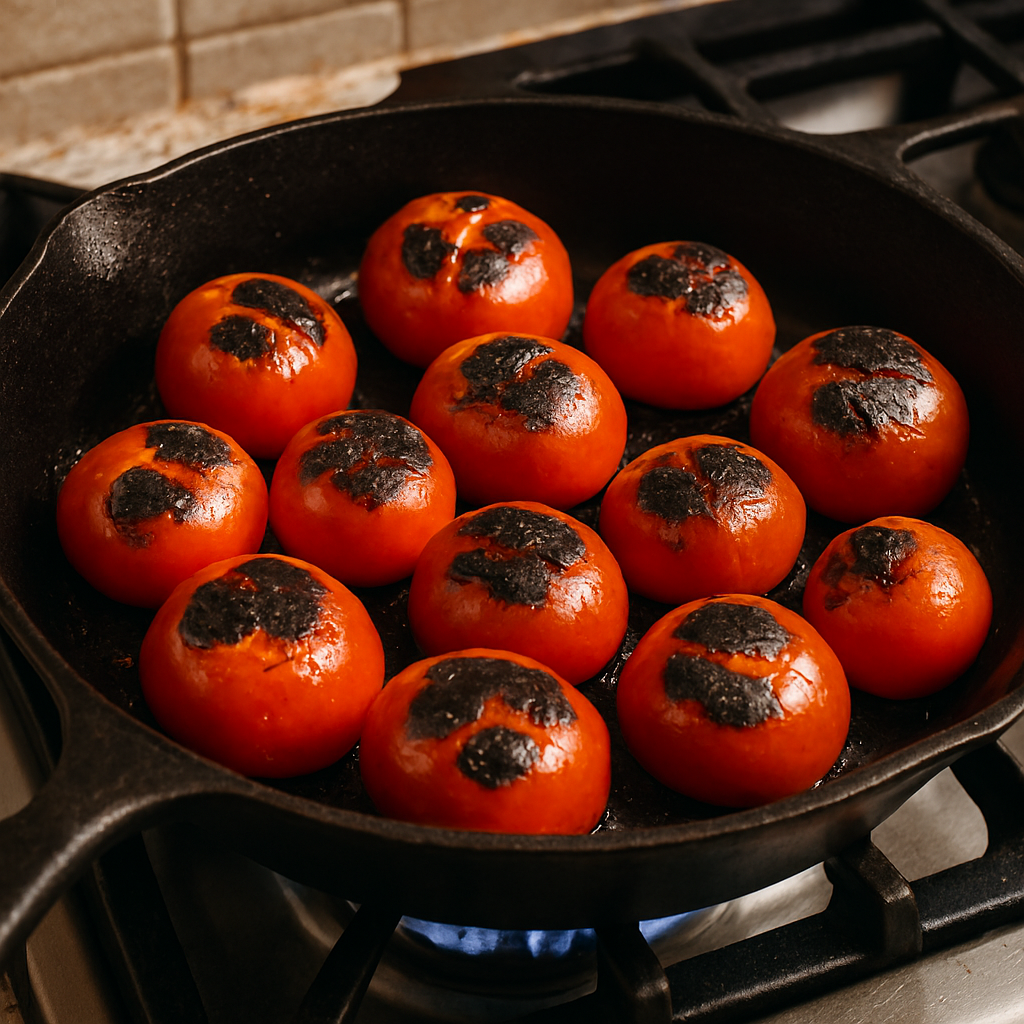
Before diving into the steps, it’s worth appreciating why stovetop roasting is special:
Speed & convenience – No oven required, making it ideal for small kitchens or quick meals.
Flavor concentration – Heat draws out moisture, intensifying sweetness and reducing acidity.
Control – You can adjust flame, timing, and seasoning in real time.
Versatility – Works for sauces, soups, bruschetta, or as a side dish.
Preparing the Tomatoes
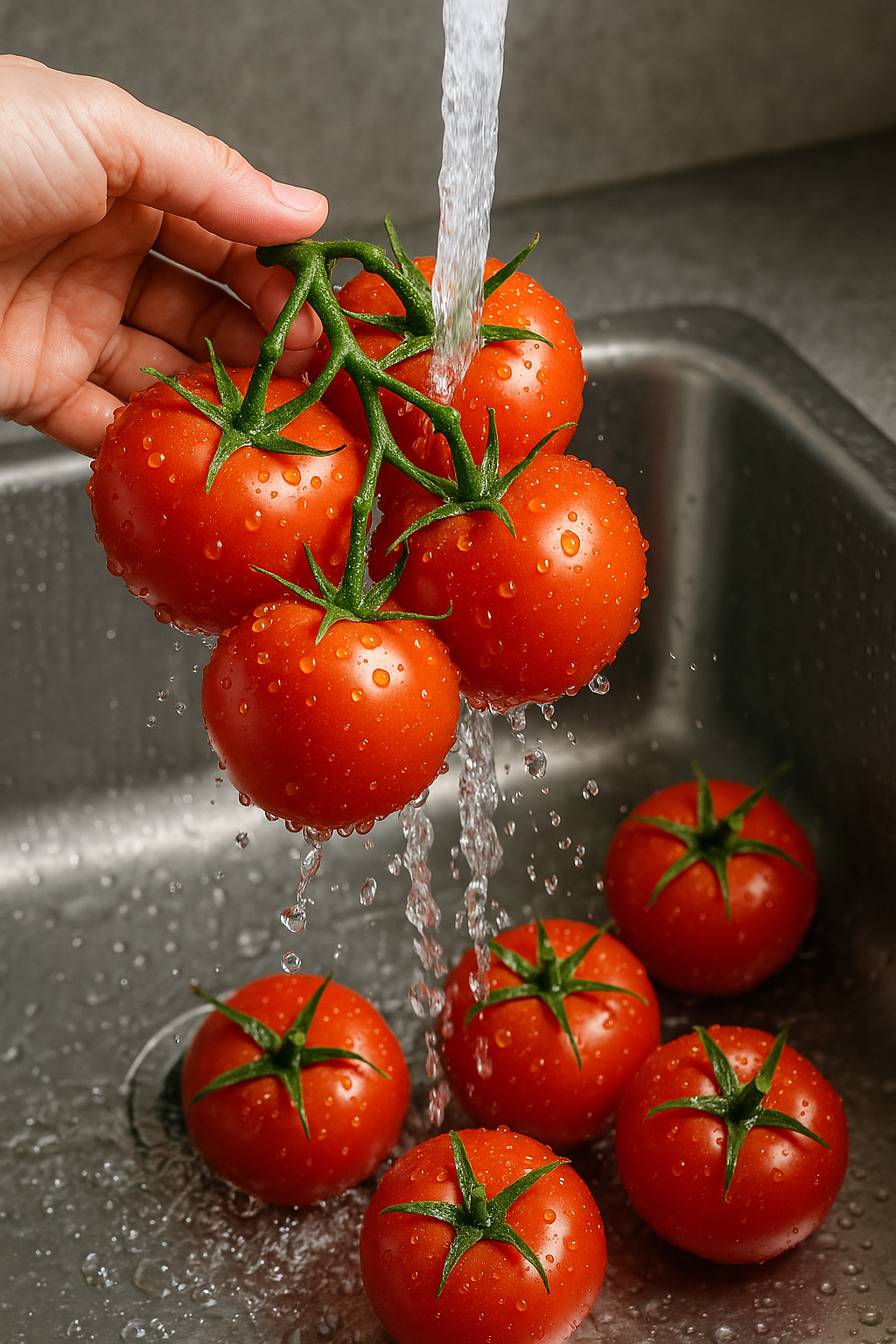
Preparation is about setting the stage for caramelization. By slicing and seasoning correctly, you help the tomatoes release their natural sugars while avoiding excess moisture.
- Wash and dry thoroughly to remove dirt and pesticides.
- Slice into thick rounds (about ½ inch) to prevent collapse during roasting.
- Optionally remove seeds for a firmer, less watery result.
- Season lightly with salt, pepper, and herbs to enhance natural flavor.
Setting Up Your Pan
The pan is your canvas. The choice of skillet and oil determines whether your tomatoes roast evenly or stick and burn. Heat management is crucial here.
Use a cast-iron skillet for deep, smoky flavor or a non-stick pan for easy cleanup.
Heat over medium-high flame to encourage caramelization without scorching.
Add a drizzle of olive oil—it prevents sticking and adds richness.
Roasting the Tomatoes On the Stove
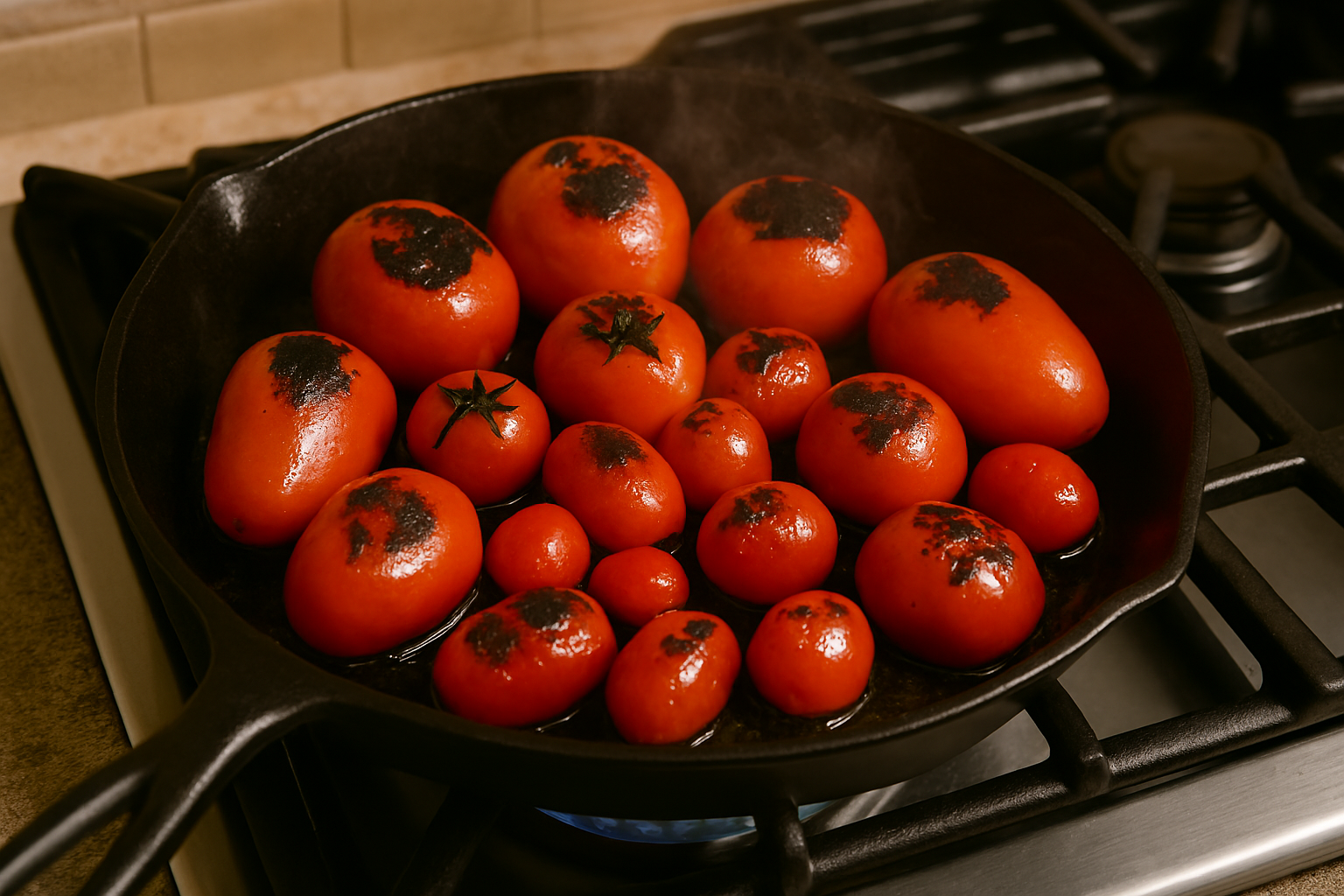
This is the heart of the process. Roasting is about patience—letting the tomatoes sit undisturbed so they caramelize and develop depth.
Place slices in a single layer to ensure even cooking.
Cook for 5–7 minutes without moving them. This allows sugars to caramelize.
Flip gently with a spatula to avoid breaking them.
Roast another 3–5 minutes until softened and slightly charred.
Remove from heat and let rest briefly before serving.
Enhancing Flavor While Roasting Tomatoes
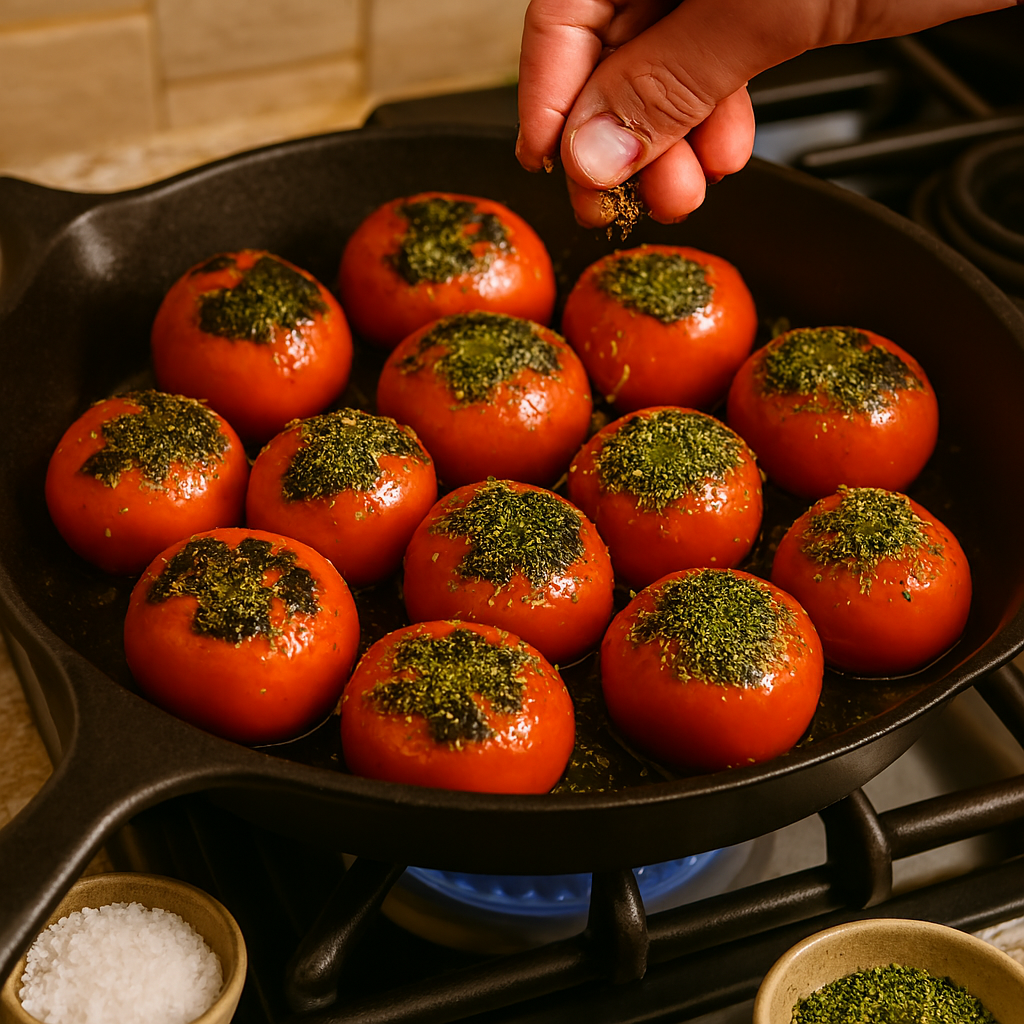
Roasted tomatoes are delicious on their own, but pairing them with complementary flavors elevates them into something extraordinary.
Roast garlic cloves alongside for a savory kick.
Sprinkle fresh herbs like basil, thyme, or oregano for fragrance.
Add spices such as chili flakes or smoked paprika for heat.
Finish with a drizzle of balsamic glaze for tangy sweetness.
Serving Ideas of Roasted Tomatoes
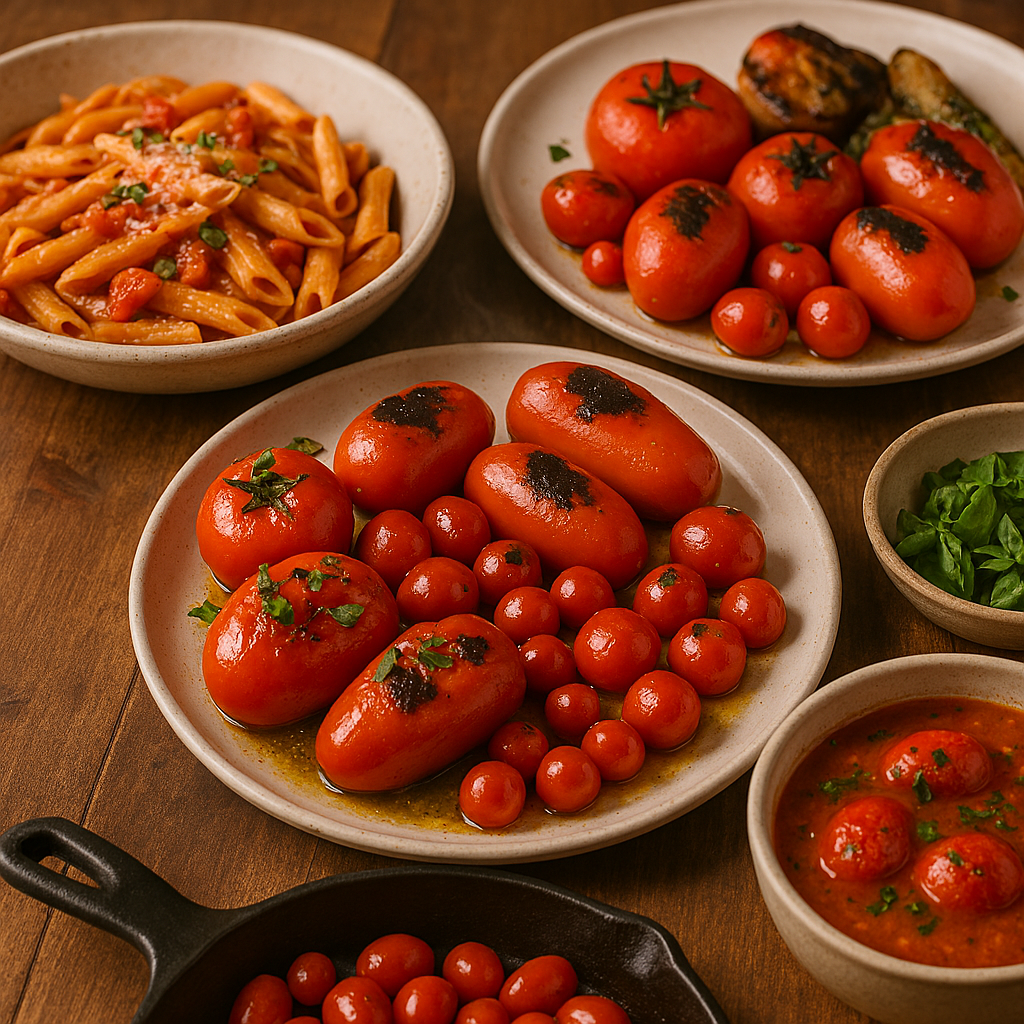
Once roasted, tomatoes become incredibly versatile. They can be the star of a dish or a subtle flavor enhancer.
- Spread on bruschetta with olive oil and basil.
- Blend into a quick pasta sauce with garlic and parmesan.
- Add to soups for depth and richness.
- Serve as a side dish with grilled meats, fish, or roasted vegetables.
Storing Roasted Tomatoes
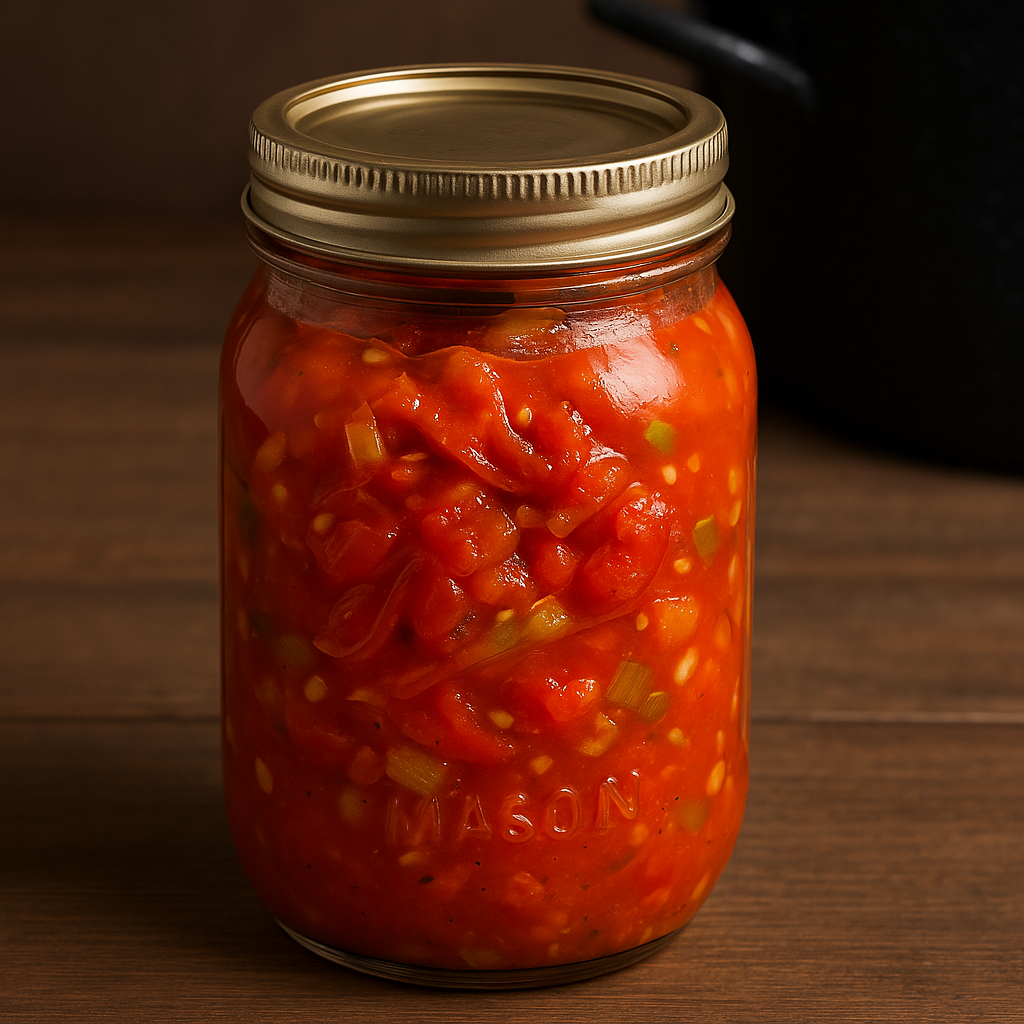
Roasting a batch of tomatoes ahead of time can save you effort during busy days. Proper storage ensures they retain flavor and texture.
Store in an airtight container in the refrigerator for up to 5 days.
Freeze in small portions for up to 3 months—perfect for sauces.
Preserve in olive oil for a gourmet touch that lasts longer.
Wrapping Up
Roasting tomatoes on the stove is a simple yet transformative technique. With the right preparation, patience, and flavor pairings, you can turn ordinary tomatoes into a gourmet ingredient that enhances any meal.
Whether you’re making a rustic pasta sauce, topping bruschetta, or adding depth to soups, stovetop-roasted tomatoes deliver a burst of sweetness and complexity in minutes.
Leave a Reply