Tomatoes are already one of the most versatile ingredients in the kitchen, but when kissed by smoke, they transform into something extraordinary.
Smoking tomatoes is not just a cooking technique—it’s a way of layering flavor, concentrating sweetness, and creating a gourmet ingredient that elevates everyday dishes. Think of it as unlocking a hidden dimension in the tomato’s personality: bold, savory, and irresistibly complex.
Why Smoke Tomatoes?
Table of Contents
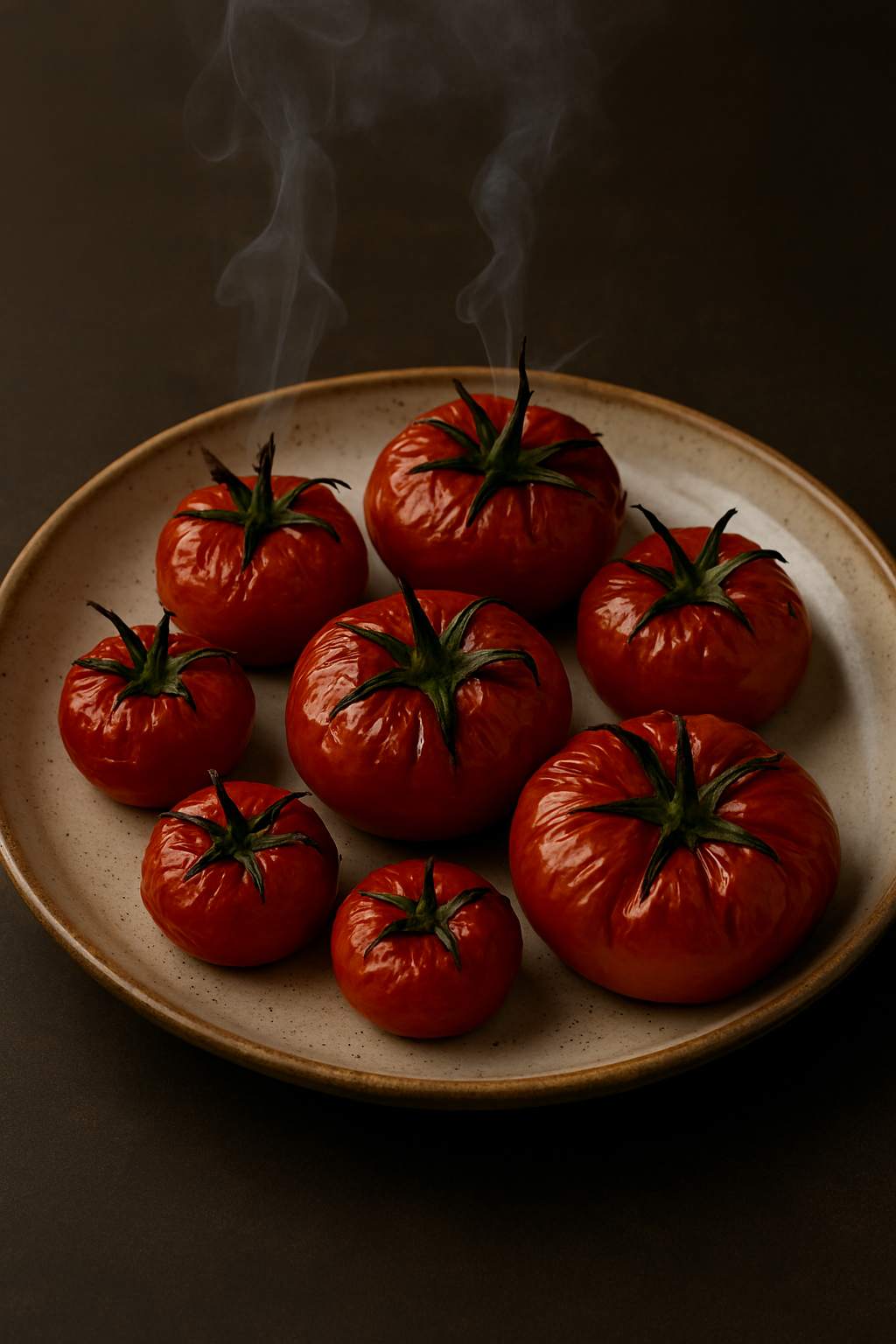
Every culinary tradition has its secrets, and smoking is one of the oldest. Long before refrigeration, smoke was used to preserve food.
Today, it’s celebrated for the way it deepens flavor. Smoking tomatoes is about more than taste—it’s about culinary storytelling.
Flavor Alchemy: Smoke interacts with tomato sugars, creating a balance of sweet, tangy, and earthy notes.
Texture Transformation: Gentle heat reduces water, leaving a firmer, meatier bite.
Versatility: Smoked tomatoes can star in sauces, soups, salads, or even as a standalone appetizer.
Preservation: Smoking partially dries tomatoes, extending their shelf life when stored properly.
Imagine a simple pasta sauce—now imagine it with smoked tomatoes. Suddenly, it’s rustic, layered, and restaurant-worthy.
Choosing the Right Tomatoes
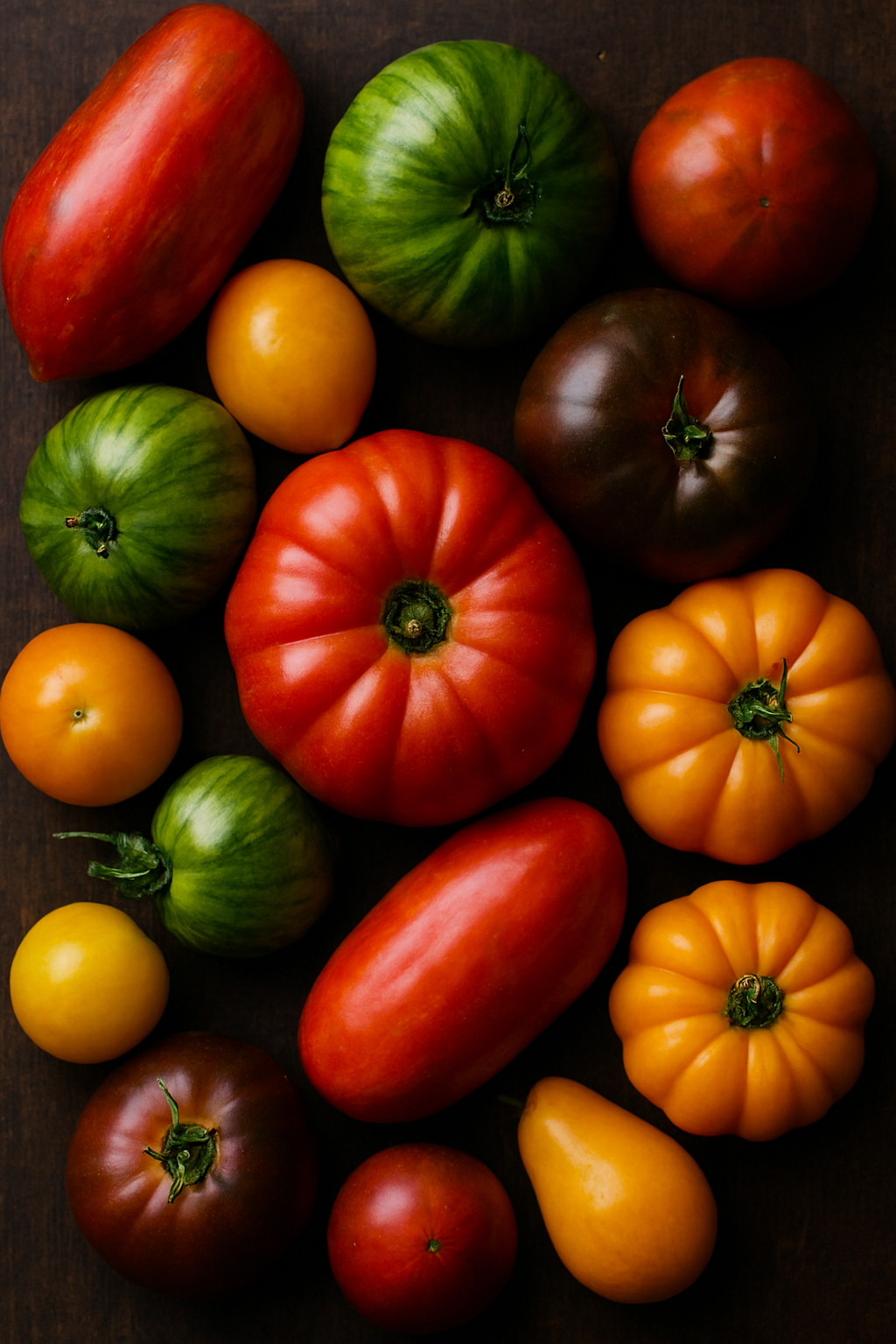
The tomato you choose is the canvas for your smoky masterpiece. Each variety brings its own character to the process.
Roma/Plum Tomatoes: Firm, low in water, perfect for sauces and storage. Their dense flesh absorbs smoke beautifully.
Cherry Tomatoes: Quick to smoke, bursting with sweetness, ideal for salads or snacking. They’re like smoky jewels on a plate.
Beefsteak Tomatoes: Large and juicy, best for short smoking sessions and immediate use. Their size makes them dramatic but less suited for long storage.
Always choose ripe but firm tomatoes. Overripe ones collapse too quickly, losing their structure under smoke.
Equipment & Wood Selection For Smoking Tomatoes
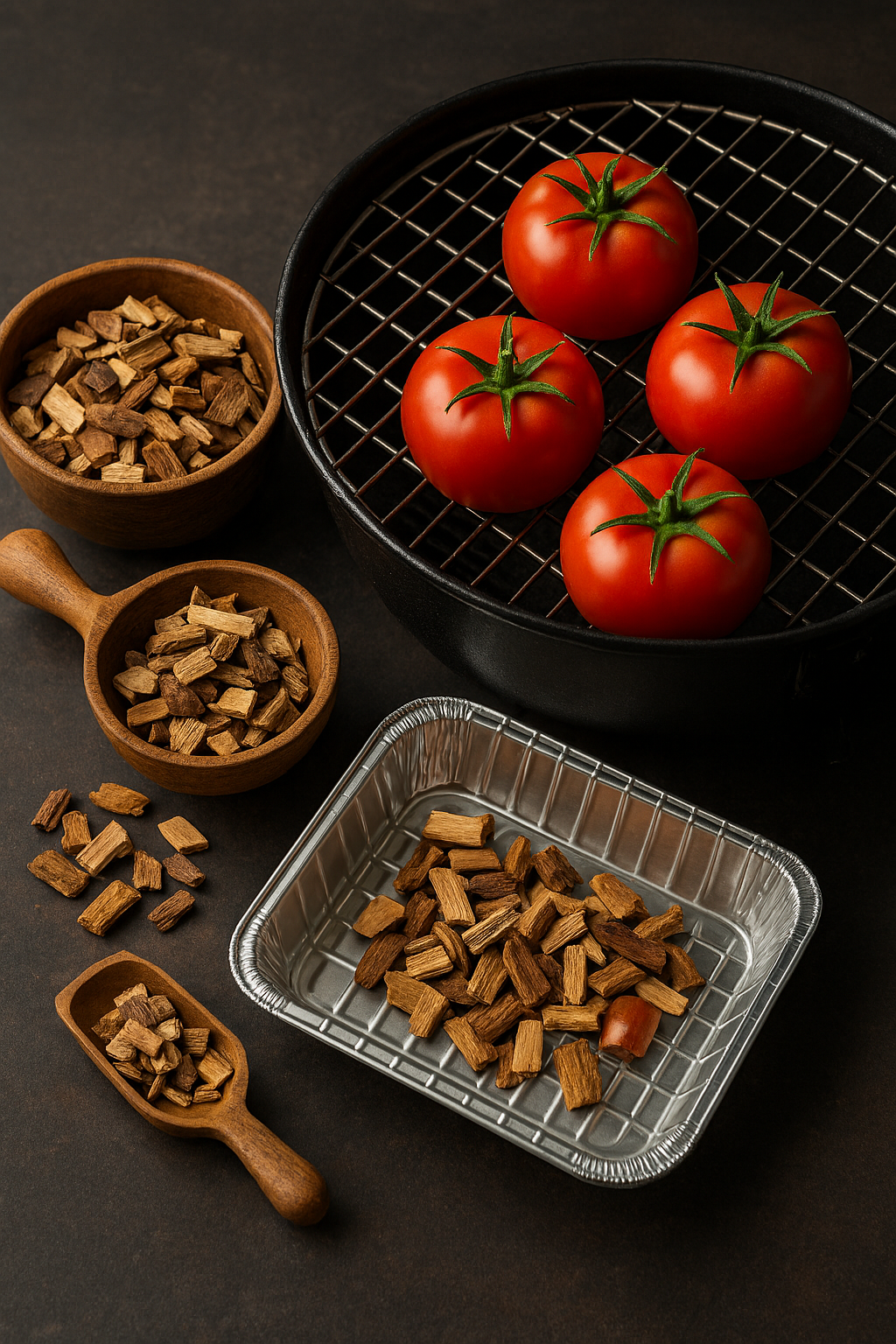
Smoking is as much about the wood as it is about the tomato. The choice of fuel defines the flavor profile, much like choosing spices in a dish.
Smoker or Grill: Any smoker works; a lidded charcoal or gas grill can be adapted.
Wood Chips
- Applewood or Cherry: Mild, sweet smoke—great for delicate dishes.
- Hickory or Oak: Stronger, robust smoke—ideal for hearty sauces.
Accessories: Drip pan, wire rack, and a tray to hold tomatoes.
Think of wood as your spice rack. Just as basil changes a sauce, applewood changes the smoke.
Preparation For Smoking Tomatoes
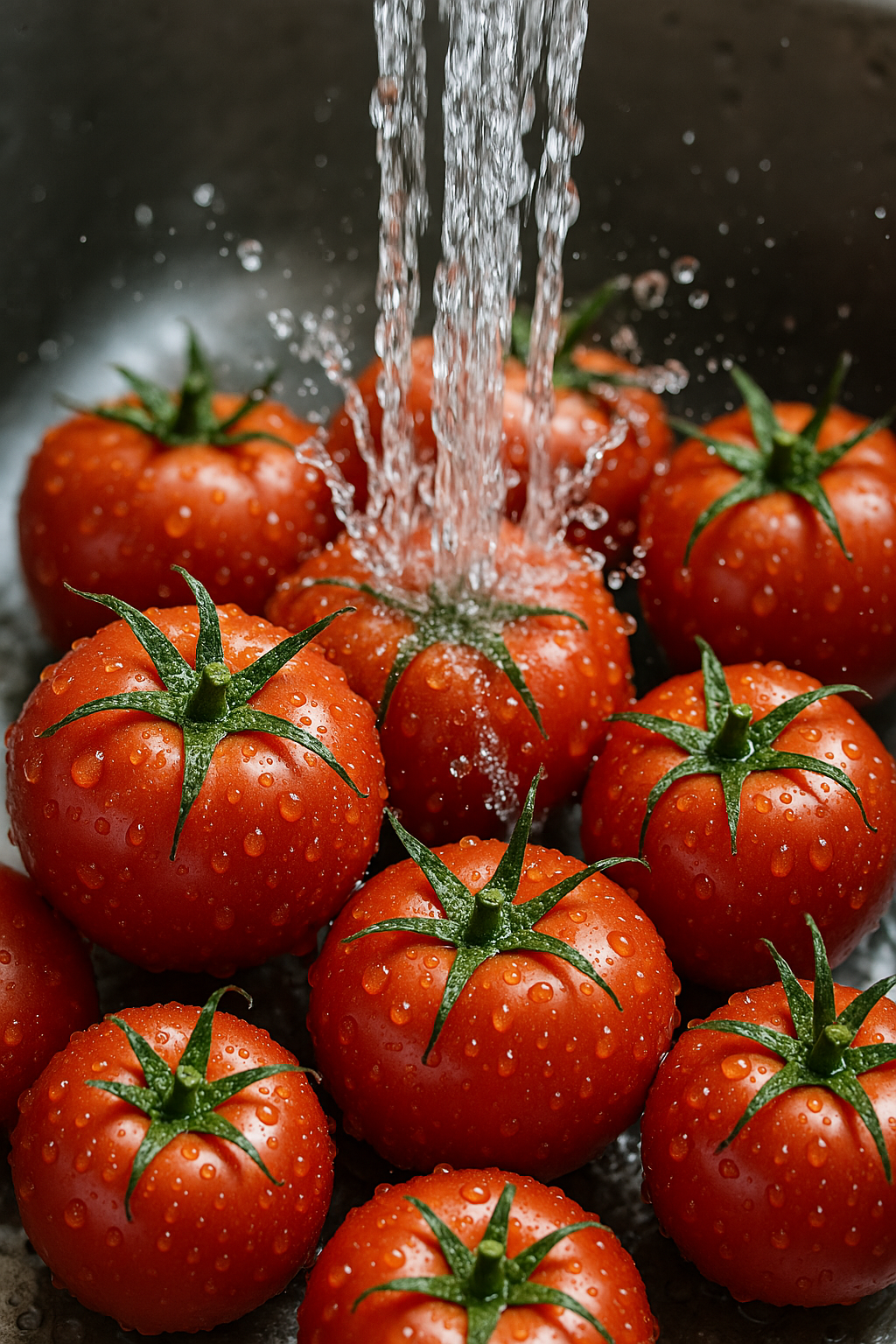
Preparation is where you infuse personality into your tomatoes. This step is about more than cutting and seasoning—it’s about setting the tone for the flavor journey.
– Wash & Dry: Clean thoroughly to remove dirt and wax.
– Cut: Halve or quarter large tomatoes; leave cherry tomatoes whole.
– Season: Brush with olive oil, sprinkle salt, pepper, garlic powder, or herbs.
– Optional: Remove seeds/pulp for a drier, more concentrated flavor.
Editorial Insight: A drizzle of balsamic vinegar before smoking adds a tangy-sweet complexity, almost like a secret ingredient.
Smoking Process
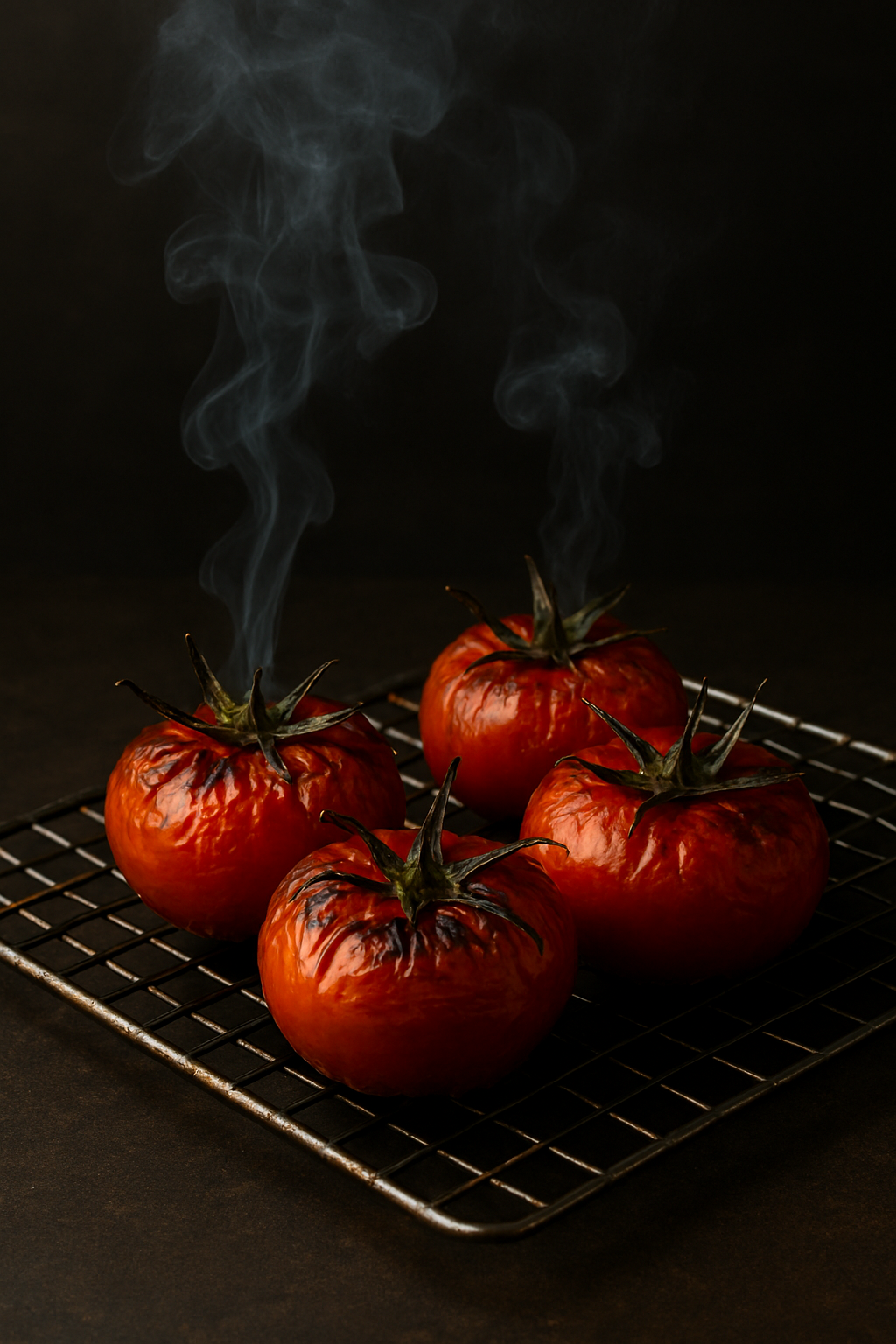
This is where the magic happens. Smoking is not about speed—it’s about patience, about letting time and smoke do their quiet work.
– Preheat Smoker/Grill: Aim for 180–225°F (80–110°C).
– Add Wood Chips: Place soaked chips on coals or in a smoker box.
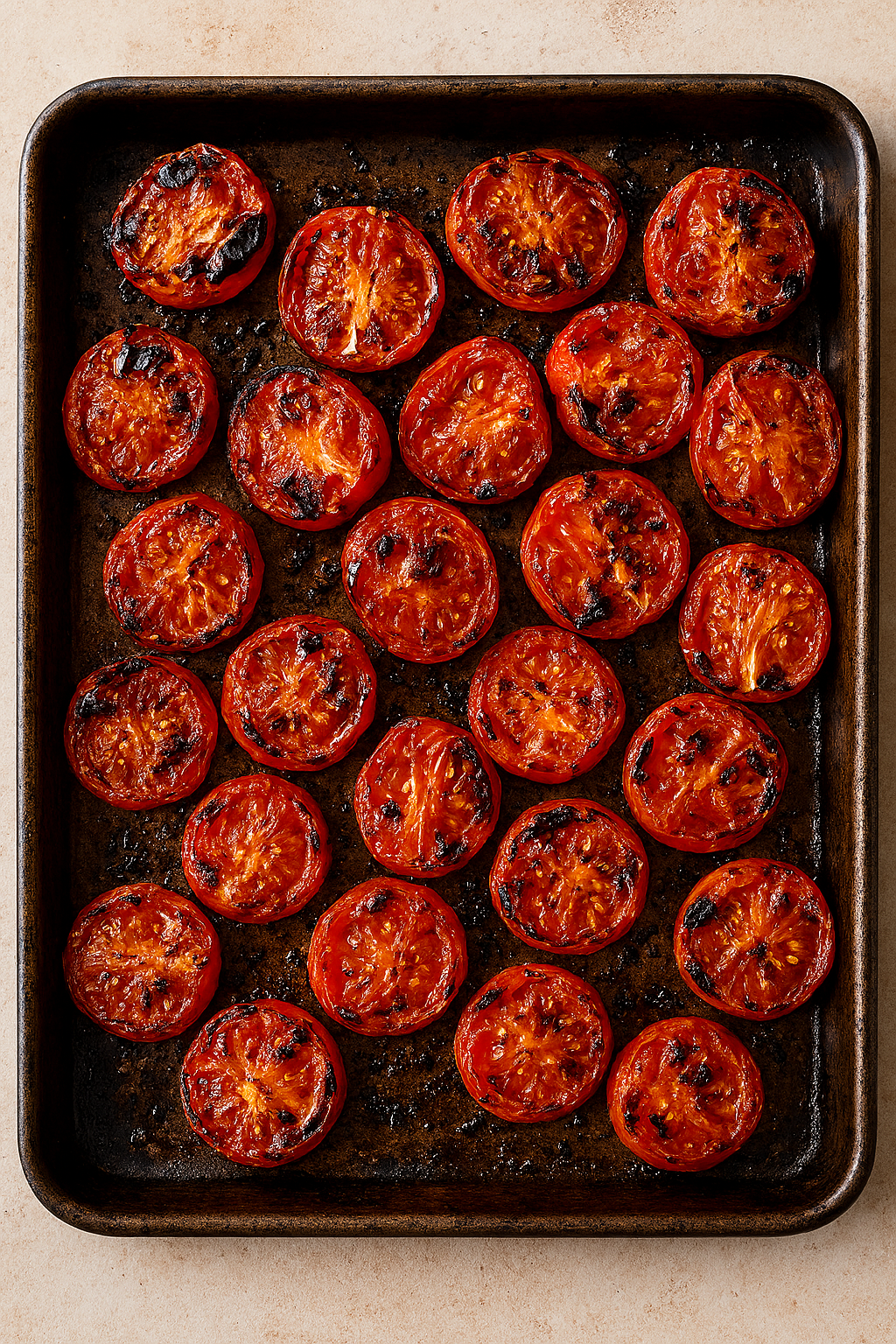
– Arrange Tomatoes: Cut-side up on a tray or rack.
– Smoke Duration:
- Cherry tomatoes: 45–60 minutes
- Roma tomatoes: 1–2 hours
- Beefsteak: 2+ hours
– Check Progress: Tomatoes should soften, edges curl, and juices bubble slightly.
The longer the smoke, the deeper the flavor. Short sessions yield juicy, lightly smoky tomatoes; longer ones create concentrated, almost sun-dried intensity.
Serving & Storage of Smoked Tomatoes

Smoked tomatoes are versatile—here’s how to use them:
– Immediate Use: Toss into salads, pasta, or sandwiches.
– Sauces & Soups: Blend into smoky marinara, chili, or tomato bisque.
– Preservation:
- Refrigerate in airtight containers for up to 5 days.
- Freeze for up to 6 months.
- Store in olive oil for a gourmet pantry staple.
Smoked tomatoes stored in olive oil become a luxurious base for dressings and marinades.
Pitfalls to Avoid
Even simple techniques have traps.
– Too Hot: High heat cooks tomatoes too fast, making them mushy.
– Wrong Wood: Strong woods like mesquite can overpower delicate tomato flavor.
– Overcrowding: Leave space for smoke circulation.
Quick Comparison Table
When it comes to smoking tomatoes, not all varieties behave the same way. Each type brings its own texture, sweetness, and ability to absorb smoky flavor.
Understanding these differences helps you choose the right tomato for your recipe—whether you want a quick, lightly smoky bite for salads or a deeply concentrated base for sauces. The table below breaks down the smoking times, flavor profiles, and best uses for the most common tomato types.
| Tomato Type | Smoking Time | Flavor Profile | Best Use |
| Cherry | 45–60 min | Sweet, lightly smoky | Pasta, salads |
| Roma | 1–2 hrs | Balanced, concentrated | Sauces, storage |
| Beefsteak | 2+ hrs | Deep, robust | Soups, immediate dishes |
Wrapping Up
Smoking tomatoes is more than a recipe—it’s a ritual. It’s about slowing down, letting flavor evolve, and creating something that feels both rustic and refined. With just a smoker, some wood chips, and fresh tomatoes, you can elevate everyday dishes into gourmet creations.
Experiment with different woods, herbs, and smoking times to discover your signature flavor. Once you’ve mastered smoked tomatoes, you’ll never look at a simple pasta sauce—or even a humble sandwich—the same way again.
Leave a Reply