Salsa is one of the most beloved condiments in the world. It’s versatile, vibrant, and deeply rooted in culinary traditions across Latin America.
Whether you’re spooning it over tacos, dipping tortilla chips, or serving it alongside grilled meats, salsa brings freshness and fire to the table. But here’s the truth – the tomato you choose will make or break your salsa.
Here’s a guide that dives into the best tomato varieties for salsa, explores how they perform in different methods – fresh, cooked, roasted, and offers practical tips to help you master the art of salsa-making.
Fresh Salsa (Pico de Gallo)
Table of Contents
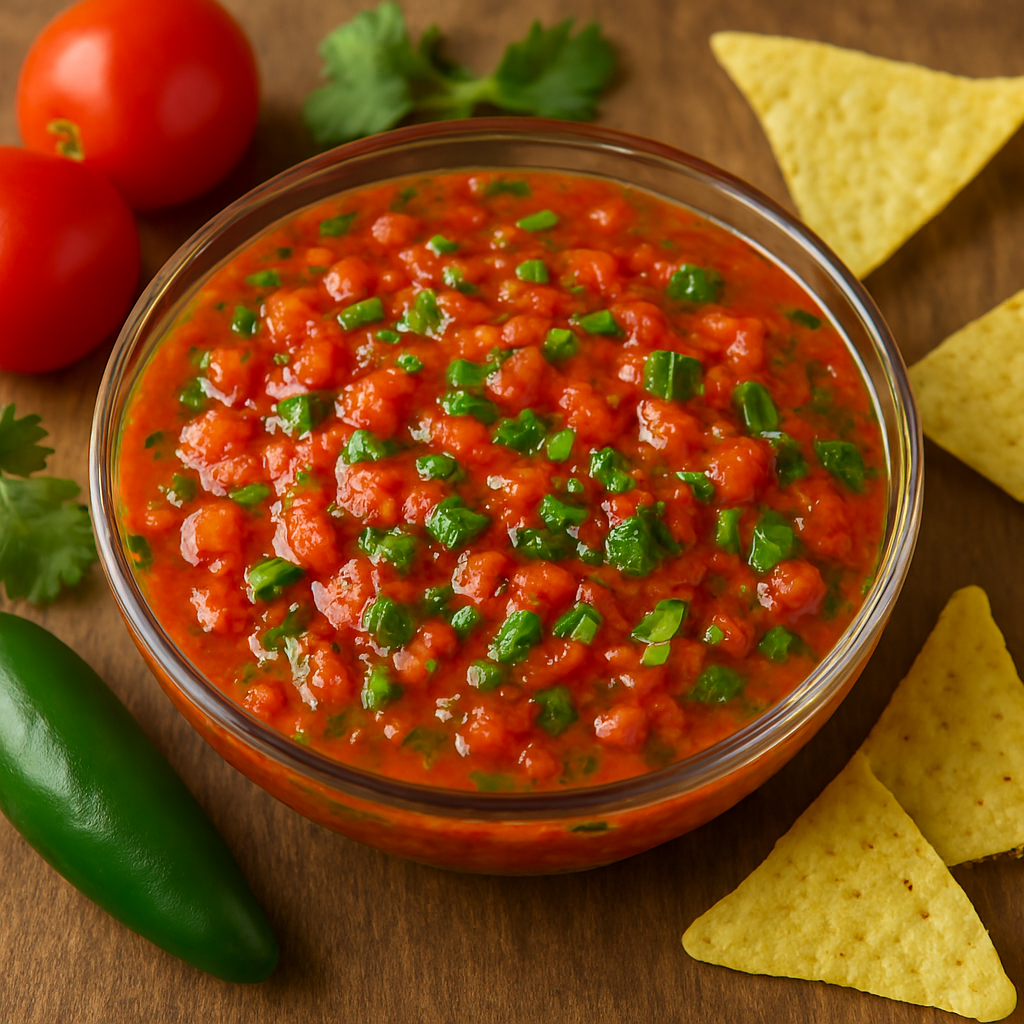
Fresh salsa, often called pico de gallo, is all about crispness and brightness. The tomatoes here need to hold their shape after chopping, resist turning watery, and balance sweetness with acidity.
Roma Tomatoes are the undisputed champions of fresh salsa. Their thick flesh and low water content make them ideal for dicing into neat cubes.
They don’t collapse under the weight of lime juice or the crunch of onions, and their flavor is balanced enough to let cilantro and jalapeños shine.
Amish Paste Tomatoes are another excellent choice. They’re heirloom tomatoes with a slightly sweeter profile and a meatier texture. This makes them perfect for those who prefer a chunkier salsa with a touch of natural sweetness.
Juliet and Cherry Tomatoes add bursts of tangy brightness. While they’re smaller and juicier, when mixed with Roma or Amish Paste, they create a layered flavor profile.
Imagine biting into salsa where most of the tomato pieces are firm and meaty, but every so often you get a pop of tang—that’s the magic of combining varieties.
When making fresh salsa, think of it as a balancing act: sturdy tomatoes for structure, and a few tangy ones for excitement.
Cooked Salsa
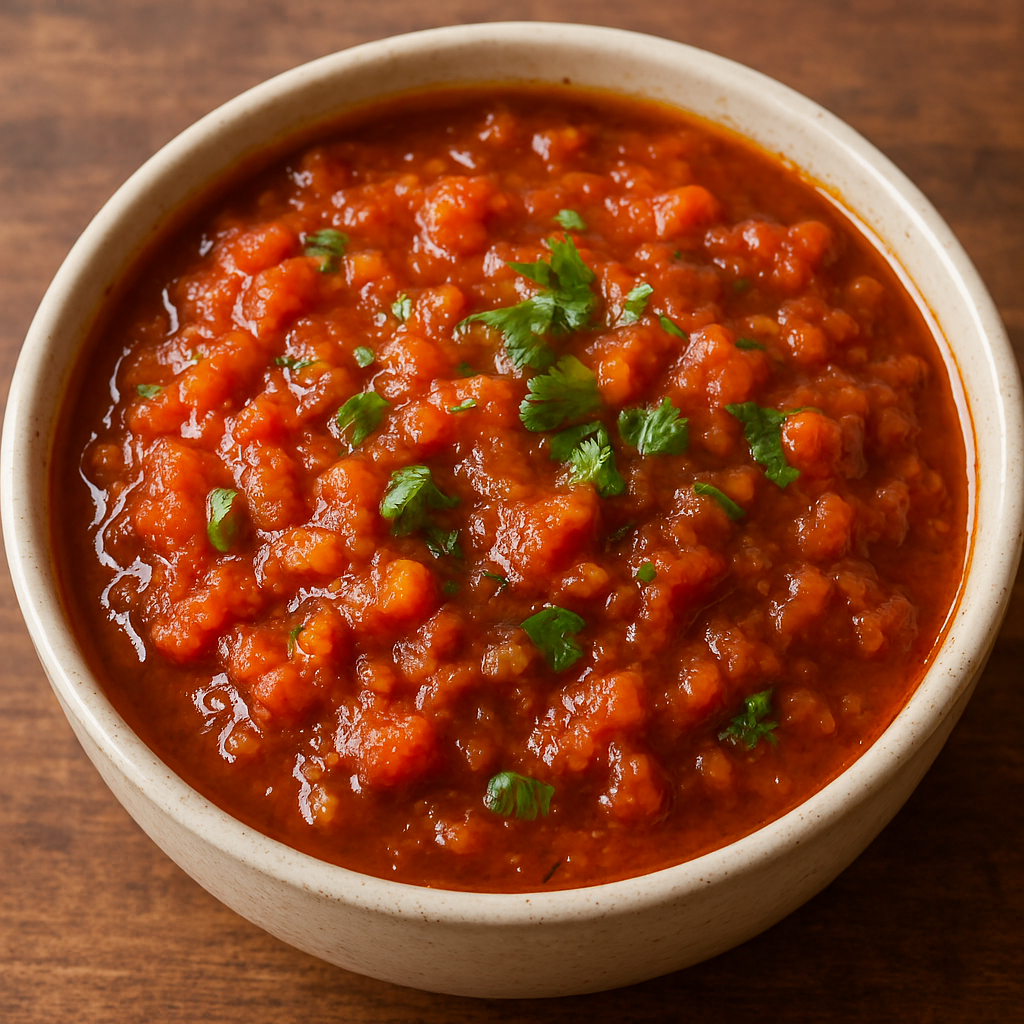
Cooked salsa is simmered gently on the stove, often with garlic, onions, and chili peppers. Here, the tomato’s ability to deepen in flavor under heat is more important than firmness.
San Marzano Tomatoes are legendary in Italian cooking, but they’re equally brilliant in salsa. Their naturally sweet, rich flavor develops beautifully when simmered. They create a velvety base that clings to chips and tortillas, making every bite satisfying.
Big Mama Tomatoes, a larger plum variety, also excel in cooked salsa. Their bold flavor intensifies under heat, and their flesh holds up during long cooking times. This makes them perfect for salsas that simmer for hours, allowing spices like cumin and smoked paprika to meld seamlessly with the tomato base.
Cooked salsa benefits from layering flavors. Start with a tomato base, add roasted peppers for smokiness, garlic for depth, and lime juice for brightness. The right tomato ensures that these flavors don’t overpower but instead harmonize.
Roasted Salsa
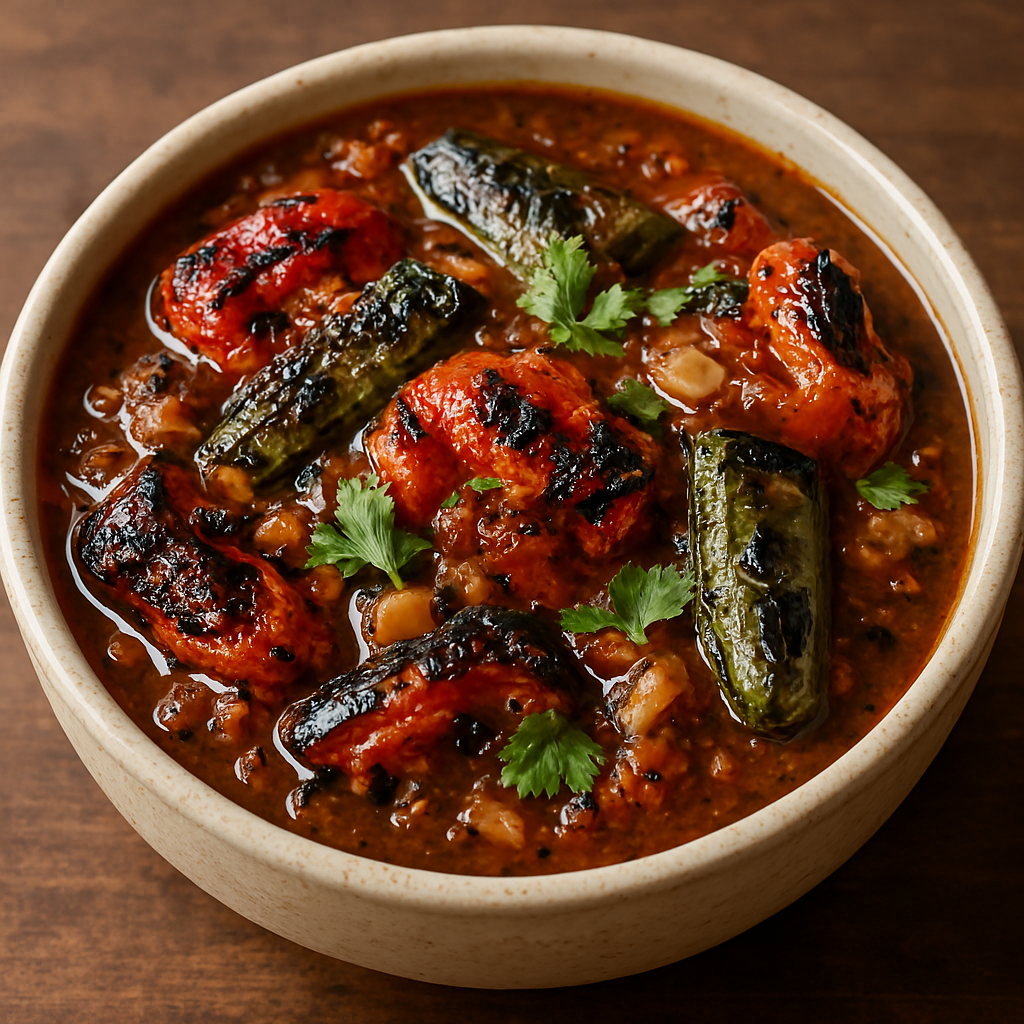
Roasting tomatoes before blending them into salsa adds smoky undertones and caramelized sweetness. This method transforms even simple ingredients into something complex and bold.
Roma and Big Mama Tomatoes are ideal for roasting. Their thick flesh withstands high heat, allowing them to char and blister without collapsing into watery mush.
Once roasted, they develop a rich, slightly smoky flavor that pairs beautifully with roasted peppers, onions, and garlic.
Roasted salsa is rustic and layered. The caramelization brings out natural sugars in the tomato, balancing the heat from chilies and the brightness of lime juice. It’s perfect for tacos, grilled meats, or as a dip with tortilla chips.
If you want a salsa that feels earthy and robust, roasted tomatoes are the way to go.
Tips for Perfect Salsa
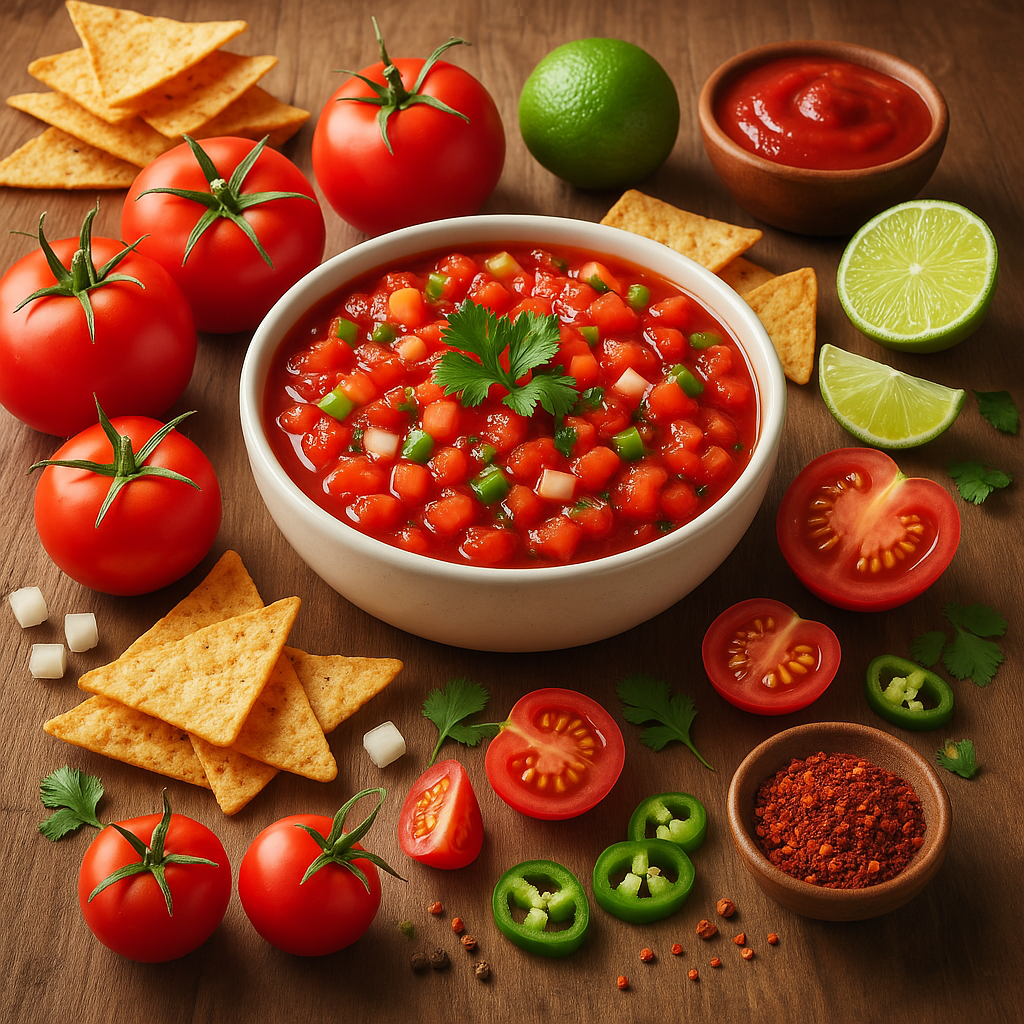
Here are the tips and tricks for making a lip-smacking perfect salsa.
• Seed Your Tomatoes – Removing seeds reduces excess liquid and keeps salsa chunky.
• Mix Varieties – Combine meaty tomatoes with tangy cherry tomatoes for complexity.
• Season Smartly – Salt enhances tomato sweetness, while lime juice balances acidity.
• Use Fresh Herbs – Cilantro, garlic, and even a touch of oregano elevate the tomato base.
• Adjust Heat – Choose peppers that match your spice tolerance—jalapeños for mild heat, serranos for sharper bite, or habaneros for fiery intensity.
• Texture Matters – Decide whether you want a chunky salsa or a smoother blend, and choose tomatoes accordingly.
Tomato Selection For Salsa
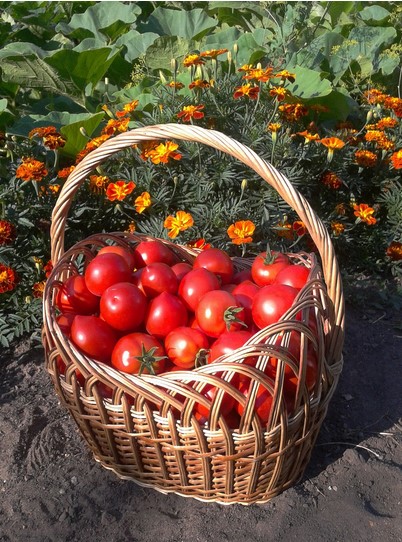
Tomatoes aren’t just about flavor—they’re about culture, gardening, and seasonality.
• Seasonality – The best salsa comes from tomatoes picked at peak ripeness. Out-of-season tomatoes often lack flavor, so consider growing your own or buying from local farmers.
• Heirloom vs. Hybrid – Heirloom varieties like Amish Paste bring unique flavors and textures, while hybrids like Juliet offer consistency and disease resistance.
• Regional Preferences – In Mexico, Roma tomatoes dominate salsa-making, while in the U.S., cherry tomatoes often sneak into fresh pico recipes.
Understanding these contexts helps you appreciate why certain tomatoes are favored in different kitchens.
Wrapping Up
The tomato is the soul of salsa. For fresh pico de gallo, Roma and Amish Paste provide structure and sweetness, while Juliet or cherry tomatoes add brightness. For simmered salsas, San Marzano and Big Mama deliver depth and richness. And for roasted salsas, plum varieties caramelize beautifully, creating smoky, layered flavors.
By matching the tomato to the salsa style—fresh, cooked, or roasted—you’ll create dips that are vibrant, balanced, and unforgettable.
Leave a Reply