Grape tomatoes are beloved for their sweet flavor, firm texture, and versatility in cooking. Whether tossed into salads, roasted for pasta, or eaten fresh as a snack, they’re a staple in many kitchens.
But like all fresh produce, grape tomatoes don’t last forever. Understanding their shelf life, storage methods, and signs of spoilage can help you enjoy them at their best while reducing waste.
This article provides a comprehensive, 1500-word exploration of grape tomato longevity, covering everything from storage science to practical kitchen tips.
What Are Grape Tomatoes?
Table of Contents
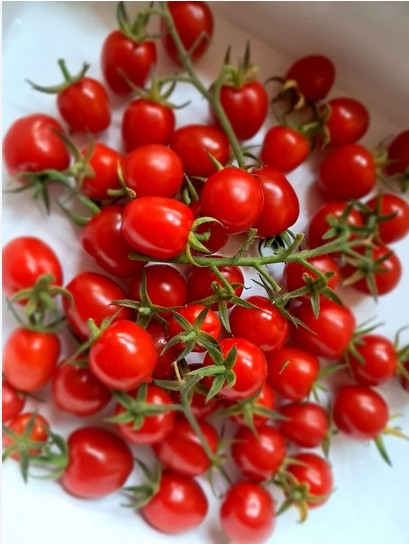
Grape tomatoes are a favorite in many kitchens thanks to their sweet flavor, firm texture, and versatility.
They resemble grapes in size and shape, which is how they earned their name, and their thicker skin makes them slightly more durable than cherry tomatoes.
Still, like all fresh produce, they have a limited shelf life, and knowing how long they last and how best to store them can help you enjoy them at their peak while reducing waste.
Shelf Life of Grape Tomatoes
At Room Temperature
• Duration: 5–7 days
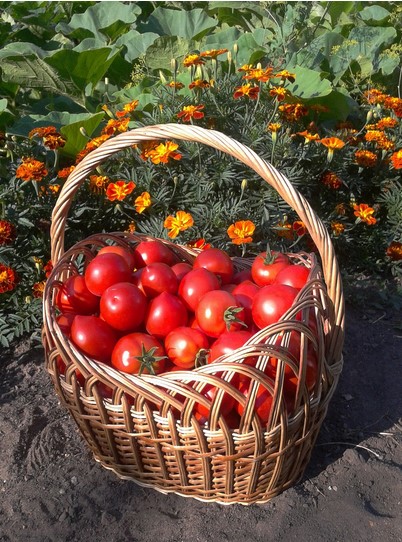
• Conditions: Best kept in a cool, dry place away from direct sunlight.
• Flavor: Retains sweetness and firmness better than refrigeration.
In the Refrigerator
• Duration: 10–14 days
• Conditions: Store in a breathable container (paper bag or perforated plastic) in the crisper drawer.
• Flavor Impact: Refrigeration slows ripening but may slightly dull flavor.
In the Freezer
• Duration: Up to 6 months
• Conditions: Wash, dry, and freeze whole or halved tomatoes. Best used in cooked dishes like soups, sauces, or stews.
• Texture Impact: Freezing breaks down cell walls, making them mushy when thawed.
Factors Affecting Freshness
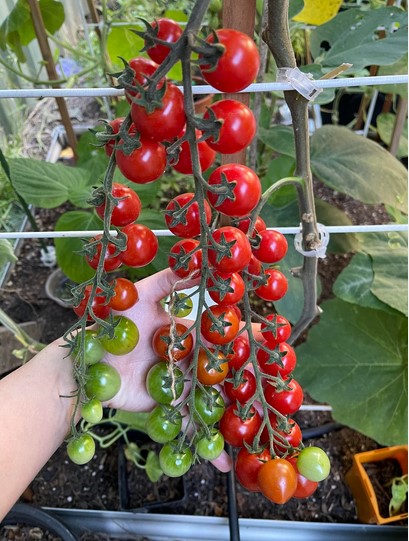
Several factors influence how long grape tomatoes stay fresh. Temperature is the most obvious—warm environments accelerate ripening and spoilage.
Ethylene gas, a natural plant hormone released by fruits such as bananas, apples, and avocados, also speeds up tomato ripening, so keeping tomatoes away from these fruits helps.
Moisture is another culprit, as excess water encourages mold growth. For this reason, tomatoes should be stored dry and unwashed until you are ready to use them. Finally, handling matters – bruising from squeezing or rough transport shortens their shelf life.
1. Temperature: Warm environments accelerate ripening and spoilage.
2. Ethylene Gas: Fruits like bananas, apples, and avocados release ethylene, which speeds tomato ripening.
3. Moisture: Excess moisture encourages mold growth. Always store tomatoes dry and unwashed until use.
4. Handling: Bruising from rough handling shortens shelf life.
Best Storage Practices
• Room Temperature:
Keep grape tomatoes in a bowl or basket, uncovered, in a cool spot. This preserves flavor and texture.
• Refrigerator:
Place unwashed tomatoes in a breathable container in the crisper drawer. Avoid airtight containers, which trap moisture.
• Freezer:
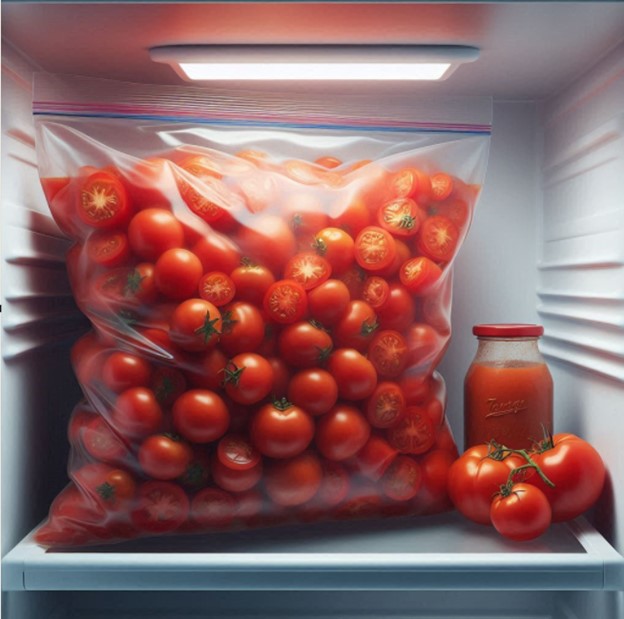
Spread tomatoes on a baking sheet to freeze individually before transferring to freezer bags.
• Avoid Ethylene Exposure:
Store tomatoes away from ethylene-producing fruits to slow ripening.
Signs of Spoilage
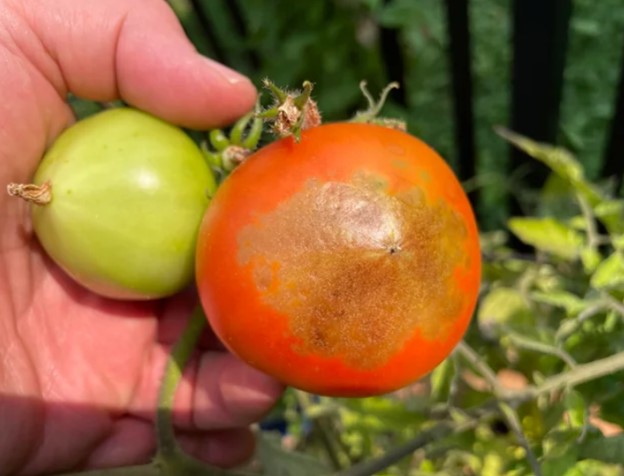
• Wrinkled or shriveled skin
• Soft or mushy texture
• Sour or off smell
• Visible mold spots
If any of these appear, discard the tomatoes immediately.
Practical Tips to Extend Shelf Life
Here are some tips to extend the shelf life of tomatoes:
• Roast or sauté soft tomatoes to extend usability.
• Make sauces or soups with tomatoes nearing spoilage.
• Freeze for cooking if you can’t consume them in time.
• Store stem-side down to reduce moisture loss.
Comparison with Other Tomato Varieties
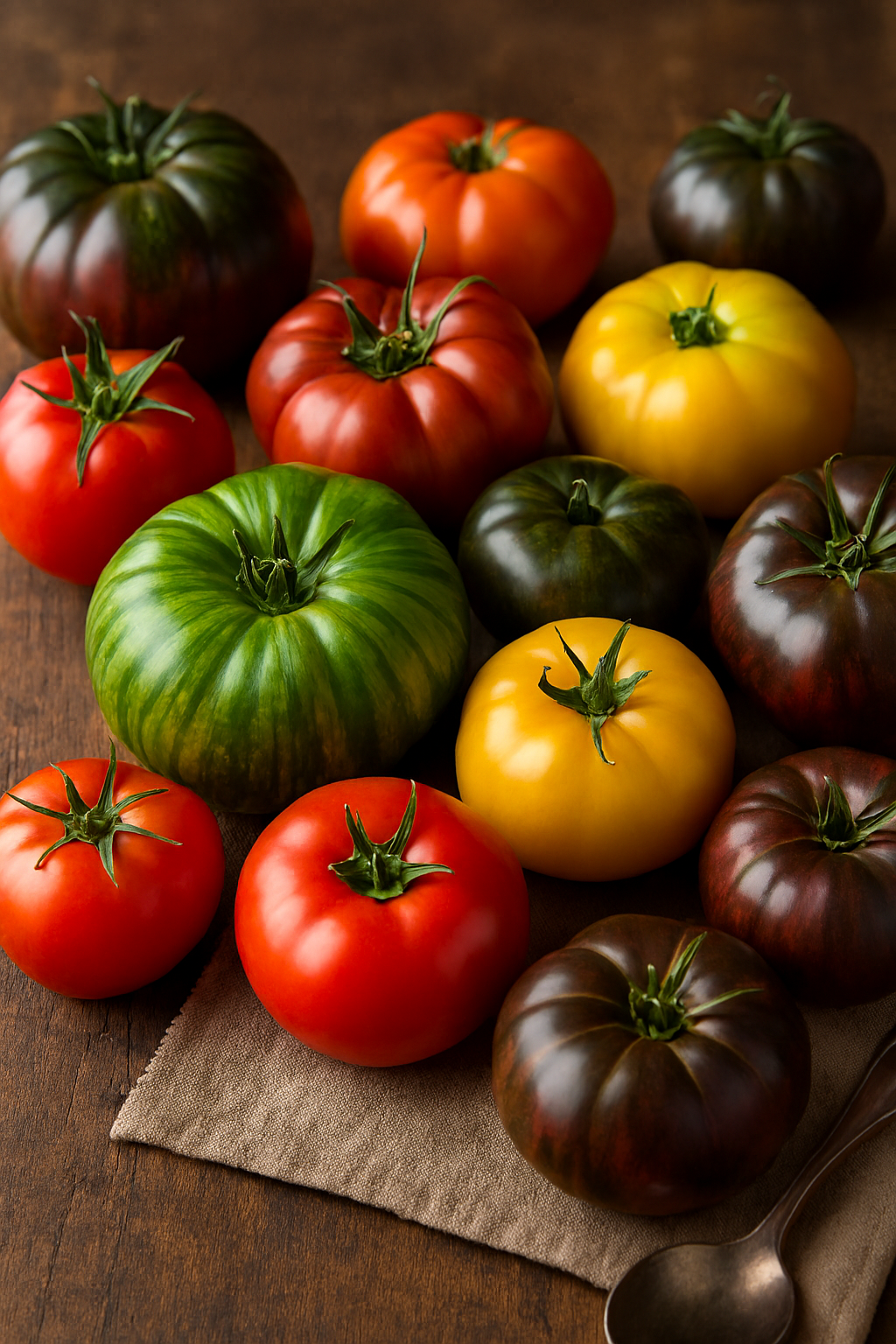
Compared to other tomato varieties, grape tomatoes hold up relatively well. Cherry tomatoes, which are more delicate, last only three to five days at room temperature and seven to ten days in the refrigerator.
Roma tomatoes, which are meatier, can last seven to ten days at room temperature and up to three weeks when refrigerated, making them excellent for sauces. Beefsteak tomatoes, being larger and more prone to bruising, last about four to six days at room temperature and seven to ten days in the refrigerator.
This comparison shows that grape tomatoes strike a balance between flavor retention and durability, which explains their popularity in both home and commercial kitchens
Cultural and Culinary Uses
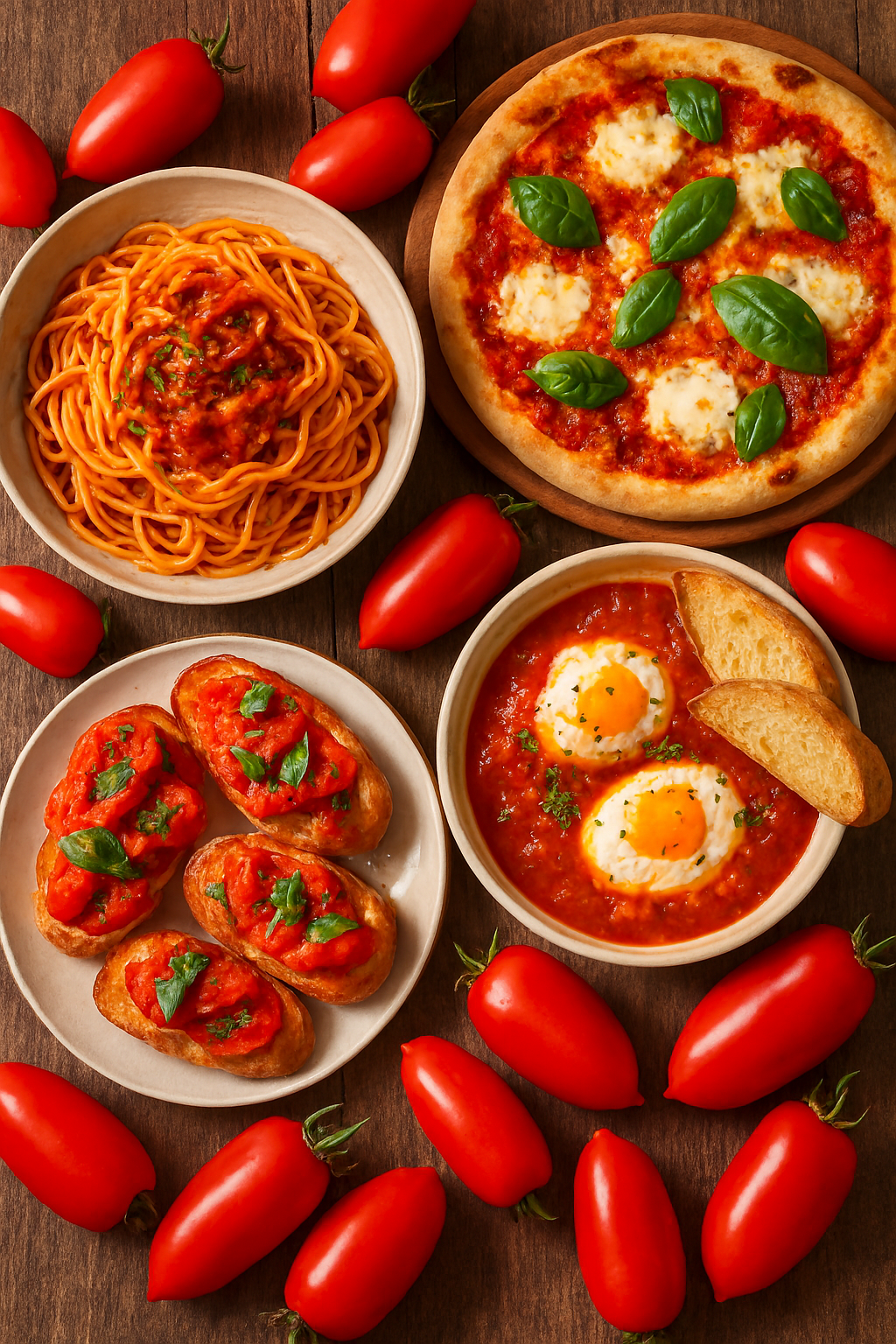
In cuisines worldwide, grape tomatoes are prized for their balance of sweetness and acidity.
• Italian cooking: Roasted with olive oil and garlic for pasta.
• Indian cooking: Added to curries for tang.
• American cuisine: Used fresh in salads and wraps.
Their longer shelf life compared to cherry tomatoes makes them popular in commercial kitchens and food trucks.
The Science of Tomato Ripening
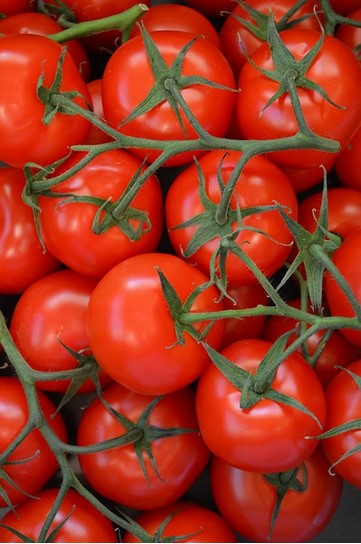
Tomatoes ripen through the action of ethylene gas, a natural plant hormone. Grape tomatoes, with their thicker skins and lower water content, resist rapid spoilage better than cherry tomatoes.
Refrigeration slows ethylene activity, extending shelf life but reducing flavor intensity.
Buying Tips to Maximize Freshness
• Choose firm, brightly colored tomatoes with smooth skin.
• Avoid tomatoes with cracks, bruises, or soft spots.
• Buy smaller quantities unless you plan to freeze or cook them.
Wrapping Up
Grape tomatoes last 5–7 days at room temperature and 10–14 days in the refrigerator. With proper storage, they remain firm, flavorful, and safe to eat.
Freezing extends their usability for cooking up to 6 months. By understanding storage science and practicing careful handling, you can enjoy grape tomatoes at their best while minimizing waste.
Leave a Reply