Canning tomatoes is more than a kitchen routine—it’s a ritual that ties us to our heritage, seasons, and families. From the bustling kitchens of grandmothers carefully sealing jars to modern home cooks eager to preserve summer’s bounty, this practice is both cultural and practical.
Yet, there’s one crucial detail that makes all the difference: tomatoes alone aren’t always acidic enough to guarantee safe preservation. That’s why lemon juice is essential.
Adding bottled lemon juice ensures your jars of tomatoes remain safe, flavorful, and shelf-stable. In this guide, we’ll explore why acidity matters, how much lemon juice to use, step-by-step canning methods, flavor considerations, and common mistakes to avoid.
Why Tomatoes Need Added Acidity
Table of Contents
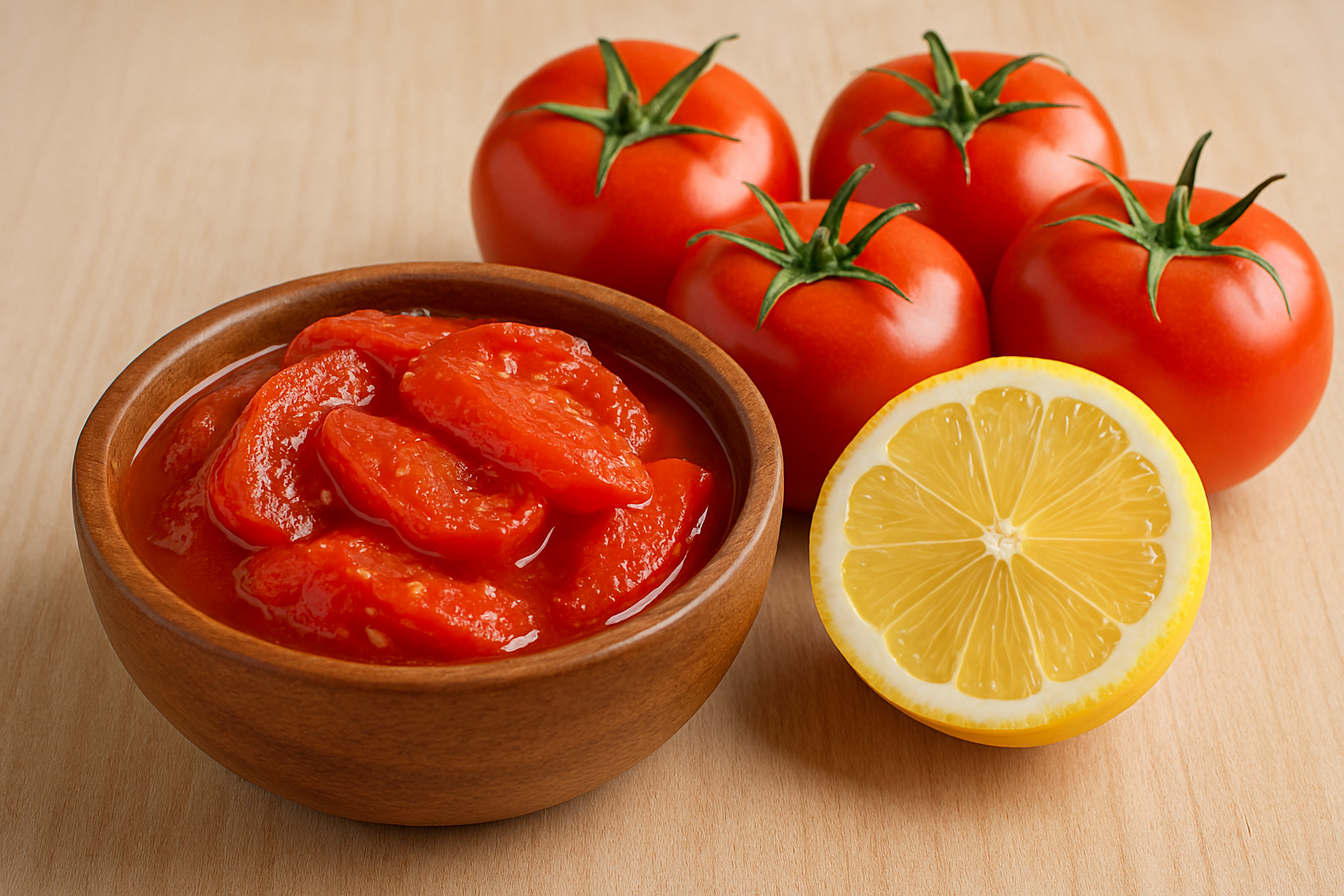
Tomatoes are often thought of as naturally acidic, but in reality, their acidity varies widely.
• Different varieties—Roma, cherry, beefsteak—have different acid levels.
• Ripeness reduces acidity; the riper the tomato, the lower the acid.
• Without added acid, tomatoes can fall into the “low-acid food” category, which is unsafe for water bath canning.
The danger lies in Clostridium botulinum, the bacterium that causes botulism. It thrives in low-acid environments and can produce toxins in improperly canned foods. Adding lemon juice standardizes acidity, ensuring every jar is safe regardless of tomato type or ripeness.
How Much Lemon Juice to Use
The golden rule is simple:
• Add 1 tablespoon of bottled lemon juice per pint jar.
• Add 2 tablespoons of bottled lemon juice per quart jar.
Always use bottled lemon juice, not fresh. Bottled juice has a consistent acidity level, while fresh juice varies and cannot guarantee safety.
Alternatives to Lemon Juice
If you prefer not to use lemon juice, there are safe substitutes:
• Citric acid: ¼ teaspoon per pint or ½ teaspoon per quart.
• Vinegar: 2 tablespoons per pint or 4 tablespoons per quart (though this can noticeably alter flavor).
Each option works, but lemon juice remains the most balanced in taste and widely available.
Step-by-Step Guide to Canning Tomatoes
Preparing Tomatoes
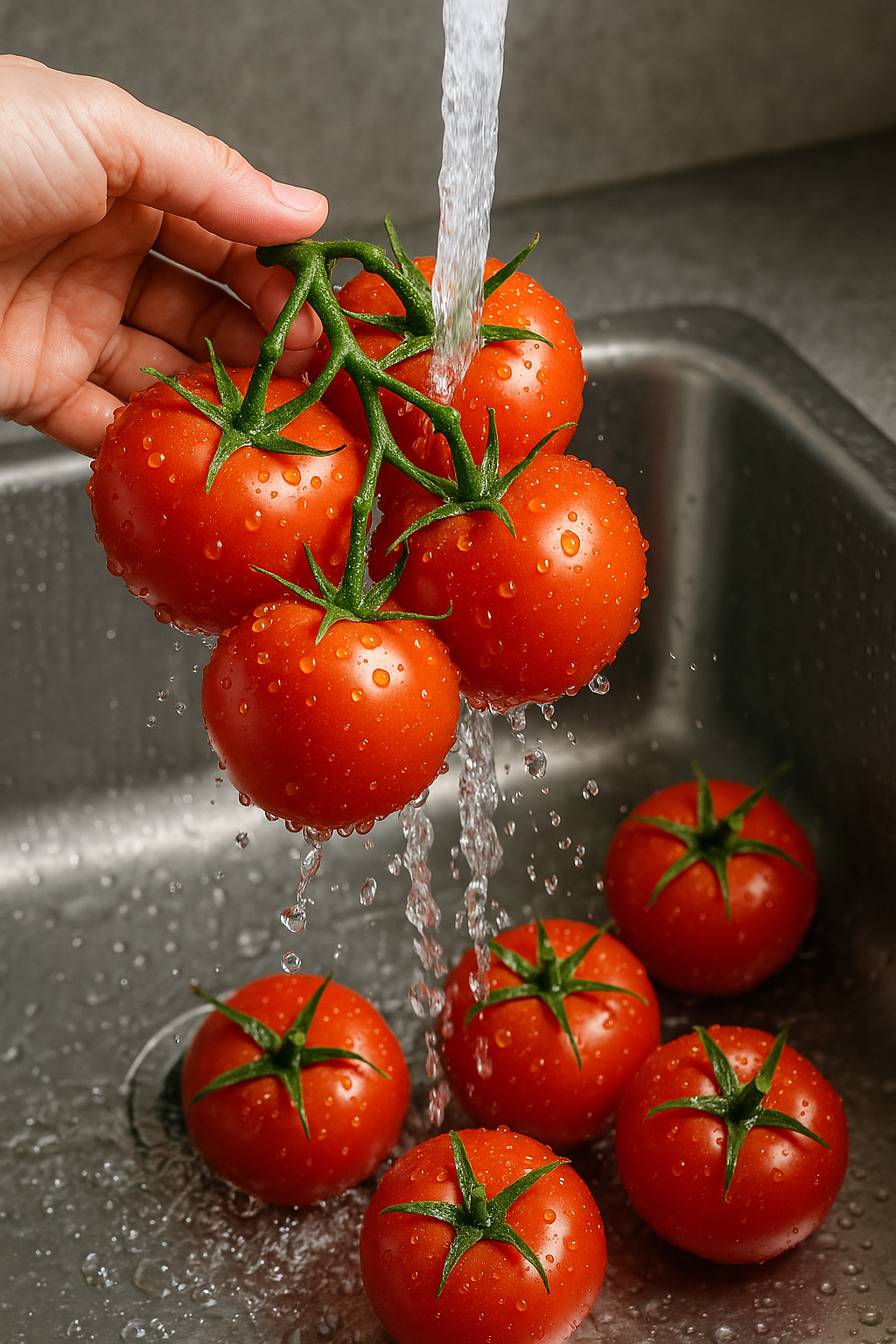
Before you begin, it’s essential to prepare your tomatoes properly. wash, peeled, and cut tomatoes ensure the best flavor and texture in your jars.
• Wash thoroughly to remove dirt and bacteria.
• Peel if desired—blanching in boiling water for 30–60 seconds makes skins easy to remove.
• Cut, crush, or leave whole depending on your recipe.
Sterilizing Jars
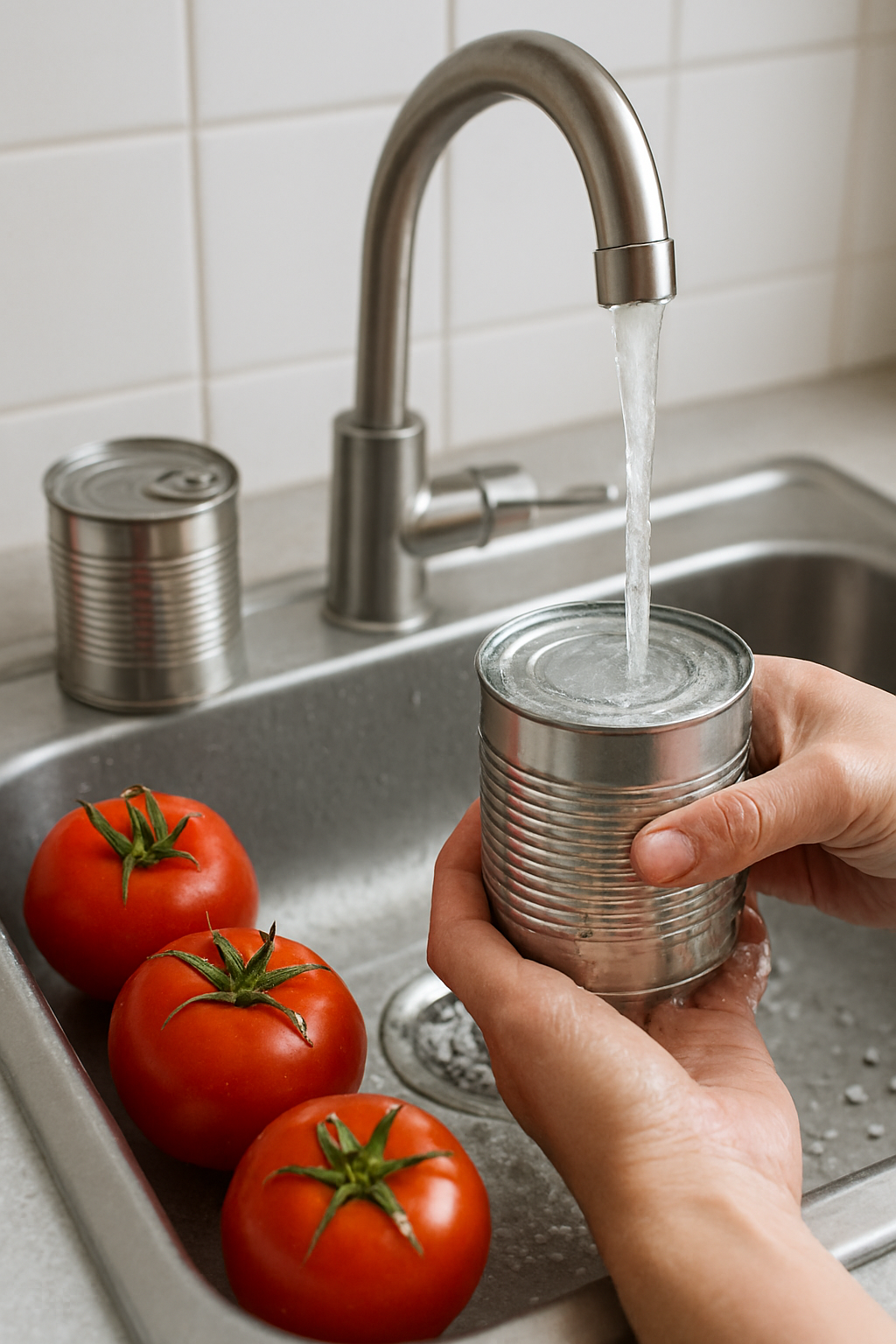
Sterilization is critical to prevent contamination. Even the smallest residue can cause spoilage, so this step should never be skipped.
• Wash jars and lids in hot, soapy water.
• Sterilize jars by boiling for 10 minutes or running them through a dishwasher cycle.
Adding Lemon Juice
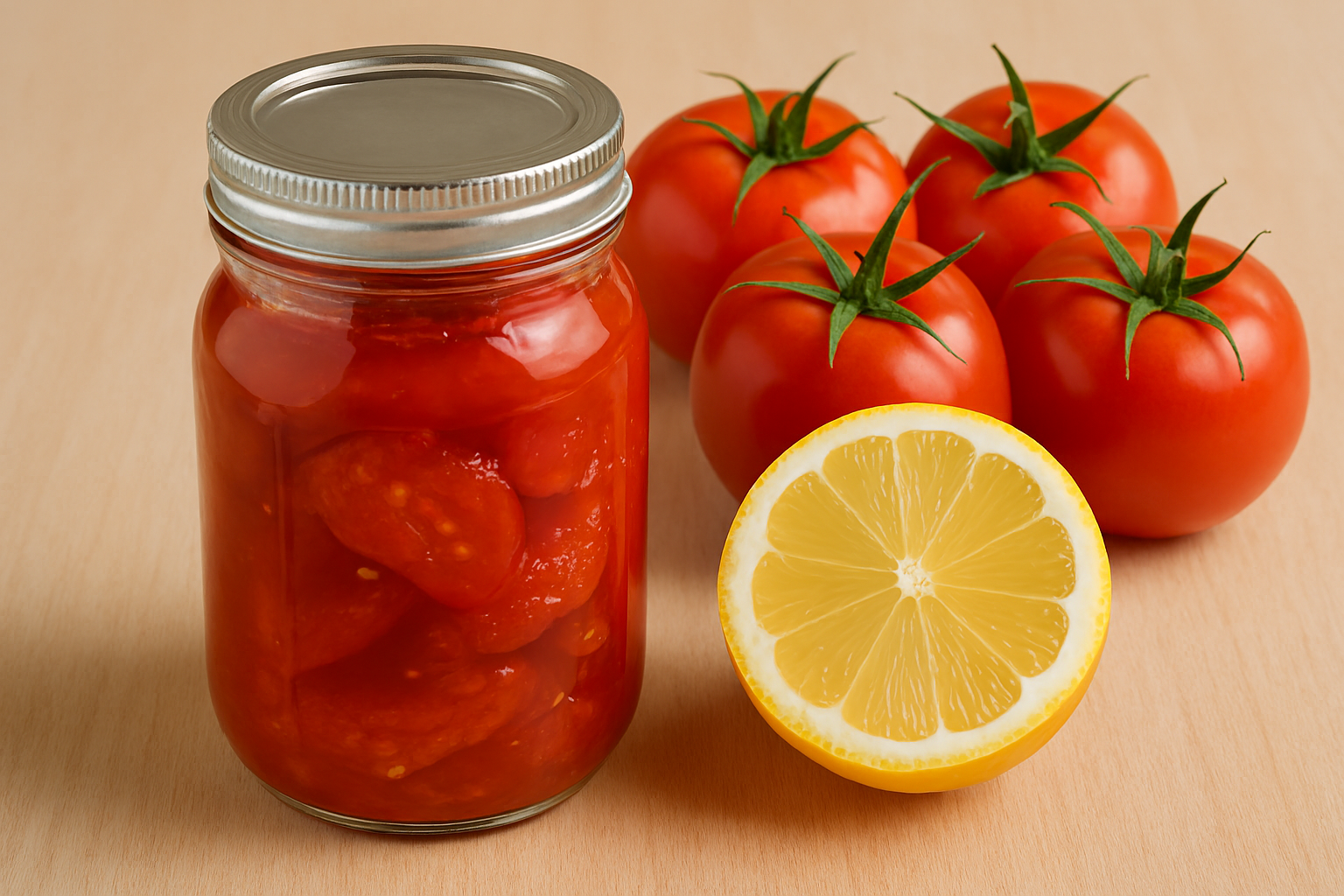
This is the step that ensures safety. Adding lemon juice directly to the jars before filling them with tomatoes guarantees even distribution of acidity.
• Place the correct amount of bottled lemon juice directly into each jar before adding tomatoes.
• This ensures acidity is evenly distributed.
Filling and Sealing
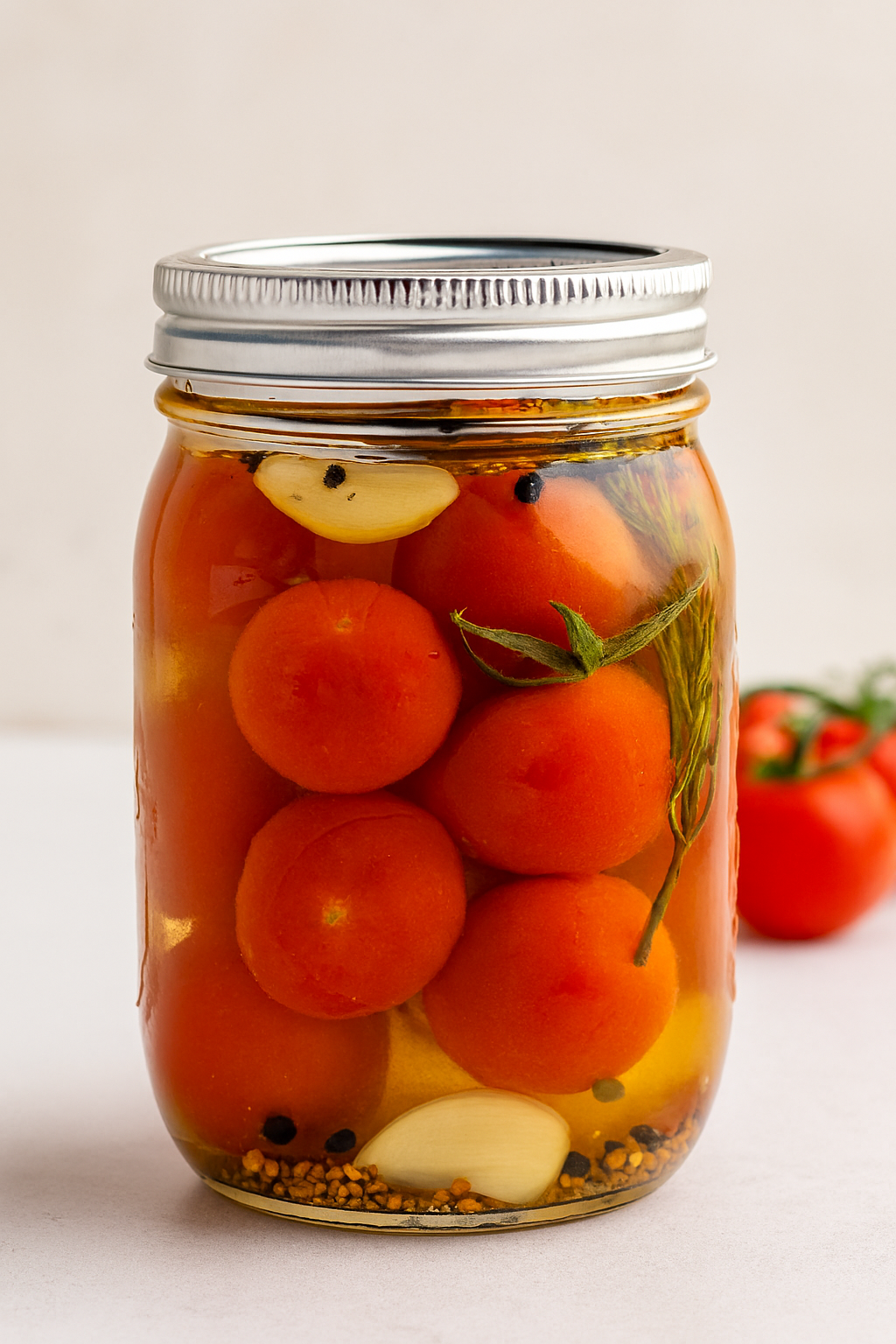
Proper filling and sealing protect your tomatoes during processing. Headspace and clean rims are the keys to a secure seal.
• Leave ½-inch headspace at the top of each jar.
• Wipe rims clean to ensure proper sealing.
• Apply lids and screw bands until fingertip-tight.
Processing Jars
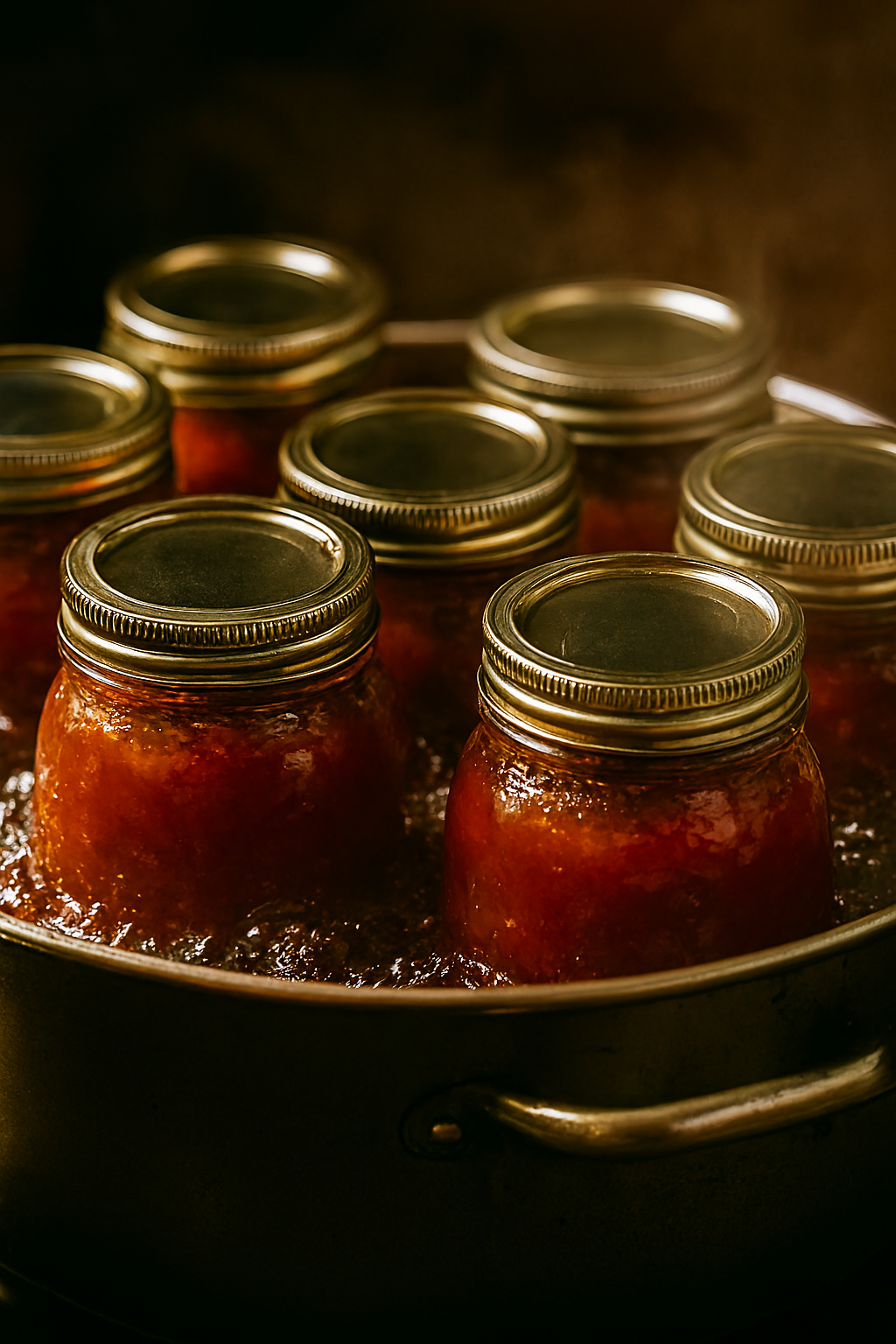
Processing is where the magic happens. Heat treatment kills bacteria and locks in freshness. Choose the method that works best for your kitchen setup.
• Boiling water bath method: Process pints for 35 minutes, quarts for 45 minutes. Adjust for altitude.
• Pressure canner method: Process pints for 15 minutes, quarts for 20 minutes at 10 pounds pressure.
Cooling and Storing

Once jars are processed, cooling and storage are the final steps. This stage ensures seals are secure and your tomatoes remain shelf-stable.
• Let jars cool undisturbed for 12–24 hours.
• Check seals—lids should not flex up and down.
• Store in a cool, dark place for up to 12–18 months.
Flavor Considerations
One of the most common concerns about adding lemon juice to canned tomatoes is the fear that it will make them taste too tart. While this is a natural worry, the reality is far gentler. The acidity introduced by lemon juice is subtle and often goes unnoticed once the tomatoes are incorporated into cooked dishes. In fact, rather than overpowering the natural sweetness of tomatoes, lemon juice tends to enhance their brightness, giving soups, sauces, and stews a lively edge that makes them taste fresher even months after canning.
Think of lemon juice as a flavor enhancer rather than a flavor changer. In pasta sauces, it helps balance the richness of olive oil and garlic. In stews, it cuts through heavier ingredients like meat or beans, ensuring the tomato base doesn’t taste flat. Even in simple dishes like tomato soup, the added acidity creates a cleaner, more vibrant taste that feels closer to fresh-picked tomatoes.
For those who prefer a softer, rounder flavor, there are easy adjustments. A pinch of sugar stirred into the dish when cooking with canned tomatoes can balance the tang, restoring the mellow sweetness many expect. Herbs like basil, oregano, or thyme also complement the acidity, creating a layered flavor profile that feels intentional rather than sharp.
It’s also worth noting that lemon juice doesn’t just affect taste—it preserves aroma and color. Tomatoes canned with proper acidity retain their deep red hue and avoid the dull, brownish tones that sometimes occur in low-acid preservation.
This means your jars not only taste better but look more appealing when opened months later.
Ultimately, lemon juice is less about altering flavor and more about protecting it. By safeguarding the natural qualities of tomatoes, it ensures that every jar you open delivers the same vibrant taste you enjoyed at harvest time.
Common Mistakes to Avoid
Even experienced canners sometimes make errors. Avoiding these mistakes ensures your tomatoes remain safe and delicious.
• Skipping lemon juice: Unsafe, even if tomatoes taste acidic.
• Using fresh lemon juice: Acidity is inconsistent.
• Not adjusting for altitude: Higher elevations require longer processing times.
• Improper sealing: Always check lids after cooling.
Adding lemon juice to canned tomatoes is a small but vital step. It ensures food safety, preserves flavor, and gives you confidence that your pantry staples are safe to enjoy year-round. Whether you’re a beginner or a seasoned preserver, remember:
One tablespoon per pint, two tablespoons per quart—always bottled.
This simple rule is the cornerstone of safe tomato canning. Follow it, and you’ll be preserving not just food, but tradition, safety, and care for your loved ones.
Cultural Note – Tomatoes in Kitchens
Tomatoes are a cornerstone of cooking across the world. From Italian pasta sauces and Mexican salsas to Mediterranean stews and American chili, they bring color, flavor, and richness to countless dishes. In many households, tomatoes are the ingredient that ties together everyday meals and festive feasts alike.
Preserving them through canning ensures year-round access to this versatile fruit, even when the growing season has passed. Adding lemon juice not only safeguards health but also honors the tradition of careful, nurturing food preparation. It reflects a universal truth: preservation is about more than storage—it’s about respect for food, culture, and the people we share it with.
Wrapping Up
Adding lemon juice to canned tomatoes is a small step with enormous impact. It ensures food safety, preserves flavor, and gives you confidence that your pantry staples are safe to enjoy year-round. Whether you’re a seasoned preserver or a beginner, remember:
One tablespoon per pint, two tablespoons per quart—always bottled.
This simple rule is the cornerstone of safe tomato canning. Follow it, and you’ll be preserving not just food, but tradition, safety, and care for your loved ones.
Leave a Reply