Tomatoes are the heart of countless cuisines. They bring brightness to Italian pasta, depth to Indian curries, and comfort to a simple bowl of soup. But what happens when you’ve got a freezer full of tomatoes—perhaps from a summer harvest or a bulk purchase—and you want to turn them into sauce?
Frozen tomatoes are not only usable, they’re ideal for slow-cooked sauces and other recipes. Their softened texture after freezing makes them easy to peel, chop, and simmer into a rich, flavorful base.
Here we will explore the process step by step to transform frozen tomatoes into a sauce that tastes like sunshine preserved.
Preparing Your Frozen Tomatoes
Table of Contents
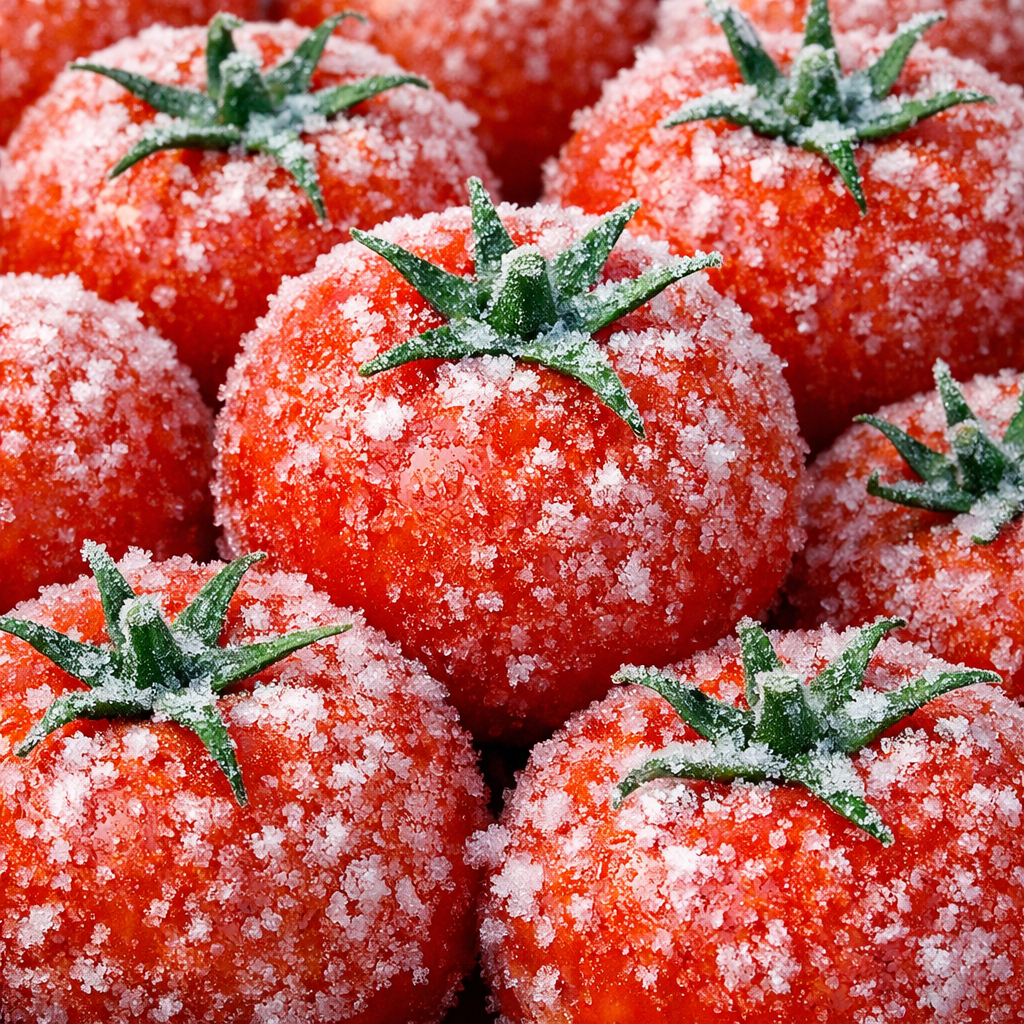
Frozen tomatoes behave differently than fresh ones. Their cell walls break down during freezing, which makes them softer and juicier. That’s perfect for sauce, but it means you need to handle them thoughtfully.
Thawing Options –
Here’s how to thaw your frozen tomatoes –
- Slow thaw – Place them in the fridge overnight. This keeps flavor intact and prevents excess mushiness.
- Quick thaw – Submerge sealed tomatoes in a bowl of warm water for 30 minutes.
- No thaw – If you’re making a long-simmered sauce, you can toss them straight into the pot frozen.
- Peeling Trick – Once thawed, the skins slip off easily. Run them under warm water, and the skins peel away almost effortlessly. This is one of the hidden perks of freezing tomatoes—you save time compared to blanching fresh ones.
Building the Flavor Base
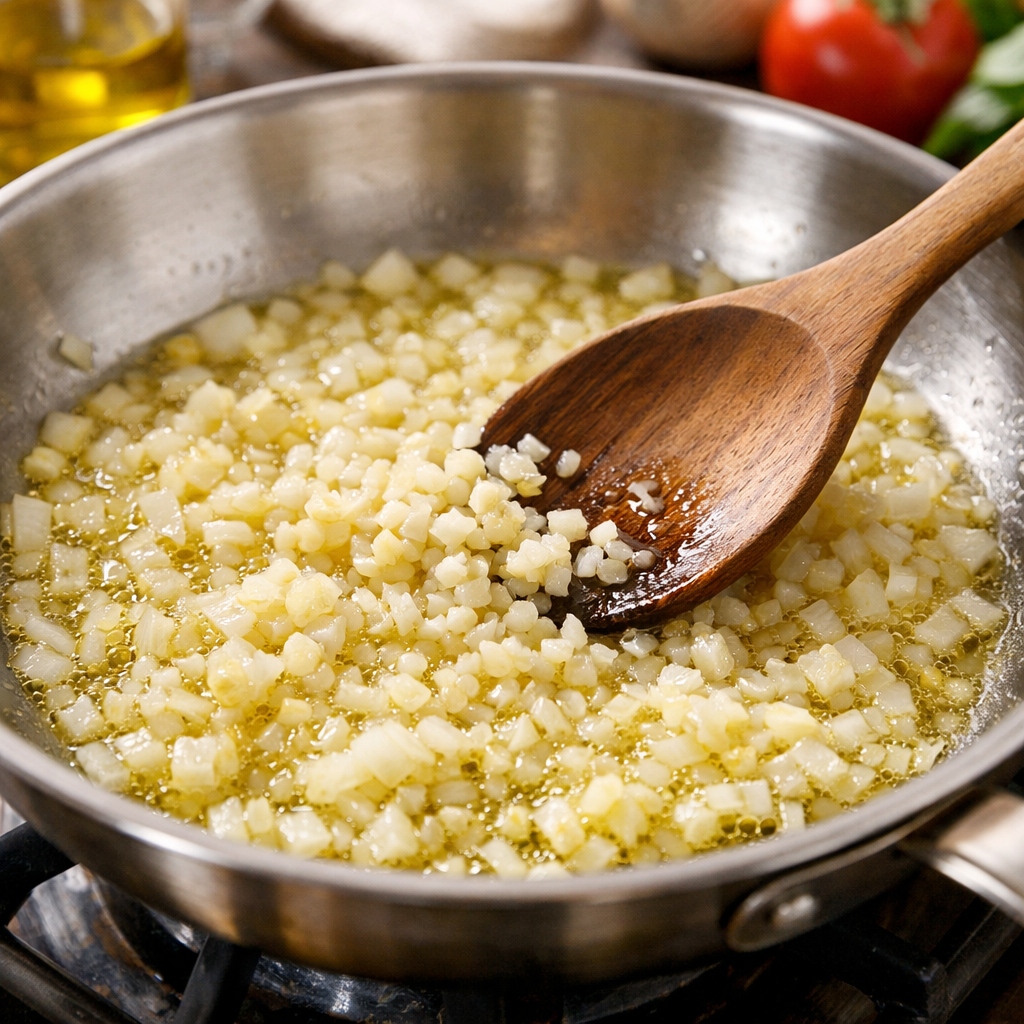
A tomato sauce is only as good as its foundation. Onions, garlic, and herbs create a savory backbone that balances the acidity of tomatoes.
Heat olive oil in a heavy-bottomed pan.
Add finely chopped onions and sauté until golden.
Stir in garlic, letting it release its aroma.
Sprinkle in herbs like basil, oregano, or thyme.
This step is about layering flavors. Think of it as setting the stage for the tomatoes to shine.
Adding the Tomatoes
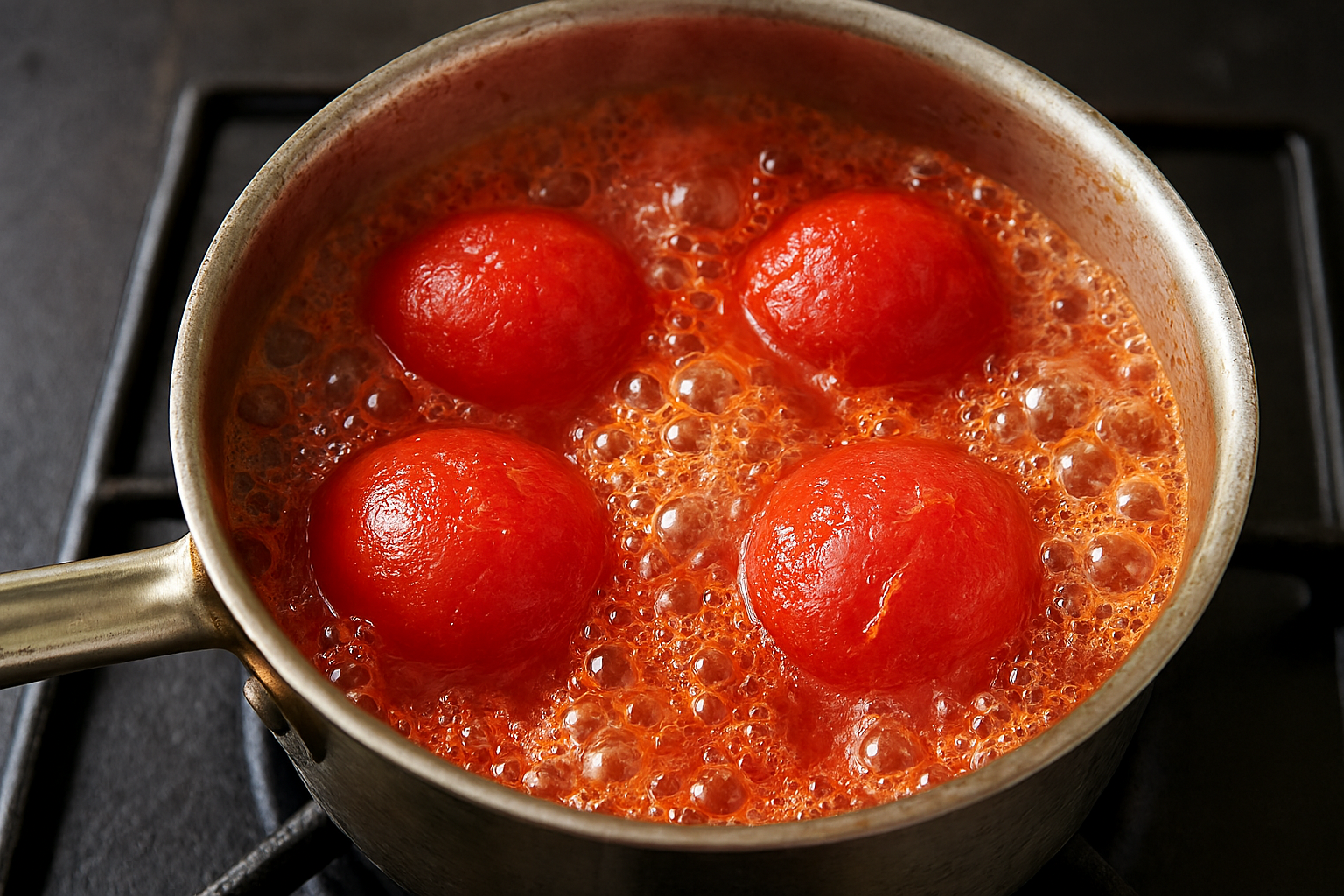
This is where frozen tomatoes transform into sauce. Their softened texture makes them easy to crush, and their juices create a natural broth.
Roughly chop thawed tomatoes or crush them with your hands.
Add them to the pan and stir well.
Season with salt, pepper, and a pinch of sugar to balance acidity.
At this stage, the sauce may look watery—that’s normal. Frozen tomatoes release more liquid than fresh ones, but patience will solve that.
Simmering and Reducing
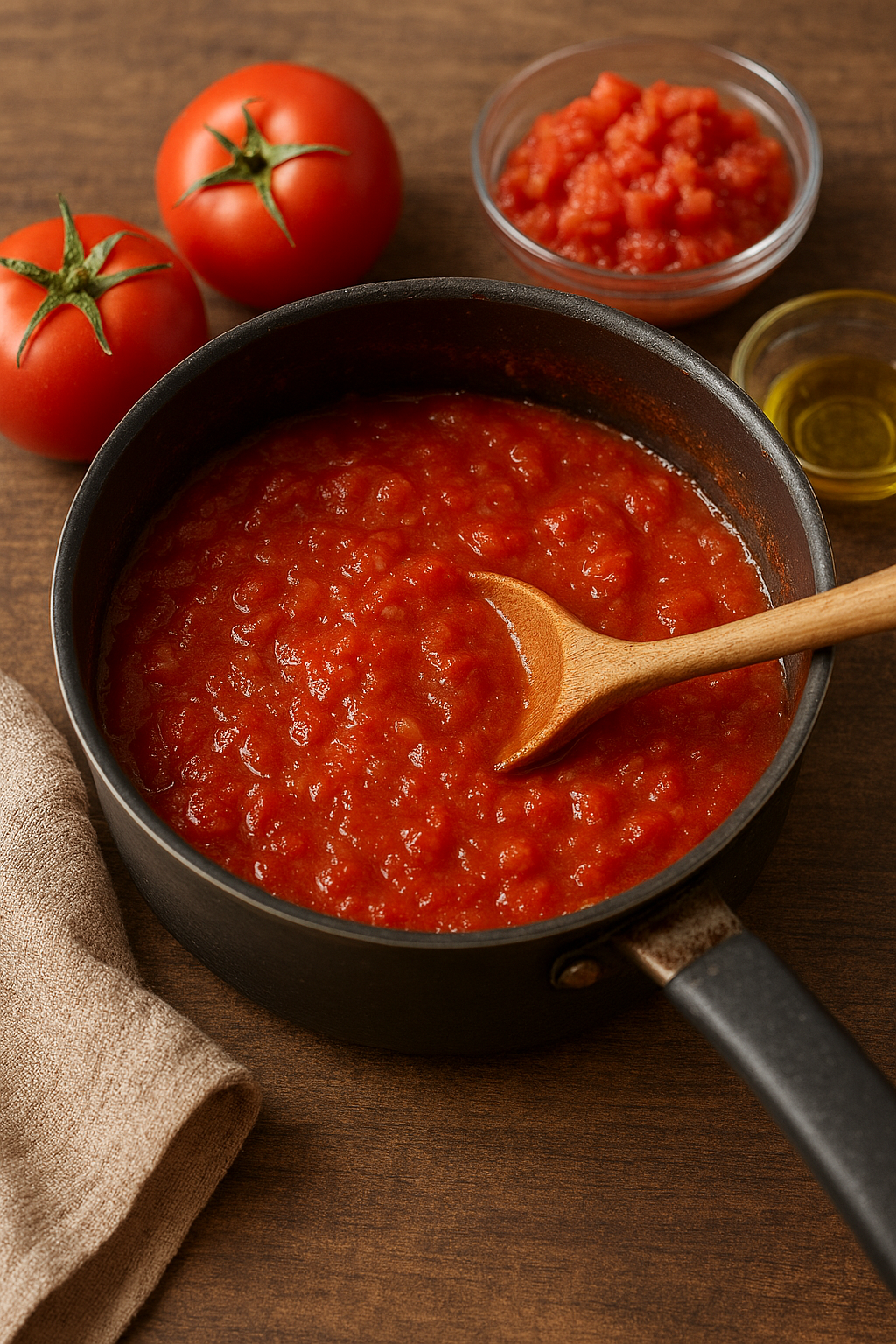
Simmering is where magic happens. The excess liquid evaporates, flavors concentrate, and the sauce thickens into something luscious.
Cook on medium-low heat for 20–30 minutes.
Stir occasionally to prevent sticking.
If the sauce is too thin, keep simmering uncovered until it reaches your desired consistency.
This slow reduction is what turns a pile of frozen tomatoes into a velvety sauce that clings to pasta or rice.
Customizing Your Sauce
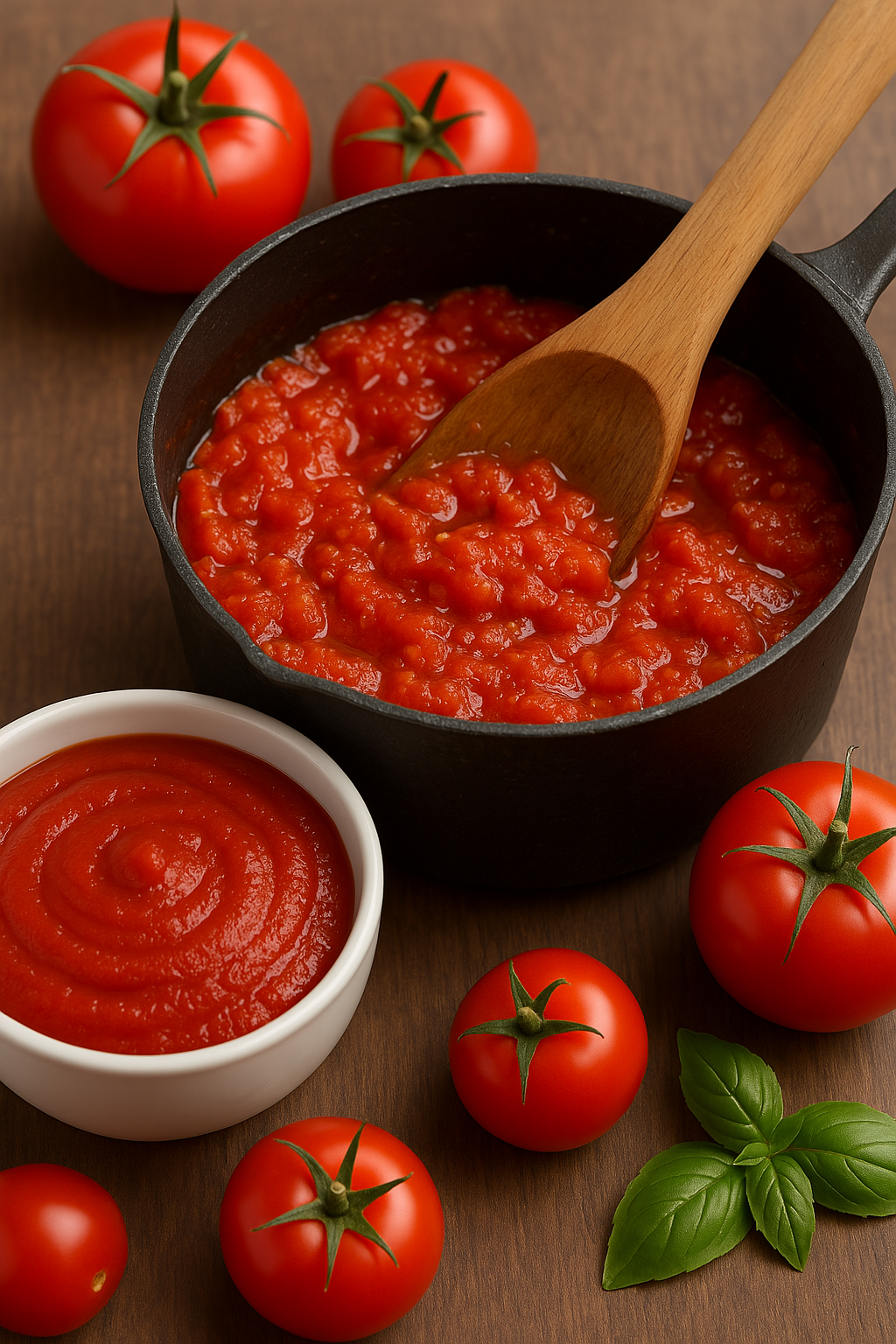
A basic tomato sauce is versatile, but customization makes it yours.
For smooth texture: Blend with an immersion blender.
For chunky texture: Leave it rustic.
For richness: Add a drizzle of olive oil or a knob of butter at the end.
For variety: Stir in roasted vegetables, ground meat, or fresh herbs.
This step is about creativity. Frozen tomatoes give you a blank canvas; you decide the flavor story.
Serving and Storing
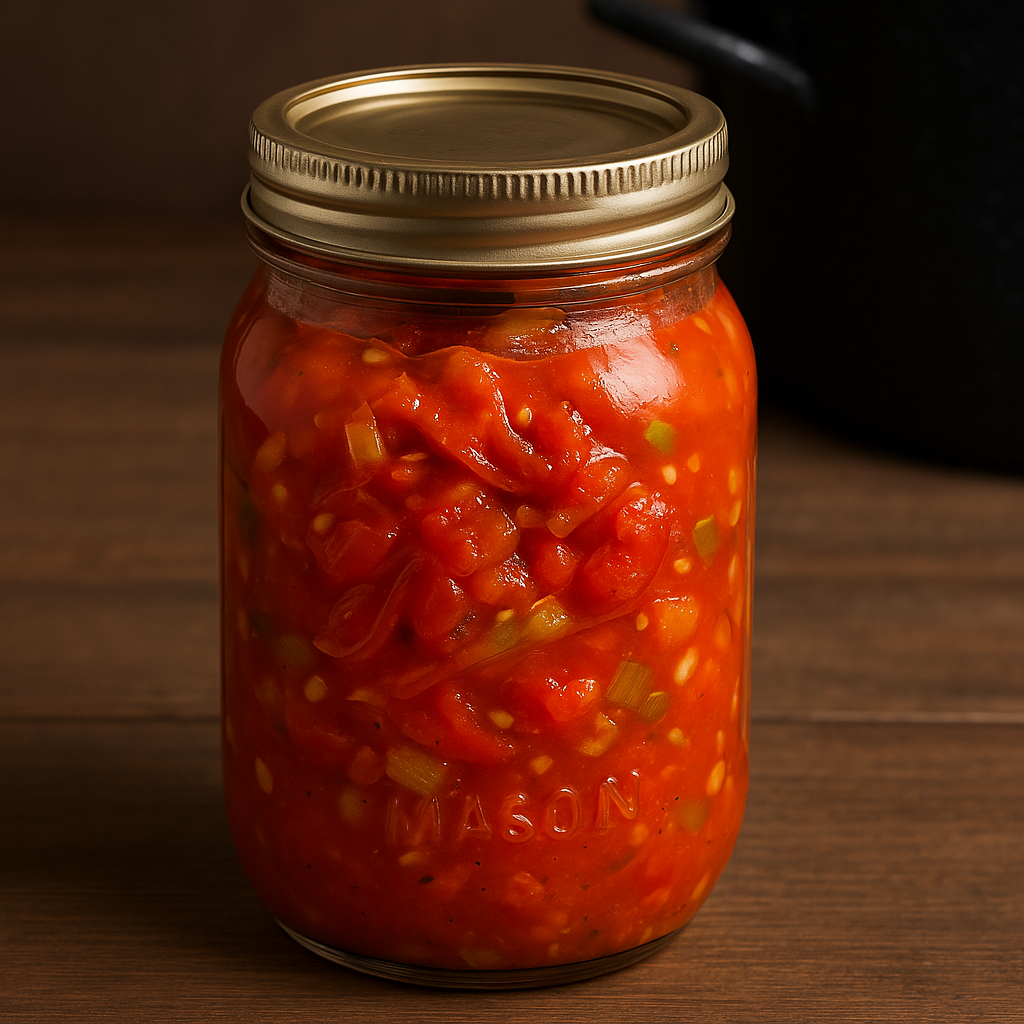
Sauce is best enjoyed fresh, but smart storage means you can savor it later.
Serve immediately over pasta, rice, or bread.
Store leftovers in the fridge for 3–4 days.
Freeze again in portion-sized containers for up to 3 months.
By storing wisely, you extend the life of your sauce and make weeknight dinners easier.
Extra Tips and Tricks
Avoid salads – Frozen tomatoes lose their firm texture, so they’re not suitable for raw dishes.
Balance acidity – A pinch of sugar or a splash of balsamic vinegar can mellow sharp flavors.
Boost umami – Add soy sauce, anchovies, or Parmesan rind while simmering.
Cultural Twists – Bringing Global Flavors to Your Frozen Tomato Sauce
Tomato sauce is a universal base, but every culture has its own way of coaxing unique flavors from it. By adding a few key spices or herbs, you can transform the same frozen tomato sauce into something distinctly Italian, Indian, or Mexican. This not only makes your cooking more versatile but also helps you appreciate how one ingredient—tomatoes—connects kitchens across the world.
Italian Style
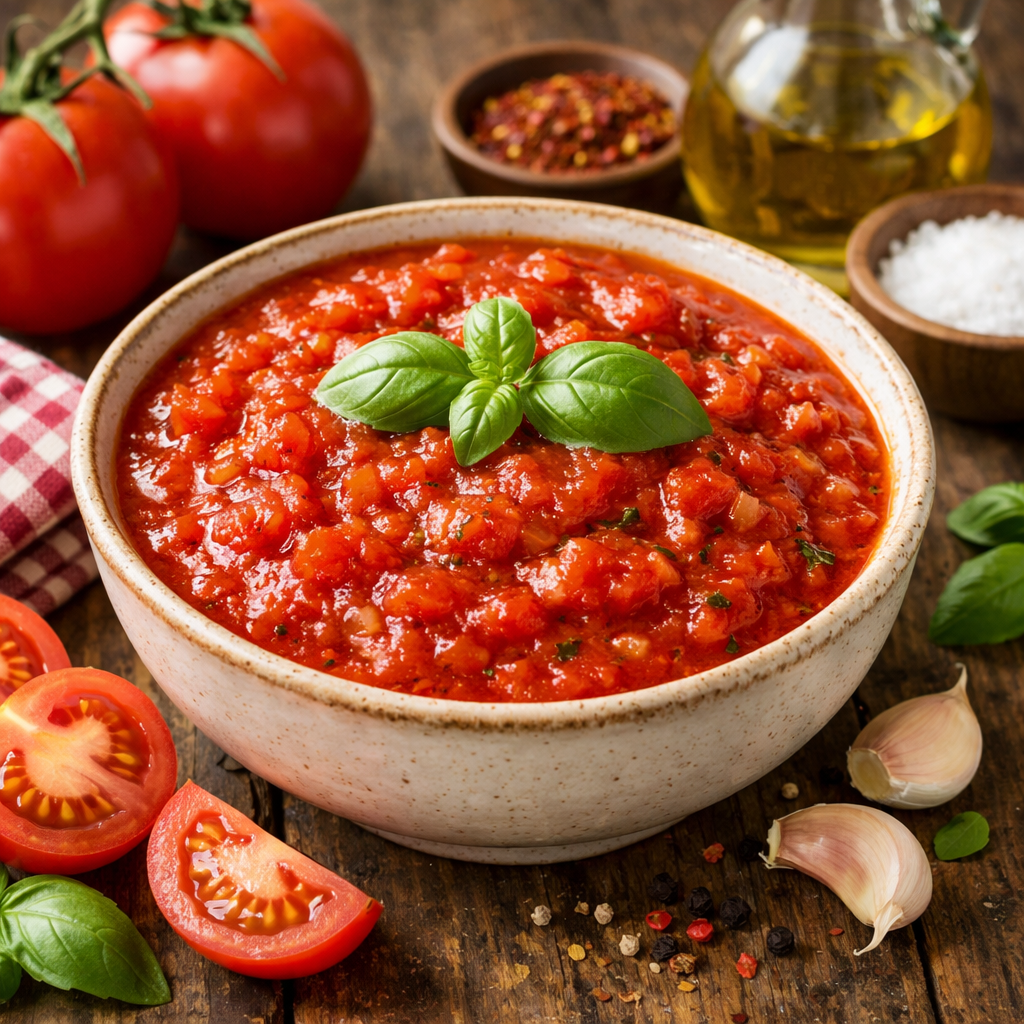
Italian cuisine celebrates simplicity and freshness. When you add basil and olive oil to your tomato sauce, you’re honoring centuries of tradition. Basil brings a sweet, aromatic lift, while olive oil adds richness and depth.
Stir in fresh basil leaves toward the end of cooking so they retain their fragrance. Drizzle extra virgin olive oil just before serving for a silky finish. Toss with spaghetti, layer in lasagna, or spoon over grilled vegetables.
Indian Style
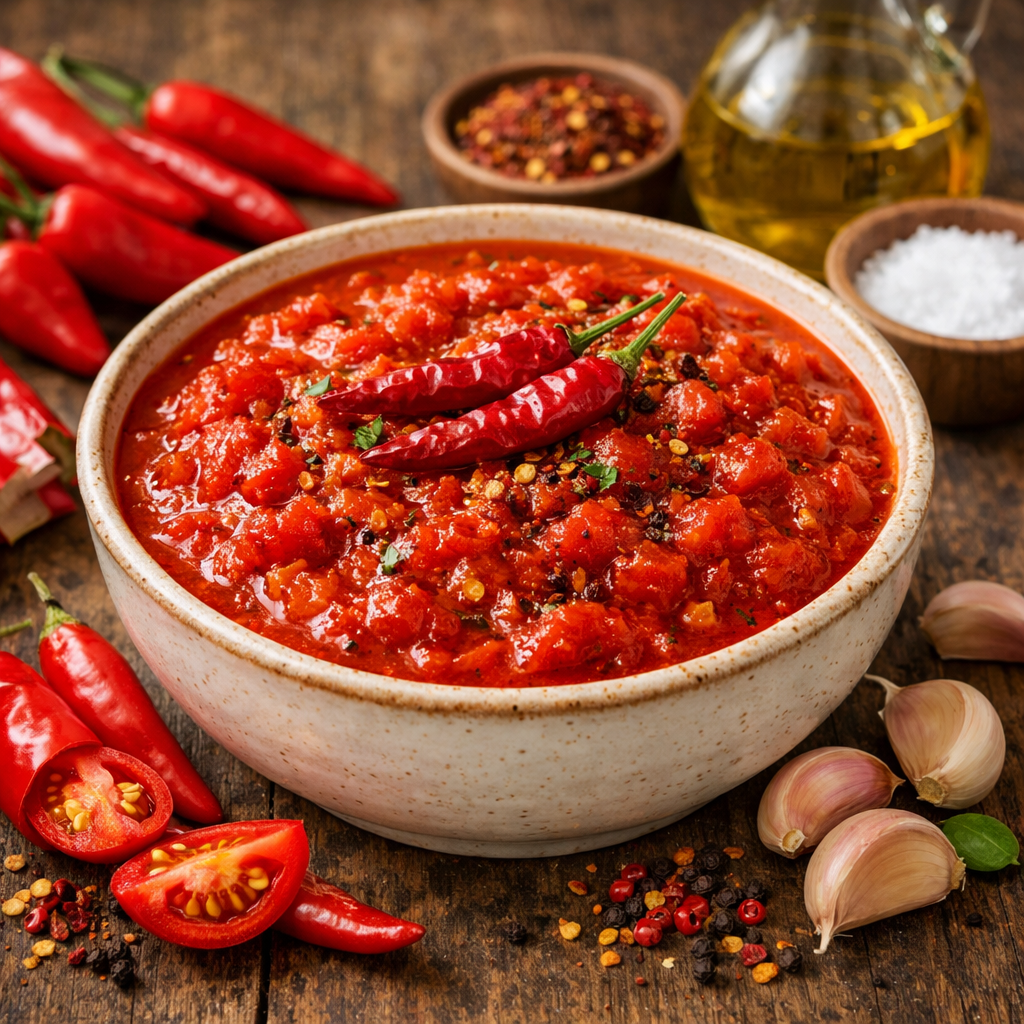
Indian cooking thrives on bold spices that awaken the senses. Adding cumin, coriander, and turmeric transforms your tomato sauce into a vibrant curry base. These spices balance the acidity of tomatoes with earthy, warm notes.
Heat the spices in oil before adding the tomatoes—this blooming process unlocks their full flavor.
Pair with lentils for dal, simmer with paneer for a rich curry, or use as a base for chickpea masala.
Mexican Style
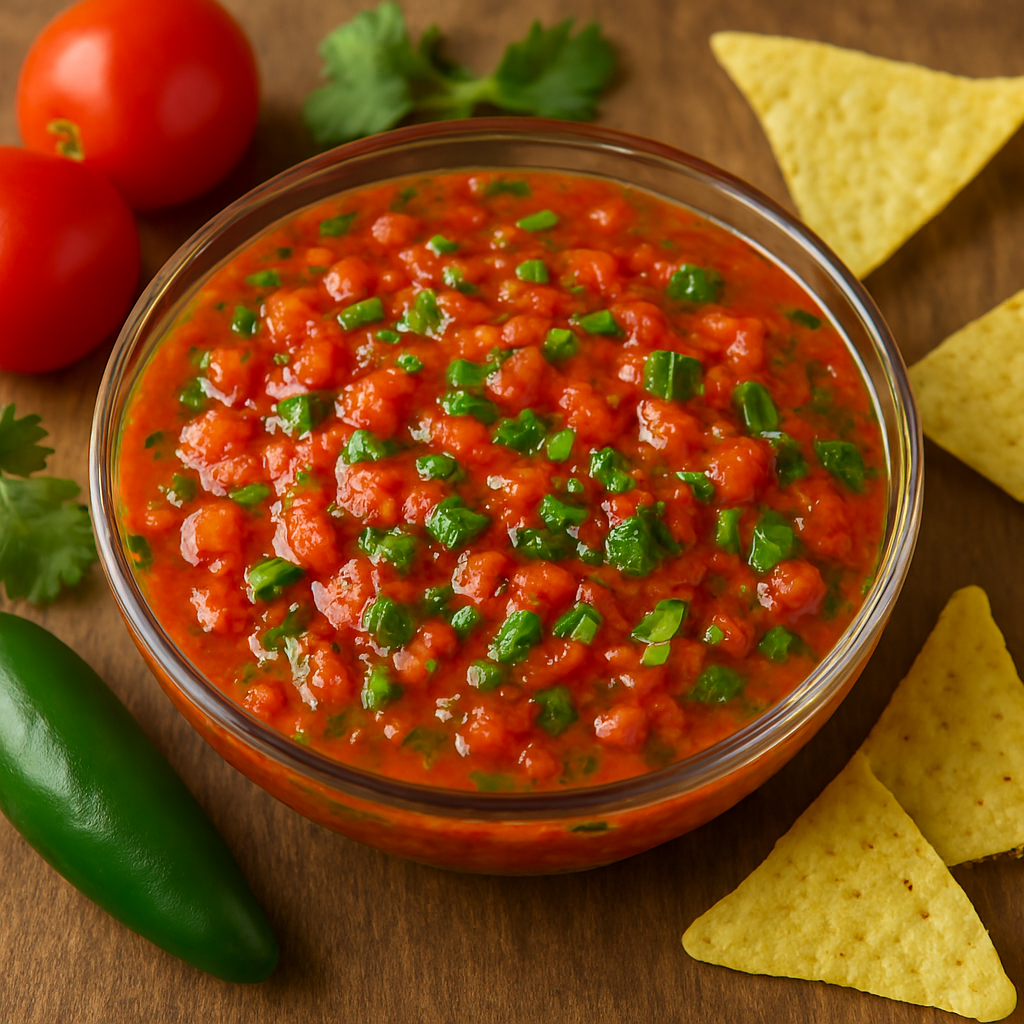
Mexican cuisine is all about zest and heat. Adding chili peppers and cilantro gives your tomato sauce a lively kick. Chili peppers bring smoky spice, while cilantro adds a fresh, citrusy brightness.
Blend roasted chili peppers into the sauce for depth, then sprinkle chopped cilantro just before serving.
Wrapping Up
Frozen tomatoes are not a compromise—they’re an opportunity. By following these steps, you can turn what might seem like a humble freezer stash into a sauce that’s rich, comforting, and deeply flavorful.
Whether you’re topping spaghetti, layering lasagna, or spooning it over roasted vegetables, this sauce carries the essence of summer into every season.
Leave a Reply