Tomatoes are a staple in kitchens worldwide, but once chopped, their shelf life shortens considerably. To avoid waste and ensure safety, it’s important to know how long they last and the best ways to store them.
Each method below comes with its own benefits and limitations, so let’s explore them step by step.
Shelf Life of Chopped Tomatoes
Table of Contents
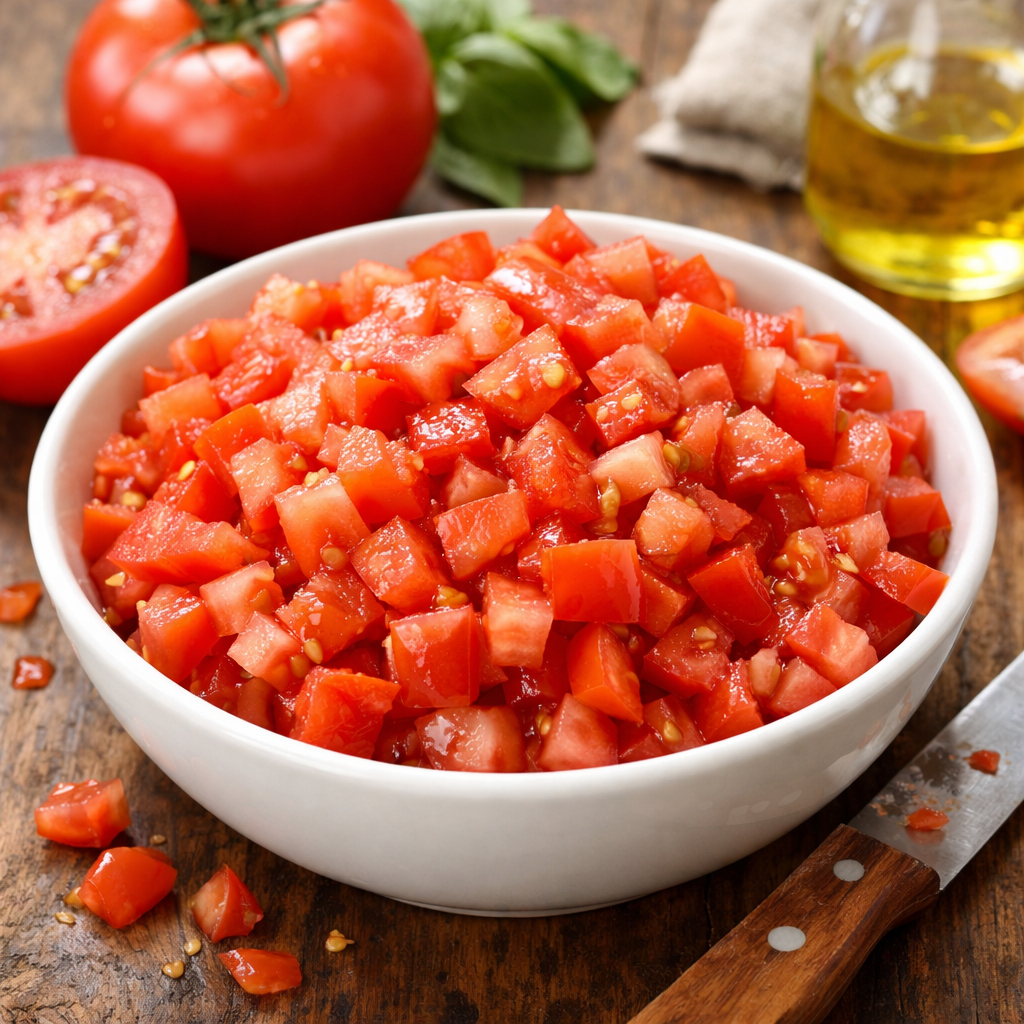
Once chopped, tomatoes lose their protective skin and become more vulnerable to bacteria and spoilage. Their lifespan depends on where and how you store them, with refrigeration being the most common option.
• Fridge lifespan – 3–5 days
• Freezer lifespan – 6–8 months
• Room temperature – Not recommended once chopped
Why Refrigeration Matters
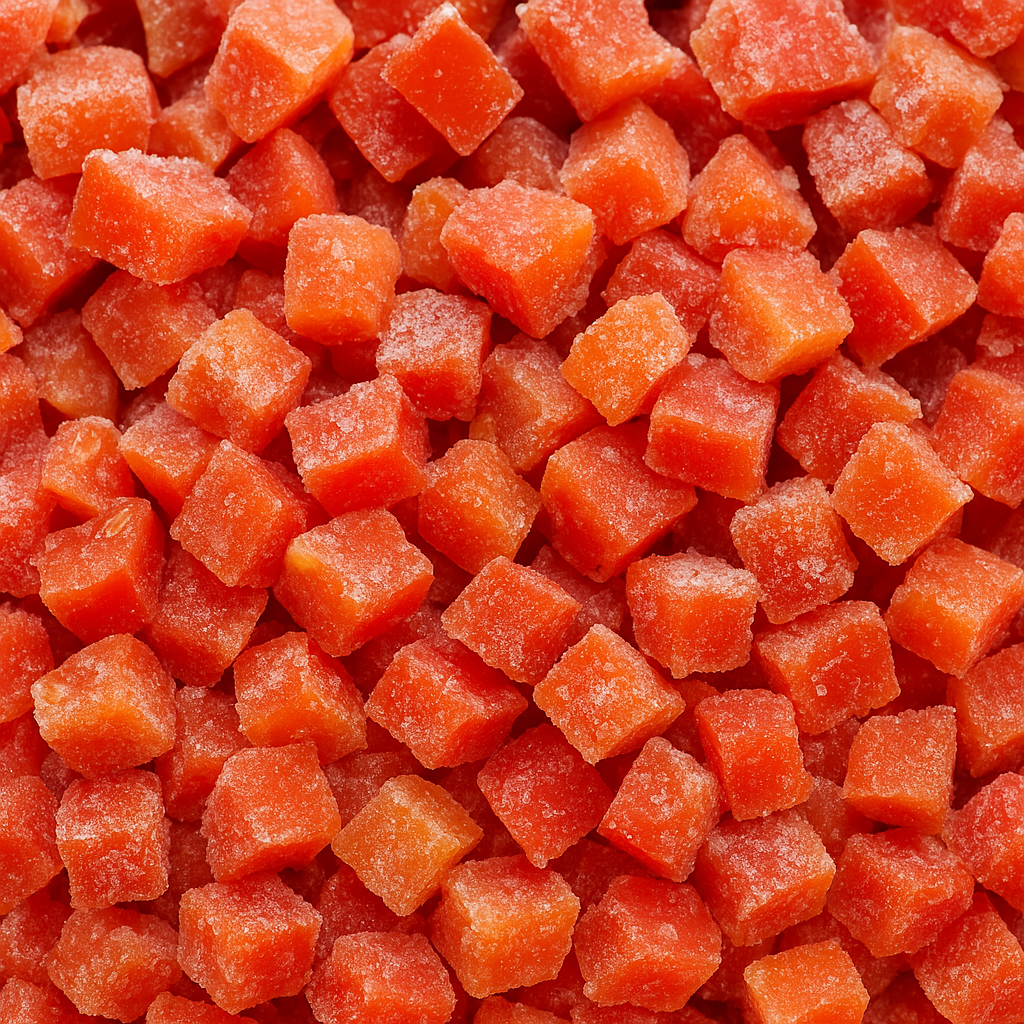
Refrigeration slows bacterial growth and keeps chopped tomatoes safe to eat for a few days. However, cold temperatures can affect their texture, making them softer over time.
• Keeps tomatoes below 40°F (4°C)
• Slows bacterial growth significantly
• Best for short-term storage (3–5 days)
• Texture changes after 2–3 days, especially for raw use
Factors That Influence Freshness
Not all chopped tomatoes spoil at the same rate. Several factors—like ripeness, storage container, and moisture—play a role in how long they stay good.
• Ripeness – Firmer tomatoes last longer than overripe ones
• Storage container – Airtight containers prevent contamination
• Moisture – Excess liquid accelerates spoilage
• Cross-contamination – Keep away from raw meat or seafood
Signs of Spoilage of Chopped Tomatoes
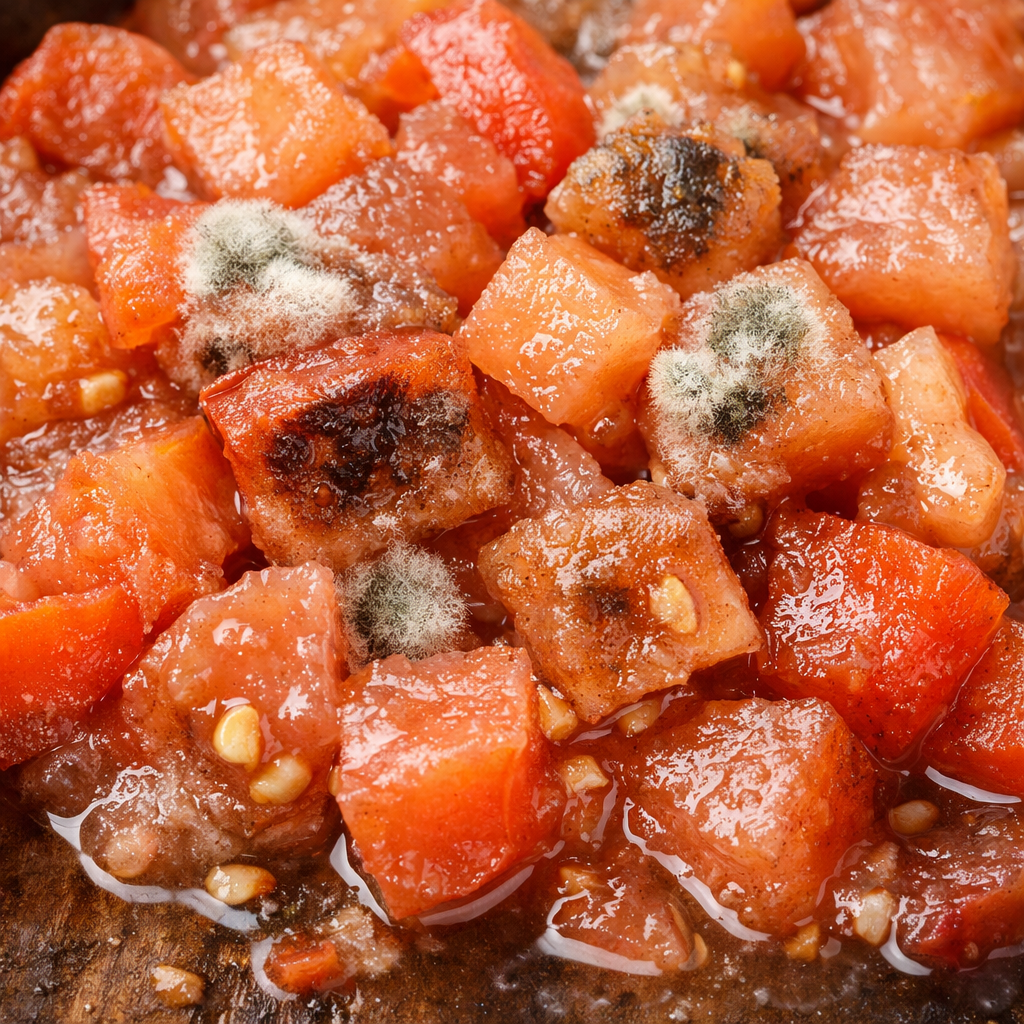
It’s important to recognize when chopped tomatoes are no longer safe to eat. Spoiled tomatoes can cause foodborne illness, so always check before use.
• Slimy or watery texture
• Sour or fermented smell
• Dark spots or mold growth
• Discoloration (brown or dull patches)
Freezing Chopped Tomatoes
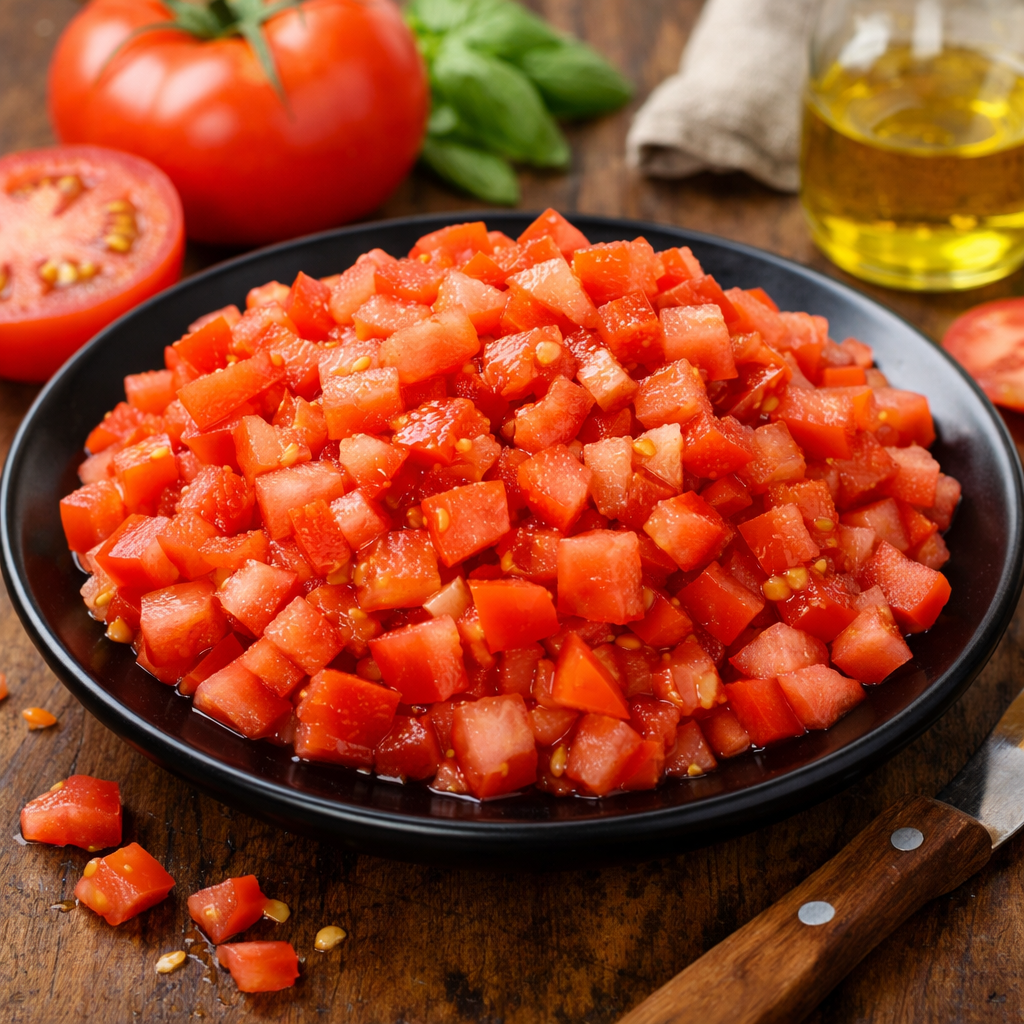
Freezing is the best way to extend shelf life for months. While texture changes after thawing, flavor remains intact, making frozen tomatoes perfect for cooked dishes.
• Drain excess liquid before freezing
• Store in freezer-safe bags or containers
• Label with date for tracking
• Use within 6–8 months
• Best for soups, sauces, and stews (not salads)
Practical Kitchen Tips
Small adjustments in handling and storage can make a big difference. These everyday habits help you get the most out of chopped tomatoes and reduce waste.
• Chop only what you need
• Label containers with storage dates
• Cook leftovers into sauces or curries
• Freeze portions for later use
• Use glass containers to avoid odor absorption
Culinary Uses for Leftover Chopped Tomatoes
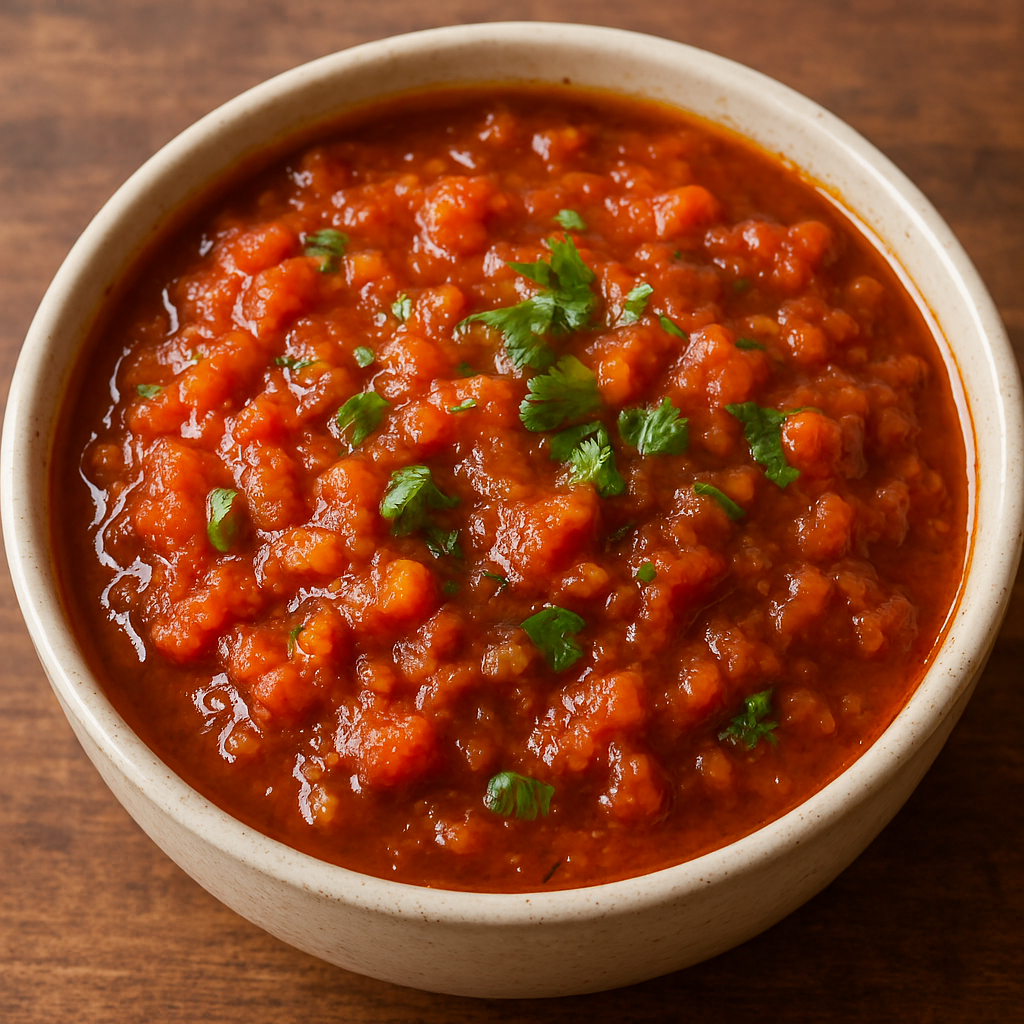
Extra chopped tomatoes don’t have to go to waste. With a little creativity, you can transform them into delicious dishes before they spoil.
• Salsa with onions, cilantro, and lime
• Bruschetta with olive oil, garlic, and basil
• Shakshuka with spices and poached eggs
• Tomato soup blended with stock and herbs
• Curry base for Indian-style gravies
Nutritional Considerations
Tomatoes are packed with nutrients, but once chopped, their nutritional value begins to decline. Freezing helps preserve nutrients better than refrigeration, though texture suffers.
• Rich in Vitamin C, Lycopene, and Potassium
• Vitamin C degrades quickly after chopping
• Lycopene remains stable even after cooking
• Freezing preserves nutrients better than refrigeration
Food Safety Guidelines
Safe handling is key to avoiding foodborne illness. Following these guidelines ensures your chopped tomatoes stay fresh and safe to eat.
• Wash tomatoes thoroughly before chopping
• Use clean knives and cutting boards
• Refrigerate within 2 hours of preparation
• Never eat tomatoes left overnight at room temperature
Proper storage isn’t just about safety—it’s also about sustainability. Reducing tomato waste helps save money and contributes to environmental conservation.
• Store properly to reduce household waste
• Compost spoiled tomatoes instead of trashing them
• Freeze excess portions to avoid waste
Additional Tips
Chefs often use clever tricks to extend freshness. These professional tips can help you store chopped tomatoes more effectively.
• Place a paper towel in the container to absorb moisture
• Add a drizzle of olive oil to reduce oxidation
• Use vacuum-sealed bags for longer fridge life
Wrapping Up
Chopped tomatoes are best enjoyed fresh, but smart storage can extend their usability. Stick to the 3–5 day fridge rule, freeze if needed, and always check for spoilage signs.
With these methods, you’ll enjoy flavorful tomatoes while keeping your kitchen safe, sustainable, and waste-free. For further queries, ask us in the comments section provided below.
Leave a Reply