Tomatoes are one of the most versatile crops in the world, but among the countless varieties, beefsteak tomatoes stand out as the giants. They’re not just big in size—they’re big in flavor, in culinary potential, and in gardening challenges. If you’ve ever bitten into a thick slice of tomato on a burger and marveled at its juiciness, chances are you’ve tasted a beefsteak.
Here’s everything you need to know about the beefsteak tomatoes from what makes them unique, to how to grow them successfully, to the many ways you can enjoy them in your kitchen.
What Are Beefsteak Tomatoes?
Table of Contents
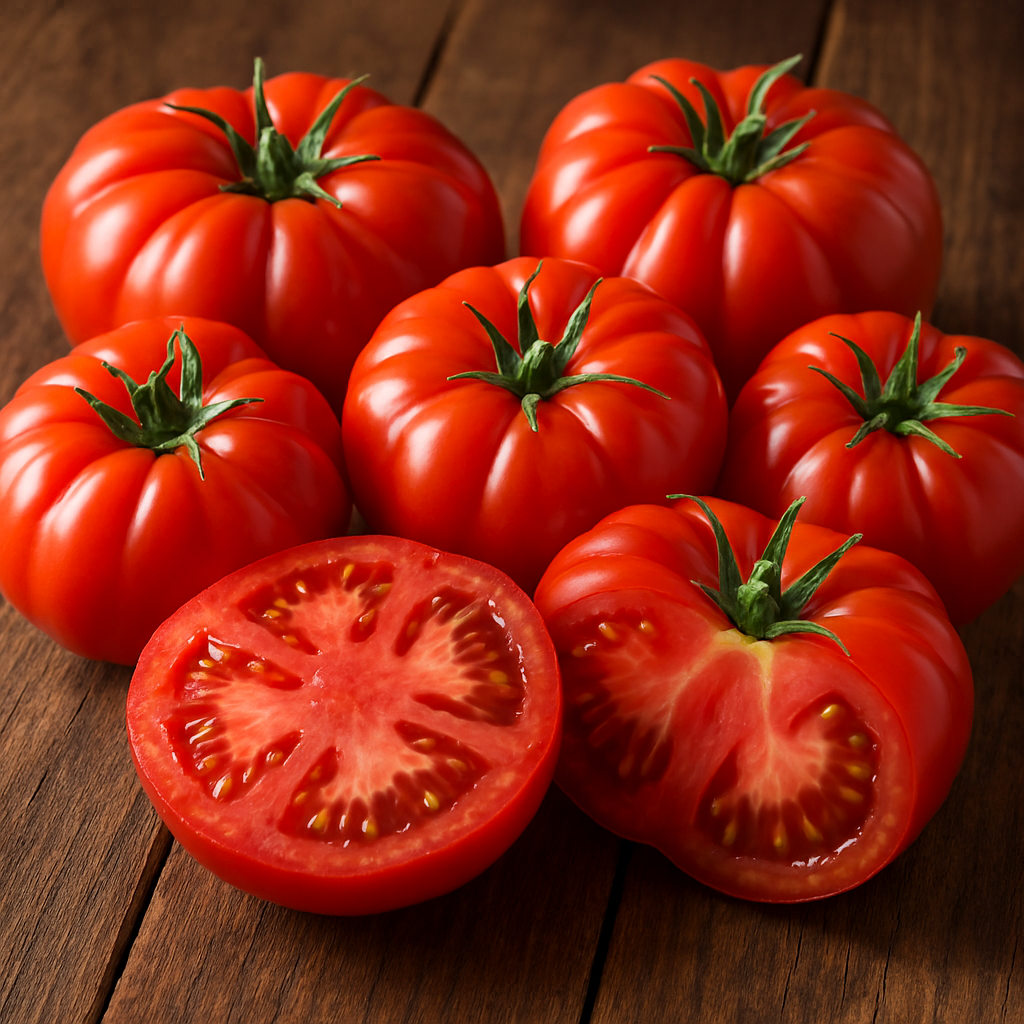
Beefsteak tomatoes are large-fruited cultivars of Solanum lycopersicum. Unlike cherry or Roma tomatoes, which are small and specialized, beefsteaks are bred for size and fleshiness. They can weigh anywhere from half a pound to two pounds, with diameters reaching six inches or more. Their flesh is dense, juicy, and low in seeds, which makes them perfect for slicing.
• Texture: Thick, meaty, and less watery than smaller tomatoes.
• Flavor: Balanced between sweet and acidic, often richer than standard supermarket tomatoes.
• Growth Habit: Indeterminate, meaning they keep producing fruit until frost kills the plant.
• Ripening: Mid-to-late season, requiring patience compared to faster-maturing varieties.
Varieties of Beefsteak Tomatoes
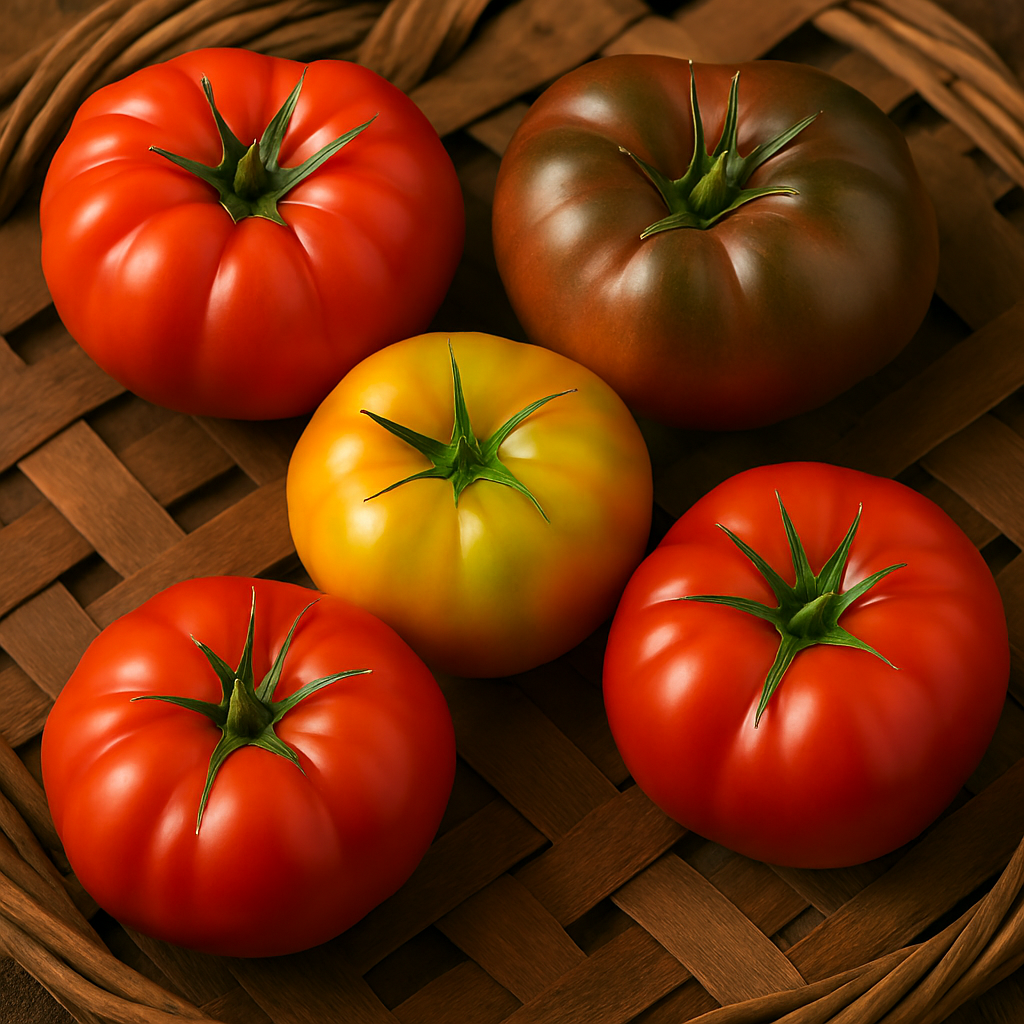
Beefsteak tomatoes aren’t just one type—they’re a family of cultivars, each with its own flavor, color, and history.
• Brandywine: An heirloom variety with pinkish-red fruits and legendary flavor. Gardeners prize it for its taste, though it can be finicky to grow.
• Cherokee Purple: Deep reddish-purple fruits with a smoky, complex flavor. A favorite among tomato enthusiasts.
• Big Rainbow: Striking yellow fruits streaked with red, offering both beauty and sweetness.
• Mortgage Lifter: A famous heirloom developed in the 1930s, producing massive fruits that helped its breeder pay off his mortgage.
• Classic Red Beefsteak: The traditional large red tomato, widely available and reliable.
Each variety has its quirks—some are more disease-resistant, others more flavorful, and some simply more dramatic in appearance.
Growing Beefsteak Tomatoes: A Gardener’s Guide
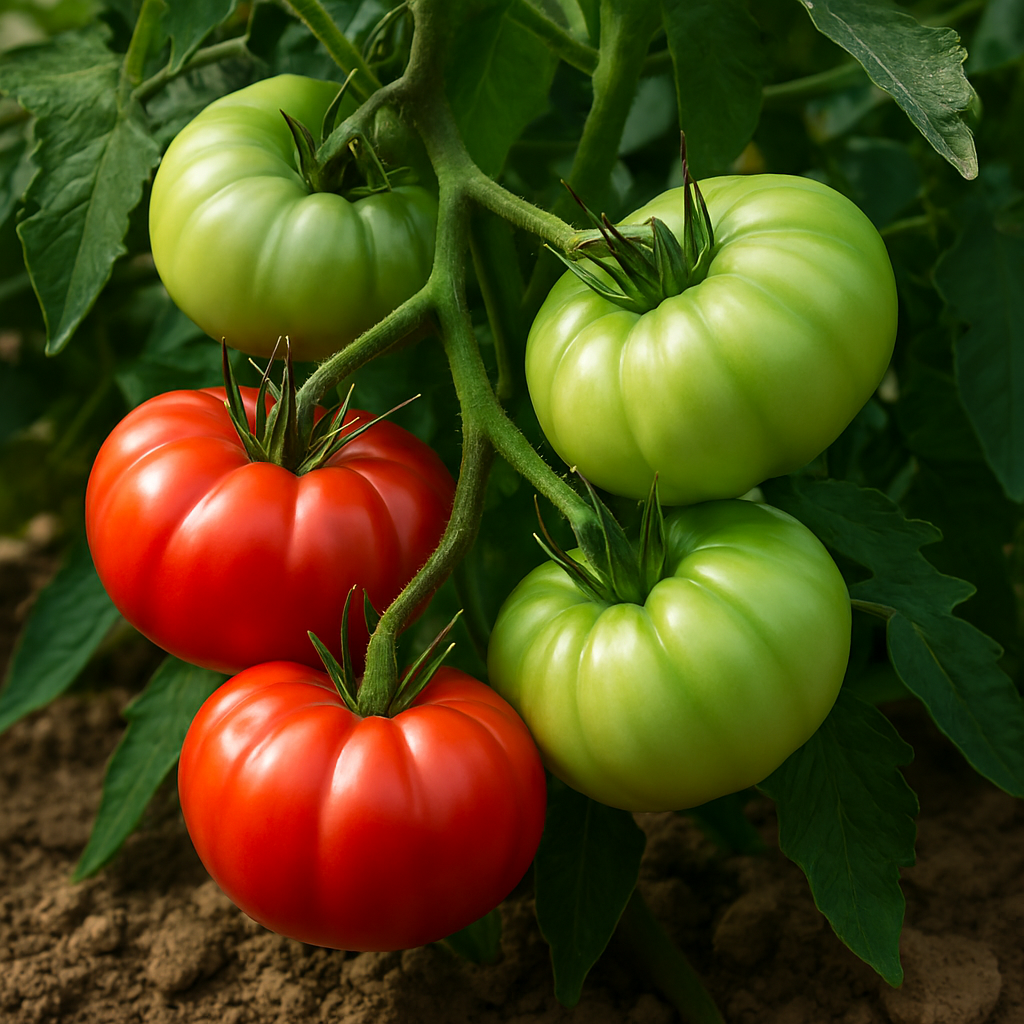
Growing beefsteak tomatoes is rewarding but requires more effort than smaller varieties. Their size and growth habit mean they need space, support, and careful attention.
Starting Seeds
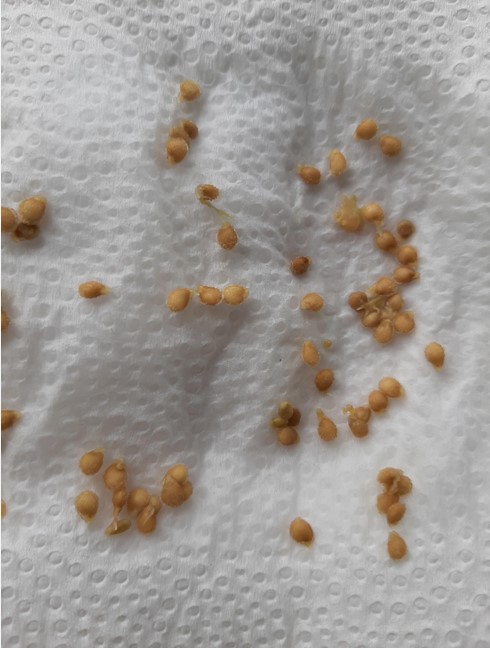
• Begin planting tomato seeds indoors 6–8 weeks before your region’s last frost date.
• Use seed trays or small pots with a light, well-draining seed-starting mix.
• Keep them warm (70–75°F) and provide plenty of light—either a sunny windowsill or grow lights.
Transplanting Outdoors

• Harden off seedlings by gradually exposing them to outdoor conditions.
• Transplant when soil temperatures reach at least 60°F.
• Space plants 24–36 inches apart to allow airflow and reduce disease risk.
Soil and Sunlight
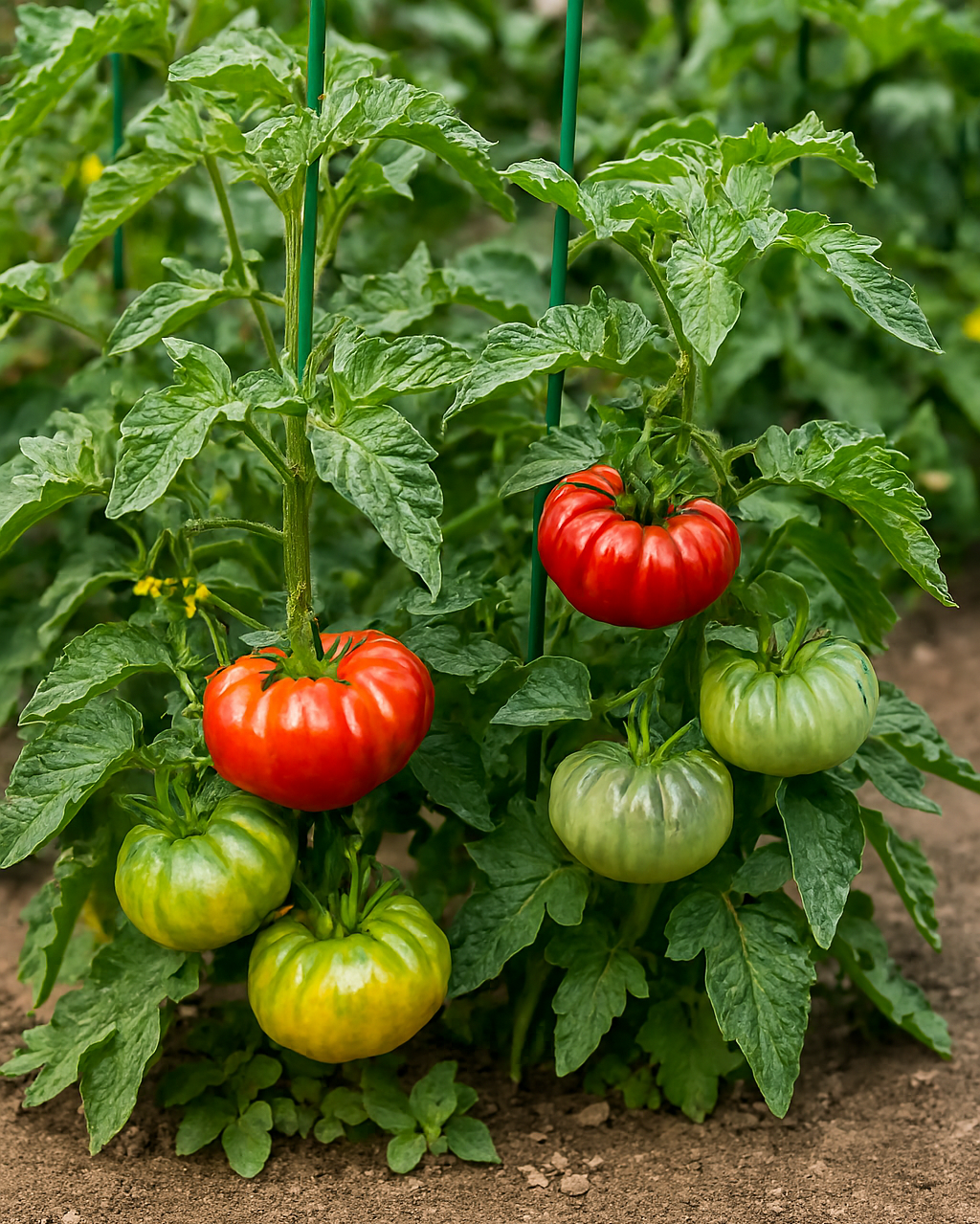
• Beefsteaks thrive in full sun—at least 6–8 hours daily.
• Soil should be rich in organic matter, well-drained, and slightly acidic (pH 6.0–6.8).
• Adding compost or aged manure improves fertility and moisture retention.
Watering

• Water tomato plants deeply and consistently, aiming for 1–2 inches per week.
• Avoid overhead watering to reduce leaf diseases; drip irrigation is ideal.
• Mulch around plants to retain moisture and regulate soil temperature.
Support Systems
Because beefsteaks produce heavy fruits, plants need strong support.
• Use tall cages, sturdy stakes, or trellises.
• Tie stems gently with soft ties to prevent breakage.
• Prune suckers (side shoots) to improve airflow and direct energy to fruit production.
Fertilization
• Use a balanced fertilizer early in growth.
• Switch to a phosphorus- and potassium-rich formula once flowering begins to encourage fruiting.
• Avoid excessive nitrogen, which promotes leafy growth at the expense of fruit.
Culinary Uses
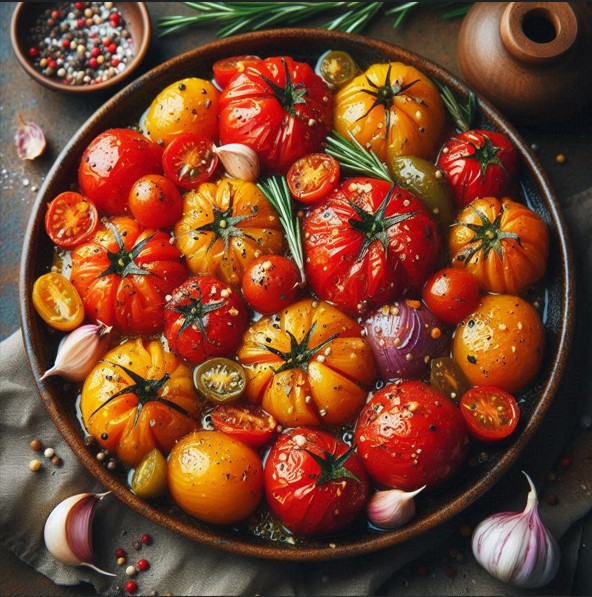
Beefsteak tomatoes are prized in the kitchen for their versatility. Their large slices and rich flavor make them ideal for fresh dishes.
• Sandwiches and Burgers: A single slice can cover an entire bun, adding juiciness and flavor.
• Caprese Salad: Layered with mozzarella, basil, and olive oil, beefsteaks shine in this classic dish.
• Grilled or Roasted: Cooking enhances their sweetness and concentrates flavor.
• Stuffed Tomatoes: Their size makes them perfect for hollowing out and filling with grains, meats, or vegetables.
• Salsas and Sauces: Though not as common as Roma tomatoes for sauce, beefsteaks can be used for chunky, rustic preparations.
Challenges and Solutions
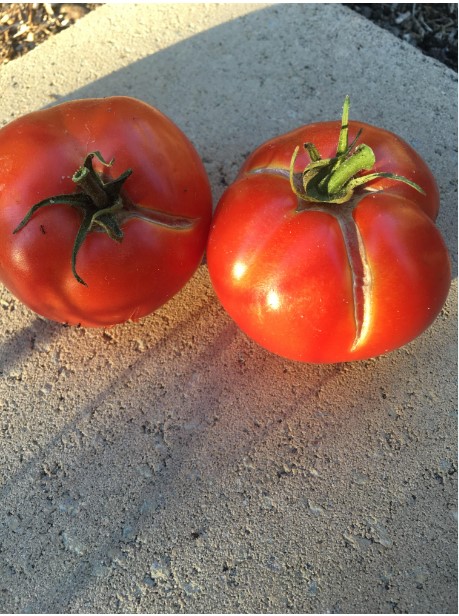
Beefsteak tomatoes are rewarding but not without challenges.
• Cracking: Caused by irregular watering. Solution: keep soil moisture consistent.
• Blossom End Rot: A calcium deficiency often linked to uneven watering. Solution: maintain steady moisture and ensure soil calcium levels.
• Pests: Tomato hornworms, aphids, and whiteflies are common. Solution: hand-pick hornworms, use insecticidal soap for aphids, and encourage beneficial insects.
• Diseases: Early blight, late blight, and leaf spot can affect plants. Solution: rotate crops, prune for airflow, and use resistant varieties when possible.
• Slow Ripening: Beefsteaks take longer to mature. Solution: be patient, and don’t harvest until fruits are fully colored and firm.
Tips for Success of Growing Beefsteak Tomatoes
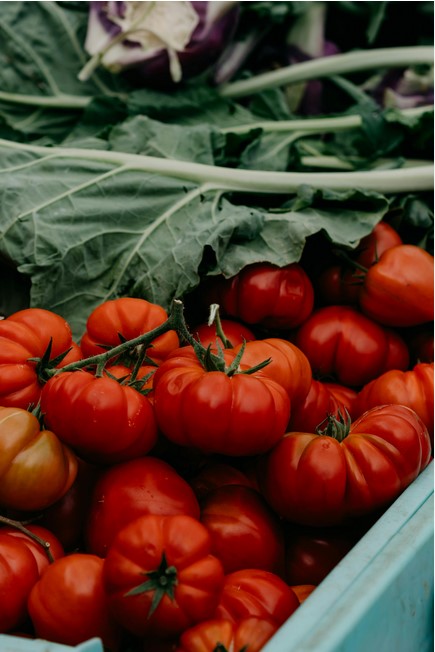
Here are some quick tips for the success of growing beefsteak tomatoes.
• Start with heirloom varieties if you want flavor, but hybrids if you want disease resistance.
• Mulch heavily to conserve water and reduce weeds.
• Prune carefully—removing too many leaves can expose fruits to sunscald.
• Harvest gently; large fruits bruise easily.
• Save seeds from heirloom varieties to continue growing them year after year.
Beefsteak Tomatoes in Everyday Cooking
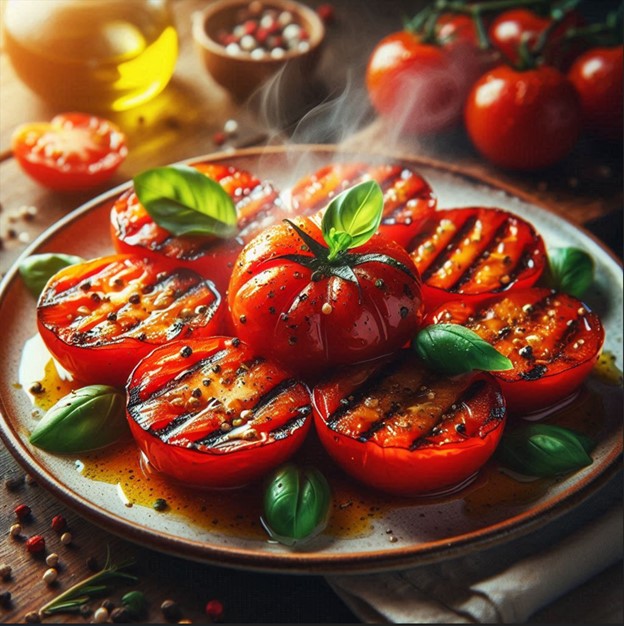
Beyond the obvious uses, beefsteaks can elevate everyday meals.
• Dice them into chunky salads with cucumbers, onions, and feta.
• Use them in bruschetta, topping toasted bread with garlic and olive oil.
• Blend them into gazpacho, a refreshing cold soup.
• Roast them with herbs for a side dish that pairs with grilled meats.
• Slice them thick and drizzle with balsamic glaze for a simple appetizer.
Tomatoes were first cultivated in South America, and beefsteak varieties became popular in North America during the 19th and 20th centuries. Heirloom varieties like Brandywine and Mortgage Lifter carry stories of families and farmers who preserved seeds across generations.
Today, beefsteaks are symbols of summer abundance, often featured in county fairs and gardening competitions for their impressive size.
Seasonal Growth of Beefsteak Tomatoes
Here’s a practical timeline for growing beefsteak tomatoes:
• Early Spring: Start seeds indoors.
• Mid-Spring: Harden off seedlings and transplant outdoors.
• Late Spring: Stake plants and begin mulching.
• Summer: Water consistently, fertilize, and prune suckers.
• Mid-to-Late Summer: Harvest ripe fruits as they mature.
• Fall: Collect seeds from heirlooms, remove plants, and prepare soil for next year.
Wrapping Up
Beefsteak tomatoes are not the easiest crop, but they’re among the most rewarding. Their sheer size, flavor, and versatility make them a centerpiece of any garden and kitchen.
Whether you’re slicing them onto a burger, layering them in a salad, or showing off your harvest at a local fair, beefsteaks embody the joy of gardening. With patience, care, and attention to detail, you’ll be rewarded with fruits that are as impressive as they are delicious.
Leave a Reply