Tomatoes are one of the most beloved ingredients in kitchens worldwide. Their vibrant flavor, versatility, and nutritional value make them indispensable in countless recipes—from hearty stews and pasta sauces to refreshing salsas.
But anyone who cooks regularly knows the pain of watching ripe tomatoes spoil before they can be used. Freezing whole tomatoes is a practical solution that allows you to preserve their goodness for months. In this guide, we’ll discuss not just the methods of freezing but also the science behind it, tips for storage, and creative ways to use frozen tomatoes.
Why Freeze Whole Tomatoes?
Table of Contents
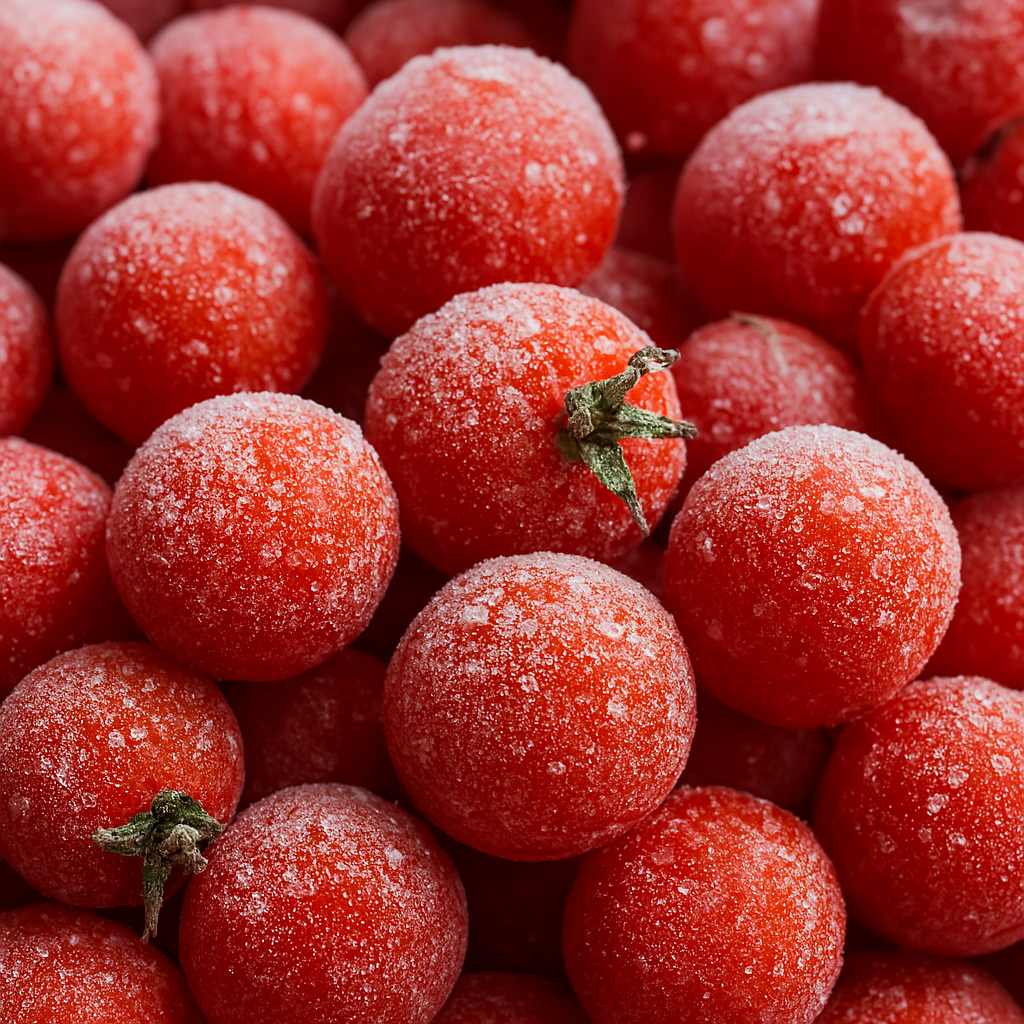
Freezing whole tomatoes is one of the most practical ways to preserve their flavor and extend their shelf life. Fresh tomatoes are highly perishable—once ripe, they can spoil within days. By freezing them, you lock in their taste and nutrients, ensuring you always have tomatoes ready for cooking, even when they’re out of season.
Key Benefits of Freezing Whole Tomatoes
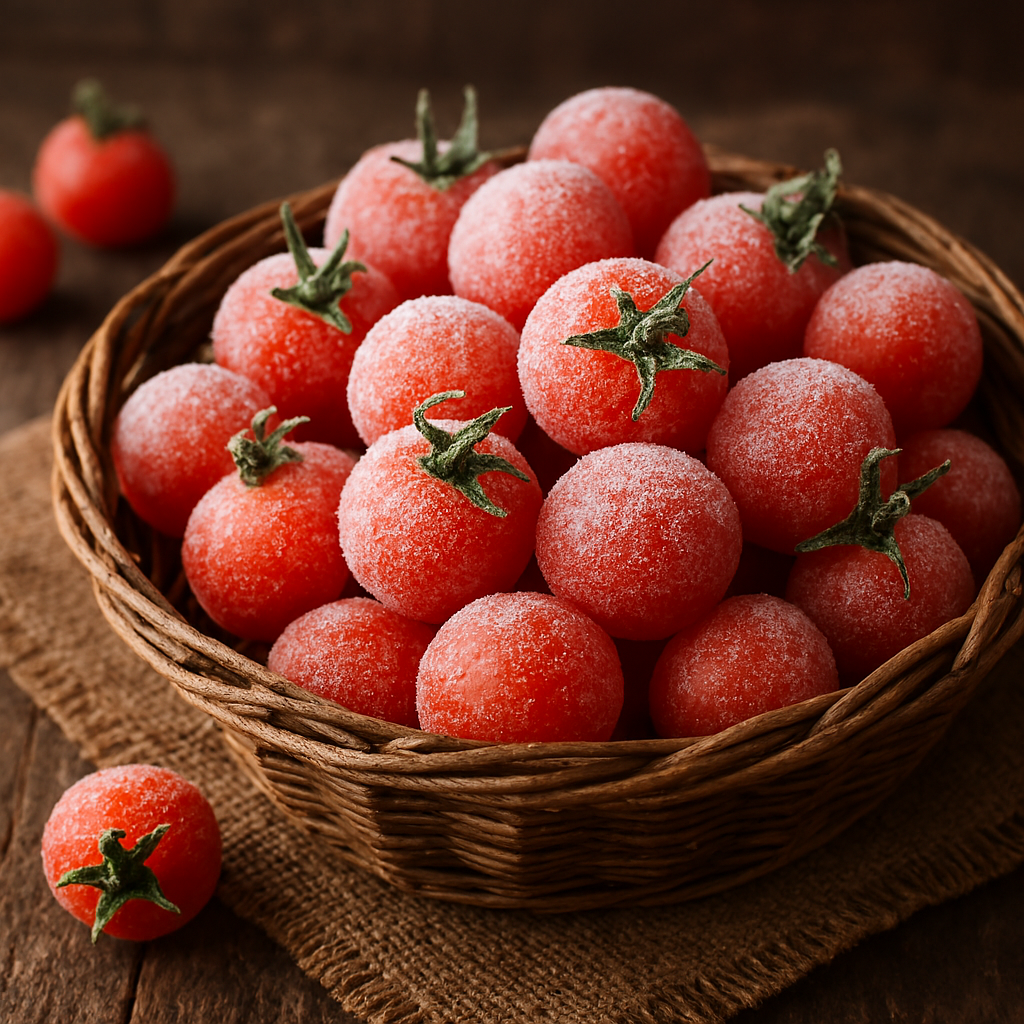
Here are the advantages of freezing whole tomatoes:
1. Convenience
Freezing whole tomatoes saves time. You don’t need to peel, chop, or cook them before storage. Once thawed, they’re ready to drop into soups, stews, or sauces.
2. Reduced Waste
Instead of letting ripe tomatoes go bad, freezing allows you to preserve them at their peak. This reduces food waste and saves money.
3. Seasonal Flavor Year-Round
Tomatoes taste best in summer, but freezing lets you enjoy that fresh flavor even in winter. It’s a way to capture the harvest and use it later.
4. Nutrient Retention
Freezing slows down enzymatic activity and microbial growth. While texture changes, vitamins and flavor compounds remain intact, making frozen tomatoes nearly as nutritious as fresh ones when cooked.
5. Versatility
Frozen tomatoes can be used in countless dishes—soups, curries, sauces, casseroles, and salsas. They’re not ideal for fresh salads, but they shine in cooked recipes.
Methods to Freeze Whole Tomatoes
Freezing whole tomatoes is one of the easiest ways to extend their shelf life while preserving their flavor. Whether you want a quick solution or a more refined preparation, there are several methods you can follow. Each approach has its own advantages depending on how you plan to use the tomatoes later.
1. Freezing Whole Tomatoes Without Peeling
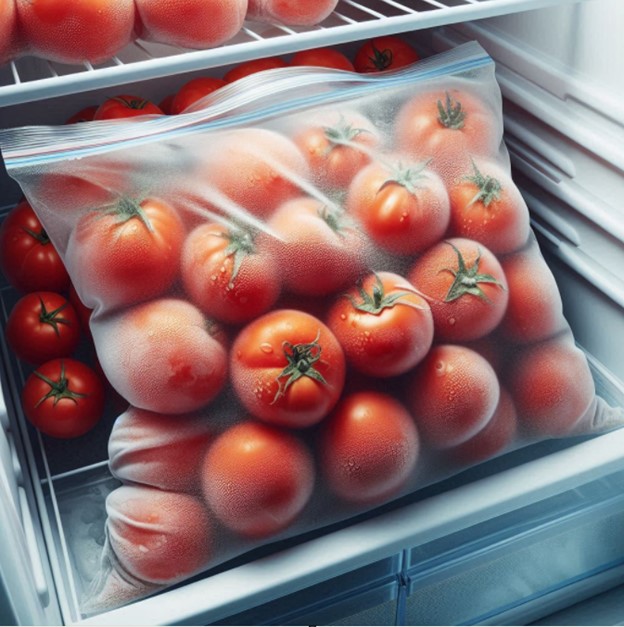
This is the simplest and fastest method. It requires minimal preparation and is perfect for busy home cooks who want to save time. By freezing tomatoes whole with their skins intact, you preserve their natural flavor and reduce prep work. While the texture changes after thawing, they remain excellent for cooked dishes.
Here are the steps to freeze whole tomatoes without peeling:
- Wash & Dry Thoroughly – Dirt or moisture can cause freezer burn.
- Remove Stems – Optional, but it makes them easier to use later.
- Flash Freeze – Place tomatoes on a baking sheet in a single layer. Freeze for 2–3 hours until firm.
- Transfer to Bags – Move them into freezer-safe bags or containers, squeezing out excess air.
- Label Clearly – Write the date and type of tomato.
Drop frozen tomatoes straight into soups, stews, or sauces. As they cook, skins loosen and slip off easily.
2. Freezing Peeled Tomatoes
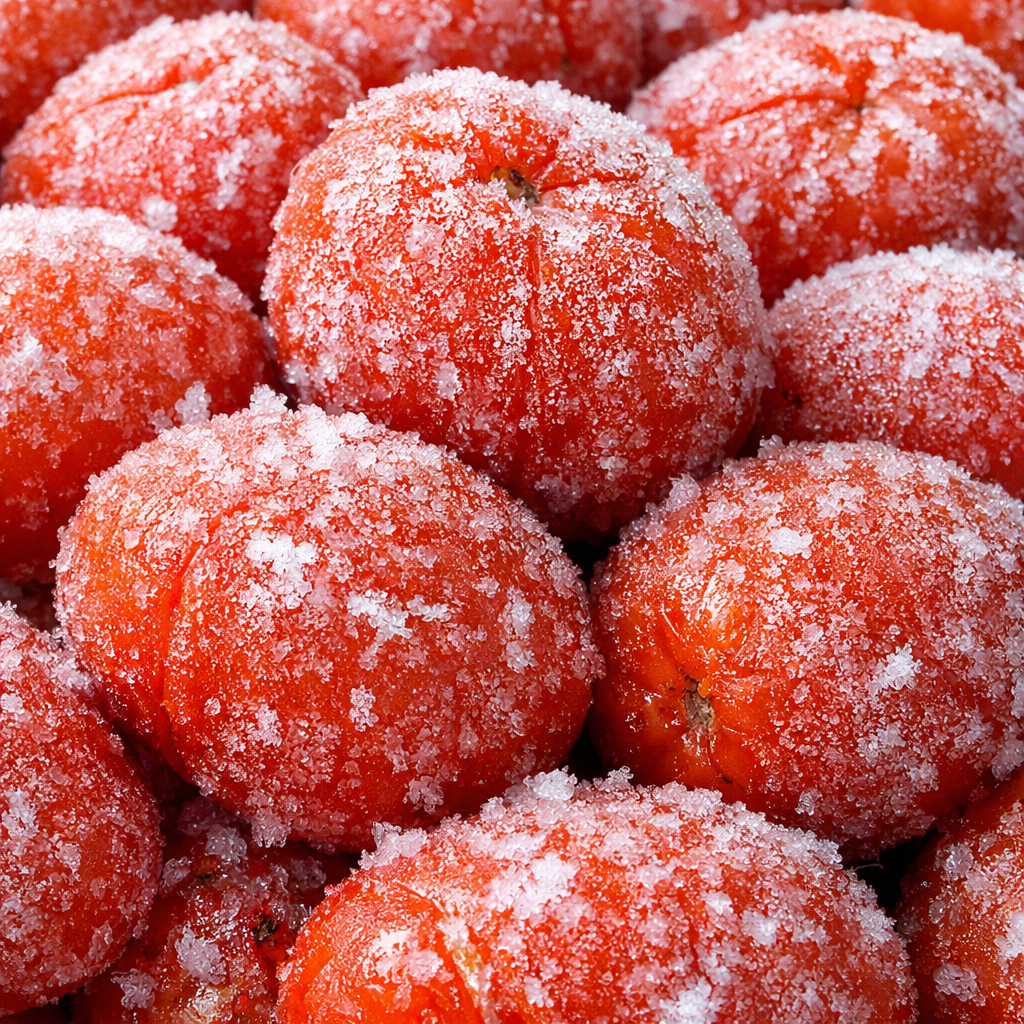
If you prefer smoother sauces or dislike dealing with skins later, peeling before freezing is the way to go. Though it takes more effort upfront, it saves time when cooking. This method is especially useful for recipes that require a silky texture, like tomato bisque or marinara sauce.
Here is how to freeze peeled tomatoes:
- Blanch in Boiling Water – Place tomatoes in boiling water for 30–60 seconds until skins crack.
- Ice Bath – Transfer immediately to cold water to stop cooking.
- Peel Skins – Slip skins off easily with your fingers.
- Flash Freeze – Arrange peeled tomatoes on a tray and freeze until solid.
- Store Properly – Place in freezer-safe bags, remove air, and label.
Peeled frozen tomatoes are perfect for pasta sauces, purees, and salsas.
Tips for The Success of Freezing Whole Tomatoes
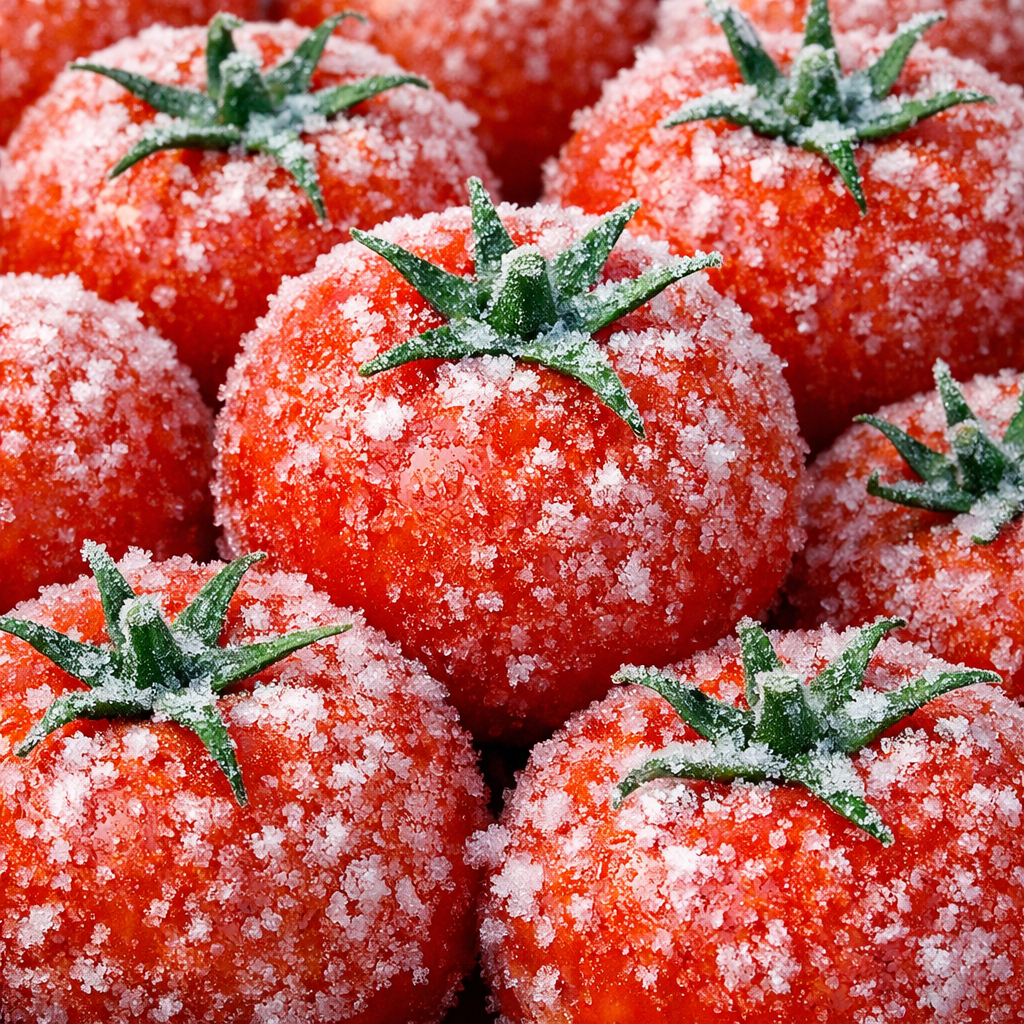
Follow these tips and tricks to freeze whole tomatoes successfully:
- Choose Ripe but Firm Tomatoes – Overripe ones may turn mushy.
- Avoid Freezing for Salads – Texture becomes too soft after thawing.
- Portion Control – Freeze in small bags or cubes to avoid waste.
- Label Everything – Date and type help track freshness.
- Use Within 6–8 Months – They last up to a year, but flavor is best earlier.
Freezing works by slowing down enzymatic activity and microbial growth. While texture changes due to ice crystals forming inside the tomato’s cells, flavor compounds remain intact. That’s why frozen tomatoes taste nearly as good as fresh when cooked, even if they lose firmness.
Creative Ways to Use Frozen Tomatoes
Frozen tomatoes are a secret weapon in the kitchen. While their texture changes after thawing, their flavor remains bold and versatile, making them perfect for cooked dishes. Here’s an expanded look at how you can transform frozen tomatoes into delicious meals:
Soups
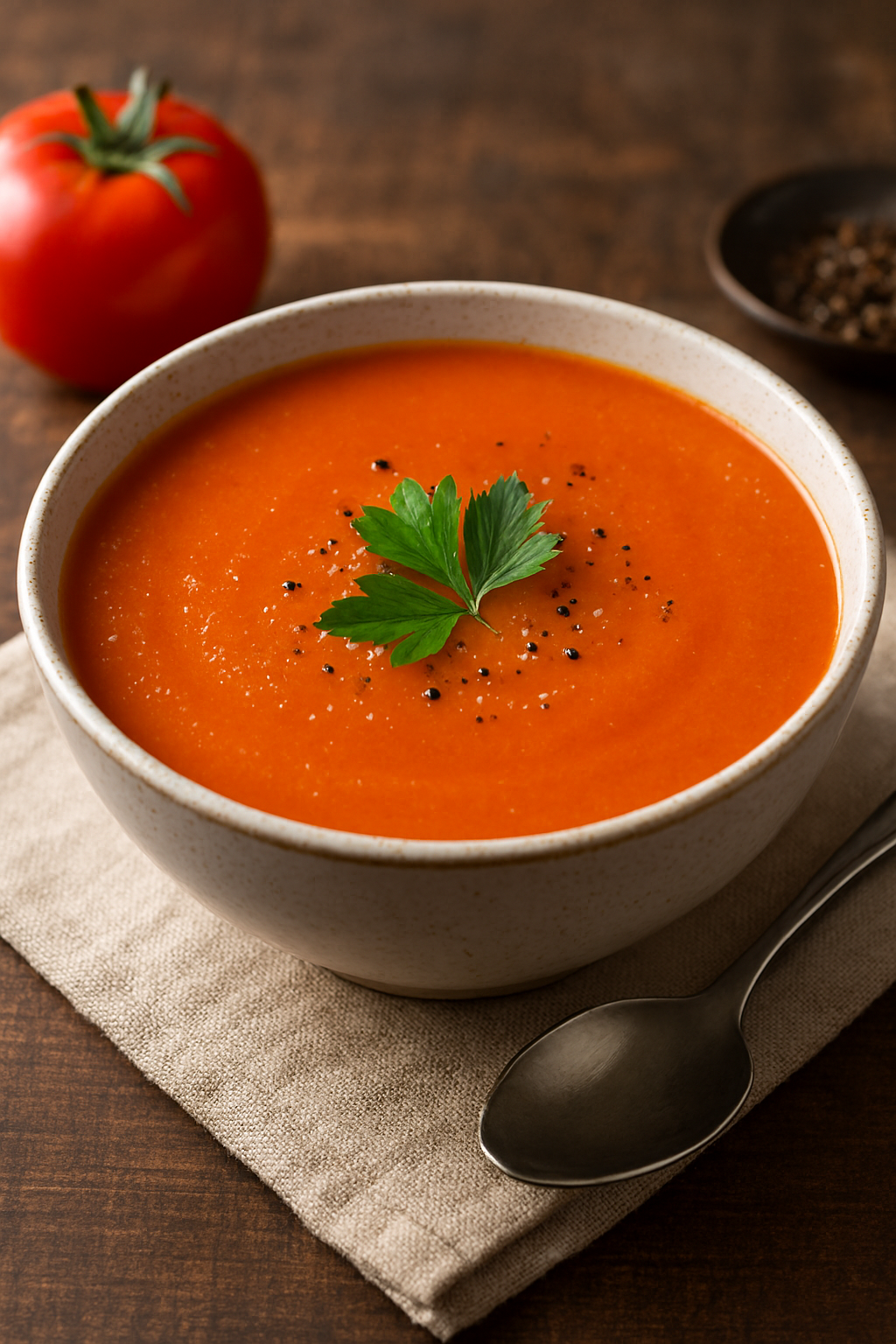
Frozen tomatoes add depth and richness to soups. Simply toss them into minestrone, lentil soup, or vegetable broth. As they simmer, the skins slip off naturally, and the tomatoes break down into a flavorful base. Their acidity balances heavier ingredients like beans or pasta, creating a comforting bowl that tastes like it simmered all day.
Curries & Stews
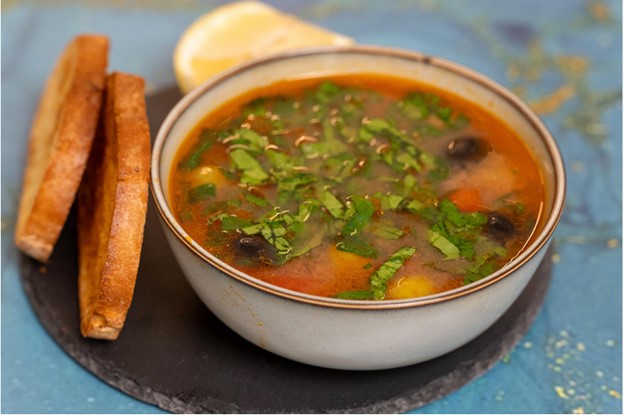
Tomatoes are essential in Indian, Mediterranean, and Middle Eastern cooking. Frozen tomatoes provide the tangy backbone for curries, chickpea stews, or Moroccan tagines. Add them directly to the pot, and they’ll melt into the sauce, enhancing spices like cumin, coriander, and turmeric. The result is a dish with layered flavor and natural sweetness.
Homemade Sauces
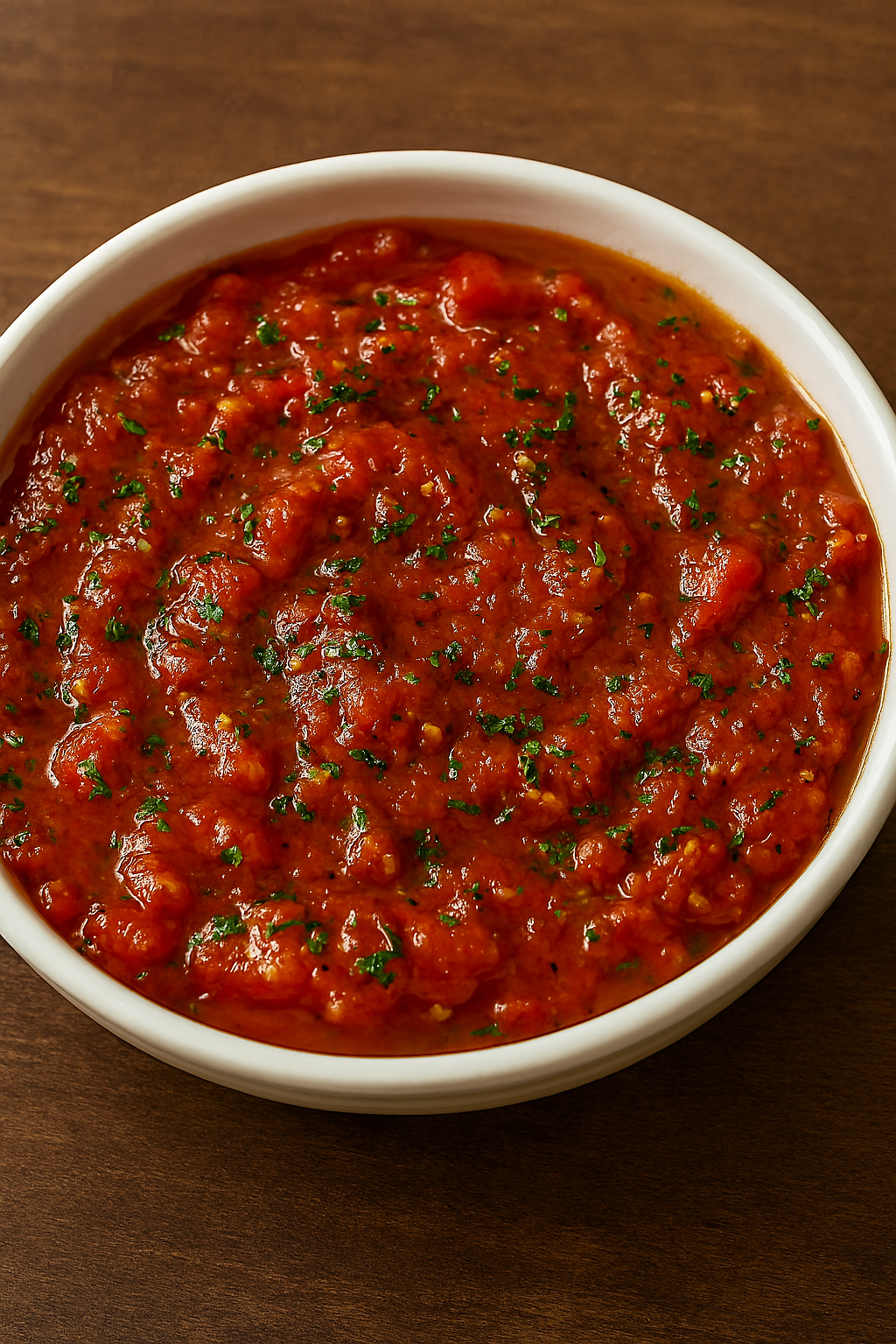
Thawed tomatoes are perfect for quick pasta sauces. Blend them with garlic, olive oil, and fresh herbs for a rustic marinara. You can also simmer them with onions and chili flakes for arrabbiata or puree them into a smooth base for pizza sauce. Freezing tomatoes ensures you always have the foundation for Italian classics at your fingertips.
Salsas
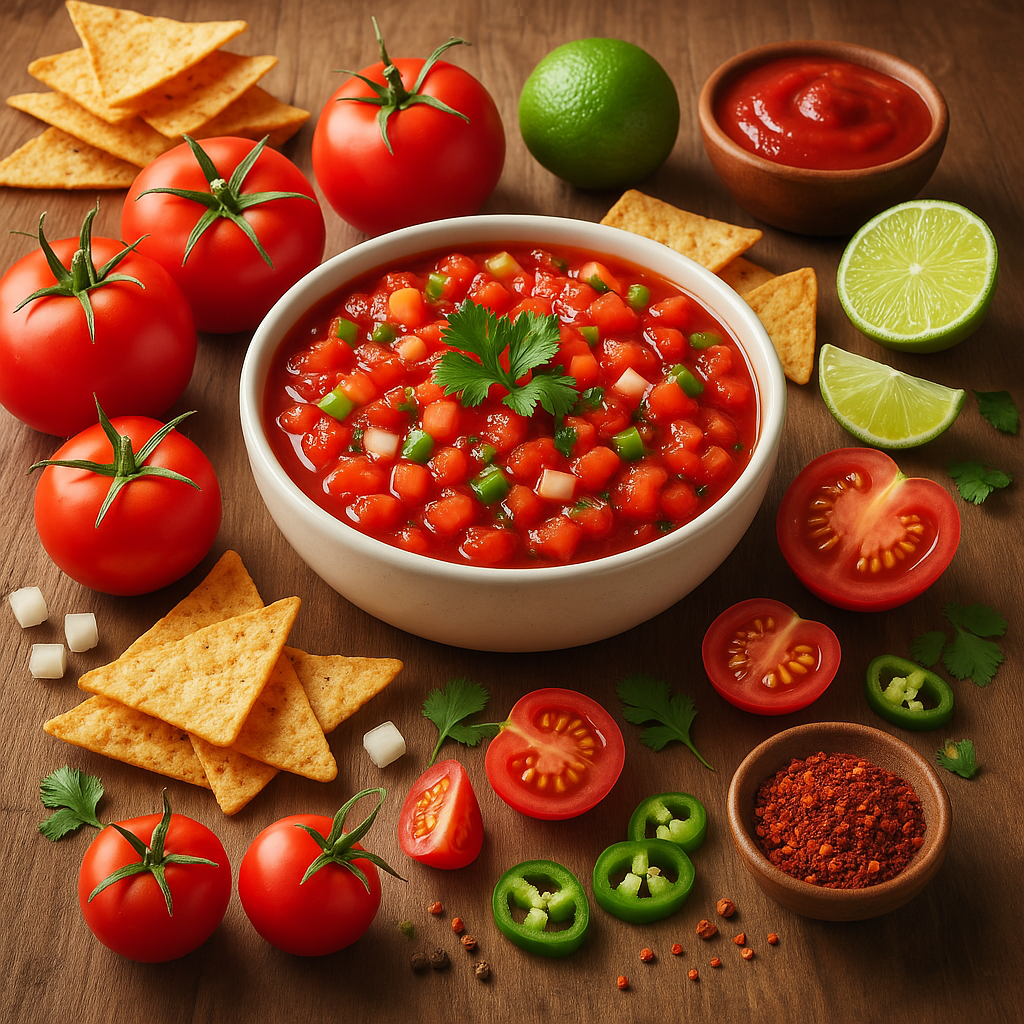
Frozen tomatoes can be thawed, chopped, and mixed with onions, cilantro, lime juice, and jalapeños for a fresh salsa. While the texture is softer than fresh tomatoes, the flavor remains vibrant. This makes them ideal for dips, taco toppings, or even as a base for Mexican-inspired rice dishes.
Casseroles & Baked Dishes
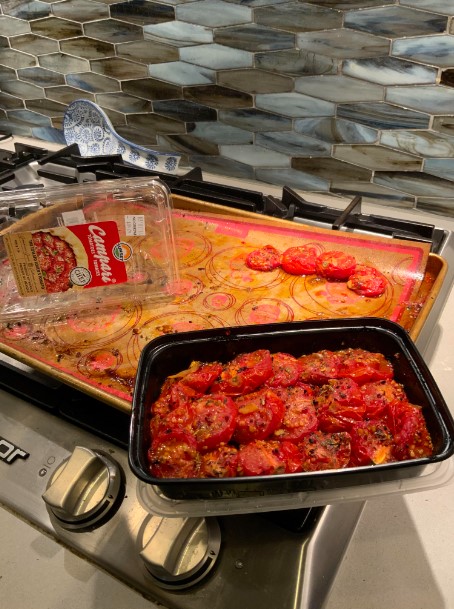
Layer thawed tomatoes into casseroles, lasagnas, or baked pasta dishes. Their juices help keep the dish moist while adding a burst of flavor. In gratins or baked rice, they provide acidity that balances creamy or cheesy components. Frozen tomatoes can also be combined with breadcrumbs and herbs for a rustic topping.
Innovative Ideas to Use Frozen Whole Tomatoes
Here are some innovative ideas of using frozen whole tomatoes:
Chili – Add frozen tomatoes to beef or vegetarian chili for a rich, tangy base.
Shakshuka – Simmer thawed tomatoes with peppers and spices, then poach eggs in the sauce.
Bread & Tomato Soup (Pappa al Pomodoro) – Use thawed tomatoes with stale bread for a Tuscan classic.
Roasted Tomato Puree – Roast thawed tomatoes with garlic and blend into a smoky sauce.
Wrapping Up
Freezing whole tomatoes is a kitchen hack every home cook should know. Whether you choose the quick unpeeled method, the refined peeled method, or the puree approach, you’ll always have tomatoes ready to elevate your dishes. With proper storage and labeling, you can enjoy the taste of summer tomatoes even in the middle of winter.
Leave a Reply