Grape tomatoes are small, sweet, and versatile. They brighten salads, roast beautifully, and make the perfect snack straight from the bowl. Yet their delicate nature means they can lose flavor, turn mushy, or spoil quickly if stored the wrong way.
With the right methods, you can keep them fresh for days, preserve them for months, and even transform them into pantry staples. This guide walks you through every approach—room temperature storage, refrigeration, freezing, drying, and canning—so you’ll always enjoy grape tomatoes at their very best.
Understanding Grape Tomatoes Before Storage
Table of Contents
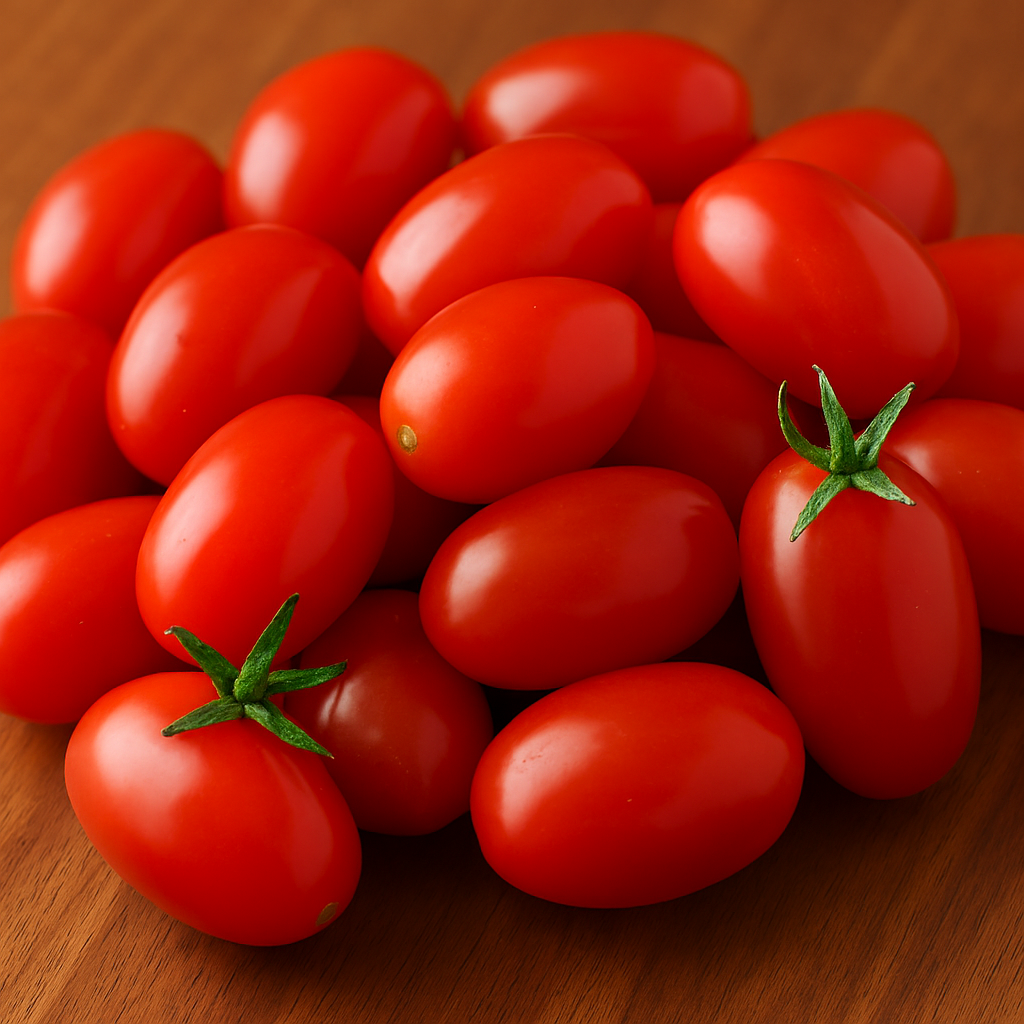
Before we jump into the actual storage methods, it’s important to understand what makes grape tomatoes unique. Their size, skin thickness, and sugar content all influence how they should be stored. By knowing these characteristics, you’ll be better equipped to choose the right method for keeping them fresh.
• Shape & Size: Grape tomatoes are smaller and more oval than cherry tomatoes, which makes them less prone to bursting but still delicate.
• Skin Thickness: Their slightly thicker skin helps them last longer than cherry tomatoes, but they can still wrinkle if not stored correctly.
• Sugar Content: Higher natural sugars mean they taste sweeter, but also spoil faster if exposed to moisture or heat.
• Ripening Process: Like all tomatoes, they continue to ripen after harvest due to ethylene gas, so storage conditions directly affect flavor.
By recognizing these traits, you’ll understand why room temperature is best for ripening, refrigeration is useful for extending shelf life, and freezing or drying works for long-term preservation.
Room Temperature Storage
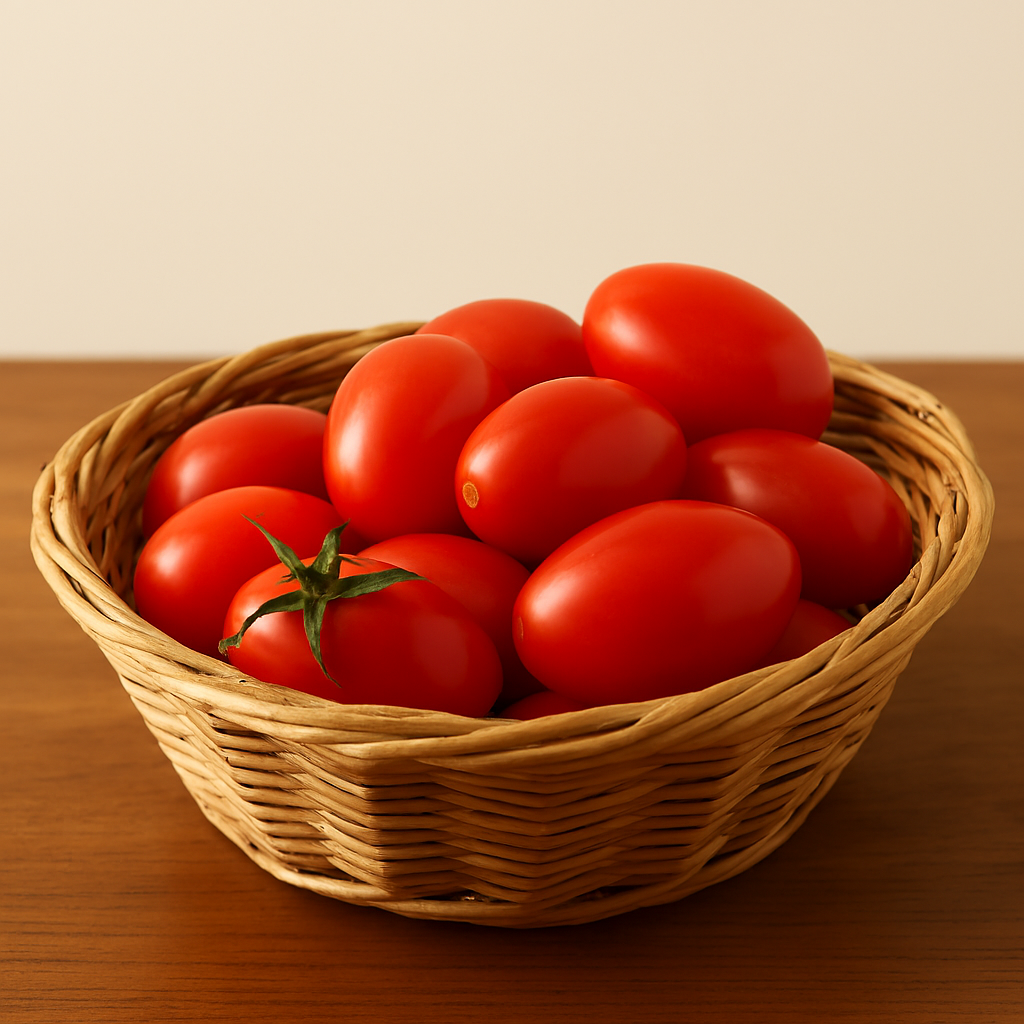
The best way to preserve flavor in grape tomatoes is to keep them at room temperature when they’re unripe or freshly ripe. Refrigeration can dull their taste, so this method is ideal if you plan to eat them soon.
• Place unripe tomatoes stem-side down in a breathable basket or bowl.
• Keep them at 65–70°F, away from direct sunlight.
• Avoid stacking them too high; pressure can cause bruising.
• Do not wash before storing—moisture accelerates spoilage.
Tomatoes continue to ripen after harvest due to ethylene gas. Room temperature allows this natural process to occur, enhancing sweetness and texture.
Duration: 3–5 days for ripe tomatoes, slightly longer for unripe ones.
Refrigeration for Longer Freshness
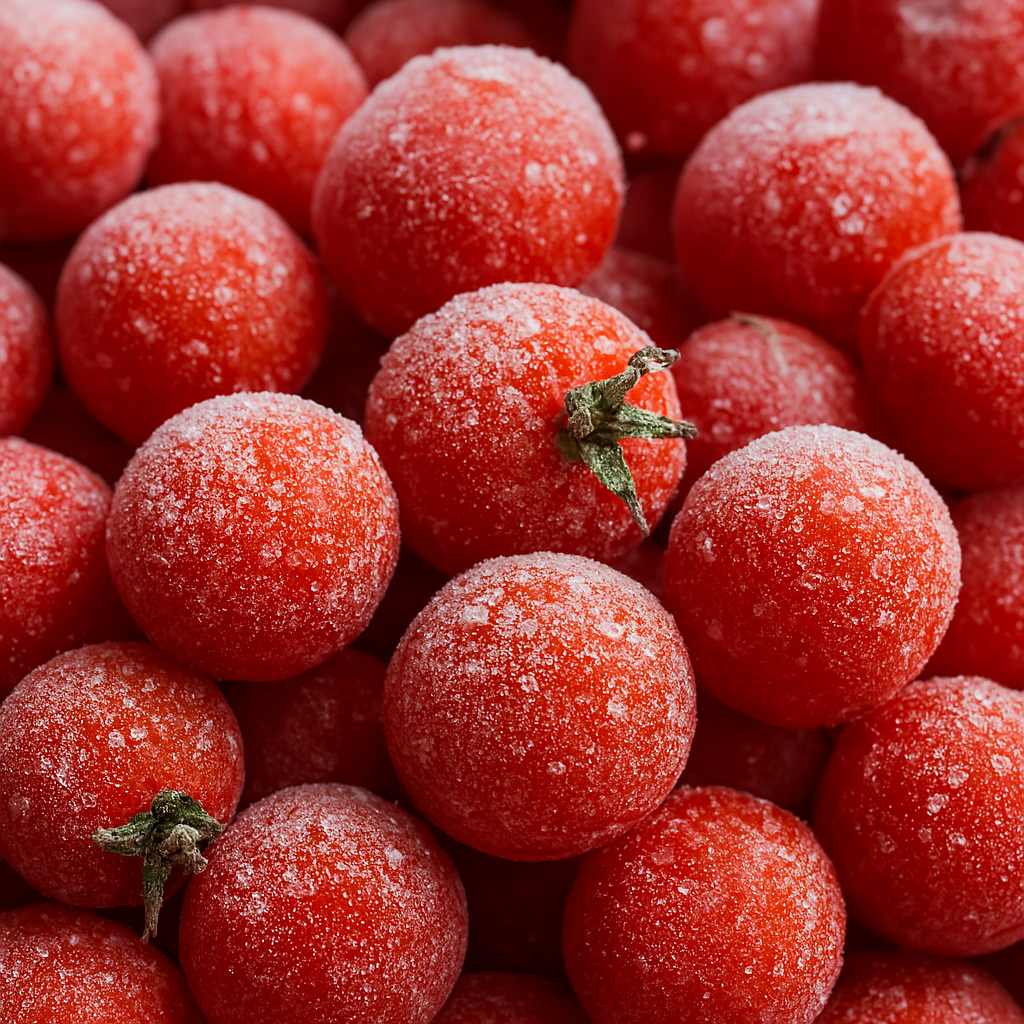
If you can’t finish your ripe grape tomatoes within a few days, refrigeration helps extend their shelf life. While it may reduce flavor intensity, it prevents mold and slows decay.
Place ripe tomatoes in the crisper drawer of your fridge.
Line the container with a paper towel to absorb excess moisture.
Store loosely covered or in a ventilated container.
Bring them back to room temperature before eating to restore some flavor.
Cold temperatures slow down microbial growth and enzymatic activity, keeping tomatoes firm longer.
Duration: 10–14 days.
Freezing for Cooking Use
Freezing is the best option if you have a surplus of grape tomatoes. While freezing alters texture, it preserves nutrients and flavor for cooking.
Wash and dry thoroughly.
Spread on a baking sheet and freeze until solid.
Transfer to a freezer-safe bag or container.
Label with date for tracking.
Freezing halts microbial activity and preserves tomatoes for months.
Duration: 6–8 months.
Best Uses: Soups, sauces, stews, roasting.
Canning and Preserving
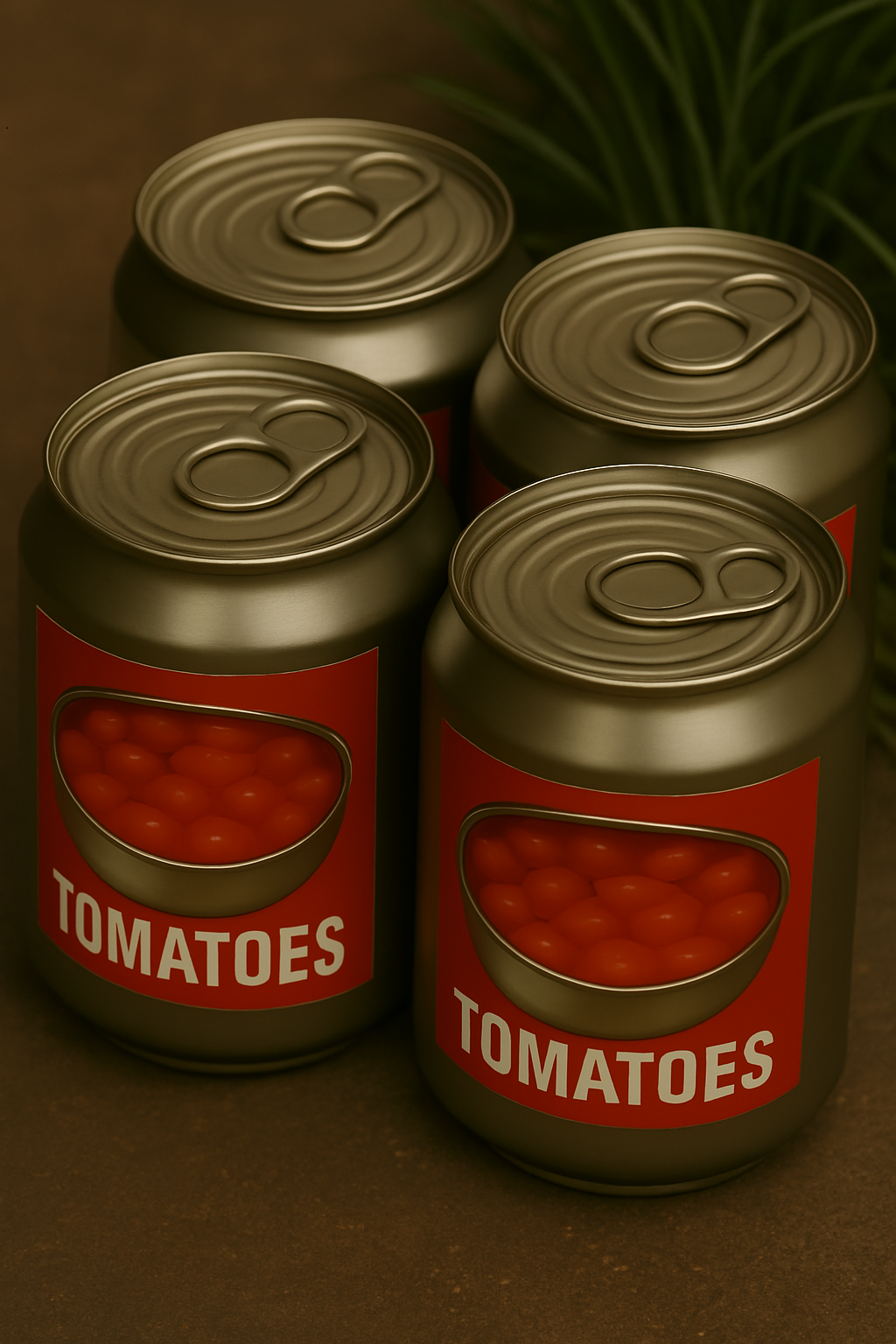
For those who want to enjoy grape tomatoes year-round, canning is a traditional preservation method. It requires more effort but locks in flavor for months.
Blanch tomatoes in boiling water, then peel skins.
Pack into sterilized jars with salt or herbs.
Cover with hot water or tomato juice.
Seal and process in a water bath canner.
Heat sterilization kills bacteria, while airtight sealing prevents spoilage.
Duration: 12–18 months.
Drying and Dehydrating

Drying grape tomatoes concentrates their sweetness, creating a chewy, flavorful snack or ingredient.
Slice tomatoes in half.
Place on a dehydrator tray or oven rack.
Dry at 135°F (dehydrator) or 200°F (oven) until leathery.
Store in airtight jars or freeze for longer preservation.
Removing moisture prevents microbial growth and intensifies flavor.
Duration: 6–12 months.
Pasta dishes, salads, homemade sun-dried tomato spreads.
Mistakes to Avoid
Even with the best intentions, improper storage can ruin grape tomatoes. Here are common pitfalls to avoid.
- Don’t store in sealed plastic bags (traps moisture → mold).
- Don’t refrigerate unripe tomatoes (halts ripening).
- Don’t wash before storing (adds moisture).
- Don’t stack too tightly (causes bruising).
- Understanding the science behind tomato storage helps explain why certain methods work better than others.
- Ethylene gas: Tomatoes produce ethylene, which accelerates ripening. Keeping them at room temperature allows this process.
- Temperature sensitivity: Cold storage slows ripening but can damage flavor compounds.
- Moisture control: Excess water encourages mold; dry storage prolongs freshness.
Culinary Tips for Stored Tomatoes
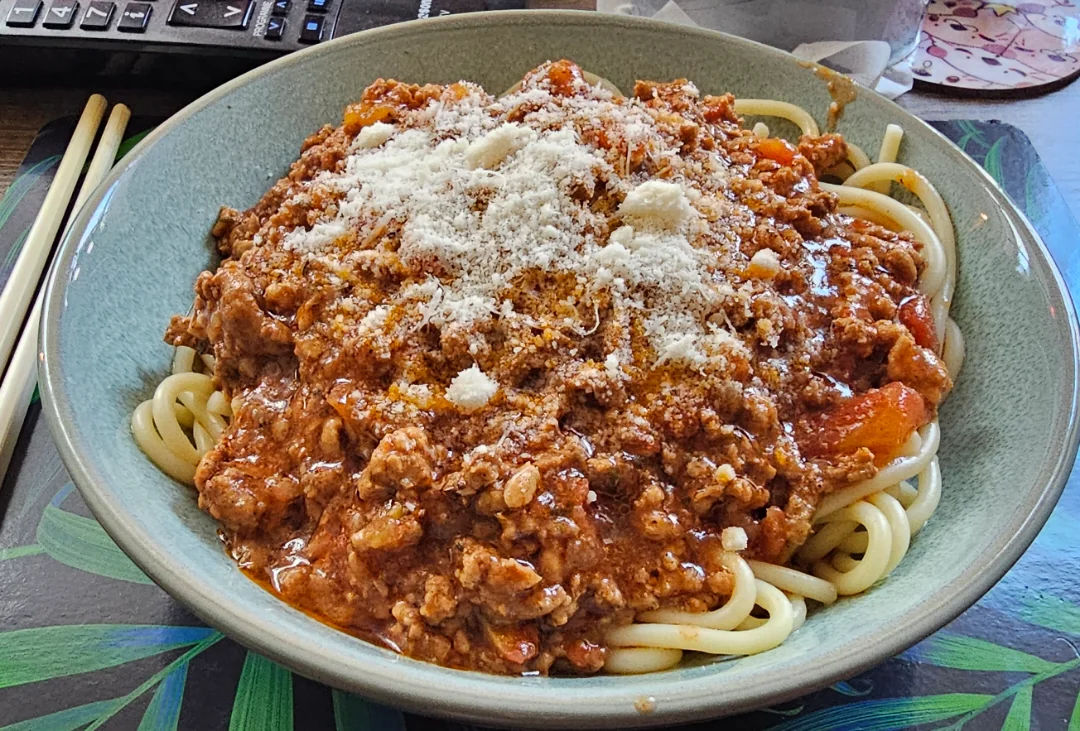
Storage isn’t just about keeping tomatoes fresh—it’s also about using them wisely.
Refrigerated tomatoes → Roast to restore sweetness.
Frozen tomatoes → Blend into soups or sauces.
Dried tomatoes → Add to pasta or salads for bursts of flavor.
Canned tomatoes → Use in curries, stews, or casseroles.
Wrapping Up
Storing grape tomatoes correctly ensures you enjoy their natural sweetness and texture. Whether you’re keeping them for a quick snack or saving them for a hearty sauce, these methods will help you get the most out of every tomato.
With room temperature storage for flavor, refrigeration for longevity, freezing for cooking, and preservation methods like canning or drying, you’ll never waste a single tomato again.
Leave a Reply