Tomatoes are among the most popular garden crops, cherished for their versatility and flavor. However, they are also highly vulnerable to blight—a destructive disease that can wipe out entire harvests if left unchecked.
Blight is caused by fungal and fungus‑like pathogens that thrive in humid, wet conditions, spreading rapidly across leaves, stems, and fruit. To protect your tomato plants, it’s essential to understand what causes blight, how to recognize it, and the steps you can take to prevent it.
Causes of Blight in Tomatoes
Table of Contents
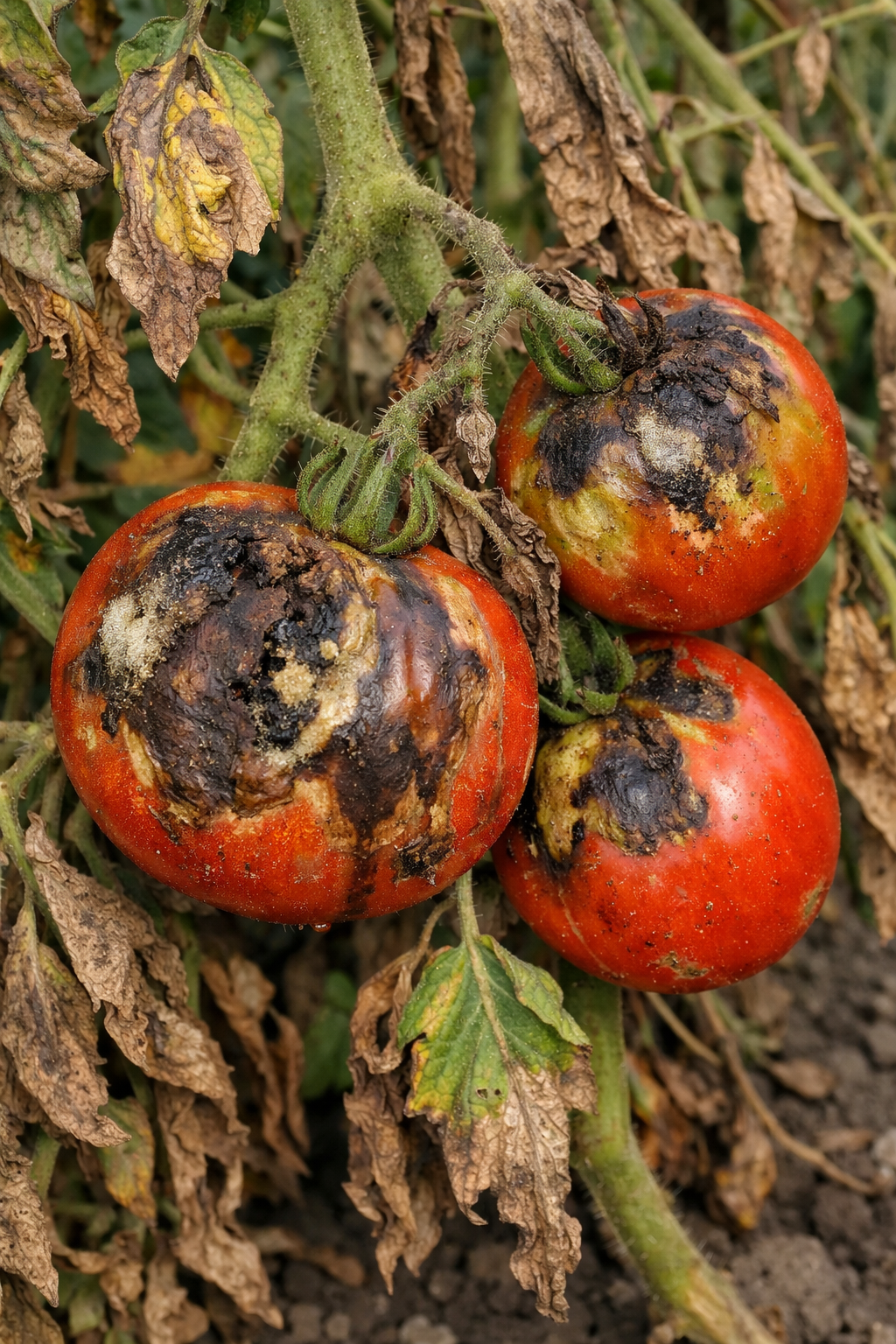
Blight doesn’t appear out of nowhere. It develops when certain pathogens find favorable conditions to grow and spread. By understanding the root causes, gardeners can take proactive steps to reduce the risk of infection.
1. Pathogens
Pathogens are the primary drivers of tomato blight. Each type of blight is caused by a different organism, and knowing the differences helps in identifying and managing them effectively.
Early Blight (Alternaria solani) – This soil‑borne fungus attacks leaves, stems, and fruit. It often starts on older leaves and gradually spreads upward. The fungus survives in soil and plant debris, making crop rotation and sanitation critical.
Late Blight (Phytophthora infestans) – A water mold notorious for its rapid spread in cool, wet weather. It can destroy entire crops within days. Spores travel through wind and rain, making containment difficult once an outbreak begins.
Septoria Leaf Spot (Septoria lycopersici) – A fungus that specifically targets leaves, causing small spots that weaken the plant’s ability to photosynthesize. While less aggressive than late blight, it can still severely reduce plant vigor.
2. Environmental Conditions
Environmental factors play a huge role in blight outbreaks. Even healthy plants can succumb if the weather favors pathogen growth.
- Humidity & Moisture – Frequent rainfall, heavy dew, or poor air circulation create the perfect environment for spores to thrive.
- Temperature – Warm, humid conditions favor early blight and Septoria, while cool, wet conditions favor late blight.
- Extended Wetness – Leaves that remain wet for long periods are highly susceptible to infection.
3. Cultural Practices
Gardening habits can either protect plants or make them more vulnerable. Poor practices often accelerate the spread of blight.
Planting tomatoes too close together restricts airflow, trapping moisture.
Overhead watering wets leaves, making them more susceptible to infection. It is necessary to water the tomato plants properly.
Poor pruning and lack of spacing increase disease spread.
Using contaminated soil or failing to remove plant debris from previous seasons allows pathogens to persist.
Symptoms of Blight in Tomatoes
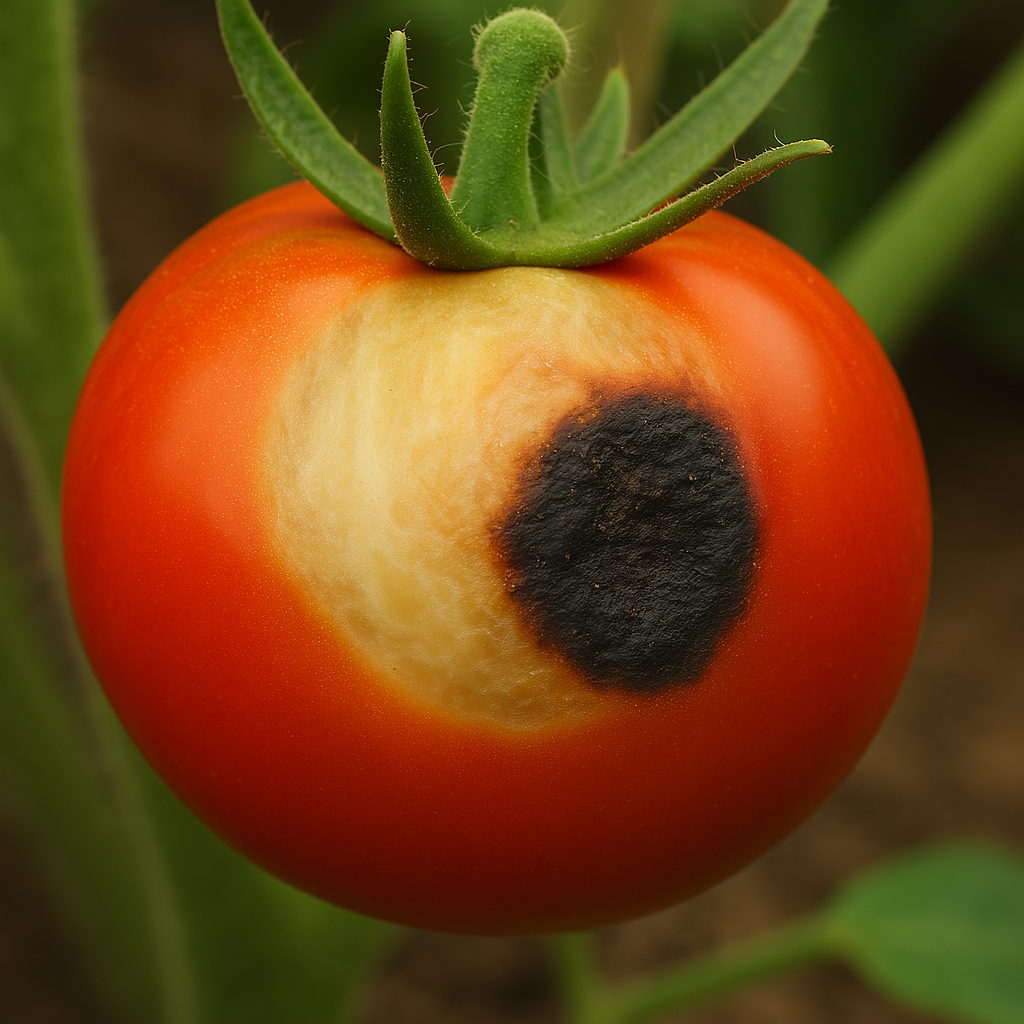
Recognizing blight early is crucial. Each type of blight has distinct symptoms, and spotting them quickly allows you to take immediate action before the disease spreads further.
Early Blight
Dark concentric rings (target‑like spots) on lower leaves.
Yellowing foliage that eventually drops.
Sunken, dark spots on fruit near the stem. Leaves sometimes curl.
Stem lesions that weaken plant structure.
Late Blight
Water‑soaked lesions that look greasy.
White fuzzy mold growth under leaves in humid conditions.
Brown, rotting patches on fruit that spread quickly.
Rapid collapse of entire plants in severe cases.
Septoria Leaf Spot
Numerous small circular spots with dark borders.
Leaves turn yellow and fall prematurely.
Tiny black fruiting bodies visible in the center of spots.
Reduced photosynthesis leading to stunted growth.
Prevention of Tomato Blight

While blight can be devastating, it is not inevitable. With proper gardening practices, you can significantly reduce the risk and keep your tomato plants healthy throughout the growing season. Prevention is always more effective than cure.
Crop Rotation
Rotating crops annually prevents pathogens from building up in the soil. Avoid planting tomatoes or related crops (like potatoes, peppers, and eggplants) in the same spot for at least 2–3 years.
Garden Sanitation
Remove and destroy infected plant debris to stop spores from overwintering. Composting diseased material is risky, so it’s better to discard it away from the garden.
Watering Practices
Water at soil level using drip irrigation or a watering can, avoiding wetting the leaves. Morning watering is best, as it allows foliage to dry quickly.
Spacing & Pruning
Plant tomatoes with enough space between them and prune regularly to improve airflow. Good spacing reduces humidity around plants, making it harder for spores to thrive.
Resistant Varieties
Choose blight‑resistant cultivars such as Crimson Crush or Mountain Magic. These varieties are bred to withstand infection, giving you a stronger defense against outbreaks.
Fungicides
In severe outbreaks, fungicides may help slow the spread. Copper‑based sprays and biofungicides can provide some protection, but they should be used carefully and as a last resort.
Integrated Management of Blight
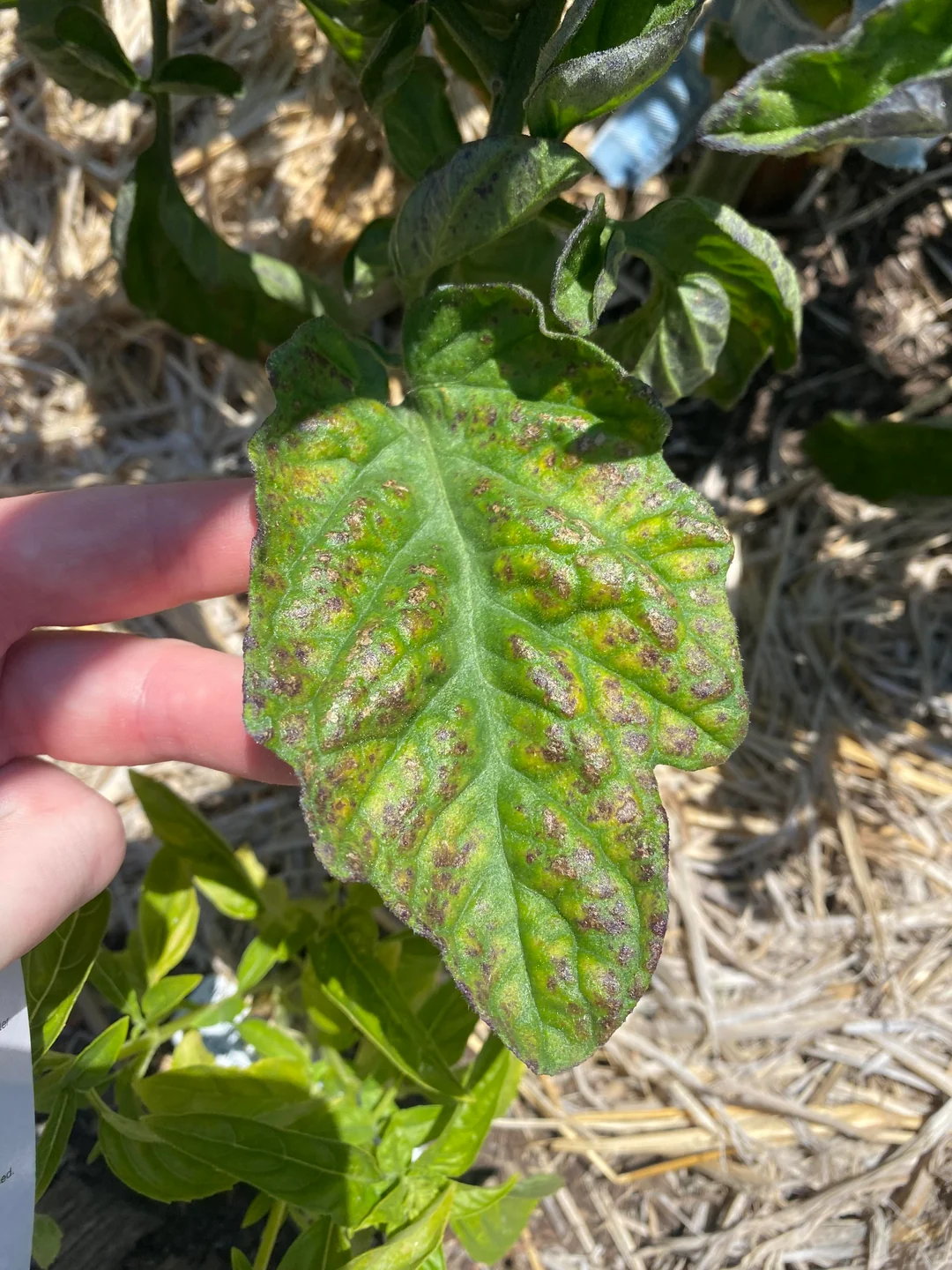
Prevention alone may not always be enough. Combining multiple strategies creates a stronger defense system against blight.
- Mulching – Applying mulch reduces soil splash, which can carry spores to leaves.
- Companion Planting – Growing basil or marigolds near tomatoes may help deter pests and improve airflow.
- Monitoring Weather – Stay alert during prolonged wet or humid periods, as these are prime times for blight outbreaks.
- Regular Inspection – Check plants weekly for early signs of disease. Remove infected leaves immediately.
Wrapping Up
Tomato blight is caused by fungal pathogens that thrive in wet, humid conditions and poor gardening practices. It spreads quickly, but with early detection, proper cultural methods, resistant varieties, and careful watering techniques, you can protect your plants and secure a healthy harvest. By staying vigilant and proactive, gardeners can enjoy thriving tomato crops season after season without the fear of blight destroying their efforts.
Ultimately, blight management is about balance—combining prevention, observation, and intervention when necessary. With the right approach, your tomato plants can flourish, providing abundant harvests and resilience against one of the most notorious garden diseases.
Leave a Reply