Tomatoes are the crown jewel of many home gardens. Their versatility in the kitchen, vibrant color, and rich flavor make them a favorite among gardeners worldwide.
Yet, tomatoes are also sensitive plants that demand careful planning when it comes to their neighbors. Companion planting — the practice of growing certain plants together for mutual benefit — can make or break your tomato harvest. While some companions (like basil or marigolds) enhance tomato health, others can spell disaster.
This article explores what not to plant with tomatoes, explaining why certain plants are poor companions.
Companion Planting – Choosing The Right Neighbours for Tomatoes
Table of Contents
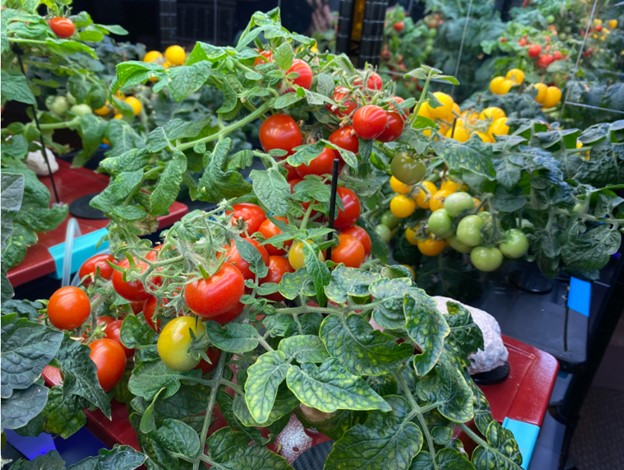
Before diving into specific plants, let’s understand why companion planting matters. Plants interact in complex ways — through shared nutrients, pest attraction, disease transmission, and even chemical signals. A poor companion can:
• Compete for water and nutrients.
• Shade tomatoes, reducing sunlight.
• Attract pests that also attack tomatoes.
• Spread diseases and spoil tomatoes that are common to the nightshade family.
• Release chemicals that inhibit tomato growth.
With this foundation, let’s examine the plants you should never grow near tomatoes.
1. Potatoes
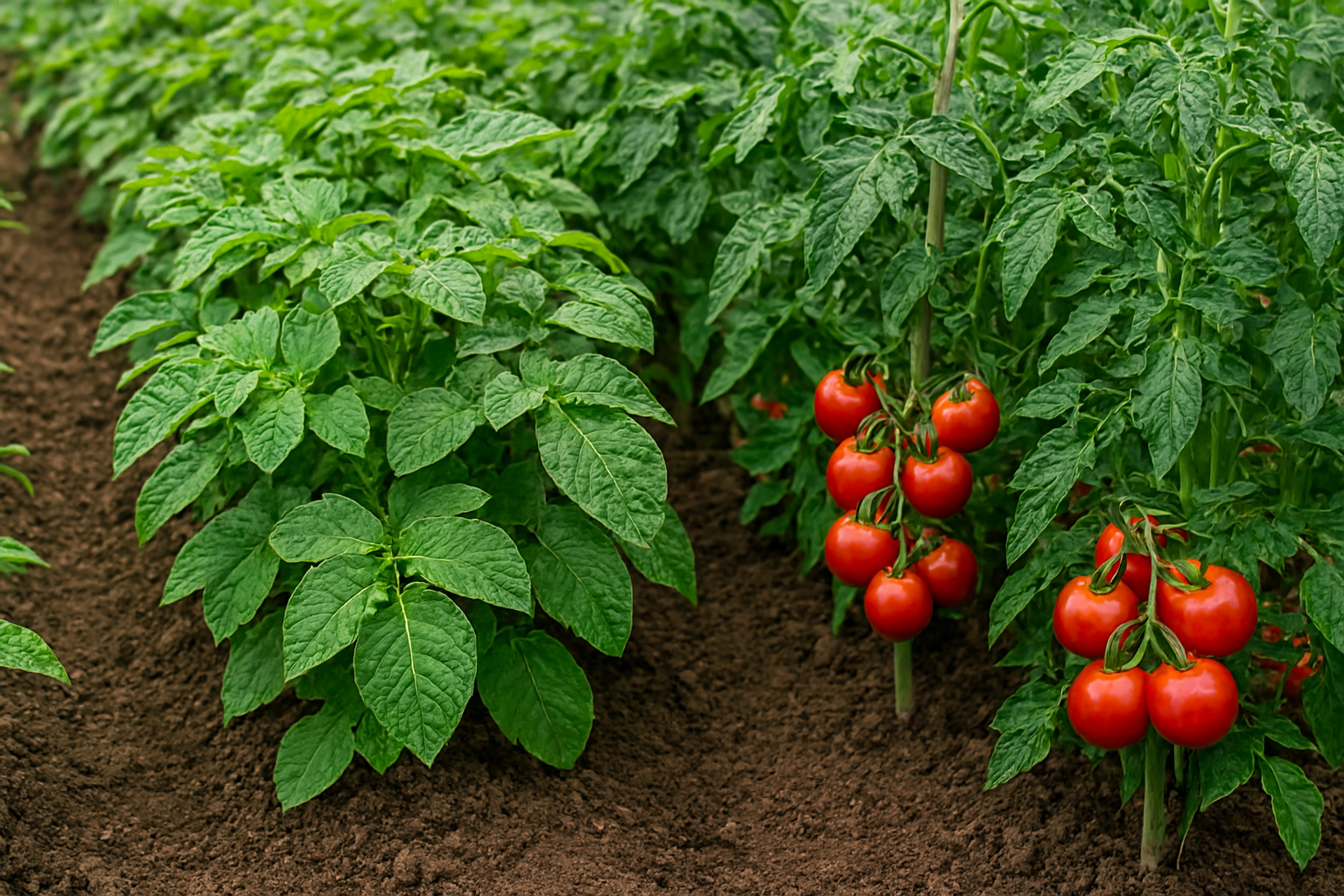 Potatoes, like tomatoes, belong to the nightshade family (Solanaceae). At first glance, it may seem logical to plant them together since they share similar growing conditions. However, this similarity is precisely why they make terrible neighbors. Here are the basic reasons why you shouldn’t plant potatoes with tomatoes:
• Disease Risk: Both tomatoes and potatoes are highly susceptible to late blight, a fungal disease that spreads rapidly in humid conditions. Planting them together increases the chance of cross-infection, potentially wiping out both crops.
• Nutrient Competition: Potatoes are heavy feeders, drawing large amounts of nutrients from the soil. Tomatoes, equally demanding, end up competing for the same resources, leading to stunted growth.
• Soil Stress: Growing these crops side by side can exhaust the soil, disturbing the PH balance, hence, making it less fertile for future planting.
Keep potatoes far from tomatoes to reduce disease risk and nutrient competition.
2. Corn
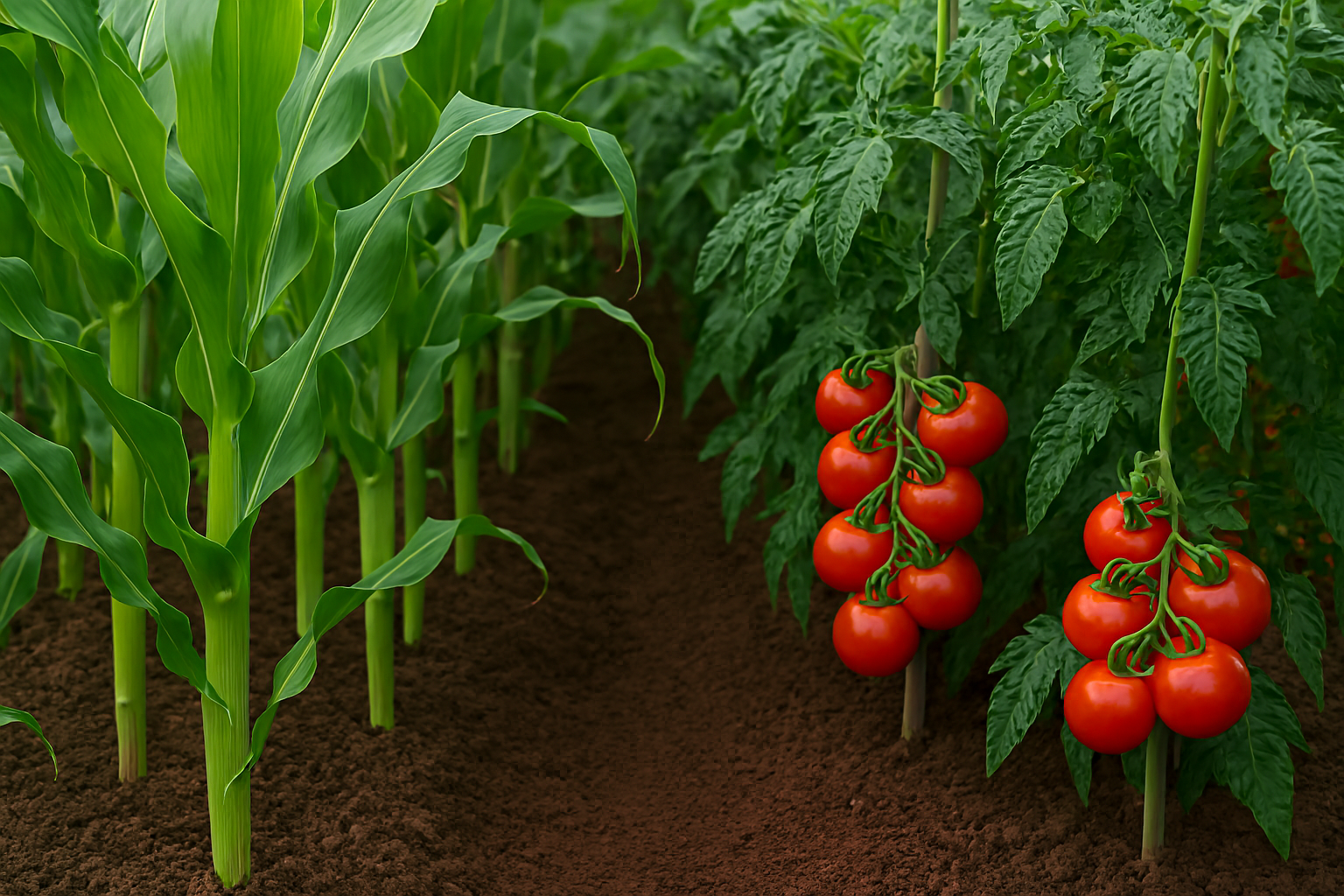
Corn is a staple crop in many gardens, admired for its tall stalks and sweet kernels. However, its towering presence and pest associations make it a poor companion for tomatoes. Here are the reasons why corn cannot be good neighbours to tomato plants.
• Pest Attraction: Corn attracts corn earworms (also known as tomato fruitworms). These pests feed on both corn and tomatoes, creating a double threat.
• Shade Issues: Corn grows tall and dense, casting shadows that deprive tomatoes of the full sun they need for fruit production.
• Space Competition: Corn’s extensive root system competes with tomatoes for water and nutrients.
Avoid planting corn near tomatoes to prevent pest infestations and shading problems.
3. Fennel
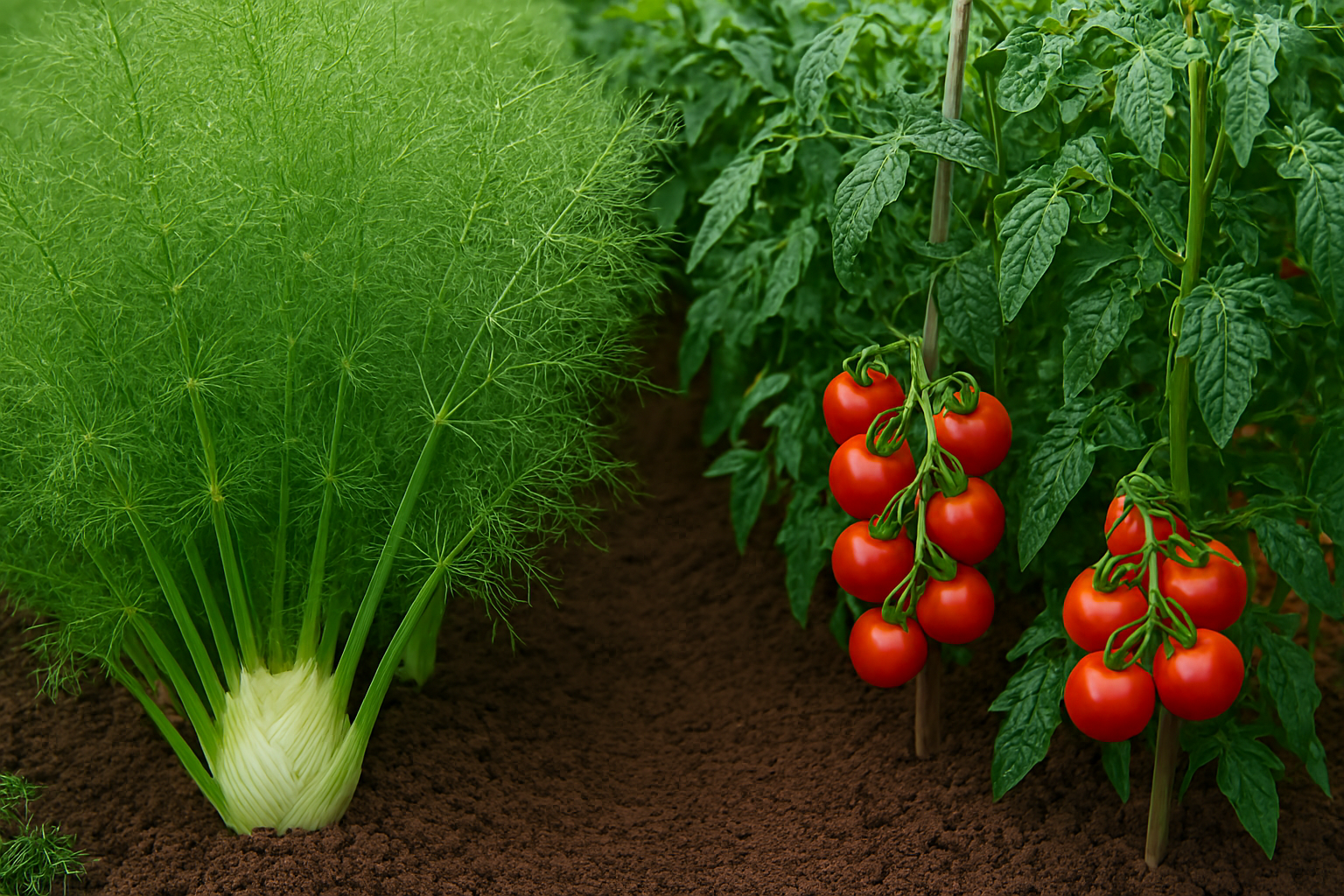
Fennel is a flavorful herb often used in cooking, but in the garden, it has a reputation for being a bad neighbor. Its allelopathic properties make it incompatible with tomatoes. Here’s are the reasons for the same:
• Allelopathy: Fennel releases chemicals into the soil that inhibit the growth of nearby plants, including tomatoes.
• Growth Suppression: Tomatoes planted near fennel often show reduced vigor, smaller fruits, and poor yields.
• Isolation Needed: Fennel thrives best when grown alone, away from most vegetables.
Never plant fennel near tomatoes; its chemical secretions can stunt tomato growth.
4. Brassicas (Cabbage, Broccoli, Cauliflower, Kale)
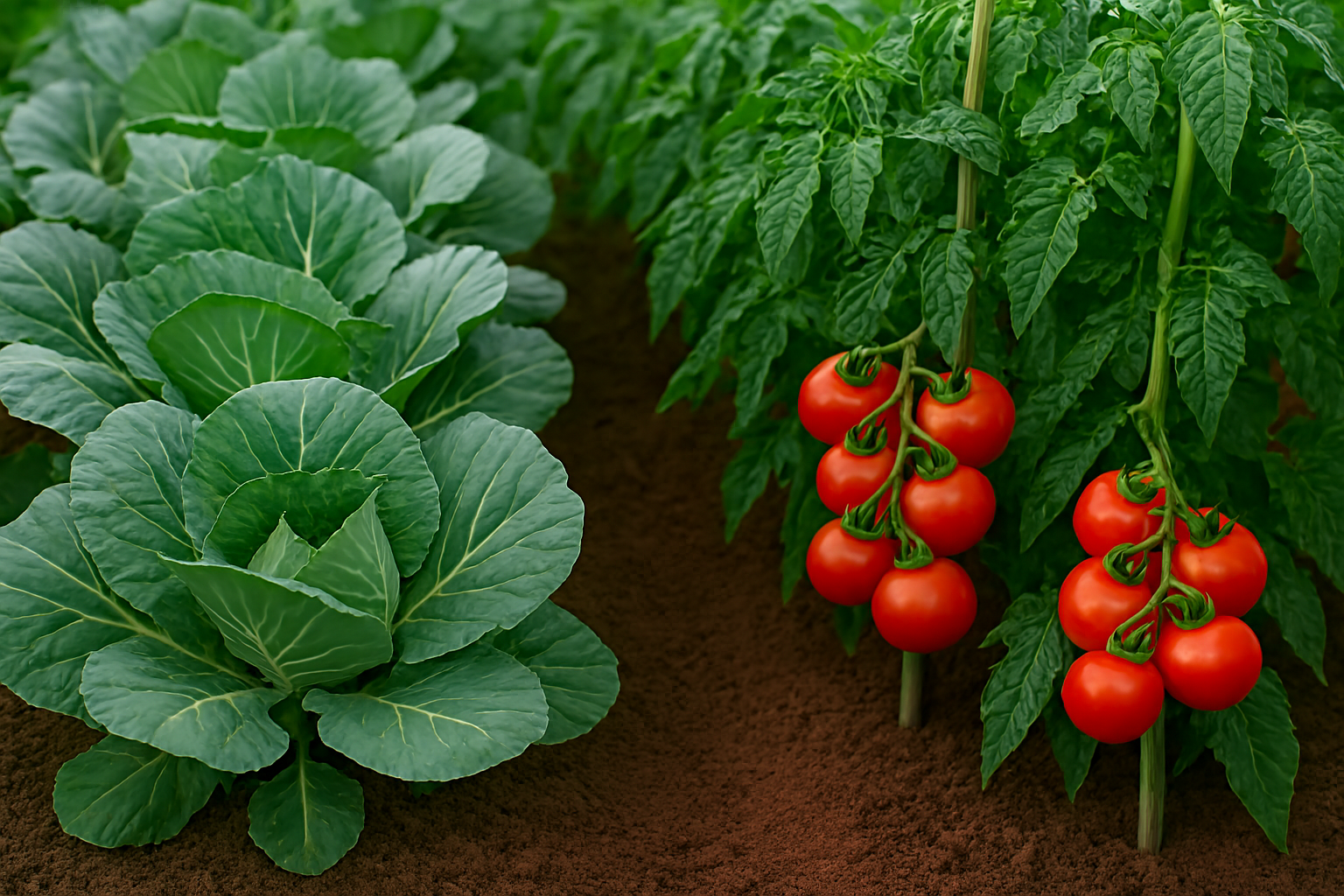
Brassicas are nutrient-rich vegetables, but they are heavy feeders that clash with tomatoes in the garden. Below are the reasons why:
• Nutrient Competition: Brassicas consume large amounts of nitrogen and other nutrients, leaving tomatoes deprived.
• Growth Suppression: Tomatoes planted near brassicas often show slower growth and reduced fruiting.
• Space Issues: Brassicas spread wide, crowding tomato plants and limiting airflow.
Keep brassicas separate from tomatoes to avoid nutrient competition and overcrowding.
5. Walnut Trees
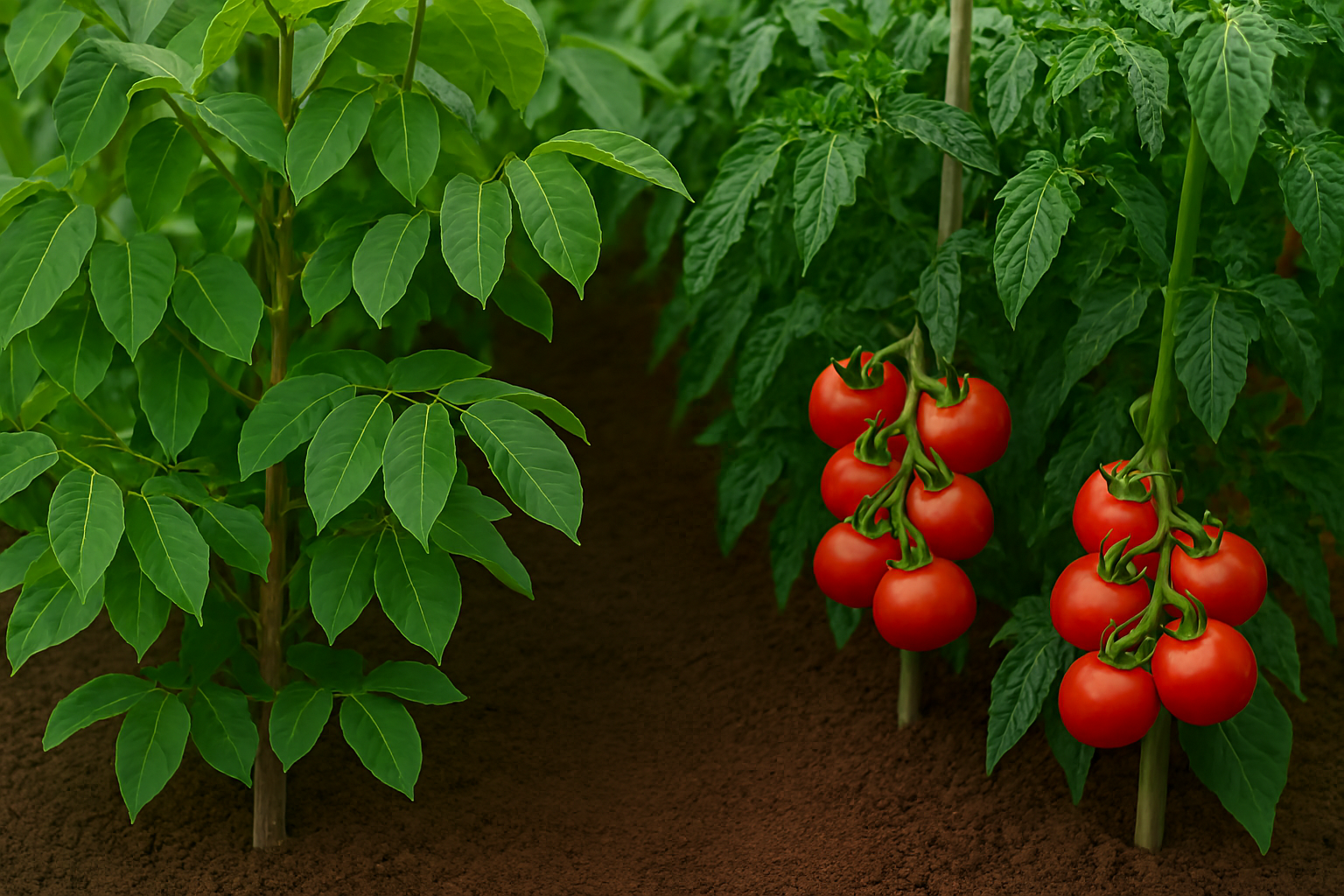
Walnut trees are majestic, but they pose a hidden danger to tomatoes through a chemical called juglone. Here are the reasons why planting walnuts can be harmful to your Tomato plants:
• Juglone Toxicity: Walnut trees release juglone, a compound toxic to many plants, including tomatoes.
• Symptoms: Tomatoes exposed to juglone show yellowing leaves, wilting, and eventual death.
• Soil Contamination: Juglone can persist in soil, making it unsuitable for tomato planting even after the tree is gone.
Never plant tomatoes near walnut trees; juglone is lethal to them.
6. Eggplant & Peppers
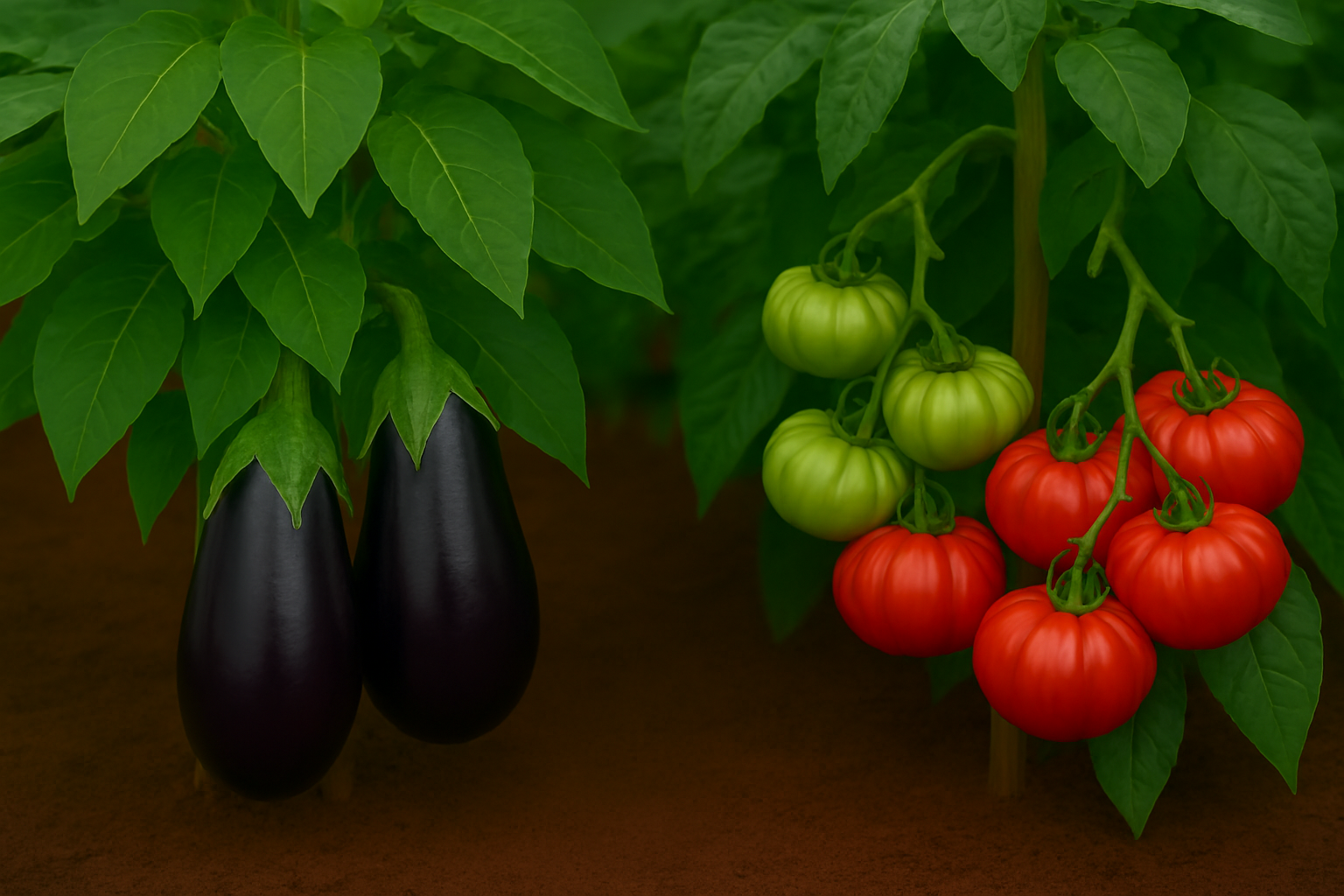
Eggplants and peppers are popular garden crops, but like tomatoes, they belong to the nightshade family. This shared lineage creates problems. Here’s why eggplants shouldn’t be planted along with tomatoes:
• Shared Pests: Colorado potato beetles, aphids, and spider mites attack all three crops.
• Disease Spread: Blight and other fungal diseases spread easily between these plants.
• Soil Strain: Growing multiple nightshades together depletes soil nutrients quickly.
Avoid clustering nightshades together; it magnifies pest and disease risks.
7. Dill (Mature Plants)
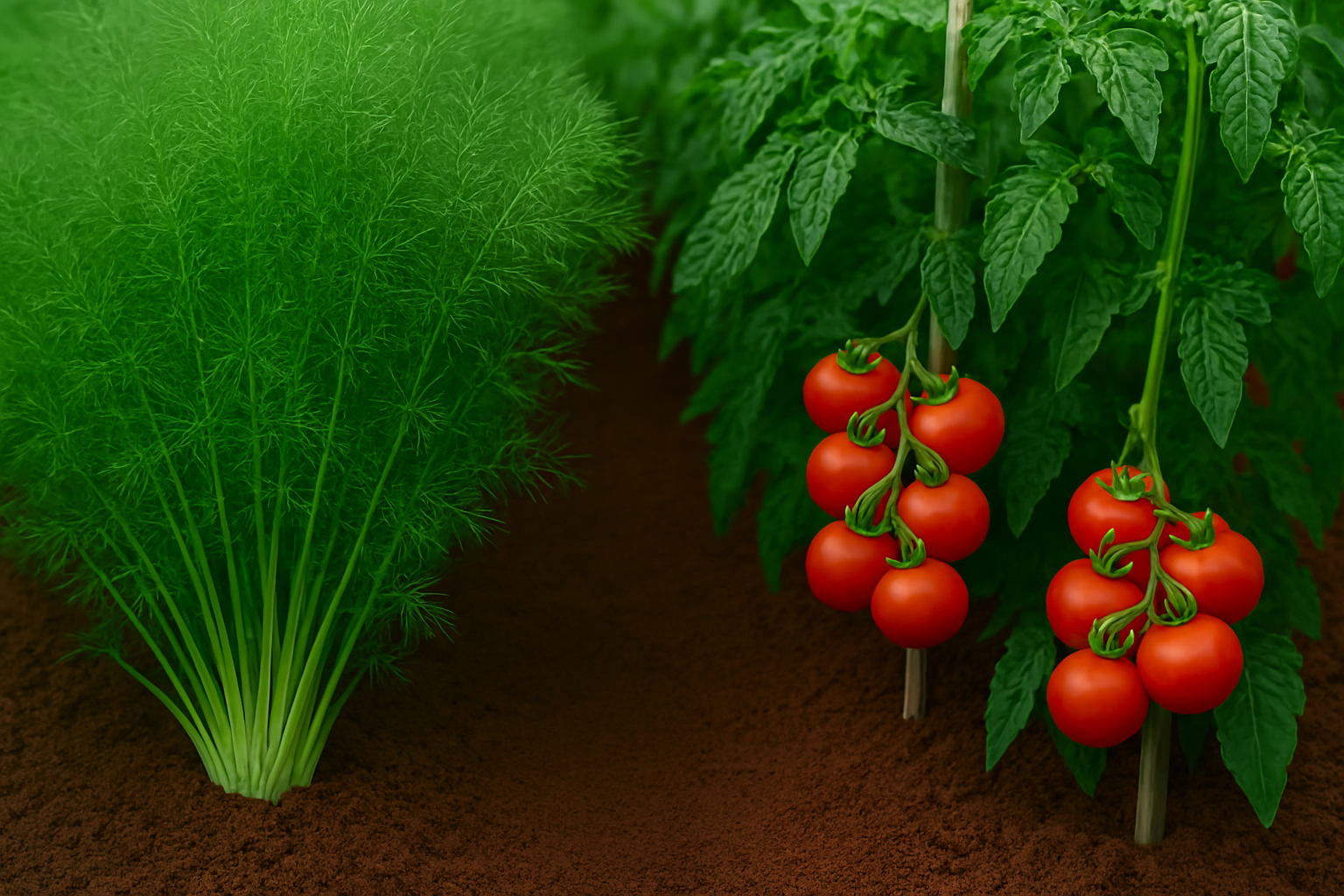
Dill is often considered a beneficial herb for young tomato plants, but once it matures, the relationship turns sour. Here’s why you shouldn’t plant Dill with tomatoes.
• Early Benefits: Young dill can attract beneficial insects that protect tomatoes.
• Later Problems: Mature dill releases compounds that hinder tomato growth.
• Root Interference: Dill roots compete with tomato roots, reducing nutrient uptake.
Dill is fine in the early stages but should be removed before it matures near tomatoes.
8. Kohlrabi
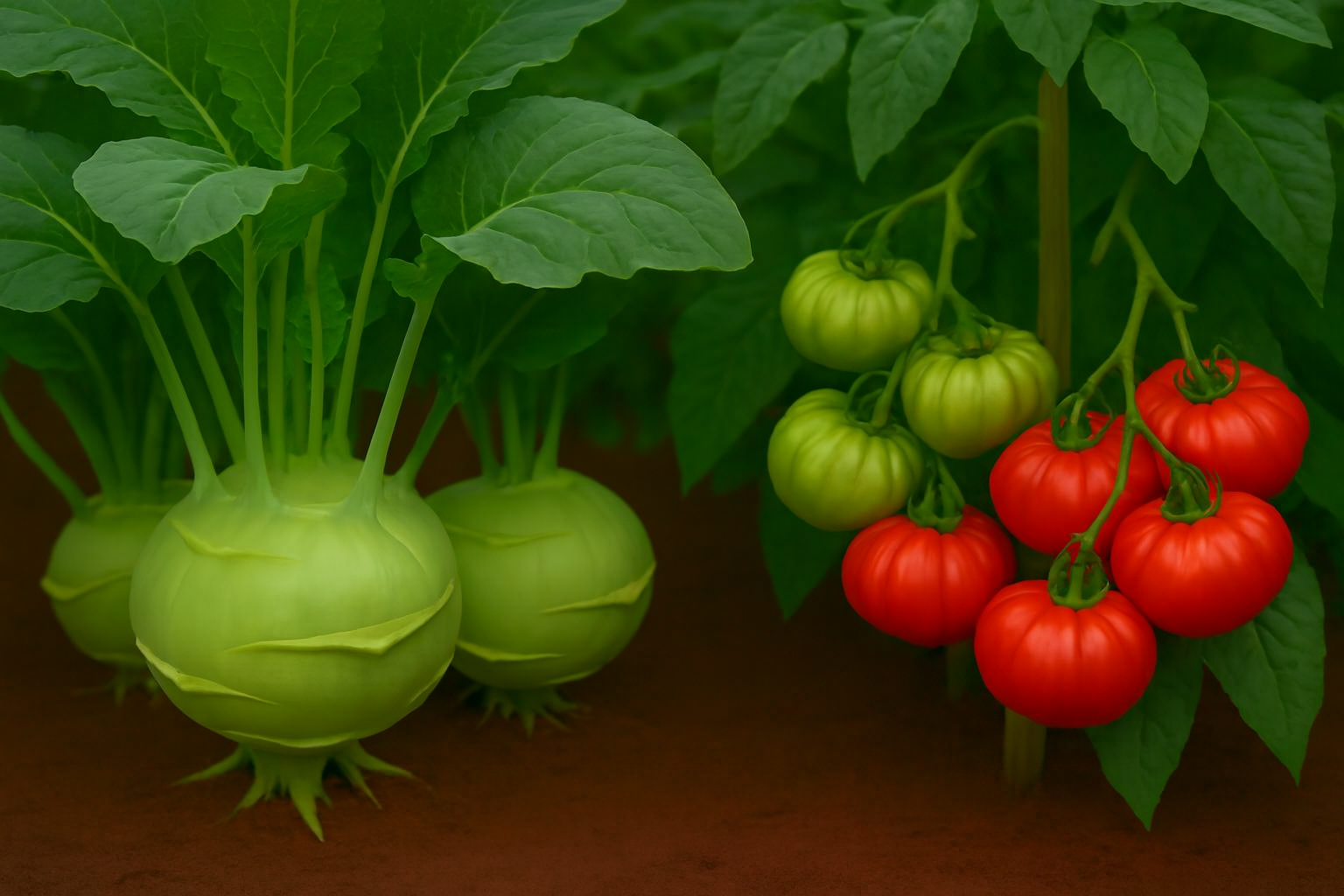
Kohlrabi, a member of the brassica family, is a unique vegetable with bulbous stems. Despite its appeal, it competes aggressively with tomatoes. Here are the reasons:
• Nutrient Competition: Kohlrabi consumes nutrients needed by tomatoes.
• Space Issues: Its growth habit interferes with tomato root systems.
• Yield Reduction: Tomatoes grown near kohlrabi often produce smaller fruits.
Keep kohlrabi away from tomatoes to ensure healthy fruit development.
9. Rosemary
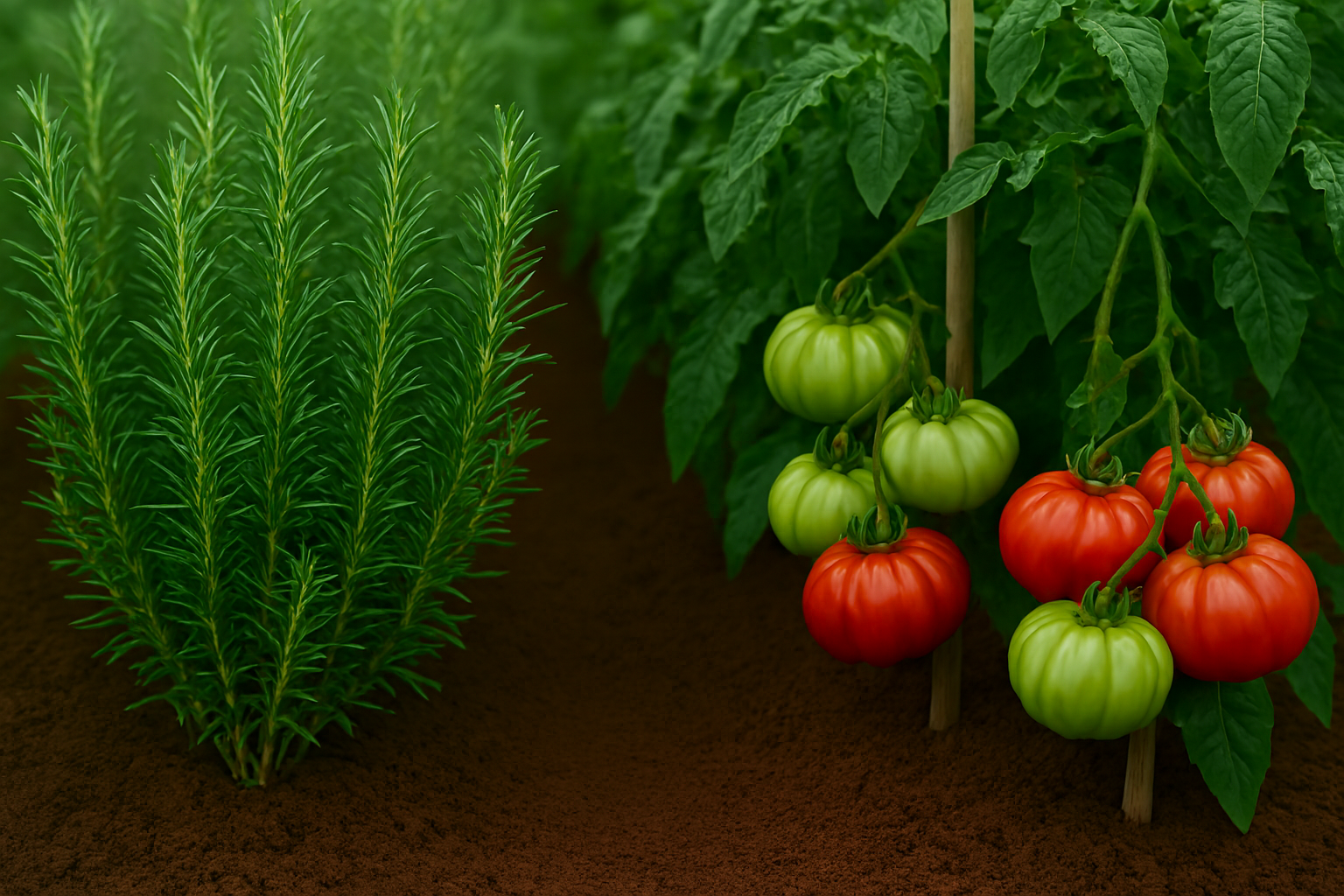
Rosemary is a fragrant herb beloved in kitchens, but its strong presence can interfere with tomato growth. Here’s why:
• Aromatic Interference: Rosemary’s strong oils and compounds can disrupt tomato development.
• Space Competition: Rosemary bushes spread wide, crowding tomato plants.
• Yield Impact: Tomatoes grown near rosemary often show reduced productivity.
Plant rosemary separately to avoid yield reduction in tomatoes.
Quick Reference Table
Here is a quick reference table on what plants to avoid plsnting with tomatoes and why:
| Plant to Avoid | Reason | Effect on Tomatoes | |||
| Potatoes | Shared diseases (blight) | Stunted, diseased plants | |||
| Corn | Attracts fruitworms | Pest damage | |||
| Fennel | Allelopathic chemicals | Growth inhibition | | |||
| Brassicas | Nutrient competition | Reduced yield | |||
| Walnut Trees | Juglone toxin | Plant death | |||
| Eggplant/Peppers | Shared pests/diseases | Infestations | |||
Dill (mature) |
Root compounds |
Growth suppression |
|||
| Kohlrabi | Competition | Smaller fruits |
Better Companions for Tomatoes
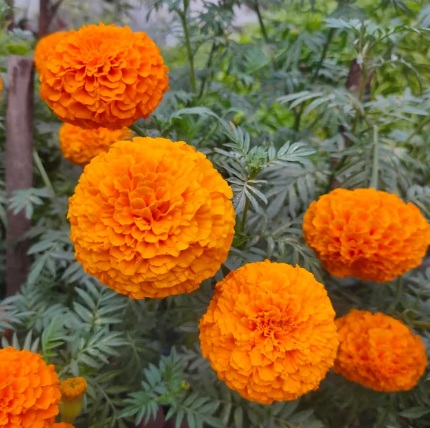
While we’ve focused on poor companions, it’s worth noting plants that help tomatoes thrive:
• Basil: Repels pests and enhances tomato flavor.
• Marigolds: Deter nematodes and aphids.
• Carrots: Improve soil aeration.
• Onions & Garlic: Repel harmful insects.
Wrapping Up
Tomatoes are rewarding but sensitive crops. Planting them near the wrong companions — potatoes, corn, fennel, brassicas, walnut trees, eggplants, peppers, mature dill, kohlrabi, and rosemary — can lead to disease, pests, and poor yields.
By understanding these negative interactions, you can design a healthier, more productive garden.
With careful planning and the right companions, your tomato plants will flourish, providing abundant harvests season after season.
Leave a Reply