Tomatoes are one of the most rewarding crops for home gardeners. Their juicy fruits, versatility in cooking, and vibrant growth make them a favorite worldwide.
But timing is everything: plant too early, and frost or cold soil can kill your seedlings; plant too late, and you’ll miss out on a long harvest season.
In this comprehensive guide, we’ll discuss when to plant tomatoes outside, covering climate considerations, soil preparation, transplanting techniques, and regional timing.
Understanding Tomato Growth Needs
Table of Contents
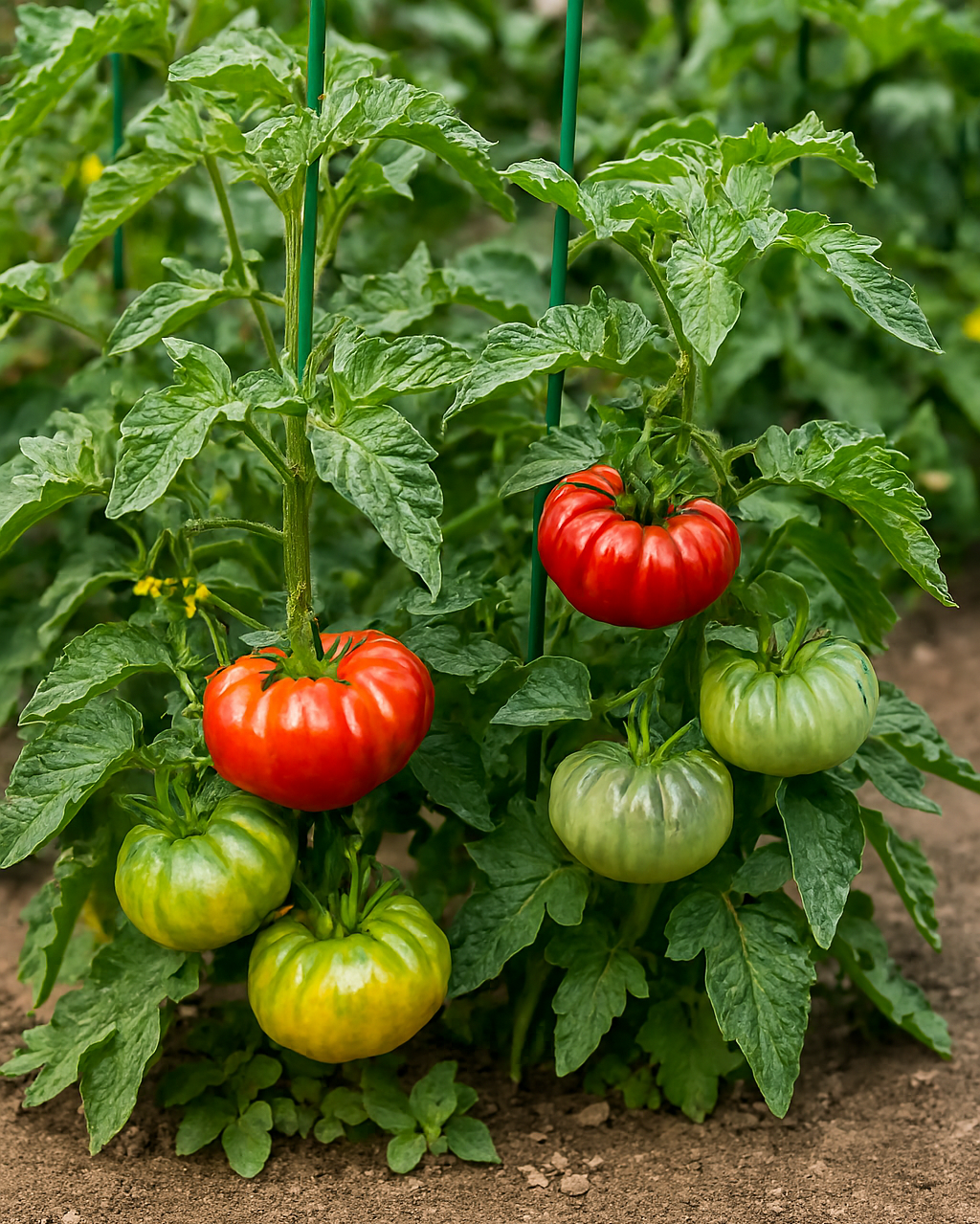
Tomatoes are warm-season plants that thrive in consistent warmth and sunlight. Their requirements include:
• Temperature: Tomatoes prefer daytime temperatures between 70–85°F (21–29°C) and nighttime temperatures above 50°F (10°C).
• Soil: Optimal soil temperature is 60–70°F (15–21°C) for root development.
• Sunlight: At least 6–8 hours of direct sunlight daily.
• Frost Sensitivity: Tomatoes are highly sensitive to frost; even light frost can kill them.
Factors That Determine Planting Time
1. Last Frost Date
• The most critical factor. Tomatoes should only be planted outdoors after the last expected frost in your region.
Example: In northern climates, this may be late May or early June; in warmer regions, it could be March or April.
2. Soil Temperature
• Cold soil slows root growth and increases disease risk.
• Use a soil thermometer; wait until soil is consistently above 60°F (15°C).
3. Nighttime Temperatures
• If nights dip below 50°F (10°C), plants may suffer stress, leading to stunted growth.
4. Seedling Readiness
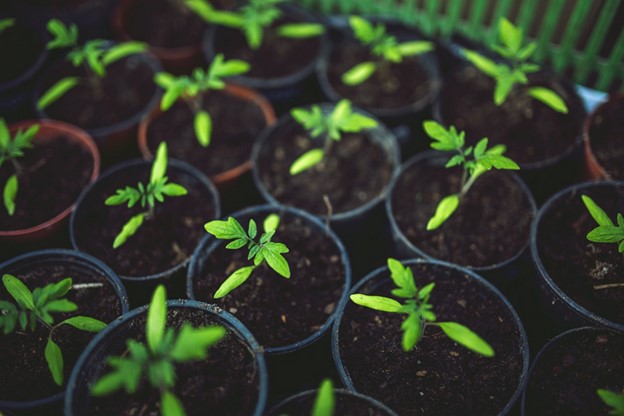
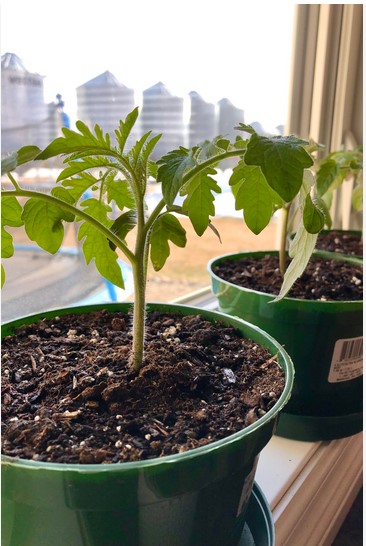
• Transplant seedlings when they are 6–10 inches tall, with strong stems and several sets of leaves.
Regional Planting Timelines
1. Region/Climate Zone – e.g., Northern US, Southern India, UK, Mediterranean.
2. Approximate Last Frost Date – the average time when frost risk ends in that region
3. Best Planting Window – the ideal weeks/months to transplant tomatoes outdoors.
4. Notes/Considerations – extra tips such as soil temperature, rainfall, or short growing seasons.
Why It Matters
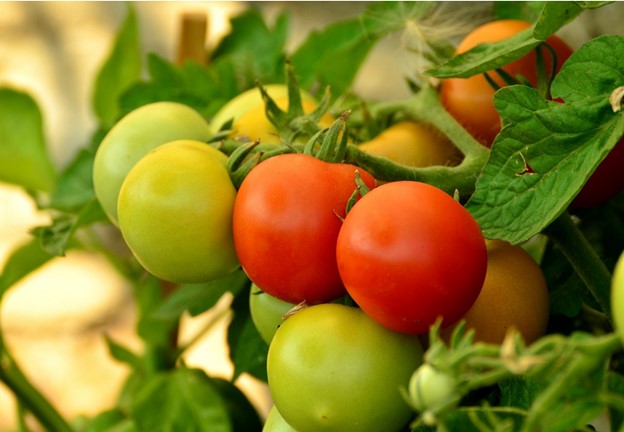
Tomatoes are frost-sensitive and need warm soil. Planting timelines vary widely depending on geography:
• Cold regions (like Northern US or Canada) → Plant later, usually June.
• Warm regions (like Southern India or Southern US) → Plant earlier, sometimes as early as February–March.
• Temperate zones (like UK or Northern Europe) → Plant around late May–June.
• Tropical climates → Focus less on frost and more on rainfall patterns (pre-monsoon or post-monsoon).
In Northern US and Canada, the last frost usually comes in late May or early June. That means the best planting window is early to mid-June, with a note to choose early-maturing varieties because the growing season is short.
In the Southern US, frost ends by March or April. Tomatoes can be planted outdoors in late March or April, giving a long season but requiring care during hot summers.
In UK and Northern Europe, frost lingers until mid–late May. Planting is best in late May or June, with greenhouses or cloches recommended to extend the season.
In India’s tropical regions, frost isn’t an issue. Instead, tomatoes are planted in late winter (January–February) or after the monsoon (October–November). Raised beds help during rainy months.
In Mediterranean climates, frost ends by February–March. Planting in March–April works well, but mulching is essential to retain soil moisture during hot summers.
In high-altitude areas, frost can last until June or July. Planting is delayed to mid-summer, and only fast-maturing varieties are suitable.
Key Points to Remember
• Always check local frost dates before planting.
• Tomatoes need soil above 60°F (15°C) and night temps above 50°F (10°C). Check the PH level. lMake sure you are planting it rightly.
• Regional differences matter: frost in temperate zones, rainfall in tropical zones.
• Adapt your planting calendar to your microclimate (urban areas, coastal zones, valleys).
Preparing for Outdoor Planting
1. Harden Off Seedlings
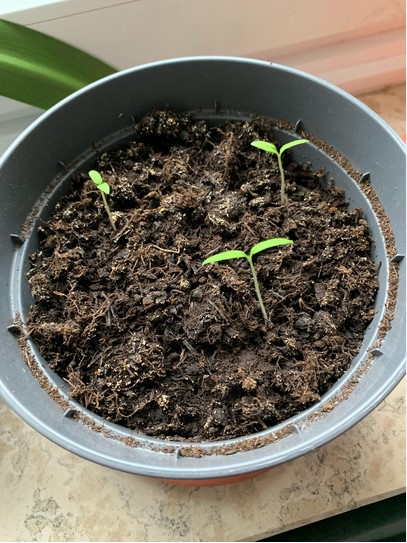
Before moving seedlings outdoors, harden them off:
• Place them outside for a few hours daily, gradually increasing exposure over 7–10 days.
• This acclimatizes them to wind, sunlight, and fluctuating temperatures.
2. Soil Preparation
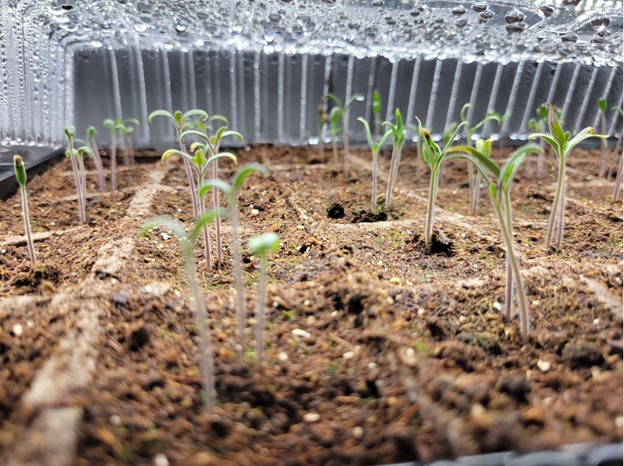
• Loosen soil to at least 12 inches deep.
• Mix in compost or well-rotted manure for nutrients.
• Ensure good drainage to prevent root rot.
3. Spacing
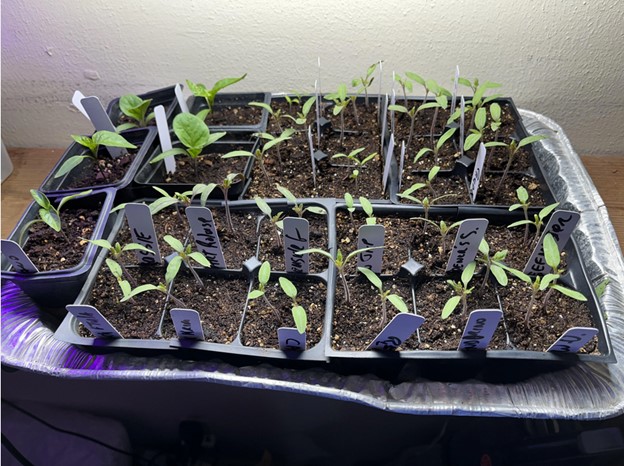
• Plant tomatoes 18–24 inches apart in rows spaced 3 feet apart.
• Proper spacing reduces disease spread and improves airflow.
How to Plant Tomatoes Outside
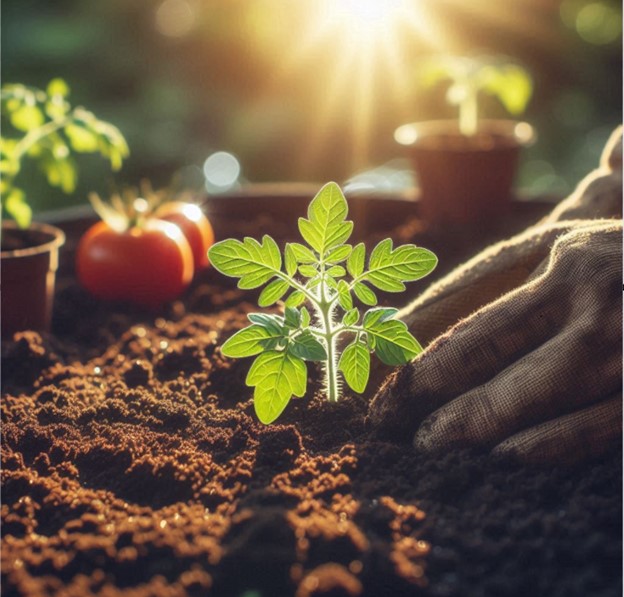
1. Dig a Deep Hole
• Tomatoes can grow roots along their stems. Plant seedlings deep, burying 2/3 of the stem.
2. Add Support Early
• Place stakes or cages at planting time to avoid disturbing roots later.
3. Water Thoroughly
• Water seedlings immediately after planting.
• Keep soil consistently moist but not waterlogged. Change watering as plants grow.
4. Mulch
• Apply straw, leaves, or compost around plants to retain moisture and regulate soil temperature.
Common Mistakes to Avoid
Check out these common mistakes that you should avoid while growing tomatoes
• Planting too early: Frost damage is the #1 killer of young tomato plants.
• Ignoring soil temperature: Cold soil leads to weak roots.
• Crowding plants: Poor airflow encourages fungal diseases.
• Overwatering: Tomatoes dislike soggy soil; aim for deep, infrequent watering.
Extending the Growing Season

Here is how you can extend the growing season for tomatoes:
• Use row covers or cloches to protect plants from unexpected cold snaps.
• Black plastic mulch warms soil faster in spring.
• Choose early-maturing varieties if your growing season is short.
Practical Example: Tomato Planting in India
Since you’re based in West Bengal, India, here’s a localized note:
• Tomatoes can be planted outdoors in late winter (January–February) for an early harvest.
• In cooler regions, wait until March–April when nights are warmer.
• Monsoon planting is possible but requires raised beds to prevent waterlogging.
Quick Checklist Before Planting
• Last frost date has passed
• Soil temperature above 60°F (15°C)
• Night temperatures above 50°F (10°C)
• Seedlings hardened off
• Soil enriched with compost
• Stakes or cages ready
Wrapping Up
The secret to successful tomato planting lies in timing and preparation. Wait until frost danger has passed, soil is warm, and seedlings are strong. Harden them off, plant deeply, and provide support. With the right start, your tomato plants will reward you with months of juicy harvests.
By following this guide, you’ll not only know when to plant tomatoes outside but also how to ensure they thrive once they’re in the ground.
Whether you’re in a cool northern climate or a warm tropical region, the principles remain the same: warmth, sunlight, and care.
Leave a Reply