Tomatoes are one of the most beloved plants in home gardens worldwide. Their lush green foliage, cheerful yellow blossoms, and promise of juicy red fruits make them a favorite for beginners and seasoned gardeners alike. Yet, many gardeners encounter a frustrating problem – the tomato plants grow tall, bushy, and healthy-looking, but they stubbornly refuse to produce fruit even after planting tomatoes properly.
This issue is more common than you might think. It often leaves gardeners puzzled, wondering if they did something wrong or if their plants are simply “lazy.” The truth is, tomato plants are sensitive to a variety of conditions—nutrients, temperature, pollination, and stress factors all play a role in whether flowers turn into fruits. By understanding these influences, you can transform your leafy giants into productive fruit bearers.
The Science Behind Tomato Growth
Table of Contents
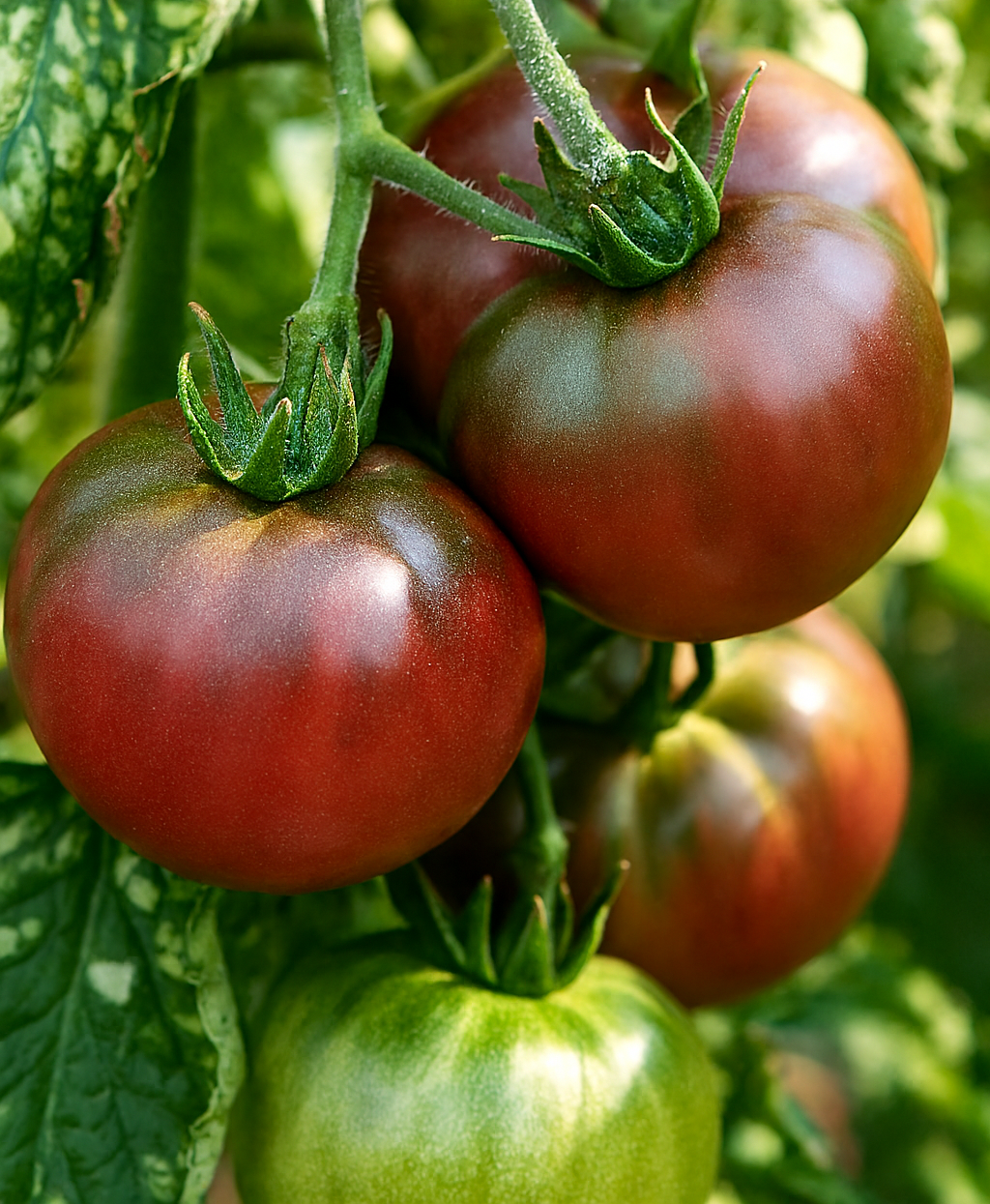
Tomato plants belong to the Solanaceae family, which includes peppers, eggplants, and potatoes. They are warm-season crops that thrive in full sun and require balanced nutrition. Like all plants, tomatoes follow a growth cycle:
• Vegetative stage: The plant focuses on producing stems and leaves.
• Flowering stage: Energy shifts toward blossoms.
• Fruiting stage: Pollinated flowers develop into tomatoes.
When something disrupts this cycle—such as excess nitrogen or poor pollination—the plant may remain stuck in the vegetative stage, growing big but not fruiting.
Common Reasons for Big Plants Without Tomatoes
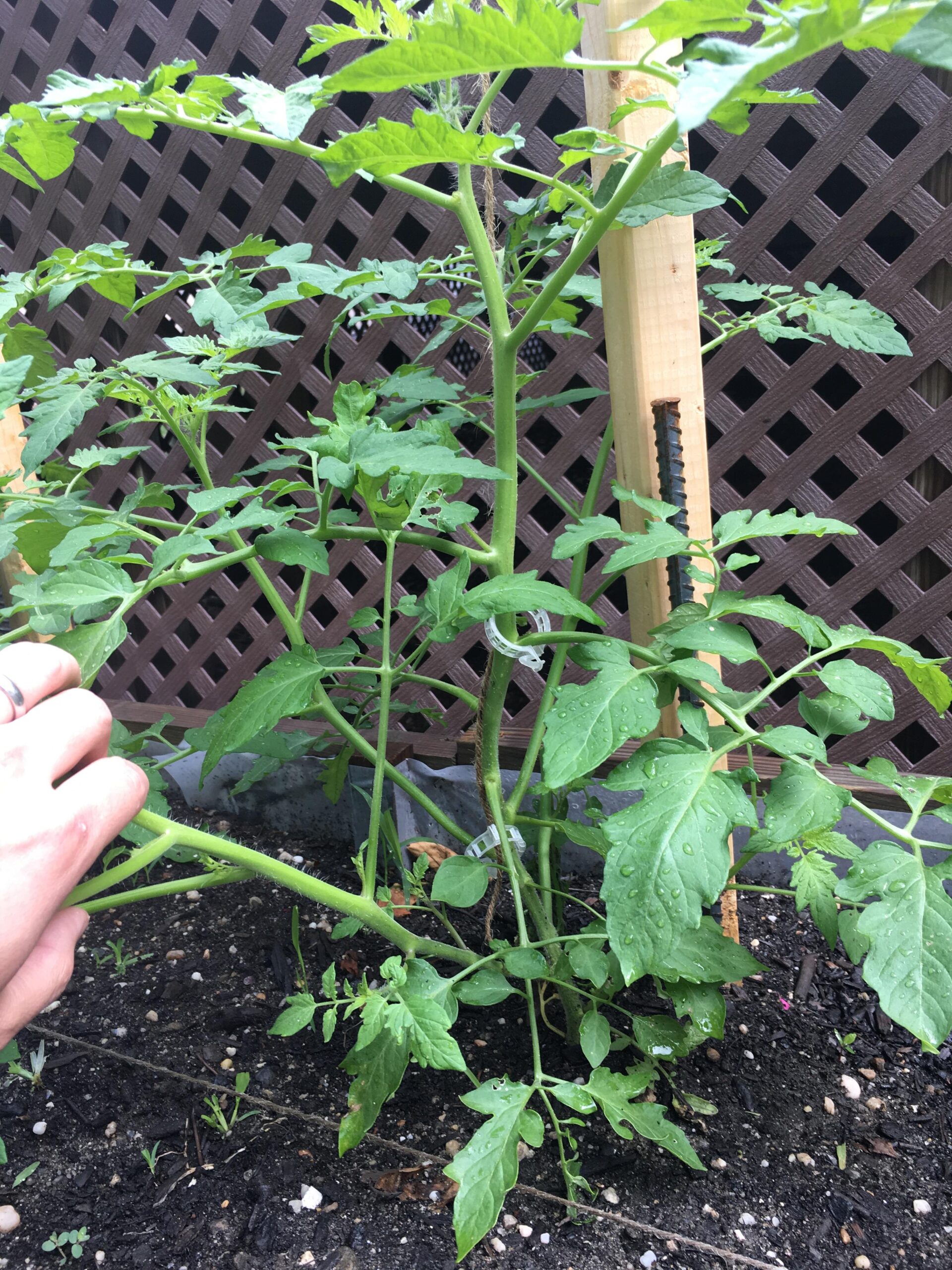
1. Excess Nitrogen Fertilizer
• Problem: Nitrogen is essential for leafy growth, but too much leads to lush foliage at the expense of flowers.
• Signs: Dark green leaves, thick stems, but few or no blossoms.
• Solution: Switch to a fertilizer with lower nitrogen and higher phosphorus and potassium. These nutrients encourage flowering and fruit set.
2. Poor Pollination
• Problem: Tomatoes are self-pollinating, but they still need movement (wind, bees, or human intervention) to transfer pollen.
• Signs: Flowers appear but drop off without forming fruit.
• Solution: Encourage pollinators by planting marigolds or basil nearby. You can also gently shake the plant or use a small brush to hand-pollinate.
3. Temperature Extremes
• Problem: Tomatoes are sensitive to extreme temperatures.
• Above 32°C (90°F): Pollen becomes sterile.
• Below 13°C (55°F): Blossoms fail to set fruit.
• Solution: Provide shade during heatwaves and use row covers during cool nights.
4. Watering Issues
• Problem: Inconsistent watering stresses the plant.
• Signs: Blossom drop, curled leaves, or cracked stems.
• Solution: Keep soil evenly moist. Mulching helps regulate moisture and temperature.
5. Pests and Diseases
• Problem: Aphids, thrips, or fungal infections can damage flowers.
• Solution: Inspect plants regularly. Use neem oil or insecticidal soap for pests, and rotate crops to prevent soil-borne diseases.
Environmental and Cultural Factors
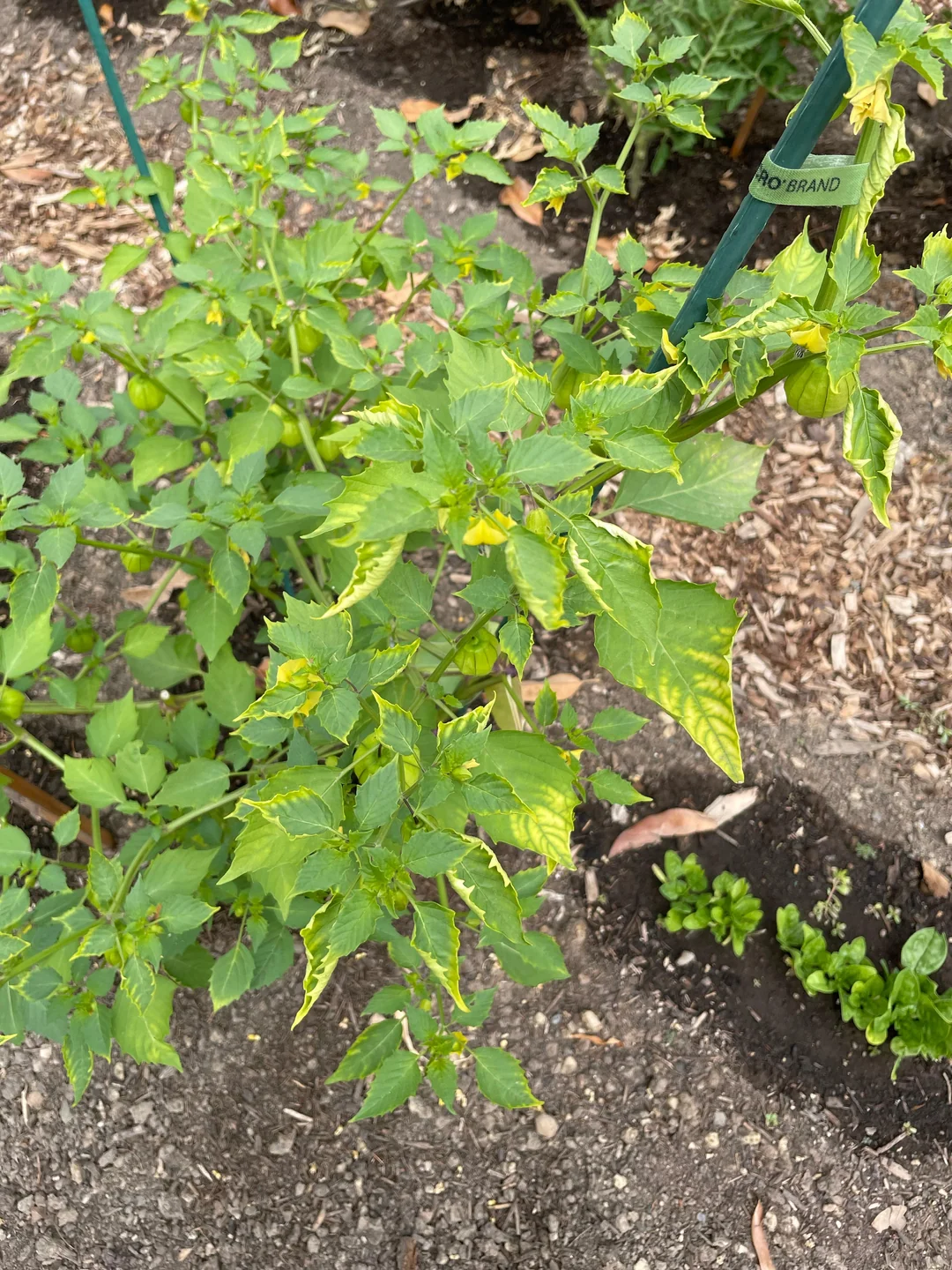
Sunlight Requirements
Tomatoes need 6–8 hours of direct sunlight daily. Insufficient light leads to tall, leggy plants with poor fruiting.
Plant Spacing
Crowded plants compete for nutrients and airflow, increasing disease risk. Proper spacing (18–24 inches apart) ensures healthy growth and fruit set.
Pruning Practices
Excess foliage can block sunlight from reaching flowers. Strategic pruning helps redirect energy toward fruit production.
Advanced Insights: Plant Hormones and Stress
Tomato fruiting is influenced by plant hormones:
• Auxins: Promote root and stem growth.
• Gibberellins: Encourage stem elongation.
• Cytokinins: Stimulate cell division.
• Ethylene: Plays a role in fruit ripening.
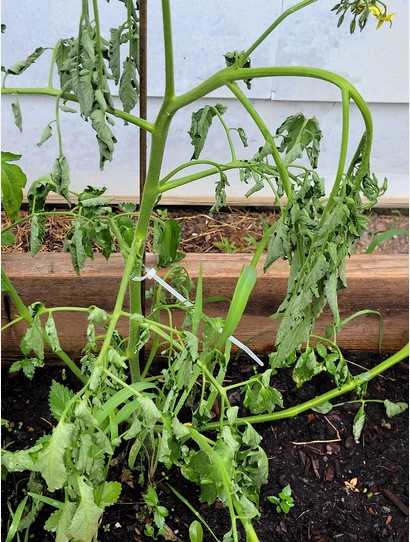
Stress factors—such as drought, nutrient imbalance, or pest attacks—can disrupt hormone balance, delaying fruit set.
Practical Tips to Encourage Fruiting
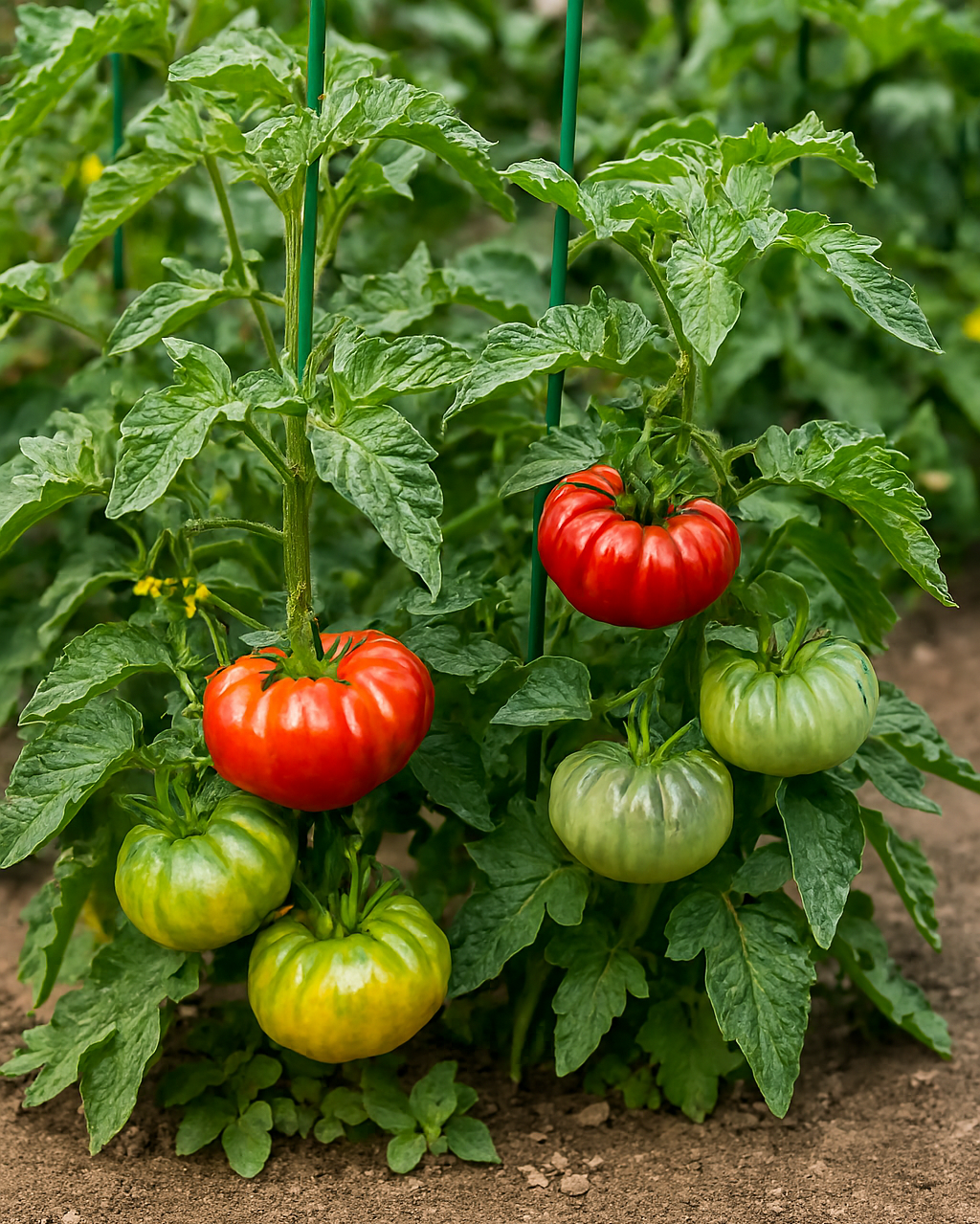
1. Balanced Fertilizer
• Use a tomato-specific fertilizer labeled “for fruiting vegetables.”
• Example: 5-10-10 (N-P-K ratio).
2. Pollination Support
• Shake flowers gently in the morning when pollen is most viable.
• Attract bees with companion plants like lavender or sunflowers.
3. Temperature Management
• Provide shade cloth during hot afternoons.
• Use cloches or row covers during cold snaps.
4. Consistent Watering
• Water deeply once or twice a week rather than shallow daily watering.
• Mulch with straw or compost to retain moisture.
5. Pruning and Training
• Remove suckers (small shoots between stem and branch).
• Stake or cage plants to improve airflow and reduce disease.
Regional Considerations
• Tropical climates: Heat stress is common; shade and mulching are essential.
• Temperate climates: Cold nights may delay fruiting; protective covers help.
• Urban gardens: Limited pollinators; hand-pollination becomes crucial.
Cultural Connection: Tomatoes in Daily Life
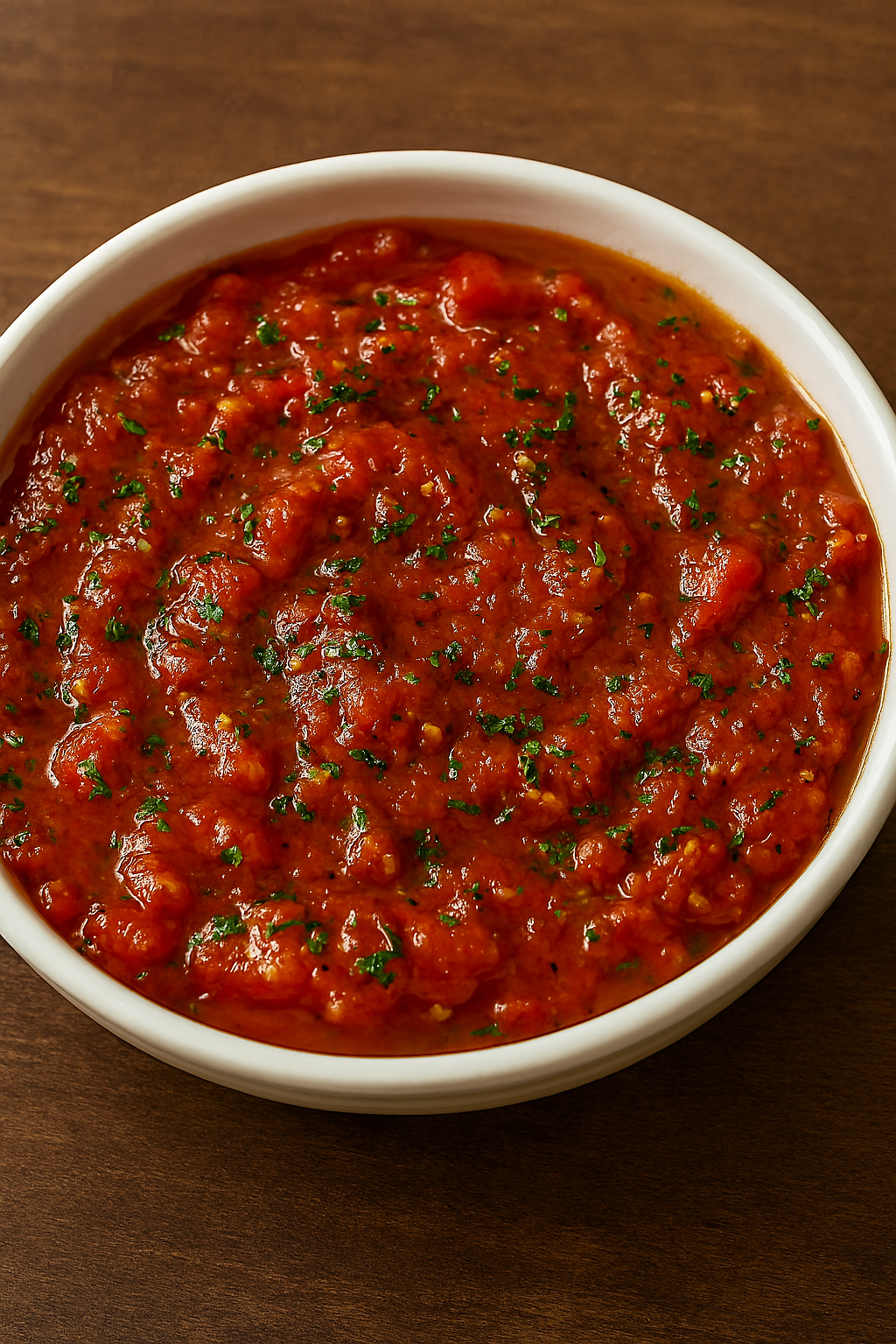
Tomatoes are more than just plants—they’re part of culinary traditions worldwide. From Italian pasta sauces to Bengali tomato chutney, their absence in the garden feels personal. Ensuring fruiting isn’t just about gardening success—it’s about preserving flavors and traditions in the kitchen.
Wrapping Up
Tomato plants that grow big but fail to produce fruit are sending you a message: something in their environment or care routine is out of balance. Whether it’s excess nitrogen, poor pollination, temperature extremes, or inconsistent watering, the solution lies in restoring harmony.
By adjusting fertilizer, supporting pollination, managing water, and protecting plants from stress, you can guide your tomatoes from leafy giants to fruitful providers. With patience and care, your garden will reward you with the rich, juicy harvests that make tomatoes the heart of cuisines worldwide.
Leave a Reply