Cherry tomatoes are loved for their naturally sweet flavor, juicy texture, and versatility. Whether you toss them into a salad, roast them for pasta, or snack on them straight from the container, they’re one of the easiest vegetables – technically fruits to enjoy. However, they don’t stay fresh forever. As cherry tomatoes age, they gradually lose their flavor, texture, and nutritional value before eventually spoiling.
Spoiled cherry tomatoes usually give several warning signs before they become unsafe to eat. By checking their appearance, smell, texture, and storage conditions, you can quickly determine whether they’re still good or if it’s time to throw them away. Here’s what to look for.
How to Tell If Cherry Tomatoes Have Gone Bad
Table of Contents
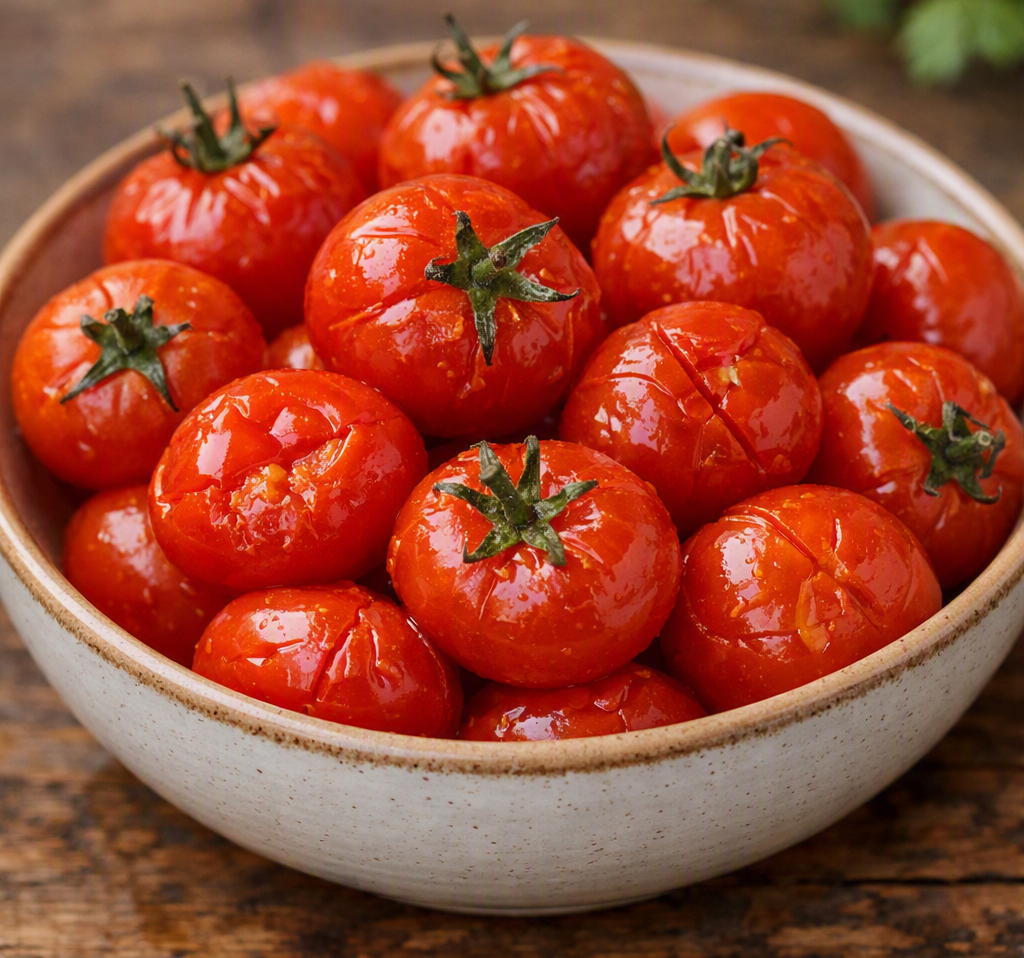
Cherry tomatoes can look perfectly fine at first, but subtle changes in their appearance, smell, and texture can reveal when they’re no longer fresh. Before eating them, take a moment to check for these common signs of spoilage.
Visual Signs
The appearance of a cherry tomato is often the quickest and most reliable way to judge its freshness. Fresh tomatoes should have smooth, shiny skin and vibrant color. As they begin to deteriorate, noticeable changes occur that indicate they’re past their prime.
Wrinkled Skin
A wrinkled or shriveled surface is usually the first sign that cherry tomatoes are losing moisture. This happens naturally as water evaporates from the fruit over time.
Although wrinkled tomatoes are generally still safe to eat if there are no other signs of spoilage, they won’t taste as juicy or sweet. Their texture becomes softer and slightly chewy, making them less enjoyable in fresh dishes like salads.
Dark Spots or Mold
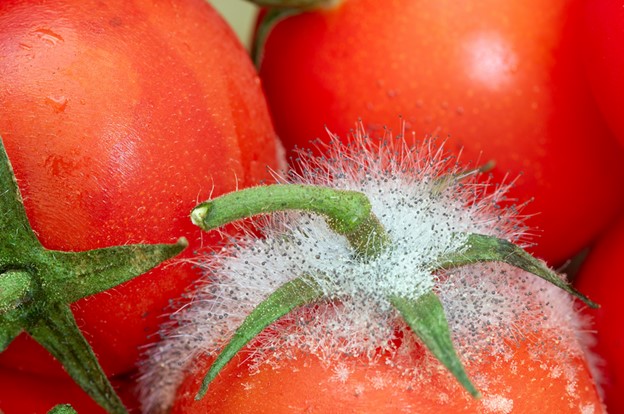
Dark brown, black, or sunken spots often indicate bruising or decay. If you notice fuzzy white, green, gray, or black mold growing on the surface, the tomatoes have spoiled.
Mold spreads quickly through soft fruits, even if it’s only visible in one area. It’s safest to discard moldy cherry tomatoes rather than cutting away the affected part.
Faded or Uneven Color
Healthy cherry tomatoes display bright, rich colors depending on the variety—usually vibrant red, yellow, or orange.
As they age, the color may become dull, uneven, or develop pale patches. While faded color alone doesn’t always mean they’re unsafe, it does indicate they’re no longer at peak freshness and their flavor may be noticeably weaker.
Smell Test
Your sense of smell can detect spoilage long before it’s obvious visually. Fresh cherry tomatoes have a light, earthy aroma with subtle sweetness. Any strong or unpleasant odor is usually a warning sign.
Sour Smell
A sharp, sour odor suggests that natural sugars inside the tomato have started fermenting. This is a clear indication the fruit is beginning to spoil.
Leaking Juices
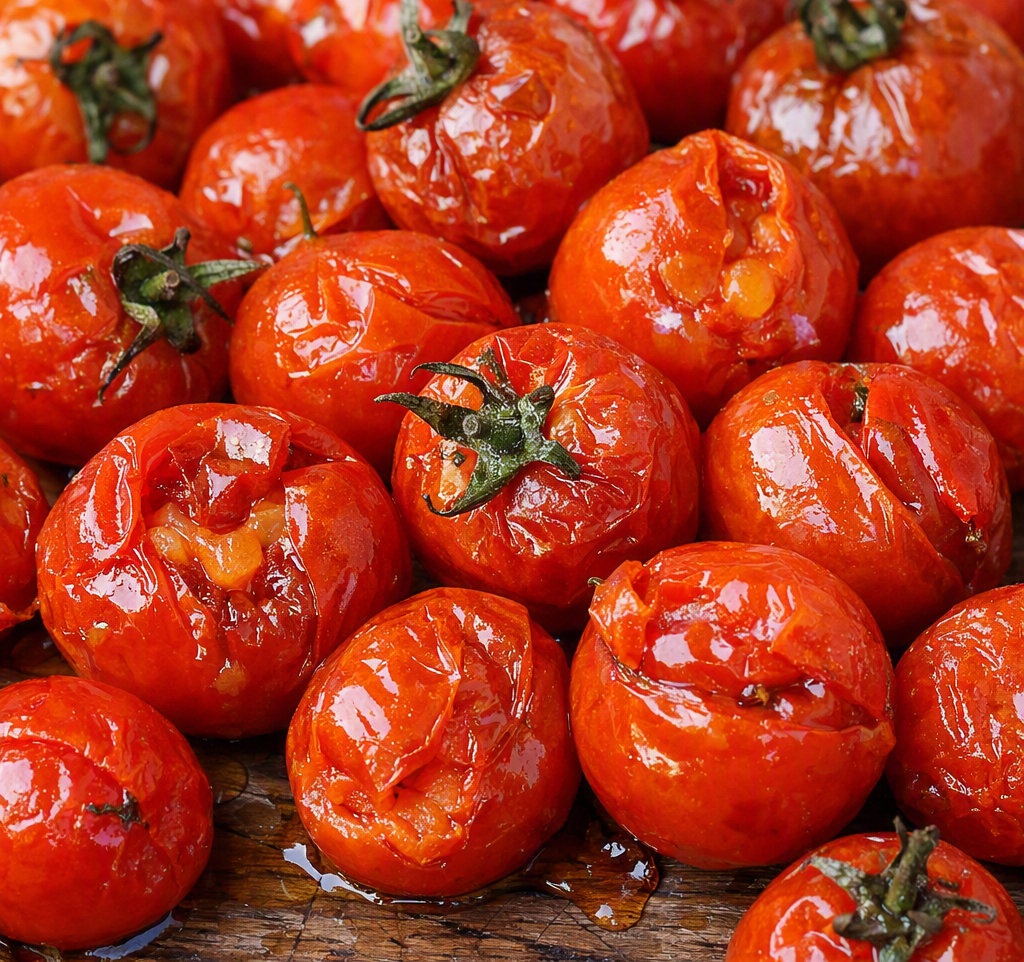
Fresh cherry tomatoes should have dry, intact skins. If you notice sticky liquid collecting around them or juices leaking from cracks, the tomatoes have likely begun breaking down internally.
Leaking tomatoes often develop bacteria rapidly and should be discarded.
Vinegar-Like Aroma
If the tomatoes smell similar to vinegar or pickles, bacteria have likely started breaking down the fruit. This type of smell indicates that spoilage is well underway.
Alcoholic or Fermented Smell
Sometimes spoiled tomatoes develop an odor resembling beer, wine, or alcohol. This happens when yeast begins fermenting the sugars inside the tomato.
Any fermented smell means the tomatoes should not be eaten.
Touch Test
The texture of a cherry tomato tells you a lot about its freshness. A gentle squeeze is often enough to determine whether it’s still good.
Firm with Slight Give
Fresh cherry tomatoes should feel firm but not rock hard. When gently pressed, they should give just a little before bouncing back.
This balance of firmness and softness indicates they’re ripe and ready to eat.
Mushy or Slimy Texture
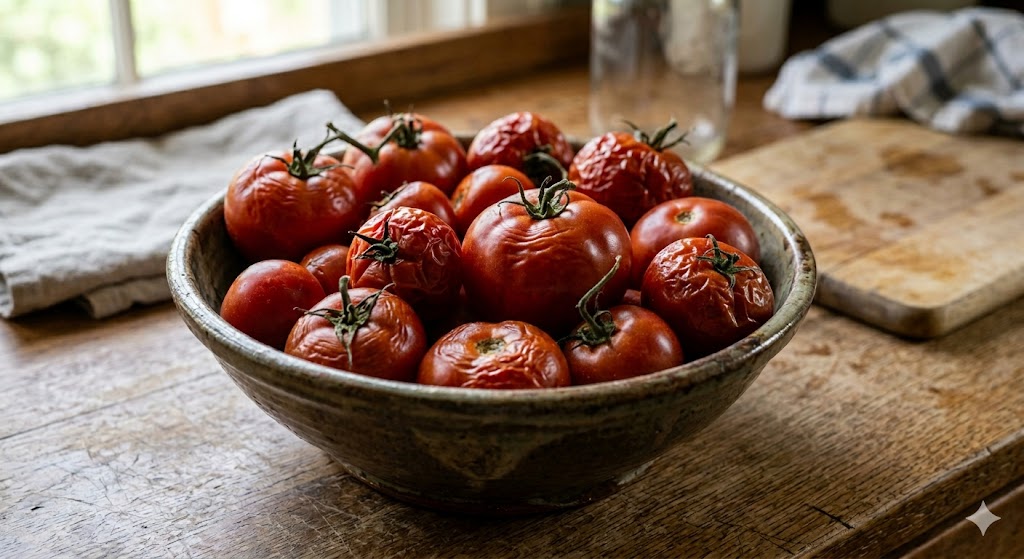
If the tomatoes feel unusually soft, slimy, or sticky, spoilage has likely begun.
Sliminess is especially concerning because it often signals bacterial growth rather than simple overripeness.
Collapsing Under Pressure
A tomato that collapses easily when lightly squeezed has lost its internal structure. The flesh has broken down, making it unsuitable for eating.
Discard any tomatoes that feel excessively soft or burst with very little pressure. Now if you want to know how to use these cherry tomatoes, here’s a complete guide.
Storing Cherry Tomatoes
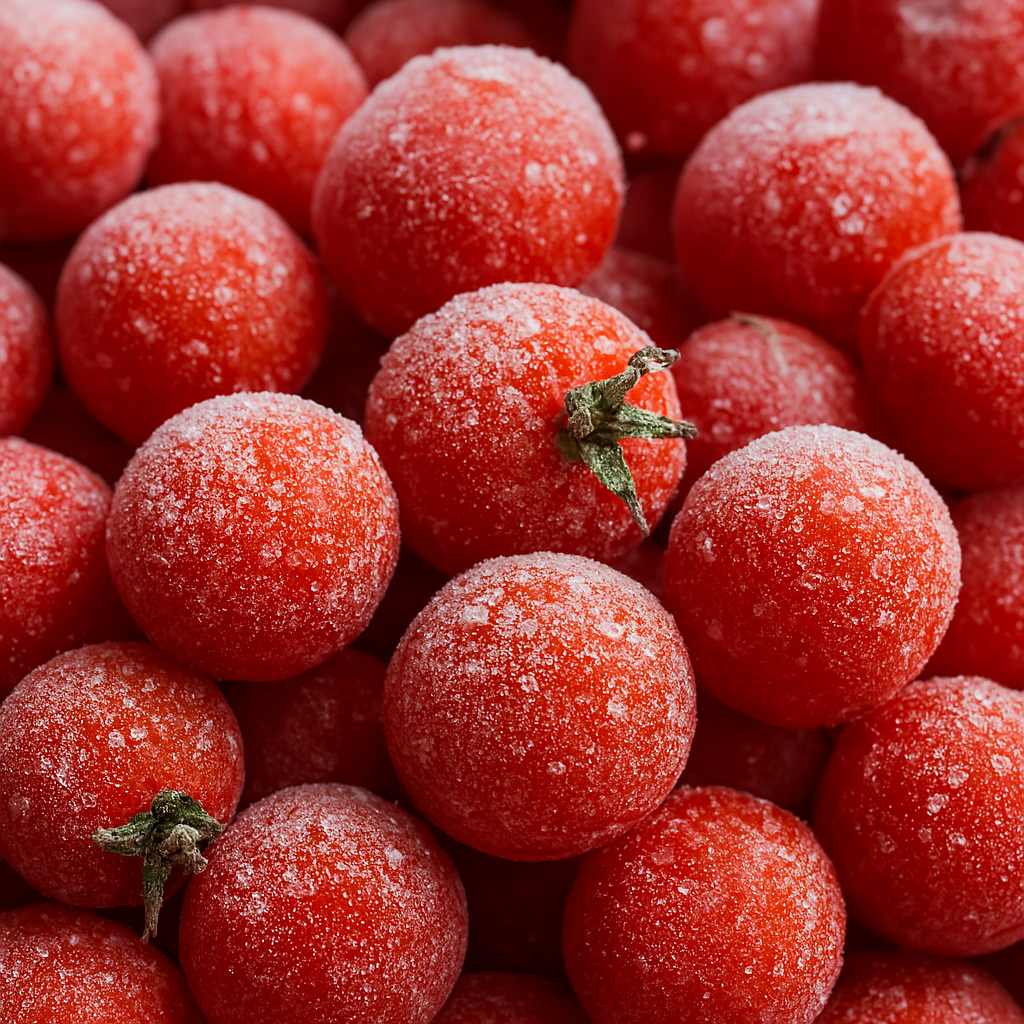
How you store cherry tomatoes greatly affects how long they stay fresh. Understanding proper storage can help prevent premature spoilage.
Room Temperature (3–5 Days)
Cherry tomatoes taste best when stored on the countertop away from direct sunlight.
Keeping them at room temperature preserves their natural sweetness and juicy texture. However, they typically remain fresh for only three to five days.
Refrigerator (7–10 Days)
If you won’t use them within a few days, refrigeration can extend their shelf life.
Cold temperatures slow bacterial growth and ripening, allowing tomatoes to last up to a week or slightly longer. However, refrigeration often dulls their flavor and makes the texture mealy.
For the best taste, let refrigerated tomatoes sit at room temperature for about 30 minutes before eating.
Freezer (Up to 6 Months)
Cherry tomatoes can also be frozen for long-term storage.
While freezing changes their texture and makes them unsuitable for fresh salads, they’re still excellent for soups, pasta sauces, stews, and roasted dishes.
Moisture Control
Excess moisture is one of the biggest causes of mold.
Store cherry tomatoes in breathable containers, baskets, or paper bags rather than sealed plastic containers. Good airflow helps reduce humidity and slows spoilage.
Taste Check
Taste should always be your final test—and only after the tomatoes pass the appearance, smell, and texture checks.
Fresh Flavor
A good cherry tomato tastes sweet, slightly tangy, juicy, and refreshing.
The skin should be tender, while the flesh remains firm and flavorful.
Sour, Bitter, or Fizzy Taste
If the tomato tastes unusually sour, bitter, fermented, or even slightly fizzy, it has spoiled.
Never continue eating tomatoes that taste off, even if they looked acceptable at first.
Tips to Keep Cherry Tomatoes Fresher Longer
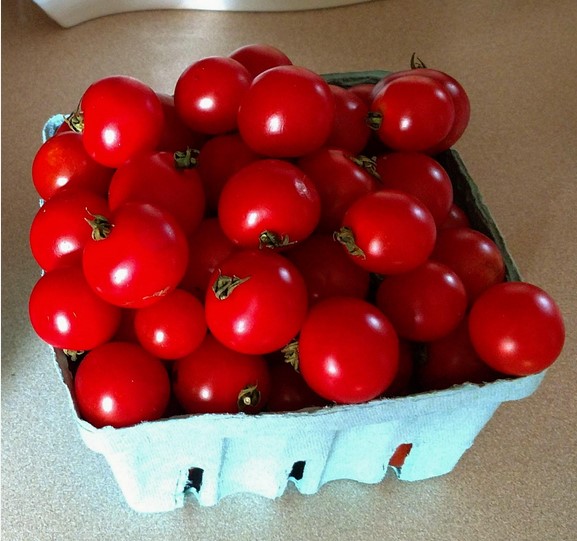
With a few simple storage habits, you can maximize the freshness and flavor of your cherry tomatoes.
Store Stem-Side Down
If your tomatoes still have their stems attached, place them stem-side down. This reduces the amount of air entering through the stem scar, helping slow moisture loss and spoilage.
Keep Them Dry
Avoid washing cherry tomatoes until you’re ready to eat them. Water left on the skin encourages mold and bacterial growth.
If they’re already wet, dry them thoroughly before storing.
Use Breathable Containers
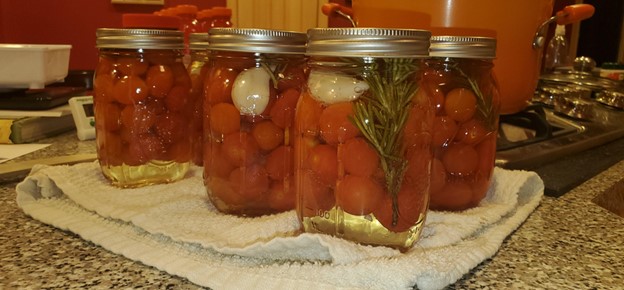
Instead of airtight plastic containers, choose ventilated baskets, mesh bowls, or paper bags. Proper airflow helps prevent excess humidity from building up.
Keep Away From Ethylene
- Fruits like bananas, apples, pears, peaches, and avocados release ethylene gas, which speeds up ripening.
- Keeping cherry tomatoes away from these fruits can help them stay fresh for several days longer.
Wrapping Up
Cherry tomatoes rarely spoil without giving clear warning signs. Changes in appearance, smell, texture, and taste all provide valuable clues about whether they’re still safe to eat. While slightly wrinkled tomatoes can often still be used in cooked dishes, mold, leaking juices, sliminess, strong sour odors, or fermented flavors are reliable indicators that it’s time to throw them away.
By storing cherry tomatoes properly and checking them regularly, you can reduce food waste, enjoy their best flavor, and avoid eating spoiled produce. A quick inspection before cooking or snacking takes only a few seconds but can make all the difference in keeping your meals fresh, delicious, and safe.
Leave a Reply