When gardeners gather around their beds in spring, one question often sparks – Are these determinate or indeterminate tomatoes? It may sound technical, but the answer shapes the entire growing season.
Imagine two tomato seedlings side by side—one destined to grow like a tidy little bush, the other eager to sprawl endlessly like a wandering vine. Their journeys couldn’t be more different, and yet both promise the joy of ripe, red fruit.
This is the story of how these two tomato plants live out their seasons—one with a burst of abundance, the other with a steady rhythm of harvests. By following their paths, we’ll uncover not just the science of growth, but the art of choosing the right companion for your garden.
The Compact Bush That Knew Its Limits
Table of Contents
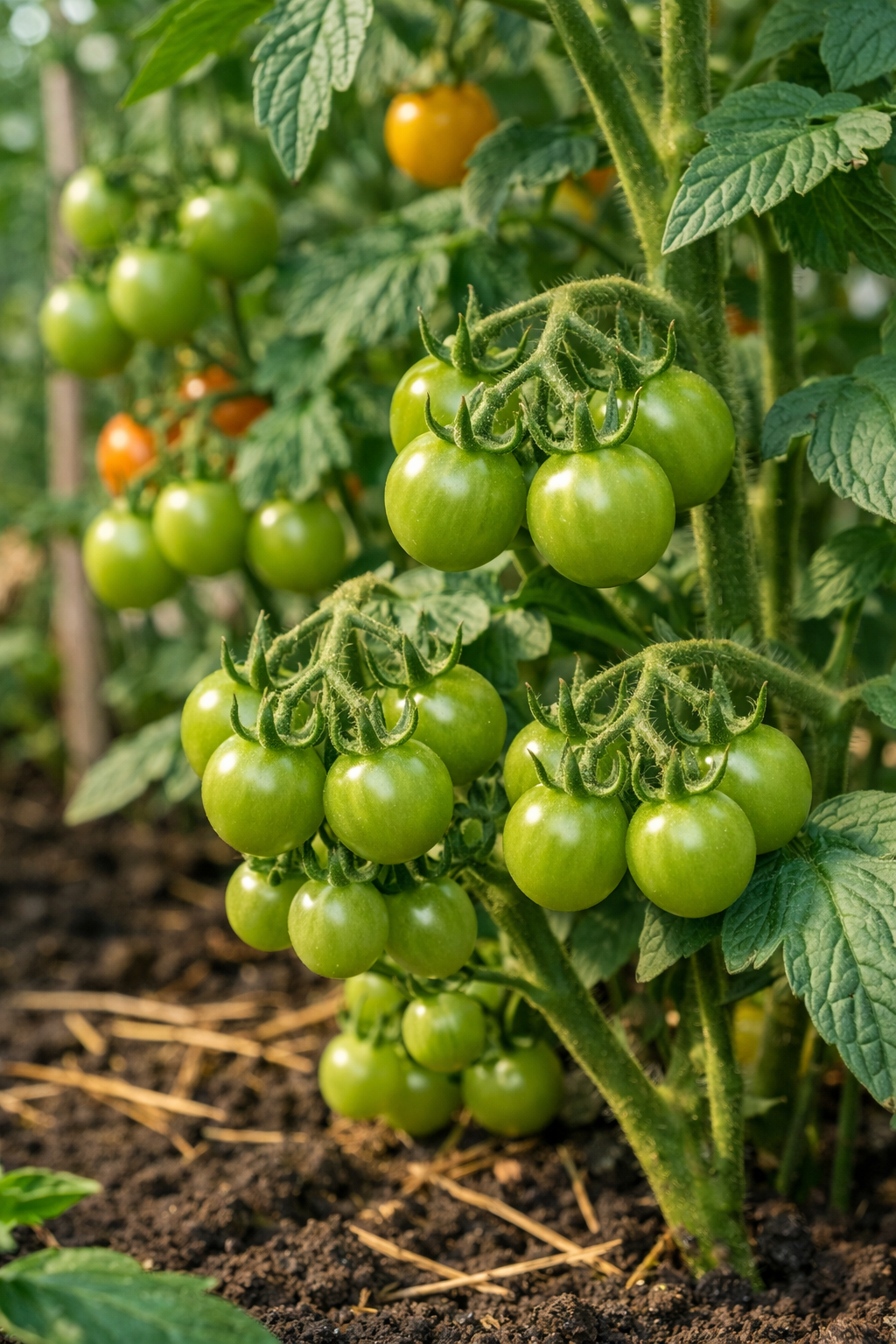
Imagine a tomato plant that behaves like a polite guest—it grows to a certain height, produces a generous flush of fruit, and then quietly bows out. This is the determinate tomato.
Growth Habit – It grows like a shrub, usually 3–4 feet tall.
Fruit Production – All the tomatoes ripen around the same time, making it perfect for canning or big harvests.
Clues to Spot It –
- Flowers appear at the tips of branches, signaling the plant has reached its limit.
- Once fruit sets, the plant slows down and stops growing taller.
- The plant looks neat and contained, rarely sprawling across the garden.
- Gardeners often say determinate tomatoes are “one-and-done”—they give you a burst of abundance, then rest.
The Endless Viner That Never Stops
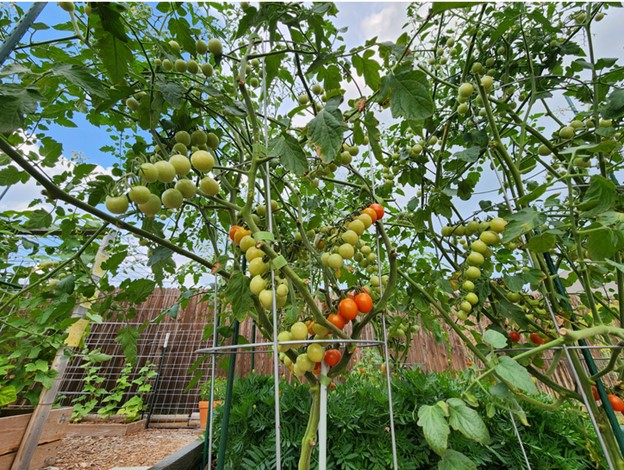
Now picture a tomato plant that refuses to quit. It stretches, climbs, and keeps producing fruit until frost finally says, “Enough.” This is the indeterminate tomato.
Growth Habit – It grows like a vine, often reaching 6–10 feet if supported.
Fruit Production – Tomatoes ripen gradually, week after week, perfect for fresh salads all summer long.
Clues to Spot It:
- Flowers appear along the sides of stems, not just at the tips.
- The plant keeps growing taller and fuller even after fruit sets.
- It looks wild and sprawling, often needing stakes, cages, or trellises to stay upright.
- Gardeners call indeterminate tomatoes “the gift that keeps on giving”—a steady stream of fruit until the season ends.
The Gardener’s Dilemma – Spotting the Difference
When you’re standing in your garden, it can feel tricky to tell determinate and indeterminate tomatoes apart. But with a few careful observations, the plants reveal their identity:
Look at the flowers
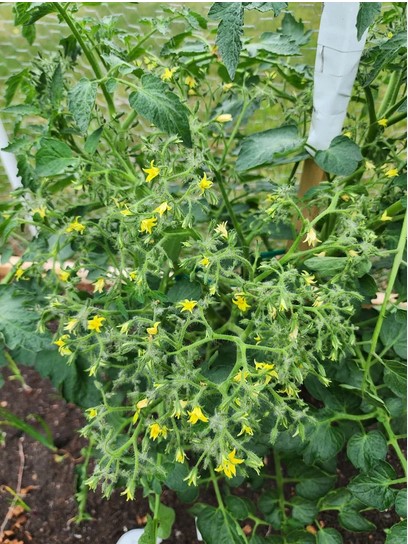
Determinate plants put their blossoms at the very tip of the stem—like a full stop at the end of a sentence. Indeterminate plants, on the other hand, scatter their flowers along the sides of the branches, hinting that the story isn’t over yet.
Watch the growth
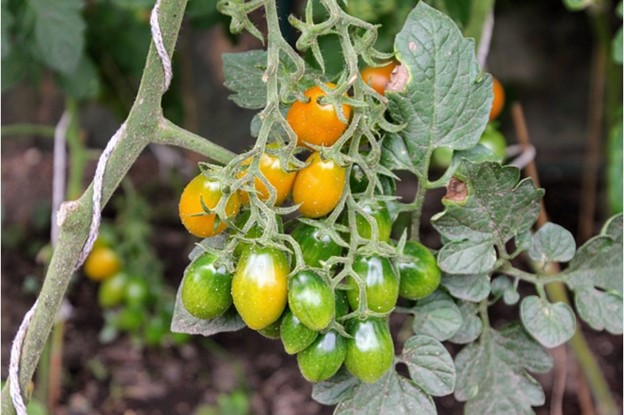
Determinate plants grow to a certain height, set fruit, and then stop—almost like they’ve reached their destination. Indeterminate plants keep climbing, stretching higher and higher, producing new leaves and flowers as if they’re chasing the sky.
Check the seed packet or tag
Most reputable sellers will note whether a variety is determinate or indeterminate. This small detail saves you from guesswork and helps you plan spacing, staking, and harvest expectations.
One summer, a gardener planted both types side by side. Her determinate Roma tomatoes gave her a sudden bounty—perfect for jars of sauce. Meanwhile, her indeterminate Cherry tomatoes climbed the trellis and offered handfuls of sweet fruit every evening until autumn.
By season’s end, she realized the magic wasn’t in choosing one over the other, but in knowing their personalities. Determinate gave her abundance in a burst, indeterminate gave her joy in small, steady doses.
Closing Thought
Determinate and indeterminate tomatoes are like two characters in the same play—one delivers a dramatic climax, the other a long, unfolding story. Knowing which you’re growing helps you plan your harvest, your recipes, and your garden’s rhythm.
Leave a Reply