Across continents, from the Mediterranean to North America, from Africa to Asia, farmers rise early to check their tomato plants. For generations, they trusted the rhythm of the seasons – plant in spring, water through summer, harvest in late summer or autumn.
But now, mornings feel different. The soil is drier than it should be, blossoms have dropped overnight, and fruits look smaller than last year. What they see is not just a bad season—it’s the quiet but relentless hand of climate change reshaping tomato harvests everywhere.
Tomatoes and Their Fragile Balance
Table of Contents
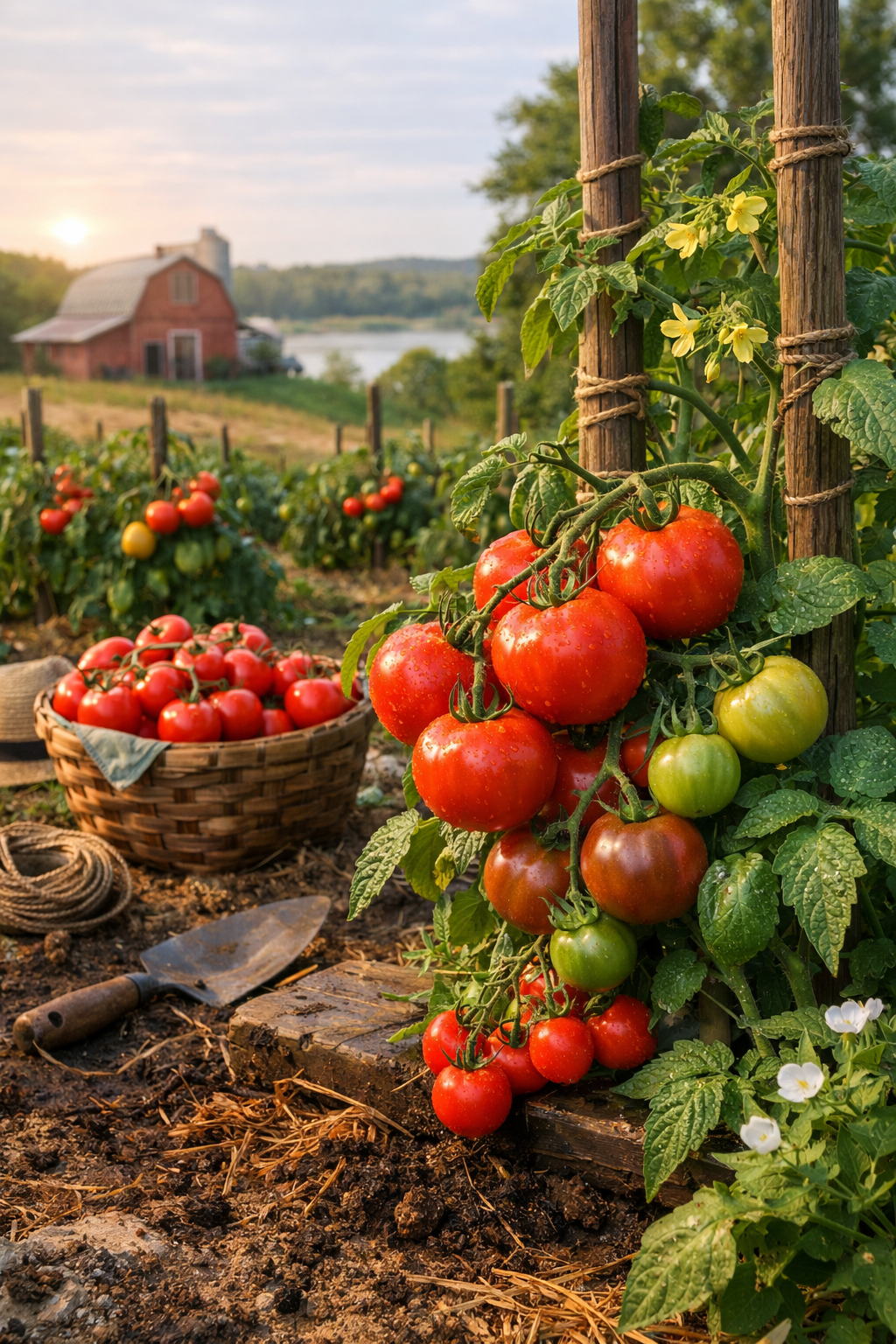
Tomatoes may seem hardy, but they are deeply sensitive to their environment. They thrive when daytime temperatures hover between 21–29°C (70–85°F), nights cool enough for blossoms to set, and water arrives in steady, predictable amounts. They rely on soil rich in nutrients and proper pH balance and a climate that doesn’t swing wildly from one extreme to another.
Climate change disrupts this balance. Rising global temperatures push plants beyond their comfort zone. Rainfall patterns shift—sometimes disappearing for weeks, sometimes arriving in violent bursts that flood fields.
Seasons blur, confusing growers who once relied on calendars passed down for generations. What was once predictable has become uncertain, and tomatoes, sensitive to these changes, are among the first crops to show the strain.
Heat Stress and Blossom Drop
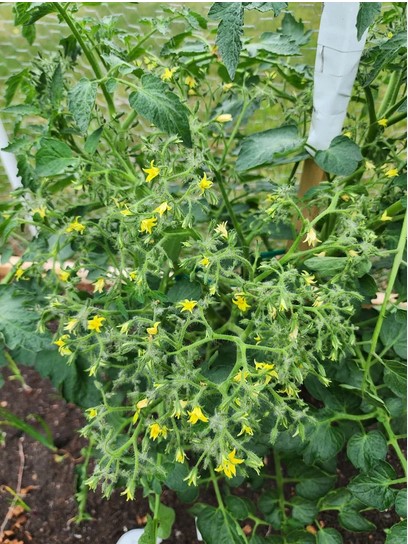
Science explains what farmers see. When daytime temperatures climb above 32°C (90°F), tomato flowers often fail to pollinate. This phenomenon, known as blossom drop, means fewer fruits per plant. The plant invests energy in flowering, but heat interferes with fertilization.
The story repeats across continents. In southern Europe, growers describe summers where tomato plants look lush but bear almost no fruit. In North America, heat waves scorch blossoms before they can set. In Africa and Asia, yields shrink despite healthy‑looking vines. The science is clear: tomatoes are not just stressed by heat—they are silenced by it.
Water Extremes – Drought and Flood
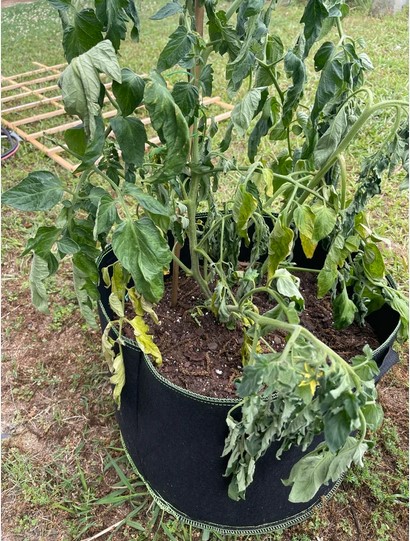
Tomatoes are thirsty crops, needing about 1–1.5 inches of water per week. But they despise extremes. Climate change delivers both:
- Droughts leave plants wilted, fruits small, and skins prone to cracking. Sugar levels drop, and flavor suffers.
- Floods suffocate roots, spread fungal diseases, and wash away nutrients.
In many regions, farmers now install drip irrigation systems to ration water drop by drop, while others raise beds to protect roots from flooding.
Yet not everyone can afford these adaptations. For countless small growers, every season feels like a gamble—too little rain and the crop shrivels, too much and it rots.
Pests and Pathogens on the Rise
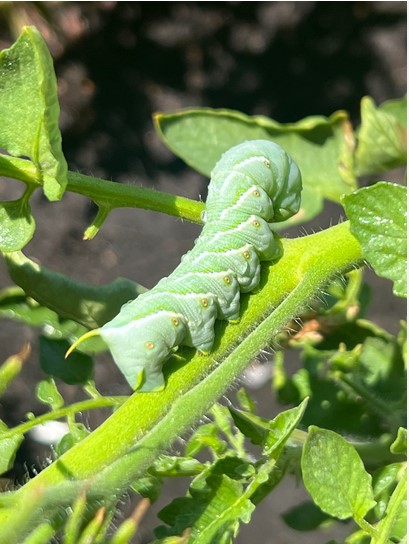
Warmer nights and humid conditions create a perfect playground for pests and diseases. Whiteflies, aphids, and late blight now appear earlier and spread faster. Research shows that higher CO₂ levels can even make tomato leaves more attractive to certain pests.
Growers who once sprayed occasionally now find themselves battling infestations throughout the season. The cost of pesticides rises, the risk of crop loss grows, and the delicate balance between plant and environment tips further out of control.
The Global Ripple Effect
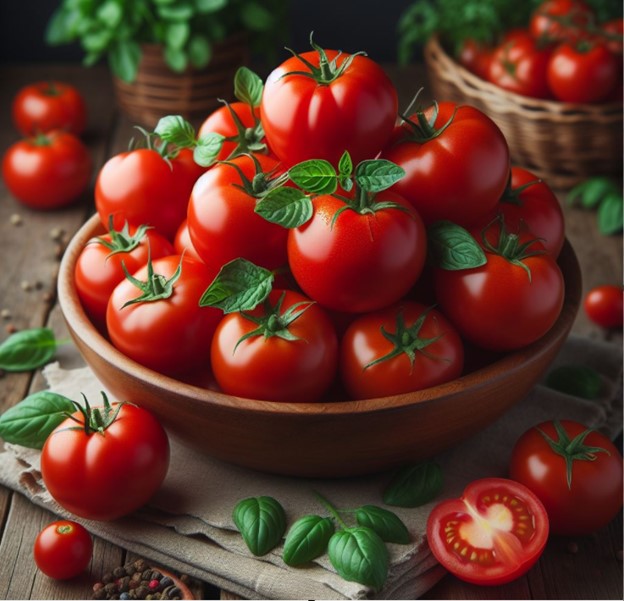
Tomatoes aren’t just a backyard crop—they are a global commodity. From Italian pasta sauce to Mexican salsa, from Mediterranean salads to American ketchup, tomatoes are everywhere. Lower yields mean higher prices, affecting not just farmers but consumers worldwide.
In recent years, tomato shortages in Europe pushed prices up by nearly 40%. Restaurants raised menu prices, households cut back, and food companies scrambled to secure supply. What happens in one field ripples into kitchens across continents. Climate change doesn’t stop at the farm gate—it travels through markets, recipes, and dinner tables.
Seeds of Adaptation
Yet the story isn’t only about loss. Farmers and scientists are fighting back:
- Heat‑tolerant hybrids bred to withstand higher temperatures.
- Organic mulching to retain soil moisture and cool roots.
- Shade nets and greenhouses to shield plants from erratic weather.
- Community seed banks preserving resilient heirloom varieties.
In research labs, scientists develop tomatoes that can tolerate salty water. In commercial farms, growers experiment with mulching and intercropping to protect soil. In greenhouses, plants are buffered against unpredictable seasons. These innovations show that while climate change is formidable, adaptation is possible.
Wrapping Up
Tomatoes have always shown resilience, adapting across continents and cuisines. But climate change presents their greatest challenge yet. Rising heat, erratic rainfall, and new pests are reshaping yields worldwide.
The future of tomatoes will depend not only on their natural adaptability but on humanity’s commitment to sustainable farming, scientific innovation, and climate action. Ensuring that tomatoes continue to thrive is not just about protecting a crop—it’s about safeguarding a global food staple for generations to come.
Leave a Reply