Every gardener waits for that magical moment—the first splash of yellow against a sea of green leaves. Tomato blooms are not just flowers, they are promises of fruit to come. They whisper of summer’s sweetness long before the fruit arrives.
The anticipation builds with every new leaf, until one day, the plant reveals its secret – delicate yellow stars that mark the beginning of harvest dreams.
From Seedling to Stage Performer
Table of Contents
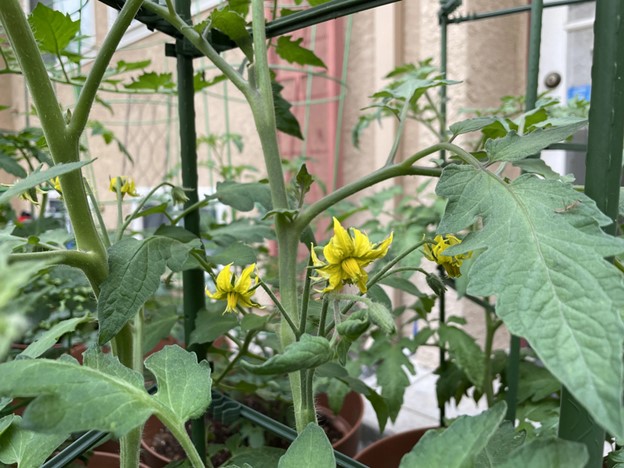
Tomatoes begin life as shy seedlings, stretching toward the sun with fragile stems and tender leaves. For weeks, they are all about survival—rooting deeper, growing taller, unfurling leaf after leaf like pages in a book.
Then, almost suddenly, the plant changes its rhythm. Around 5–7 weeks after germination, or 4–8 weeks after transplanting, the first flower clusters emerge.
It feels like watching a performer step onto the stage after endless rehearsals. The plant, once focused only on growth, now declares it’s ready to produce.
The Secret Triggers of Bloom
Tomatoes don’t bloom without reason. They wait for the perfect cues, as if nature itself must set the stage for their grand performance.
Every flower is a signal that the plant has found its balance—between warmth, light, and nourishment. If you want to increase flowering, then follow this complete guide.
Warmth of the Day
Tomatoes are creatures of comfort. They thrive when the air is gentle and warm, between 70–85°F (21–29°C). In this range, the plant feels safe enough to shift from growing leaves to producing flowers.
But if the nights dip below 55°F (13°C), the plant shivers, holding back its blossoms. And when the days soar above 90°F (32°C), the plant wilts, conserving energy instead of flowering.
It’s a delicate dance with temperature, where the plant listens closely to the whispers of the weather before deciding to bloom.
Proper Sunlight
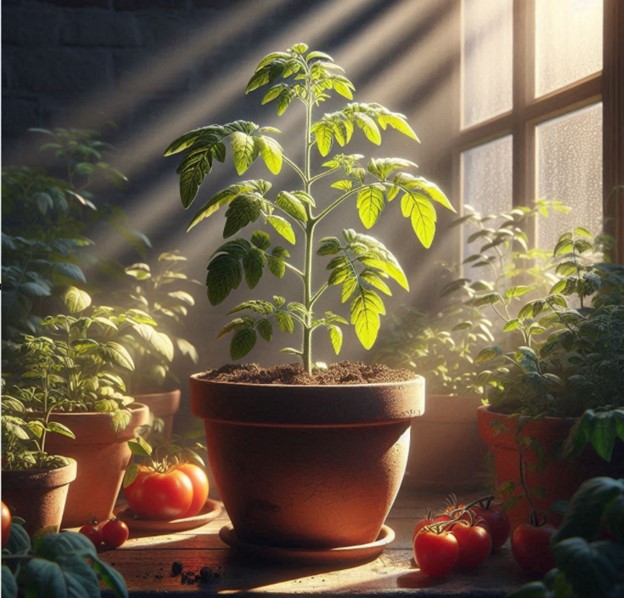
Sunlight is the invitation tomatoes cannot resist. With 6–8 hours of direct sun, the plant gathers courage to bloom, soaking in energy that fuels its transformation.
In shaded corners or cloudy stretches, the plant hesitates, reluctant to reveal its flowers. It’s as if the tomato waits for the spotlight to shine before stepping forward, knowing that without light, its blossoms would falter.
Balanced Nutrition
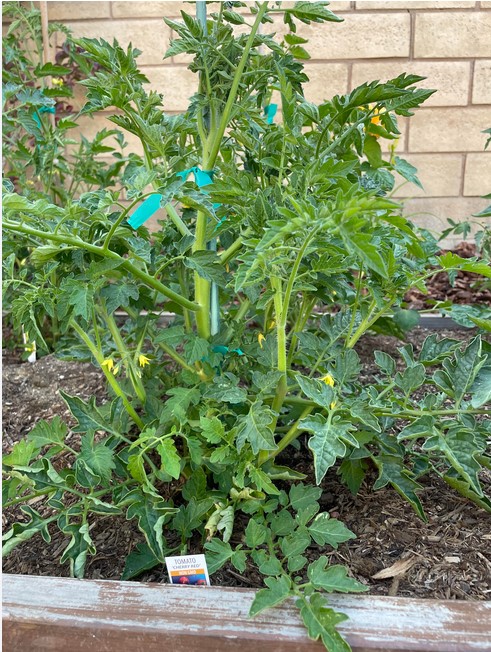
Nutrition is the script behind the performance. Too much nitrogen, and the plant becomes leafy and lush, but shy. Phosphorus and potassium, however, are the true directors, guiding the plant toward flowering.
They encourage blossoms to appear, giving the tomato its spotlight. With the right balance, the plant shifts from building green towers of leaves to producing golden stars of promise.
It’s almost like the tomato needs the perfect stage lighting, the right temperature, and a carefully written script of nourishment before it performs its blooming act.
When all these triggers align, the plant finally reveals its flowers—tiny bursts of sunshine that mark the beginning of fruit and the gardener’s joy.
The First Yellow Blossom
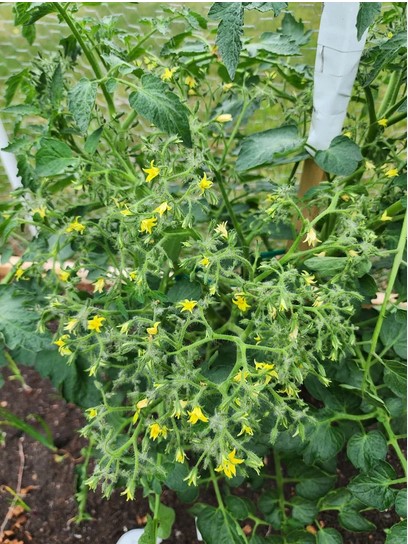
When the first cluster of yellow, star-shaped flowers opens, it feels like a celebration. Gardeners often pause, marveling at the delicate petals that signal the beginning of fruit.
Each flower is self-pollinating, but wind, bees, or even a gentle shake of the stem help nature along.
Soon, those blossoms transform into tiny green marbles—the earliest fruits of the season. It’s a moment of quiet triumph, the gardener’s reward for patience.
The Waiting Game
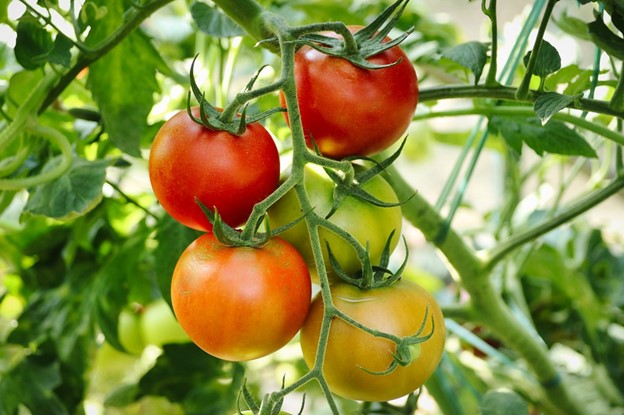
Not all tomatoes bloom at the same pace, and that’s part of the suspense that makes gardening so captivating. Each variety has its own rhythm, its own personality:
- Cherry tomatoes are sprinters, eager to show off. Within 40–50 days of transplanting, they burst into bloom, scattering clusters of tiny yellow stars as if impatient to begin their fruiting journey.
- Beefsteak varieties are the slow, thoughtful giants. They take their time, often waiting 60–80 days before unveiling their blossoms. Their delay feels like a test of patience, but the reward—huge, juicy fruits—is worth the wait.
- Determinate plants bloom in one grand flush, like a single spectacular performance. They flower, fruit, and finish, offering a concentrated harvest.
- Indeterminate vines, on the other hand, are storytellers who never stop. They keep producing flowers and fruit in waves, right up until frost closes the curtain.
Each variety tells its own story, but the anticipation is always the same—the gardener waiting for the curtain to rise, checking daily for that first golden star among the leaves.
When Flowers Don’t Appear on Time

Sometimes, the flowers don’t appear when expected, and the gardener’s excitement turns into worry.
The reasons are often hidden in the environment, subtle cues that the plant is struggling to find its balance:
- Cold nights or scorching days can silence the plant. Below 55°F (13°C), it shivers and stalls, above 90°F (32°C), it wilts and conserves energy instead of flowering.
- Soil too rich in nitrogen encourages lush, leafy growth. The plant looks healthy, even vigorous, but it’s all show—no blossoms, no promise of fruit.
- Shade stealing the sunlight leaves the plant hesitant, unable to gather the energy it needs to bloom.
- Stress from transplant shock or irregular watering can delay flowering, as the plant focuses on survival rather than reproduction.
It’s as if the tomato is waiting for the right conditions before stepping into the spotlight. The gardener, meanwhile, learns patience—adjusting care, watching the weather, and trusting that when the stage is set, the flowers will finally appear.
The Gardener’s Joy
For every tomato flower, the first bloom is a milestone—a quiet triumph that feels almost ceremonial. It marks the beginning of the harvest journey, a signal that all the watering, staking, and patient waiting has finally paid off. From that moment, the countdown begins—not just to fruit, but to the taste of summer itself.
The scent of tomato leaves lingers on your hands, earthy and sharp, while bees hum busily around the blossoms, carrying out their silent work. The petals, delicate and golden, open against the sun like tiny lanterns, illuminating the promise of what’s to come.
Those yellow blossoms are more than flowers; they are the gardener’s reward for patience, care, and hope. Each one is a reminder that nature responds to devotion, that the smallest acts of tending—watering at dawn, protecting from wind, feeding the soil—culminate in this moment of joy.
The Bloom as a Prelude to Harvest
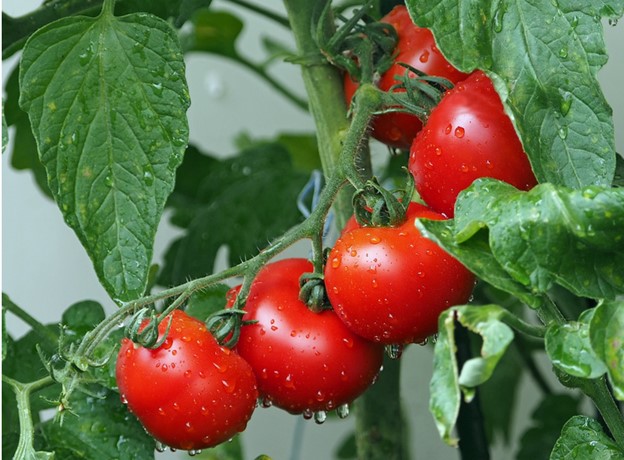
Tomato blooms are not the end—they are the beginning of something greater. Each flower carries within it the promise of a juicy fruit, ripened under the summer sun, destined to become part of a meal, a memory, a season’s story.
The gardener knows that from bloom to harvest, the journey is filled with care – staking vines so they stand tall, watering with consistency so roots remain strong, pruning to guide energy toward fruit, and protecting against pests and weather. Every task is part of a rhythm, a partnership with the plant.
But it all starts here—with the bloom. A small, golden star that signals abundance ahead. It is the overture before the symphony, the spark before the flame, the whisper before the chorus of ripening fruit.
Wrapping Up
Tomatoes bloom when they feel strong, nourished, and supported—usually within 4–8 weeks of transplanting. Their flowers are the turning point, the promise of fruit, and the gardener’s signal that the season of abundance has begun.
Leave a Reply