I was right in the middle of cooking — oil hot, spices ready — when I suddenly realized the recipe needed blended tomatoes.
And I didn’t have a blender. For a moment, it felt like everything would fall apart. But instead of stopping, I tried a couple of quick fixes — I scalded and mashed the tomatoes, and also tried grating them directly.
Surprisingly, both worked. That’s when I realized something simple — you don’t always need the perfect tool, just the right approach. So, if you ever find yourself stuck without a blender, here are a few good alternatives and using them you can still get that smooth, perfect tomato base.
Why Texture Matters More Than You Think
Table of Contents
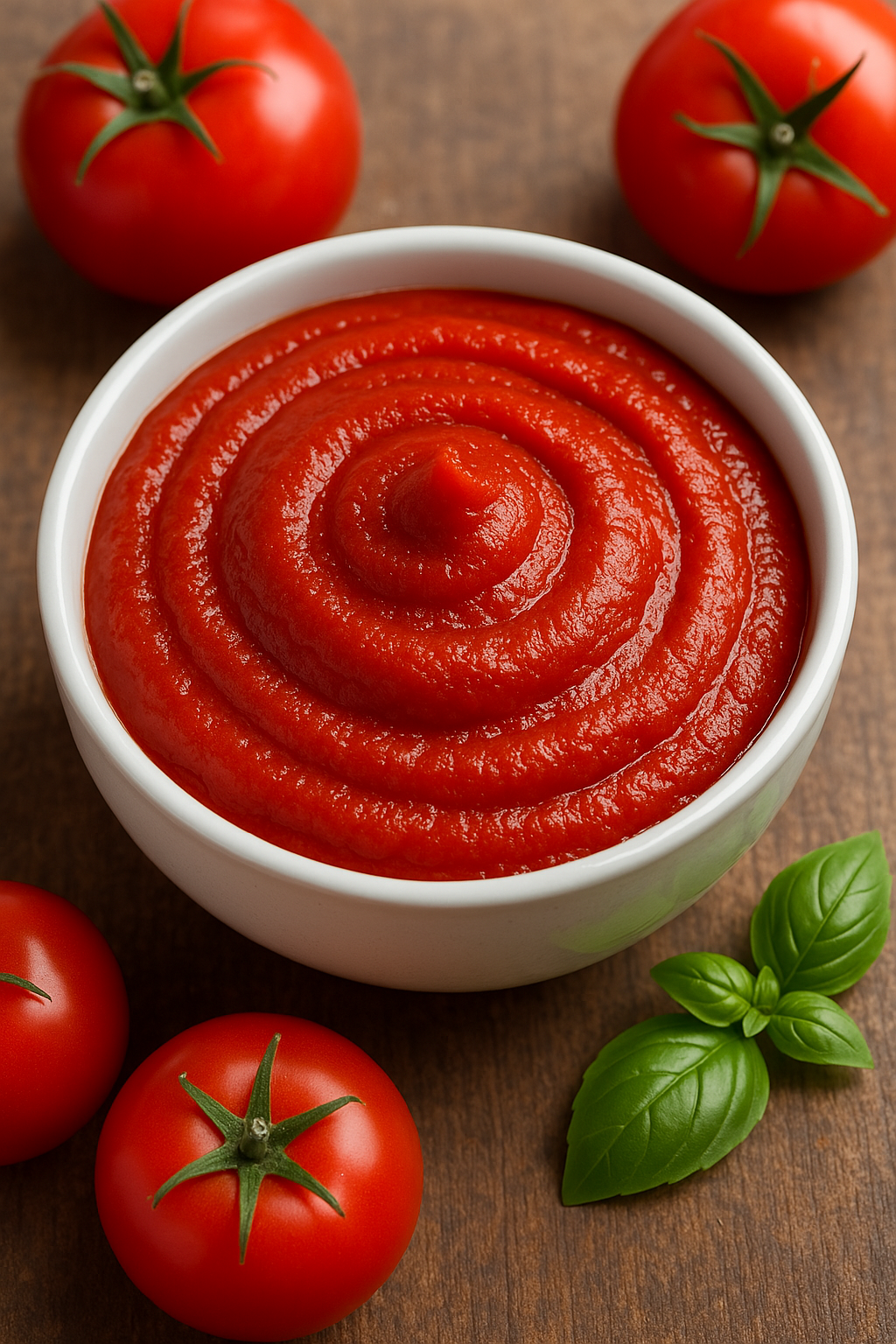
At first, it might seem like blending tomatoes is just about making them smooth. But once you start cooking, you realize it affects a lot more than that.
A properly blended tomato base:
- Gives your dish a rich, even consistency
- Helps spices mix better
- Prevents chunks from disrupting the texture
- Enhances the overall flavor balance
Without blending, tomatoes can stay uneven, watery in some places and chunky in others.
So the goal isn’t just blending —it’s achieving that same smooth consistency using other methods.
What I Tried Instead — Simple Methods That Actually Worked
Since I didn’t have a blender, I had to rely on a few basic kitchen techniques. Nothing fancy — just simple methods using tools I already had at home.
Some worked better than expected, and a couple even gave results close to a proper puree.
Here’s what I tried, starting with the one that saved my dish.
1. The Boil-and-Mash Method — Simple but Reliable
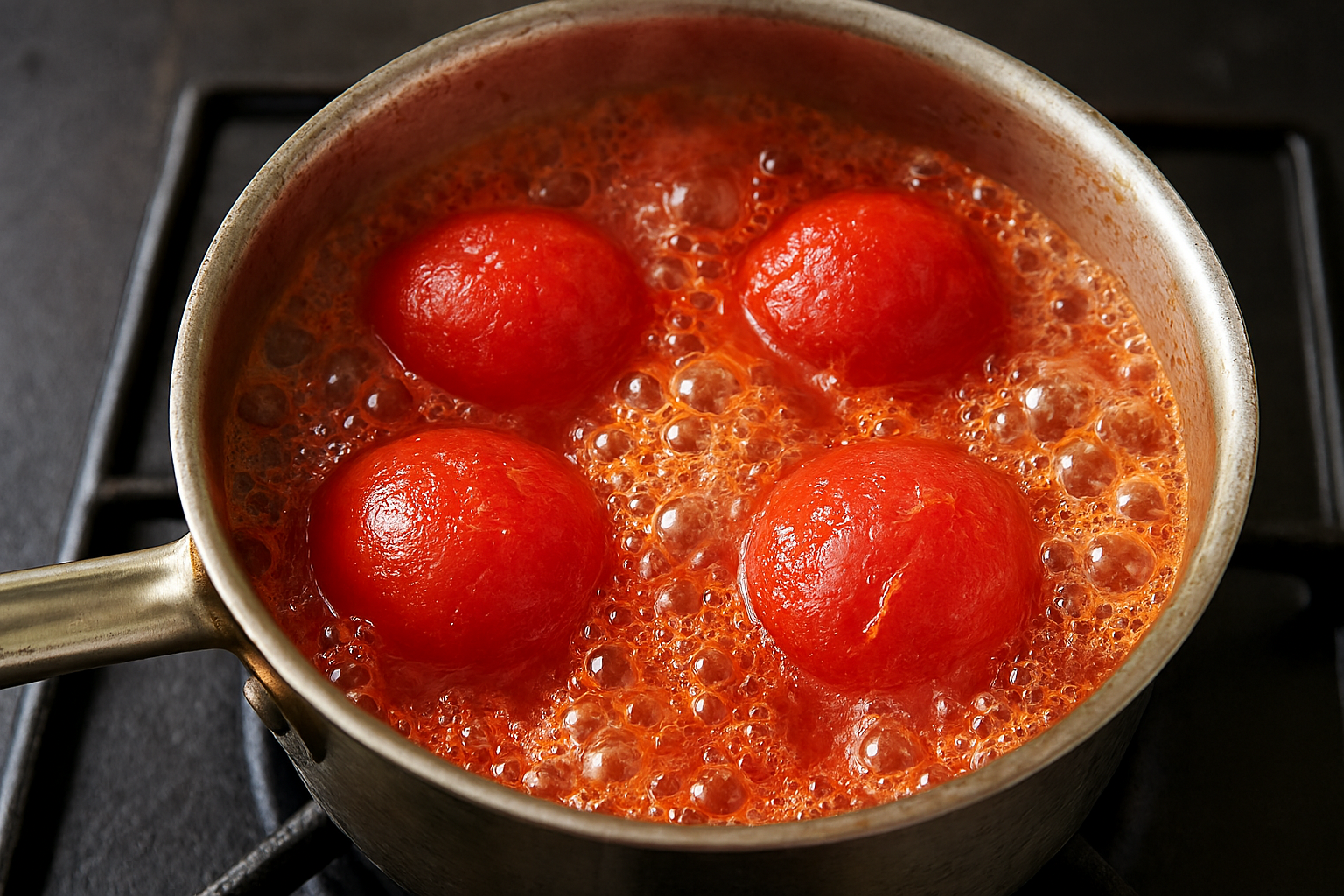
This was the first thing I tried — and honestly, it saved the dish. I started by chopping the tomatoes into smaller pieces and boiling them for a few minutes.
As they heated up, they became soft, tender, and easy to break down.
Once they were soft enough, so I did the following:
- I used a spoon to mash them thoroughly
- Pressed them against the sides of the pan
- Kept stirring until the mixture started looking smoother
The heat does most of the work here. The longer you cook and mash, the closer it gets to a puree.
It may not be perfectly silky, but for most recipes — it works really well.
2. The Grating Trick — Surprisingly Effective
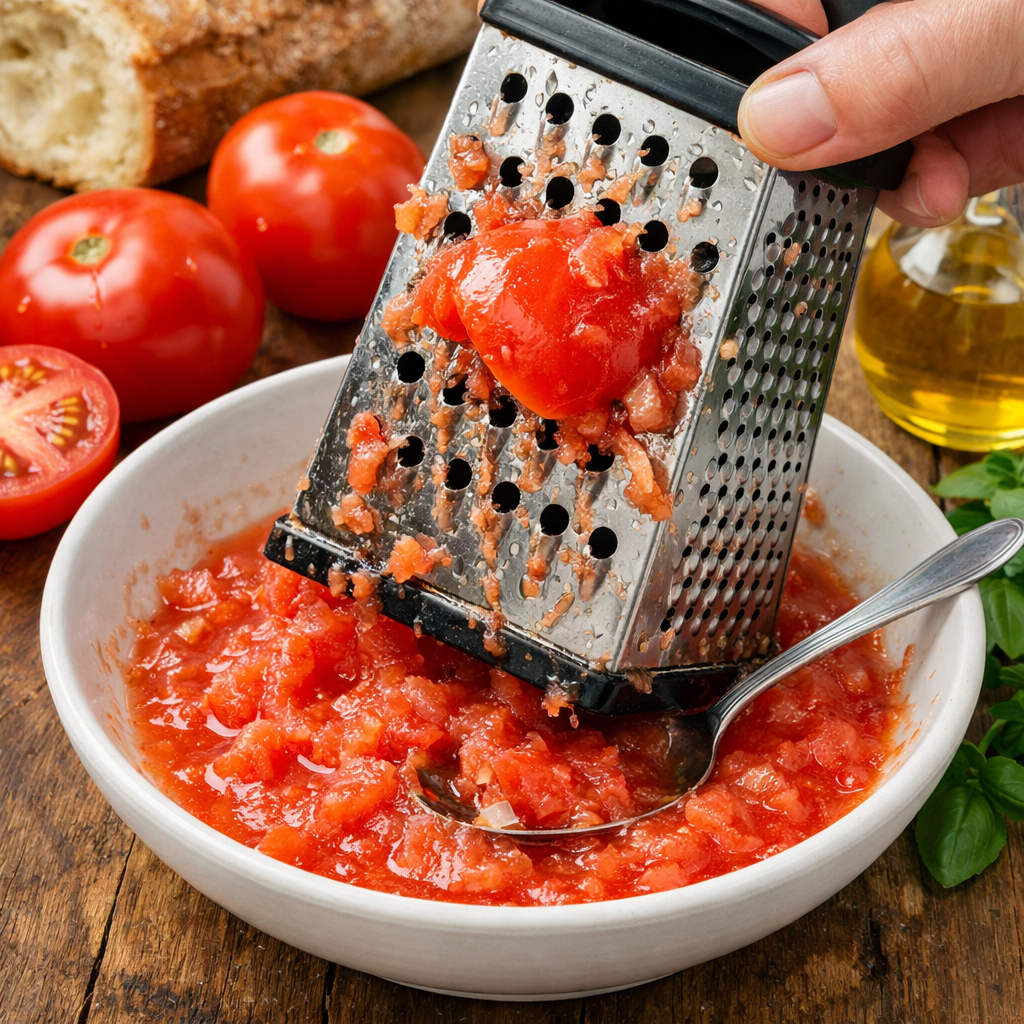
This is something I almost ignored — but it turned out to be one of the best methods.
I took fresh tomatoes and grated them using a regular kitchen grater. What happened was interesting:
- The soft pulp came out smoothly
- The skin stayed behind in my hand
So, I automatically got a smoother consistency without extra effort. This method is quick, clean, and gives a texture very close to blended tomatoes. Perfect for curries, sauces, and gravies.
3. The Fine-Chop Method — Patience Pays Off
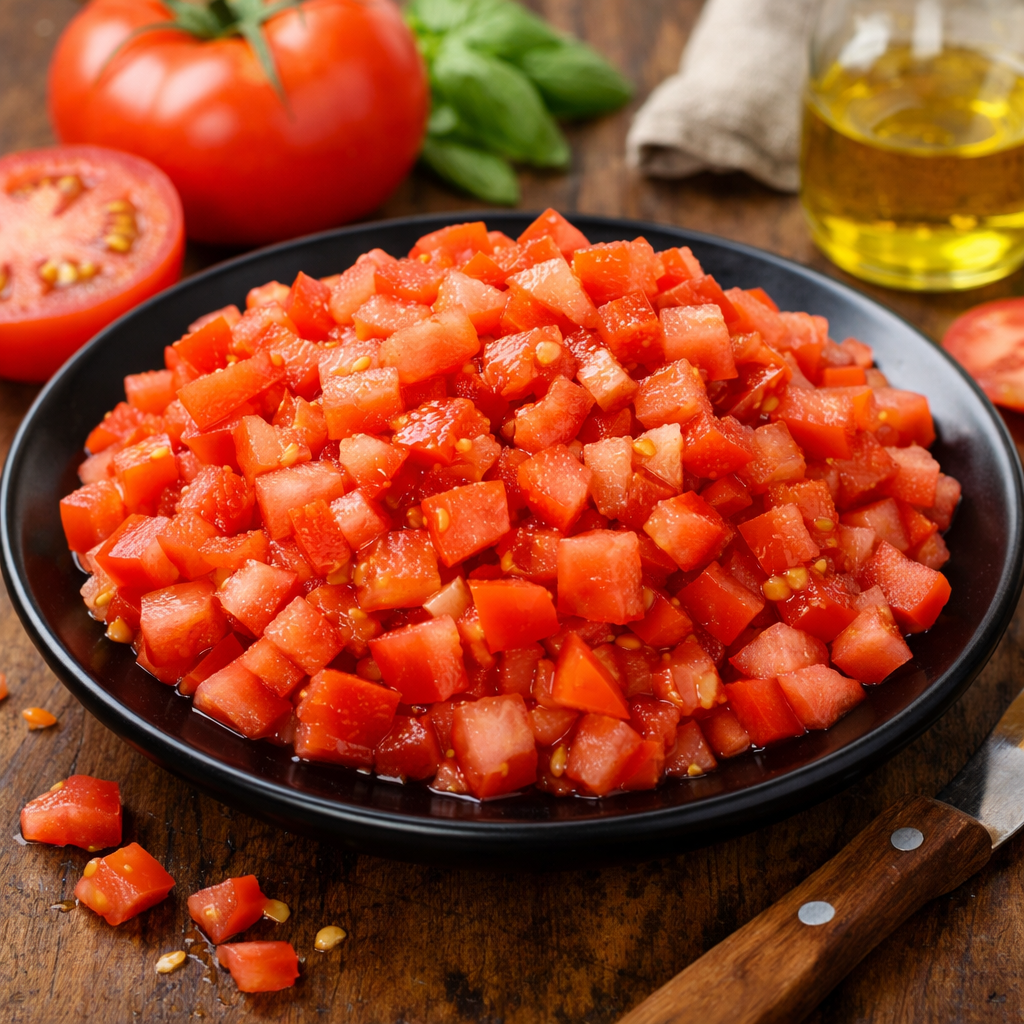
When you don’t have tools like a grater, this method still works. I chopped the tomatoes as finely as possible using a knife. Then I cooked them on medium heat, stirring continuously.
As they cooked:
- The tomatoes softened
- Released Tomato juices
- Slowly broke down into a thick base
It takes a bit more time, but eventually, the texture becomes close to a puree.
This method is all about patience —let the cooking process do the blending for you.
4. The Crushing Hack — Rough but Useful
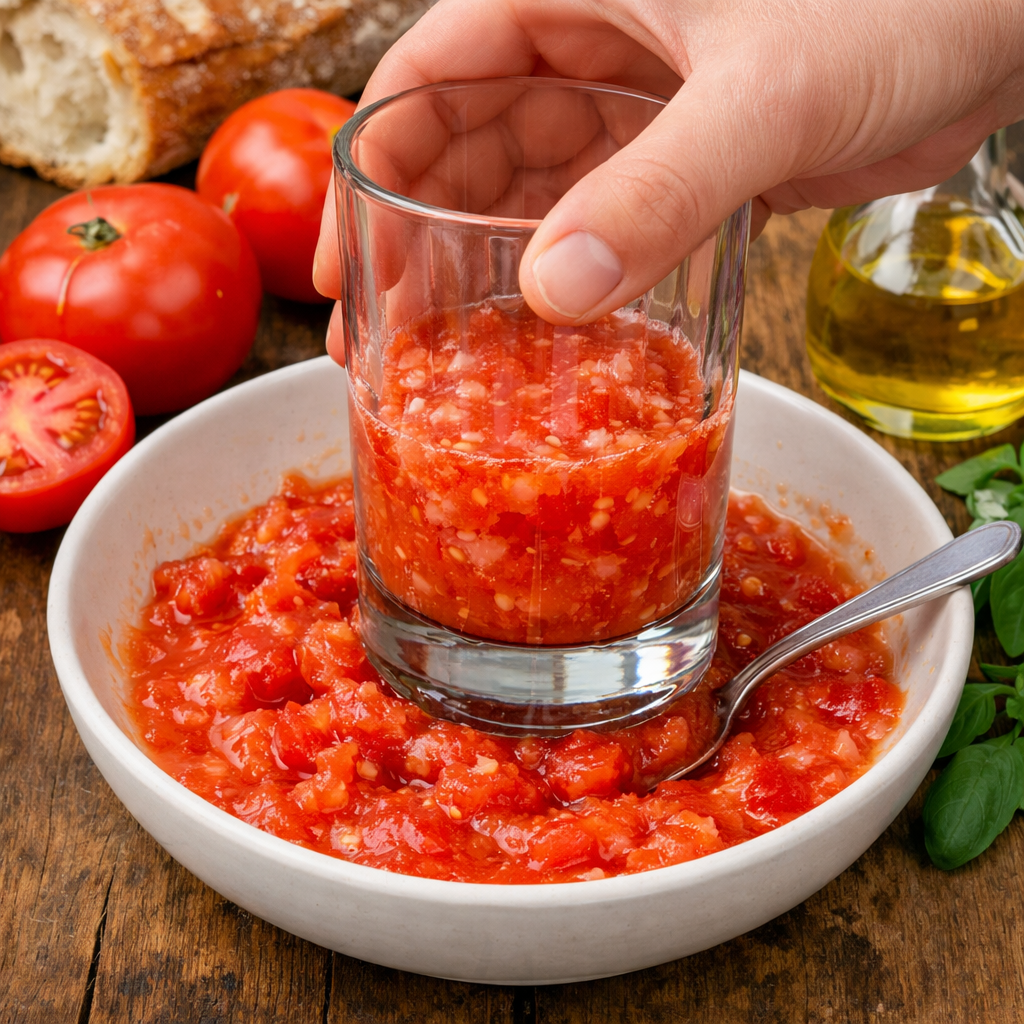
At one point, I needed a quicker fix. So I tried crushing the tomatoes manually.
I placed chopped tomatoes in a bowl and used a rolling pin to press and crush them.
You can also use:
- A heavy glass
- A ladle
- Or even your hands
It’s definitely not the cleanest method —but it works when you’re in a hurry.
The result is a rough blend, which is still usable in many recipes.
5. The Straining Step — Making It Smoother
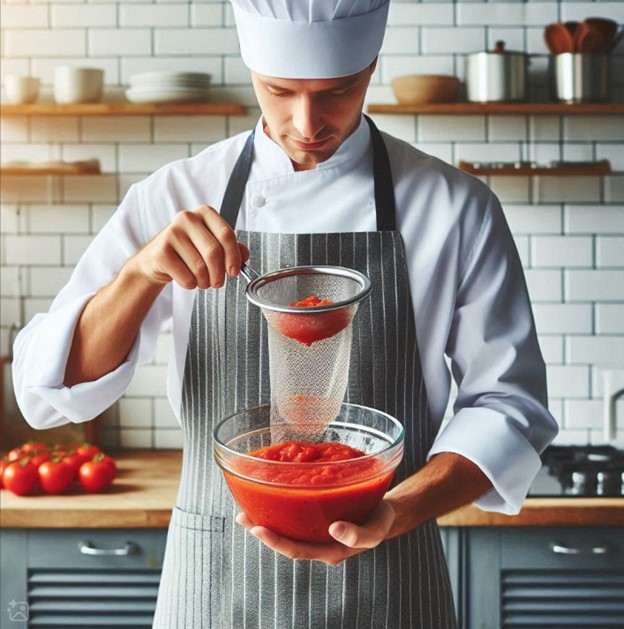
After trying these methods, I noticed one thing —
the texture could still be improved.
So I took the mashed or cooked tomatoes and pushed them through a strainer.
This helped me in the following ways:
- Remove seeds
- Separate the skin
- Smooth out the mixture
And this step made a big difference. Even if your base isn’t perfectly blended, straining can refine it significantly.
Wrapping Up
So that’s how I managed to blend tomatoes without a blender. What started as a small problem in the kitchen turned into a reminder that tools aren’t everything.
With simple techniques like boiling, grating, chopping, or crushing —you can still get the texture you need.
It might take a little extra effort, but the result is just as satisfying. So next time you’re stuck without a blender, don’t stop cooking. Just switch your approach — and keep going. If you have any suggestions or queries, feel free to turn up in the comments section provided below.
Leave a Reply