When the tomato vines are finally pulled from the soil, the garden feels like a stage after the curtain has fallen—quiet, bare, yet full of possibility.
The earth, though weary from feeding such demanding plants, now waits for its next act. This moment is not an ending but a transition, a chance to choose wisely and set the rhythm for the seasons ahead.
The soil is ready to welcome new characters—crops that will heal, restore, and prepare it for future abundance. Each choice you make now is like casting the next performers in a play – some will enrich the soil, others will protect it, and a few will stand guard against pests.
Together, they ensure the garden doesn’t just survive after tomatoes, but flourishes with renewed strength and balance. Now, here’s what to plant after you have harvested your tomatoes.
Restoring Balance to the Soil
Table of Contents
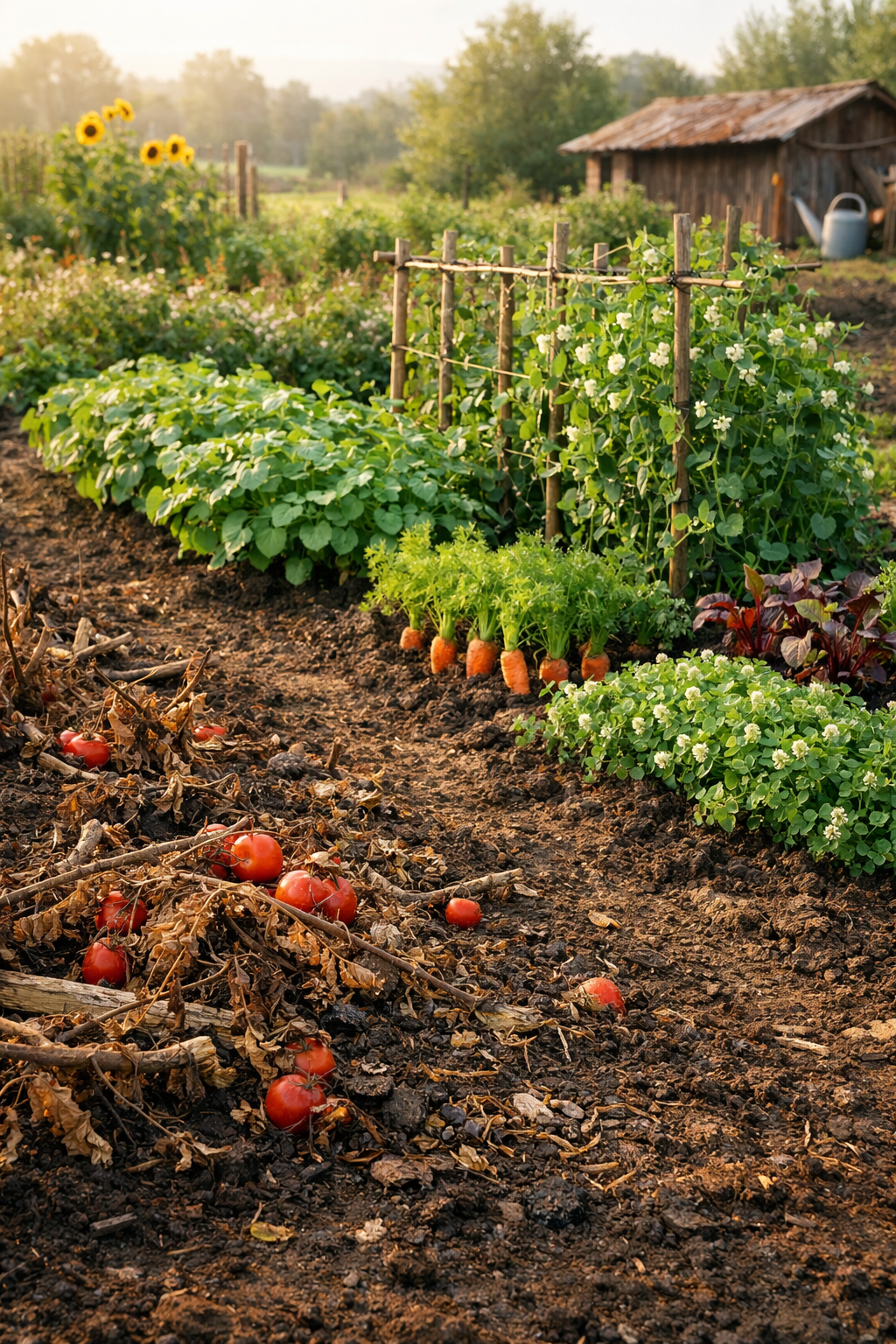 After tomatoes have taken their share, the garden needs allies that give back. This is the moment to choose crops that heal and prepare the earth for seasons of abundance.
And the first of these allies are the nitrogen fixers—plants that quietly replenish what tomatoes have drained. You can also check out our guide to know how to lower PH balance of the soil for growing tomato plants.
Invite the Nitrogen Fixers
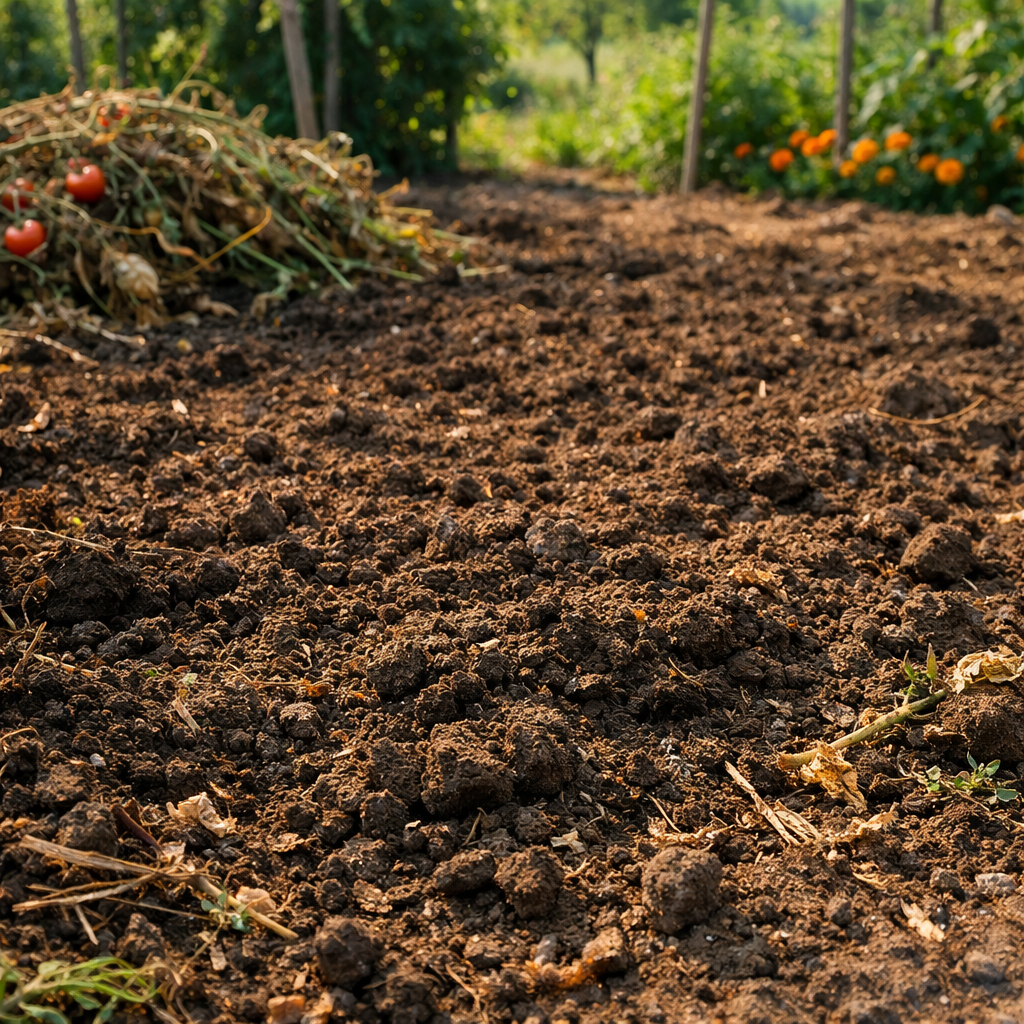
Legumes like beans and peas are the healers of the soil. Their roots host bacteria that pull nitrogen from the air and lock it back into the earth. Planting them after tomatoes is like sending the soil to a spa retreat—it comes back refreshed and ready.
Imagine the soil as a tired traveler who has given everything to the tomato crop. Now, beans and peas arrive like kind companions, offering nourishment and rest. Their underground partnerships with bacteria quietly rebuild what was lost. By the time they finish their stay, the soil is stronger, richer, and ready for the next adventure.
- Beans enrich the soil naturally, leaving behind nitrogen for future crops.
- Peas grow quickly, filling gaps in the season and restoring balance.
- Clover can be sown as a living mulch, protecting and healing the soil.
Let the Roots Take Over
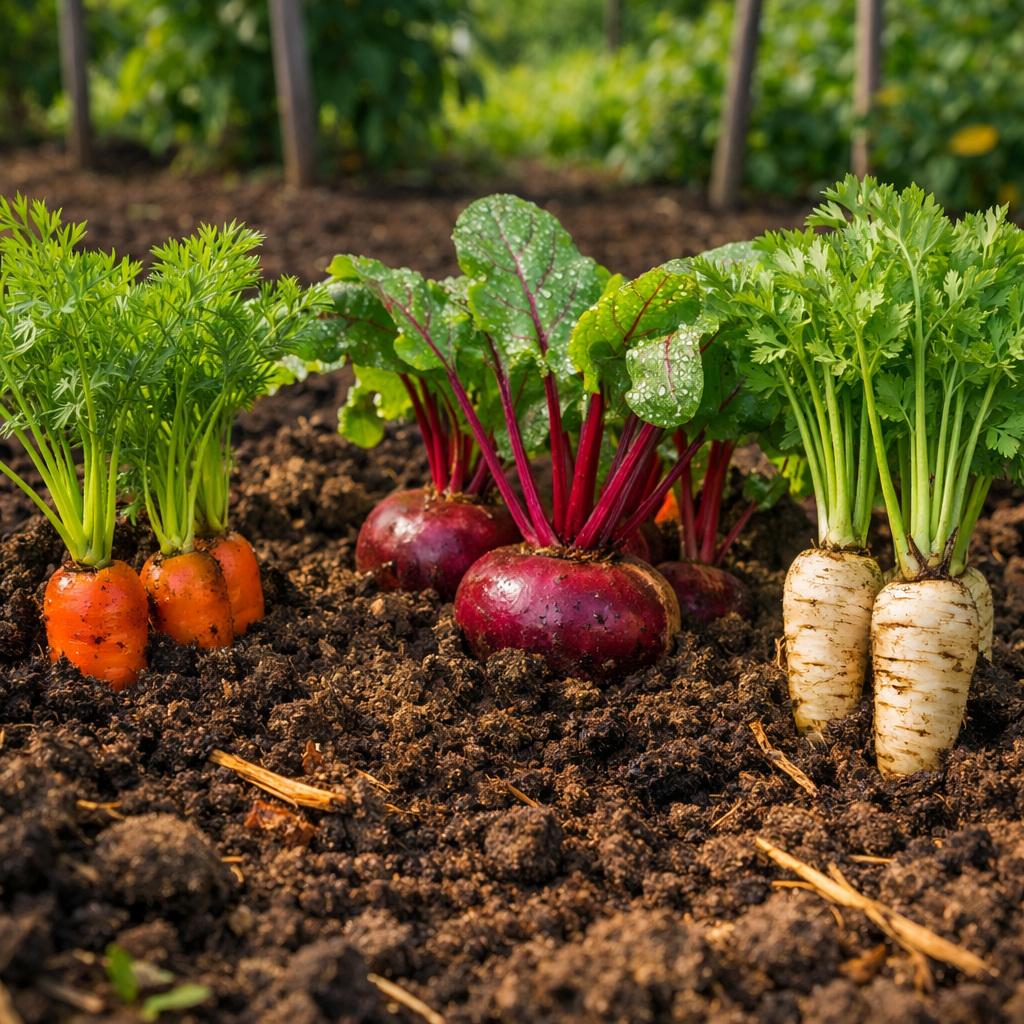
Carrots, beets, and parsnips don’t demand much from the soil. They slip quietly into the loosened earth left behind by tomato roots, growing strong without exhausting nutrients. Think of them as the quiet guests who restore balance without fuss.
After the noisy, demanding tomatoes, root crops are like calm visitors who ask for little and give much. They stretch downward, exploring spaces the tomatoes left behind, and in doing so, they aerate the soil. Their growth is steady, their presence humble, but they leave the garden refreshed and balanced.
- Carrots thrive in loosened soil, growing straight and sweet.
- Beets add color and nutrition while being light feeders.
- Parsnips dig deep, improving soil structure for future crops.
- Call in the Alliums
Onions and garlic are resilient, disease-resistant crops. They don’t compete heavily for nitrogen, and their pungent presence helps deter pests. Planting them after tomatoes is like hiring guardians to watch over your garden.
Picture the garden as a kingdom recovering from battle. Onions and garlic step in as watchful guards, their strong scents keeping invaders at bay. They don’t demand much from the soil, but they stand firm, ensuring the land remains safe and fertile for what comes next.
- Garlic wards off soil-borne pests and insects.
- Onions grow steadily, requiring little fuss.
- Their strong scents discourage harmful insects from settling in.
Rotate with Brassicas
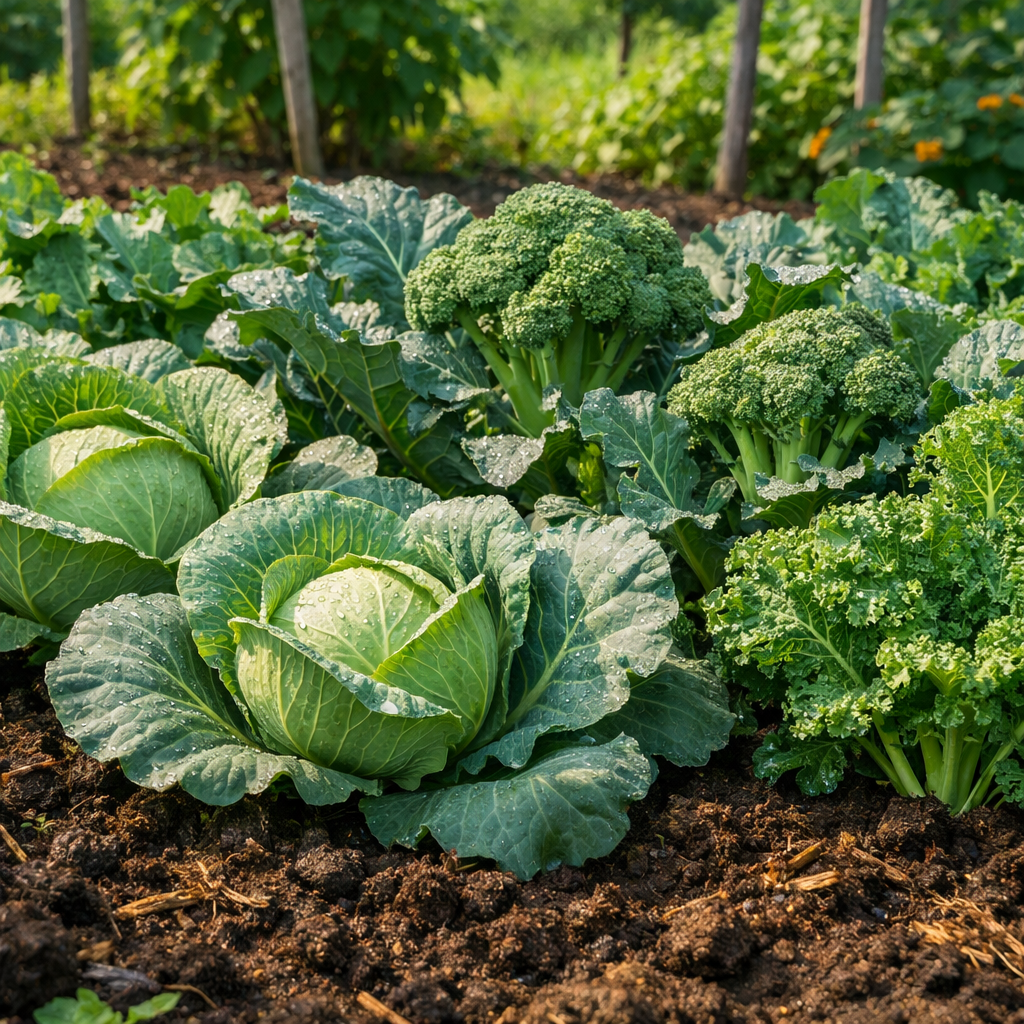
Cabbage, broccoli, and kale thrive when planted after legumes. They soak up the nitrogen those beans left behind, turning it into leafy abundance. This step is the grand feast after the soil’s healing.
After the soil has been restored by legumes, brassicas arrive like guests at a banquet. They feast on the nitrogen-rich soil, growing lush and vibrant.
Their broad leaves spread across the garden, signaling abundance and strength. This is the garden’s celebration after a season of recovery.
- Broccoli benefits from nitrogen-rich soil, producing strong heads.
- Kale grows hardy and resists cool weather, extending the harvest.
- Cabbage fills the garden with lush greenery and dense heads.
Cover the Soil with Green Blankets
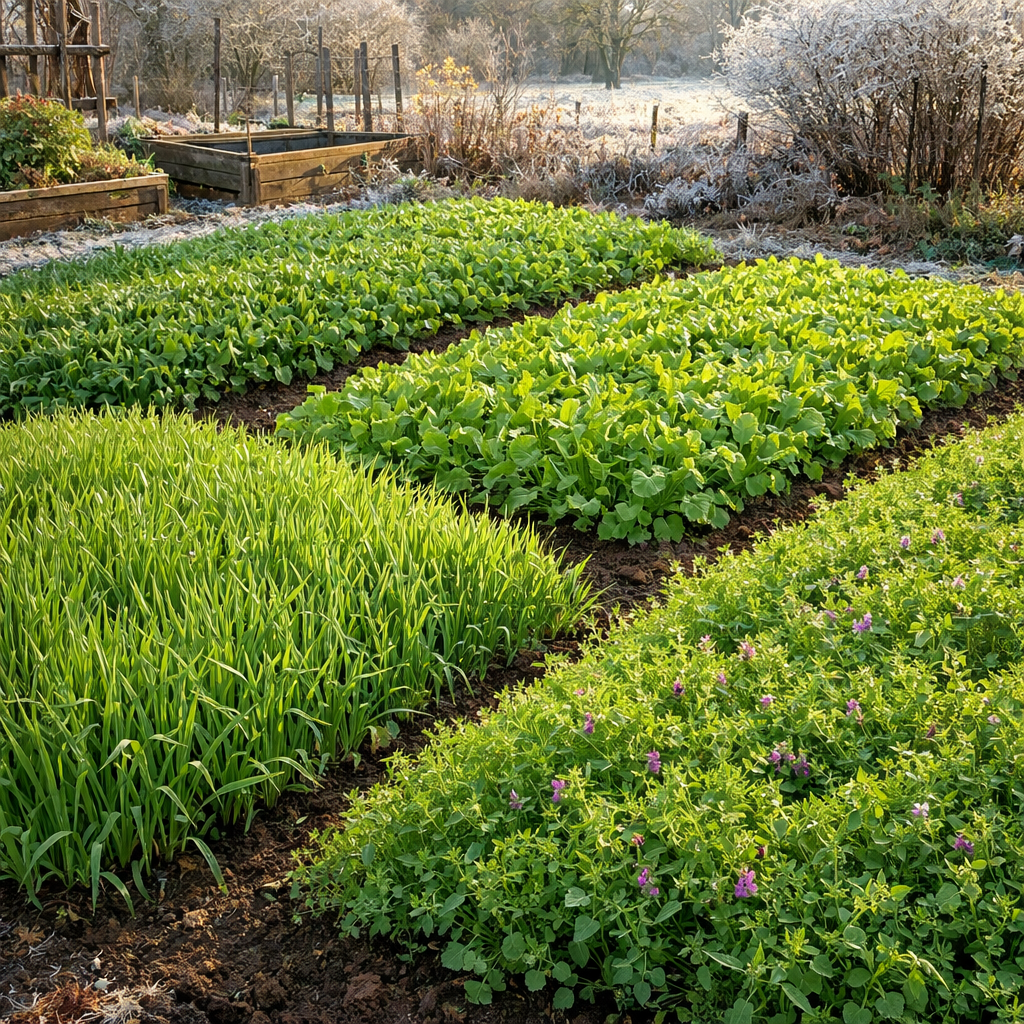
If the season is ending, sow cover crops like rye or vetch. They protect the soil from erosion, add organic matter, and ensure your garden wakes up strong next spring. It’s the equivalent of tucking the earth under a warm quilt for winter.
As winter approaches, the garden prepares for rest. Cover crops are the blankets you lay over the soil, keeping it warm, safe, and nourished. Beneath their green cover, the soil dreams of spring, gathering strength for the next cycle of growth.
- Rye prevents weeds and erosion during the off-season.
- Vetch adds nitrogen while covering bare soil.
- Oats break down easily, enriching compost for spring planting.
Wrapping Up
The tomato’s story doesn’t end with its harvest—it sets the stage for what comes next. By rotating wisely, you break cycles of disease, restore nutrients, and keep your garden’s rhythm alive. Then you will know when to plant tomatoes next time.
Think of it as passing the baton in a relay race – tomatoes run hard, but the next crops carry the soil forward with strength and grace.
Leave a Reply