Heirloom tomatoes are treasures of the garden — bursting with color, flavor, and history. Unlike supermarket hybrids bred for uniformity, heirlooms are grown for taste and tradition.
Their irregular shapes and rainbow hues make them not only delicious but also visually stunning. In this guide, we’ll discuss why they’re special, how to enjoy them fresh, how to cook them for deeper flavors, and creative ways to preserve and experiment with them.
Why Heirloom Tomatoes Deserve the Spotlight
Table of Contents
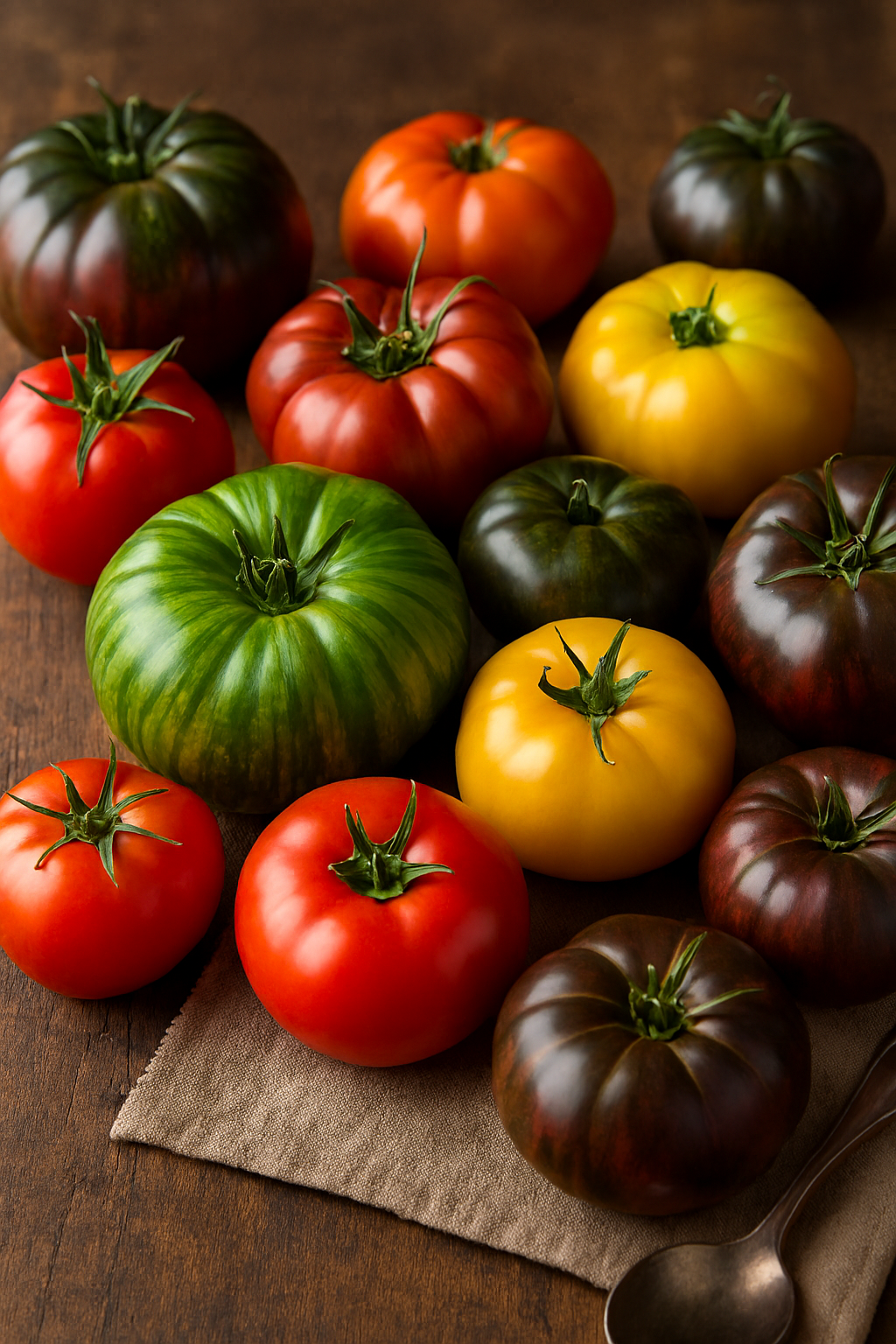
Heirloom tomatoes are open‑pollinated varieties passed down through generations. Each type carries its own personality:
- Sweet and fruity varieties like Yellow Brandywine bring sunshine to salads.
- Rich and smoky types like Cherokee Purple add depth to cooked dishes.
- Bright and tangy tomatoes like Green Zebra cut through creamy cheeses and dressings.
- Their diversity means you can choose the right tomato for the right dish. A juicy, sweet heirloom might be perfect raw, while a dense, meaty one excels in sauces.
Fresh Creations – Letting the Tomato Speak
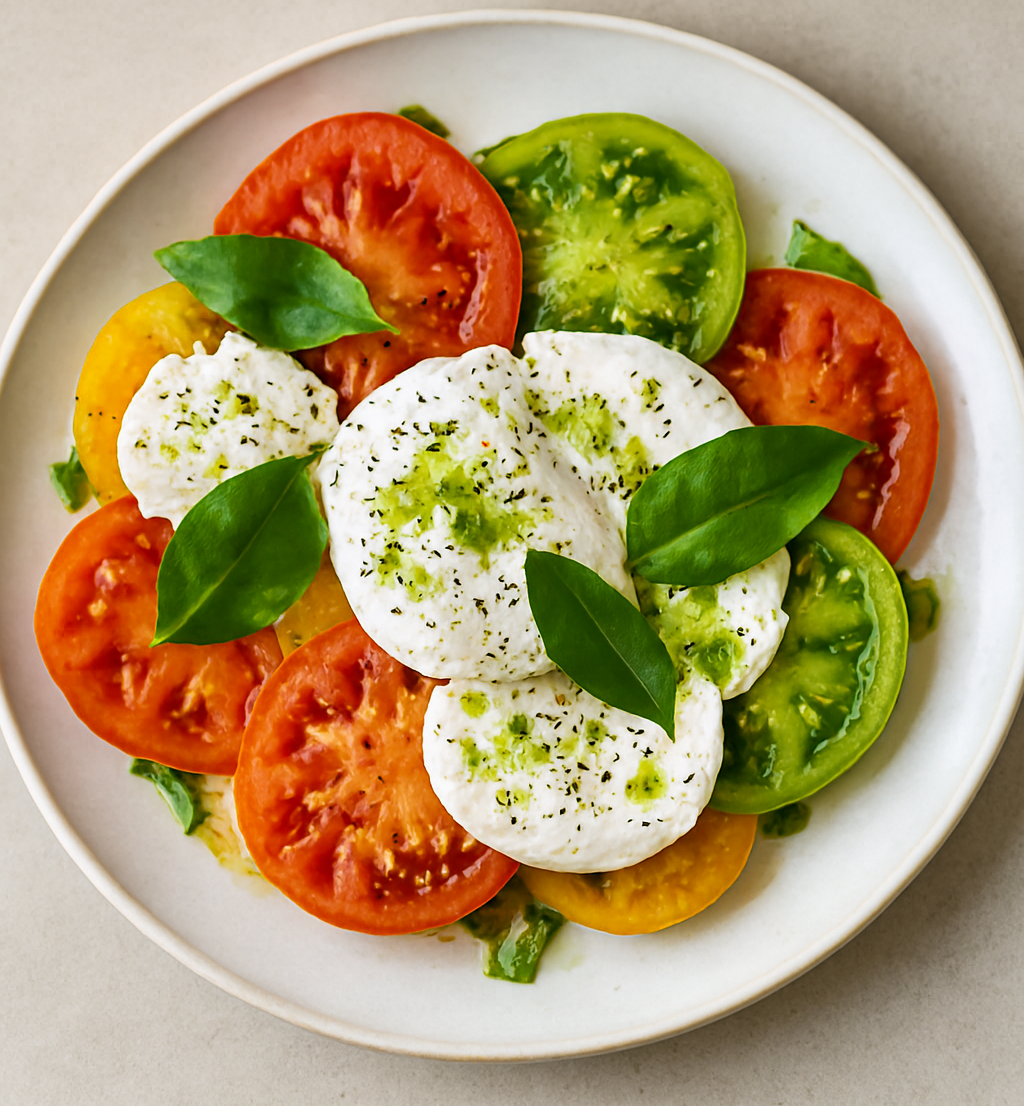
When heirlooms are at peak ripeness, the best approach is simplicity. Their natural juiciness and acidity shine when eaten raw.
Classic Caprese with a Twist – Slice multicolored heirlooms, layer with mozzarella or burrata, drizzle with olive oil and balsamic, and scatter fresh basil. The contrast of creamy cheese and tangy tomato is timeless.
Heirloom Tomato Salad – Mix wedges of different varieties with red onion, feta, and a splash of lemon juice. The mix of colors creates a salad that looks like art on the plate.
Tomato Toasts – Grill bread, rub with garlic, and top with thick tomato slices, olive oil, and flaky salt. It’s rustic, quick, and highlights the tomato’s raw flavor.
These dishes are perfect for summer evenings when you want something refreshing yet satisfying.
Cooked Comfort – Deepening the Flavor
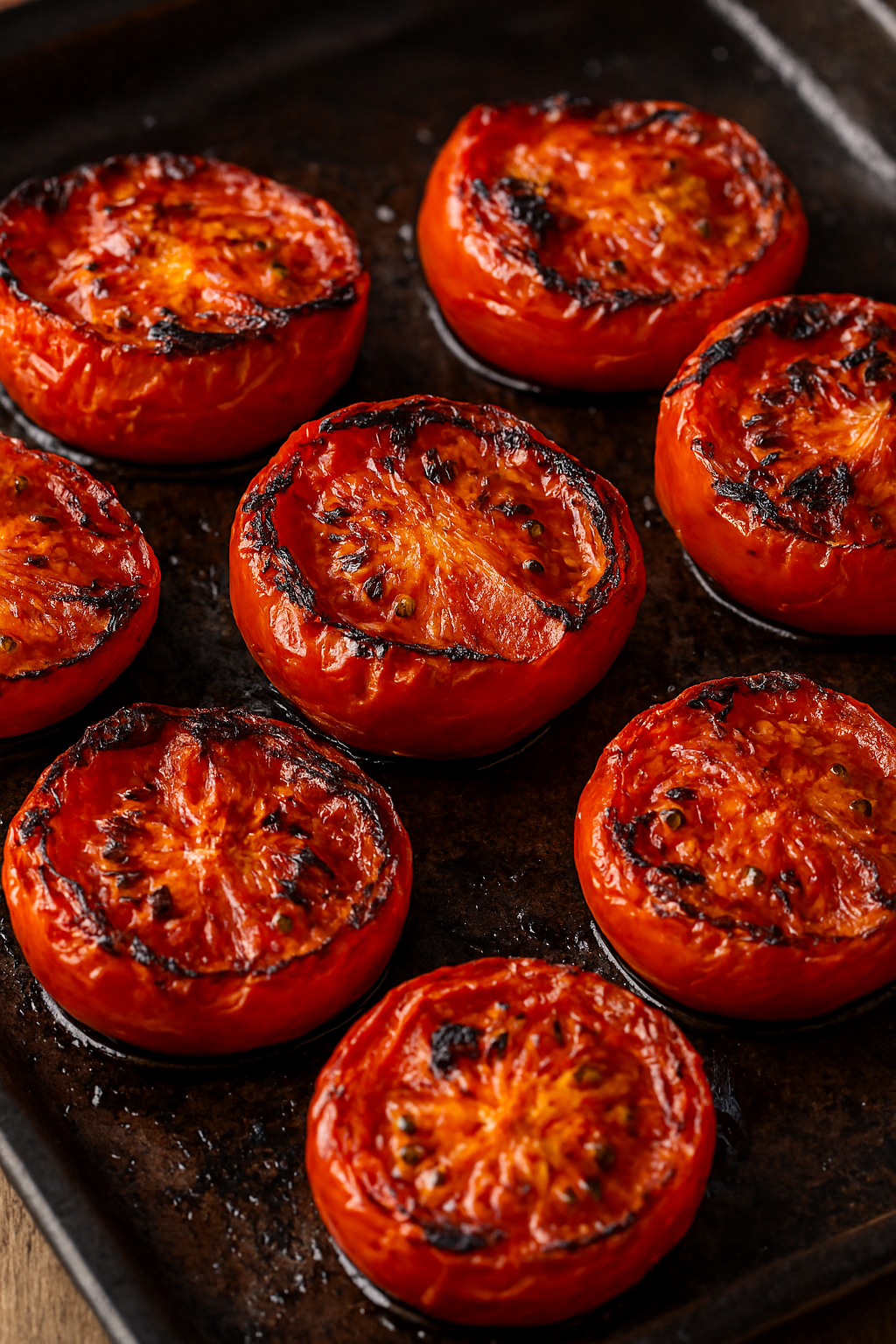
Cooking heirlooms transforms their flavor, concentrating sweetness and adding complexity.
Roasted Heirloom Tomatoes – Toss slices with olive oil, garlic, and thyme, then roast until caramelized. Serve warm as a side, or blend into a sauce for pasta.
Heirloom Tomato Tart or Galette – A buttery pastry base topped with cheese, herbs, and tomato slices. The tart is both elegant and rustic, making it a centerpiece dish.
Stuffed Heirloom Tomatoes – Hollow out large tomatoes and fill with grains, herbs, or cheese. Baking them softens the flesh and infuses the filling with tomato flavor.
These recipes are ideal when you want comfort food with a gourmet touch.
Sauces & Soups -Preserving the Harvest
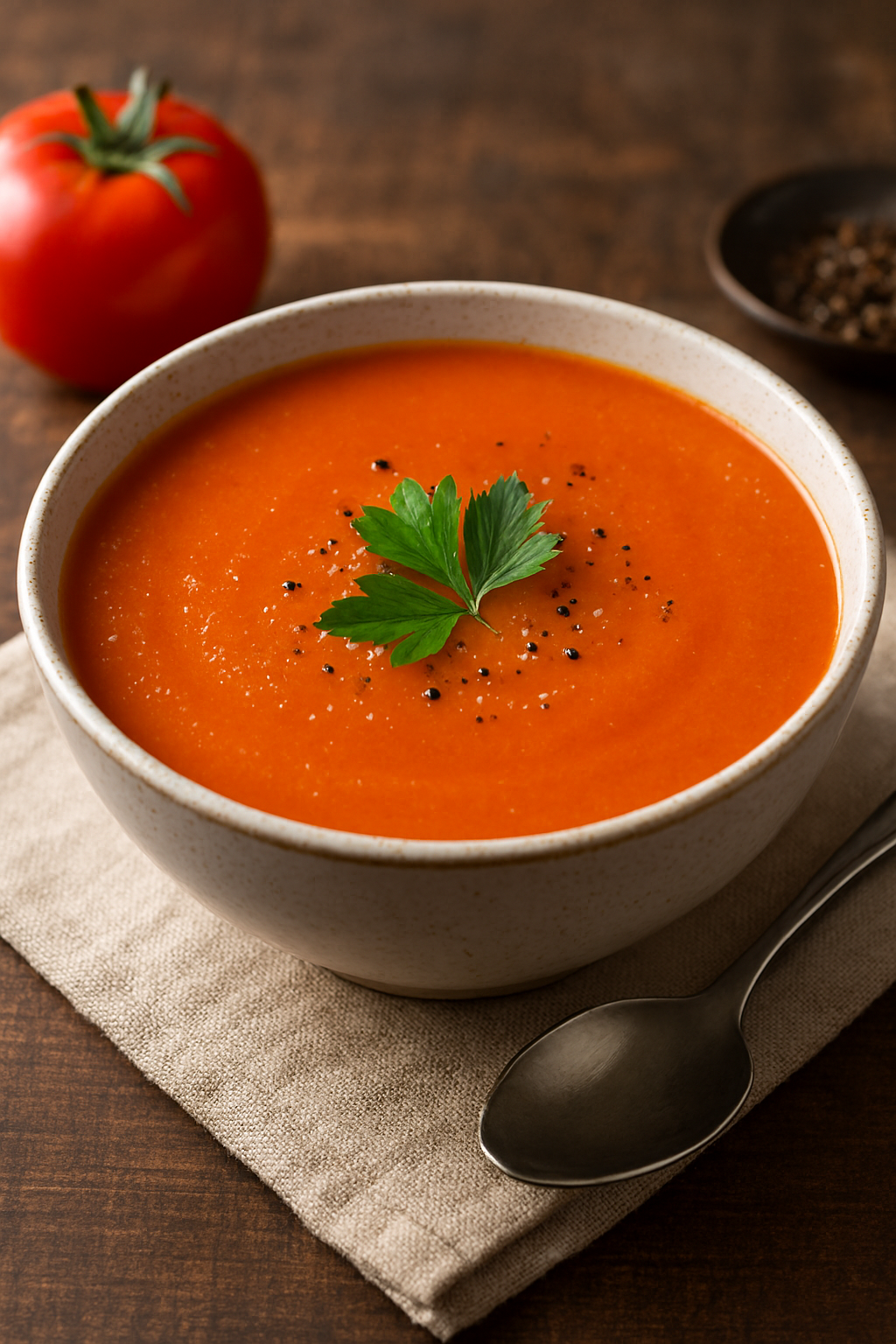
Heirlooms make exceptional bases for sauces and soups, capturing their flavor for year‑round enjoyment.
Homemade Pasta Sauce – Blanch and peel tomatoes, then simmer with garlic, onion, and basil. The result is a velvety sauce that clings beautifully to pasta.
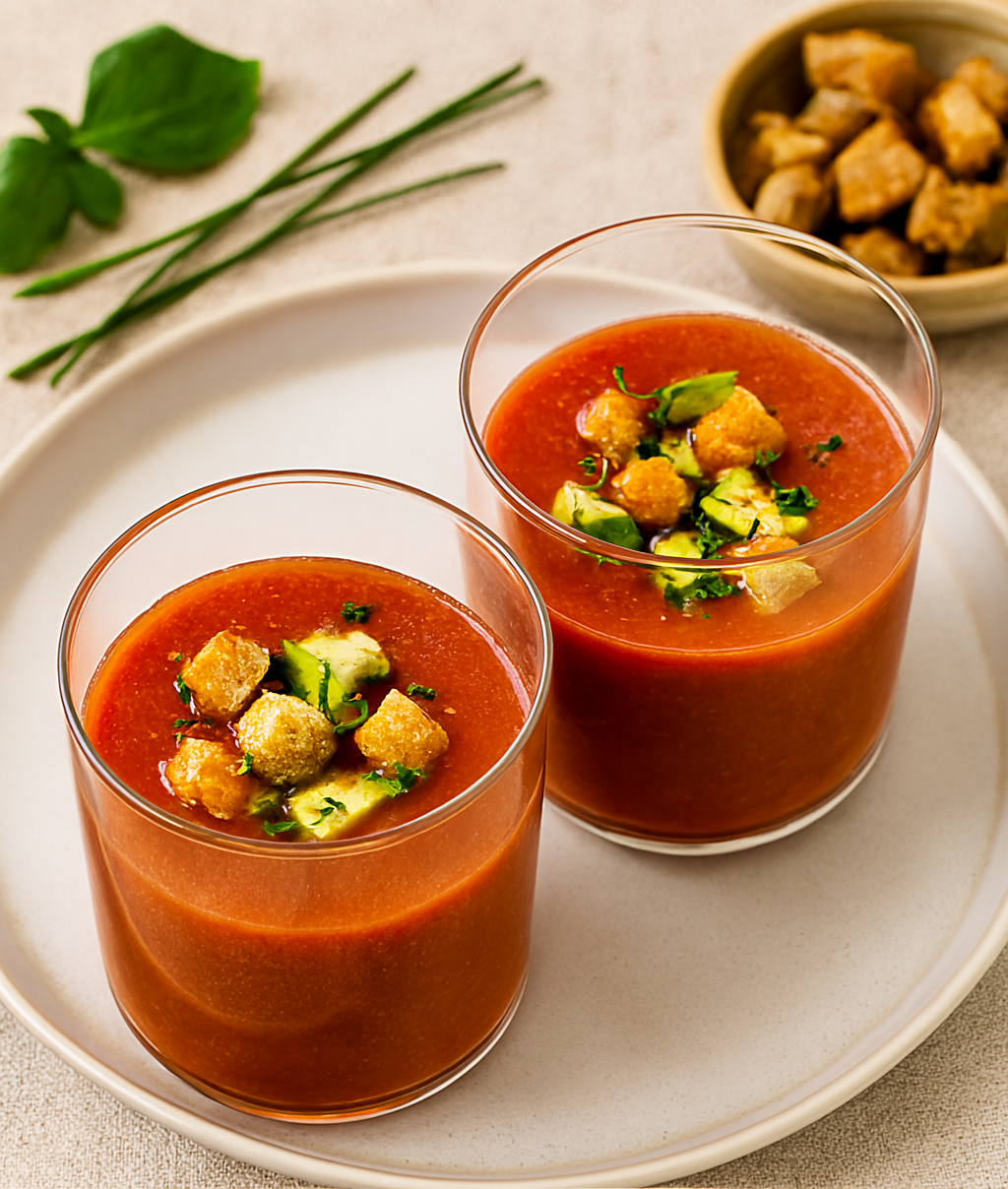
Gazpacho – Blend heirlooms with cucumber, bell pepper, onion, garlic, olive oil, and vinegar. This chilled Spanish soup is refreshing and perfect for hot days.
Tomato Jam – Cook tomatoes with sugar, vinegar, and spices until thickened. The sweet‑savory spread pairs wonderfully with cheese boards or sandwiches.
These methods not only highlight flavor but also allow you to preserve tomatoes for later seasons.
Creative Twists
Beyond traditional recipes, heirlooms can be used in inventive ways:
Cocktails & Mocktails – Blend heirlooms into Bloody Marys or refreshing tomato‑lime coolers. Their acidity adds a unique kick.
Freezer Sauces – Simmer end‑of‑season tomatoes into sauce and freeze for winter pasta nights.
Colorful Platters – Use heirlooms of different hues to create rainbow salads or layered dishes that impress visually.
These creative uses show that heirlooms aren’t just for cooking — they can elevate drinks, snacks, and even presentation.
Wrapping Up
Heirloom tomatoes are more than ingredients; they’re experiences. Each variety tells a story, and each dish showcases their natural beauty. Whether you slice them raw for a salad, roast them into a tart, or simmer them into a sauce, they bring color, complexity, and character to your kitchen. The secret is to let their flavor shine with simple techniques that highlight their uniqueness.
Leave a Reply