I didn’t plan for it – but suddenly, I had way too many tomatoes sitting in my kitchen. At first, I thought I’d just use them over a few meals. But they started piling up faster than I could keep up.
So I tried a couple of quick things — used some in a curry, made some tomato sauce, chopped a few into a salad. I realized I needed a few more ways to use or preserve them before they spoiled. Here are the methods that actually worked for me — in detail.
Why You End Up With Extra Tomatoes
Table of Contents
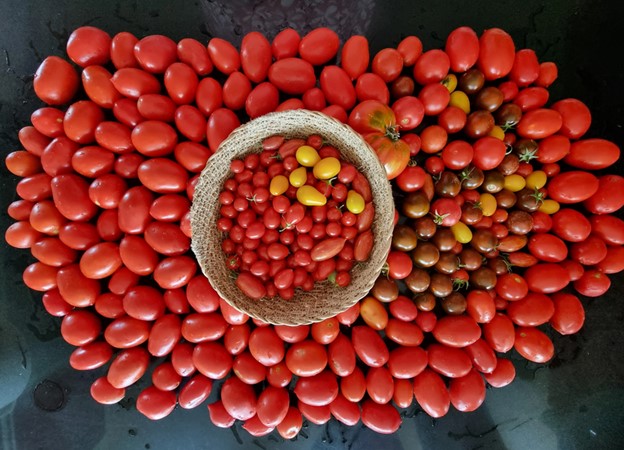
Before figuring out solutions, it helped to understand the situation.
You usually end up with extra tomatoes because:
- You bought more than needed especially, in bulk or offers
- Tomatoes ripen all at once
- They have a short shelf life once ripe
- Meal plans don’t always use them fast enough
- And the tricky part is — tomatoes spoil quickly if not used or stored properly.
So instead of wasting them, I focused on making the most out of them. Here’s what I did.
What I Tried —Ways That Actually Worked
I didn’t want complicated recipes or anything time-consuming. So I focused on simple, practical ways — things I could do quickly but still make sure the tomatoes didn’t go to waste.
And honestly, these methods made a big difference.
1. The First Go-To — Turning Them Into a Rich Tomato Sauce
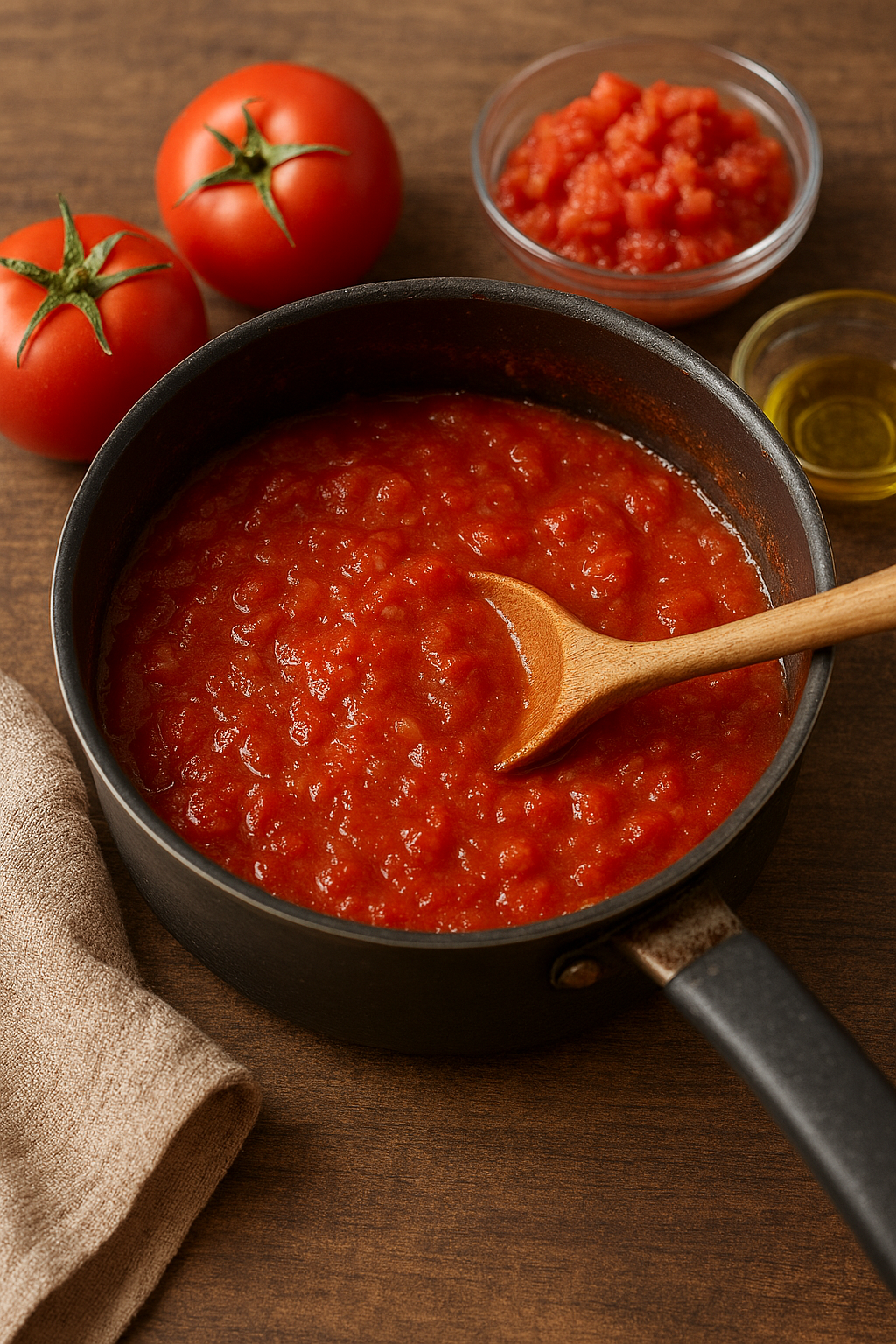
This was the first thing I relied on — because it solves two problems at once: usage and storage.
I started by roughly chopping all the tomatoes I had. Then:
- Heated some oil in a pan
- Added garlic – you can also add onions if you like
- Tossed in the tomatoes with a bit of salt
As they cooked, they started breaking down on their own. I let them simmer until the water reduced and the mixture thickened into a proper sauce.
Sometimes, I blended it for a smoother texture. The best part is this sauce isn’t just for one dish.
I used it for:
- Pasta and noodles
- Curry bases
- Shakshuka-style eggs
- Even as a spread base
And since it stores well in the fridge for a few days, it saved me time later too.
2. The Long-Term Fix — Freezing for Later Use
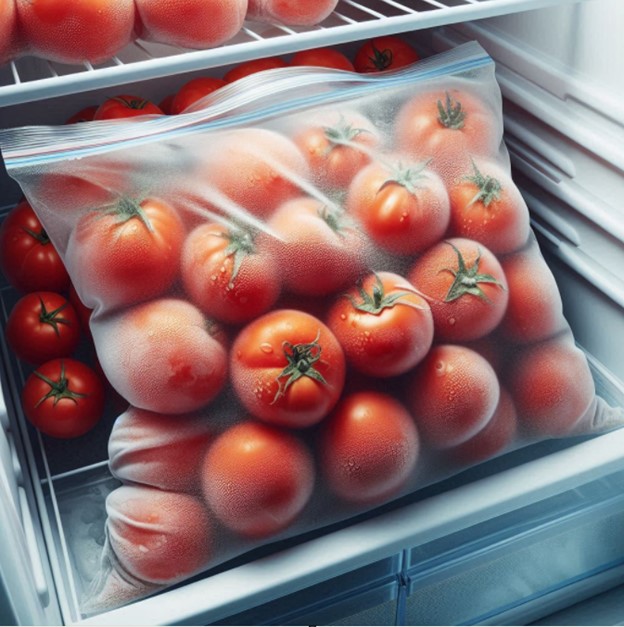
When I realized I couldn’t use everything immediately, freezing became the easiest backup plan.
Here’s what worked best for me:
- Washed and dried the tomatoes properly
- Cut them into halves or chunks
- Stored them in small portions in freezer-safe bags
A small tip I noticed — removing excess air from the bag helps them last longer.
Now, frozen tomatoes won’t have the same texture once thawed — but for cooking, that doesn’t matter at all.
I used them later in:
- Soups
- Gravies
- Sauces
It’s like having ready-to-use tomatoes anytime you need them.
3. The Quick Use Option — Fresh and Simple Salads
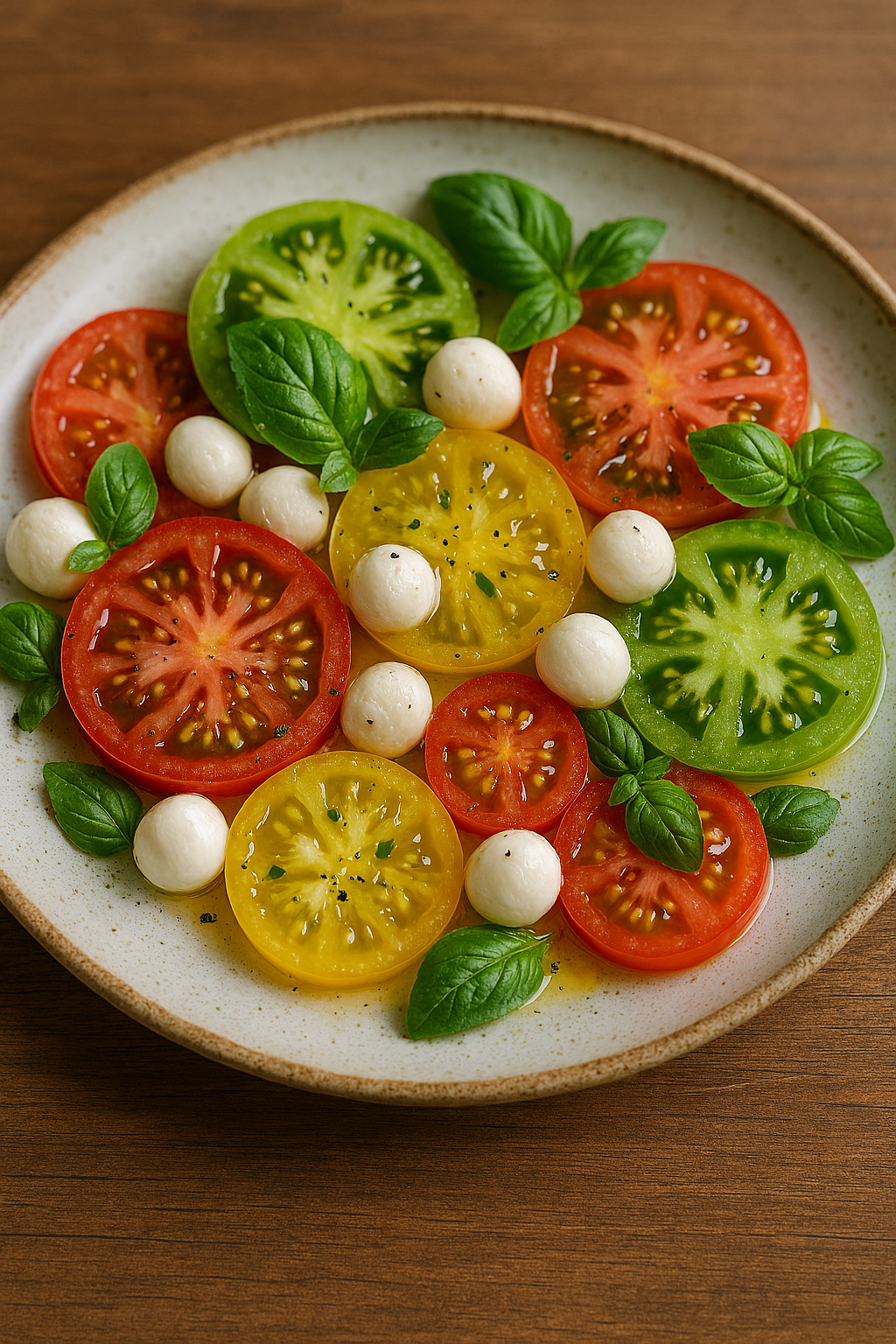
For the tomatoes that were perfectly ripe, I didn’t want to overcomplicate things.
So I went with quick salads. I did these:
- Sliced the tomatoes
- Added a pinch of salt and pepper
- Squeezed a little lemon juice
Sometimes I added onions, cucumber, or even a drizzle of olive oil. It took less than 5 minutes —and helped reduce the quantity quickly while keeping things fresh.
4. The Flavor Upgrade — Making Tomato Chutney
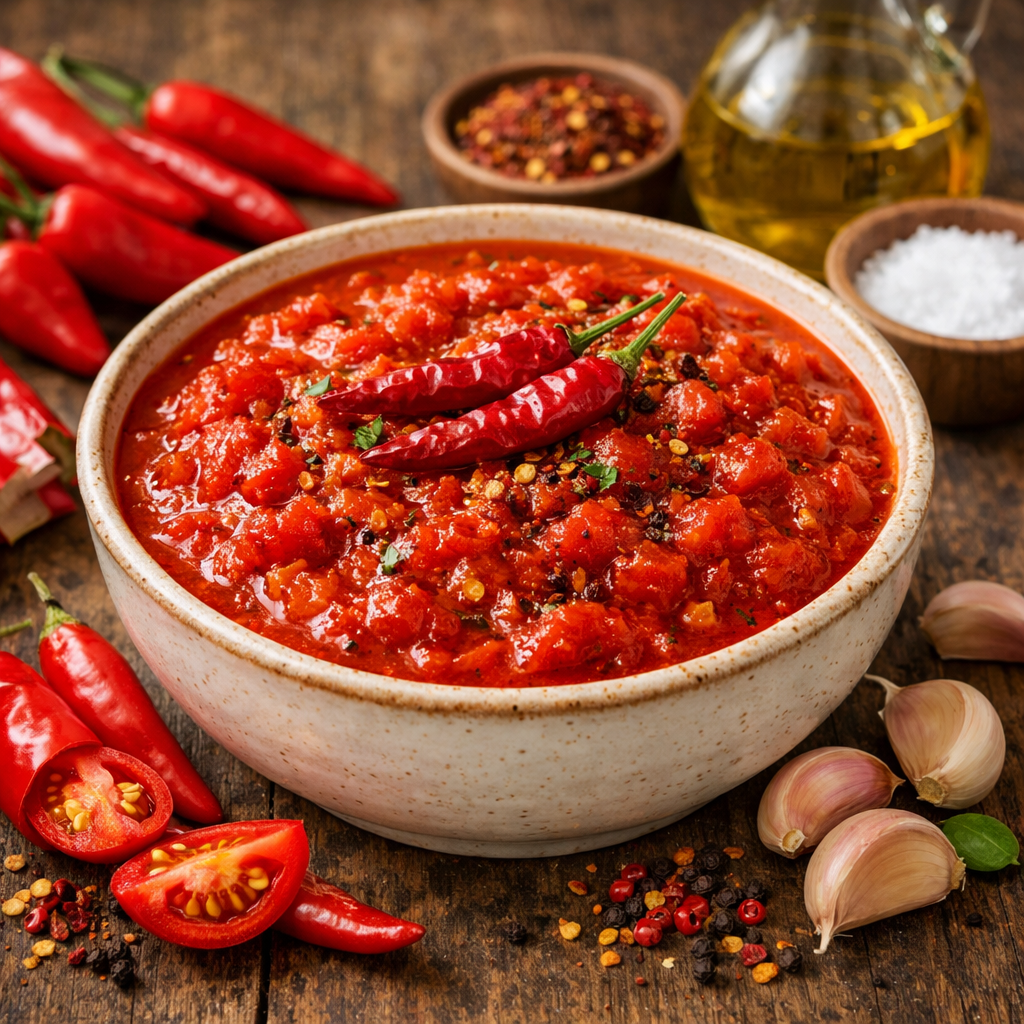
When I wanted something that lasts longer but still tastes great, chutney was the answer.
I cooked the tomatoes down with:
- Garlic
- A few basic spices
- A little sugar to balance the acidity
- Then let it simmer until it thickened properly.
The result was amazing – A rich, flavorful chutney that:
- Lasts longer than fresh tomatoes
- Pairs with multiple dishes
- Adds instant flavor to meals
This was one of the most satisfying ways to use up a large batch.
5. The Smart Move — Storing Them the Right Way
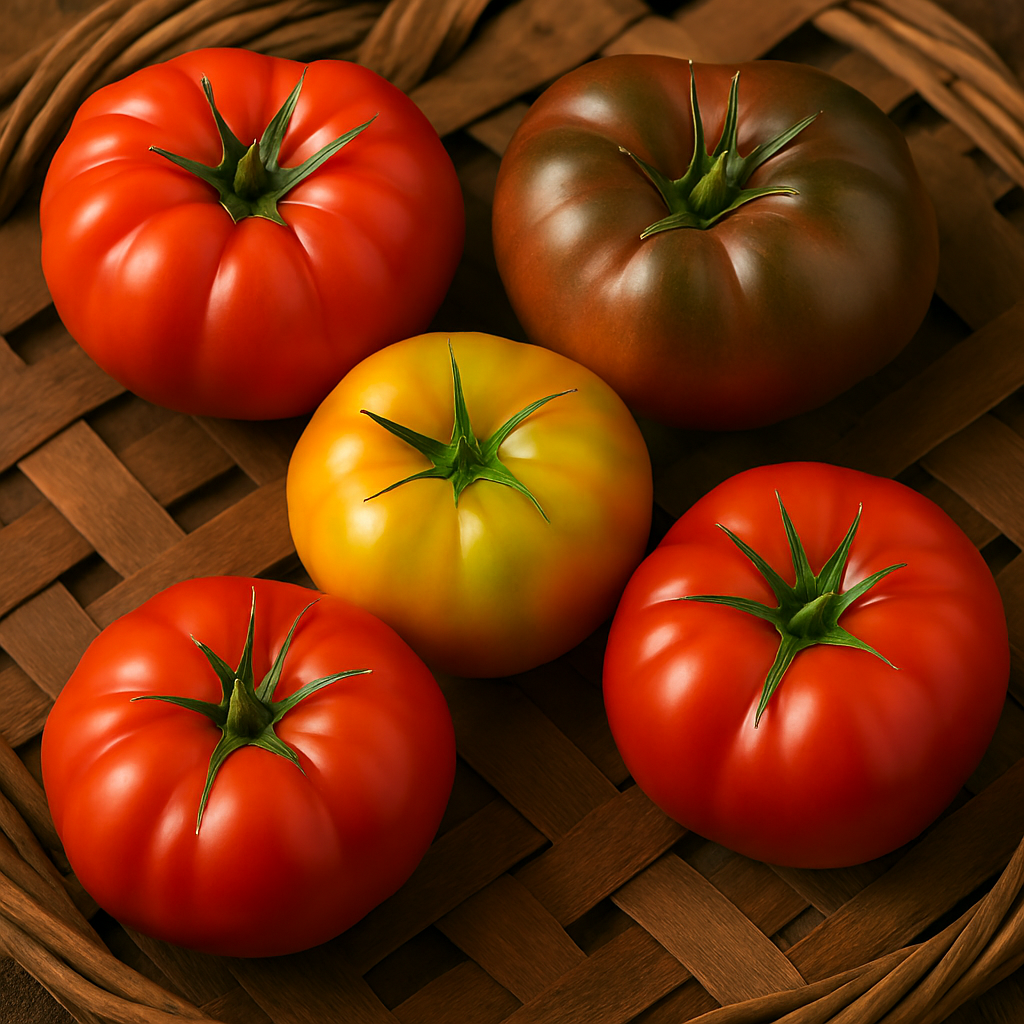
One thing I realized — sometimes you don’t need to cook everything immediately.
You just need to slow things down. So, I separated my tomatoes:
- Unripe ones stayed outside at room temperature
- Fully ripe ones went into the fridge
This simple step helped control how fast they ripened and prevented sudden spoilage.
And honestly, this gave me more time to decide what to do next.
6. The Sun-Dry Method — Turning Tomatoes Into Something That Lasts
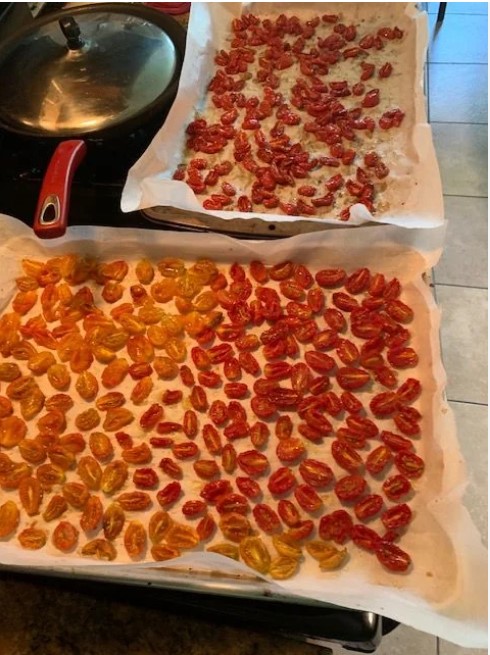
When I had a batch that was starting to get very ripe, I tried sun-drying them — and it worked surprisingly well.
Here’s what I did:
- Sliced the tomatoes into thin pieces
- Sprinkled a little salt on top
- Placed them under direct sunlight on a clean tray
- I covered them lightly with a cloth to keep dust away.
Over a couple of days, they slowly lost moisture and turned into semi-dried tomatoes. Once done, I stored them in an airtight container you can also keep them in oil.
These are great for:
- Adding to pasta
- Mixing into salads
- Using as a topping
And the best part — they last much longer than fresh tomatoes.
7. The Comfort Option — Making Tomato Soup in Bulk
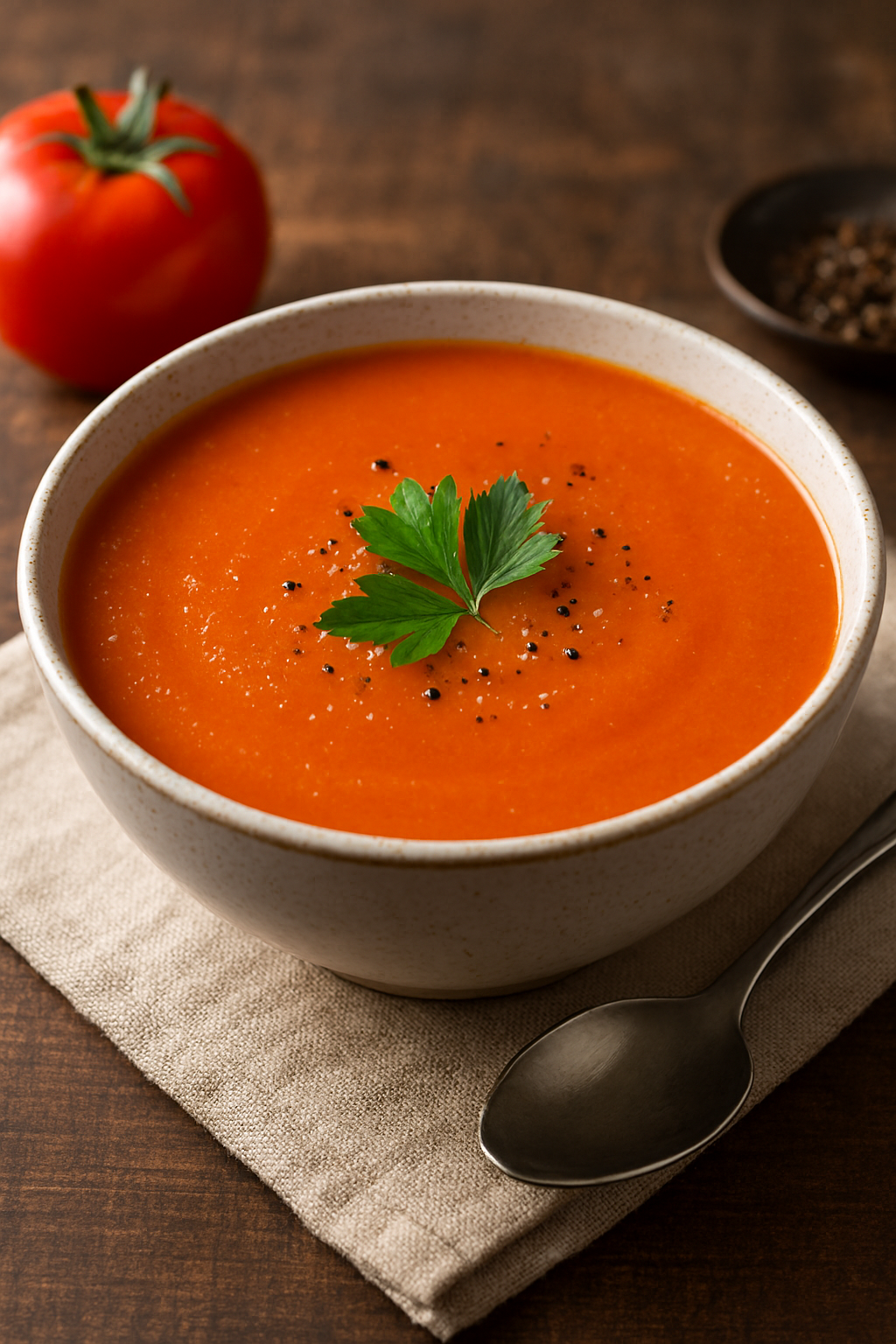
When I wanted something easy and comforting, I turned to soup.
I did the following:
- Boiled a large batch of tomatoes
- Added garlic, salt, and a bit of butter
- Blended everything into a smooth consistency
Then I strained it for a cleaner texture (optional).
You can store this soup in the fridge for a few days or freeze it in portions.
It’s perfect for:
- Quick meals
- Light dinners
- Or even as a base for other recipes
And this method helps use up a lot of tomatoes at once without much effort.
The Bonus Trick — Blending and Storing Puree
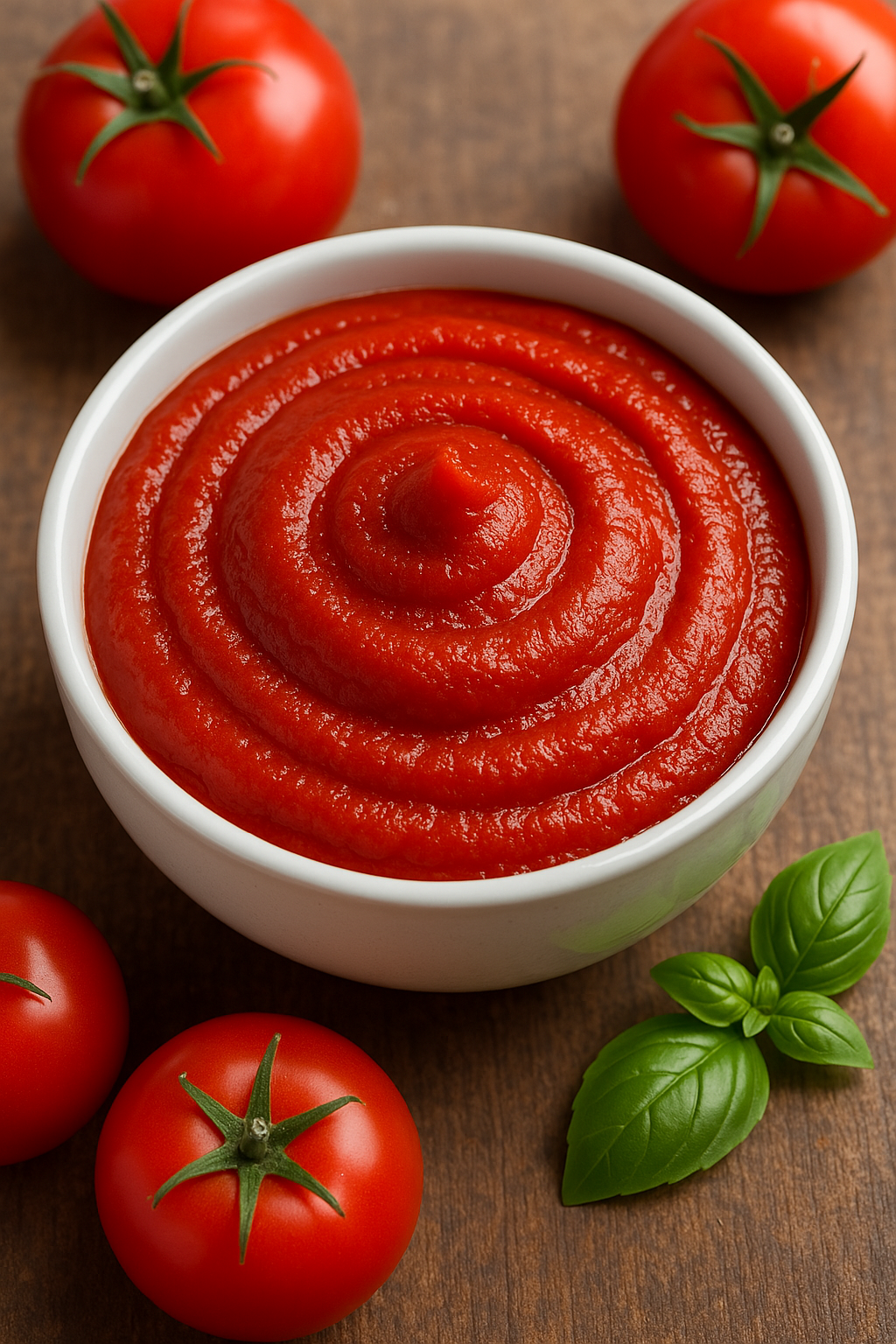
When I had a lot left and no time to cook, I tried something even quicker.
I did these:
- Blended the tomatoes into a puree
- Poured it into containers or ice trays
- Stored it in the fridge or freezer
This made cooking later incredibly easy —just take a portion and use it directly in recipes.
Wrapping Up
So that’s how I managed extra tomatoes without wasting them. In the end, it wasn’t about one big solution —just a mix of small, practical steps like cooking, freezing, and storing them properly.
Once I started doing this, nothing went to waste. So if you ever find yourself with too many tomatoes, don’t stress —you’ve got plenty of easy options to use them.
And if you found this helpful, or have more ideas, share in the comments — it might help someone else.
Leave a Reply