Tomatoes are one of the most commonly consumed fruits in the world, yet many people are surprised to learn that their acidity is more complex than it seems. You may have heard that tomatoes are highly acidic, that yellow or orange tomatoes are less acidic than red ones, or that modern tomatoes are “low-acid.” Some of these claims are only partially true.
So, how acidic are tomatoes really?
The answer depends on how you’re measuring acidity. From a scientific standpoint, most fresh tomatoes are acidic enough to have a pH below 4.6.
However, factors like variety, ripeness, growing conditions, and storage can slightly change their acidity. Their perceived sourness is also influenced by sugar content, which is why some tomatoes taste much sweeter despite having similar pH levels.
In this guide, we’ll explain exactly how acidic tomatoes are, what affects their acidity, whether they’re bad for acid reflux, and why tomato acidity is especially important for home canning.
What Is the pH of Tomatoes?
Table of Contents
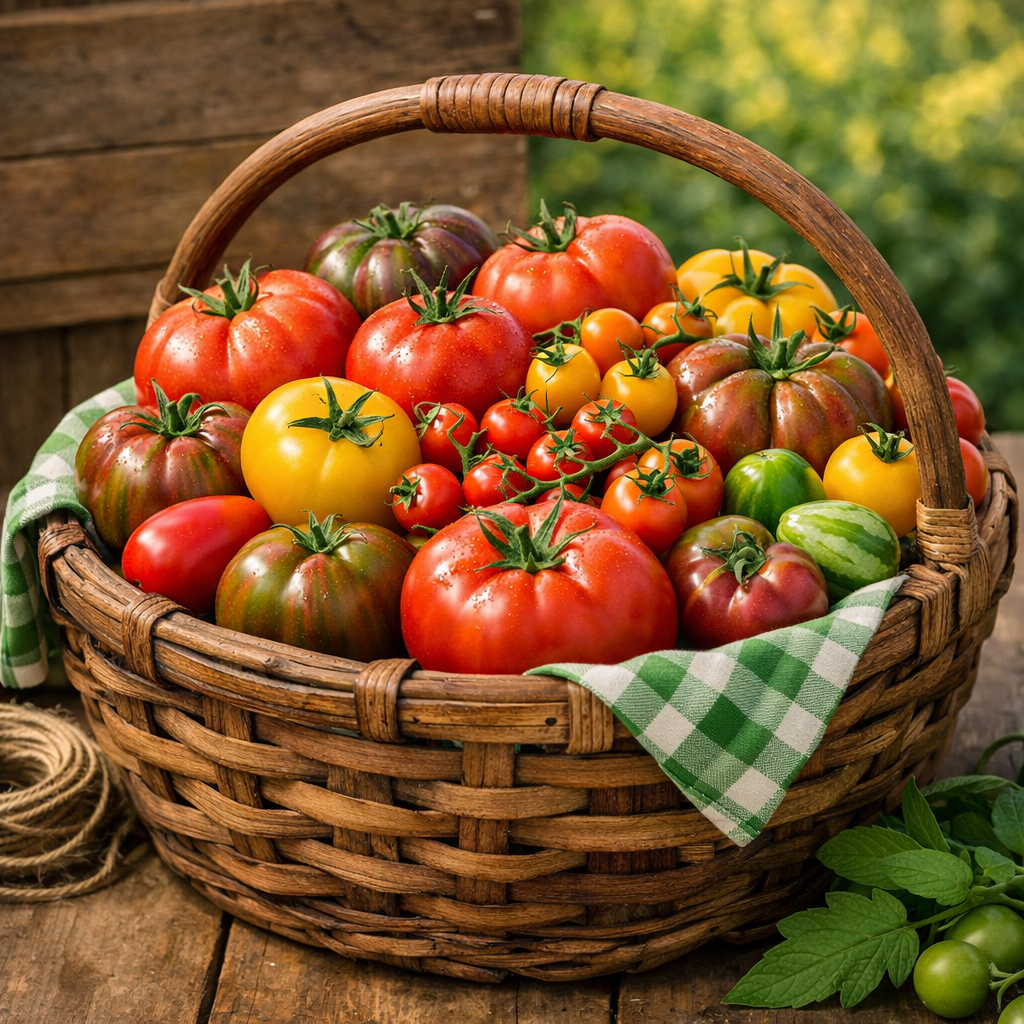
The acidity of any food is measured using the pH scale, which ranges from 0 to 14. A lower pH value indicates a higher level of acidity, while a higher pH value indicates that a substance is more alkaline (or basic).
Here’s how the pH level is classified:
- pH 0–5.5 – Acidic
- pH 7.1 – Neutral
- pH 8.1 onwards – Alkaline (Basic)
In simple terms, the lower the pH number, the more acidic the food or beverage is.
Fresh tomatoes are considered moderately acidic fruits. Most varieties have a pH ranging between 4.0 and 4.6, although the exact value can vary slightly depending on several factors. Since their pH is well below 7, tomatoes are classified as acidic foods. However, they are far less acidic than foods such as lemons, vinegar, and many citrus fruits.
The acidity of a tomato can be influenced by several factors, including:
- The tomato variety or cultivar
- How ripe the tomato is
- Soil quality and growing conditions
- Climate and weather during cultivation
- Storage conditions after harvest
Despite these variations, the majority of fresh tomatoes remain within the acidic pH range.
How Tomatoes Compare to Other Foods
To better understand tomato acidity, it helps to compare their pH with that of other common foods and beverages.
| Food | Typical pH Range |
| Lemon juice | 2.0–2.6 |
| Vinegar | 2.4–3.4 |
| Orange | 3.0–4.0 |
| Tomato | 4.0–4.6 |
| Banana | 4.5–5.2 |
| Milk | 6.5–6.8 |
| Water | 7.0 |
As the table shows, tomatoes are acidic, but their acidity is moderate rather than extreme. They are less acidic than lemons, vinegar, and oranges, while being more acidic than milk or water. This explains why tomatoes have a mild tangy flavor without being overwhelmingly sour.
Why Do Tomatoes Taste More or Less Acidic?
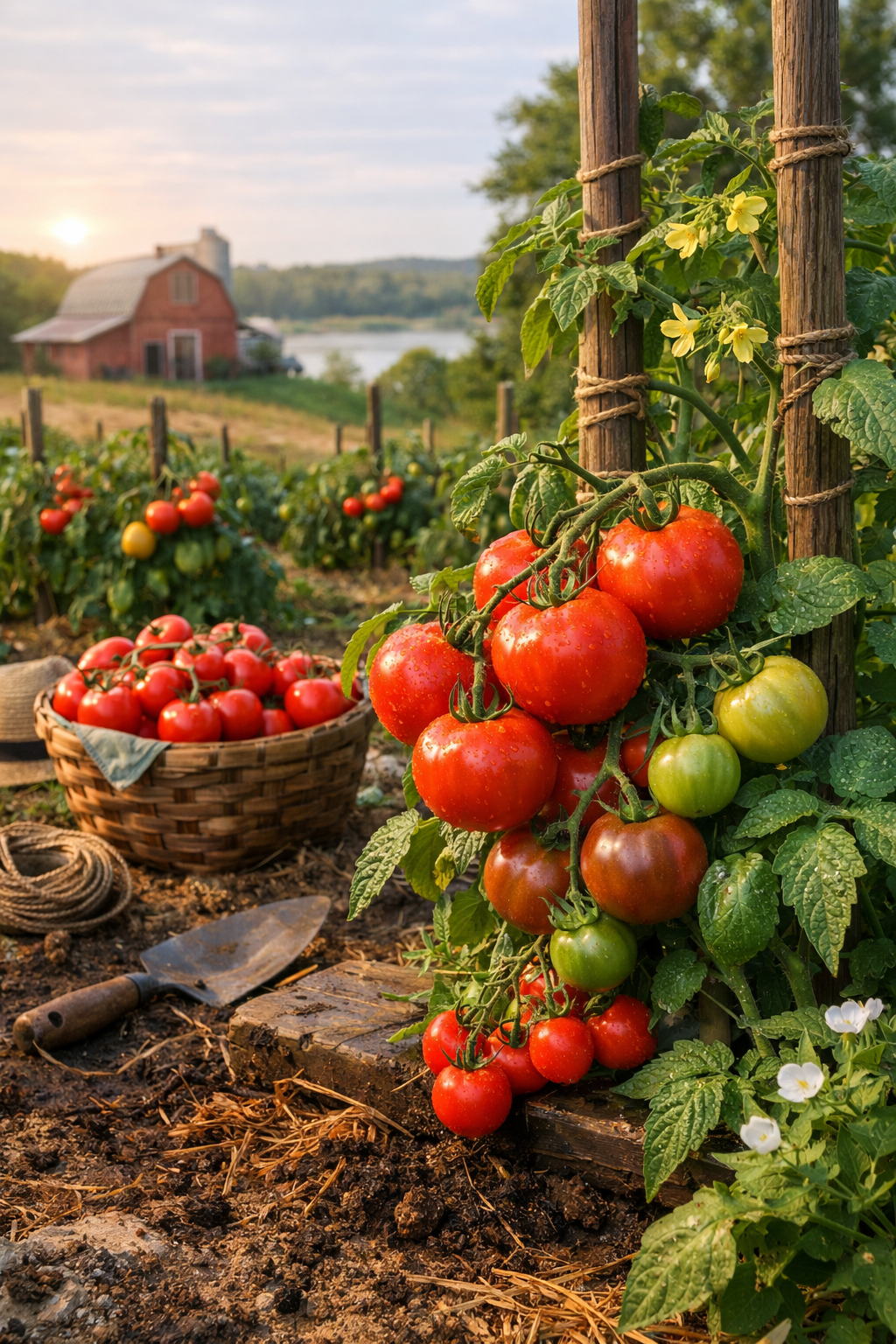
Taste and actual acidity are not the same thing. Many people assume that a tomato that tastes sweeter is less acidic. In reality, sweetness mainly comes from natural sugars balancing the acids already present.
Tomatoes contain several organic acids, including:
- Citric acid
- Malic acid
- Small amounts of ascorbic acid (Vitamin C)
The balance between these acids and sugars determines how tart or sweet a tomato tastes.
This is why yellow, orange, pink, and white tomatoes are often marketed as “low-acid.” Research has shown that their pH is usually similar to red tomatoes. They simply contain more sugar, which masks the acidic taste.
Does Tomato Variety Affect Acidity?
The answer is Yes—but not as much as many people think. Studies have found differences between cultivars, yet most tomato varieties still fall within a fairly narrow acidity range.
Some research suggests:
- Hybrid varieties often have slightly lower pH (more acidic).
- Certain heirloom tomatoes may have somewhat higher pH.
- Paste tomatoes tend to be slightly less acidic than slicing tomatoes.
However, these differences are generally small and cannot be determined by taste or color alone.
Does Ripeness Change Tomato Acidity?
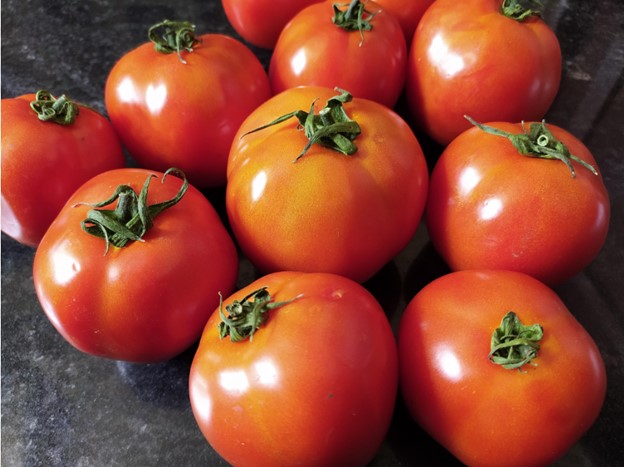
As tomatoes ripen:
- Sugar content increases.
- Acidity gradually decreases.
- pH rises slightly.
Overripe tomatoes usually have the highest pH (meaning they are the least acidic), although they are still generally acidic foods.
Researchers have also observed that tomatoes allowed to become overly ripe or harvested from damaged or dying vines can sometimes exceed the important food safety threshold of pH 4.6.
Can Growing Conditions Affect Acidity?
Several environmental factors influence tomato acidity, including:
- Soil conditions
- Weather
- Temperature
- Sunlight exposure
- Irrigation
- Plant health
For example, tomatoes grown under different environmental conditions can show measurable differences in pH even when they belong to the same variety.
This variability is one reason food safety experts recommend treating all tomatoes similarly during home preservation.
Why Is pH 4.6 So Important?
The number 4.6 is critical in food preservation.
Foods with a pH above 4.6 can support the growth of Clostridium botulinum, the bacterium responsible for botulism under low-oxygen conditions such as improperly canned food.
Since tomato acidity can vary naturally, food safety authorities recommend adding an acidifier during home canning, even if your tomatoes seem acidic.
Common acidifiers include:
- Bottled lemon juice
- Citric acid
- Vinegar (less commonly recommended because it affects flavor)
Adding acid ensures the finished product stays safely below pH 4.6.
Are Tomatoes Considered High-Acid Foods?
Historically, tomatoes were classified as high-acid foods. Today, experts recognize that modern tomato varieties and growing conditions can produce tomatoes with acidity close to the safety cutoff.
For this reason, organizations such as the USDA and university extension services now recommend acidifying all home-canned tomatoes regardless of variety.
Are Yellow Tomatoes Less Acidic?
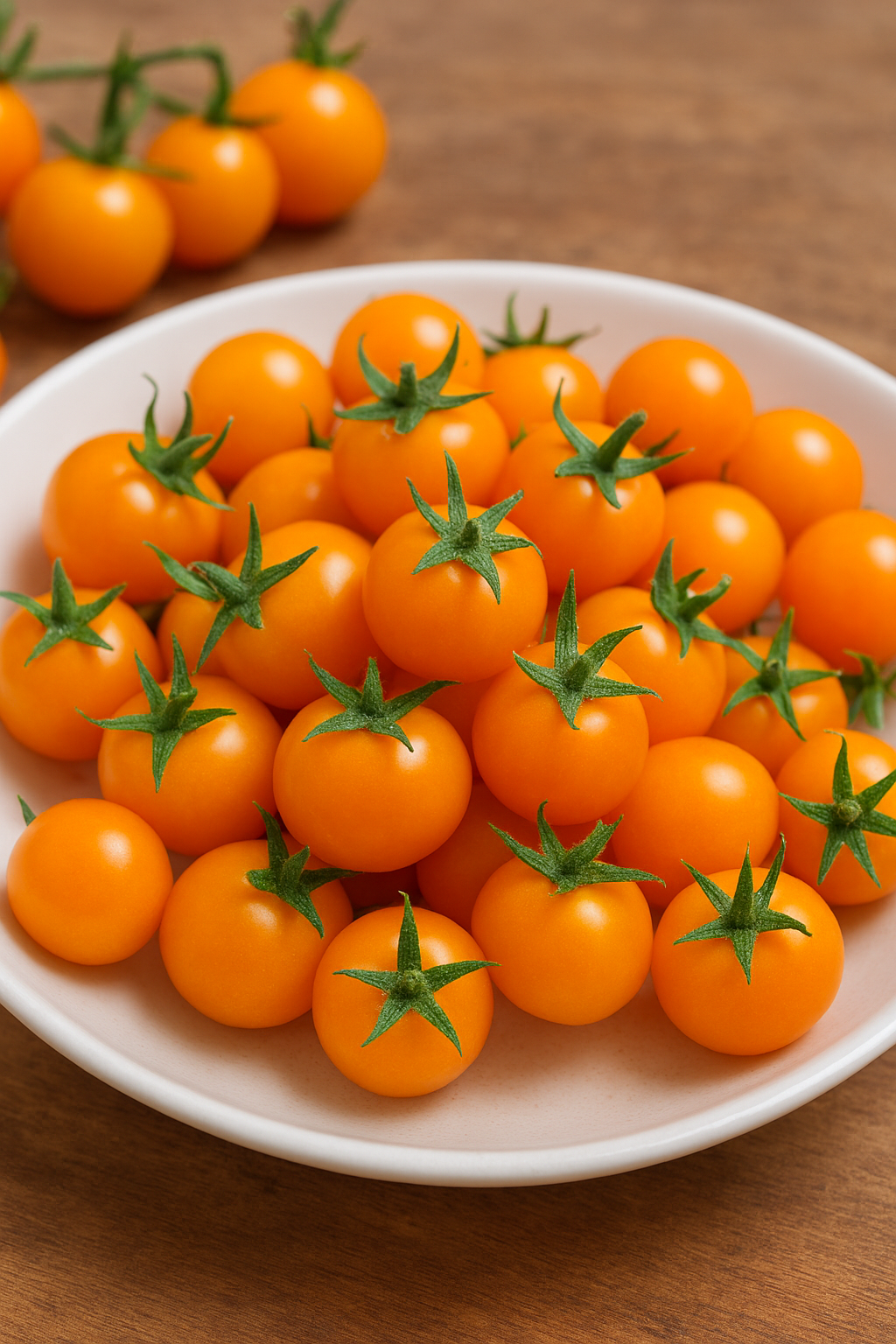
This is one of the biggest misconceptions. Yellow, orange, pink, and white tomatoes are often advertised as “low-acid.” Scientific testing has shown that their actual acidity is generally very similar to red tomatoes.
Their milder flavor comes from:
- Higher sugar levels
- Different flavor compounds
- Lower perception of sourness
In other words, they taste less acidic without necessarily having a significantly higher pH.
Are Tomatoes Bad for Acid Reflux?
Tomatoes can trigger symptoms in some people with:
- Acid reflux
- GERD (Gastroesophageal Reflux Disease)
- Heartburn
This doesn’t happen because tomatoes are extremely acidic compared to other fruits. Instead, the combination of their natural acids and other compounds may irritate an already sensitive esophagus.
However, tolerance varies widely.
Some people can eat fresh tomatoes without problems but experience reflux after consuming:
- Tomato sauce
- Ketchup
- Pizza sauce
- Concentrated tomato paste
These processed products often contain additional acids and become more concentrated during cooking.
Does Cooking Change Tomato Acidity?
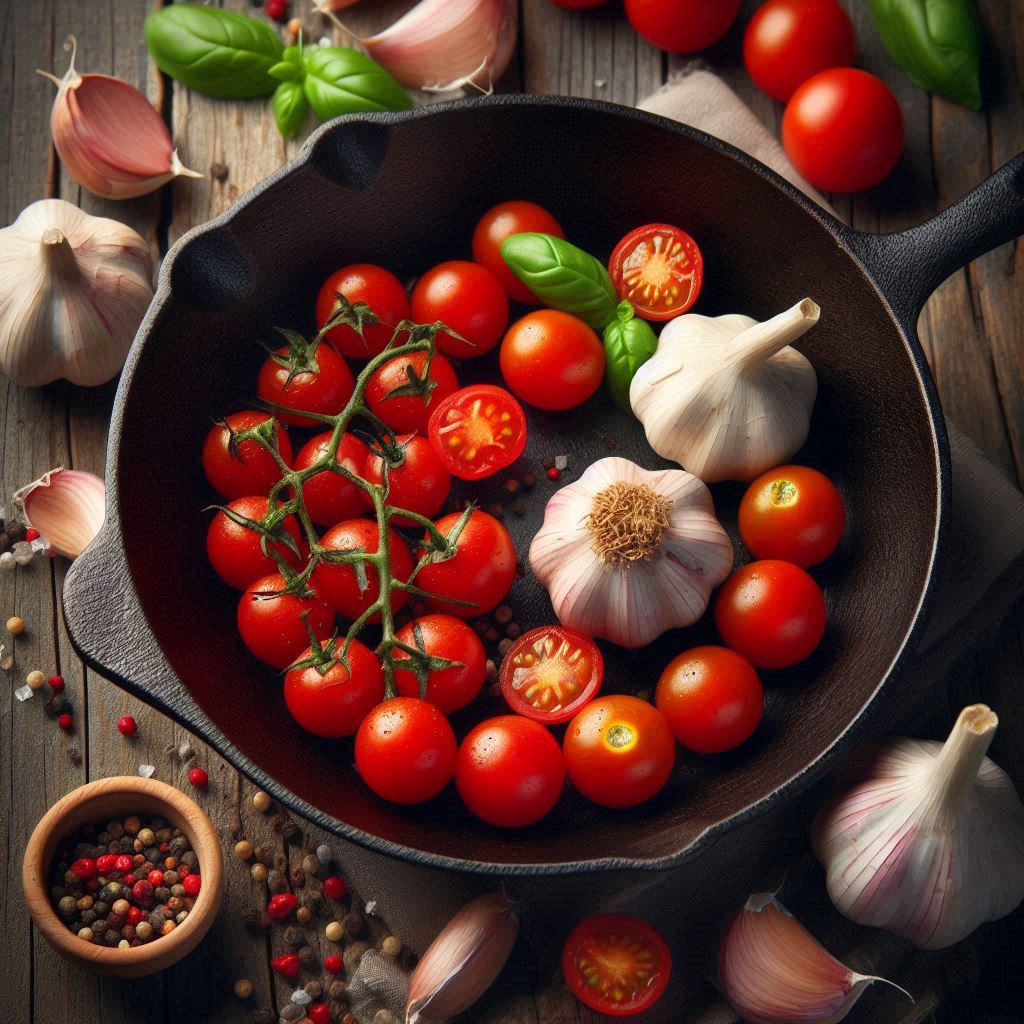
Cooking changes flavor more than it changes pH.
During cooking:
- Water evaporates.
- Sugars become more concentrated.
- Flavor becomes richer.
The finished sauce may taste less tart because of added ingredients like onions or sugar, but cooking alone does not significantly neutralize the natural acids.
Adding baking soda can reduce acidity by chemically neutralizing some acids, but it also changes the flavor and texture.
Are Tomatoes Acidic or Alkaline After Digestion?
Some nutrition sources claim tomatoes become “alkaline-forming” after digestion.
While foods leave different mineral residues after metabolism, this does not significantly change your body’s overall blood pH, which is tightly regulated by the lungs and kidneys.
From a food chemistry perspective, tomatoes are acidic foods because their measured pH is below 7.
Wrapping Up
Tomatoes are moderately acidic fruits with a typical pH between 4.0 and 4.6. While factors like variety, ripeness, and growing conditions can slightly change their acidity, most fresh tomatoes remain acidic enough to fall below the important pH threshold of 4.6.
It’s also important to separate taste from actual acidity. Sweet tomatoes aren’t necessarily less acidic—they often just contain more sugar, which balances their tartness.
For everyday eating, tomato acidity is rarely a concern unless you have acid reflux or GERD. However, for home canning, acidity becomes a critical food safety issue, which is why experts recommend acidifying all canned tomatoes regardless of variety.
By understanding the science behind tomato acidity, you can make better choices in the kitchen, whether you’re cooking, preserving, or simply choosing the sweetest tomato at the market.
Leave a Reply