Tomato plants can quickly become large, bushy, and full of foliage. As a result, many gardeners are tempted to prune or remove a significant number of leaves to make the plant look cleaner, improve airflow, or expose fruits to more sunlight. While some pruning is beneficial, removing too many tomato leaves can do more harm than good.
Understanding the role leaves play in a tomato plant’s growth will help you avoid one of the most common gardening mistakes.
Leaves Are the Plant’s Food Factory
Table of Contents
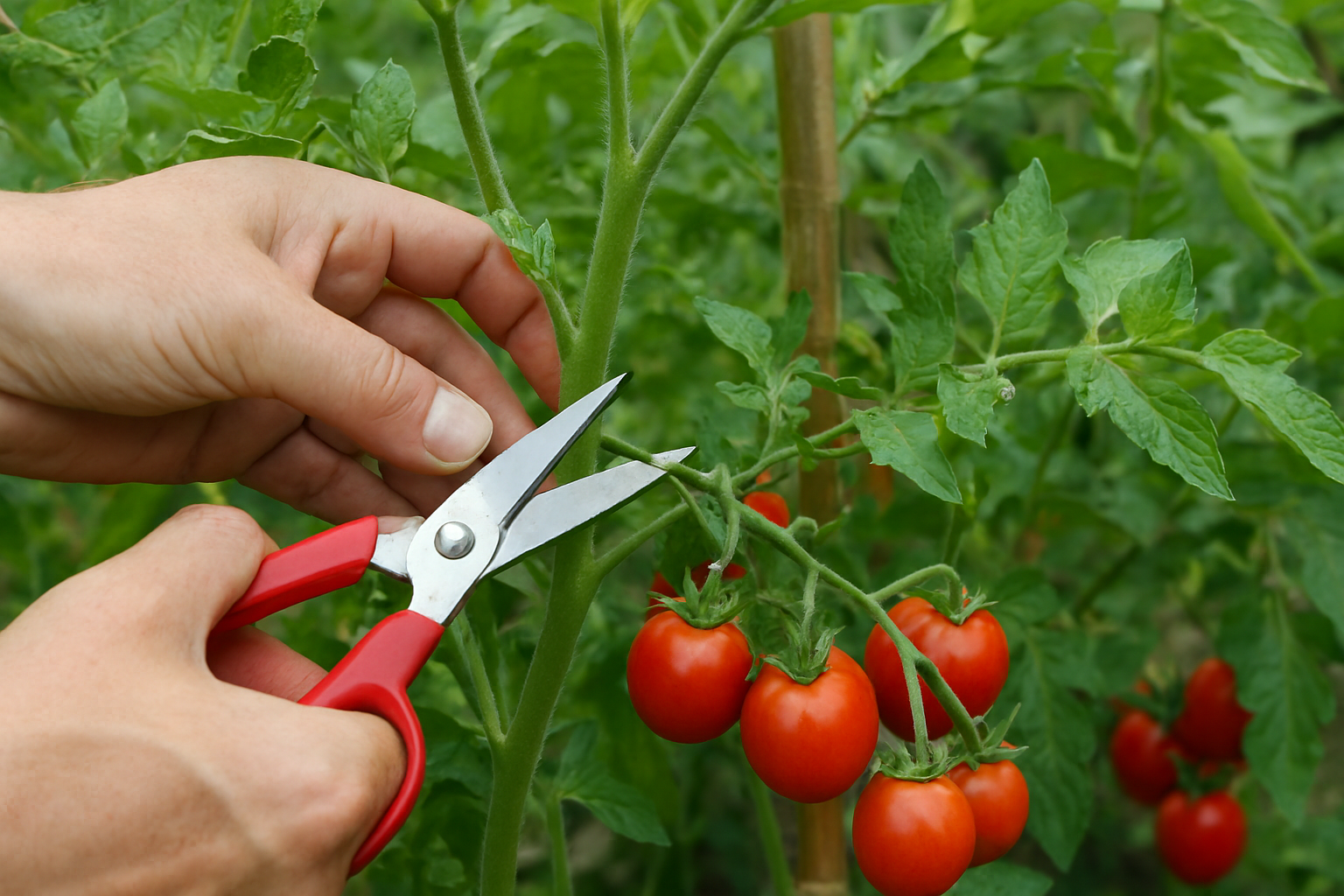
Every leaf on a tomato plant acts like a tiny solar panel. Through photosynthesis, leaves capture sunlight and convert it into the sugars that the plant needs for growth, flowering, and fruit production.
When you remove a large number of leaves, you reduce the plant’s ability to create energy. Less energy means:
- Slower growth
- Smaller plants
- Reduced fruit production
- Delayed ripening
A tomato plant with insufficient foliage may struggle to support developing fruits, resulting in lower yields.
Excessive Pruning Can Reduce Harvest Size
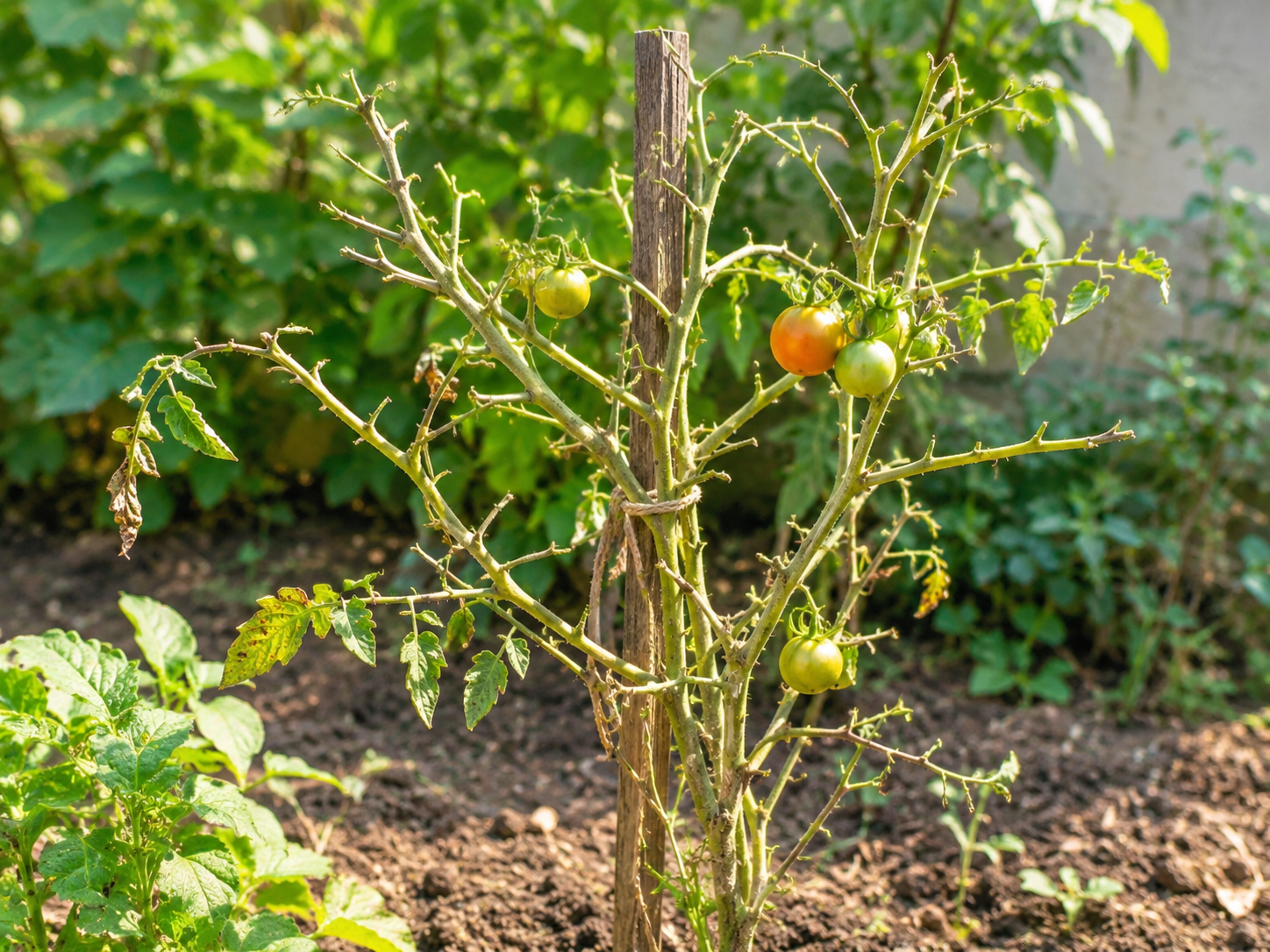
Many gardeners believe that removing leaves directs more energy to fruits. While removing a few unnecessary suckers or damaged leaves can be helpful, aggressive pruning often has the opposite effect.
The plant still needs leaves to manufacture the energy required for fruit development. If too many leaves are removed, tomatoes may:
- Grow more slowly
- Remain smaller than expected
- Produce fewer clusters
- Take longer to ripen
Simply put, fewer leaves often mean fewer tomatoes.
Tomatoes Need Leaf Cover for Sun Protection
Tomato fruits can suffer from sunscald, a condition caused by excessive exposure to direct sunlight.
When too many leaves are removed:
- Fruits become directly exposed to intense sunlight.
- White, yellow, or pale patches may develop.
- Fruits can become leathery or damaged.
- Quality and appearance may decline.
In hot climates, leaf cover acts as a natural umbrella that protects ripening tomatoes from extreme heat and sun damage.
Leaf Removal Can Stress the Plant
Pruning is a form of stress. Every time a leaf is removed, the plant must heal the wound and adjust its growth.
Over-pruning can lead to:
- Temporary growth slowdown
- Increased vulnerability to environmental stress
- Greater sensitivity to heat and drought
- Reduced resilience during flowering and fruiting
Plants that are already dealing with high temperatures, transplant shock, or pest pressure may struggle to recover from excessive leaf removal.
Leaves Help Regulate Temperature
Tomato leaves create shade around stems and fruits, helping the plant stay cooler during hot weather.
Without adequate foliage:
- Soil dries out faster.
- Fruits heat up more quickly.
- Water requirements increase.
- Heat stress becomes more likely.
This is especially important during summer when temperatures regularly exceed ideal growing conditions.
Over-Pruning Can Invite Disease Problems
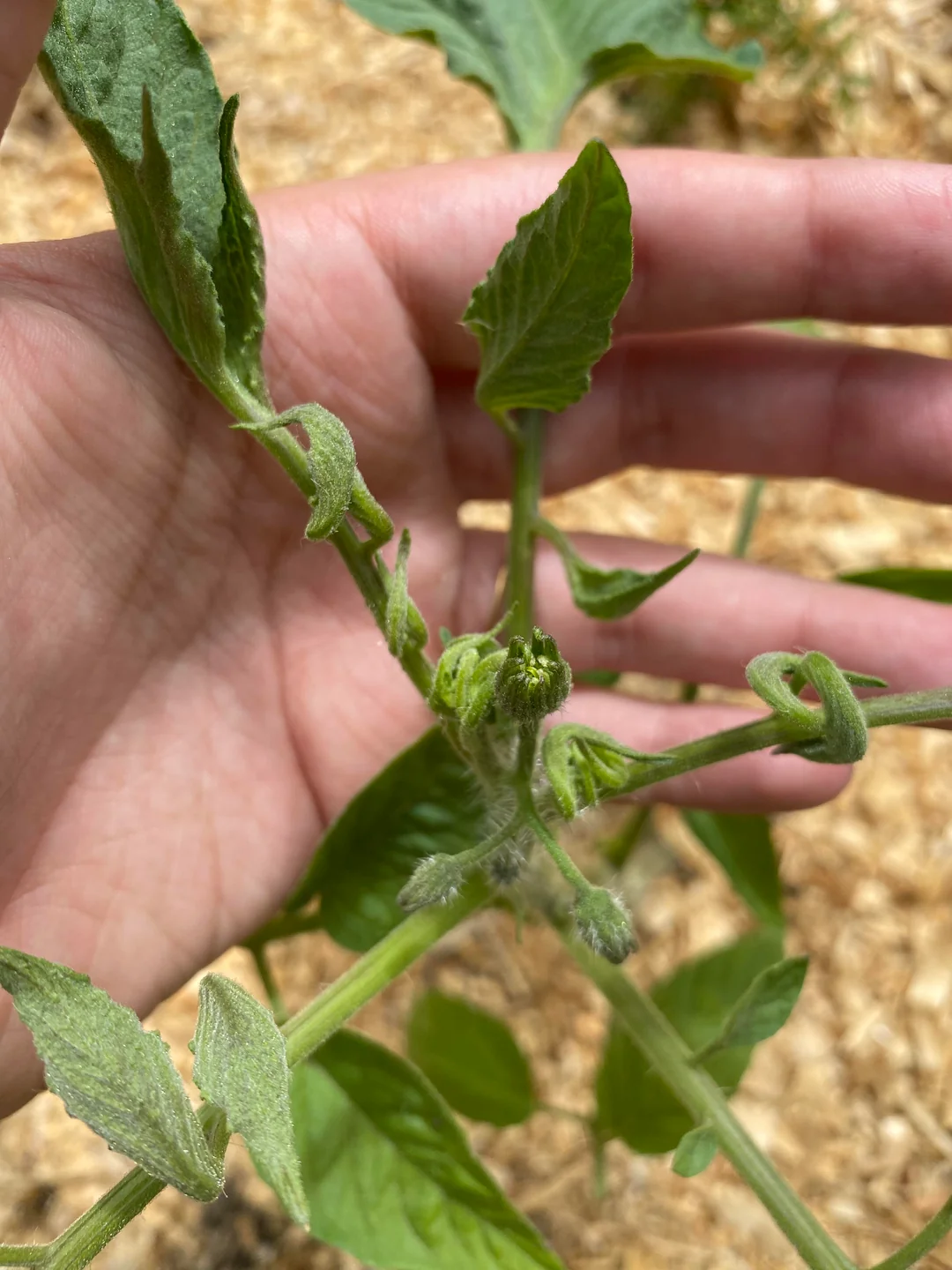
Many gardeners remove leaves to improve airflow and reduce disease pressure. While this is a valid reason for selective pruning, excessive pruning can create numerous wounds on the plant.
Every fresh cut is a potential entry point for pathogens.
Removing too many leaves at once can:
- Increase plant stress
- Create multiple open wounds
- Slow recovery
- Make disease management more challenging
Moderation is key.
Which Leaves Should You Remove?
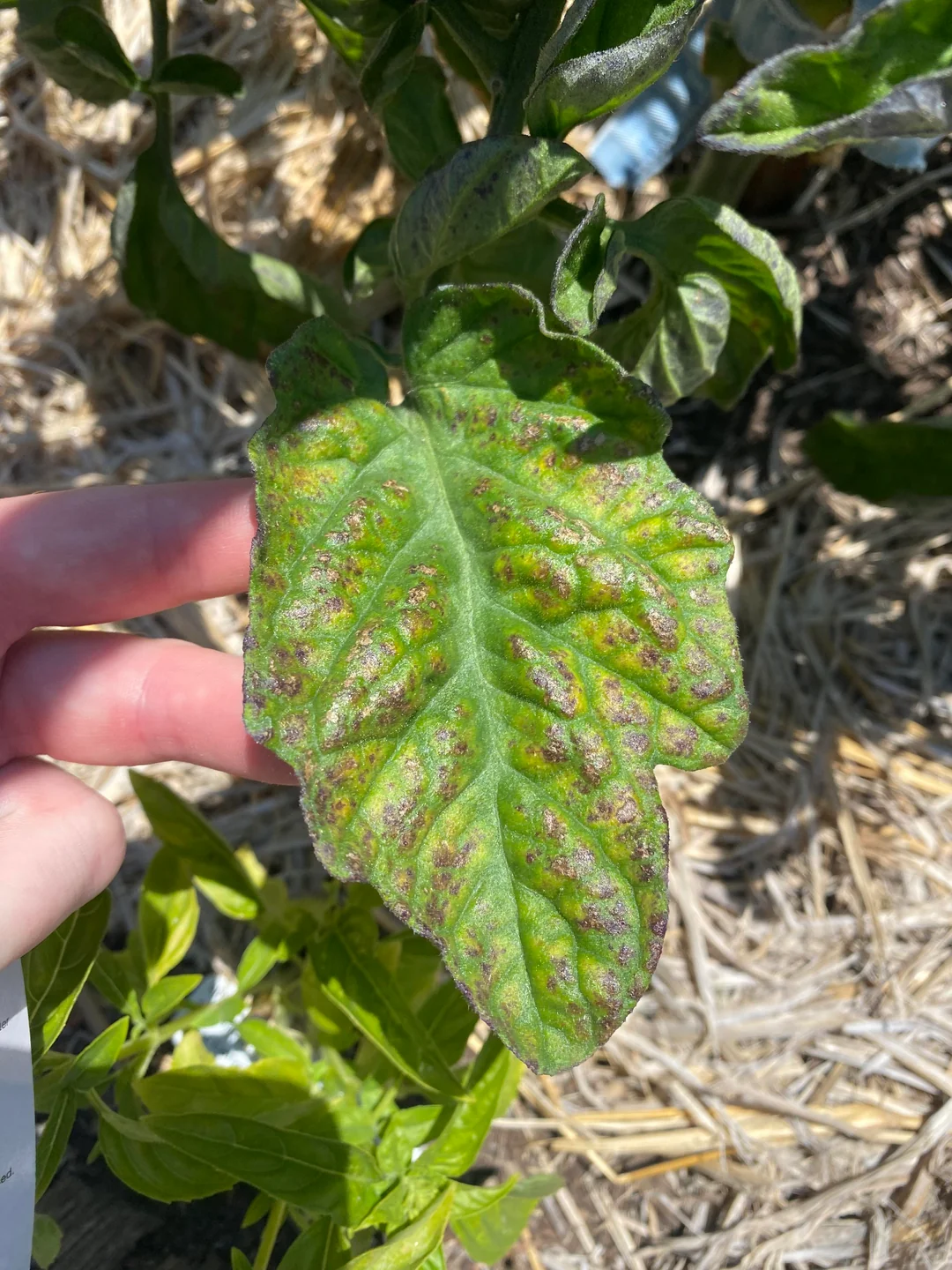
Instead of removing large amounts of foliage, focus on leaves that genuinely benefit from pruning:
Remove:
- Yellow or dying leaves
- Diseased foliage
- Leaves touching the soil
- Damaged leaves
- Excess suckers on indeterminate varieties (if desired)
Keep:
- Healthy upper leaves
- Leaves surrounding fruit clusters
- Vigorous foliage producing energy for the plant
- Most leaves on determinate varieties
A good rule is to never strip the plant bare or remove a large percentage of healthy foliage in a single pruning session.
The Exception – Improving Airflow
Some pruning is beneficial, particularly near the bottom of the plant.
Removing a few lower leaves can:
- Improve air circulation
- Reduce soil-borne diseases
- Lower the risk of fungal infections
- Make watering easier
However, this should be done gradually and conservatively.
Striking the Right Balance
Successful tomato growing is about balance. Too little pruning can create overcrowded plants, but too much pruning can weaken them and reduce harvests.
Think of leaves as the engine that powers your tomato plant. Every healthy leaf contributes to fruit production, plant health, and overall vigor.
Wrapping Up
When it comes to tomato plants, more pruning is not always better. While removing a few diseased, damaged, or lower leaves can be beneficial, excessive leaf removal reduces the plant’s ability to produce energy, increases stress, exposes fruits to sunscald, and can ultimately reduce your harvest.
The best approach is simple: remove only what is necessary, keep plenty of healthy foliage, and let your tomato plant use its leaves to do what they were designed to do—grow bigger, healthier, and more productive tomatoes.
Leave a Reply