Have you ever cut open a tomato and noticed tiny green or white sprouts growing from the seeds inside? It can look surprising, and you may wonder whether the tomato is spoiled, unsafe to eat, or somehow growing a new plant from the inside.
This phenomenon is called vivipary. In tomatoes, it happens when the seeds begin to germinate while they are still inside the fruit instead of waiting until they are planted in soil.
Although it may look unusual, tomato seeds sprouting inside a tomato is a natural process. Here’s why it happens, whether you can eat the tomato, and how you can prevent it.
What Does It Mean When Tomato Seeds Sprout Inside?
Table of Contents
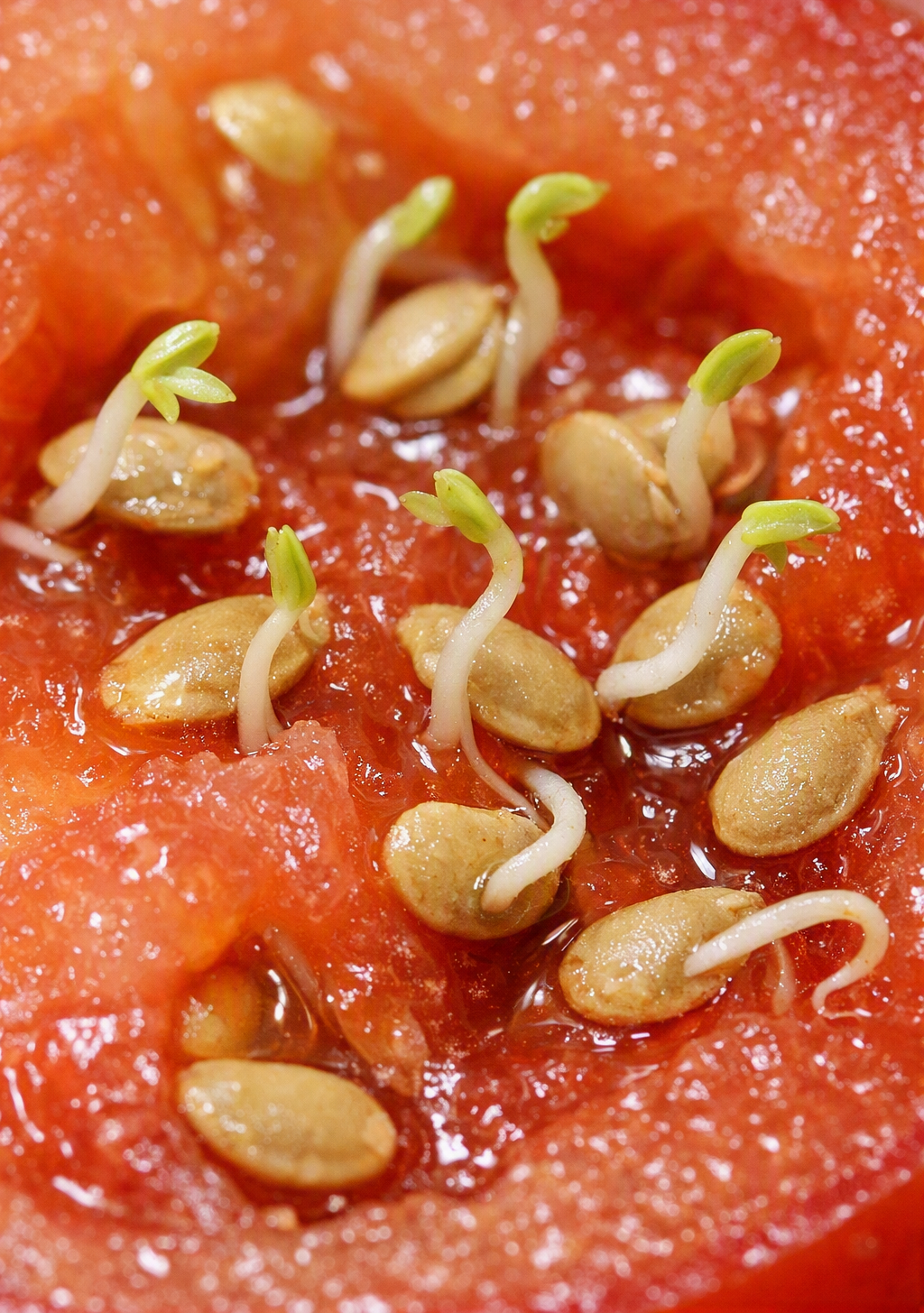
Normally, tomato seeds remain dormant inside the ripe fruit. They are surrounded by a gel-like substance that helps prevent them from germinating while the tomato is still developing.
When the conditions become favorable, however, the seeds can break dormancy and start growing. Instead of falling into soil and producing a plant, the seeds germinate right inside the tomato.
You may see tiny white roots, green shoots, or small sprouts emerging from individual seeds when you cut the tomato open.
Why Do Tomato Seeds Start Sprouting Inside the Fruit?
Several factors can encourage this unusual germination.
The Tomato Is Overripe
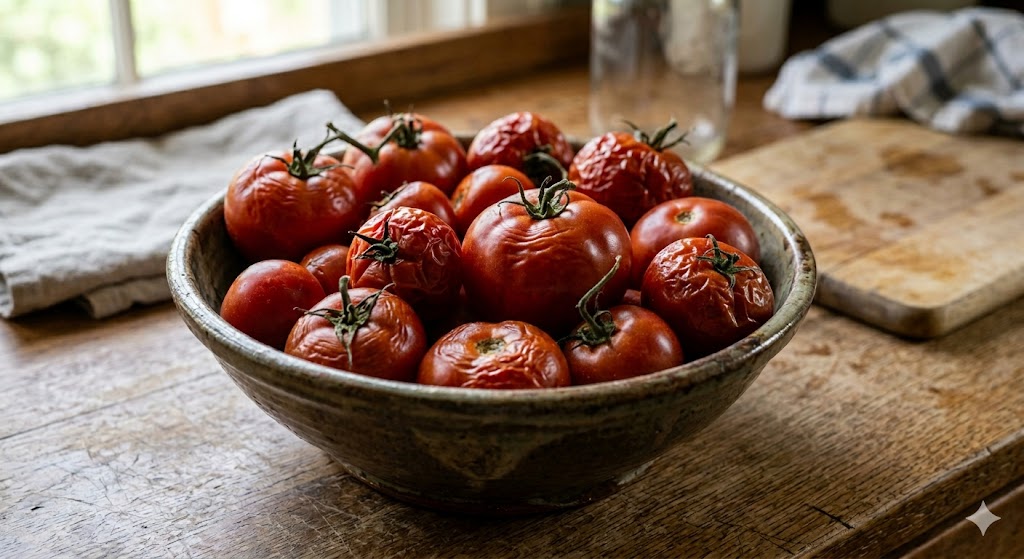
One of the most common reasons is simply that the tomato has become overripe. As a tomato ripens, its internal chemistry changes. The natural substances that normally keep seeds dormant can become less effective.
Once the fruit is very ripe, the seeds may receive the conditions they need to begin germinating. This is why you are more likely to notice sprouts in tomatoes that have been sitting around for several days.
Warm Temperatures
Seeds need suitable temperatures to germinate. If a ripe tomato is kept somewhere warm, the combination of heat, moisture, and a mature fruit can create favorable conditions for the seeds.
A tomato sitting on a warm kitchen counter may therefore be more likely to develop internal sprouts than one stored in cooler conditions.
Moisture Inside the Tomato
Tomatoes contain a lot of water, and their seeds are surrounded by a moist gel. Normally, this doesn’t cause germination because the seeds have natural dormancy mechanisms.
But as the fruit becomes older and those mechanisms weaken, the moisture surrounding the seeds can help trigger germination.
The Tomato Variety
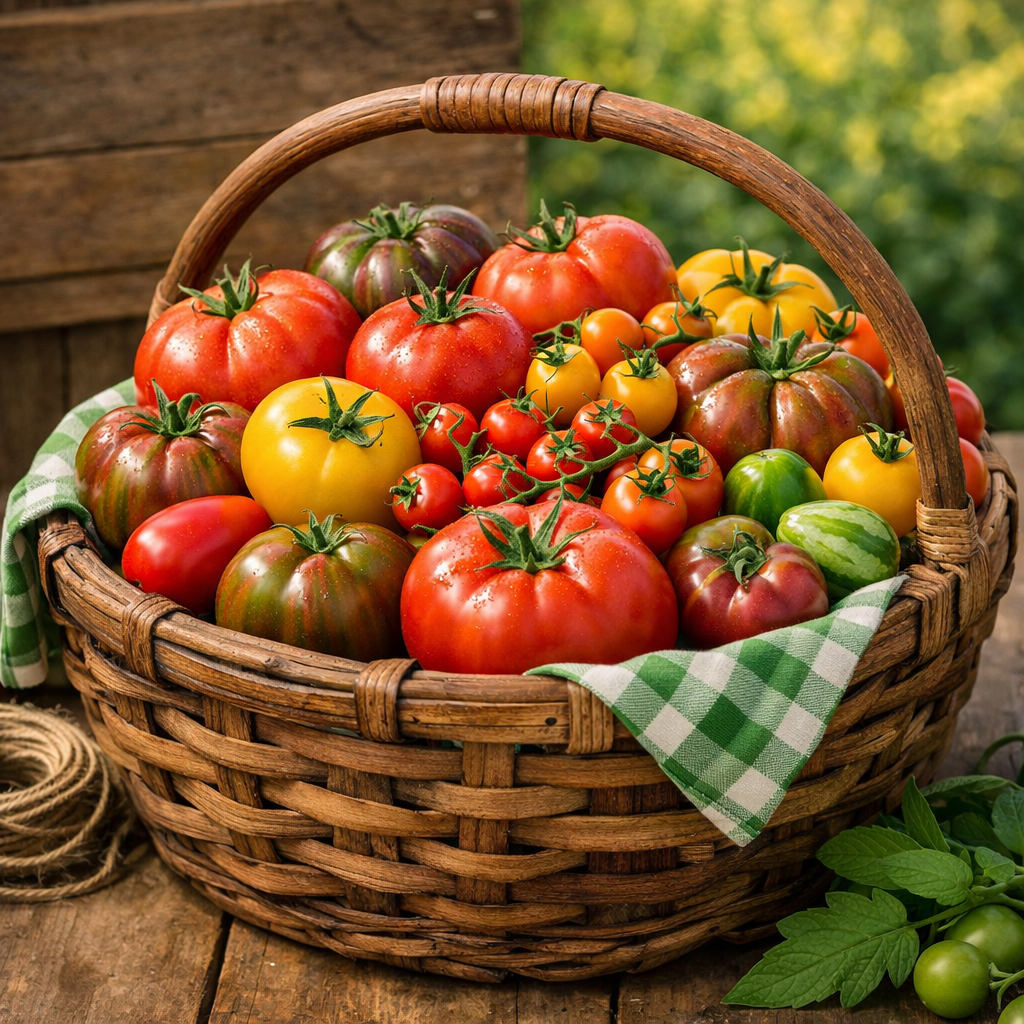
Some tomato varieties are more prone to vivipary than others. Genetics can influence how long seeds remain dormant inside a mature fruit.
So, if you repeatedly see sprouted seeds in tomatoes from a particular variety, the variety itself may be part of the reason.
Storage Conditions
The way tomatoes are stored can also contribute. A mature tomato kept for a long time in warm conditions has more opportunity to undergo changes that encourage the seeds to germinate.
Physical damage to the fruit can also accelerate deterioration and create conditions that make internal sprouting more likely.
Is It Normal for Tomato Seeds to Sprout Inside?
Yes, it can happen naturally. Seeing a few seeds germinating inside a tomato doesn’t necessarily mean the tomato has been infected with a disease or contaminated by something unusual.
The sprouts are essentially baby tomato plants developing in an unexpected location.
In fact, if you carefully remove a sprouted seed and plant it, it may be capable of continuing to grow under suitable conditions. However, whether it grows successfully depends on the seed’s condition and the tomato variety.
Can You Eat a Tomato With Sprouted Seeds?
In many cases, sprouted seeds alone do not automatically mean the tomato is unsafe to eat. If the tomato is otherwise fresh, firm enough, and free from signs of spoilage, the internal sprouts themselves are generally not the main concern.
However, you should inspect the entire tomato. Avoid eating it if you notice:
- Mold
- A rotten or fermented smell
- Extensive soft or slimy areas
- Unusual discoloration associated with decay
- Leakage or obvious decomposition
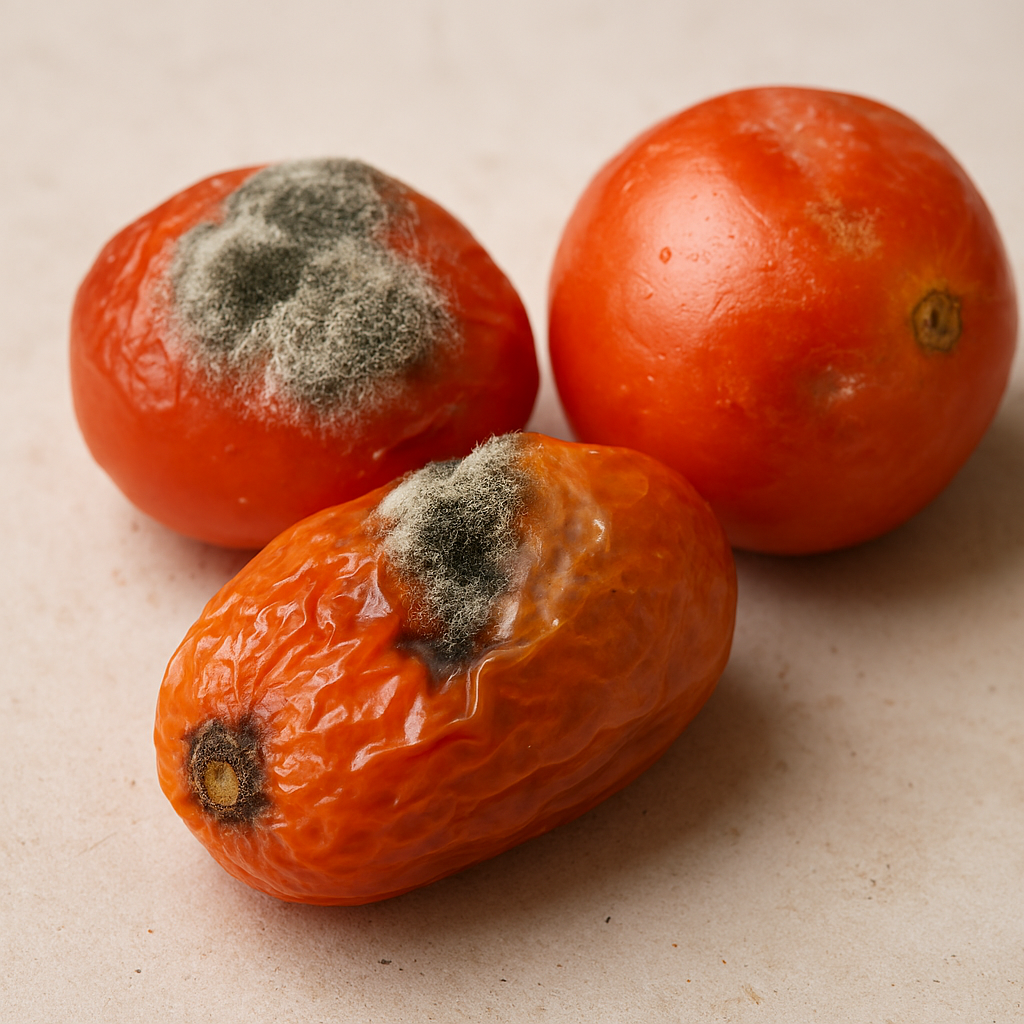
The important distinction is between germination and spoilage. A tomato can have seeds sprouting inside while the fruit itself is otherwise in reasonable condition. On the other hand, a tomato that is moldy or rotten should be discarded regardless of whether the seeds have sprouted.
When in doubt about a questionable tomato, the safest option is to throw it away.
Are Sprouted Tomato Seeds Poisonous?
The sprouts you see inside a tomato are germinating tomato seeds, not automatically a sign that the fruit has become poisonous.
However, tomatoes belong to the nightshade family, and their green plant parts naturally contain compounds such as glycoalkaloids. The fruit itself is commonly eaten when ripe.
For that reason, you shouldn’t treat internal sprouts as something to deliberately consume in large quantities.
More importantly, don’t eat a tomato that has developed mold or significant spoilage simply because the sprouts themselves look harmless.
Can You Plant the Sprouted Seeds?
If you find a healthy-looking tomato seed that has already produced a small root or shoot, you can try planting it.
Carefully remove the seed and place it in moist, well-draining growing medium. Don’t bury a delicate sprout too deeply. The emerging root should be positioned in the growing medium while the shoot can develop above it.
Keep the medium moist but not waterlogged and provide appropriate warmth and light. There’s no guarantee that every internally sprouted seed will successfully develop into a healthy plant, but some can continue growing.
Why Don’t Tomato Seeds Normally Sprout Inside?
This is actually an interesting part of tomato biology. A tomato’s seeds are surrounded by a gel containing substances that help keep them dormant while the fruit is developing.This is useful from the plant’s perspective. Imagine if every tomato seed started growing while the tomato was still attached to the plant. The young seedlings would have little chance of reaching the soil and surviving.
The seed therefore normally waits until the fruit has been eaten, damaged, decomposed, or otherwise released.
Afterward, environmental conditions such as moisture, oxygen, temperature, and light can trigger germination. Vivipary occurs when this normal dormancy system breaks down too early.
Does Refrigerating Tomatoes Prevent Sprouting?
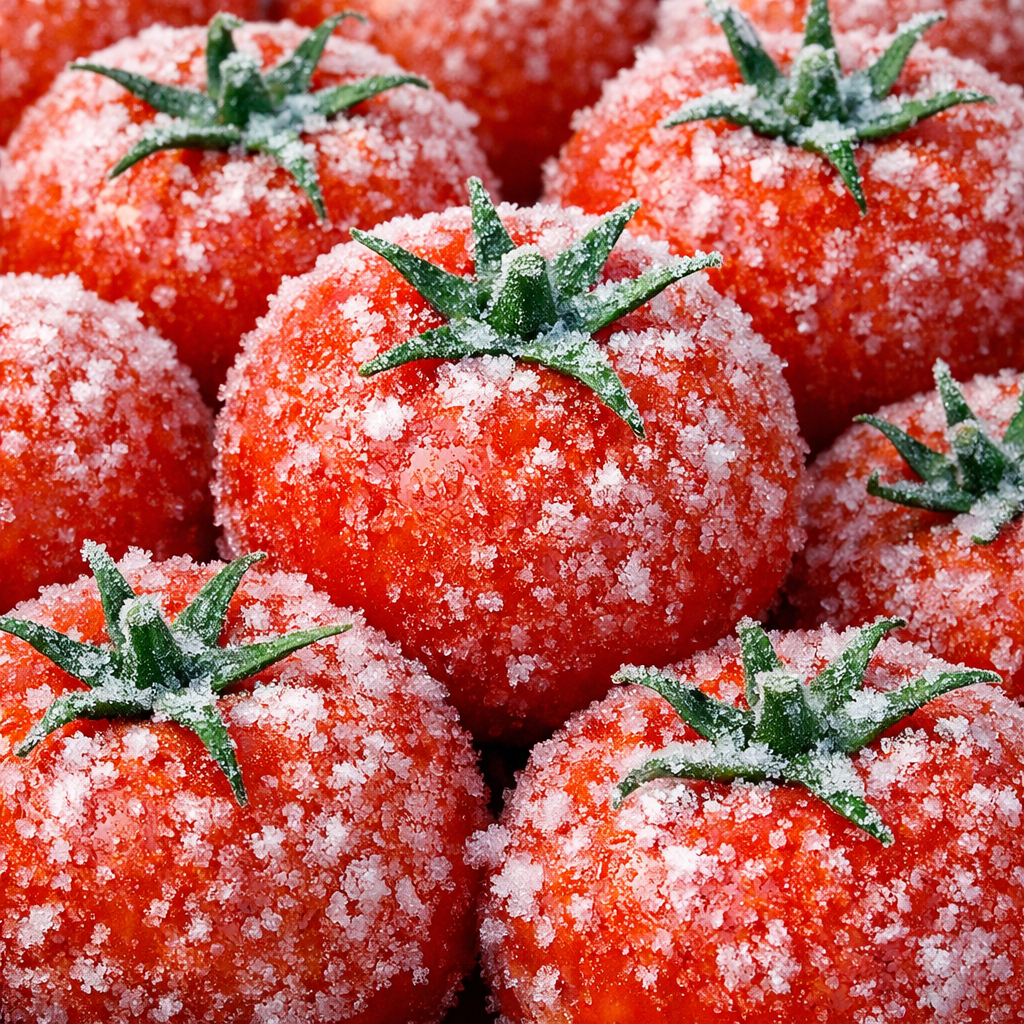
Keeping ripe tomatoes cooler can slow many processes associated with ripening and aging, but refrigeration isn’t a guaranteed way to prevent internal seed germination.
Tomatoes are often best kept according to their ripeness and quality needs rather than relying on refrigeration specifically to stop sprouting.
If your tomatoes are ripe and you aren’t going to use them soon, paying attention to storage conditions and using them promptly can reduce the chance of finding sprouted seeds.
How Can You Prevent Tomato Seeds From Sprouting Inside?
You can’t completely eliminate the possibility, but you can reduce it. Here’s what you can do:
Use Tomatoes Before They Become Overripe
- Don’t leave ripe tomatoes sitting for too long.
- As the fruit becomes increasingly soft and mature, internal seed germination can become more likely.
Store Them Properly
- Avoid leaving ripe tomatoes in excessively warm locations for extended periods.
- Keep them away from direct sunlight and use them while they’re still in good condition.
Inspect Tomatoes Regularly
- If you have several tomatoes stored together, check them regularly for soft spots, cracking, leaking, mold, or other signs of deterioration.
- Using the ripest tomatoes first can help prevent waste.
Is It a Sign That the Tomato Is Genetically Modified or bad Tomatoes
Sprouting seeds inside a tomato is not evidence that the tomato is genetically modified.
Vivipary is a natural phenomenon that can occur because of the tomato’s genetics, maturity, environmental conditions, and changes inside the fruit.
You don’t need to assume that unusual-looking seeds mean the tomato has been genetically modified.
Not necessarily. A tomato with sprouted seeds may simply be very ripe or have been stored for a long time under favorable germination conditions.
The sprouts themselves aren’t the same thing as mold or bacterial spoilage.
Instead of judging the tomato based only on the sprouts, look at the overall condition of the fruit.
If it smells normal, has no mold, and isn’t showing significant signs of decomposition, the sprouting may simply be a result of vivipary.
Wrapping Up
Finding tomato seeds sprouting inside the fruit can certainly be surprising, but there’s usually no mystery behind it.
So the next time you cut open a tomato and see tiny sprouts inside, don’t immediately assume something has gone terribly wrong.
Instead, check the tomato carefully for signs of spoilage. If it is moldy, rotten, or smells unusual, throw it away. If the tomato is otherwise in good condition, the sprouts may simply be an unusual example of a seed starting its next stage of life a little too early.
Leave a Reply