Aphids may be tiny, but when you spot them covering the tender leaves of your tomato plant, they can quickly become a big problem. These small, soft-bodied insects suck sap from tomato plants, leaving behind curled leaves, sticky residue, and weakened growth.
However, you don’t need harsh chemicals to deal with a small or moderate aphid infestation. With regular inspection and a few simple treatments, you can get your tomato plants back to healthy growth. In this guide, we’ll discuss how to identify aphids, how to get rid of them naturally, and what you can do to prevent them from coming back.
What Are Aphids?
Table of Contents
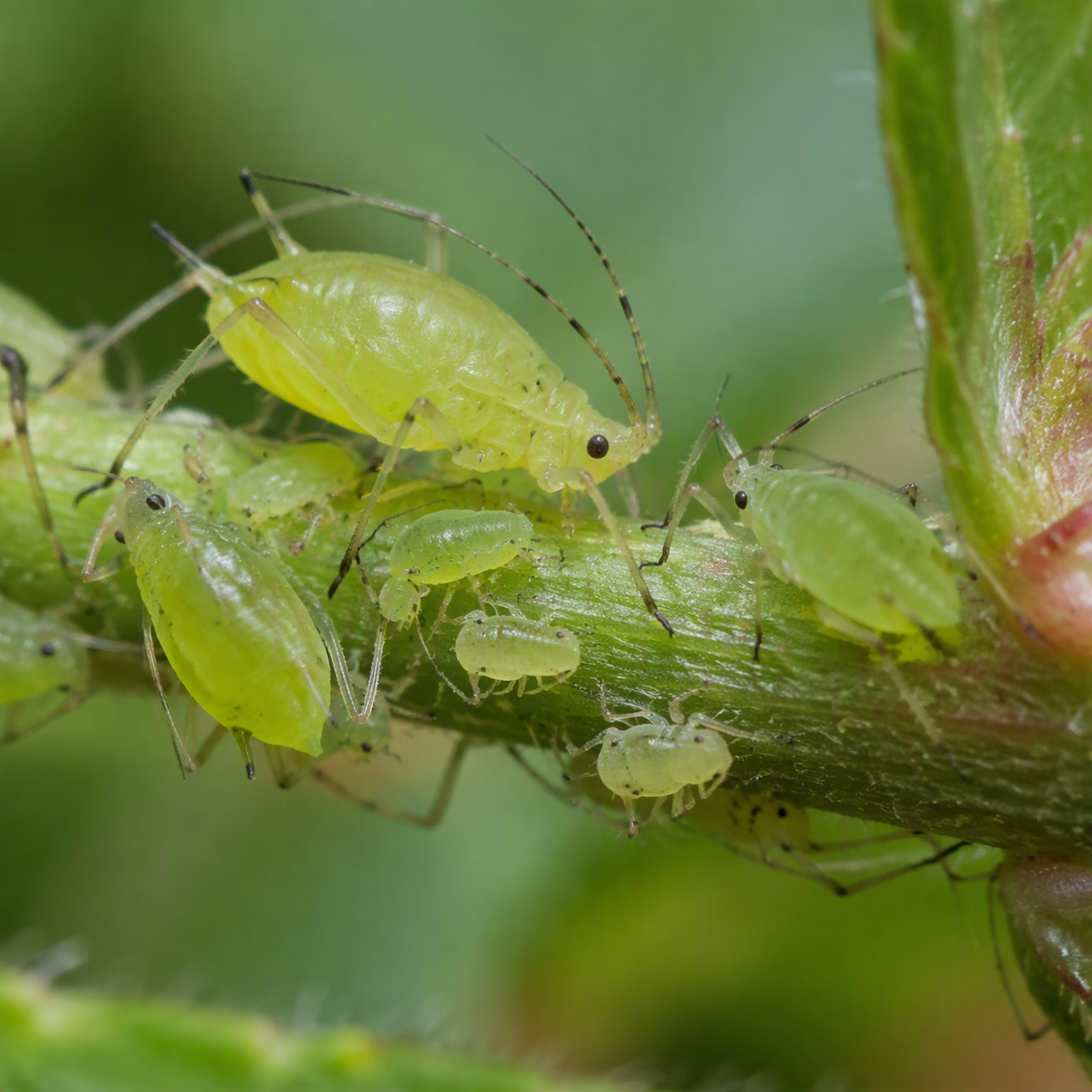
Aphids are tiny, soft-bodied insects that feed on plant sap. They can be green, black, yellow, brown, gray, or even pink, depending on the species.
On tomato plants, aphids are usually found:
- On the undersides of leaves
- Around new shoots
- Along tender stems
- Near flower buds
- Around young tomato growth
Because they are so small, you may notice the damage before you notice the insects themselves. Aphids reproduce quickly, so spotting a few insects on your tomato plant is a good reason to take action rather than waiting for the infestation to grow.
How to Tell If Your Tomato Plant Has Aphids
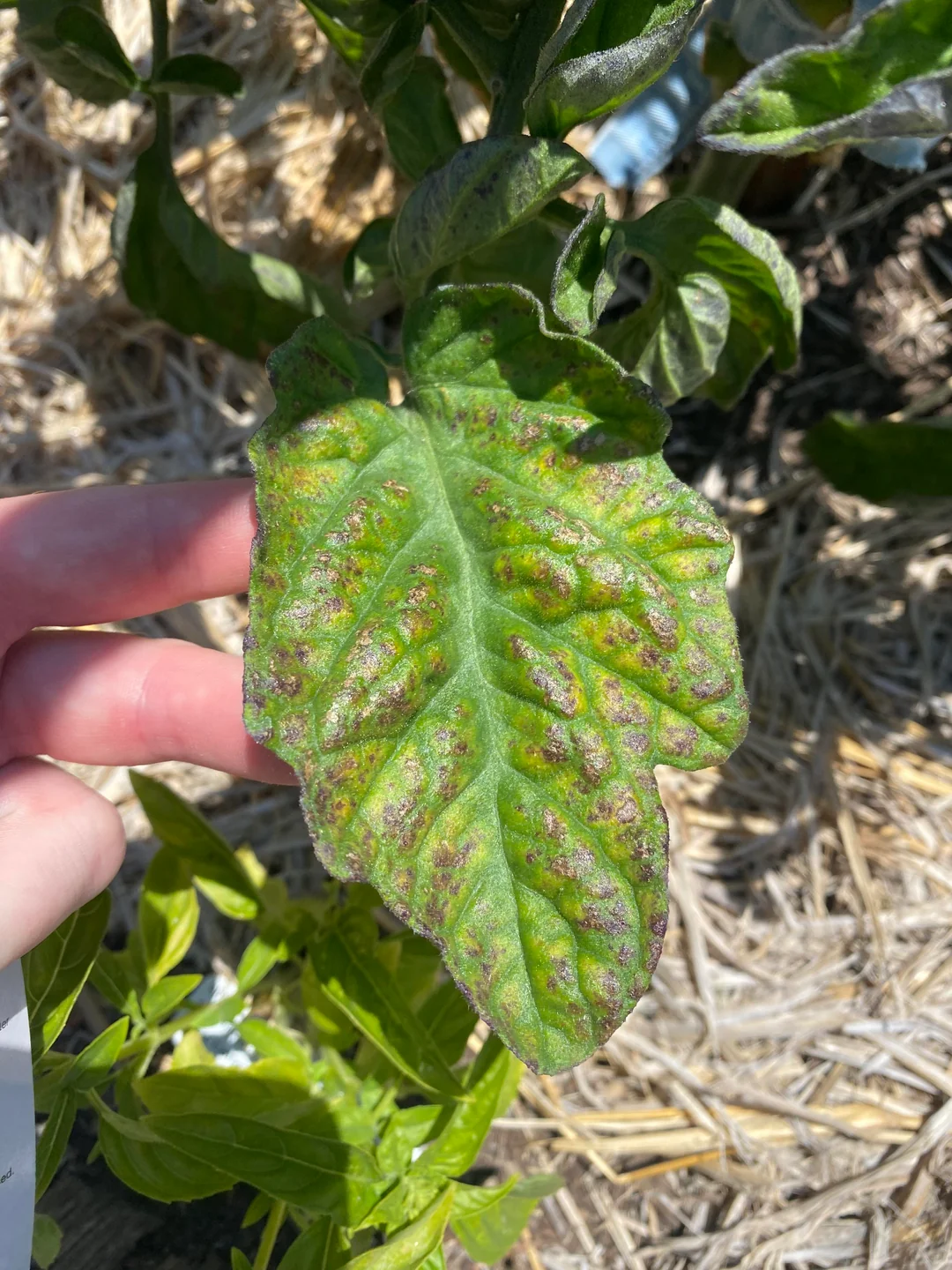
Not sure whether aphids are responsible for your tomato plant’s problems? Look for these common signs:
1. Curled or Distorted Leaves
Aphids feed on the plant’s sap, particularly around tender new growth. Heavy feeding can cause young leaves to curl, twist, or become distorted.
2. Sticky Leaves
Aphids produce a sugary substance called honeydew as they feed. It can leave the leaves and stems feeling sticky.
3. Yellowing Leaves
A large aphid population can weaken the plant and cause leaves to turn yellow or look unhealthy.
4. Stunted New Growth
If aphids are concentrated around new shoots, your tomato plant may produce smaller or distorted growth.
5. Ants Around the Plant
If you notice ants constantly crawling over your tomato plant, inspect it closely for aphids. Ants are attracted to the honeydew produced by aphids and may protect aphids from predators.
6. Sooty Mold
The sticky honeydew can encourage the growth of black sooty mold on leaves. While the mold itself doesn’t feed on the plant, a heavy coating can interfere with photosynthesis.
How to Get Rid of Aphids on Tomato Plants
The best approach depends on how severe the infestation is. If you only see a few aphids, start with the simplest method.
1. Spray Them Off With Water
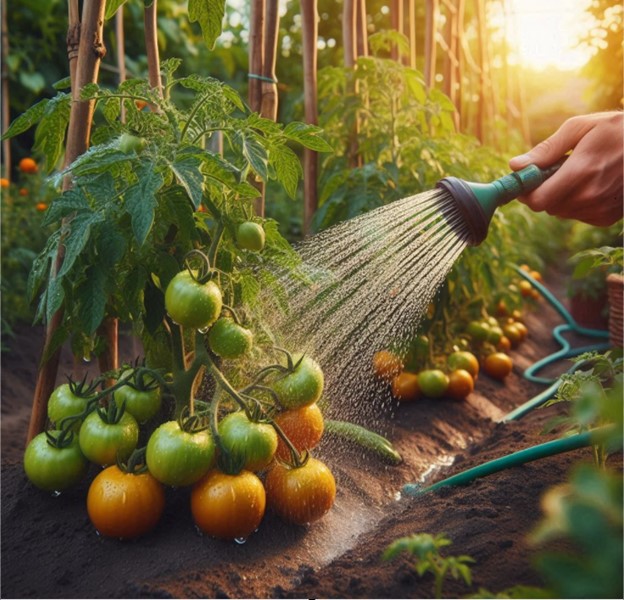
For a small infestation, a strong stream of water can be surprisingly effective. Take your garden hose or spray bottle and gently spray the affected parts of the tomato plant. Pay particular attention to the undersides of leaves and new growth, where aphids often gather.
The goal is to knock the aphids off the plant. Avoid using an excessively strong stream that could damage delicate leaves or flowers. Repeat the process every few days if you continue to see aphids.
2. Remove Heavily Infested Leaves

If only a few leaves or shoots are covered with aphids, you can remove them instead of treating the entire plant. Use clean garden scissors to cut away heavily infested leaves or tender shoots. Put the removed plant material in the trash rather than leaving it beside the tomato plant. Don’t remove large amounts of foliage at once, though. Tomato plants need their leaves for photosynthesis and healthy fruit production.
3. Use Insecticidal Soap
Insecticidal soap is another option for controlling aphids. It works by coming into contact with the insects, so thorough coverage is important. Spray the affected areas, especially the undersides of leaves and the tips of new growth.
Follow the product’s label instructions carefully and avoid applying more than recommended. It’s also a good idea to test the spray on a small section of the plant first, particularly during hot weather.
4. Try Neem Oil Carefully
Neem oil is commonly used by gardeners as a pest-control option. It can help manage aphids when used correctly. If you choose to use neem oil, dilute and apply it according to the product label. Thoroughly cover the areas where aphids are present.
Avoid spraying during the hottest part of the day. Applying sprays when the plant is exposed to intense sunlight can increase the risk of leaf dIt’s also better to avoid spraying open flowers whenever possible because you don’t want to unnecessarily expose pollinators.
5. Encourage Beneficial Insects
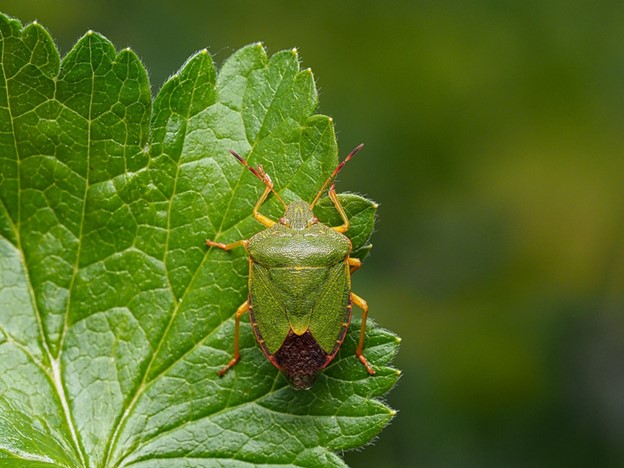
One of the best long-term ways to manage aphids is to encourage insects that naturally feed on them.
Beneficial insects include:
- Ladybugs
- Lacewings
- Hoverfly larvae
- Parasitic wasps
If you see ladybugs or other beneficial insects on your tomato plants, don’t immediately reach for an insecticide. They may already be helping you control the aphid population.
Planting a variety of flowering plants nearby can also provide food and habitat for beneficial insects.
6. Use a Mild Soapy Spray With Care

Some gardeners use homemade soap sprays against aphids. However, household detergents can be harsh on plants and may cause leaf burn.
If you want to make a homemade spray, use a mild, unscented liquid soap and keep the concentration low. Always test it on a small part of the plant first.
If the leaves show damage, stop using the spray.
Commercial insecticidal soap is generally a more predictable option because it is formulated specifically for use on plants.
What About Garlic or Chili Sprays?
Garlic and chili-based sprays are popular among home gardeners as homemade pest remedies. However, their effectiveness can vary, and concentrated mixtures may irritate or damage tomato foliage.
If you decide to experiment with a homemade spray, test it on a small area first and wait to see how the plant responds. Don’t assume that a stronger mixture will work better. A concentrated spray can damage the plant you’re trying to protect.
A Simple Aphid Control Routine

If you want to keep things simple, follow this routine:
- Inspect your tomato plants every few days.
- If you find a few aphids, spray them off with water.
- Remove severely infested leaves if necessary.
- Check for beneficial insects before using any pesticide.
- If the infestation continues, consider insecticidal soap or another labeled treatment.
- Repeat inspections and treatments as directed until the aphid population is under control.
Wrapping Up
Aphids can be frustrating, especially when they suddenly appear on otherwise healthy tomato plants. But you don’t have to panic when you spot them.
Start by checking how large the infestation is. A few aphids can often be knocked off with water, while larger infestations may require repeated treatment with insecticidal soap or another suitable product.
Most importantly, keep checking your plants. Aphids reproduce quickly, and catching them early makes them much easier to manage. With regular inspection, healthy growing conditions, and a little help from beneficial insects, you can keep your tomato plants growing strongly and producing the tomatoes you’ve been waiting for.
Leave a Reply