There’s nothing more disappointing than checking your tomato plants and finding small green tomatoes scattered on the ground. You’ve watered, fertilized, and cared for your plants for weeks, only to watch the fruit fall before it has a chance to turn red.
If your tomatoes are dropping before harvest, don’t assume your plant is doomed. Premature fruit drop is surprisingly common and usually points to a specific problem that can be corrected. Understanding why your plant is shedding fruit is the first step toward saving the rest of your harvest.
Is It Normal for Tomatoes to Fall Off?
Table of Contents
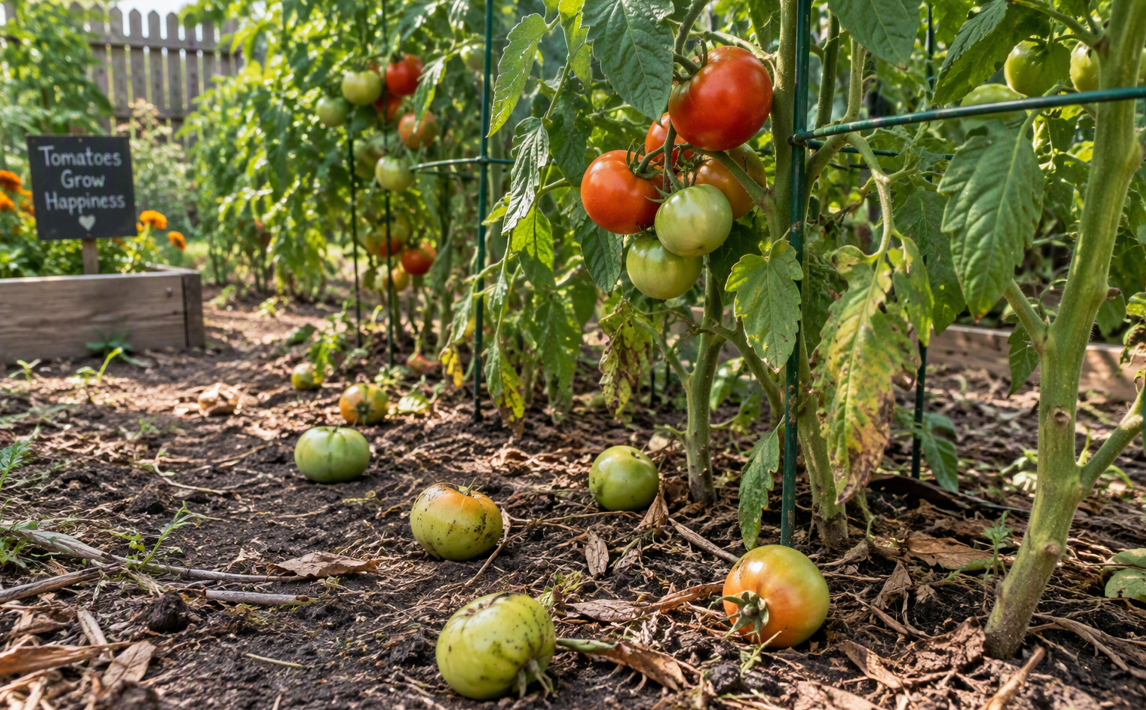
A few dropped fruits here and there are perfectly normal. Tomato plants naturally shed some fruit when they are under stress or carrying more tomatoes than they can support.
However, if multiple green tomatoes are falling daily, or entire clusters are dropping before ripening, your plant is trying to tell you something. Let’s look at the most common reasons.
Temperature Stress Is the Biggest Culprit
Tomatoes love warm weather, but there is a limit.
When temperatures become excessively hot or fluctuate dramatically, the plant may begin dropping fruit to conserve energy.
Extreme heat can cause:
- Small green tomatoes to fall
- Slower ripening
- Reduced fruit quality
- Increased plant stress
- Likewise, extended periods of cool weather can interrupt normal fruit development.
How to Help
- Apply mulch to cool the root zone.
- Water consistently during heat waves.
- Use shade cloth during intense afternoon sun.
- Avoid heavy pruning during hot weather.
- Once temperatures stabilize, the plant often resumes normal fruit production.
Inconsistent Watering Causes Fruit Drop
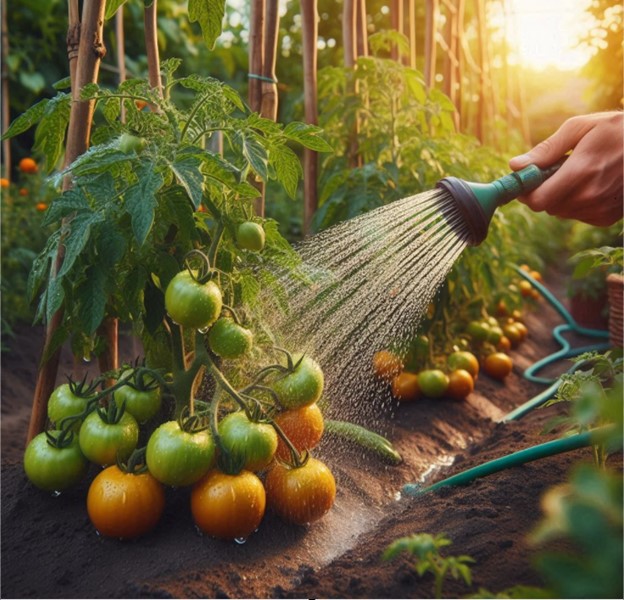
Tomatoes dislike extremes.
Allowing the soil to become bone dry before soaking it again creates stress that can trigger fruit drop.
The plant struggles to maintain moisture levels, often sacrificing developing fruits to survive.
Warning Signs
- Wilting during the day
- Cracked tomatoes
- Curling leaves
- Green fruit dropping
The Solution
- Water deeply and consistently. Aim to keep the soil evenly moist rather than alternating between drought and flooding.
- A thick layer of organic mulch can dramatically improve moisture retention.
The Plant May Be Carrying Too Many Tomatoes
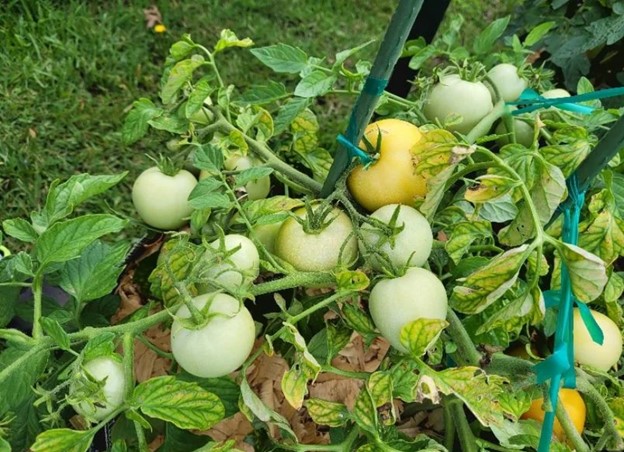
Sometimes the problem isn’t poor health. An overachieving tomato plant may set more fruit than it can support. To protect itself, the plant naturally sheds some tomatoes.
This is especially common with:
- Cherry tomato varieties
- Highly productive hybrids
- Young plants producing heavily for the first time
- Think of it as natural thinning.
The plant is deciding which fruits have the best chance of reaching maturity.
Nutrient Imbalances Can Trigger Fruit Loss
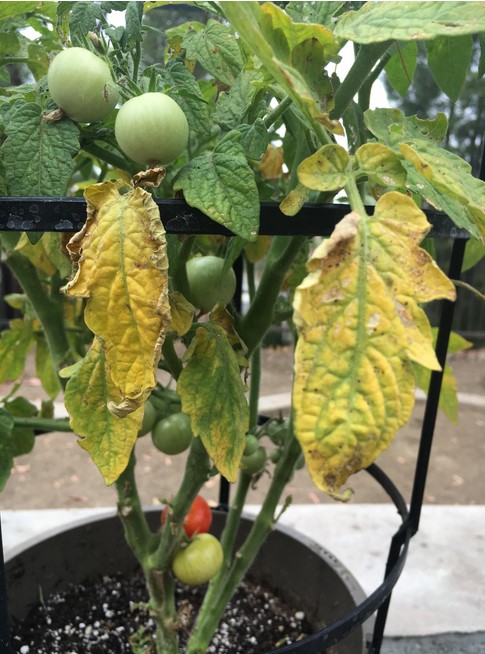
Tomatoes require a careful balance of nutrients to develop and ripen fruit. When nutrients become unbalanced, fruit drop often follows.
Too Much Nitrogen
Excess nitrogen encourages lush leaves and vigorous stem growth. Unfortunately, fruit development may suffer.
Signs include:
- Huge green plants
- Thick stems
- Lots of leaves
- Tomatoes dropping prematurely
- Potassium Deficiency
- Potassium plays a major role in fruit development.
- Insufficient potassium can weaken the plant’s ability to support growing fruit.
What to Do
- Use a balanced tomato fertilizer and avoid overfeeding.
- More fertilizer does not always mean more tomatoes.
Root Stress Often Goes Unnoticed
Healthy roots are essential for healthy fruit. When roots become damaged or stressed, the plant may drop tomatoes.
Root problems can result from:
- Waterlogged soil
- Soil compaction
- Root disturbance
- Poor drainage
- Containers are particularly vulnerable because roots have limited room to grow.
If the root system struggles, fruit production is usually the first thing affected.
Disease Can Cause Premature Fruit Drop
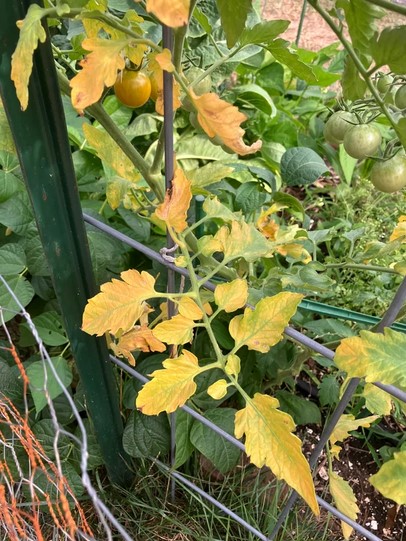
Diseases place enormous stress on tomato plants.
When the plant struggles to survive, it often sheds fruit to conserve resources.
Look for symptoms such as:
- Yellow or curling leaves
- Dark leaf spots
- Stem damage
- Wilting
- Mold or fungal growth
- Early treatment improves the chances of saving remaining fruit.
High Winds and Storms Can Knock Tomatoes Off
Sometimes the explanation is surprisingly simple.
Strong winds can physically shake developing tomatoes loose.
Heavy rainfall and storms may also cause fruit drop, especially if tomatoes are already weakened by stress.
Prevention Tips
- Stake plants securely.
- Use cages for support.
- Protect plants during severe weather when possible.
- Strong support systems reduce unnecessary fruit loss.
Pests Can Cause Tomatoes to Fall Early
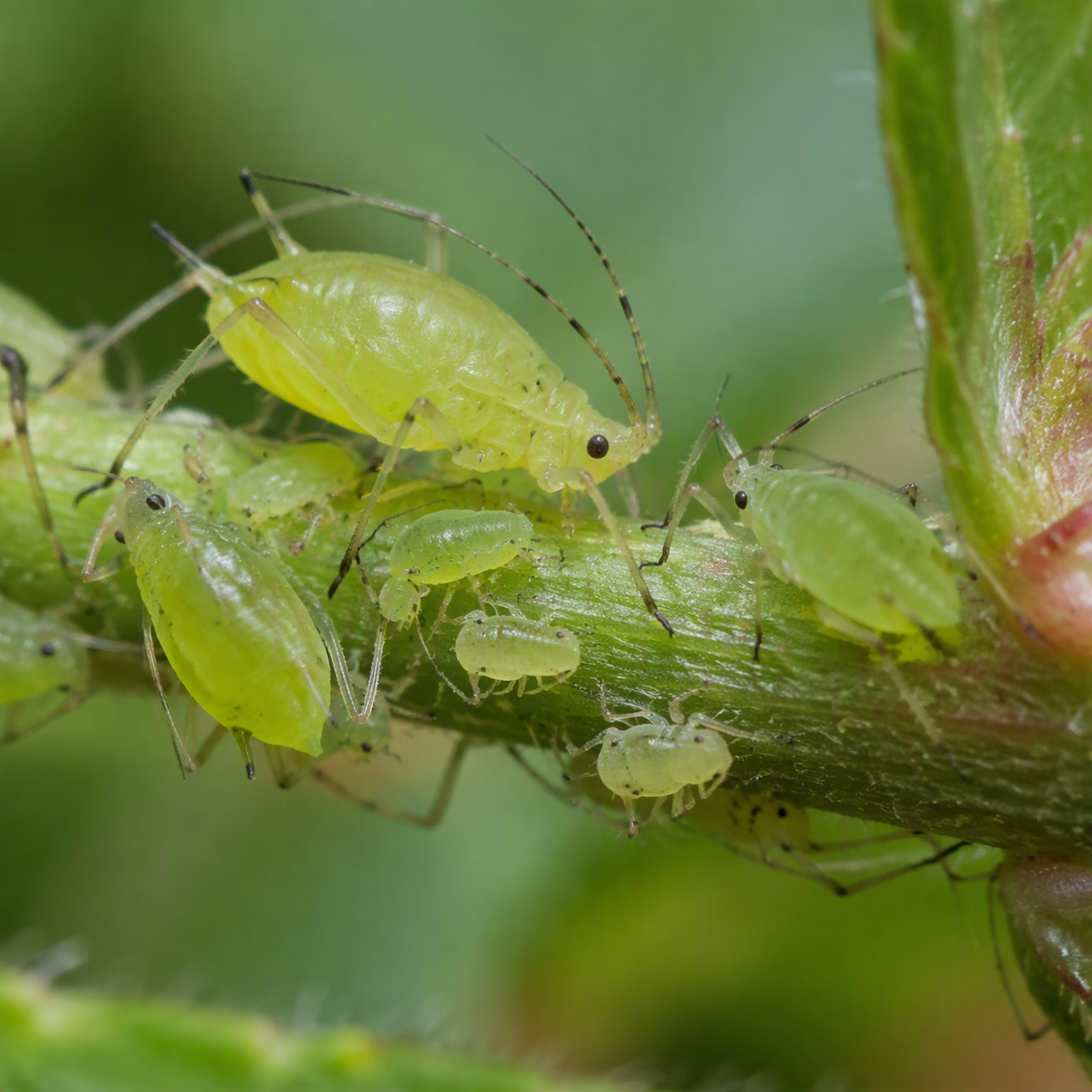
Several pests feed on stems, fruit, and plant tissues.
As damage increases, tomatoes may detach before ripening.
Common offenders include:
- Fruit borers
- Stink bugs
- Hornworms
- Aphids
- Inspect both the fruit and stems carefully.
- Tiny feeding marks may reveal the true cause
Sudden Changes in Growing Conditions
Tomatoes thrive on consistency.
Even healthy plants can drop fruit when conditions change rapidly.
Examples include:
- Abrupt heat waves
- Extended rainy periods
- Sudden drought
- Transplant shock
- Severe pruning
- Plants need time to adapt
- A sudden environmental shift often causes temporary fruit loss.
Could Animals Be the Real Problem?
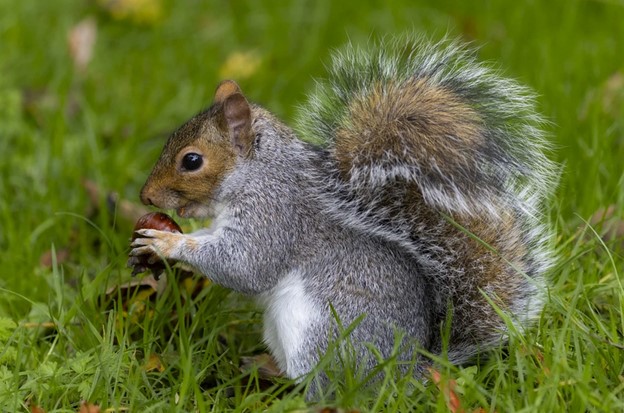
Before blaming the plant, consider your garden visitors.
Squirrels, birds, rats, and even some insects may remove fruit before it ripens.
Sometimes, partially eaten tomatoes fall to the ground, making it appear as though the plant dropped them.
Look for:
- Bite marks
- Peck holes
- Missing fruit
- Damaged stems
- Garden netting or protective cages may solve the mystery.
How to Stop Tomatoes From Falling Off Before Harvest
Follow these simple practices to improve fruit retention:
- Water consistently
- Mulch around plants
- Feed with a balanced tomato fertilizer
- Provide support with stakes or cages
- Monitor for pests and diseases
- Protect plants during extreme weather
- Avoid over-pruning
- Maintain healthy, well-drained soil
Small improvements in plant care can significantly reduce fruit loss.
Wrapping Up
When tomatoes start falling before they ripen, it’s usually a sign of stress rather than a permanent problem. Heat, inconsistent watering, nutrient imbalances, pests, diseases, and sudden environmental changes can all convince a tomato plant to abandon developing fruit.
The good news is that tomato plants are remarkably resilient. Once the underlying issue is corrected, they often bounce back and continue producing healthy fruit for the rest of the season.
So if you find green tomatoes on the ground, don’t give up. Your plant isn’t necessarily failing. It’s simply telling you that something needs attention before it can finish the job of delivering a beautiful harvest of ripe, juicy tomatoes.
Leave a Reply