Have you ever tasted a perfectly ripe Campari tomato? They’re juicy, pleasantly sweet, and just the right size for salads, sandwiches, and quick snacks. I always thought growing these tomatoes at home would be difficult, but once I understood what they needed, the process seemed much more manageable.
The best part? You don’t necessarily need a large garden. With a sunny balcony, a terrace, or a small outdoor space, you can grow Campari tomatoes in containers and enjoy watching them develop from tiny seedlings into fruit-bearing plants.
If you’re planning to grow Campari tomatoes for the first time, let me walk you through the process, from choosing seeds and preparing the soil to watering, feeding, and harvesting your tomatoes.
What Are Campari Tomatoes?
Table of Contents

Campari tomatoes are small-to-medium-sized, round tomatoes known for their juicy texture, deep red colour, and sweet, balanced flavour. They’re often sold on the vine and are larger than many cherry tomatoes but smaller than typical slicing tomatoes.
They’re delicious in fresh salads, sandwiches, pasta, and roasted vegetable dishes. Their sweetness also makes them a good option for anyone who prefers tomatoes with a milder, less sharp flavour.
Campari is a named commercial tomato type, so the seeds you find may differ in availability and growing characteristics. Before buying seeds, check that the variety is suitable for your local climate and growing conditions.
Growing Campari Tomatoes at Home
Here’s a step-by-step growing guide for Campari Tomatoes.
Choose the Right Campari Tomato Seeds
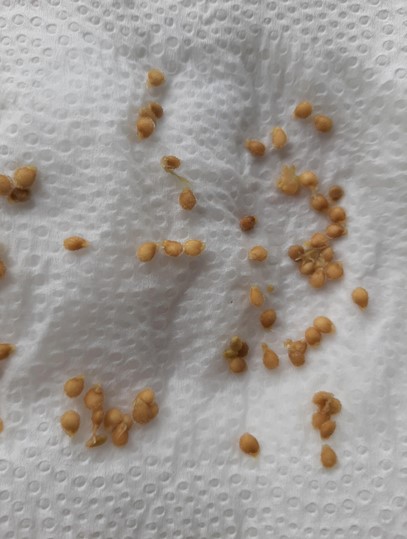
My first step would be finding good-quality seeds from a reputable seed supplier. You may find Campari tomato seeds through specialist gardening suppliers, although availability can vary by region.
Check the seed packet for the expected plant size, days to maturity, growing season, and whether the plant is determinate or indeterminate. This last detail matters because it helps you decide how much space and support the plant will need for proper germination. Many indeterminate tomato plants continue growing and producing fruit throughout the season, while determinate plants tend to have a more compact growth pattern and a more concentrated harvest.
If you’re growing tomatoes on a balcony, check the mature size of the variety before buying it. A suitable compact variety can be easier to manage in a small space.
Start Your Tomato Seeds
Once you have your seeds, it’s time to get them growing.
I would start by filling a seed tray or small pots with a clean, fine-textured seed-starting mix. Avoid using heavy garden soil, which can become compacted and make it harder for delicate seedlings to emerge.
Make small holes about ¼ inch (around 6 mm) deep, place one or two seeds in each hole, and cover them lightly with the mix. Water gently so the seeds have moisture without being washed away.
Keep the growing medium evenly moist, not soggy. Place the tray in a warm spot, following the temperature guidance on the seed packet. Tomato seeds often germinate within about 5–10 days under suitable conditions, although timing can vary.
When the seedlings emerge, move them into a bright location. If several seedlings grow in the same pot, keep the strongest one or carefully separate them once they can be handled safely.
Give Your Seedlings Enough Sunlight
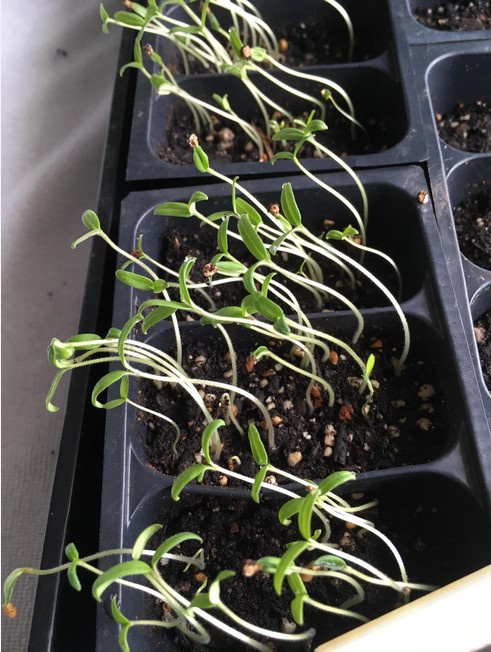
This is where patience becomes important. Tiny seedlings may look delicate at first, but they need plenty of light to develop sturdy stems.
I would place the seedlings near a bright, sunny window or under a suitable grow light. Once they’re growing outdoors, aim for around 6–8 hours of direct sunlight daily, when practical.
If the seedlings receive too little light, they may become tall, thin, and weak as they stretch toward the light source.
When moving indoor seedlings outdoors, don’t expose them to intense sunlight all at once. Gradually introduce them to outdoor conditions over about 7–10 days. This process, known as hardening off, helps them adjust to stronger light, wind, and temperature changes.
Prepare a Pot and Soil for Your Tomato Plant
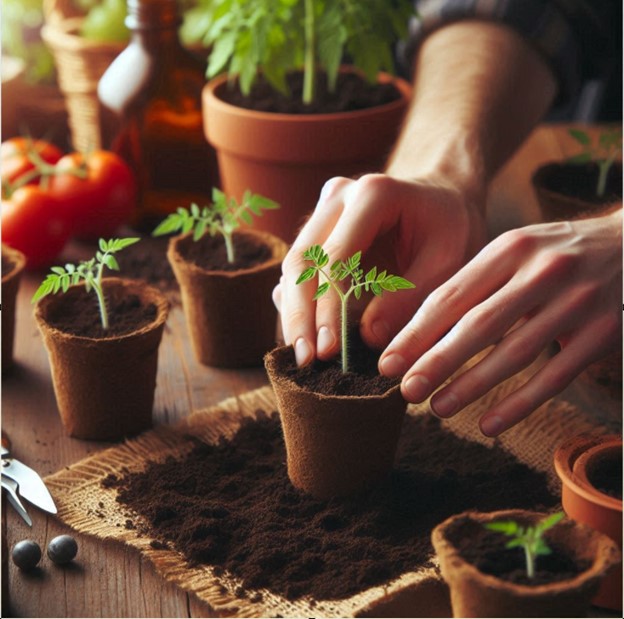
One thing I wouldn’t overlook is the container. Even if you’re growing just one tomato plant, it needs enough room for its roots to spread.
For a full-sized Campari-type tomato plant, a container holding roughly 15–20 gallons (about 55–75 litres) is a reasonable starting point, particularly for vigorous indeterminate plants. A compact variety may need less space, so follow the supplier’s growing recommendations.
Choose a pot with several drainage holes. Without proper drainage, water can collect around the roots and lead to unhealthy growth.
For the growing medium, use a good-quality potting mix that retains moisture while allowing excess water to drain. Mixing in some mature compost can help provide organic matter.
Fill the container, leaving a little space at the top for watering. When the seedlings are ready to transplant, plant them deeply enough to support a strong root system, removing any lower leaves that would otherwise be buried.
Water gently after planting. Put a stake or tomato cage in place early. It’s easier to support a young plant before its stems become large and heavy.
Water Your Campari Tomato Plant Properly
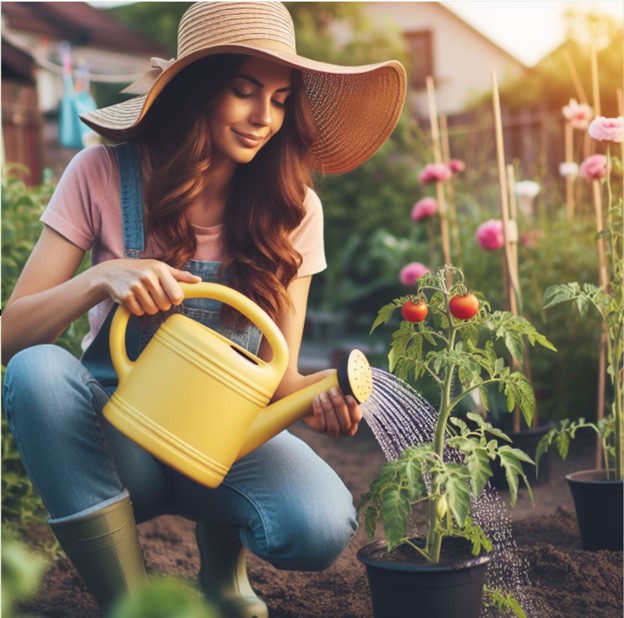
Watering can make a big difference to how well your tomato plant grows. Too little water can leave it wilted and stressed, while constantly soggy soil can damage the roots.
Instead of watering automatically every morning or evening, I would check the soil first. If the upper layer has begun to dry, check a little deeper and water when the root zone needs moisture.
When watering a container-grown plant, apply water slowly until some drains from the bottom. Empty any saucer beneath the pot so the roots aren’t left standing in water. During hot weather, containers may dry out quickly and need more frequent watering. In cooler or rainy conditions, they may need less.
Try to keep soil moisture reasonably consistent, especially when the plant begins flowering and producing fruit. Large fluctuations between very dry and very wet conditions can contribute to problems such as fruit cracking.
Feed Your Plant as It Grows
At first, I would focus on establishing healthy roots and leaves rather than adding lots of fertilizer. Once the plant is established, regular feeding can help support flowering and fruit production.
Use a fertilizer labelled for tomatoes or fruiting vegetables, and follow the recommended application rate. Container-grown plants may need more consistent feeding because nutrients can be washed out during watering.
Avoid using excessive nitrogen. Although it encourages leafy growth, too much can result in a large, leafy plant that produces fewer flowers or fruits than expected.
If the leaves turn yellow or growth slows, don’t assume fertilizer is the answer immediately. Check soil moisture, drainage, sunlight, and possible root problems before changing your feeding routine.
Support the Plant and Watch for Flowers
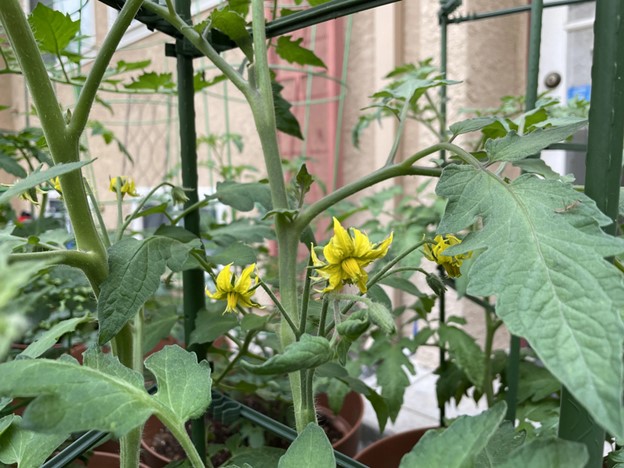
As the plant grows taller, its stems may become heavy with leaves and fruit. A sturdy stake, cage, or trellis can help prevent stems from bending or breaking.
Tie the main stem loosely to the support using soft plant ties. Leave enough room for the stem to thicken as the plant grows.
When flowers appear, keep an eye on watering and temperature. Tomatoes generally self-pollinate, but very high temperatures can interfere with fruit set.
If you’re growing tomatoes on a sheltered balcony, gently shaking the flower clusters or tapping the support can sometimes help release pollen. Avoid shaking the plant aggressively.
Don’t worry if the plant doesn’t produce fruit immediately after its first flowers appear. Flowering and fruit development depend on the variety, plant maturity, temperature, and overall growing conditions.
Help Your Tomatoes Develop and Ripen
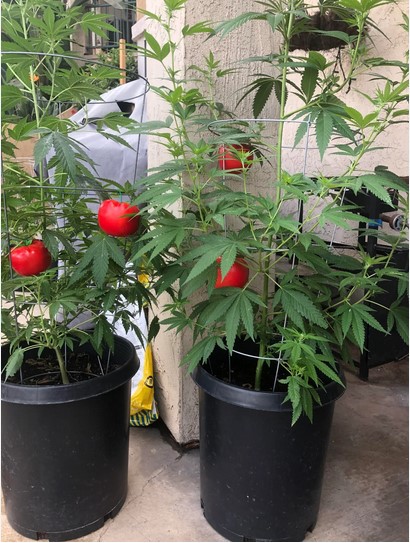
After successful pollination, small green tomatoes begin to form. Over time, they increase in size and gradually change colour as they ripen.
This is the stage when consistent care really matters. Continue watering according to soil moisture, maintain suitable feeding, and ensure the plant receives enough sunlight.
Avoid removing too many healthy leaves. They help the plant produce the energy it needs to develop fruit.
Check the plant regularly for aphids, whiteflies, spider mites, leaf spots, and other signs of trouble. Early detection makes it easier to address many common garden problems.
As the fruit begins to ripen, avoid letting the soil swing between extremely dry and very wet conditions. Consistent care helps reduce stress and supports healthy fruit development.
Wrapping Up
Growing Campari tomatoes at home can be a rewarding experience, whether you’re using a sunny terrace, a balcony, or a garden bed. Start with suitable seeds, provide enough sunlight, choose a well-draining growing medium, and keep watering and feeding consistent.
You may encounter a few challenges along the way, but careful observation can help you spot problems early. With time and the right growing conditions, you can enjoy the experience of harvesting your own juicy tomatoes and using them in your favourite meals.
Leave a Reply