You cut open a fresh tomato expecting juicy flesh, but instead, you find large empty spaces inside. The tomato may look perfectly red and healthy on the outside, yet its center is hollow, with fewer seeds, loose seed pockets, or gaps between the inner walls.
So, why are tomatoes hollow inside? Hollow tomatoes usually develop when the fruit’s internal tissues do not grow or fill out properly. This can happen because of irregular pollination, temperature fluctuations, inconsistent watering, nutritional imbalances, or the natural characteristics of certain tomato varieties. In some cases, the fruit may still be perfectly safe to eat, even though its texture and appearance are disappointing.
Let’s explore the main reasons tomatoes become hollow inside, how to identify the cause, and what you can do to prevent the problem in your garden.
What Does It Mean When a Tomato Is Hollow Inside?
Table of Contents
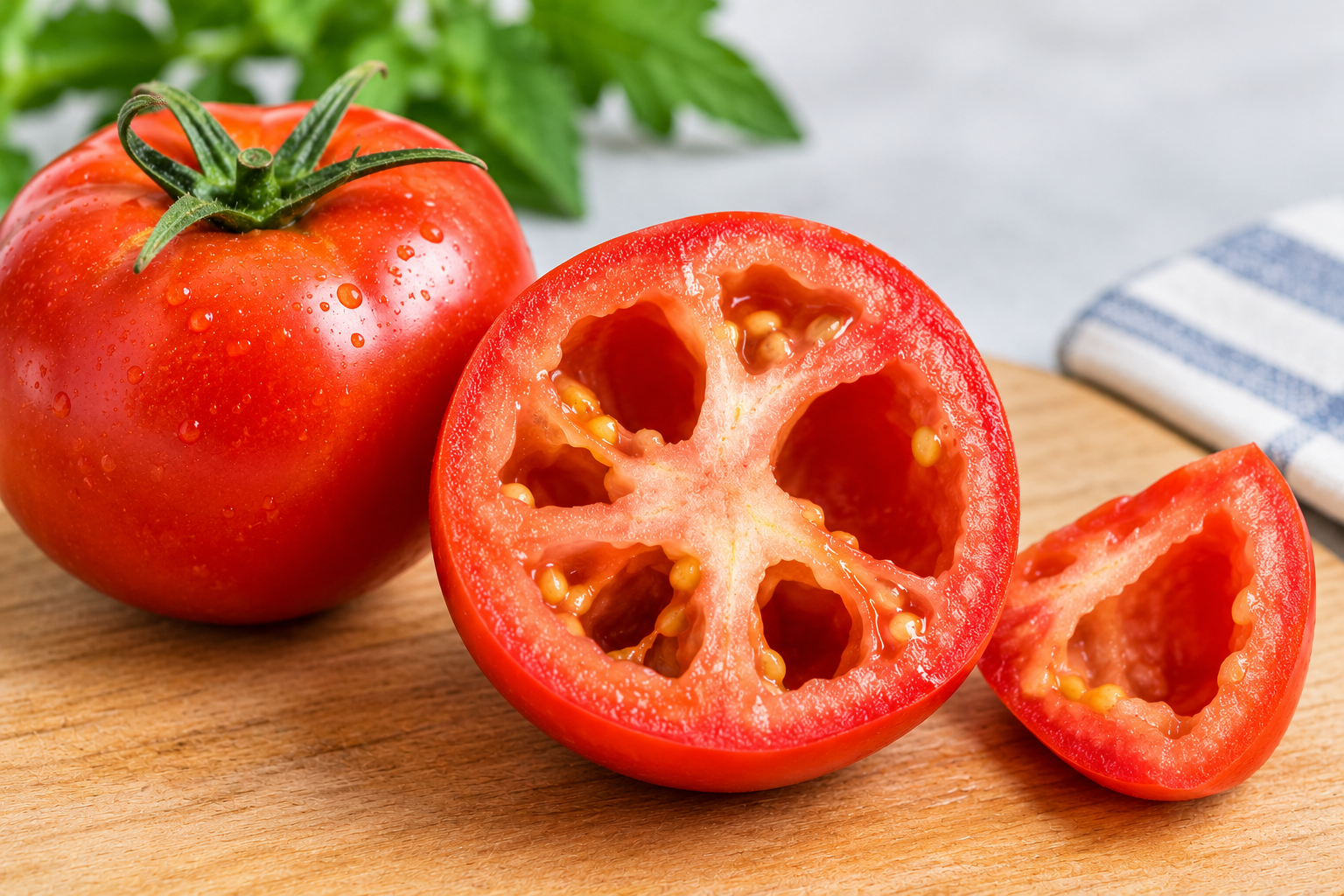
A hollow tomato has empty spaces inside the fruit where you would normally expect to find well-developed seed cavities filled with jelly-like material and seeds. The gaps may appear between the inner walls, around the seed chambers, or near the center of the tomato.
This condition is often called hollow heart or hollow fruit. However, these terms can describe slightly different internal abnormalities.
In a typical tomato, the fruit develops several chambers containing seeds and gel, surrounded by fleshy walls. When development is disrupted, the chambers may not fill normally, or the internal tissues may fail to connect properly. As a result, the tomato develops visible gaps.
Reasons Why Tomatoes Are Hollow Inside
Poor Pollination and Fertilization

One of the main reasons tomatoes develop hollow spaces is incomplete pollination or fertilization.
Tomato flowers contain both male and female reproductive parts. Pollen must reach the stigma and fertilize the ovules for normal seed and fruit development. Although tomatoes are self-pollinating, successful pollination depends on suitable environmental conditions and the movement of pollen within the flower.
When pollination is incomplete, some parts of the developing fruit may receive insufficient signals for normal growth. This can lead to irregularly developed seed chambers, fewer seeds, or gaps inside the tomato.
To prevent it, maintain suitable growing temperatures, encourage pollinator activity where appropriate, and gently shake flowering tomato plants or use an electric toothbrush near flower stems to help release pollen. Avoid disturbing the flowers excessively.
Remember that poor pollination does not always produce hollow tomatoes. It can also cause flowers to drop or fruit to develop with fewer seeds.
Also Read: How to hand pollinate tomatoes
Extreme Temperatures During Fruit Development
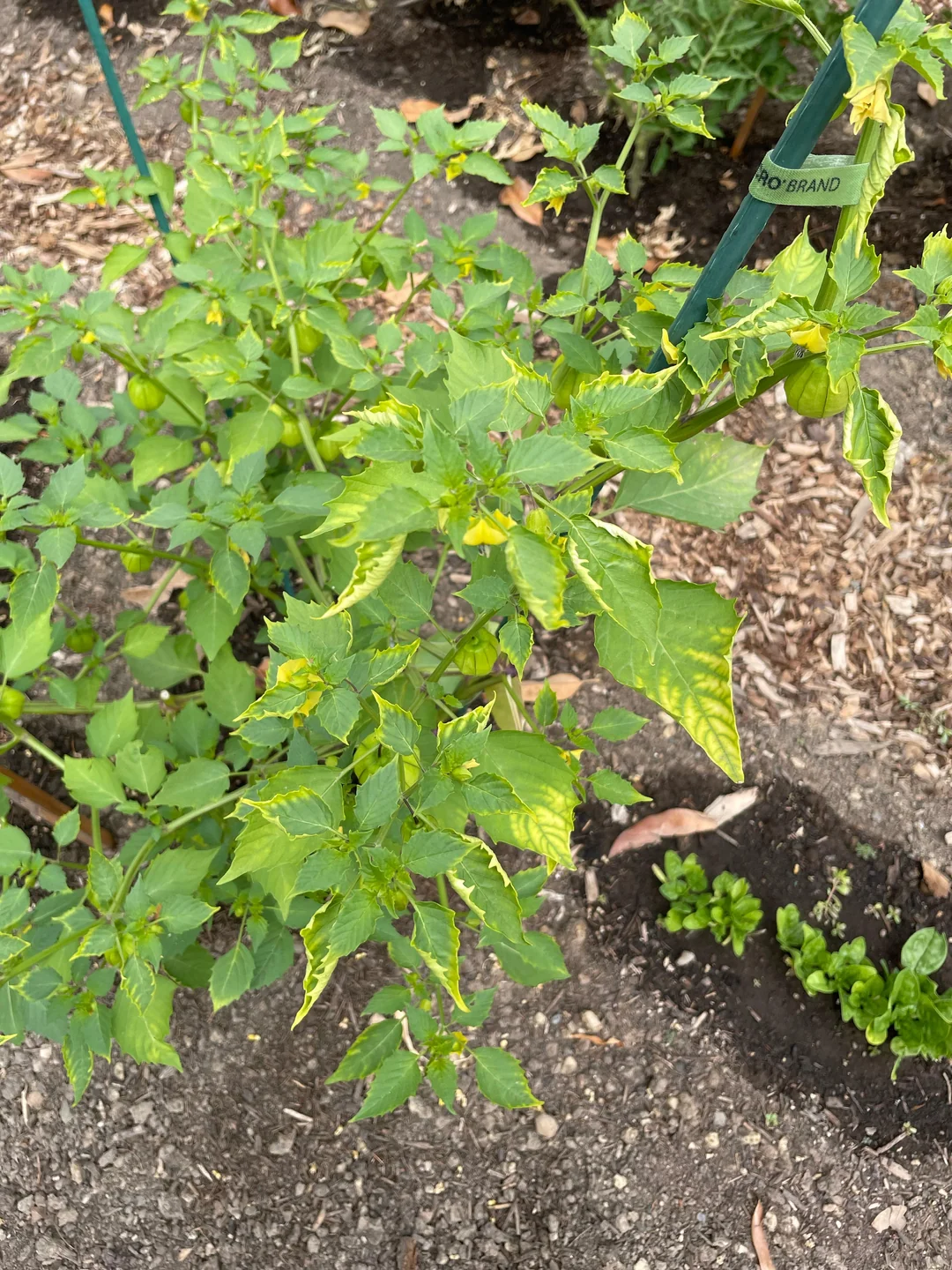
Tomatoes are sensitive to temperature fluctuations, particularly during flowering and early fruit development.
Very hot weather can reduce pollen viability and interfere with fertilization. Cold temperatures can also slow pollen development, fertilization, and fruit growth. When the reproductive process is disrupted, the fruit may not develop uniformly.
Temperature stress can also affect the balance between cell division and cell expansion. If different parts of the fruit grow at different rates, internal gaps may form.
You may notice this problem during a heatwave, after an unexpected cold spell, or when daytime temperatures are high but nights remain unusually cool.
How to prevent it:
- Grow tomato varieties suited to your local climate.
- During hot weather, use shade cloth during the hottest part of the day if plants are under severe heat stress.
- Keep the root zone evenly moist to reduce additional heat stress.
- In cooler climates, wait until temperatures are suitable before transplanting outdoors.
- Avoid placing containers against heat-reflecting walls or on surfaces that become excessively hot.
Temperature-related hollow fruit is more likely when stress occurs around flowering and early fruit development, rather than only when the tomato is ripening.
Irregular Watering

Tomato plants need a consistent supply of water to support healthy growth. When the soil alternates between very dry and excessively wet conditions, the plant experiences water stress.
Irregular watering can disrupt nutrient uptake and the normal development of the fruit. It may also contribute to uneven growth, cracking, and other fruit-quality problems.
For example, a tomato plant growing in dry soil may slow its growth. If the soil suddenly becomes saturated after heavy rain or excessive watering, the fruit may resume growing rapidly. Such fluctuations can place stress on developing fruit tissues.
However, inconsistent watering is not a proven direct cause of every hollow tomato. Its effect depends on the plant’s overall growing conditions and the developmental stage of the fruit.
How to prevent it:
- Water deeply enough to moisten the root zone.
- Check the soil before watering rather than following a rigid schedule.
- Use mulch to reduce evaporation and maintain more stable soil moisture.
- Make sure containers have adequate drainage.
- Avoid allowing the soil to dry out completely before watering heavily.
The goal is to keep the soil consistently moist without leaving the roots waterlogged.
Excess Nitrogen Fertilizer
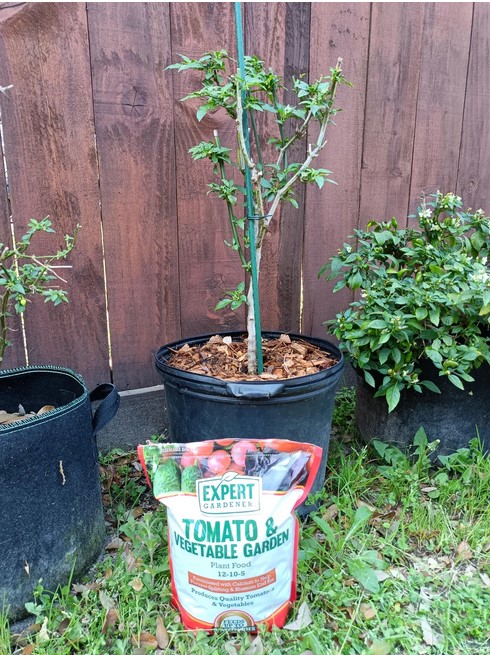
Nitrogen is essential for healthy tomato growth, but too much nitrogen can encourage excessive foliage at the expense of balanced flowering and fruit development.
When a plant receives more nitrogen than it needs, it may produce lush green leaves and vigorous stems. If the fertilizer program is poorly balanced, the plant may also experience deficiencies or imbalances involving other nutrients required for normal fruit development. This can indirectly affect fruit quality, although excess nitrogen alone should not be assumed to be the cause of hollow tomatoes.
How to prevent it:
- Test the soil before applying large amounts of fertilizer.
- Use a fertilizer formulated for tomatoes or fruiting vegetables.
- Follow the recommended application rate on the product label.
- Avoid repeatedly applying high-nitrogen lawn fertilizer to tomato beds.
- Do not add fertilizer simply because a fruit looks abnormal.
A healthy tomato plant needs balanced nutrition, not the maximum possible amount of fertilizer.
Nutrient Imbalances
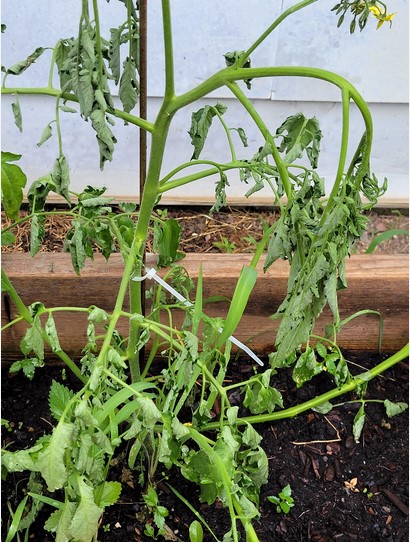
Tomato plants require several nutrients for normal growth, flowering, and fruit development. Potassium supports many processes involved in plant growth and fruit quality, while calcium contributes to cell-wall structure and tissue integrity.
If nutrient availability is poor, fruit development may be affected. However, hollow tomatoes do not point to one specific nutrient deficiency, and adding fertilizer without identifying the problem may make the soil imbalance worse.
Calcium deficiency, for example, is more characteristically associated with blossom-end rot, which causes a dark, sunken, leathery patch at the blossom end of the fruit. It should not automatically be blamed for an empty center.
Nutrient uptake can also be affected by soil pH, damaged roots, waterlogged soil, or inconsistent moisture.
How to prevent it:
- Test the soil pH and nutrient levels when the problem repeatedly occurs.
- Use compost or a balanced fertilizer according to your soil’s needs.
- Maintain consistent soil moisture to support nutrient uptake.
- Avoid adding calcium, potassium, or other supplements without evidence that they are needed.
- Ensure that the soil drains properly and the roots remain healthy.
If hollow fruit appears alongside other symptoms, such as yellowing leaves, poor growth, or blossom-end rot, inspect the entire plant rather than focusing only on the fruit.
Incomplete Development of the Fruit’s Internal Tissues
A tomato develops through several coordinated processes involving fertilization, cell division, and expansion of the fruit’s tissues. The outer wall and internal chambers must develop in a coordinated manner for the fruit to have its normal structure.
Sometimes, the outer portion of the tomato grows while the internal tissues fail to fill the available space properly. This can leave cavities between the chambers or inside the fruit.
Such developmental abnormalities may be associated with environmental stress, pollination problems, or the genetic characteristics of the plant. The precise cause is not always identifiable from the appearance of a single tomato.
How to prevent it:
- Because several factors can contribute to this problem, focus on the overall growing environment:
- Choose varieties suited to your climate.
- Maintain even soil moisture.
- Provide balanced nutrition.
- Reduce severe temperature stress where possible.
- Monitor flowering and early fruit development.
If the same problem occurs repeatedly under otherwise good growing conditions, compare different varieties to determine whether the issue is variety-specific.
Are Hollow Tomatoes Safe to Eat?
In most cases, a tomato that is hollow inside is safe to eat if it is otherwise fresh, firm, and free from signs of decay.
Hollowness alone does not mean that the tomato is rotten or infected. It is often a developmental issue that affects the fruit’s internal structure rather than its safety.
Before eating a hollow tomato, check for:
- Unusual or unpleasant smells.
- Fuzzy mold or visible fungal growth.
- Slimy or mushy tissue.
- Extensive discoloration or signs of decay.
- Leaking liquid accompanied by soft, deteriorating flesh.
If the tomato has any of these warning signs, discard it. When in doubt, do not eat it. If the fruit is otherwise sound, you can cut away any damaged portions and use the remaining flesh. Hollow tomatoes may be less juicy, but they can still work well in sauces, soups, curries, and cooked dishes.
Wrapping Up
Tomatoes become hollow inside when their internal tissues and seed chambers do not develop normally.
The best approach is to look at the pattern. With suitable varieties, balanced nutrition, consistent watering, and good growing conditions, you can support healthier tomato development and enjoy a better-quality harvest.
Leave a Reply