By the time I finally turned my attention to the garden, June had already arrived. Most guides insisted the “ideal window” for planting tomatoes had closed, but I wasn’t ready to surrender.
I believed that as long as the soil held its warmth and the frost was behind me, there was still a chance. Planting late might be risky, yes—but late doesn’t mean impossible. Here’s how I approached it.
Why I Ended Up Planting Late
Table of Contents
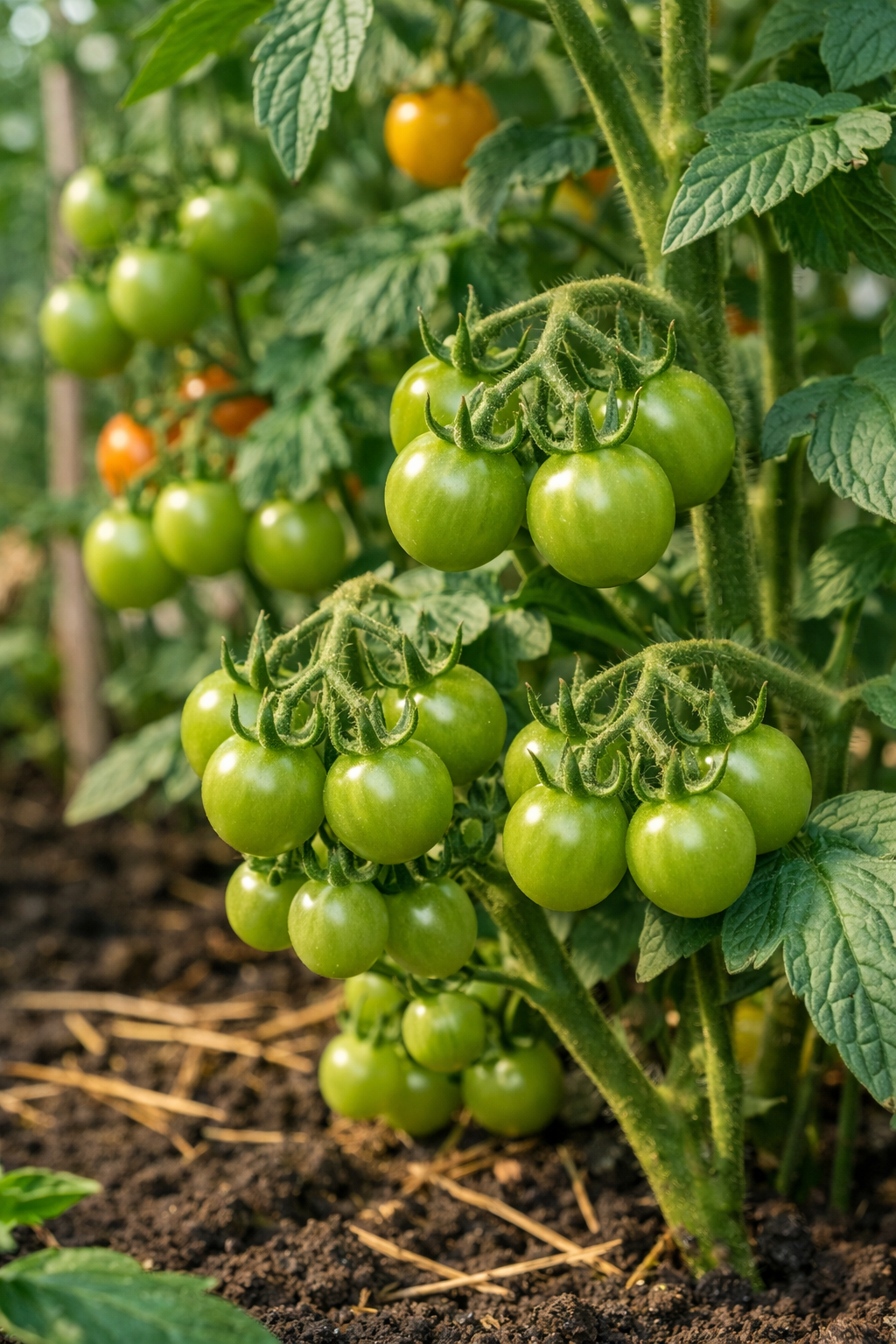
It wasn’t just one reason—it was a combination of life, weather, and curiosity.
Weather Delays – Spring was unusually stubborn. Cold nights lingered, and heavy rains left the soil soggy. I didn’t want to risk planting into mud that would suffocate the roots.
Overgrown Seedlings – Indoors, my seedlings stretched taller than expected. I kept waiting for the “perfect day,” and before I knew it, they were leggy and restless.
Life Interruptions – Work deadlines piled up, family commitments stretched my weekends thin, and gardening kept slipping down the list. By the time I looked up, the seedlings were practically begging to be planted.
Curiosity and Experimentation – A part of me wanted to test the limits. Could tomatoes planted late still thrive if I gave them every advantage? Could I bend the rules of the season with careful methods?
I believed summer’s long days and warm soil might help the plants catch up quickly, even if I was behind schedule.
What I Did, Step by Step
Here’s the entire journey of my late tomato planting—and how, despite the odds, it led to a surprisingly good yield.
Preparing the Soil
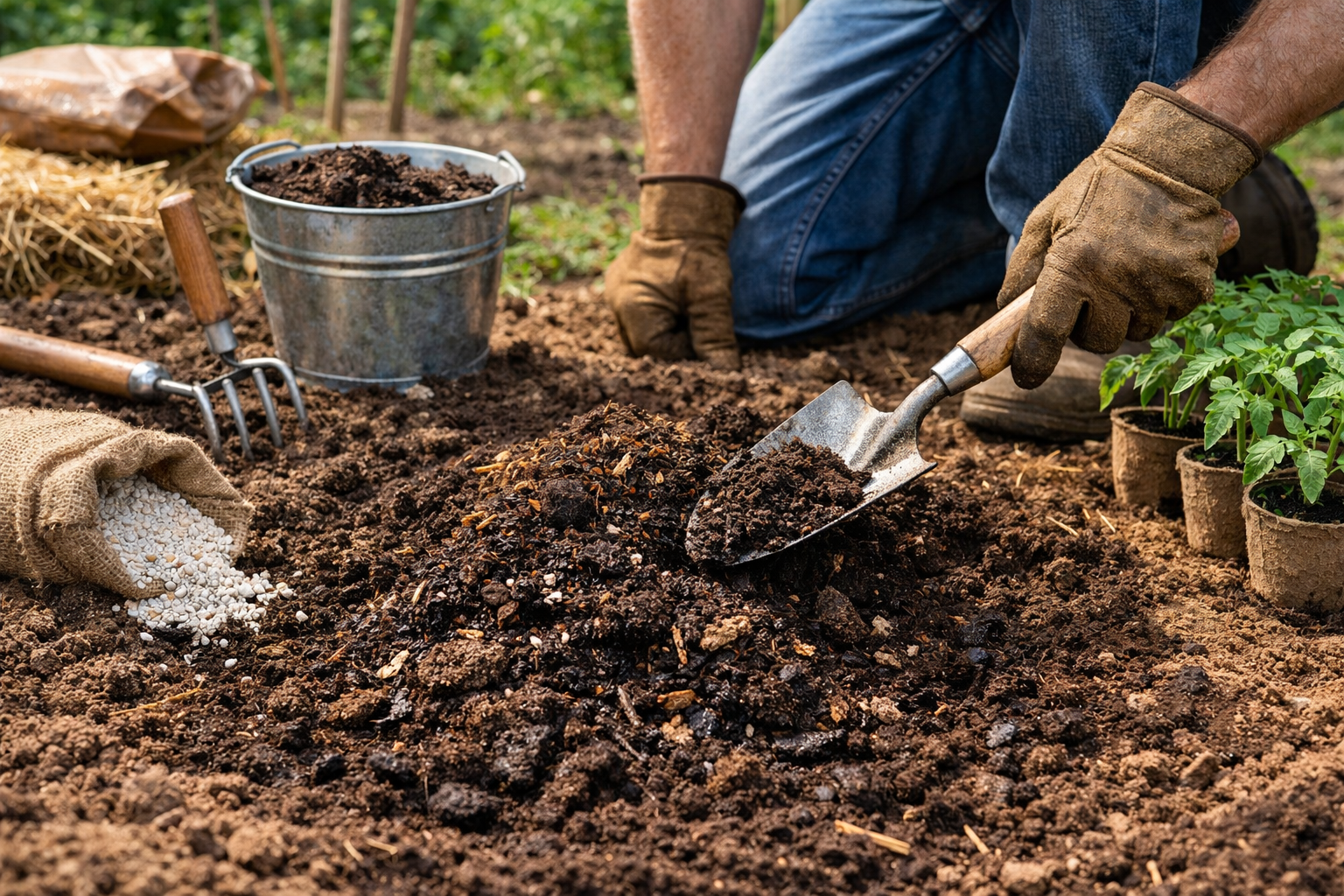
I knew late planting meant the plants needed instant access to nutrients. Here are the efforts I gave:
- Dug deep into the garden bed, breaking up clumps.
- Mixed in compost and aged manure for richness.
- Checked soil temperature with a thermometer—it was comfortably warm.
- Smoothed the surface to make planting easier.
Sideways Planting for Stronger Roots
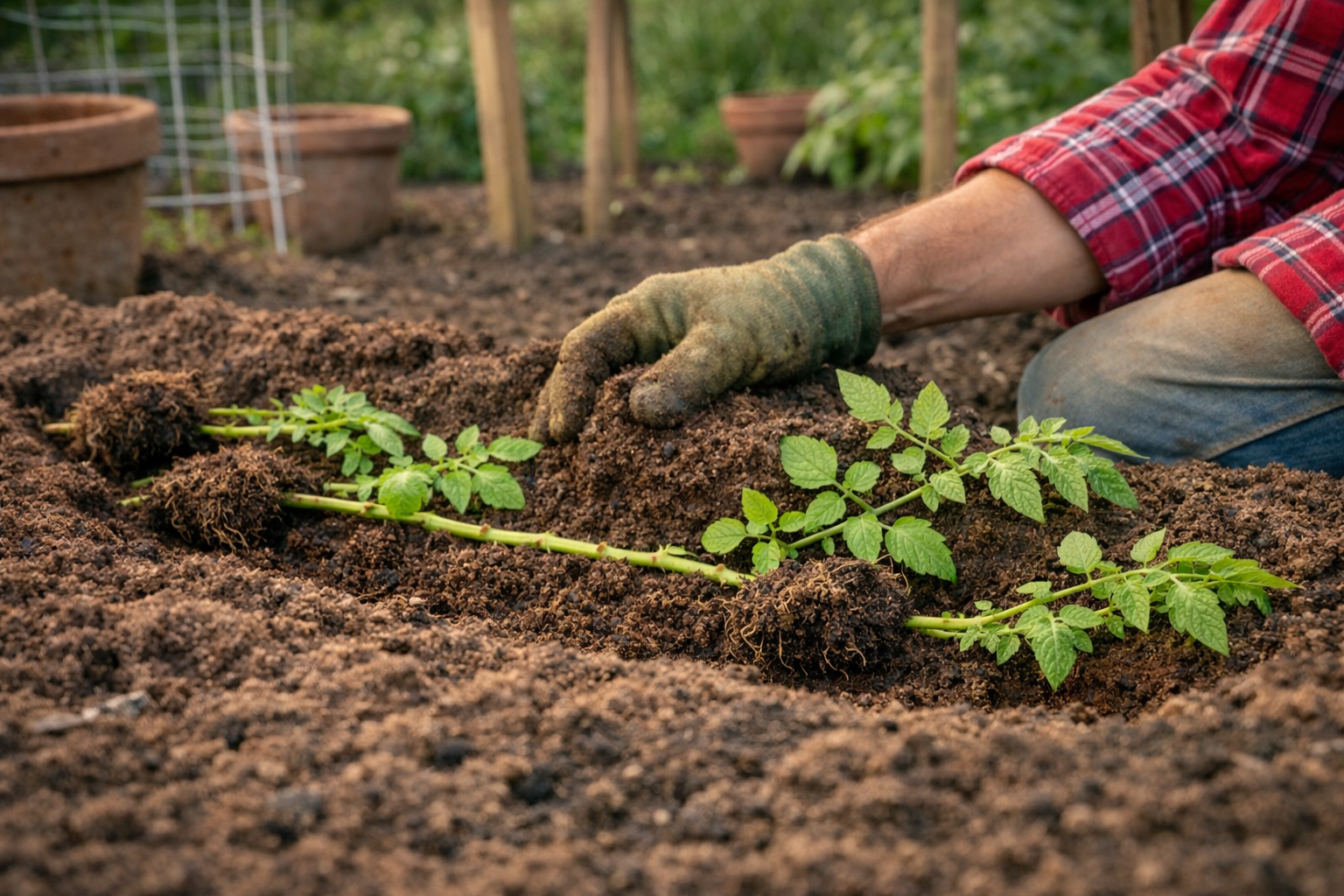
My seedlings were tall and leggy, so I gave them a second chance. I did this:
- Dug trenches instead of holes.
- Laid plants and seedlings sideways, burying most of the stem.
- Left only the top leaves above ground.
This method encouraged roots to sprout along the buried stem, creating a stronger foundation.
Deep Watering and Mulching

Water and mulch became my shield against summer stress. Here’s what I did:
- Watered deeply right after planting to settle the soil.
- Continued watering at the base, avoiding wet leaves.
- Spread a thick blanket of mulch—straw and shredded leaves.
- Mulch locked in moisture, kept soil cool, and reduced weeds.
Feeding the Plants
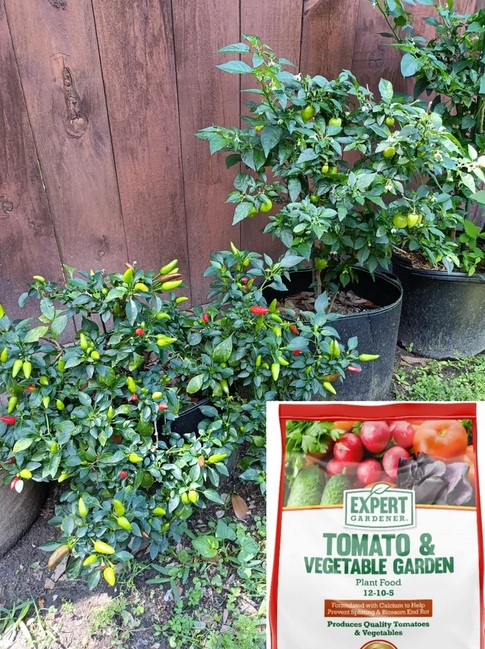
Late tomatoes couldn’t waste time—they needed fuel. So, I fed the plants this way:
- Applied balanced fertilizer rich in phosphorus and potassium.
- Kept nitrogen moderate to avoid excessive leafy growth.
- Fed the plants regularly but lightly, to avoid shocking them.
- Treated each feeding like fueling a runner mid-race.
Pruning and Training
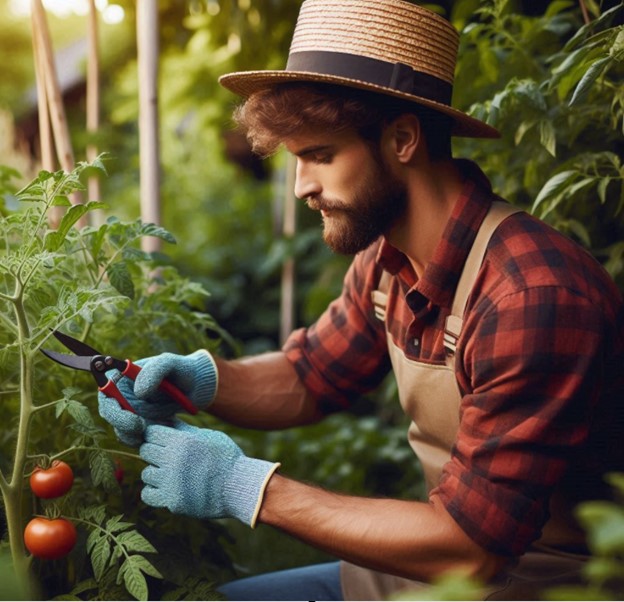
I directed every ounce of energy toward fruiting. Pruning was not easy. You can follow these steps for pruning and trining of the tomato plants:
- Removed suckers – small shoots between stem and branches.
- Trimmed lower leaves to improve airflow.
- Tied stems to stakes for support.
- Ensured sunlight reached every leaf and blossom.
Watching the Race Against Time
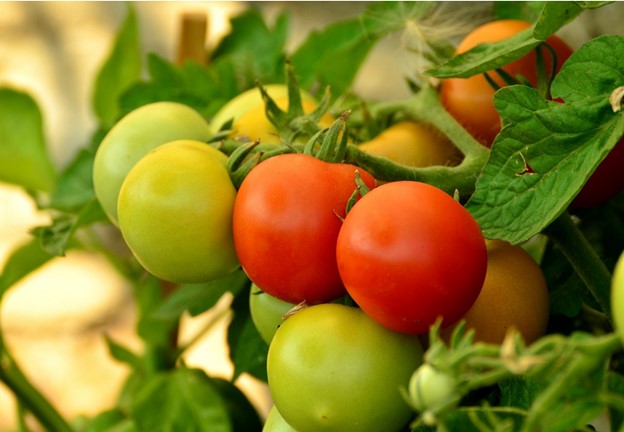
Every day felt like a countdown. So, I:
- Walked through the garden each evening, checking blossoms.
- Counted green tomatoes like milestones.
- Adjusted watering depending on heat.
- Whispered encouragement, knowing autumn’s chill was waiting.
- Cheered the plants on like athletes sprinting toward maturity.
Wrapping Up
Planting tomatoes late wasn’t just gardening—it was a gamble. The causes were weather, life, curiosity, and optimism, but the methods were deliberate – trench planting, deep watering, mulching, pruning, and careful feeding. The harvest was smaller than a spring planting, but each tomato carried the taste of resilience.
Late planting taught me that gardening isn’t about perfection—it’s about persistence. Even when the season feels against you, with care and determination, tomatoes can still surprise you. They may not arrive in abundance, but when they do ripen, they taste sweeter for the struggle.
Leave a Reply