Once a tomato is sliced open, its freshness begins to slowly fade. A cut tomato will usually stay good in the refrigerator for about 3 to 5 days if stored properly in an airtight container. During the first day, it remains juicy, firm, and full of flavor, but over time, the flesh softens, moisture collects, and signs of spoilage begin to appear.
Freezing tomatoes can slow the aging process, but it cannot completely stop exposure to air, moisture loss, and bacteria. By the fourth or fifth day, sour smells, sliminess, or mold often signal that the tomato should no longer be eaten.
Still, with proper storage and a little care, those bright red slices can stay fresh long enough to become part of sandwiches, salads, sauces, soups, and comforting home-cooked meals. Here’s the full story of how a cut tomato changes day by day inside the fridge.
Day One — Still Alive With Freshness
Table of Contents
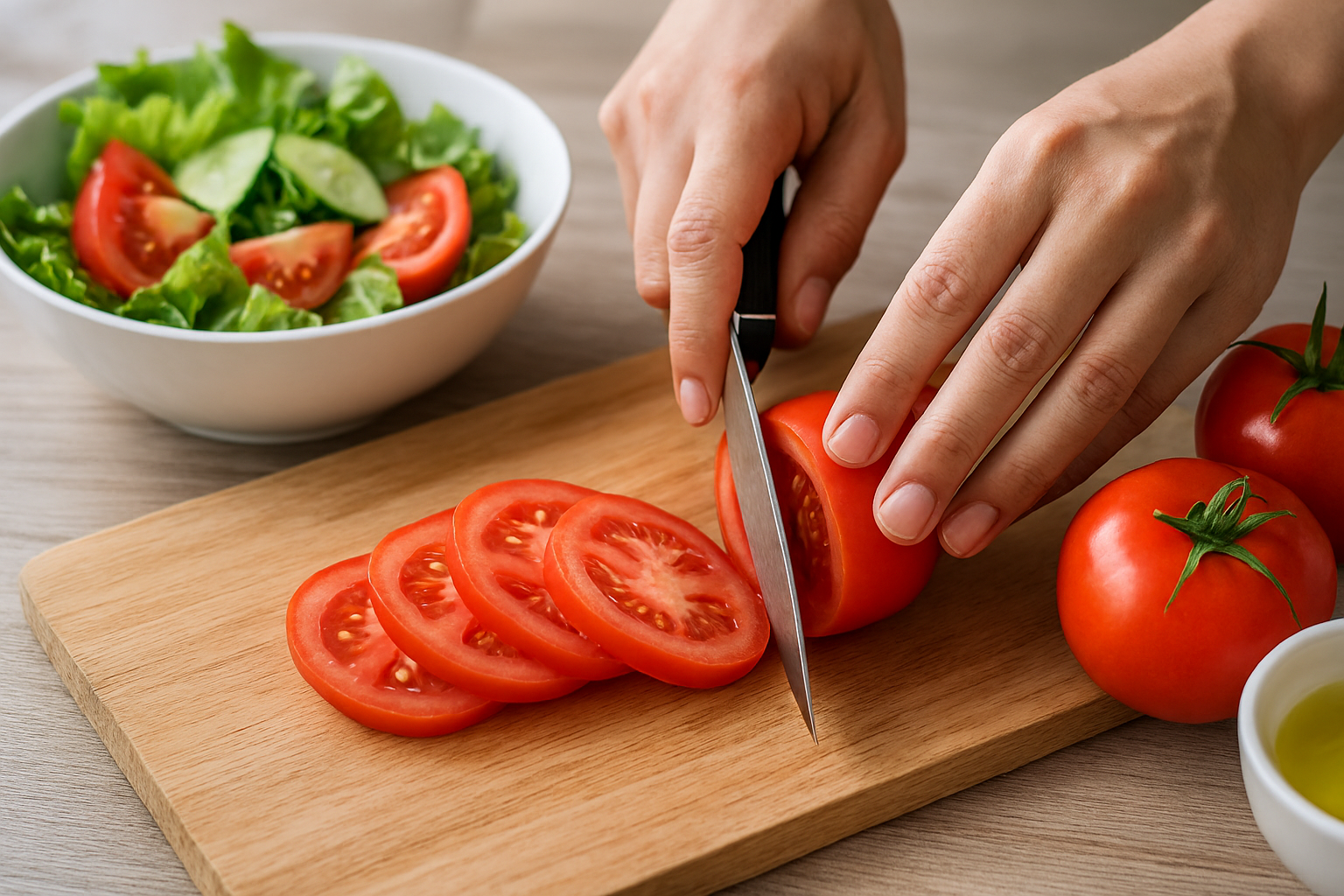
The next morning, I opened the refrigerator and found the tomato resting quietly inside its container. It still looked beautiful — bright red, glossy, and full of life. Tiny droplets of moisture clung to the sides like morning dew.
I layered the slices onto warm toast, added salt and cracked black pepper, and took a bite. It tasted almost untouched by time.
The flesh remained firm yet tender, carrying that perfect balance of sweetness and gentle acidity. For a moment, it felt as though the knife had only just passed through it.
The first day is always hopeful.
A freshly cut tomato still brings life to sandwiches, brightness to salads, and warmth to simple meals. Properly chilled, it clings tightly to its original flavor and texture.
As I closed the refrigerator that night, I remember thinking it still had a few good days left.
- Day-one tomatoes remain juicy and flavorful.
- Texture stays firm and pleasant.
- Best for salads and sandwiches.
- Refrigeration helps preserve freshness.
Days Two and Three — Quiet Changes
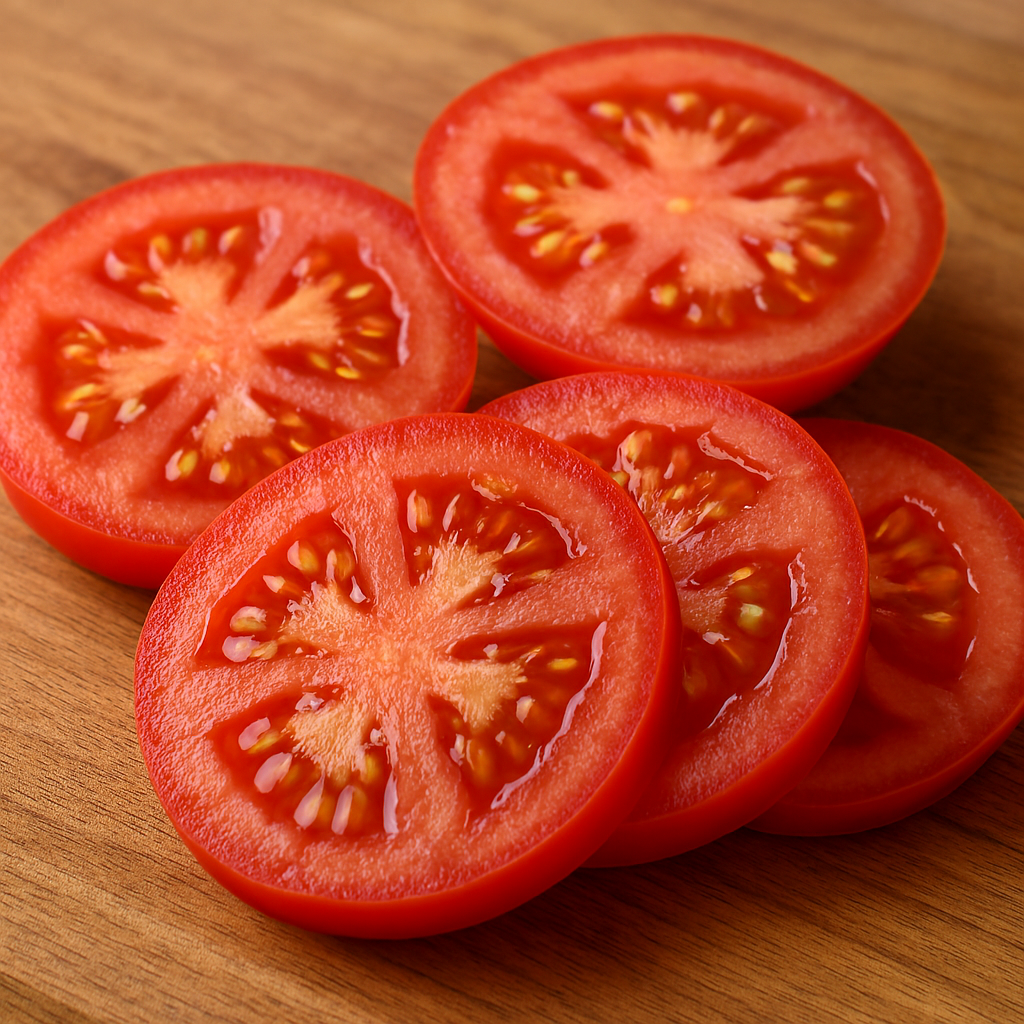
By the second day, the changes became subtle but undeniable.
A thin layer of watery juice had gathered at the bottom of the container. The slices looked softer now, their edges no longer sharp and proud.
Still, they were good enough for lunch.
I tucked them into a grilled sandwich where the heat melted them gently into bread and cheese. In warmth, their softness no longer mattered. If anything, the flavor seemed deeper and richer.
But by the third day, the tomato looked tired.
The once-vibrant shine had faded. The flesh bent easily between my fingers, fragile and weary. It felt as though the tomato was quietly struggling to hold onto what remained of its freshness.
That evening, I rescued the last pieces by tossing them into a hot pan with garlic and onions. Slowly they dissolved into a quick pasta sauce, giving one final burst of flavor before disappearing completely.
- Texture softens after the first day.
- Watery liquid often appears in storage containers.
- Still excellent for cooked dishes.
- Flavor remains pleasant even as freshness fades.
- Day three is usually the final good stage.
Days Four and Five — The Farewell
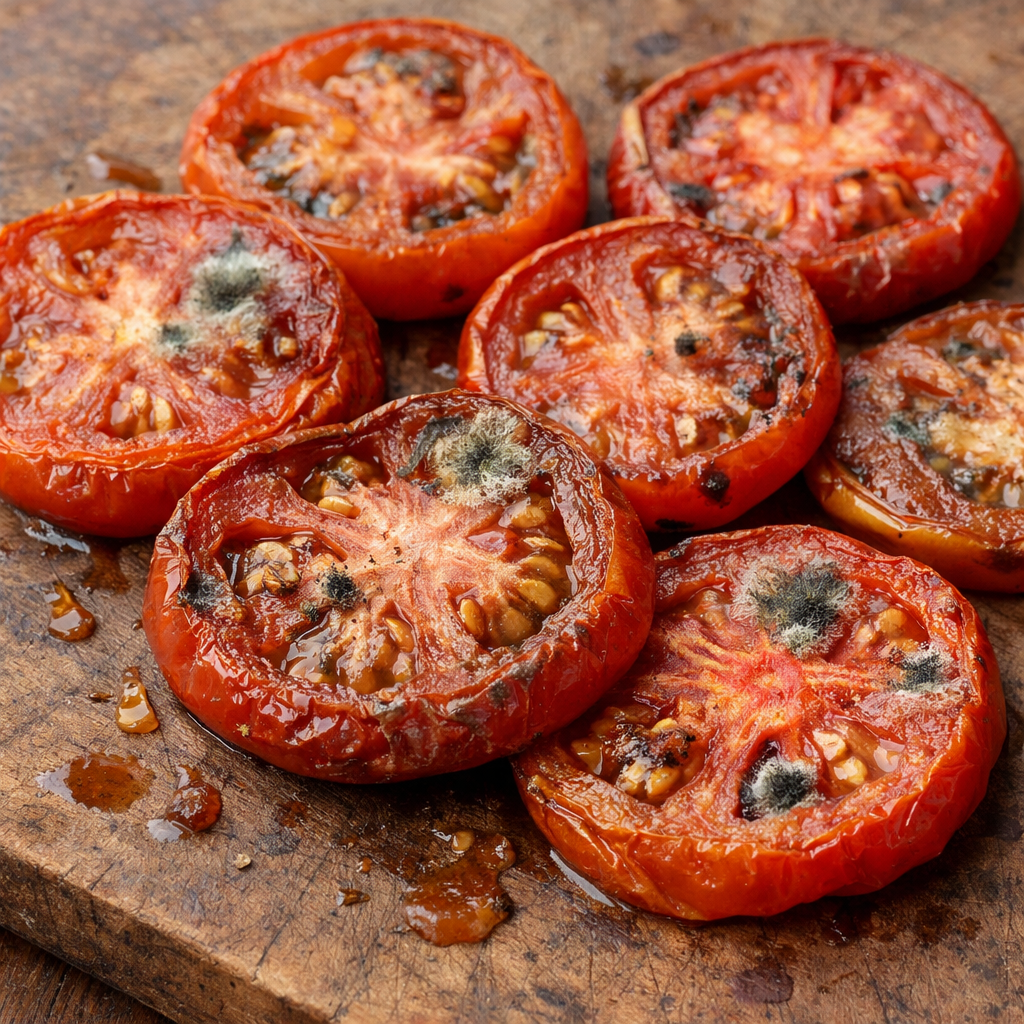
By the fourth day, I already knew what waited inside the refrigerator.
The sweet scent was gone.
In its place lingered a sour, unpleasant smell. The surface had turned slippery, and the flesh looked collapsed and weak. Dark spots spread slowly near the cut edges where the knife had entered days earlier.
I paused for a moment, remembering how vibrant the tomato once looked beneath the kitchen light.
Now it seemed fragile and defeated, surrendering quietly to decay.
By the fifth day, there was no uncertainty left. Tiny patches of mold had begun forming near the skin.
Its journey was over.
I threw it away softly, carrying that familiar feeling of guilt that comes with wasting food. A cut tomato spoils quickly, and once freshness fades, there is no reversing it.
It reminded me how temporary freshness truly is.
- Sliminess is a major warning sign.
- Sour smells suggest bacterial growth.
- Mold and dark spots mean it should be discarded.
- Most cut tomatoes spoil within 4–5 days.
My Grandmother’s Airtight Secret
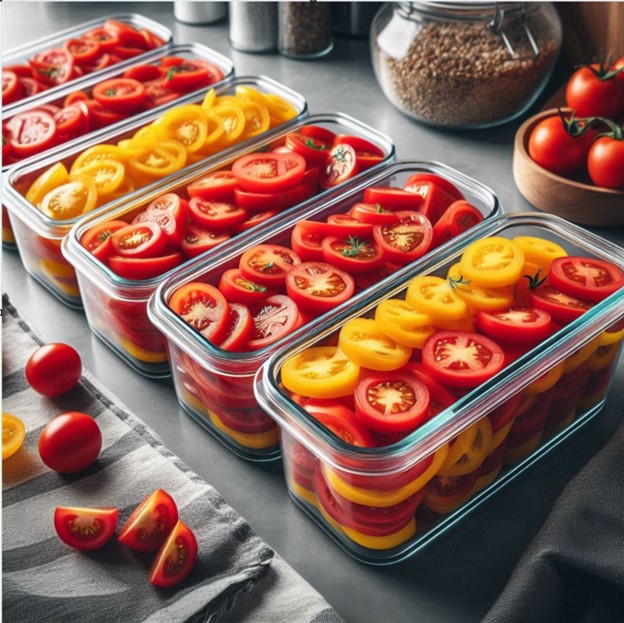
For years, I wasted tomatoes simply because I stored them carelessly.
One evening, my grandmother watched me place uncovered slices into the refrigerator. Without saying much, she handed me a small glass container with a lid.
“Air dries them out,” she said gently. “Seal them properly.”
From that day on, I stored cut tomatoes differently — always in airtight containers, always cut side down.
The difference was immediate. The slices stayed juicier, fresher, and firmer for much longer. They lost less moisture and held onto their flavor for extra days.
Now, every time I close the lid on a container of tomato slices, it feels strangely protective — as though I am shielding something delicate from the harsh cold air of the refrigerator.
Sometimes the smallest habits change everything.
- Airtight containers slow spoilage.
- Storing cut-side down helps retain moisture.
- Glass containers work especially well.
- Uncovered tomatoes dry out faster.
The Tomato’s Second Life
Sometimes life becomes busy, and even careful planning cannot save every tomato from aging.
That is when I turn to the freezer.
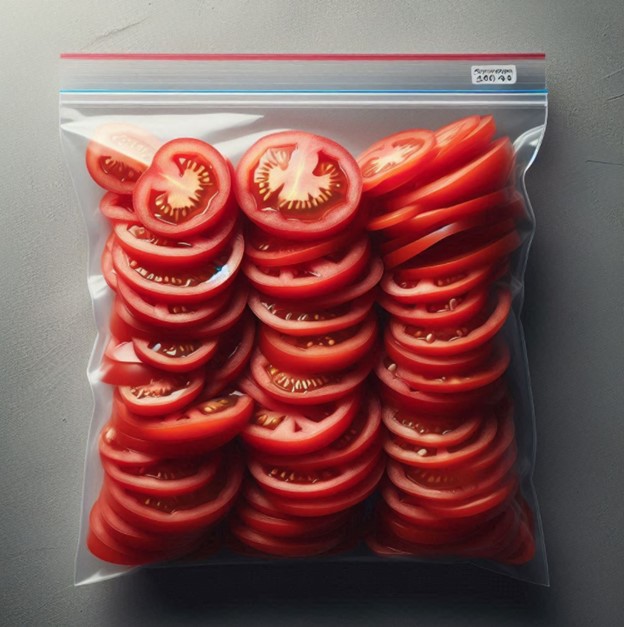
I place leftover slices into freezer bags, knowing they will never return to their crisp salad days. Freezing changes them completely. Once thawed, they become soft, watery, and fragile.
But that is not the end of their story.
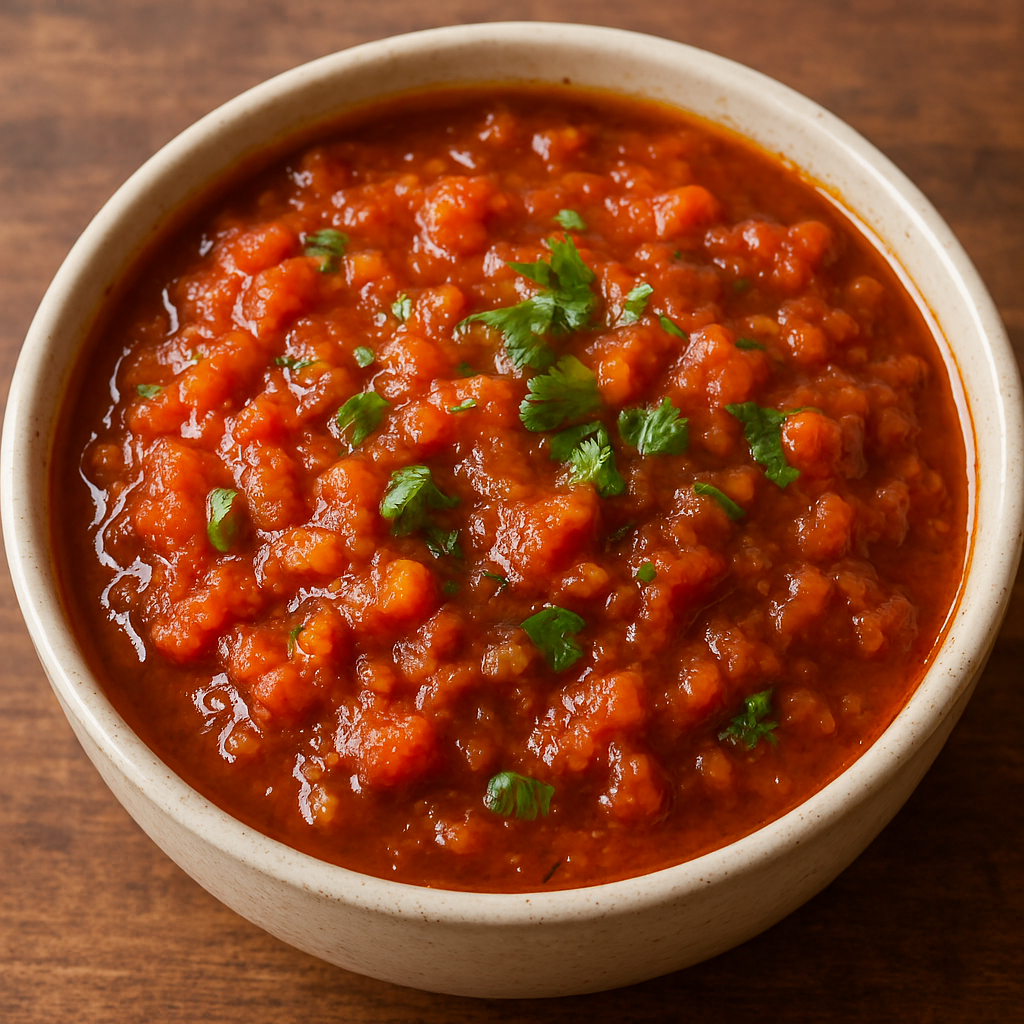
Weeks later, on a cold evening, I may drop those frozen tomatoes into a simmering soup or bubbling sauce. Slowly they melt into the dish, bringing warmth and richness back to life.
The tomato loses one purpose only to gain another.
There is comfort in that — knowing leftovers can still become part of something nourishing instead of ending up forgotten in the trash.
- Frozen tomatoes lose their firm texture.
- Best used in soups, sauces, and stews.
- Freezing helps reduce food waste.
- Properly frozen tomatoes can last for months.
Checking the Slices
Now, whenever I cut into a tomato, I see it differently.
What looks simple and ordinary is actually delicate and temporary. The moment the knife breaks its skin, the tomato begins a quiet race against time — one that lasts only a few short days.
Day by day, it transforms from vibrant and fresh into something soft and fading.
Yet with care — airtight storage, thoughtful cooking, and sometimes freezing — its life can stretch a little longer.
A sliced tomato may seem small and insignificant, but its fragile journey tells a deeper story about freshness, waste, and appreciating food before its time runs out.
And every time I place leftover slices into the refrigerator, I remember the same quiet truth – The clock has already started ticking.
Wrapping Up
A cut tomato may seem simple, but its freshness is surprisingly short-lived. Once sliced, it begins a gradual change — from firm and flavorful on the first day to soft and spoiled within just a few days. In most cases, cut tomatoes stay fresh in the refrigerator for about 3 to 5 days when stored properly in an airtight container.
Careful storage can make a noticeable difference. Keeping the tomato sealed, refrigerated, and protected from excess air helps preserve its texture and flavor for longer. And even when it becomes too soft for salads or sandwiches, it can still find a second life in soups, sauces, and cooked dishes.
In the end, a sliced tomato is a small reminder that freshness never lasts forever — which is why the best meals are often enjoyed while ingredients are still at their brightest and best.
Leave a Reply