Every tomato journey begins not in the garden, but in the quiet corners of your home. Long before the vines stretch toward the sun, seeds rest in trays, waiting for warmth and light. This stage is where timing becomes the gardener’s greatest ally.
Start too early, and seedlings grow restless, stretching thin in search of light. Start too late, and the season slips away before your plants can truly flourish. Mastering the calendar is the difference between a modest harvest and baskets overflowing with juicy tomatoes.
The Gardener’s Calendar – Counting Back from Frost
Table of Contents
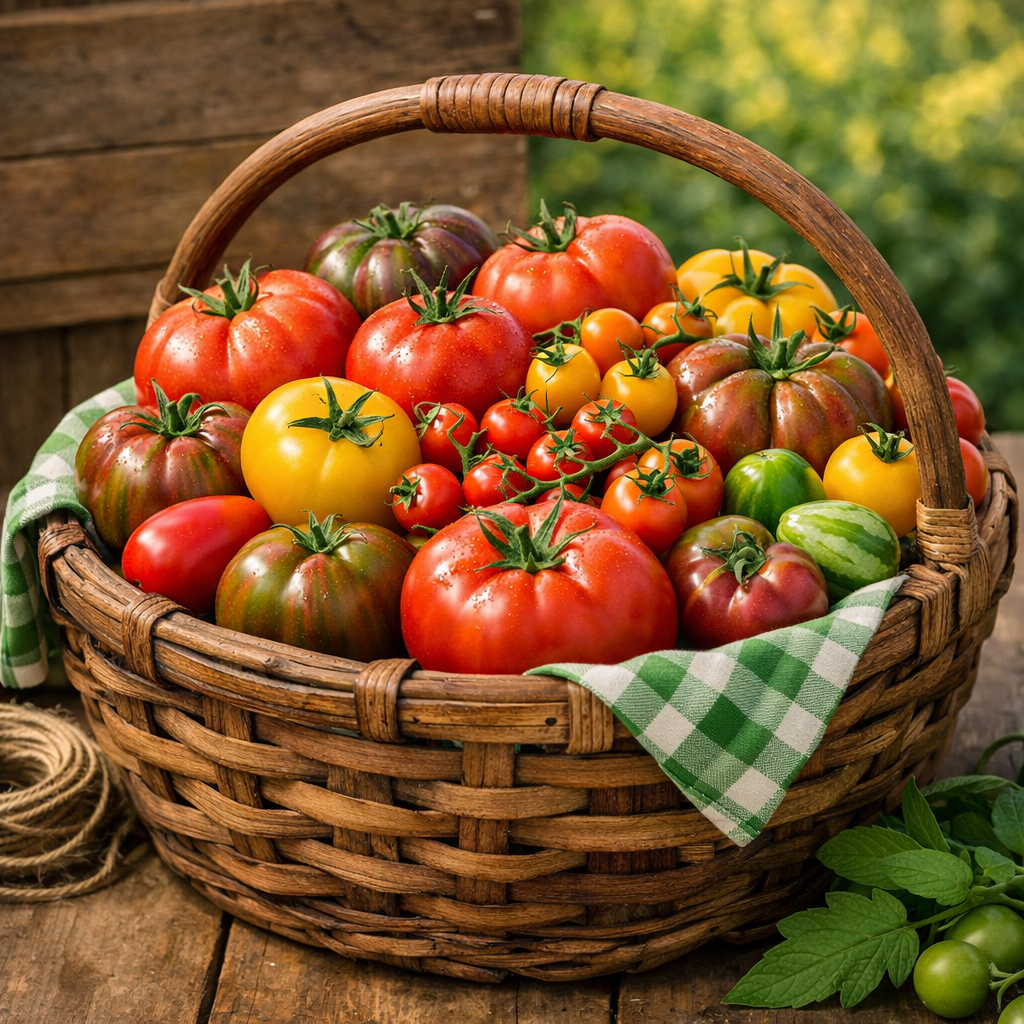
Timing is the heartbeat of tomato growing. Because tomatoes are warm‑season plants, frost is their greatest enemy. The key is to work backward from your region’s last frost date.
Golden Rule – Plant seeds indoors 6–8 weeks before the last expected frost.
Why It Works – This window ensures seedlings are strong but not root‑bound.
For example – If frost ends around April 15, sow seeds between late February and early March. A countdown where each day indoors prepares your plants for the outdoor stage.
The Seed’s Story – Choosing the Right Variety
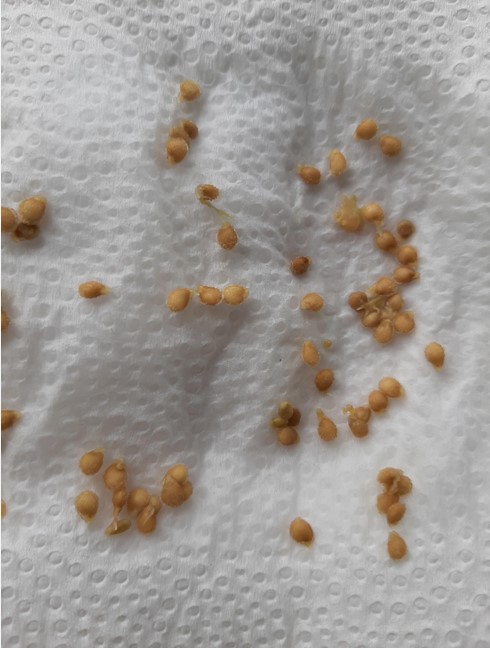
Not all tomatoes grow at the same pace. Choosing the right variety shapes your planting calendar.
Early Varieties – Cherry tomatoes thrive with just 6 weeks indoors.
Large Varieties – Beefsteaks need closer to 8 weeks for strong roots.
Gardener’s Choice – Quick salads call for cherries; hearty sandwiches deserve beefsteaks.
Match your seed choice to your culinary dreams and adjust timing accordingly.
The Indoor Stage – Light, Warmth, and Care
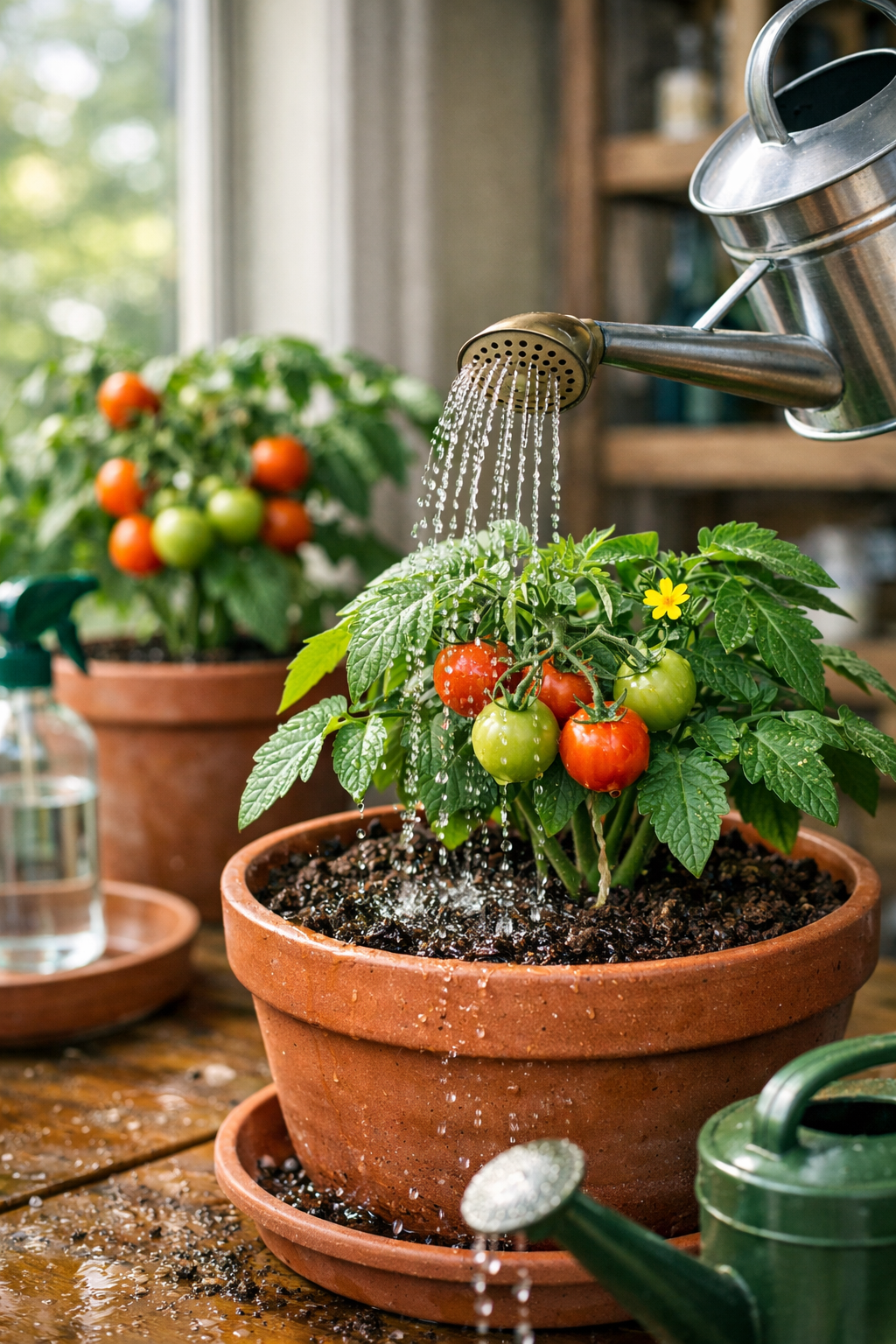
Starting tomatoes indoors is more than marking a date—it’s about creating a nurturing environment.
Light – Provide 14–16 hours daily with grow lights to prevent spindly stems.
Warmth – Maintain 21–27°C; heat mats mimic spring soil.
Moisture – Keep soil evenly moist, never soggy.
Patience – Germination takes 5–10 days, but true growth unfolds slowly.
Visualize – Your windowsill becomes a greenhouse, each tray a promise of summer.
The Transition Chapter – Hardening Off
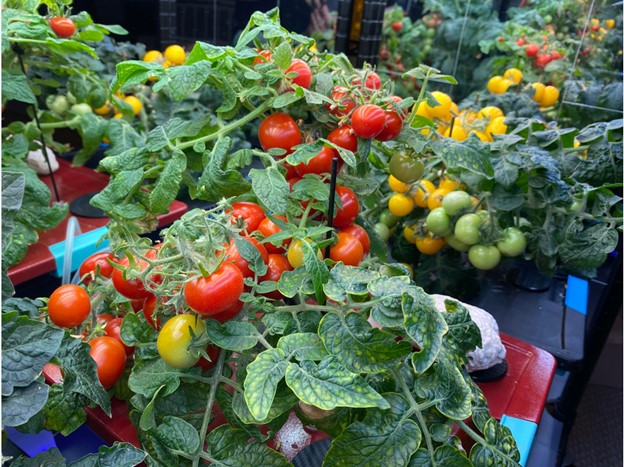
Indoor success must be matched with outdoor readiness. Hardening off is the bridge between the two worlds.
Start Early – Begin 1–2 weeks before transplanting.
Gradual Exposure – Introduce seedlings to outdoor light and wind in short sessions.
Temperature Check – Only transplant when nights stay above 10°C.
Result – Strong, resilient plants ready to thrive in the garden.
Common Mistakes – Lessons from Impatient Gardeners
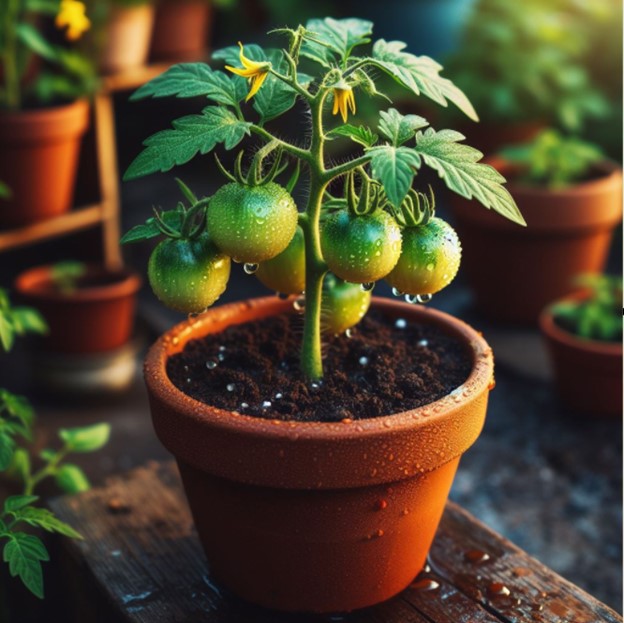
Every gardener learns timing through trial and error. Avoid these pitfalls:
Too Early – Seedlings outgrow pots, becoming stressed indoors.
Too Late – Plants lag behind, producing fewer fruits before autumn frost.
Ignoring Frost Dates – One cold night can undo weeks of nurturing.
Takeaway – Balance is everything—patience rewards you with healthier plants.
Regional Timelines – A Gardener’s Guide
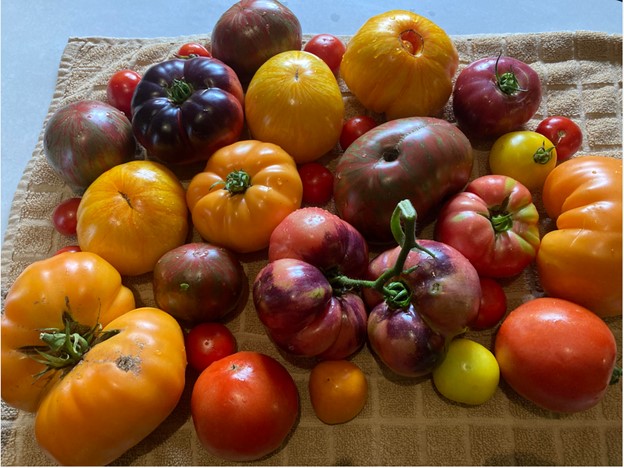
Tomatoes may be a global favorite, but their planting calendar is anything but universal. Because frost dates shift dramatically from one region to another, the right time to start seeds depends on local climate patterns.
From the chilly springs of the Northern US and UK to the frost‑free tropics of South India, each zone has its own rhythm. The chart below maps out when to begin sowing so your plants align with nature’s clock.
| Northern US / UK | Last frost mid‑April to May | Start late Feb | Mid March |
| Southern US / Mediterranean | Last frost early March | Start mid Jan | Early Feb |
| India (North) | Last frost mid‑Feb | Start late Dec | Early Jan |
| India (South, tropical) | Minimal frost | Seeds can be started year‑round | Avoiding monsoon peaks |
Beyond Timing – Setting the Stage for Success
Starting tomato seeds indoors isn’t just about marking the calendar—it’s about creating the right environment. Each detail, from soil to labeling, sets the foundation for strong seedlings that will thrive once transplanted outdoors.
Prepare the Soil Mix
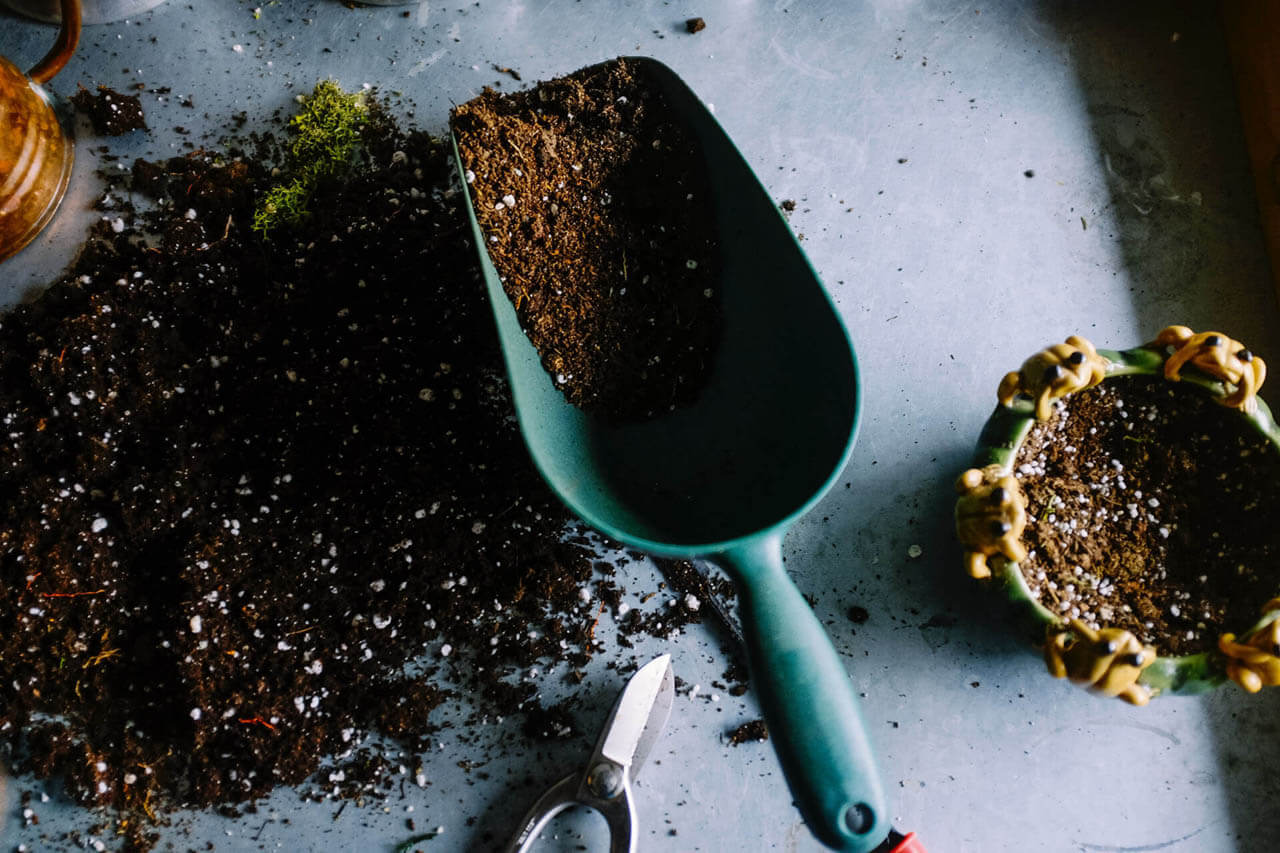
A light, well-draining medium ensures healthy root development.
- Use a seed-starting mix, not garden soil
- Mix in a little perlite or vermiculite for aeration
- Avoid heavy soils that retain too much water
Choose the Right Containers
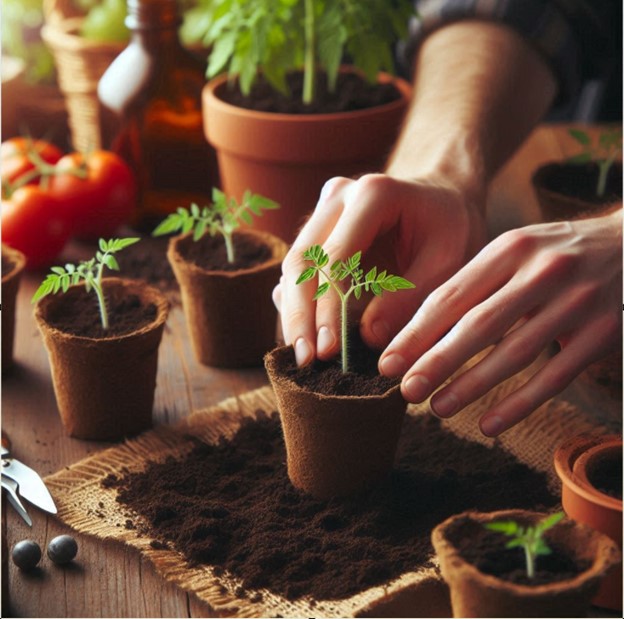
Containers influence transplant success and root health.
- Opt for biodegradable pots or seed trays
- Ensure containers have drainage holes
- Small pots are fine initially, but plan to upsize
Water with Care
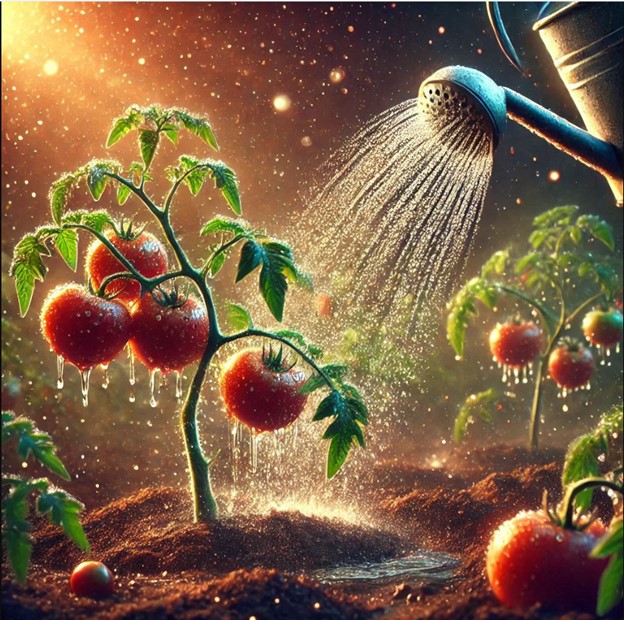
Moisture balance is critical for germination.
- Keep soil consistently moist, never soggy
- Use a spray bottle for gentle watering
- Cover trays with a humidity dome until seeds sprout
Label Clearly
Proper labeling prevents mix-ups between varieties.
- Write the variety name on each pot or tray
- Use waterproof markers or plant tags
- Keep a seed-starting log for reference
Closing Thoughts
Starting tomatoes indoors is not about chasing a fixed date—it’s about harmony with nature’s rhythm.
By counting back from frost, choosing the right variety, and nurturing seedlings under light and warmth, you set the stage for a harvest that feels inevitable.
The story of your tomatoes begins indoors, but it ends in the garden—with vines heavy with fruit, each bite a reminder that timing is the gardener’s greatest tool.
Leave a Reply